
![[PRO Tips] Gold’s Bullish Revival: Seasonal Trends and Key Levels to Watch](https://xinker.org/uploads/images/202412/image_430x256_67724cc6ad0cd.webp)
![[PRO Tips] Gold Market Under Short-Term Pressure, Safe-Haven Demand and Central Bank Buying Support Long-Term Upside Potential](https://xinker.org/uploads/images/202412/image_430x256_676ffb4685287.webp)
![[PRO Tips] Analysis of 9 key points of differentiation strategy! Master differentiation to create a brand advantage that is unique in the world!](https://firebasestorage.googleapis.com/v0/b/xinker-tips.appspot.com/o/article_thumbnails%2Fscaled_differentiation%20strategy.png.png?alt=media&token=a1bfc3d2-e85a-4db7-8a6d-01c7274f8940)
![[PRO Tips] Will REITs regain growth momentum in 2024? 3 REITs ETFs you must know if you want to invest in real estate.](https://firebasestorage.googleapis.com/v0/b/xinker-tips.appspot.com/o/article_thumbnails%2Fscaled_REITs1.png.png?alt=media&token=8af4eb93-33ff-466f-8039-b6555fad52b4)
![[PRO Tips] Complete tutorial on how to make money in Adobe Stock!](https://firebasestorage.googleapis.com/v0/b/xinker-tips.appspot.com/o/article_thumbnails%2Fscaled_tut-adobe1.png.png?alt=media&token=0b2c8cf2-22bd-4142-883e-140ed1cbaf02)
![[Passive Income] Unlock the secret of passive income: 3 steps to apply for Google AdSense](https://xinker.org/uploads/images/202410/image_430x256_6717a4fb3052b.webp)
![[Passive Income] Earn over $200 a day with AI-generated articles!](https://firebasestorage.googleapis.com/v0/b/xinker-tips.appspot.com/o/article_thumbnails%2Fscaled_article1.png.png?alt=media&token=f61bf35b-8553-4719-826d-7360024adc70)
![[Passive Income] Earn over 20 USD per download with AI-generated images!](https://firebasestorage.googleapis.com/v0/b/xinker-tips.appspot.com/o/article_thumbnails%2Fscaled_adobe2.png.png?alt=media&token=3e20e76a-a907-45af-80aa-bf9b3600301f)
![[Passive Income] Earn 10 USD per new download by sharing CapCut!](https://firebasestorage.googleapis.com/v0/b/xinker-tips.appspot.com/o/article_thumbnails%2Fscaled_capcut2.png.png?alt=media&token=a04dec40-1fac-4857-86f2-19a8be02d38e)
![[Passive Income] Use your WiFi to create passive income in 5 minutes, and you can earn 4-6 U per day!](https://firebasestorage.googleapis.com/v0/b/xinker-tips.appspot.com/o/article_thumbnails%2Fscaled_Grassio.webp.png?alt=media&token=7659a95e-0e47-4f27-a17d-c942ac3cf7f4)


![[Business Talk] The Unique Theme of XINKER's Song: Beef Wellington and Business Mastery](https://xinker.org/uploads/images/202410/image_430x256_671afc155f47f.webp)
![[Business Talk] Chagee: Opening 3,500 stores in 6 years](https://xinker.org/uploads/images/202410/image_430x256_671afce80c5f9.webp)

Nexus Games Conference 2026 will highlight Ireland’s growth in the game industry | interviews
If you look for games made in Ireland, you’ll find 150 indie titles on the Steam web page dedicated to the Games From Ireland Steam Event. That’s relatively small compared to the big-budget games made in the United Kingdom, or in Ukraine (680 games). But Ireland is on the map of the game industry, and its ambition is to climb up the food chain. And perhaps its best chance will be the gift of Irish gab: storytelling. After all, Ireland is home to one of the greatest storytellers of all time, James Joyce, author of The Dead, Portrait of the Artist as a Young Man, Ulysses and the perhaps ever-impenetrable Finnegans Wake. If you think of Finnegans Wake as the equivalent of a heavy-duty triple-A game (as an English major, I never got through it), Ireland is still getting through the Portrait stage with titles like Romero Games’ Empire of Sin, a story of Prohibition. Ireland is coming of age, with perhaps 2,000 game developers across the country and ambitions to move up the food chain of gaming. It’s not clear how many game companies there are now, but there are around 44 core game studios in Ireland in 2026, according to Guarav Mathur, creator of Gamedevmap. “I think one of the strengths Ireland has, or Irish creatives have, is storytelling. So this is true across all our media,” said Colm Larkin, head of the trade group Imirt and director of the indie game studio, Gambrinous. So Irish writers, playwrights, musicians, filmmakers have had global recognition, and I think it’s on the back of this that culturally it’s something we’re really strong at.” He added, “It’s one of the reasons Irish people historically have left Ireland and lived all around the world. We’ve always found a way to fit in with a lot of different cultures. And I think the stories we tell, and this goes back to games, resonate really well worldwide. I think Irish creatives naturally are able to tell stories that connect to people all over the world. That is probably one of our biggest strengths.”https://www.youtube.com/embed/SGwrAGL_h80?feature=oembed But even though the game industry is in a tough space now, there’s hope. That’s the conclusion from a variety of interviews I’ve done with Irish game developers and Stuart Dempsey, CEO of the Nexus Games Conference, which is coming up September 23 to September 25 in Dublin. “Ireland is on a good trajectory. It’s still very much in its infancy, the games industry here in Ireland, but there’s a very, very high ceiling. Everything is moving in the right direction,” said Dempsey at Nexus Games Conference. “All stakeholders and the government are fully engaged, so it’s a really exciting time.” Ireland’s government is stepping up to support the event and the larger industry with its games investment, which started with Screen Ireland, which supports the local film and entertainment industries, and continues with Imirt (the Irish word for play), a trade group for gaming. Stuart Dempsey runs the Nexus Games Conference. Source: Nexus Games Conference Imirt, the Irish Game Makers Association, is the representative body for games in Ireland and was created in 2015 by members of the games community. The goal of Imirt is to increase awareness of Ireland’s game developers on the national and international stage while providing opportunities for networking, community growth and development. Imirt has been a key driver in improvements for the Irish games industry, including the development of the Digital Games Tax Credit (Section 481A) and rolling out the Screen Ireland Digital Games Portfolio fund, said Désirée Finnegan, CEO at Screen Ireland, in a message to GamesBeat. Based on a 2024 Imirt survey, there are 92 games businesses in Ireland, with 75 of them game studios. The largest game hubs in the country are in Dublin and Galway, though many studios are spread throughout the island, said Finnegan. Colm Larkin, an Irish game developer (at Gambrinous) and CEO of Imirt, said in an interview with GamesBeat, that over 2,000 people are working in the games sector in Ireland. While that seems like a lot, the largest studio, Black Shamrock (a division of external development firm Virtuos), is around 150 people. Some of the biggest studios in the global industry have thousands of devs. Brenda Romero and husband John Romero in a scene from Game On. Source: Game On Because of the disparity in jobs between Ireland and other places like the United Kingdom, France, Finland, Turkey, and other places, many would-be game developers in Ireland go abroad, either to study game development or find jobs at established studios, according to a Fulbright report by seasoned American game developer Brenda Romero. One of those creators was Brendan Greene, who moved abroad and later made PlayerUnknown’s Battlegrounds, or PUBG, which went on to sell nearly 100 million copies for Krafton, a South Korean game publisher. Another example is Sean Murray, an Irish native who went to the U.K. and made No Man’s Sky at Hello Games. Romero herself

If you look for games made in Ireland, you’ll find 150 indie titles on the Steam web page dedicated to the Games From Ireland Steam Event. That’s relatively small compared to the big-budget games made in the United Kingdom, or in Ukraine (680 games).
But Ireland is on the map of the game industry, and its ambition is to climb up the food chain. And perhaps its best chance will be the gift of Irish gab: storytelling.
After all, Ireland is home to one of the greatest storytellers of all time, James Joyce, author of The Dead, Portrait of the Artist as a Young Man, Ulysses and the perhaps ever-impenetrable Finnegans Wake. If you think of Finnegans Wake as the equivalent of a heavy-duty triple-A game (as an English major, I never got through it), Ireland is still getting through the Portrait stage with titles like Romero Games’ Empire of Sin, a story of Prohibition.
Ireland is coming of age, with perhaps 2,000 game developers across the country and ambitions to move up the food chain of gaming. It’s not clear how many game companies there are now, but there are around 44 core game studios in Ireland in 2026, according to Guarav Mathur, creator of Gamedevmap.
“I think one of the strengths Ireland has, or Irish creatives have, is storytelling. So this is true across all our media,” said Colm Larkin, head of the trade group Imirt and director of the indie game studio, Gambrinous. So Irish writers, playwrights, musicians, filmmakers have had global recognition, and I think it’s on the back of this that culturally it’s something we’re really strong at.”
He added, “It’s one of the reasons Irish people historically have left Ireland and lived all around the world. We’ve always found a way to fit in with a lot of different cultures. And I think the stories we tell, and this goes back to games, resonate really well worldwide. I think Irish creatives naturally are able to tell stories that connect to people all over the world. That is probably one of our biggest strengths.”
https://www.youtube.com/embed/SGwrAGL_h80?feature=oembed But even though the game industry is in a tough space now, there’s hope. That’s the conclusion from a variety of interviews I’ve done with Irish game developers and Stuart Dempsey, CEO of the Nexus Games Conference, which is coming up September 23 to September 25 in Dublin.
“Ireland is on a good trajectory. It’s still very much in its infancy, the games industry here in Ireland, but there’s a very, very high ceiling. Everything is moving in the right direction,” said Dempsey at Nexus Games Conference. “All stakeholders and the government are fully engaged, so it’s a really exciting time.”
Ireland’s government is stepping up to support the event and the larger industry with its games investment, which started with Screen Ireland, which supports the local film and entertainment industries, and continues with Imirt (the Irish word for play), a trade group for gaming.
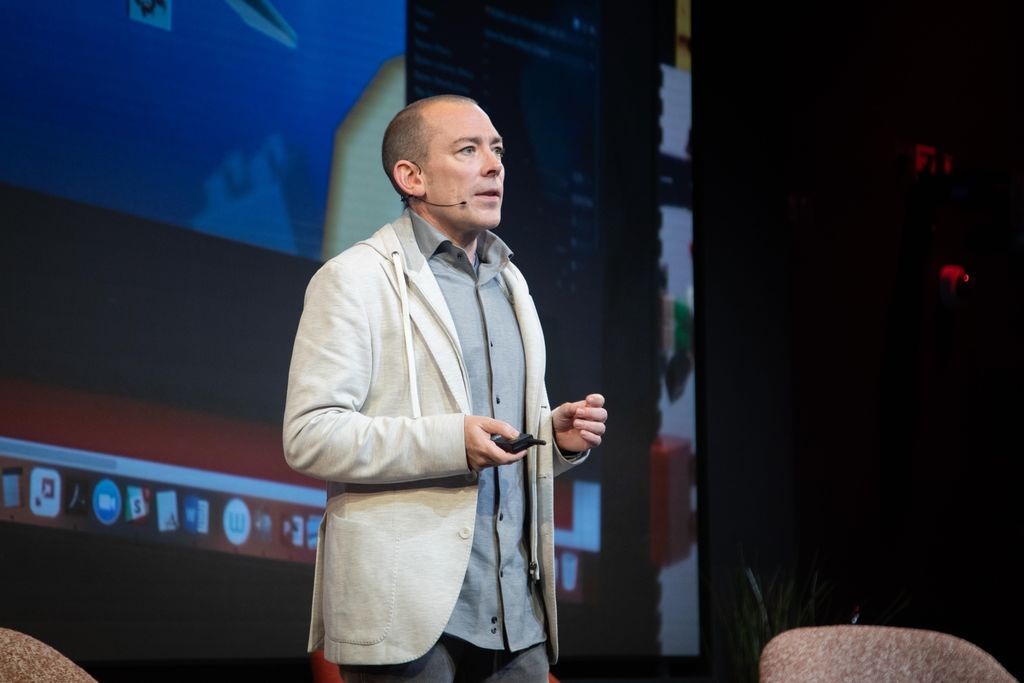 Stuart Dempsey runs the Nexus Games Conference. Source: Nexus Games Conference Imirt, the Irish Game Makers Association, is the representative body for games in Ireland and was created in 2015 by members of the games community. The goal of Imirt is to increase awareness of Ireland’s game developers on the national and international stage while providing opportunities for networking, community growth and development.
Imirt has been a key driver in improvements for the Irish games industry, including the development of the Digital Games Tax Credit (Section 481A) and rolling out the Screen Ireland Digital Games Portfolio fund, said Désirée Finnegan, CEO at Screen Ireland, in a message to GamesBeat.
Based on a 2024 Imirt survey, there are 92 games businesses in Ireland, with 75 of them game studios. The largest game hubs in the country are in Dublin and Galway, though many studios are spread throughout the island, said Finnegan.
Colm Larkin, an Irish game developer (at Gambrinous) and CEO of Imirt, said in an interview with GamesBeat, that over 2,000 people are working in the games sector in Ireland. While that seems like a lot, the largest studio, Black Shamrock (a division of external development firm Virtuos), is around 150 people. Some of the biggest studios in the global industry have thousands of devs.
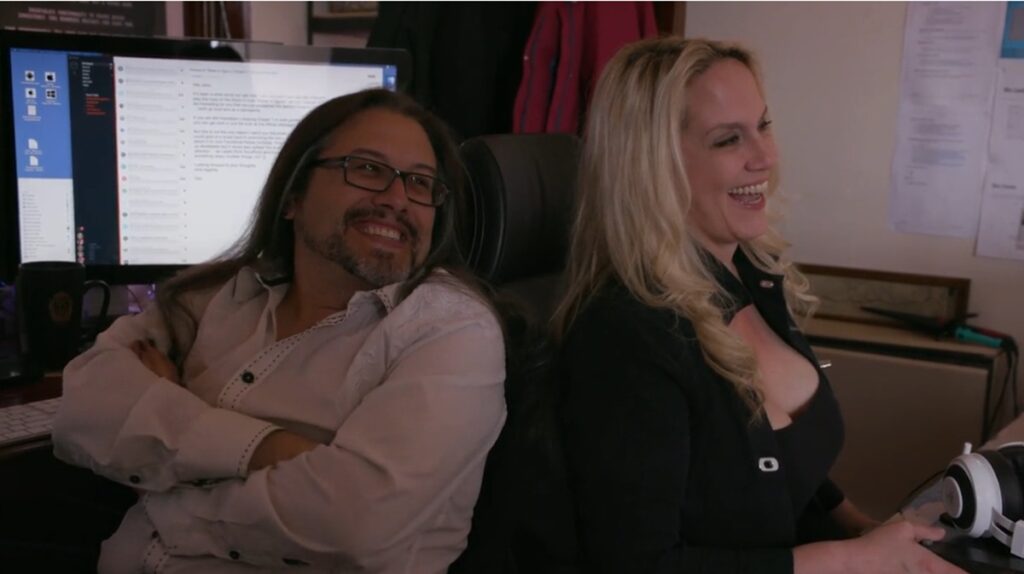 Brenda Romero and husband John Romero in a scene from Game On. Source: Game On Because of the disparity in jobs between Ireland and other places like the United Kingdom, France, Finland, Turkey, and other places, many would-be game developers in Ireland go abroad, either to study game development or find jobs at established studios, according to a Fulbright report by seasoned American game developer Brenda Romero.
One of those creators was Brendan Greene, who moved abroad and later made PlayerUnknown’s Battlegrounds, or PUBG, which went on to sell nearly 100 million copies for Krafton, a South Korean game publisher. Another example is Sean Murray, an Irish native who went to the U.K. and made No Man’s Sky at Hello Games.
Romero herself is a transplant from the U.S. who started Romero Games — a studio she started with spouse John Romero, the Doom creator — in Galway. They made the game Empire of Sin, published by Paradox Interactive.
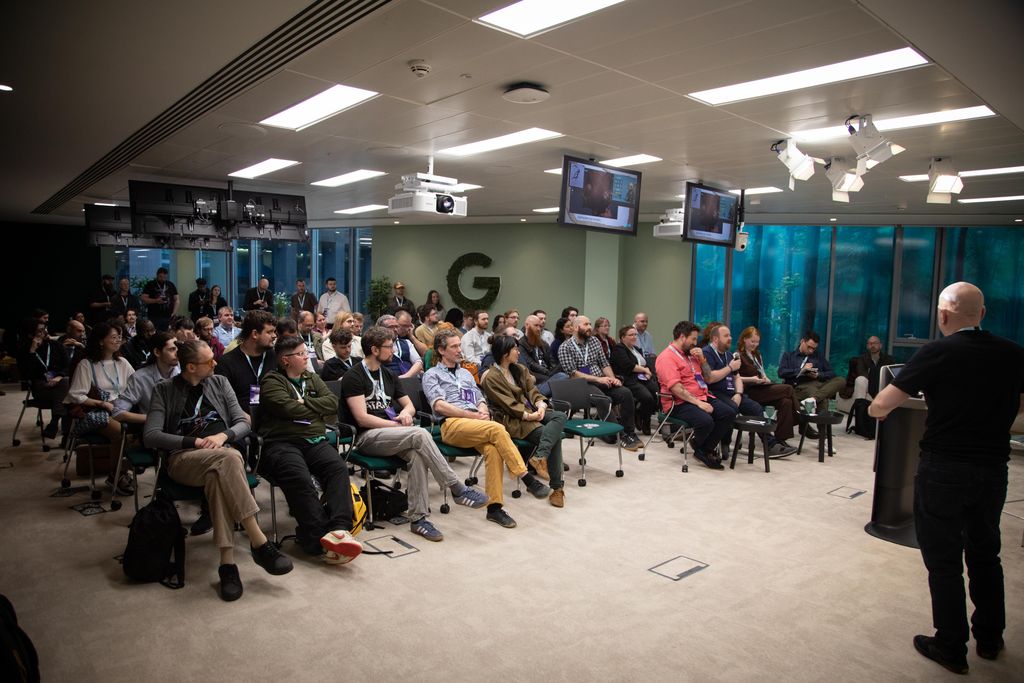 Nexus Games Conference. Source: Nexus Games Conference Back when she was starting a couple of decades ago, it was hard to find work at local studios, said Elaine Reynolds, head of Black Shamrock. The games industry wasn’t mature enough to support a lot of junior game makers. Now the presence of larger studios makes such relocation less necessary.
The biggest employers in Ireland include Black Shamrock, 2K Games, Microsoft (Xbox, Activision-Blizzard-King and Havok), Riot Games, Larian, Scopely and StoryToys. Sony Interactive Entertainment has announced it will be entering the Irish market in 2027.
There are also reverse examples of immigration like the Romeros. Larkin also said his parents moved abroad to find work beyond Ireland, and they moved back when he was 15. That gave him an incentive to start work as a game developer in Ireland.
Many of the game developers are part of small indie studios, but there are a number of bigger employers that work as external development studios, or contractors, for other game companies.
Examples of prominent recent games using Irish culture as part of their storytelling include The Séance of Blake Manor (Spooky Doorway); If Found… (Dreamfeel); Eyes of Hellfire (Gambrinous); and TÖLT (Enigma Studios).
“That Séance game is set in Ireland. It’s telling an Irish story, but it’s actually really international. The characters in it are actually quite international, and that has really connected with people worldwide,” Larkin said.
Many countries have tried this strategy, with varying degrees of success. Among the big efforts have happened in Canada, most of Europe, Turkey, United Arab Emirates, Saudi Arabia, New Zealand and Australia. All of that represents everyone’s efforts to catch up with major economic hubs for games in the United States, northern Europe and Japan.
As a result, support for games in Ireland has expanded, with the Irish Government introducing the Digital Games Corporation Tax Credit (Digital Games Relief) in late 2022 and making improvements to the incentive in 2026. State agencies including Screen Ireland, IDA Ireland and Enterprise Ireland are each playing a role in strengthening the Irish games ecosystem into the future.
Launched in late 2022, the Digital Games Corporation Tax Credit (Games Relief) encourages studios to set up in Ireland, or expand their operations here. Under the
Irish scheme, eligible companies can get a tax credit equal to 32% of expenditure they incur on designing, production and testing a game, up to a limit of €25 million per project.
In 2025, the tax credit was extended for a further six years, and in 2026, crucial changes were introduced and approved by the European Commission to expand the Digital Games Tax Credit. The relief will now support eligible post-release development for up to three years: helping studios invest for longer; create more high-quality content; and support increased expression of Irish and European culture in the development of games and creative IP.
The Digital Games Tax Credit covers eligible expenditure for up to three years post-
release and is granted at a rate of 32% of the lowest of:
eligible expenditure, 80% of qualifying expenditure
or €25 million (for the game as a whole, including both pre- and post-release
expenditure)
The minimum amount that must be spent on the development of a game remains
€100,000.
These improvements and the extension to the Digital Games Tax Credit have been
strongly welcomed by the sector, and will support the potential for significant growth
across the Irish games industry.
been expanded recently to support the development of the games industry in Ireland.
As a public body under the aegis of the Department of Culture, Communication and
Sport, the agency’s remit has been to develop a thriving screen industry, and to
support the expression of Irish culture on screen.
Ireland made a concerted push to get film and tech businesses into the country from the 1980s onwards. Ireland has become a major hub for Meta, Google, LinkedIn, Microsoft, Amazon, Apple and Intel. Major films and TV shows shot in Ireland include Harry Potter, Game of Thrones, Braveheart, Saving Private Ryan, Excalibur, and Star Wars episodes VII, VIII and IX.
And after a while, in 1991, the Irish film industry saw its own home-grown success, the soul music comedy-drama movie, The Commitments, which told a unique story about Ireland adopting American music.
“There are some parallels there with film, like The Commitments, which came from the country and people who are here,” said Paul Conway, founder of Spooky Doorway, a game studio in Galway, Ireland. “Maybe we’re starting to have our first The Commitments come out from people who are here and making games about their own culture. I think it is the beginning.”
Conway’s own hit game, Blake Manor, is a celebration of Irish history and mythology. It exposes people from around the world to Irish culture.
But the work to recruit games came much later, Larkin said.
Screen Ireland started by convening a national Games Forum in 2025 that brought
together representatives from domestic and international studios and developers to
provide views and input into a strategic approach for the sector.
Finnegan said Screen Ireland recently announced it is recruiting for its first head of games in a new role that will partner with industry to develop a national games strategy to drive creative development, support the growth of local studios and attract
international companies to develop games and original IP in Ireland.
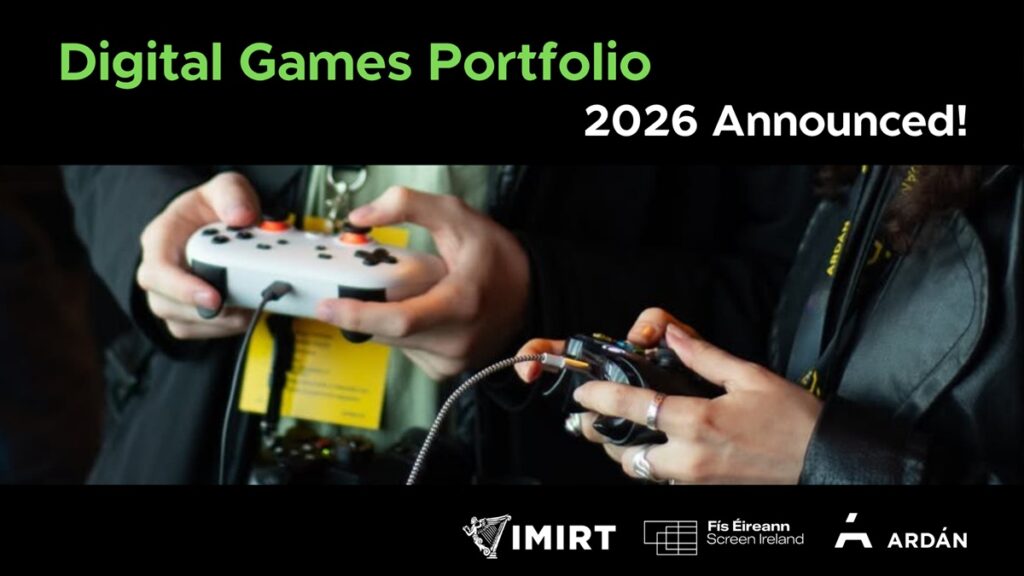 Games Portfolio of Imirt in 2026. Source: Imirt Larkin has done the Imirt part-time for the last two years. But for the last 12 years, he has been running an indie game studio, Gambrinous. He made games like Guild of Dungeoneering, Cardpocalypse, Super Happy Pet and Eyes of Hellfire. The studio fluctuated between one person and nine, and it is three at the moment.
He’s glad to see the growth of game developers.
“We started with nothing,” he said. “We were bedroom coders from the 1980s onward. It was as dense an industry in Ireland as it was in the UK.
Around 2014, Larkin recalls going with a whole group of Irish game developers to the Game Developers Conference in San Francisco.
 Colm Larkin is head of Imirt and director of Gambrinous. Source: Gambrinous “We saw all these like big boots from other countries, and nothing from Ireland. And we basically said, let’s do something about it. And that led to the founding of Imert as an organization to grow our industry here, to represent it internationally, and nationally, to say to our government, to say this is an industry well worth supporting,” Larkin said.
He added, “Over the last 12 years, it’s been really successful.”
Larkin’s own studio received support via the tax credit, which currently covers games fully made in Ireland. Larkin would like to see the tax credit extended for games partially made in Ireland by some of the bigger companies. Lately, Imert is investing 500,000 euros as direct investments into games.
Larkin said the barrier to entry to create games is quite low. Especially mobile games, where companies don’t need large teams. Digital distribution has made it even easier to make games anywhere in the world and reach the global market.
One advantage for Ireland is the ability to speak English, which makes it easier to work with developers in other countries that speak English.
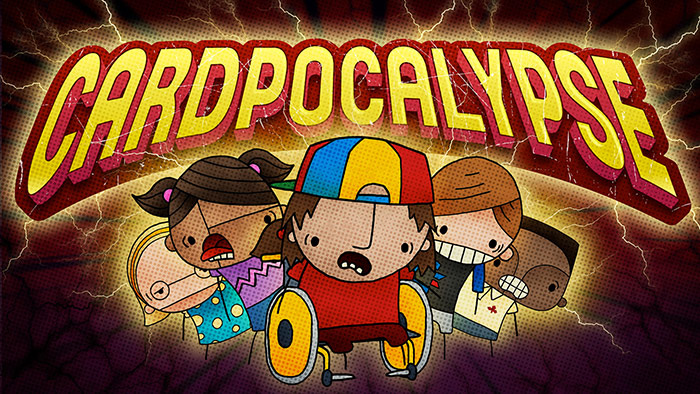 Gambrinous’ Cardpocalypse game. Source: Gambrinous “I will say to people, to creators here in Ireland, but it’s true all over the world. Make something that you know you believe in, you understand, and resonates with you, and you will find an audience sees the care and the level of authenticity in your story and your characters or what you’re trying to do, rather than trying to make something that you think fits this imagined audience,” Larkin said.
Back in the 1990s, there were no games courses for Larkin at the universities to study. He studied computer science, and he said, “I didn’t think anyone was making games in Ireland. Now we have Killian Murphy winning the Oscar. That makes everyone stand up and pay attention. One of the things Imirt is trying to do is grow recognition of what we are doing.”
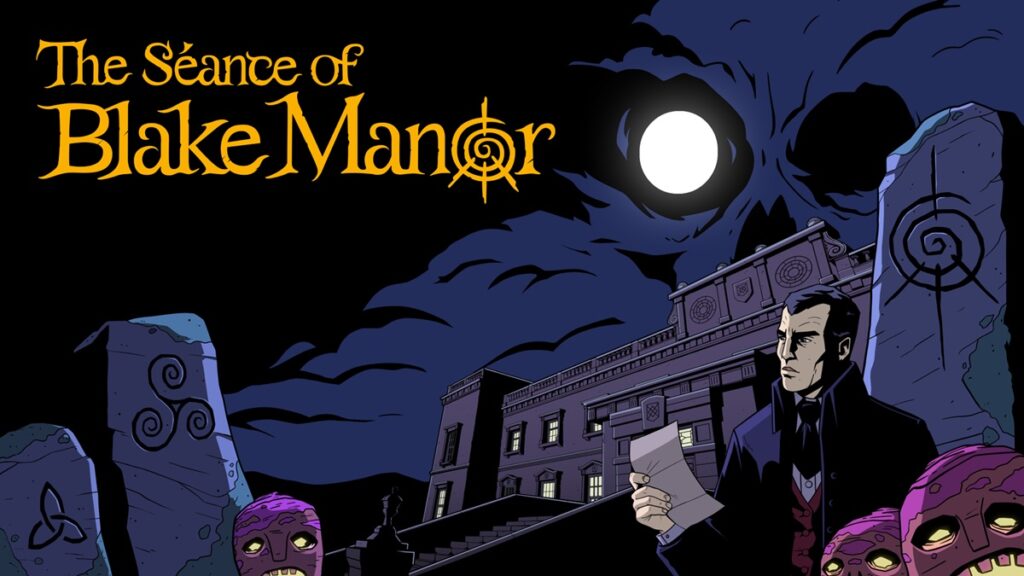 The Séance of Blake Manor is a hit from Spooky Doorway in Ireland. Source: Spooky Doorway Conway, the founder of Spooky Doorway, has made games like Dark Side Detective, The Séance of Blake Manor and more for the past 20 years. In college, he studied computer animation, but there wasn’t really a games industry in Ireland. He said he felt he was too much of a coward to move away, and so he stayed. Then games on phones (pre-iPhone) took off and he took a pixel art job at a game studio called Neff Games.
It lasted only two years, but it was a start in the city of Galway, where Conway still lives in Ireland. He worked on art for games on a freelance basis for a decade.
In 2015, he started Spooky Doorway to work on the Dark Side Detective game. He started with a game for a game jam. They posted online about it and got a good reaction. The work snowballed and the team was able to get the game out in a couple of years on Steam. The money wasn’t enough to enable everyone to quit their jobs, but it was enough for one developer to go full-time. Then it snowballed and they were able to do a Kickstarter campaign for a second game.
“Other opportunities brought in more money here and there, and it slowly grew. It wasn’t an overnight thing, but two years after we launched, we were all full-time work at the studio,” Conway said.
The team grew from three people to 12 now. They made The Séance of Blake Manor, which was a relatively big hit for the team, and the staff peaked at around 20 people. That game came out in October and it generated more money on Steam than the previous two games
“It’s a detective story in a supernatural world based in Ireland’s history of mythology,” Conway said. “It started out as a personal project of mine, which got adopted into the studio. I was inspired by some older games, like Hotel Dusk on DS, Gone Home.”
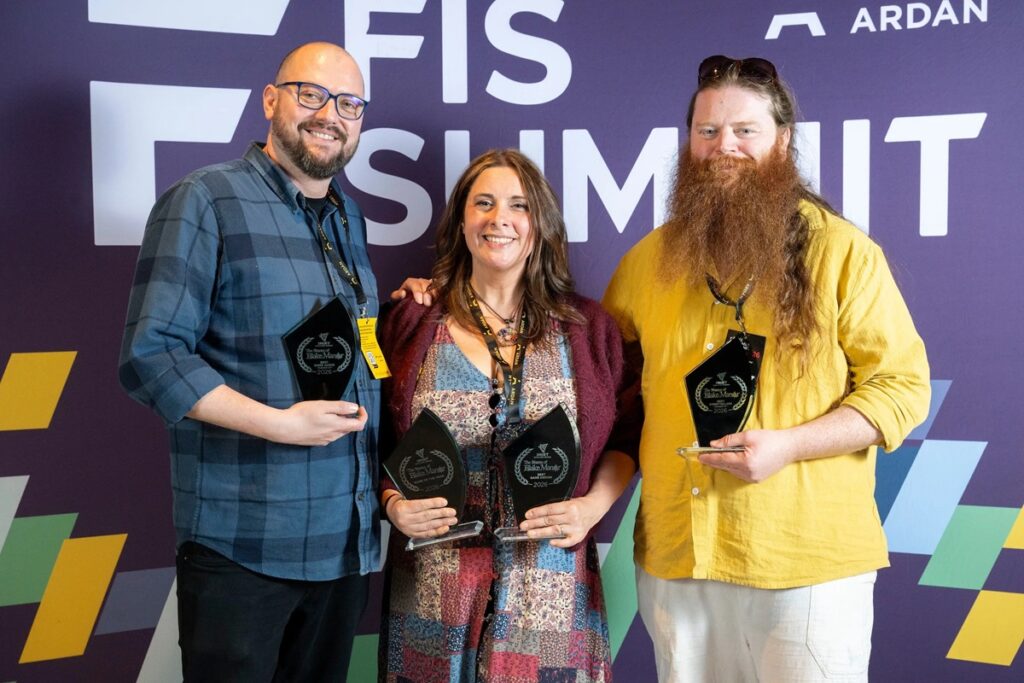 The leaders of Spooky Doorway. Paul Conway is on the left. Source: Spooky Doorway. There was no Irish government funding at the time, so the company got publisher funding and money from the Creative Europe Media Fund. But he notes that there’s relatively little money available to fund game businesses, and so “you have to find funding elsewhere.”
Some will seek funding from Northern Ireland or the rest of the U.K. After about a decade in business, Conway said, “We’re comfortable at the very early stages. We’re starting to have our moments. A lot more indies popped up, and some of them survived, and we’re starting to get another resurgence where some are doing well.”
Now the studio is big enough to benefit from the tax credit.
He added, “We’re getting back to another resurgence where the ones driving are doing well, and there are notable games around us. I think we’re on the rise. With the right support and enough people sticking around to succeed, it can only grow more.”
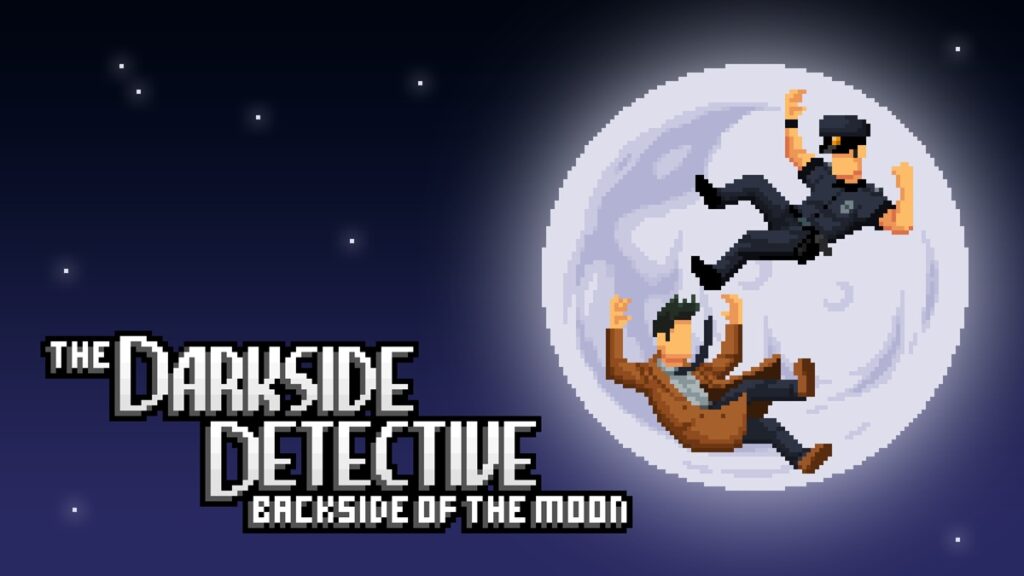 Darkside Detective from Spooky Doorway. Source: Spooky Doorway Conway said it was inspiring when the Romeros showed up in Galway. Brenda Romero went to Ireland on a Fulbright scholarship as an academic and her family fell in love with the place. And they fit in.
“They have all done huge games, but they’re still very indie in their spirit,” Conway said. “They can command big budgets and grow big teams, but they are very much grassroots developers.”
Elaine Reynolds, head of Virtuos’ Black Shamrock external development studio in Dublin, said that the Irish have an edge in that they play games. The per capita spending on gamers is among the highest in the world.
Conway said that the Irish are very aware of U.K. and U.S. culture and they watch the same movies and play the same video games.
“I was a Super Nintendo kid in general,” Conway said. “I grew up playing games.”
That by itself is an advantage for Ireland. In some places around the world, they play games that are not based on their own languages. They may also grow up in areas that have no video game culture, and so it’s harder for them to learn how to make great games. That’s because they still have to learn to appreciate great games before they become game developers.
If anything, Larkin thinks Ireland has an advantage because it’s chasing something.
“When you’re winning, when you’re the leader, you don’t have to innovate,” Larkin said. “You can just sit on that. It happens all the time in every industry, big or small. The incumbent can just sit there and keep winning for a while until someone else comes in and does something disruptive. Maybe this is the incentive to make something happen. I think we are at the start of a beginning of a sustainable industry.”
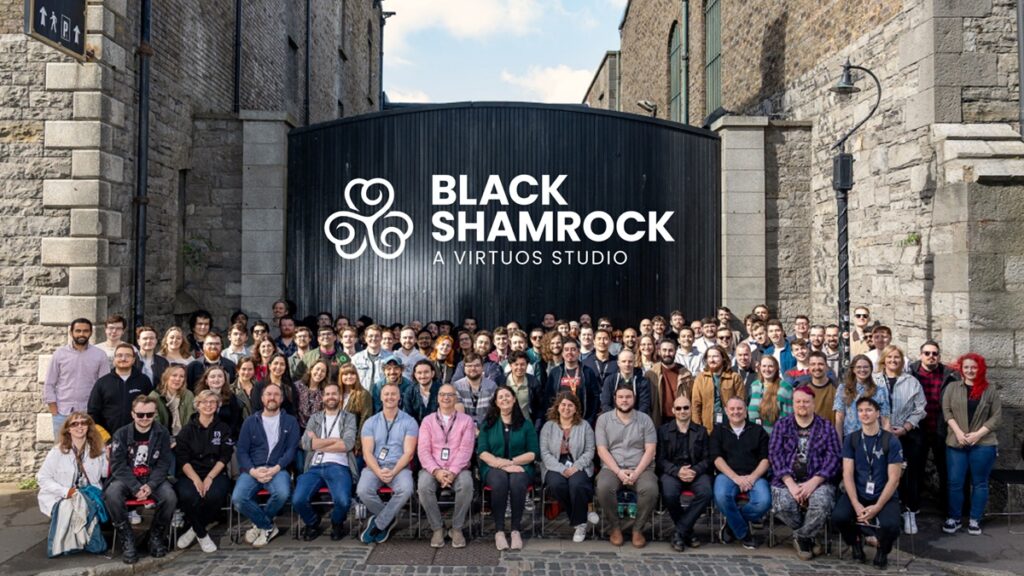 Black Shamrock team in Dublin, Ireland. Source: Black Shamrock Like many places around the world, many devs break into game development through external development, and Dublin has its share of those as it rises in the food chain. Hit with high costs and layoffs, many triple-A studios are turning to external development because it’s easier to flex the staff up and down without resorting to giant layoffs.
Reynolds said that Black Shamrock is the biggest game studio in Ireland with about 150 permanent people plus contractors that take it up to around 175 people. It started in 2015 as the sister of a French game studio, Widescreen Games, and external development firm Virtuos acquired Black Shamrock in 2017.
Reynolds arrived in 2023. She likes its central location in Dublin in the Guinness Enterprise Center, and it’s full of native English speakers — but also has 29 nationalities on staff. The studio has worked on Blood Bowl, Werewolf and Paranoia. The offices are in a vibrant part of the center of Dublin near other Guinness tourist sites and tech companies. Its biggest effort was helping with The Elder Scrolls IV: Oblivion Remastered. It also contributed to Baldur’s Gate 3 and Star Trek: Fleet Command.
When Reynolds started 20 years ago, there were a few mobile game companies, but she had to go abroad to get work. She wound up in Dundee, Scotland, where she got an advanced degree in computer games technology, and so she worked in the U.K. She eventually wound up at Peter Molyneux’s Lionhead Studios in Guildford, England.
Then she moved back and set up an indie game studio. She eventually got tapped to run Black Shamrock, which is hiring people from around the world. The studio works on six to ten games at any one time. If one is shut down abruptly, the studio isn’t harmed. People can be shifted between projects and learn how to build games quickly.
Reynolds is supporting bringing more women into the industry. Each year, her firm supports an event called Crack the Code for International Women’s Day. It tries to normalize having speakers with women in the lineup, talking about tech and game development.
 Elaine Reynolds, general manager of Black Shamrock in Dublin. Source: Black Shamrock As for the growth in jobs, Reynolds said there is a lot of volatility in the industry at the moment.
“But I think Ireland has a lot of the ingredients to be successful,” Reynolds said. “There’s a lot of people here studying games. There’s a big interest in playing games. Ireland ranks quite high in terms of spending on games, and it has an entrepreneurial, creative culture. The games industry is newer in Ireland compared to other countries. There is also good government support. I think there is going to be ups and downs, and studios closing and then consolidating into new studios. I think that’s going to happen. But I’d be very hopeful for the future of Ireland. I think we punch above our weight already.”
O’Neill also sees Black Shamrock as an important company that is developing a talent pool in Ireland.
Dempsey saw the event’s transformation as a natural evolution. IDA Ireland supported the event, as did game studio StoryToys. And the event is strengthening the community.
In 2023, Dempsey started the first Nexus Games Conference as a B2B event in Dublin. The event is now in its fourth year, and it features a chat that I will have with the legendary American game developer Don Daglow.
“We’re getting more international visitors, and we’re shining a light on the incredible talent and potential of the Irish games industry, which is on a fantastic trajectory,” Dempsey said.
“I think Stuart’s conference has been a centralizing force,” said Emmet O’Neill, CEO of StoryToys, in an interview with GamesBeat.
 StoryToys makes games for kids on iOS and Android. Source: StoryToys StoryToys is a Dublin game studio with a big team. It was founded in 2008 by brothers Aidan and Kevin Doolan. First called Ideal Binary, they later rebranded it to StoryToys and made interactive pop-up book apps for children with light game mechanics. Over time, they focused on high-quality education apps on iOS and Android.
In 2017, Team17 acquired the studio for $26.5 million. Barry O’Neill helped scale the business, and his brother Emmet O’Neill took over as CEO six years ago.
“We’re very tightly focused on making apps and games for children, more specifically licensed, and most of our real success is in the preschool space,” O’Neill said. “Some people look at licenses where developers go to die. I’m actually really passionate about making licensed titles, and I do it because I think I’m passionate about making children’s content. Using licenses is a shortcut and a means of connection.”
So the company partners with the likes of Disney, Lego and Mattel. They’re making games together that intercept kids on smartphones, before they make their way to Nintendo games. That focus has given the company more than 300 million downloads and more than 400,000 active subscribers. Monthly active users are as much as 12 million a month. That has enabled StoryToys to hit about 120 people.
“It’s been continuous growth for six or seven years,” O’Neill said.
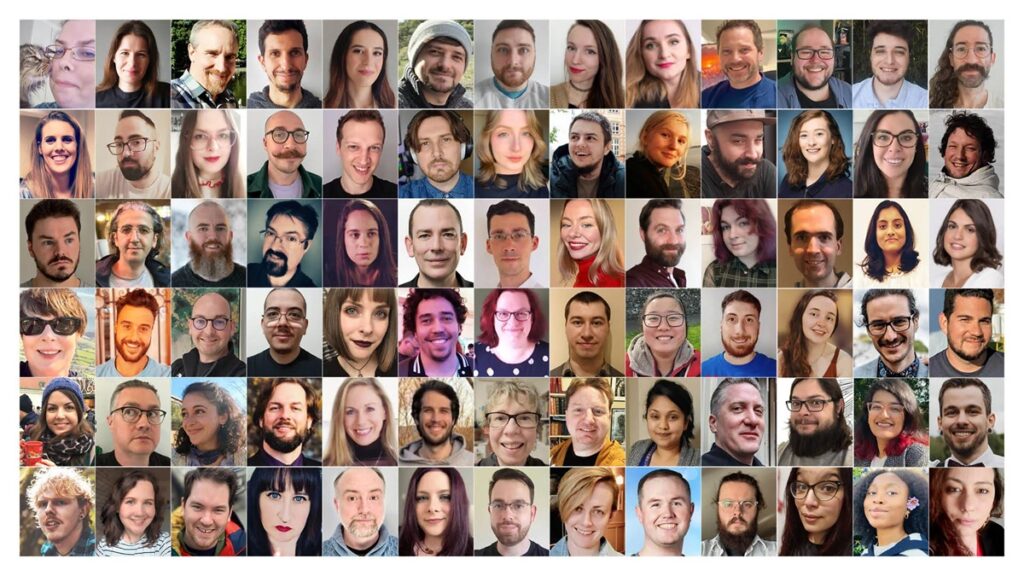 The StoryToys team. Source: StoryToys “It’s not without its challenges, but it’s a very exciting time at the moment, because there are multiple companies growing in the space, and some of them are doing it work for hire organizations, but that’s exactly how you develop a talent pool, right?” O’Neill said.
“Eventually, people splinter off, build their own games, and you get a thriving and interesting ecosystem,” O’Neill said. “We’ve also got a great animation scene. We have a lot of talent in that area, and colleges are churning out creatives.”
In the past, places like Ireland and Brazil seemed like they were in unstable places. But with the instability in places like the U.S., the Middle East, and much of Europe thanks to wars and economic upheavals, Ireland seems like it’s better off.
“It’s a remarkably moderate place, and I’ve met a ridiculous number of people who have moved to Ireland because of instability,” O’Neill said.
Disclosure: Nexus Games Conference is paying my way to Ireland. The content of this article is the sole responsibility of GamesBeat.
The post Nexus Games Conference 2026 will highlight Ireland’s growth in the game industry | interviews appeared first on GamesBeat.
But Ireland is on the map of the game industry, and its ambition is to climb up the food chain. And perhaps its best chance will be the gift of Irish gab: storytelling.
After all, Ireland is home to one of the greatest storytellers of all time, James Joyce, author of The Dead, Portrait of the Artist as a Young Man, Ulysses and the perhaps ever-impenetrable Finnegans Wake. If you think of Finnegans Wake as the equivalent of a heavy-duty triple-A game (as an English major, I never got through it), Ireland is still getting through the Portrait stage with titles like Romero Games’ Empire of Sin, a story of Prohibition.
Ireland is coming of age, with perhaps 2,000 game developers across the country and ambitions to move up the food chain of gaming. It’s not clear how many game companies there are now, but there are around 44 core game studios in Ireland in 2026, according to Guarav Mathur, creator of Gamedevmap.
“I think one of the strengths Ireland has, or Irish creatives have, is storytelling. So this is true across all our media,” said Colm Larkin, head of the trade group Imirt and director of the indie game studio, Gambrinous. So Irish writers, playwrights, musicians, filmmakers have had global recognition, and I think it’s on the back of this that culturally it’s something we’re really strong at.”
He added, “It’s one of the reasons Irish people historically have left Ireland and lived all around the world. We’ve always found a way to fit in with a lot of different cultures. And I think the stories we tell, and this goes back to games, resonate really well worldwide. I think Irish creatives naturally are able to tell stories that connect to people all over the world. That is probably one of our biggest strengths.”
https://www.youtube.com/embed/SGwrAGL_h80?feature=oembed But even though the game industry is in a tough space now, there’s hope. That’s the conclusion from a variety of interviews I’ve done with Irish game developers and Stuart Dempsey, CEO of the Nexus Games Conference, which is coming up September 23 to September 25 in Dublin.
“Ireland is on a good trajectory. It’s still very much in its infancy, the games industry here in Ireland, but there’s a very, very high ceiling. Everything is moving in the right direction,” said Dempsey at Nexus Games Conference. “All stakeholders and the government are fully engaged, so it’s a really exciting time.”
Ireland’s government is stepping up to support the event and the larger industry with its games investment, which started with Screen Ireland, which supports the local film and entertainment industries, and continues with Imirt (the Irish word for play), a trade group for gaming.
Stuart Dempsey runs the Nexus Games Conference. Source: Nexus Games Conference Imirt, the Irish Game Makers Association, is the representative body for games in Ireland and was created in 2015 by members of the games community. The goal of Imirt is to increase awareness of Ireland’s game developers on the national and international stage while providing opportunities for networking, community growth and development. Imirt has been a key driver in improvements for the Irish games industry, including the development of the Digital Games Tax Credit (Section 481A) and rolling out the Screen Ireland Digital Games Portfolio fund, said Désirée Finnegan, CEO at Screen Ireland, in a message to GamesBeat.
Based on a 2024 Imirt survey, there are 92 games businesses in Ireland, with 75 of them game studios. The largest game hubs in the country are in Dublin and Galway, though many studios are spread throughout the island, said Finnegan.
Colm Larkin, an Irish game developer (at Gambrinous) and CEO of Imirt, said in an interview with GamesBeat, that over 2,000 people are working in the games sector in Ireland. While that seems like a lot, the largest studio, Black Shamrock (a division of external development firm Virtuos), is around 150 people. Some of the biggest studios in the global industry have thousands of devs.
Brenda Romero and husband John Romero in a scene from Game On. Source: Game On Because of the disparity in jobs between Ireland and other places like the United Kingdom, France, Finland, Turkey, and other places, many would-be game developers in Ireland go abroad, either to study game development or find jobs at established studios, according to a Fulbright report by seasoned American game developer Brenda Romero.One of those creators was Brendan Greene, who moved abroad and later made PlayerUnknown’s Battlegrounds, or PUBG, which went on to sell nearly 100 million copies for Krafton, a South Korean game publisher. Another example is Sean Murray, an Irish native who went to the U.K. and made No Man’s Sky at Hello Games.
Romero herself is a transplant from the U.S. who started Romero Games — a studio she started with spouse John Romero, the Doom creator — in Galway. They made the game Empire of Sin, published by Paradox Interactive.
Nexus Games Conference. Source: Nexus Games Conference Back when she was starting a couple of decades ago, it was hard to find work at local studios, said Elaine Reynolds, head of Black Shamrock. The games industry wasn’t mature enough to support a lot of junior game makers. Now the presence of larger studios makes such relocation less necessary.The biggest employers in Ireland include Black Shamrock, 2K Games, Microsoft (Xbox, Activision-Blizzard-King and Havok), Riot Games, Larian, Scopely and StoryToys. Sony Interactive Entertainment has announced it will be entering the Irish market in 2027.
There are also reverse examples of immigration like the Romeros. Larkin also said his parents moved abroad to find work beyond Ireland, and they moved back when he was 15. That gave him an incentive to start work as a game developer in Ireland.
Many of the game developers are part of small indie studios, but there are a number of bigger employers that work as external development studios, or contractors, for other game companies.
Examples of prominent recent games using Irish culture as part of their storytelling include The Séance of Blake Manor (Spooky Doorway); If Found… (Dreamfeel); Eyes of Hellfire (Gambrinous); and TÖLT (Enigma Studios).
“That Séance game is set in Ireland. It’s telling an Irish story, but it’s actually really international. The characters in it are actually quite international, and that has really connected with people worldwide,” Larkin said.
Ireland’s tax incentives
https://www.youtube.com/embed/Rx8g8sWijBs?feature=oembed The Irish Government’s tax relief for games and recent policy support of Ireland’s games sector has shown sustained momentum in recent years and benefits from a growing domestic ecosystem of studios, developer programmes and international investment, Finnegan said. Many countries have tried this strategy, with varying degrees of success. Among the big efforts have happened in Canada, most of Europe, Turkey, United Arab Emirates, Saudi Arabia, New Zealand and Australia. All of that represents everyone’s efforts to catch up with major economic hubs for games in the United States, northern Europe and Japan.
As a result, support for games in Ireland has expanded, with the Irish Government introducing the Digital Games Corporation Tax Credit (Digital Games Relief) in late 2022 and making improvements to the incentive in 2026. State agencies including Screen Ireland, IDA Ireland and Enterprise Ireland are each playing a role in strengthening the Irish games ecosystem into the future.
Launched in late 2022, the Digital Games Corporation Tax Credit (Games Relief) encourages studios to set up in Ireland, or expand their operations here. Under the
Irish scheme, eligible companies can get a tax credit equal to 32% of expenditure they incur on designing, production and testing a game, up to a limit of €25 million per project.
In 2025, the tax credit was extended for a further six years, and in 2026, crucial changes were introduced and approved by the European Commission to expand the Digital Games Tax Credit. The relief will now support eligible post-release development for up to three years: helping studios invest for longer; create more high-quality content; and support increased expression of Irish and European culture in the development of games and creative IP.
The Digital Games Tax Credit covers eligible expenditure for up to three years post-
release and is granted at a rate of 32% of the lowest of:
eligible expenditure, 80% of qualifying expenditure
or €25 million (for the game as a whole, including both pre- and post-release
expenditure)
The minimum amount that must be spent on the development of a game remains
€100,000.
These improvements and the extension to the Digital Games Tax Credit have been
strongly welcomed by the sector, and will support the potential for significant growth
across the Irish games industry.
Screen Ireland’s efforts and the growth of an Irish games culture
https://www.youtube.com/embed/_mtP_CcwVss?feature=oembed Screen Ireland is the national agency for the Irish screen industries, and its remit hasbeen expanded recently to support the development of the games industry in Ireland.
As a public body under the aegis of the Department of Culture, Communication and
Sport, the agency’s remit has been to develop a thriving screen industry, and to
support the expression of Irish culture on screen.
Ireland made a concerted push to get film and tech businesses into the country from the 1980s onwards. Ireland has become a major hub for Meta, Google, LinkedIn, Microsoft, Amazon, Apple and Intel. Major films and TV shows shot in Ireland include Harry Potter, Game of Thrones, Braveheart, Saving Private Ryan, Excalibur, and Star Wars episodes VII, VIII and IX.
And after a while, in 1991, the Irish film industry saw its own home-grown success, the soul music comedy-drama movie, The Commitments, which told a unique story about Ireland adopting American music.
“There are some parallels there with film, like The Commitments, which came from the country and people who are here,” said Paul Conway, founder of Spooky Doorway, a game studio in Galway, Ireland. “Maybe we’re starting to have our first The Commitments come out from people who are here and making games about their own culture. I think it is the beginning.”
Conway’s own hit game, Blake Manor, is a celebration of Irish history and mythology. It exposes people from around the world to Irish culture.
But the work to recruit games came much later, Larkin said.
Screen Ireland started by convening a national Games Forum in 2025 that brought
together representatives from domestic and international studios and developers to
provide views and input into a strategic approach for the sector.
Finnegan said Screen Ireland recently announced it is recruiting for its first head of games in a new role that will partner with industry to develop a national games strategy to drive creative development, support the growth of local studios and attract
international companies to develop games and original IP in Ireland.
Game veterans
Games Portfolio of Imirt in 2026. Source: Imirt Larkin has done the Imirt part-time for the last two years. But for the last 12 years, he has been running an indie game studio, Gambrinous. He made games like Guild of Dungeoneering, Cardpocalypse, Super Happy Pet and Eyes of Hellfire. The studio fluctuated between one person and nine, and it is three at the moment.He’s glad to see the growth of game developers.
“We started with nothing,” he said. “We were bedroom coders from the 1980s onward. It was as dense an industry in Ireland as it was in the UK.
Around 2014, Larkin recalls going with a whole group of Irish game developers to the Game Developers Conference in San Francisco.
Colm Larkin is head of Imirt and director of Gambrinous. Source: Gambrinous “We saw all these like big boots from other countries, and nothing from Ireland. And we basically said, let’s do something about it. And that led to the founding of Imert as an organization to grow our industry here, to represent it internationally, and nationally, to say to our government, to say this is an industry well worth supporting,” Larkin said.He added, “Over the last 12 years, it’s been really successful.”
Larkin’s own studio received support via the tax credit, which currently covers games fully made in Ireland. Larkin would like to see the tax credit extended for games partially made in Ireland by some of the bigger companies. Lately, Imert is investing 500,000 euros as direct investments into games.
Larkin said the barrier to entry to create games is quite low. Especially mobile games, where companies don’t need large teams. Digital distribution has made it even easier to make games anywhere in the world and reach the global market.
One advantage for Ireland is the ability to speak English, which makes it easier to work with developers in other countries that speak English.
Gambrinous’ Cardpocalypse game. Source: Gambrinous “I will say to people, to creators here in Ireland, but it’s true all over the world. Make something that you know you believe in, you understand, and resonates with you, and you will find an audience sees the care and the level of authenticity in your story and your characters or what you’re trying to do, rather than trying to make something that you think fits this imagined audience,” Larkin said.Back in the 1990s, there were no games courses for Larkin at the universities to study. He studied computer science, and he said, “I didn’t think anyone was making games in Ireland. Now we have Killian Murphy winning the Oscar. That makes everyone stand up and pay attention. One of the things Imirt is trying to do is grow recognition of what we are doing.”
A home-grown Irish hit game from Spooky Doorway
The Séance of Blake Manor is a hit from Spooky Doorway in Ireland. Source: Spooky Doorway Conway, the founder of Spooky Doorway, has made games like Dark Side Detective, The Séance of Blake Manor and more for the past 20 years. In college, he studied computer animation, but there wasn’t really a games industry in Ireland. He said he felt he was too much of a coward to move away, and so he stayed. Then games on phones (pre-iPhone) took off and he took a pixel art job at a game studio called Neff Games.It lasted only two years, but it was a start in the city of Galway, where Conway still lives in Ireland. He worked on art for games on a freelance basis for a decade.
In 2015, he started Spooky Doorway to work on the Dark Side Detective game. He started with a game for a game jam. They posted online about it and got a good reaction. The work snowballed and the team was able to get the game out in a couple of years on Steam. The money wasn’t enough to enable everyone to quit their jobs, but it was enough for one developer to go full-time. Then it snowballed and they were able to do a Kickstarter campaign for a second game.
“Other opportunities brought in more money here and there, and it slowly grew. It wasn’t an overnight thing, but two years after we launched, we were all full-time work at the studio,” Conway said.
The team grew from three people to 12 now. They made The Séance of Blake Manor, which was a relatively big hit for the team, and the staff peaked at around 20 people. That game came out in October and it generated more money on Steam than the previous two games
“It’s a detective story in a supernatural world based in Ireland’s history of mythology,” Conway said. “It started out as a personal project of mine, which got adopted into the studio. I was inspired by some older games, like Hotel Dusk on DS, Gone Home.”
The leaders of Spooky Doorway. Paul Conway is on the left. Source: Spooky Doorway. There was no Irish government funding at the time, so the company got publisher funding and money from the Creative Europe Media Fund. But he notes that there’s relatively little money available to fund game businesses, and so “you have to find funding elsewhere.”Some will seek funding from Northern Ireland or the rest of the U.K. After about a decade in business, Conway said, “We’re comfortable at the very early stages. We’re starting to have our moments. A lot more indies popped up, and some of them survived, and we’re starting to get another resurgence where some are doing well.”
Now the studio is big enough to benefit from the tax credit.
He added, “We’re getting back to another resurgence where the ones driving are doing well, and there are notable games around us. I think we’re on the rise. With the right support and enough people sticking around to succeed, it can only grow more.”
Growing up with games
Darkside Detective from Spooky Doorway. Source: Spooky Doorway Conway said it was inspiring when the Romeros showed up in Galway. Brenda Romero went to Ireland on a Fulbright scholarship as an academic and her family fell in love with the place. And they fit in.“They have all done huge games, but they’re still very indie in their spirit,” Conway said. “They can command big budgets and grow big teams, but they are very much grassroots developers.”
Elaine Reynolds, head of Virtuos’ Black Shamrock external development studio in Dublin, said that the Irish have an edge in that they play games. The per capita spending on gamers is among the highest in the world.
Conway said that the Irish are very aware of U.K. and U.S. culture and they watch the same movies and play the same video games.
“I was a Super Nintendo kid in general,” Conway said. “I grew up playing games.”
That by itself is an advantage for Ireland. In some places around the world, they play games that are not based on their own languages. They may also grow up in areas that have no video game culture, and so it’s harder for them to learn how to make great games. That’s because they still have to learn to appreciate great games before they become game developers.
If anything, Larkin thinks Ireland has an advantage because it’s chasing something.
“When you’re winning, when you’re the leader, you don’t have to innovate,” Larkin said. “You can just sit on that. It happens all the time in every industry, big or small. The incumbent can just sit there and keep winning for a while until someone else comes in and does something disruptive. Maybe this is the incentive to make something happen. I think we are at the start of a beginning of a sustainable industry.”
The rise of external development
Black Shamrock team in Dublin, Ireland. Source: Black Shamrock Like many places around the world, many devs break into game development through external development, and Dublin has its share of those as it rises in the food chain. Hit with high costs and layoffs, many triple-A studios are turning to external development because it’s easier to flex the staff up and down without resorting to giant layoffs.Reynolds said that Black Shamrock is the biggest game studio in Ireland with about 150 permanent people plus contractors that take it up to around 175 people. It started in 2015 as the sister of a French game studio, Widescreen Games, and external development firm Virtuos acquired Black Shamrock in 2017.
Reynolds arrived in 2023. She likes its central location in Dublin in the Guinness Enterprise Center, and it’s full of native English speakers — but also has 29 nationalities on staff. The studio has worked on Blood Bowl, Werewolf and Paranoia. The offices are in a vibrant part of the center of Dublin near other Guinness tourist sites and tech companies. Its biggest effort was helping with The Elder Scrolls IV: Oblivion Remastered. It also contributed to Baldur’s Gate 3 and Star Trek: Fleet Command.
When Reynolds started 20 years ago, there were a few mobile game companies, but she had to go abroad to get work. She wound up in Dundee, Scotland, where she got an advanced degree in computer games technology, and so she worked in the U.K. She eventually wound up at Peter Molyneux’s Lionhead Studios in Guildford, England.
Then she moved back and set up an indie game studio. She eventually got tapped to run Black Shamrock, which is hiring people from around the world. The studio works on six to ten games at any one time. If one is shut down abruptly, the studio isn’t harmed. People can be shifted between projects and learn how to build games quickly.
Reynolds is supporting bringing more women into the industry. Each year, her firm supports an event called Crack the Code for International Women’s Day. It tries to normalize having speakers with women in the lineup, talking about tech and game development.
Elaine Reynolds, general manager of Black Shamrock in Dublin. Source: Black Shamrock As for the growth in jobs, Reynolds said there is a lot of volatility in the industry at the moment. “But I think Ireland has a lot of the ingredients to be successful,” Reynolds said. “There’s a lot of people here studying games. There’s a big interest in playing games. Ireland ranks quite high in terms of spending on games, and it has an entrepreneurial, creative culture. The games industry is newer in Ireland compared to other countries. There is also good government support. I think there is going to be ups and downs, and studios closing and then consolidating into new studios. I think that’s going to happen. But I’d be very hopeful for the future of Ireland. I think we punch above our weight already.”
O’Neill also sees Black Shamrock as an important company that is developing a talent pool in Ireland.
A centralizing force
https://www.youtube.com/embed/9gkFnrBz09w?start=3&feature=oembed Dempsey said the event that became Nexus started as an event that was a festival for games, Gamer Fest. Dempsey started that in 2017 in Galway, and it drew about 6,000 visitors each May. There were more panel discussions on careers and game development over time, with more focus on business discussions.Dempsey saw the event’s transformation as a natural evolution. IDA Ireland supported the event, as did game studio StoryToys. And the event is strengthening the community.
In 2023, Dempsey started the first Nexus Games Conference as a B2B event in Dublin. The event is now in its fourth year, and it features a chat that I will have with the legendary American game developer Don Daglow.
“We’re getting more international visitors, and we’re shining a light on the incredible talent and potential of the Irish games industry, which is on a fantastic trajectory,” Dempsey said.
“I think Stuart’s conference has been a centralizing force,” said Emmet O’Neill, CEO of StoryToys, in an interview with GamesBeat.
A kids studio
StoryToys makes games for kids on iOS and Android. Source: StoryToys StoryToys is a Dublin game studio with a big team. It was founded in 2008 by brothers Aidan and Kevin Doolan. First called Ideal Binary, they later rebranded it to StoryToys and made interactive pop-up book apps for children with light game mechanics. Over time, they focused on high-quality education apps on iOS and Android.In 2017, Team17 acquired the studio for $26.5 million. Barry O’Neill helped scale the business, and his brother Emmet O’Neill took over as CEO six years ago.
“We’re very tightly focused on making apps and games for children, more specifically licensed, and most of our real success is in the preschool space,” O’Neill said. “Some people look at licenses where developers go to die. I’m actually really passionate about making licensed titles, and I do it because I think I’m passionate about making children’s content. Using licenses is a shortcut and a means of connection.”
So the company partners with the likes of Disney, Lego and Mattel. They’re making games together that intercept kids on smartphones, before they make their way to Nintendo games. That focus has given the company more than 300 million downloads and more than 400,000 active subscribers. Monthly active users are as much as 12 million a month. That has enabled StoryToys to hit about 120 people.
“It’s been continuous growth for six or seven years,” O’Neill said.
The StoryToys team. Source: StoryToys “It’s not without its challenges, but it’s a very exciting time at the moment, because there are multiple companies growing in the space, and some of them are doing it work for hire organizations, but that’s exactly how you develop a talent pool, right?” O’Neill said.“Eventually, people splinter off, build their own games, and you get a thriving and interesting ecosystem,” O’Neill said. “We’ve also got a great animation scene. We have a lot of talent in that area, and colleges are churning out creatives.”
In the past, places like Ireland and Brazil seemed like they were in unstable places. But with the instability in places like the U.S., the Middle East, and much of Europe thanks to wars and economic upheavals, Ireland seems like it’s better off.
“It’s a remarkably moderate place, and I’ve met a ridiculous number of people who have moved to Ireland because of instability,” O’Neill said.
Disclosure: Nexus Games Conference is paying my way to Ireland. The content of this article is the sole responsibility of GamesBeat.
The post Nexus Games Conference 2026 will highlight Ireland’s growth in the game industry | interviews appeared first on GamesBeat.
What's Your Reaction?








XINKER - Business and Income Tips
Explore XINKER, the ultimate platform for mastering business strategies, discovering passive income opportunities, and learning success principles. Join a community of thinkers dedicated to achieving financial freedom and entrepreneurial excellence.
![[Business Talk] Chagee: Opening 3,500 stores in 6 years](https://xinker.org/uploads/images/202410/image_140x98_671afce94bf91.webp)