

![[PRO Tips] Gold’s Bullish Revival: Seasonal Trends and Key Levels to Watch](https://xinker.org/uploads/images/202412/image_430x256_67724cc6ad0cd.webp)
![[PRO Tips] Gold Market Under Short-Term Pressure, Safe-Haven Demand and Central Bank Buying Support Long-Term Upside Potential](https://xinker.org/uploads/images/202412/image_430x256_676ffb4685287.webp)
![[PRO Tips] Analysis of 9 key points of differentiation strategy! Master differentiation to create a brand advantage that is unique in the world!](https://firebasestorage.googleapis.com/v0/b/xinker-tips.appspot.com/o/article_thumbnails%2Fscaled_differentiation%20strategy.png.png?alt=media&token=a1bfc3d2-e85a-4db7-8a6d-01c7274f8940)
![[PRO Tips] Will REITs regain growth momentum in 2024? 3 REITs ETFs you must know if you want to invest in real estate.](https://firebasestorage.googleapis.com/v0/b/xinker-tips.appspot.com/o/article_thumbnails%2Fscaled_REITs1.png.png?alt=media&token=8af4eb93-33ff-466f-8039-b6555fad52b4)
![[PRO Tips] Complete tutorial on how to make money in Adobe Stock!](https://firebasestorage.googleapis.com/v0/b/xinker-tips.appspot.com/o/article_thumbnails%2Fscaled_tut-adobe1.png.png?alt=media&token=0b2c8cf2-22bd-4142-883e-140ed1cbaf02)
![[Passive Income] Unlock the secret of passive income: 3 steps to apply for Google AdSense](https://xinker.org/uploads/images/202410/image_430x256_6717a4fb3052b.webp)
![[Passive Income] Earn over $200 a day with AI-generated articles!](https://firebasestorage.googleapis.com/v0/b/xinker-tips.appspot.com/o/article_thumbnails%2Fscaled_article1.png.png?alt=media&token=f61bf35b-8553-4719-826d-7360024adc70)
![[Passive Income] Earn over 20 USD per download with AI-generated images!](https://firebasestorage.googleapis.com/v0/b/xinker-tips.appspot.com/o/article_thumbnails%2Fscaled_adobe2.png.png?alt=media&token=3e20e76a-a907-45af-80aa-bf9b3600301f)
![[Passive Income] Earn 10 USD per new download by sharing CapCut!](https://firebasestorage.googleapis.com/v0/b/xinker-tips.appspot.com/o/article_thumbnails%2Fscaled_capcut2.png.png?alt=media&token=a04dec40-1fac-4857-86f2-19a8be02d38e)
![[Passive Income] Use your WiFi to create passive income in 5 minutes, and you can earn 4-6 U per day!](https://firebasestorage.googleapis.com/v0/b/xinker-tips.appspot.com/o/article_thumbnails%2Fscaled_Grassio.webp.png?alt=media&token=7659a95e-0e47-4f27-a17d-c942ac3cf7f4)


![[Business Talk] The Unique Theme of XINKER's Song: Beef Wellington and Business Mastery](https://xinker.org/uploads/images/202410/image_430x256_671afc155f47f.webp)
![[Business Talk] Chagee: Opening 3,500 stores in 6 years](https://xinker.org/uploads/images/202410/image_430x256_671afce80c5f9.webp)


From the Dugout: Content Roadmap #2
A hearty hi-ho, sports fans!We’re back with another update on what’s coming to Backyard Baseball. In our last update we shared how our team has been heads-down working on the systems that shape every at-bat, every play in the field, and every close call on the basepaths. With this update we’re going to go a layer deeper and provide more specifics on what that entails. This roadmap covers what's about to land, and what we're still working on down the line. These updates are our way of showing you what we’re building, why we’re building it, and where Backyard Baseball is headed next.First, let’s cover a quick sidenote for you on the small patch that went out today. We have a hotfix up on version 1.0.9.5 for a save bug that could prevent profiles, leagues, and stats from loading correctly after an unexpected game shutdown. Saves affected by this bug will no longer fail to load or generate errors. As always, we appreciate your bug reports so we can continue to actively squash them, so please continue to share them with us {LINK REMOVED}here. Now with that out of the way, let’s dig into the roadmap below: Smarter Fielding & Base CoverageBase coverage has been a frequently cited system as a source of frustration for players, and it's receiving a major overhaul. Our goal is simple: fielders should cover bases like real teammates. Stepping in when they’re needed and staying out of your way when they’re not.Some of these updates will focus on edge cases, while others will help AI make smarter decisions during play. At the same time, we’ll be making sure those improvements perform well across our target platforms. Everything starts on PC, but we’re always looking ahead to ensure Backyard Baseball feels great wherever you play it.Fielders react to you, not just the ball. Move toward a covered base and the AI fielder will back off to give you room. Step away, and they’ll slide back into position.Nobody leaves a base uncovered. Vacate a base you’re covering and a nearby fielder will step in, even if they aren’t normally assigned there.Positioning resets cleanly. Return to your base and the AI fielder heads back to its original position. The same goes after throws. When the assigned baseman gets back to the bag, the temporary cover returns to their spot.Coverage has limits, by design. Fielders will only cover a base if they're close enough, so don't expect your shortstop to sprint all the way home to save a bad throw.Base Coverage: Fielder Backs Off When You ApproachBase Coverage: Nearby Fielder Steps InBase Coverage: Fielder Returns to PositionBase Coverage: Baseman Reclaims the Bag After a ThrowAlongside these improvements, we’re planning to clean up a number of fielding and baserunning behaviors that could make certain plays feel unfair or just plain strange.That includes issues like force outs not being called correctly, runners doing the infamous forward-and-back dance routine, infield flies, and the fielding selection cursor behaving differently depending on which direction you approached a player.Sprinting Gets a Stat-Driven OverhaulSprinting will no longer be one-size-fits-all. It will now be an extension of each kid's personality and stats.Every kid will have their own Sprint Stamina Amount, Sprint Stamina Speed, and Sprint Stamina Burn Rate. In other words, how far and how fast a kid can push themselves depends on who they are.We're also softening the exhaustion curve. Kids will become exhausted at 0% stamina instead of the old 10-15% cutoff, and the movement speed penalty will be reduced from -30% to -10%. Running out of gas should feel like a consequence, not a punishment.Sprinting Stats: Adding more personalityTo help you keep track of it all, there's a brand-new stamina meter:Bar length reflects each kid's stamina pool. Longer bar, more gas in the tank.Tick marks make it easy to compare kids at a glance.Low stamina warning flashes red when a kid is running on fumes. Stamina Meter: Changes in ActionWe’re also separating sliding from stamina entirely.Sliding will no longer drain stamina. Instead, it will be a per-use resource that resets as soon as you touch a base, with a slide distance determined by a kid’s Height and Speed stats. Diving when on defense will also follow the same philosophy. It will now be driven by a kid’s Height and Speed instead of stamina, giving every player a style that’s true to their individual strengths.Swing Spot Gets Modern (and a Little Old-School)Pitching and batting have been getting a real look under the hood, starting with the Swing Spot. Backyard Baseball will soon offer two ways to time your swing: a brand-new MODERN mode and the return of a CLASSIC option, so you can pick the style that feels right for your game.Bringing both options to life meant reworking more than just the Swing Spot itself. We refined how shadows render, adjusted the camera, and updated the visual timing cues to make every swing feel more intuitive.We’re also fixing a readability issue that's been bug
A hearty hi-ho, sports fans!
We’re back with another update on what’s coming to Backyard Baseball.
In our last update we shared how our team has been heads-down working on the systems that shape every at-bat, every play in the field, and every close call on the basepaths. With this update we’re going to go a layer deeper and provide more specifics on what that entails.
This roadmap covers what's about to land, and what we're still working on down the line. These updates are our way of showing you what we’re building, why we’re building it, and where Backyard Baseball is headed next.
First, let’s cover a quick sidenote for you on the small patch that went out today. We have a hotfix up on version 1.0.9.5 for a save bug that could prevent profiles, leagues, and stats from loading correctly after an unexpected game shutdown. Saves affected by this bug will no longer fail to load or generate errors. As always, we appreciate your bug reports so we can continue to actively squash them, so please continue to share them with us {LINK REMOVED}here.
Now with that out of the way, let’s dig into the roadmap below:
Base coverage has been a frequently cited system as a source of frustration for players, and it's receiving a major overhaul. Our goal is simple: fielders should cover bases like real teammates. Stepping in when they’re needed and staying out of your way when they’re not.
Some of these updates will focus on edge cases, while others will help AI make smarter decisions during play. At the same time, we’ll be making sure those improvements perform well across our target platforms. Everything starts on PC, but we’re always looking ahead to ensure Backyard Baseball feels great wherever you play it.
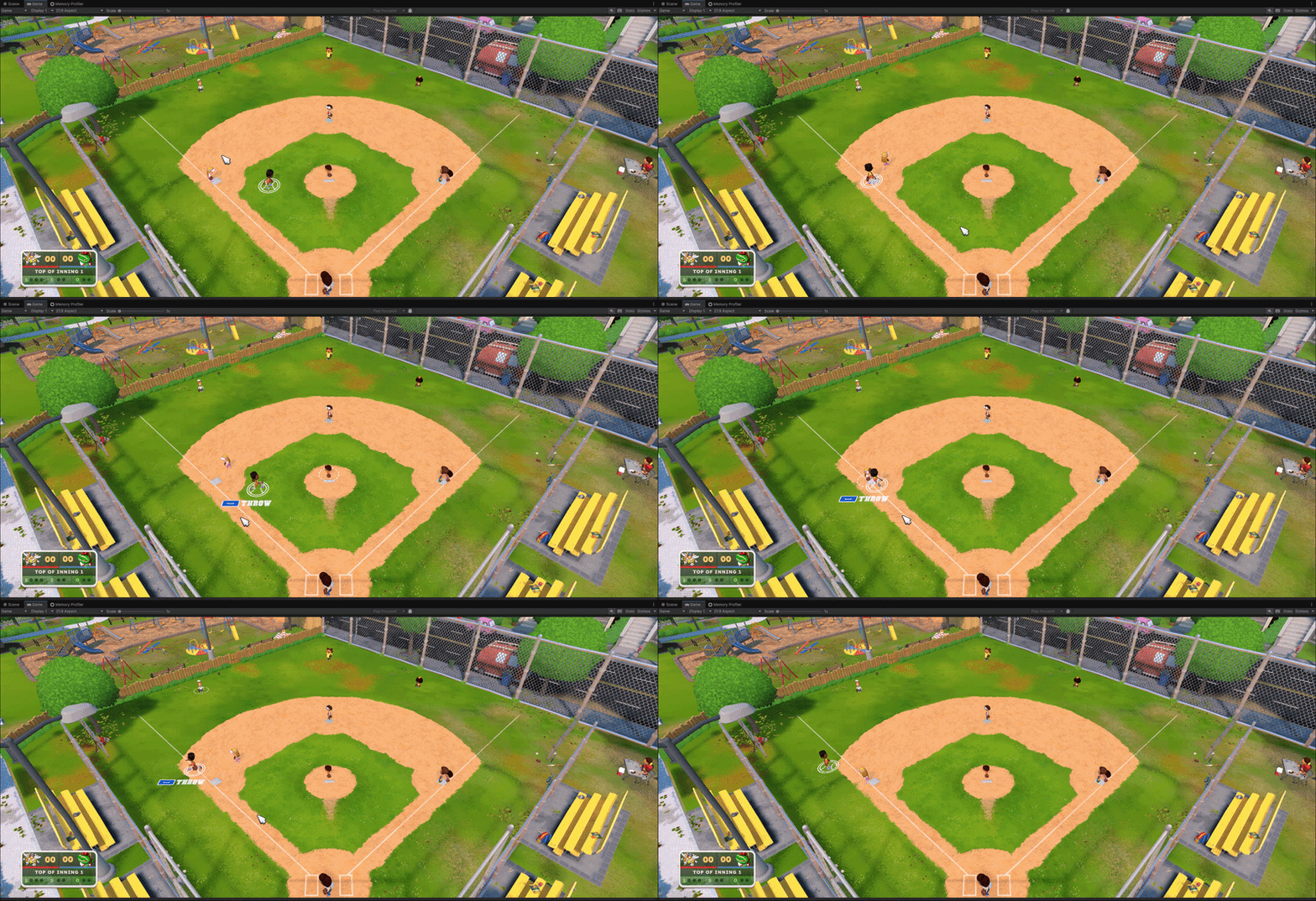
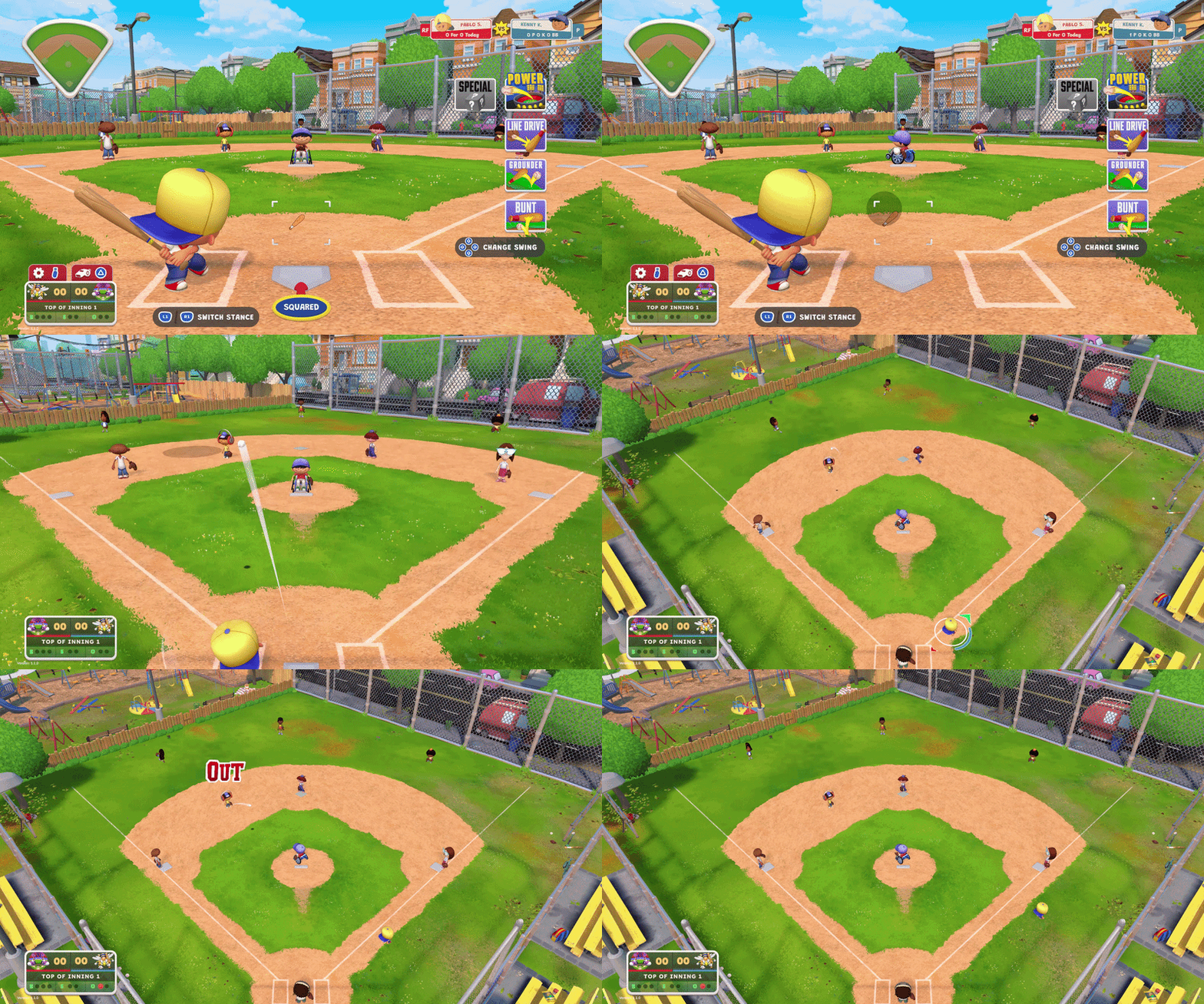
Fielders react to you, not just the ball. Move toward a covered base and the AI fielder will back off to give you room. Step away, and they’ll slide back into position.
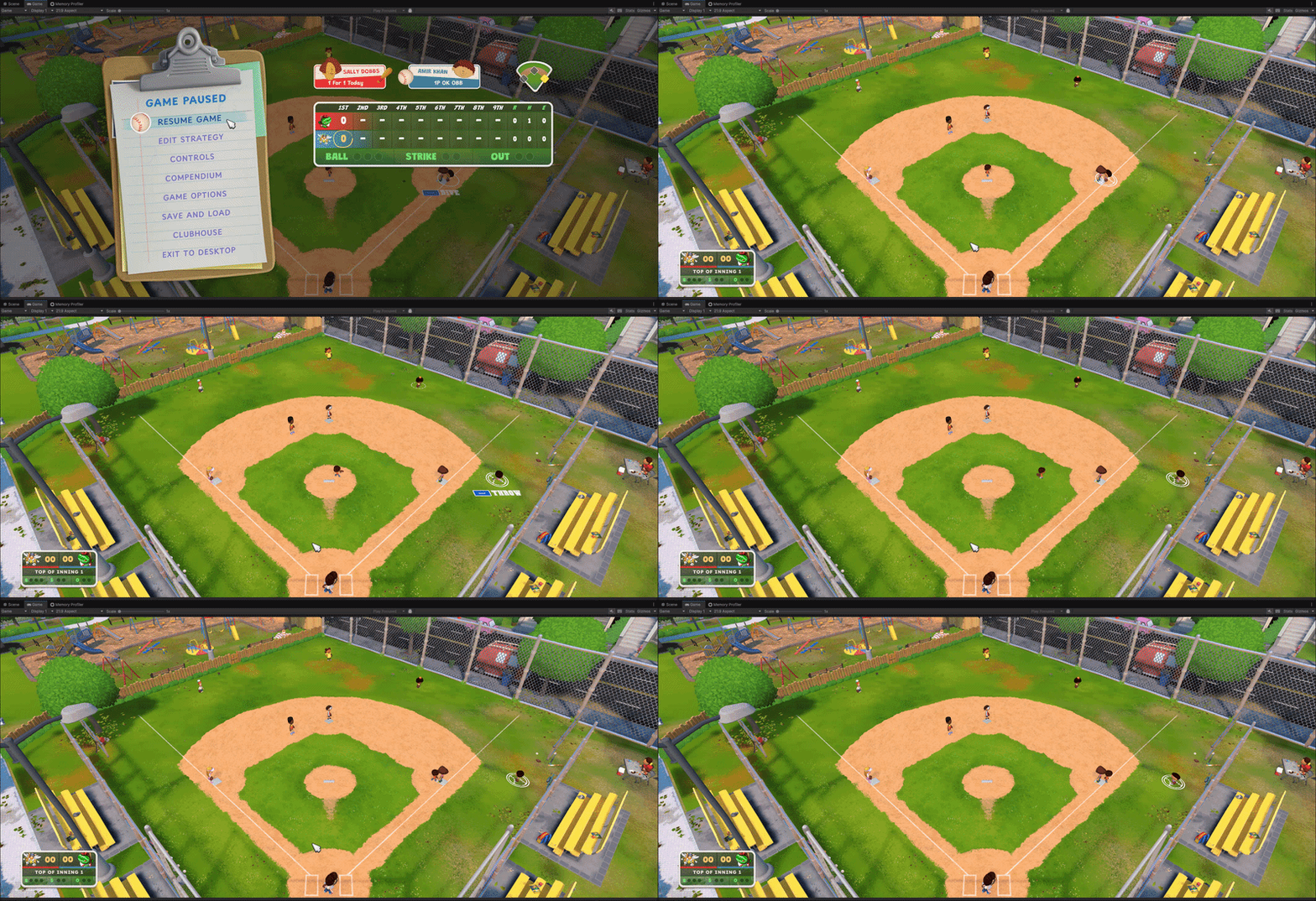
Nobody leaves a base uncovered. Vacate a base you’re covering and a nearby fielder will step in, even if they aren’t normally assigned there.
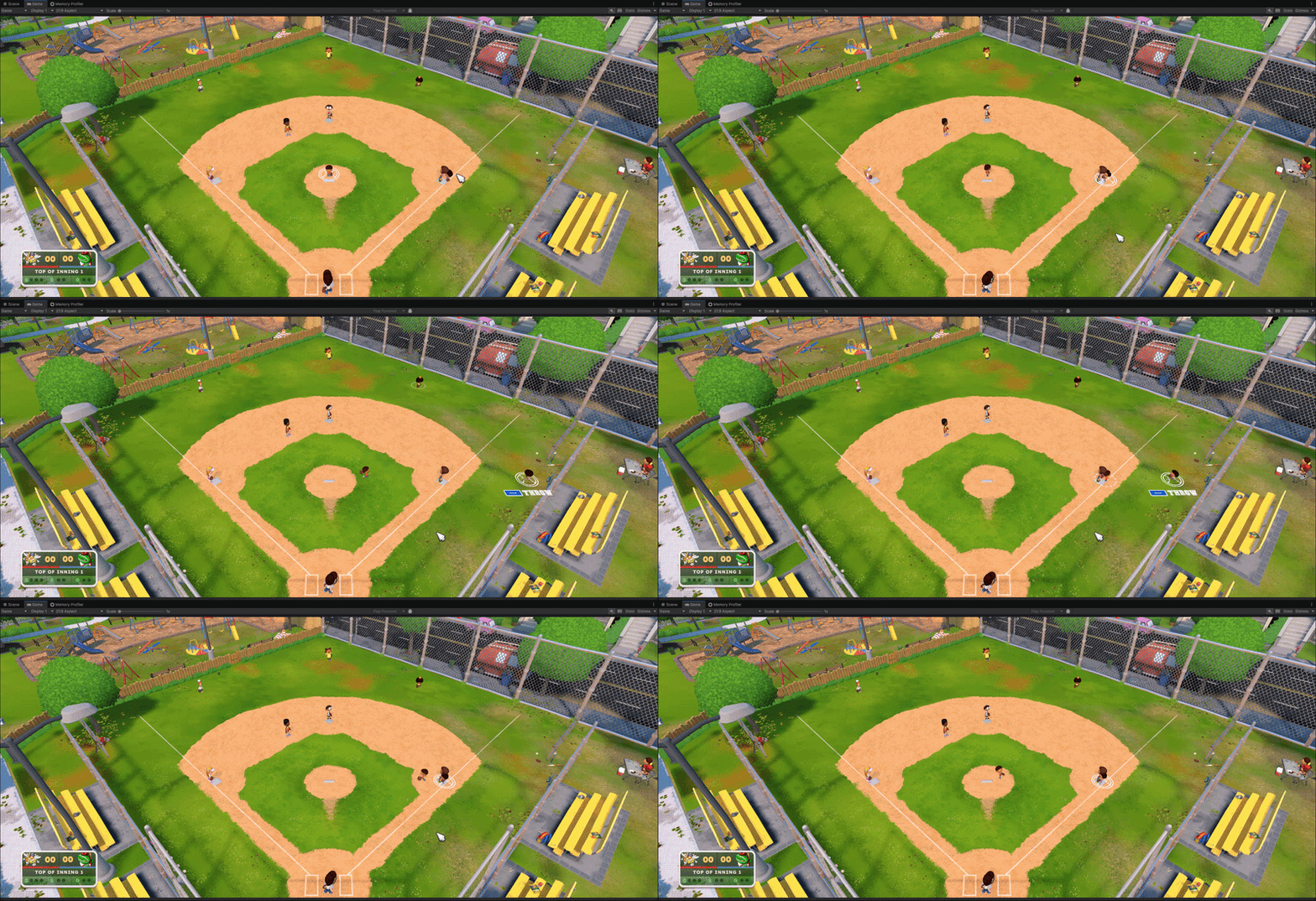
Positioning resets cleanly. Return to your base and the AI fielder heads back to its original position. The same goes after throws. When the assigned baseman gets back to the bag, the temporary cover returns to their spot.
Coverage has limits, by design. Fielders will only cover a base if they're close enough, so don't expect your shortstop to sprint all the way home to save a bad throw.
Base Coverage: Fielder Backs Off When You Approach
Base Coverage: Nearby Fielder Steps In
Base Coverage: Fielder Returns to Position
Base Coverage: Baseman Reclaims the Bag After a Throw
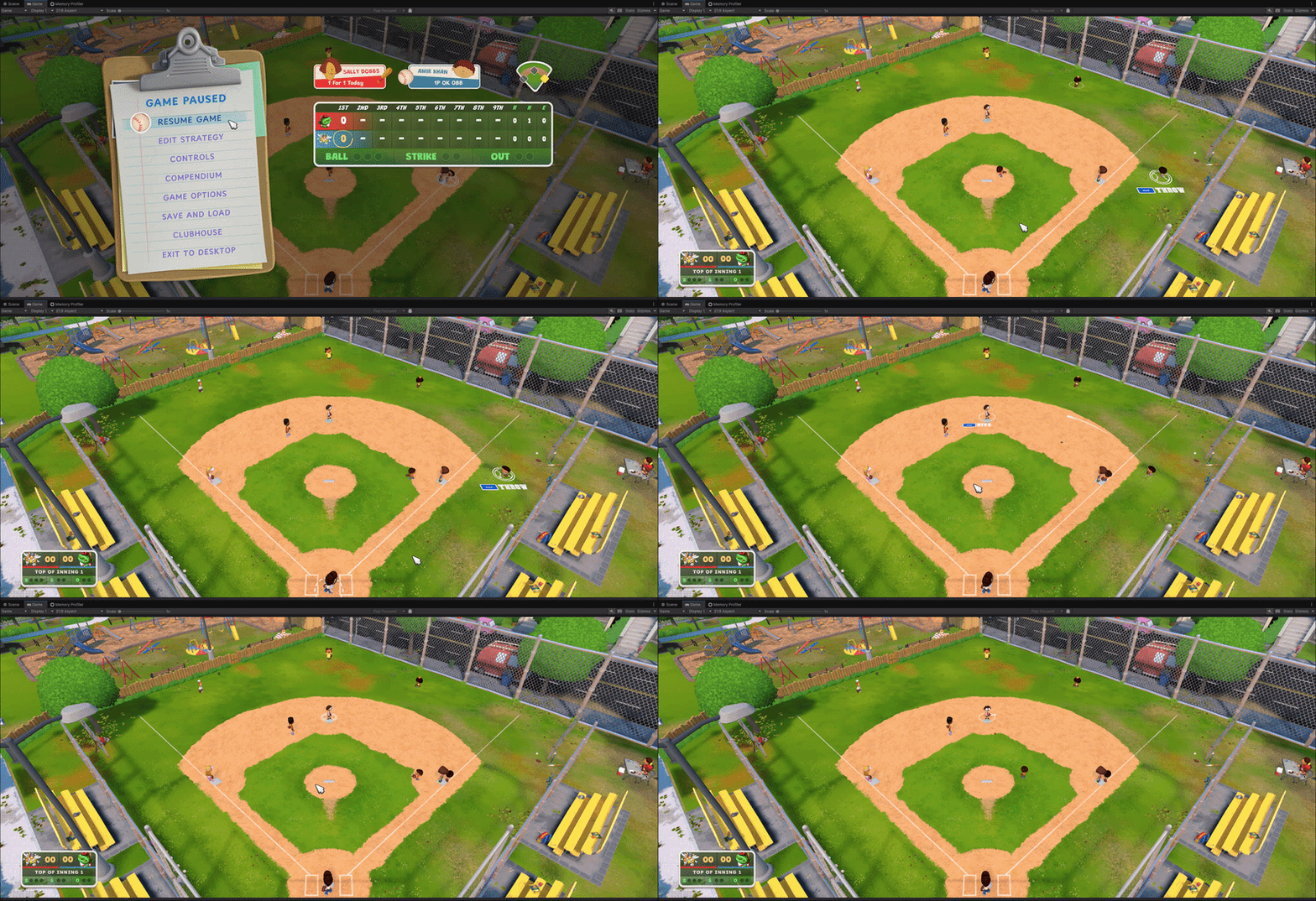
Alongside these improvements, we’re planning to clean up a number of fielding and baserunning behaviors that could make certain plays feel unfair or just plain strange.
That includes issues like force outs not being called correctly, runners doing the infamous forward-and-back dance routine, infield flies, and the fielding selection cursor behaving differently depending on which direction you approached a player.
Sprinting will no longer be one-size-fits-all. It will now be an extension of each kid's personality and stats.
Every kid will have their own Sprint Stamina Amount, Sprint Stamina Speed, and Sprint Stamina Burn Rate. In other words, how far and how fast a kid can push themselves depends on who they are.
We're also softening the exhaustion curve. Kids will become exhausted at 0% stamina instead of the old 10-15% cutoff, and the movement speed penalty will be reduced from -30% to -10%. Running out of gas should feel like a consequence, not a punishment.
Sprinting Stats: Adding more personality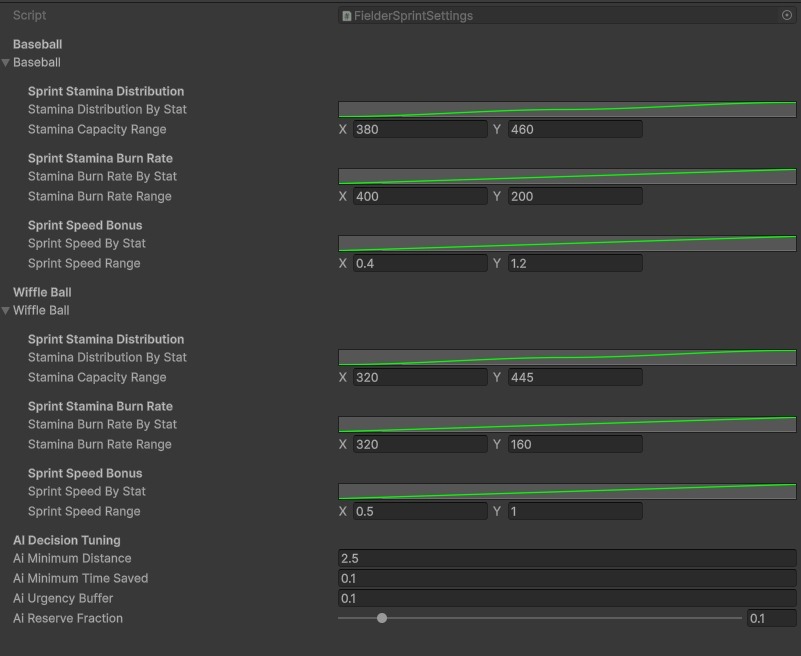
To help you keep track of it all, there's a brand-new stamina meter:
Bar length reflects each kid's stamina pool. Longer bar, more gas in the tank.
Tick marks make it easy to compare kids at a glance.
Low stamina warning flashes red when a kid is running on fumes.
Stamina Meter: Changes in Action
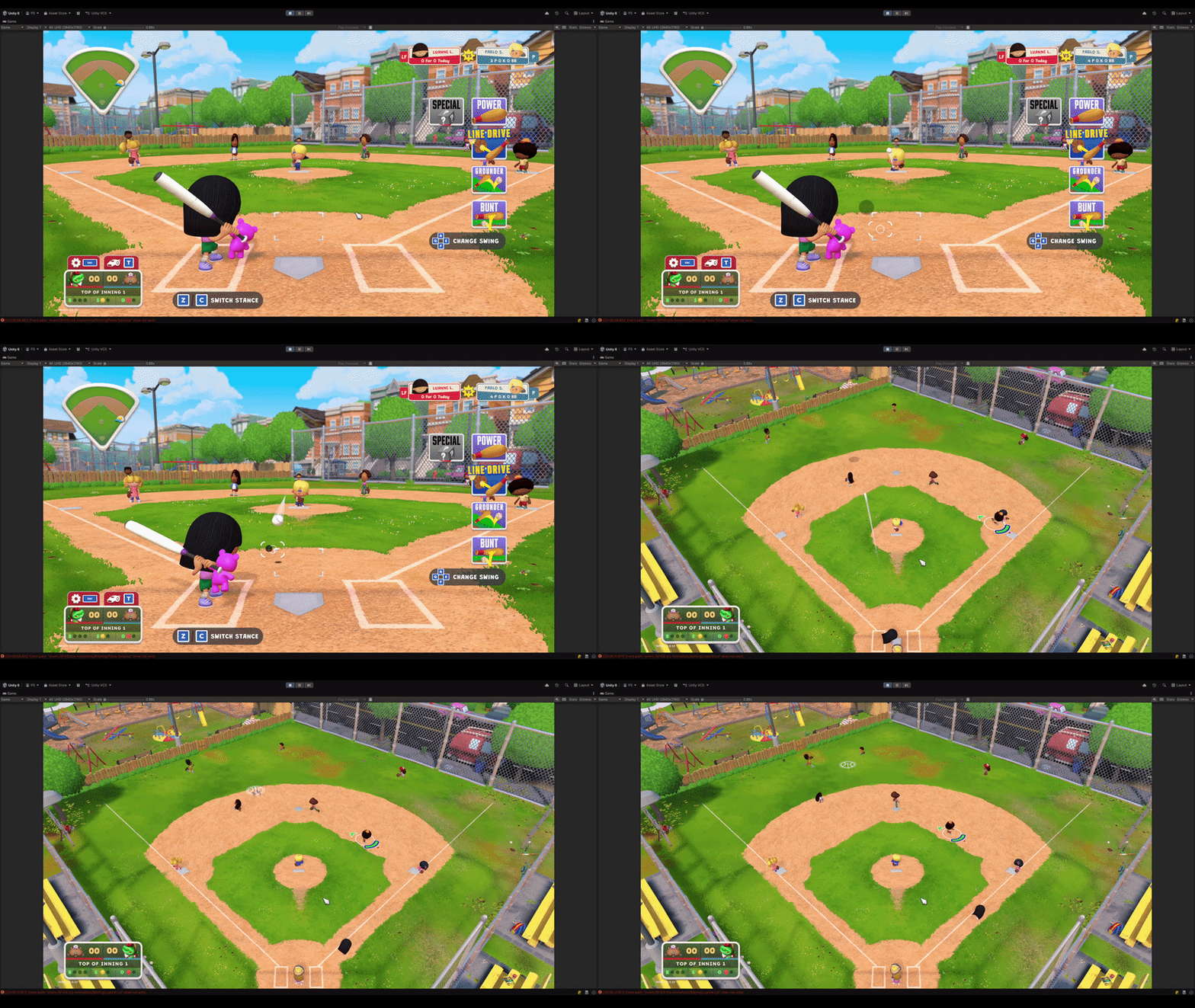
We’re also separating sliding from stamina entirely.
Sliding will no longer drain stamina. Instead, it will be a per-use resource that resets as soon as you touch a base, with a slide distance determined by a kid’s Height and Speed stats.
Diving when on defense will also follow the same philosophy. It will now be driven by a kid’s Height and Speed instead of stamina, giving every player a style that’s true to their individual strengths.
Pitching and batting have been getting a real look under the hood, starting with the Swing Spot. Backyard Baseball will soon offer two ways to time your swing: a brand-new MODERN mode and the return of a CLASSIC option, so you can pick the style that feels right for your game.
Bringing both options to life meant reworking more than just the Swing Spot itself. We refined how shadows render, adjusted the camera, and updated the visual timing cues to make every swing feel more intuitive.
We’re also fixing a readability issue that's been bugging us: the strike zone UI used to sit on top of the ball once it crossed into the zone. Now, the ball renders on top and passes through the strike zone, making it easier to track the pitch at the moment of truth.
Strike Zone UI: Modern Mode
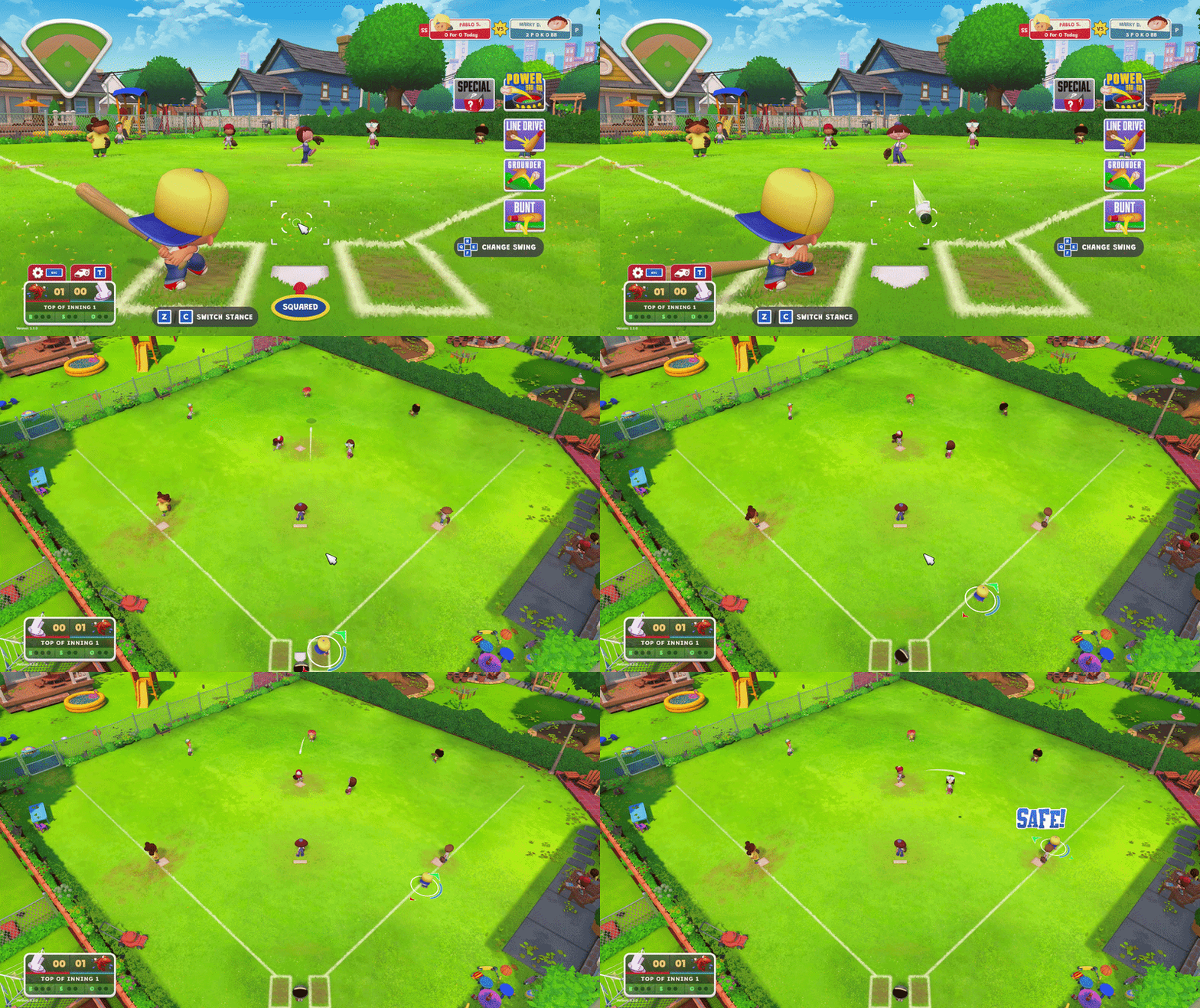
Strike Zone UI: Classic Mode
We've been working to make sure every kid's stats show up in how they actually play, not just in a menu screen. A few highlights:
Aggression influences how boldly kids play. More aggressive players commit to tag-ups longer and sprint or steal with greater confidence.
Attention and Intelligence shape a kid’s instincts, affecting when they leave a base and how quickly they react as a play develops.
Arm Strength now has a bigger impact on throwing power and distance, with tighter throw arcs across the board.
Kid’s Eye affects reticle size when pitching and batting, giving sharper-eyed kids a clearer view of the strike zone, for better or worse, depending on which side of the plate they’re on.
Pitching Proficiency is now tracked for each individual pitch, so a kid’s curveball and changeup can feel completely different from one another.
This will be just the beginning of a bigger push to make every kid on your roster feel like a distinct ballplayer with their own strengths, quirks, and personality. There’s plenty more to come!
A lot of what makes a game feel good to play happens outside the batter's box, in the menus, the HUD, and all the little screens you pass through to get to the next game. This part of our roadmap will be all about making those moments clearer, faster, and easier to read, so nothing gets in the way of the baseball.
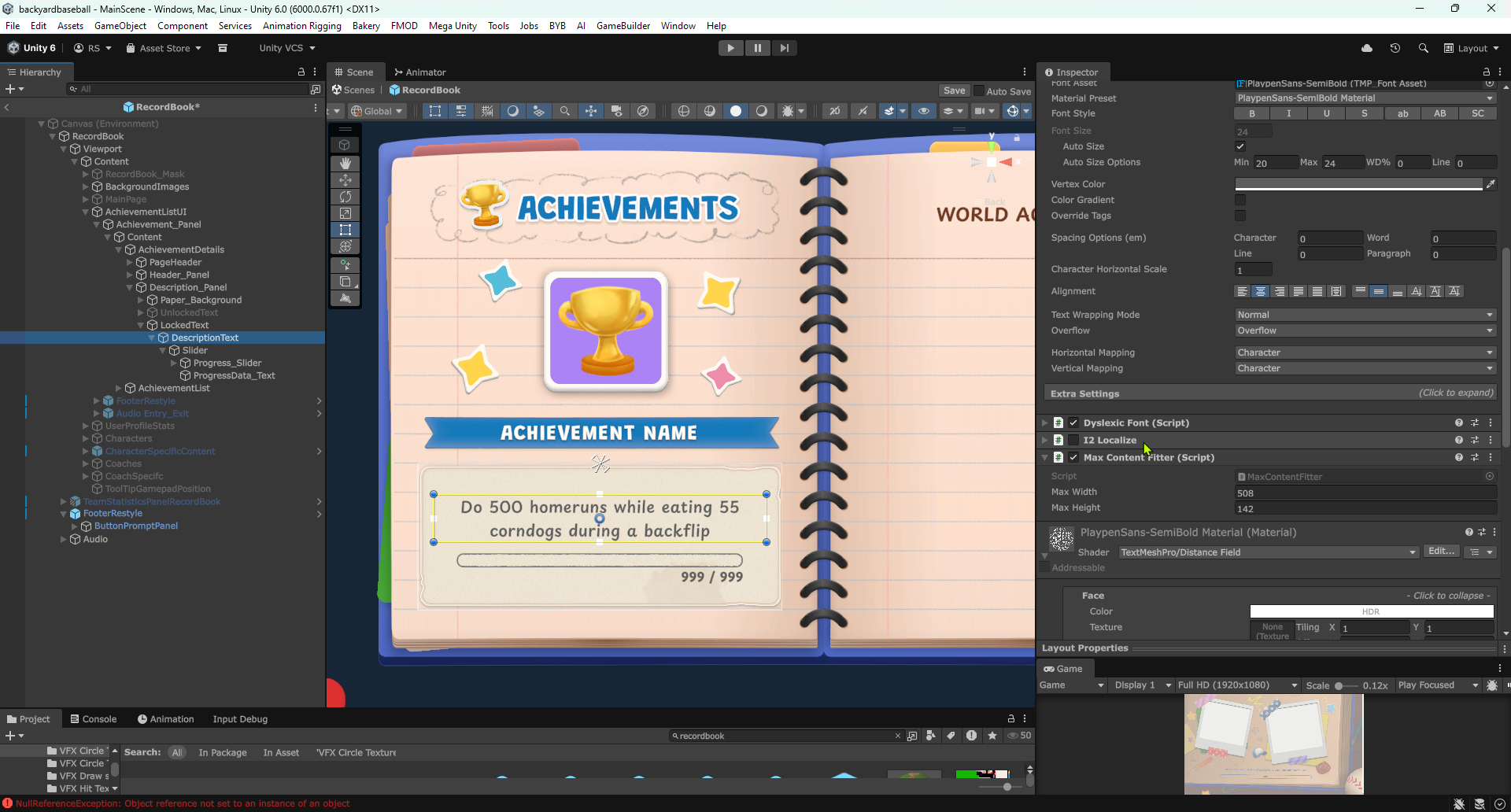
Watch your achievements fill up: The Record Book is going to be getting a visual progress tracker for every achievement. A progress bar shows exactly how close you are to unlocking it, so you're never left guessing whether you're one home run away or fifty.
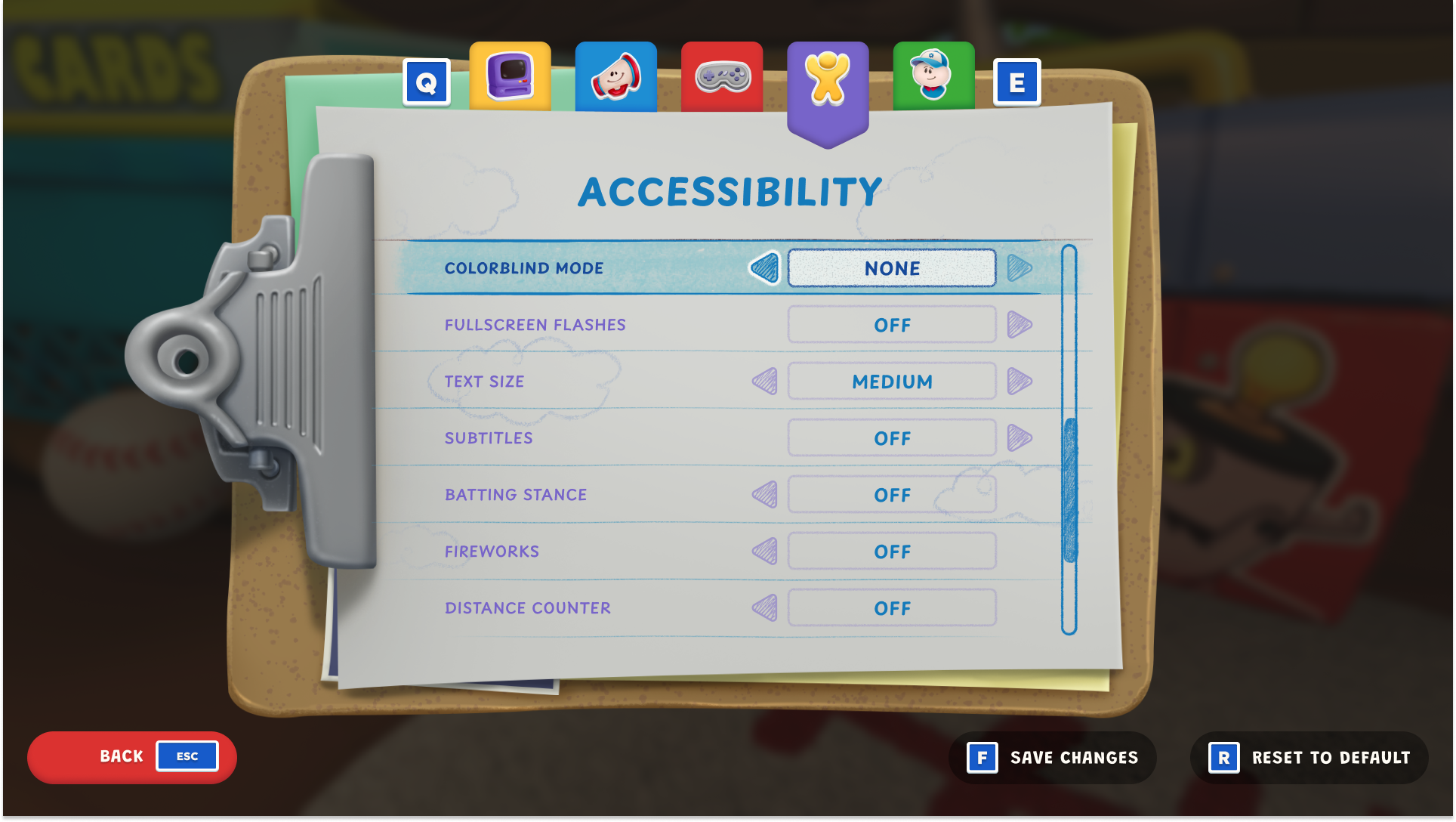
Save your settings, skip the prompt: We're adding a dedicated Save button to the Options and Strategy screens. Hit it, and your changes lock in immediately, no exit-confirmation popup standing between you and getting back to the game.
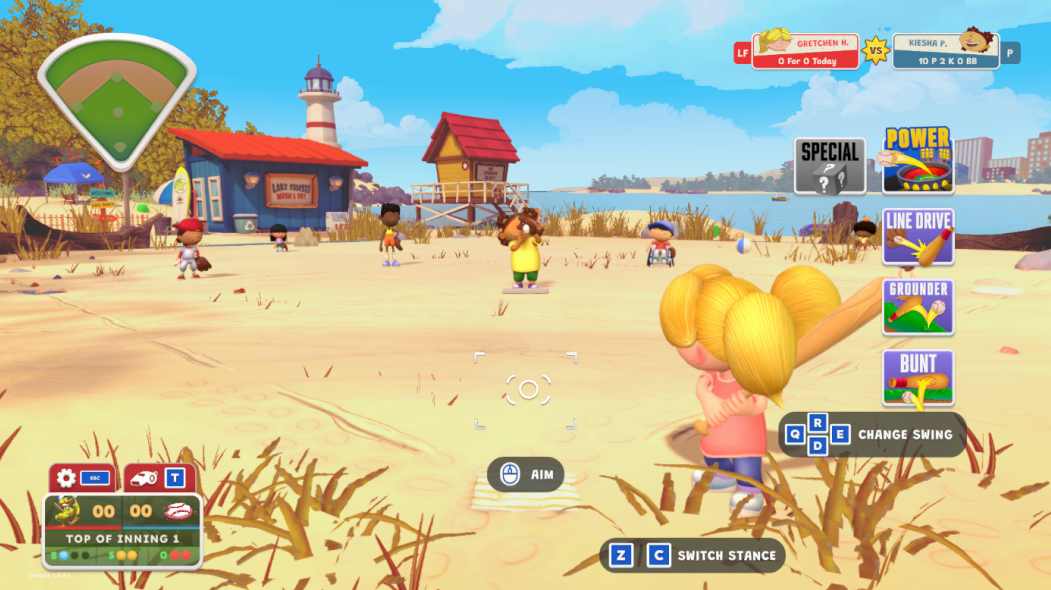
See the ball on Sandy Flats: The pitching reticle is getting a visibility pass so it reads clearly against busy or bright stadium backgrounds like Sandy Flats and a few other tricky ones. Squinting at the reticle is on its way out
Know your difficulty at a glance: We're adding a difficulty indicator to the Team Dugout and Pause menu. If you've stepped away for a while, or just forgot what you picked, you'll always have a quick reminder without digging through settings
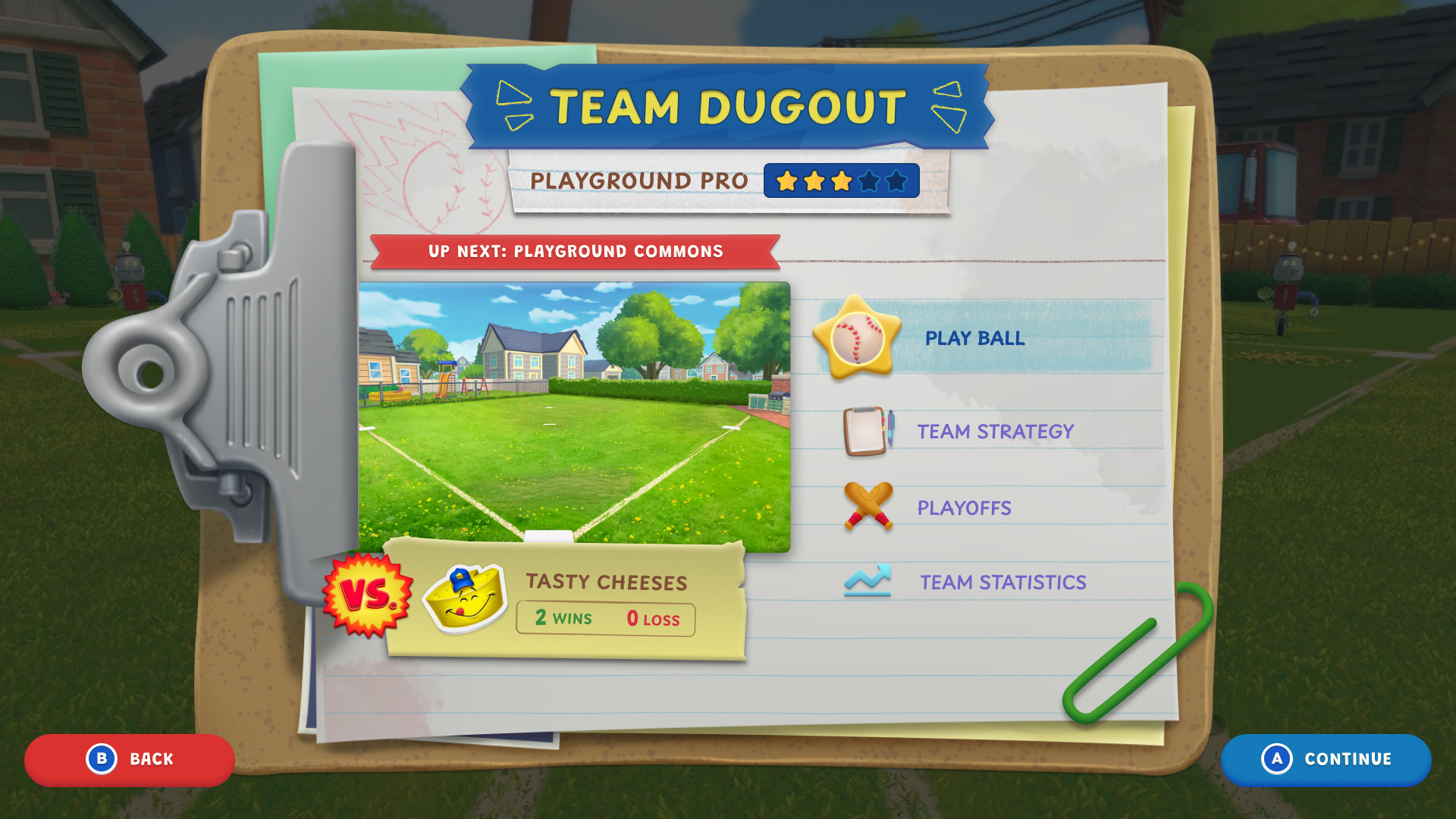
Know whether you're up or on the mound: We're adding clear CPU vs. Player indicators during the pitching phase, so it's obvious at a glance whether you're the one pitching or the one at the plate.
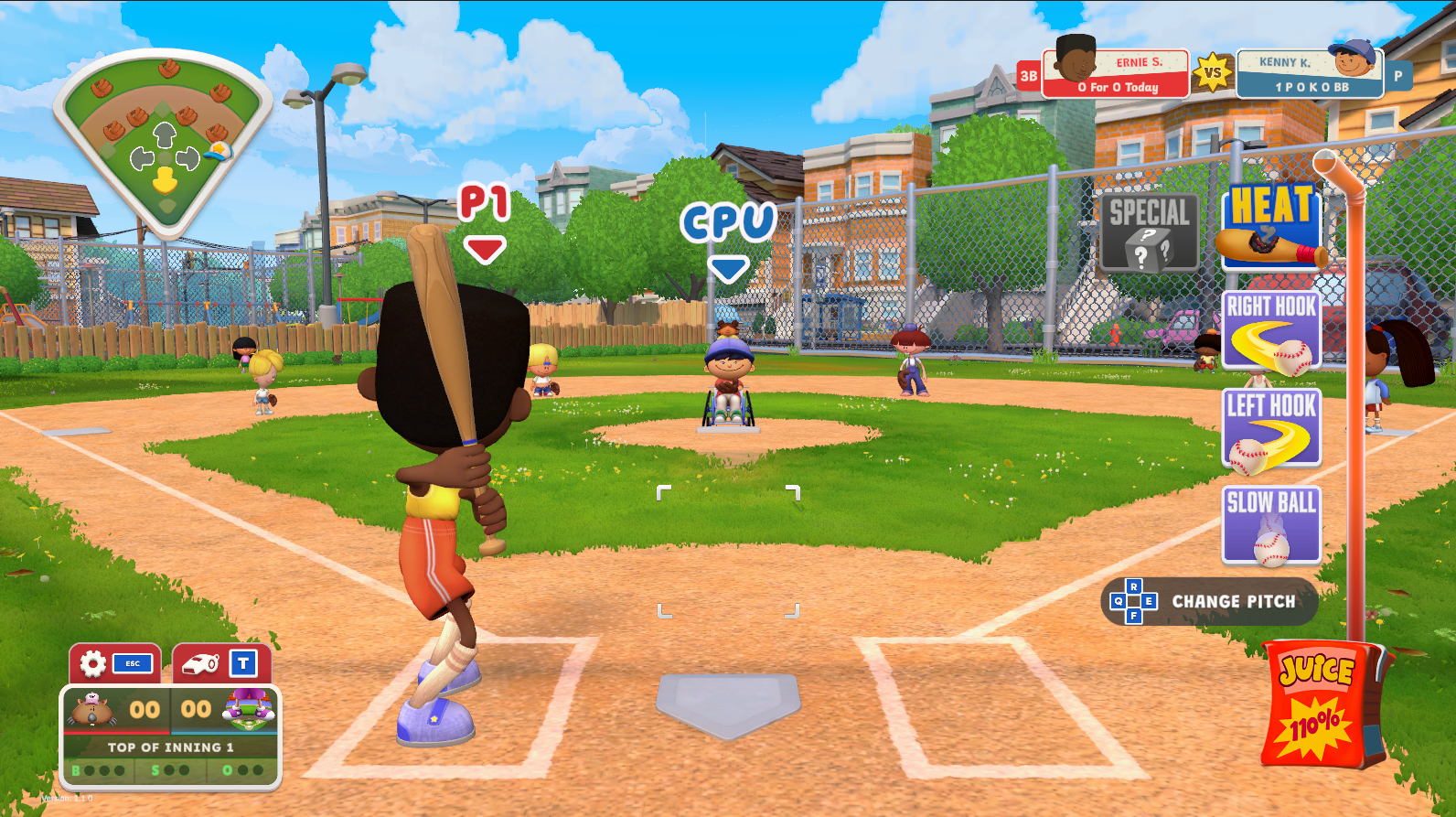
None of these are flashy on their own, but together they clear out a lot of the small friction points you've told us about. Keep the feedback coming, it's exactly what's shaping this list.
We’re also going to be making it easier to read how locked-in a pitcher is in the pitch they’ve selected, with visual and audio feedback that helps you pick up on those tells before the ball ever leaves the mound.
Pitching Proficiency will be tied directly to the pitches each kid performs best. As proficiency increases, you’ll notice clearer visual and audio cues, with milestones at 70, 80, 90, and 100 reflecting how comfortable a pitcher is with a particular pitch.
Confidence shows in the windup. As proficiency climbs, pitchers become more expressive, with subtle changes in their lean and nod leading up to a more deliberate windup at maximum proficiency.
The ball gives it away, too. Highly proficient pitches will have a subtle pulsing glow, fading in and out to give you a hint without distracting from the pitch itself.
You'll hear it, not just see it. We're adding a distinct audio cue that will help signal when a pitcher is throwing one of their strongest pitches.
Not every pitch inspired confidence. We're also exploring subtle hesitation animations, like a slight head tilt or slower nod, to show when a pitcher isn't confident with the selected pitch.
Power-Up Pitches stay unique. Since some Power-Up pitches are already powerful without high proficiency, we're making sure their feedback remains distinct, with something extra for the rare cases where a Power-Up pitch is both powerful and highly proficient.
Reading the Pitcher: Improvements to visual tells.

This feature is still in exploration and design, so the details may evolve before release. The goal is simple: give players a better read on a pitcher’s confidence before the pitch is thrown, adding another layer of strategy to every batter-pitcher matchup.
Backyard Baseball will be getting a serious boost in the voice performances and audio department.
Alongside bug fixes and improvements to the game’s 20,000+ unique voice lines (including more than 17,000 lines of dialogue currently in-game), we’re also recording brand-new dialogue to bring even more variety, depth, and personality to every trip to the ballpark.
We’ve already written the next batch of lines, with recording scheduled for the coming sprint. We’re excited to spotlight two of the all-stars helping bring them to life.

Dolores Rogers isn't just a voice in the Backyard, she's part of its history. She first joined the series in Backyard Baseball '01 and has since built an incredible career voicing fan-favorite characters like Bowser Jr. and Wiggler in Mario Kart 7, along with many more. She's back in the recording booth this weekend, delivering the variety, depth, and fresh audio moments fans have been asking for.
Andrea Dryden, the voice of Sunny Day, is also recording hundreds of new lines that expand League Play, deepen the world-building, and bring even more personality to key baseball moments. Before joining the Backyard roster, Andrea delivered standout performances across a wide range of projects, including voicing Storm in Marvel's Secret Wars and Spider-Man, along with many other games fans know and love.
We can't wait for you to hear what they've been cooking up. Keep an ear out for these new lines as they make their way into the game!
This one came straight from a fan request, and we're happy to turn it around quickly. Soon there will be a toggle to turn off specific eating sounds, including Vinnie's corn dogs and Stephanie Morgan's… enthusiastic chewing.
Misphonia Toggle in Editor
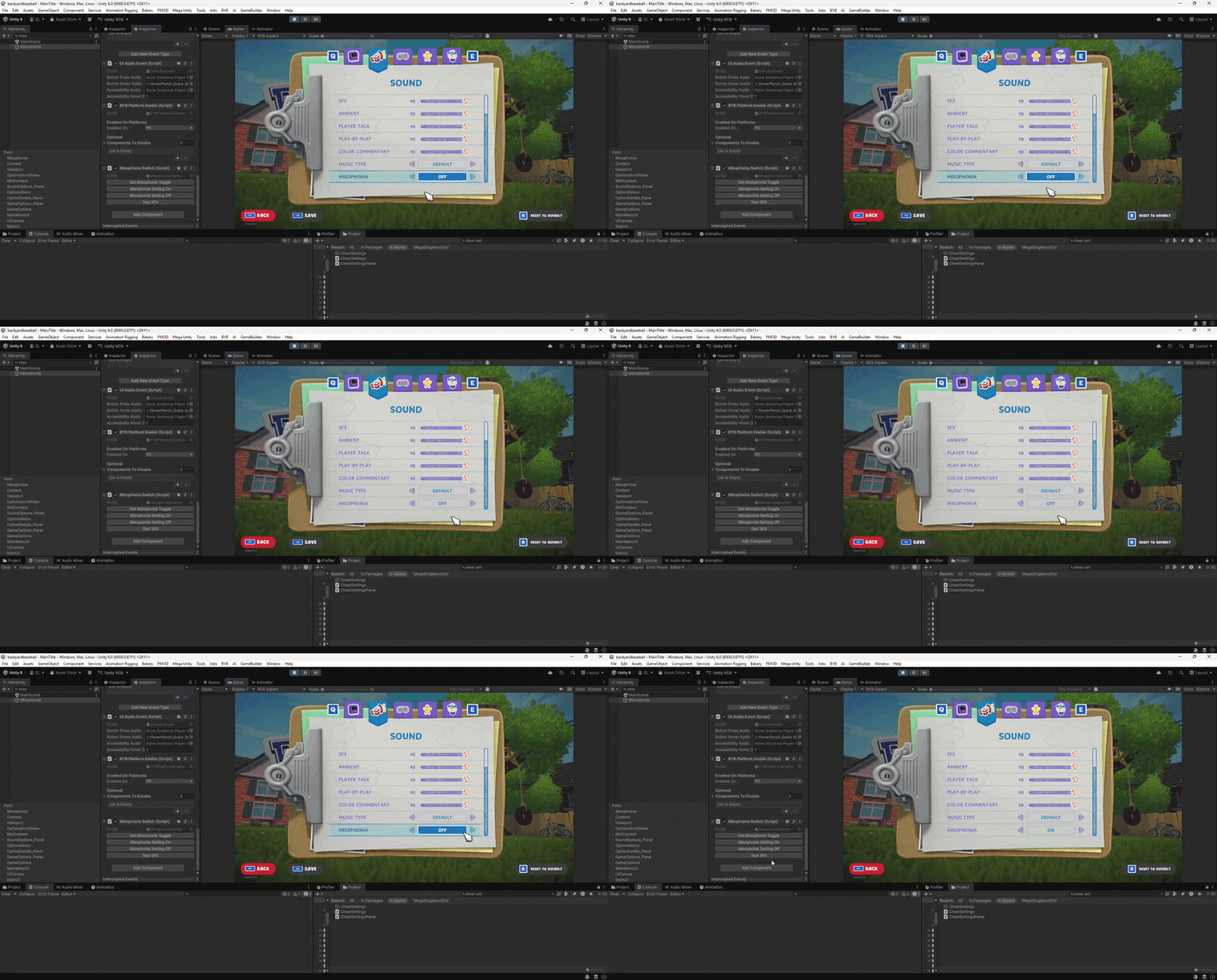
Misophonia is a real condition where certain sounds trigger intense reactions, and accessibility improvements like this matter to us.
While we keep working on bigger swings like new voice lines, bug fixes, and more community-requested features, we wanted to make sure this quality-of-life improvement doesn’t have long to wait.
One of the biggest additions in the new Backyard title was dramatically expanding the number of Generic Kids. That opens the door to far more unique players, but it also comes with its own set of challenges.
Our Character Modeling Team has been cooking up new features and systems to give both custom and generic kids more personality, variety, and ways to stand out on the field.
We’ll be making a wide range of updates to improve the diversity and individuality of every kid you create. From new hairstyles to additional accessories, we’re expanding the options so every roster feels more unique. It’s a big undertaking, but we think the fans deserve it.
Based on recent creative feedback, we’re refining character silhouettes to better capture the iconic Backyard look. Bodies are being adjusted with narrower shoulders to create a more recognizable teardrop-shaped silhouette inspired by the classic style fans know and love.
Building a modular character system capable of creating thousands of unique combinations is no small feat.
Proportion Sync T Pose Testing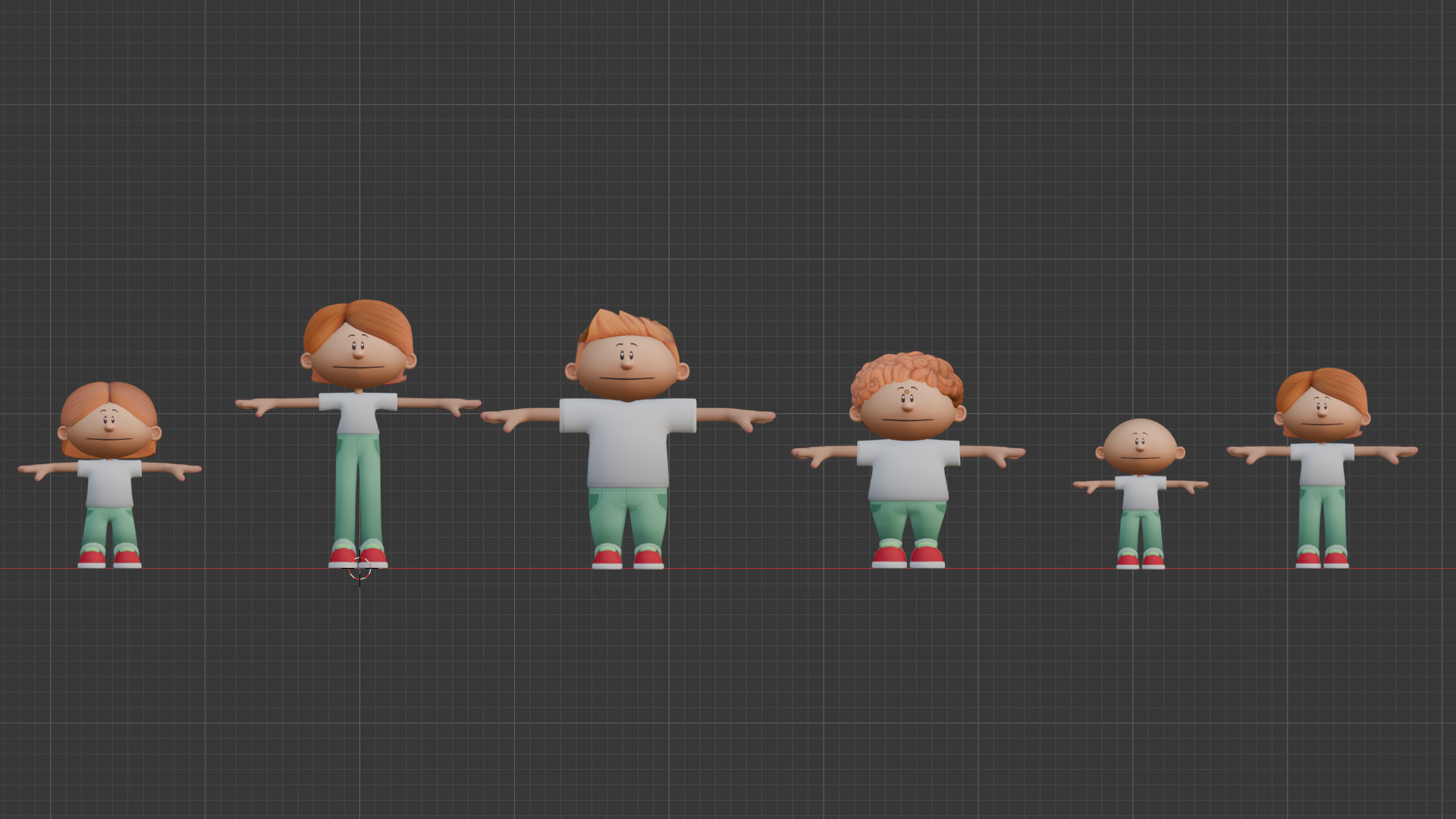
Every adjustment has to work across different body types, head shapes, clothing, and hats. While the traditional T-pose offers a glimpse of those improvements, it only scratches the surface of everything we’re building.
What's a custom kid without the right gear? We’ll be expanding our accessory library beyond the current sunvisors, headphones, and bucket hats with even more ways to personalize your players.
The Beanie: Perfect for those chilly night games at Steele Stadium.

The Pinwheel Hat: A classic backyard staple for that extra bit of flair.

Additional Color Customization: Don't forget that hat color tinting and eye color customization are also in the works!
We're super excited to share that we'll be increasing the number of Generic Kid variants to keep League Play feeling fresh. That means fewer repeated faces and a much more diverse lineup every time you take the field.
Our work on fielding and throwing isn’t finished yet. The team is continuing to refine how the game feels moment to moment, with improvements focused on responsiveness, consistency, and giving every kid more personality on the field.
Here’s what we’re actively working on:
Stronger arms across the board. We're increasing baseline arm strength for all fielders so throws carry more velocity and reach bases and cutoffs more reliably. Combined with the timing and responsiveness improvements already in progress, throws should feel much more satisfying.
A flatter throw arc. We're testing a straighter, more direct throw trajectory so throws feel snappier and more predictable, while still being influenced by each kid's individual stats.
Tighter throw and catch responsiveness. We're making sure click-to-action timing for throws, catches, and transfers is as responsive as possible, with no hidden input delay. This remains a priority after gamepad input outpaced mouse controls at launch.
More forgiving base targeting. The clickable hit zone around each base is being widened so fast plays are less likely to miss their intended target.
Errors with personality. We're expanding the variety of fielding mistakes tied to each kid's strengths and weaknesses, from dropped catches and off-target throws to player collisions. These systems have existed behind the scenes from the beginning, but we're now focused on giving them the snappy, comedic animations that make them fun to watch. It'll take time to tune, but we think it's worth getting right.
Cleaner location throws. We're fixing cases where clicking near a base could register too far below it, resulting in inaccurate throws.
More sprint and stamina tuning. On top of the stamina overhaul above, we're continuing to fine-tune sprint speed, stamina drain, and stamina recovery.
Less bouncy walls. Wall bounces are being toned down so balls behave more naturally after making contact.
Smarter fielder selection. We're improving the logic that determines which fielder automatically responds to a batted ball, helping the nearest or most sensible player get the call more consistently.
Faster-settling grounders. Increased ground friction will help rolling balls slow down more naturally.
There's plenty more happening around the Backyard beyond what's covered here. Here’s a look at a few things we’re actively working on:
Continuing to bring each kid’s personality and stats into gameplay
Further refining Swing Spot mechanics across both Modern and Classic styles
Expanding player and League stats
Adding more League Play features and presentation polish
Additional world-building and storytelling moments
Working through even more of the community wishlist
This is all active work, not a wishlist, and we'll keep you posted as these updates make their way into the game. We hope these behind-the-scenes looks are just as exciting for you as they are for us. As always, thank you for your dedication to helping us continue to improve Backyard Baseball.
As an additional reminder, if you run into bugs, the fastest way to get them in front of us is through LiveAgent. If you want to chat with the team, share feedback, or tell us what you'd like to see next, come hang out with us on Discord.
We're listening, and your feedback has already shaped where this game is headed.
We love this game, and we know you do too. Thanks for being part of the journey and helping us shape what comes next.
See you back at the ballpark!
– The Mega Cat Team
What's Your Reaction?










![[Business Talk] Chagee: Opening 3,500 stores in 6 years](https://xinker.org/uploads/images/202410/image_140x98_671afce94bf91.webp)