


![[PRO Tips] Gold’s Bullish Revival: Seasonal Trends and Key Levels to Watch](https://xinker.org/uploads/images/202412/image_430x256_67724cc6ad0cd.webp)
![[PRO Tips] Gold Market Under Short-Term Pressure, Safe-Haven Demand and Central Bank Buying Support Long-Term Upside Potential](https://xinker.org/uploads/images/202412/image_430x256_676ffb4685287.webp)
![[PRO Tips] Analysis of 9 key points of differentiation strategy! Master differentiation to create a brand advantage that is unique in the world!](https://firebasestorage.googleapis.com/v0/b/xinker-tips.appspot.com/o/article_thumbnails%2Fscaled_differentiation%20strategy.png.png?alt=media&token=a1bfc3d2-e85a-4db7-8a6d-01c7274f8940)
![[PRO Tips] Will REITs regain growth momentum in 2024? 3 REITs ETFs you must know if you want to invest in real estate.](https://firebasestorage.googleapis.com/v0/b/xinker-tips.appspot.com/o/article_thumbnails%2Fscaled_REITs1.png.png?alt=media&token=8af4eb93-33ff-466f-8039-b6555fad52b4)
![[PRO Tips] Complete tutorial on how to make money in Adobe Stock!](https://firebasestorage.googleapis.com/v0/b/xinker-tips.appspot.com/o/article_thumbnails%2Fscaled_tut-adobe1.png.png?alt=media&token=0b2c8cf2-22bd-4142-883e-140ed1cbaf02)
![[Passive Income] Unlock the secret of passive income: 3 steps to apply for Google AdSense](https://xinker.org/uploads/images/202410/image_430x256_6717a4fb3052b.webp)
![[Passive Income] Earn over $200 a day with AI-generated articles!](https://firebasestorage.googleapis.com/v0/b/xinker-tips.appspot.com/o/article_thumbnails%2Fscaled_article1.png.png?alt=media&token=f61bf35b-8553-4719-826d-7360024adc70)
![[Passive Income] Earn over 20 USD per download with AI-generated images!](https://firebasestorage.googleapis.com/v0/b/xinker-tips.appspot.com/o/article_thumbnails%2Fscaled_adobe2.png.png?alt=media&token=3e20e76a-a907-45af-80aa-bf9b3600301f)
![[Passive Income] Earn 10 USD per new download by sharing CapCut!](https://firebasestorage.googleapis.com/v0/b/xinker-tips.appspot.com/o/article_thumbnails%2Fscaled_capcut2.png.png?alt=media&token=a04dec40-1fac-4857-86f2-19a8be02d38e)
![[Passive Income] Use your WiFi to create passive income in 5 minutes, and you can earn 4-6 U per day!](https://firebasestorage.googleapis.com/v0/b/xinker-tips.appspot.com/o/article_thumbnails%2Fscaled_Grassio.webp.png?alt=media&token=7659a95e-0e47-4f27-a17d-c942ac3cf7f4)


![[Business Talk] The Unique Theme of XINKER's Song: Beef Wellington and Business Mastery](https://xinker.org/uploads/images/202410/image_430x256_671afc155f47f.webp)
![[Business Talk] Chagee: Opening 3,500 stores in 6 years](https://xinker.org/uploads/images/202410/image_430x256_671afce80c5f9.webp)


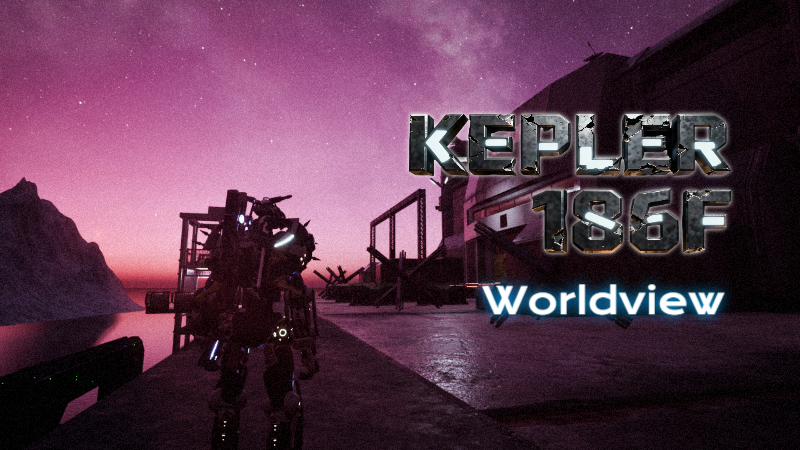
Kepler 186F - Worldview
I. Cosmic Background & Civilization LevelHuman civilization has entered the Kardashev Type II stage. In the Solar System, massive energy collection structures (Dyson spheres or their variants) have been fully constructed. The vast majority of the Sun’s energy is captured by human civilization for interstellar expansion, computation, planetary engineering, and cutting-edge research.However, this has led to prolonged severe sunlight deprivation on Earth and Mars — sunlight is being massively intercepted, causing continuous damage to the biosphere and human DNA. As a result, the upper limit of human life expectancy is decreasing by an average of 5 years every 10 years. Accumulated DNA damage accelerates aging, disease, and reproductive difficulties, creating a civilization-wide survival crisis.Interstellar colonization is no longer mere “romantic exploration” — it has become a necessity for species continuation.Interstellar Travel TechnologyHumanity has mastered highly efficient interstellar travel: a distance of 500 light-years can be covered in approximately 6 months (using advanced curvature propulsion or stable wormhole networks; specific technical details are gradually revealed through in-game logs). This makes colonization of distant habitable planets a reality. The Kepler-186 system (approximately 580 light-years from Earth, simplified to ~500 light-years in the game) is one of the priority targets.II. Human Survival Crisis & The Pursuit of ImmortalityTo overcome the lifespan bottleneck, humanity places its hopes on a dual approach: interstellar colonization + biotechnology. Companies like Axiox Industries are responsible for terraforming commercially valuable planets, building infrastructure, and recovering capital through planetary land ownership auctions.One of the most important backers and technological controllers behind these efforts is the Zhu Foundation.Core Black Technology: DNA Symbiote ImmortalityThe most central “immortality secret” in the world lore — the DNA Symbiote Immortality Tech. Its prototype traces back to ancient glowing metal artifacts that were once mistaken for mythical “celestial elixirs.” Modern scientific analysis revealed it to be a nano/molecular-level symbiotic entity highly compatible with human DNA, theoretically capable of near-immortal cellular repair and regeneration, while enhancing adaptation to extreme environments.However, the final maturation of this DNA symbiote requires a special “growth catalyst environment,” the exact requirements of which represent one of civilization’s greatest ethical and technological challenges. In the game era, this critical component is closely tied to the colonization plan on Kepler-186F.With support from relevant parties, Axiox Industries established the “Nantianmen” colony on this planet and launched the ambitious project codenamed “Cradle Plan”, aimed at creating a safe foothold for humanity in extreme environments.III. Major Factions & Character SettingsFactionPosition & GoalsKey FeaturesZhu FoundationBehind-the-scenes backer & key controller of immortality technologyMysterious history, remote technological intervention, information control capabilities; key figure: Jack Zhu (Zhu Zhengjun)Axiox IndustriesFrontline colonial executor, planetary terraforming & land developerResponsible for planetary environmental transformation and Nantianmen colony construction; CEO LarkwoodType-37 Crisis Response RobotPlayer character prototype; colonial crisis response & stabilization toolPerforms crisis response and facility maintenance on the surface; possesses high autonomy and potential for self-awakeningElectronic LifeformsMysterious infection threat & key narrative variableLurks within facility electronic systems; capable of large-scale infection and system override; closely related to the colony’s loss of contactSpecial Note: The core programming of the Type-37 robot contains a fundamental tension — its directives require it to eliminate high-risk biological elements on the planet when necessary to ensure the safety of subsequent human colonization. However, this creates complex conflicts with the specific environmental requirements that the DNA symbiote may need, also leaving room for potential remote intervention.Axiox Industries CEO Larkwood is a firm supporter of the colonial plan. He believes that precise environmental transformation and control of high-risk elements can establish a safe colony for humanity. He has differing visions from Jack Zhu of the Foundation, but the core resource dependencies of Axiox place him in a difficult position.IV. Kepler-186 System & Planet F DetailsKepler-186 is a real red dwarf star system (M-type) with at least five planets (B/C/D/E/F). Planet F (Kepler-186f) is the outermost terrestrial planet in the habitable zone’s outer edge. Its real orbital period is approximately 129.9 days — highly consistent with the game’s setting of 130 days per year.The game uses a fully tidally locked setting to create s
Human civilization has entered the Kardashev Type II stage. In the Solar System, massive energy collection structures (Dyson spheres or their variants) have been fully constructed. The vast majority of the Sun’s energy is captured by human civilization for interstellar expansion, computation, planetary engineering, and cutting-edge research.
However, this has led to prolonged severe sunlight deprivation on Earth and Mars — sunlight is being massively intercepted, causing continuous damage to the biosphere and human DNA. As a result, the upper limit of human life expectancy is decreasing by an average of 5 years every 10 years. Accumulated DNA damage accelerates aging, disease, and reproductive difficulties, creating a civilization-wide survival crisis.
Interstellar colonization is no longer mere “romantic exploration” — it has become a necessity for species continuation.
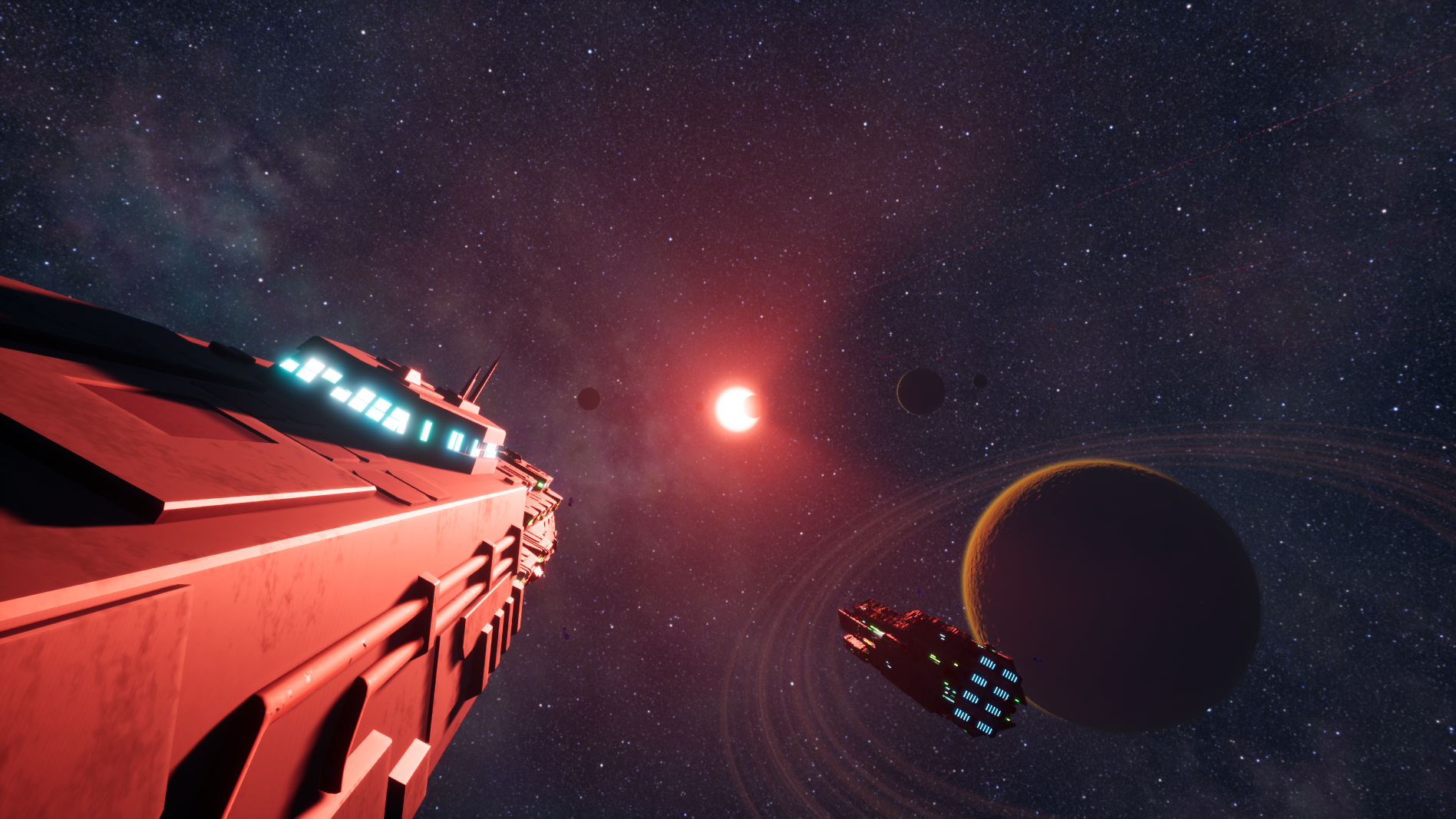 Humanity has mastered highly efficient interstellar travel: a distance of 500 light-years can be covered in approximately 6 months (using advanced curvature propulsion or stable wormhole networks; specific technical details are gradually revealed through in-game logs). This makes colonization of distant habitable planets a reality. The Kepler-186 system (approximately 580 light-years from Earth, simplified to ~500 light-years in the game) is one of the priority targets.
To overcome the lifespan bottleneck, humanity places its hopes on a dual approach: interstellar colonization + biotechnology. Companies like Axiox Industries are responsible for terraforming commercially valuable planets, building infrastructure, and recovering capital through planetary land ownership auctions.
One of the most important backers and technological controllers behind these efforts is the Zhu Foundation.
The most central “immortality secret” in the world lore — the DNA Symbiote Immortality Tech. Its prototype traces back to ancient glowing metal artifacts that were once mistaken for mythical “celestial elixirs.” Modern scientific analysis revealed it to be a nano/molecular-level symbiotic entity highly compatible with human DNA, theoretically capable of near-immortal cellular repair and regeneration, while enhancing adaptation to extreme environments.
However, the final maturation of this DNA symbiote requires a special “growth catalyst environment,” the exact requirements of which represent one of civilization’s greatest ethical and technological challenges. In the game era, this critical component is closely tied to the colonization plan on Kepler-186F.
With support from relevant parties, Axiox Industries established the “Nantianmen” colony on this planet and launched the ambitious project codenamed “Cradle Plan”, aimed at creating a safe foothold for humanity in extreme environments.
Faction
Position & Goals
Key Features
Zhu Foundation
Behind-the-scenes backer & key controller of immortality technology
Mysterious history, remote technological intervention, information control capabilities; key figure: Jack Zhu (Zhu Zhengjun)
Axiox Industries
Frontline colonial executor, planetary terraforming & land developer
Responsible for planetary environmental transformation and Nantianmen colony construction; CEO Larkwood
Type-37 Crisis Response Robot
Player character prototype; colonial crisis response & stabilization tool
Performs crisis response and facility maintenance on the surface; possesses high autonomy and potential for self-awakening
Electronic Lifeforms
Mysterious infection threat & key narrative variable
Lurks within facility electronic systems; capable of large-scale infection and system override; closely related to the colony’s loss of contact
Special Note: The core programming of the Type-37 robot contains a fundamental tension — its directives require it to eliminate high-risk biological elements on the planet when necessary to ensure the safety of subsequent human colonization. However, this creates complex conflicts with the specific environmental requirements that the DNA symbiote may need, also leaving room for potential remote intervention.
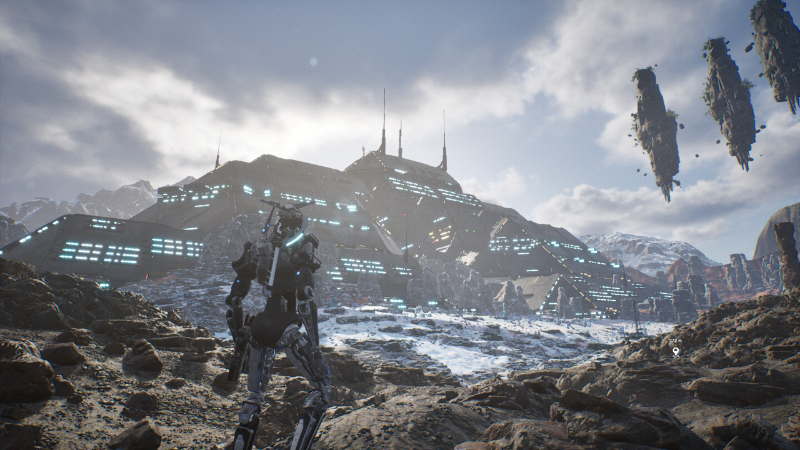
Axiox Industries CEO Larkwood is a firm supporter of the colonial plan. He believes that precise environmental transformation and control of high-risk elements can establish a safe colony for humanity. He has differing visions from Jack Zhu of the Foundation, but the core resource dependencies of Axiox place him in a difficult position.
Kepler-186 is a real red dwarf star system (M-type) with at least five planets (B/C/D/E/F). Planet F (Kepler-186f) is the outermost terrestrial planet in the habitable zone’s outer edge. Its real orbital period is approximately 129.9 days — highly consistent with the game’s setting of 130 days per year.
The game uses a fully tidally locked setting to create strong environmental contrast and exploration tension: the dark side in eternal night, the bright side under eternal red light.
Region
Environmental Characteristics
Gameplay Significance
Dark Side
Eternal polar night, extremely low temperatures, possible liquid water beneath ice shells or underground ecosystems; bioluminescent or slow-metabolism lifeforms
Low-light exploration, thermal management, unique habitats for biological & electronic lifeforms, high survival pressure
Bright Side
Eternal red light illumination (red dwarf spectrum), higher temperatures, strong radiation zones; possible special lifeforms adapted to extreme light/heat
Radiation/heat protection crafting, visual adaptation, varied resource distribution, entity boss battles in simulated space
Transition Zone / Terminator
Temperature and light gradient zone, potentially closest to “habitable” conditions
Potential colony location, environmental transition exploration area
Space / System Layer
Orbital space stations, teleportation networks, other planets & small celestial bodies
Narrative climax scenes, interstellar exploration expansion
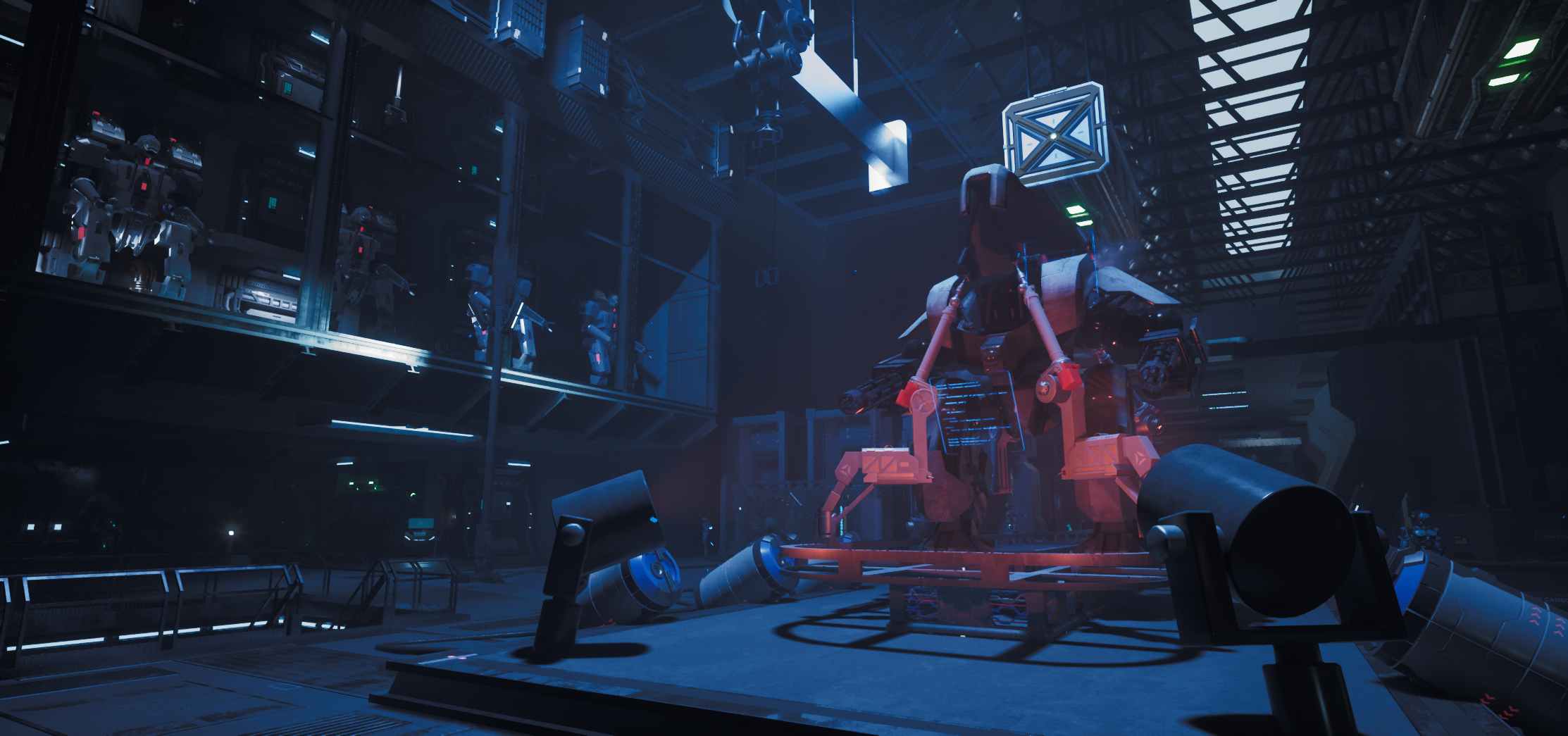 The main outpost established by Axiox Industries on Planet F and the core facility of the Cradle Plan. The player begins by facing the mystery of its lost contact, gradually uncovering the truth behind the colony’s failure through exploration of dark/bright side facilities, terminal hacking, and survival equipment crafting — electronic lifeform infections, system anomalies, and the complex factors behind the Cradle Plan.
Kepler-186F Dark Side
Kepler-186F Bright Side
Kepler-186 System (Space, Teleport Stations, Space Stations)
Calendar System: The game uses a precise 130 days per year, 13 days per week calendar (exactly 10-week cycles). This provides an elegant mathematical foundation for in-game time management, journals, event triggers, and NPC behavior, while allowing for unique seasonal cycles and cultural rituals.
Cultural Fusion: Naming systems (Nantianmen, Cradle Plan, etc.) reflect the pioneering spirit of the colonial era. Robot logs use poetic expression. The world lore blends hard sci-fi rigor with exploration of humanity’s civilizational roots, encouraging players to contemplate “what it means to be human” and the boundaries of civilization’s future in extreme environments.
Expansion Plans: The world lore supports serialized storytelling, including prequels and sequels that delve into eternal themes across different planets and stages of civilization. The U37 platform will serve as a hub for community and UGC creation, further enriching the universe’s ecosystem.
What's Your Reaction?








![[Business Talk] Chagee: Opening 3,500 stores in 6 years](https://xinker.org/uploads/images/202410/image_140x98_671afce94bf91.webp)