




![[PRO Tips] Gold’s Bullish Revival: Seasonal Trends and Key Levels to Watch](https://xinker.org/uploads/images/202412/image_430x256_67724cc6ad0cd.webp)
![[PRO Tips] Gold Market Under Short-Term Pressure, Safe-Haven Demand and Central Bank Buying Support Long-Term Upside Potential](https://xinker.org/uploads/images/202412/image_430x256_676ffb4685287.webp)
![[PRO Tips] Analysis of 9 key points of differentiation strategy! Master differentiation to create a brand advantage that is unique in the world!](https://firebasestorage.googleapis.com/v0/b/xinker-tips.appspot.com/o/article_thumbnails%2Fscaled_differentiation%20strategy.png.png?alt=media&token=a1bfc3d2-e85a-4db7-8a6d-01c7274f8940)
![[PRO Tips] Will REITs regain growth momentum in 2024? 3 REITs ETFs you must know if you want to invest in real estate.](https://firebasestorage.googleapis.com/v0/b/xinker-tips.appspot.com/o/article_thumbnails%2Fscaled_REITs1.png.png?alt=media&token=8af4eb93-33ff-466f-8039-b6555fad52b4)
![[PRO Tips] Complete tutorial on how to make money in Adobe Stock!](https://firebasestorage.googleapis.com/v0/b/xinker-tips.appspot.com/o/article_thumbnails%2Fscaled_tut-adobe1.png.png?alt=media&token=0b2c8cf2-22bd-4142-883e-140ed1cbaf02)
![[Passive Income] Unlock the secret of passive income: 3 steps to apply for Google AdSense](https://xinker.org/uploads/images/202410/image_430x256_6717a4fb3052b.webp)
![[Passive Income] Earn over $200 a day with AI-generated articles!](https://firebasestorage.googleapis.com/v0/b/xinker-tips.appspot.com/o/article_thumbnails%2Fscaled_article1.png.png?alt=media&token=f61bf35b-8553-4719-826d-7360024adc70)
![[Passive Income] Earn over 20 USD per download with AI-generated images!](https://firebasestorage.googleapis.com/v0/b/xinker-tips.appspot.com/o/article_thumbnails%2Fscaled_adobe2.png.png?alt=media&token=3e20e76a-a907-45af-80aa-bf9b3600301f)
![[Passive Income] Earn 10 USD per new download by sharing CapCut!](https://firebasestorage.googleapis.com/v0/b/xinker-tips.appspot.com/o/article_thumbnails%2Fscaled_capcut2.png.png?alt=media&token=a04dec40-1fac-4857-86f2-19a8be02d38e)
![[Passive Income] Use your WiFi to create passive income in 5 minutes, and you can earn 4-6 U per day!](https://firebasestorage.googleapis.com/v0/b/xinker-tips.appspot.com/o/article_thumbnails%2Fscaled_Grassio.webp.png?alt=media&token=7659a95e-0e47-4f27-a17d-c942ac3cf7f4)


![[Business Talk] The Unique Theme of XINKER's Song: Beef Wellington and Business Mastery](https://xinker.org/uploads/images/202410/image_430x256_671afc155f47f.webp)
![[Business Talk] Chagee: Opening 3,500 stores in 6 years](https://xinker.org/uploads/images/202410/image_430x256_671afce80c5f9.webp)


Washington B.1: A Friend in Need
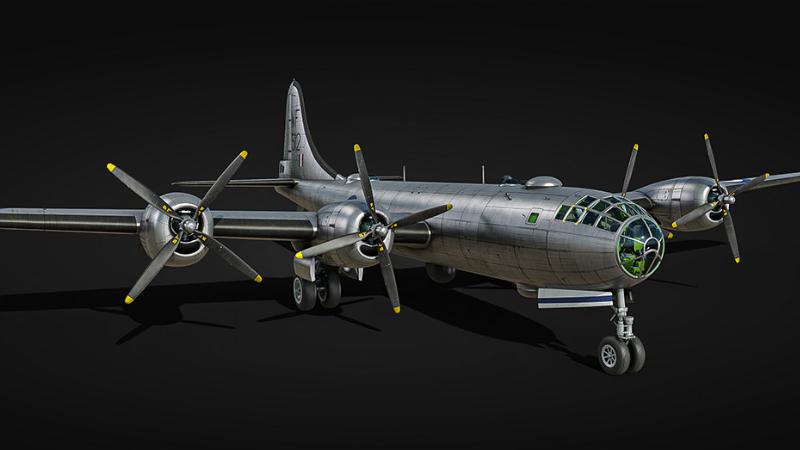
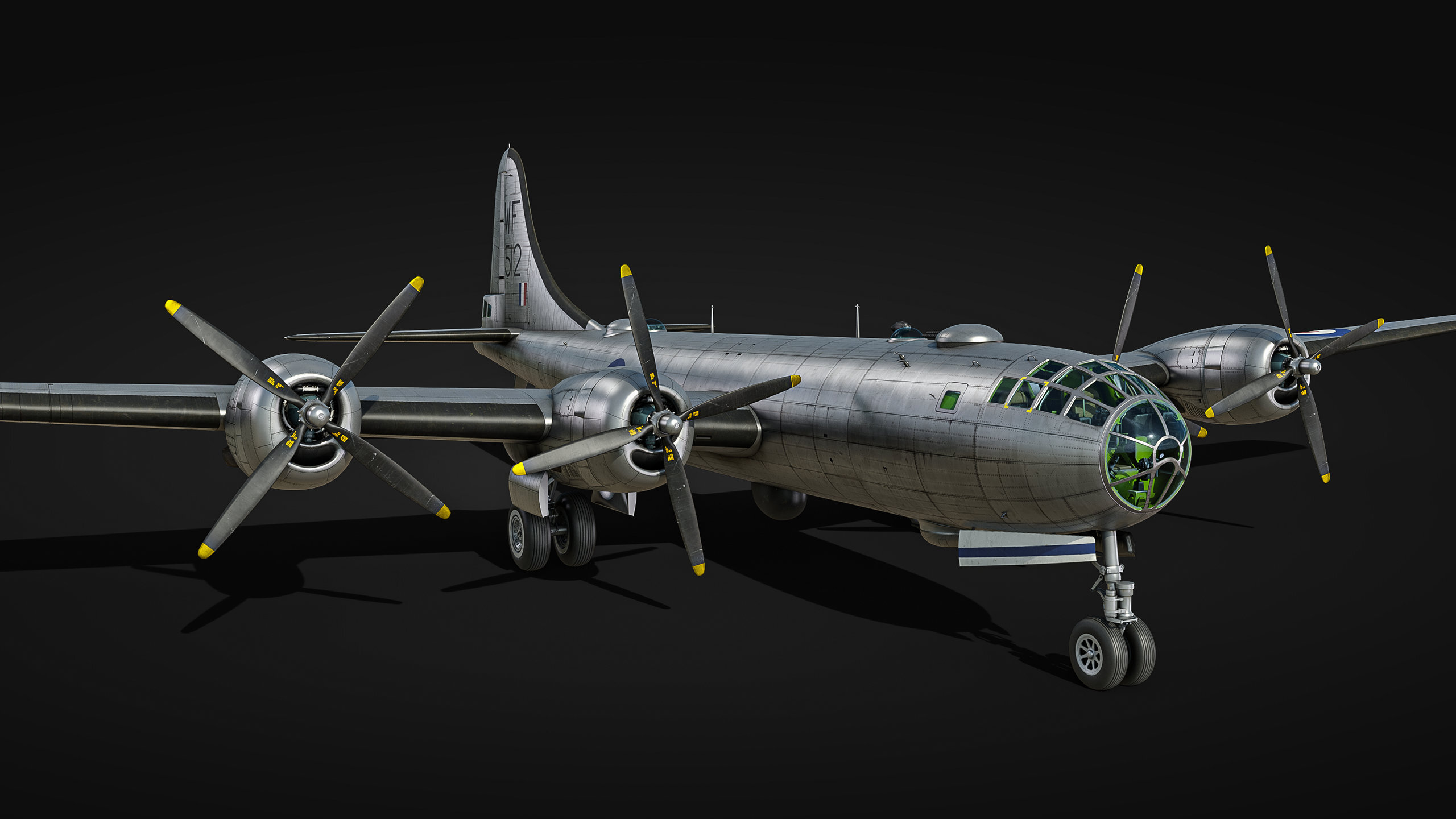
A legendary long range heavy bomber reinforces the heavy bomber gap in the British tree in the next major update!Washington B.1: A Long Range Bomber for Great Britain at Rank VAt a glance:20,000 lbs of ordnance!Remote controlled weapon stationsSolid defensive weapon coverageHigh altitude performance Vehicle HistoryIn the later part of the 1940s, Great Britain found themselves in need of a drastic modernization of their bomber fleet. The Avro Lincoln was the current apex of the Royal Air Force in terms of heavy or strategic bombing, but it was wholly insufficient to keep up with Britain’s ambitions to become a nuclear power and retain long range strike capabilities in the new jet age. While promising new designs such as the English Electric Canberra, Short Sperrin and even the very early concepts of the V bombers (Vulcan, Victor and Valiant) were beginning to make progress on paper, it was clear that no real replacement for the Lincoln would be ready until well past the first quarter of the 1950s. The creation of NATO and the Mutual Defense Assistance Act (MDAA) of 1949 presented Britain with a clear solution to address all of these issues at once. This was to provide a proven, reliable and capable aircraft to strengthen and replace the Lincoln and provide a suitable stopgap until the early jet bombers would arrive into service. Large numbers of B-29s were being placed into reserve or storage in the US. For the RAF, this presented a perfect opportunity in bridging what would be a key military gap without diverting key development or funding away from the continued work on its own domestic designs that were already in progress. A total of 87 B-29s were acquired this way, officially named “Washington” in RAF service, with deliveries starting from March 1950. Although they would never fire a shot or drop a bomb “in anger”, they provided a key deterrence for the RAFs Bomber Command between 1950 - 1954.They were phased out upon arrival of the Canberra and with the V-Bombers now fully on track. The Washingtons were largely unmodified in their main role, however some would go on to have turrets and bombing equipment removed for Electronic signals intelligence and to monitor Soviet communications. They went on in that role until the Washingtons were officially replaced by the Comet in 1958. Two examples found their way to the Royal Australian Air Force too, operated under the Aircraft Research and Development Unit for trials. Introducing the Washington B.1!The “Superfortress” is a long established American stalwart heavy in War Thunder, alongside its Soviet and Chinese Tu-4 cousins. However today, we welcome a lesser known guise of the famous B-29, in the British Washington B.1! Let’s take a closer look at this beast.The British air tree had quite a large bomber gap between the Avro Lincoln at rank IV all the way to the Canberra family, which are several whole Battle Ratings higher than them. Fortunately, a very historical and appropriate solution exists! Britain took charge of 87 aptly named “Washington” bombers (ex-US B-29s) in the 1950s in order to cover this very gap in real life. This provided the Royal Air Force with an excellent long range and highly capable replacement over the Lincoln as a heavy strategic bomber.As far as payloads go, the Washington remains among the best in game. It has the highest payload options found in the British air tree and beaten out only by the Tu-4, F-111A and more recently, the gigantic B-52 and Tu-95. The Washington offers up to 40 x AN-M64 500 lb bombs, or up to 18 x AN-M65 1000 lb, 8 x AN-M66 2000 lb or 4 x AN-M56 4000 lb bombs. That’s a maximum possible load of 20,000 lb! It’s not all about what it can carry too. Unlike the more conservative approach of British heavy bombers, the Washington has no less than five weapon stations, remotely controlled by crew all over the aircraft. In terms of survivability and defensive protection, Washington is among the best. For such a large beast, the Washington has decent flight characteristics and far superior altitude performance compared to what you may be used to in the British air tree with the Lancasters and Lincoln. Four powerful Wright R-3350 engines provide a top speed of over 600 km/h (370 mph) and a maximum altitude that far exceeds any of the bombers before the Washington in the British tree. For the range and fuel the aircraft provides, no mission is too much to handle!This behemoth will join the ranks of the British air tree in the next major update, finding its home at rank V before the Canberra family. A worthy stablemate to help bridge the gap as well as providing British pilots with a highly capable bomber with an immense payload. Until the next one, stay tuned for more coming soon to War Thunder!Please note that this vehicle’s characteristics may be changed before it is added to the game.
A legendary long range heavy bomber reinforces the heavy bomber gap in the British tree in the next major update!
Washington B.1: A Long Range Bomber for Great Britain at Rank V
At a glance:
20,000 lbs of ordnance!
Remote controlled weapon stations
Solid defensive weapon coverage
High altitude performance
In the later part of the 1940s, Great Britain found themselves in need of a drastic modernization of their bomber fleet. The Avro Lincoln was the current apex of the Royal Air Force in terms of heavy or strategic bombing, but it was wholly insufficient to keep up with Britain’s ambitions to become a nuclear power and retain long range strike capabilities in the new jet age. While promising new designs such as the English Electric Canberra, Short Sperrin and even the very early concepts of the V bombers (Vulcan, Victor and Valiant) were beginning to make progress on paper, it was clear that no real replacement for the Lincoln would be ready until well past the first quarter of the 1950s.
The creation of NATO and the Mutual Defense Assistance Act (MDAA) of 1949 presented Britain with a clear solution to address all of these issues at once. This was to provide a proven, reliable and capable aircraft to strengthen and replace the Lincoln and provide a suitable stopgap until the early jet bombers would arrive into service. Large numbers of B-29s were being placed into reserve or storage in the US. For the RAF, this presented a perfect opportunity in bridging what would be a key military gap without diverting key development or funding away from the continued work on its own domestic designs that were already in progress.
A total of 87 B-29s were acquired this way, officially named “Washington” in RAF service, with deliveries starting from March 1950. Although they would never fire a shot or drop a bomb “in anger”, they provided a key deterrence for the RAFs Bomber Command between 1950 - 1954.
They were phased out upon arrival of the Canberra and with the V-Bombers now fully on track. The Washingtons were largely unmodified in their main role, however some would go on to have turrets and bombing equipment removed for Electronic signals intelligence and to monitor Soviet communications. They went on in that role until the Washingtons were officially replaced by the Comet in 1958. Two examples found their way to the Royal Australian Air Force too, operated under the Aircraft Research and Development Unit for trials.
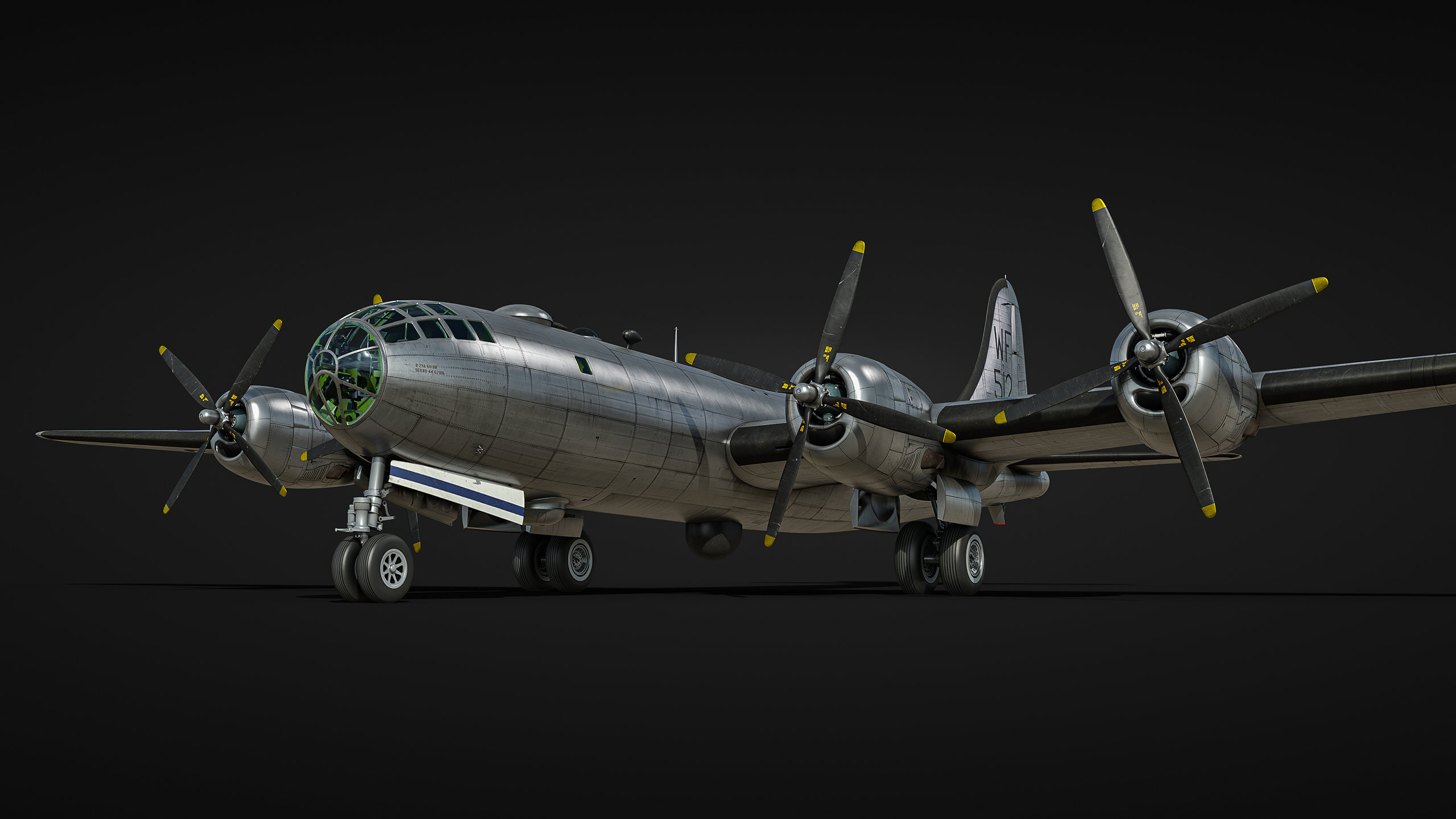
The “Superfortress” is a long established American stalwart heavy in War Thunder, alongside its Soviet and Chinese Tu-4 cousins. However today, we welcome a lesser known guise of the famous B-29, in the British Washington B.1! Let’s take a closer look at this beast.
The British air tree had quite a large bomber gap between the Avro Lincoln at rank IV all the way to the Canberra family, which are several whole Battle Ratings higher than them. Fortunately, a very historical and appropriate solution exists! Britain took charge of 87 aptly named “Washington” bombers (ex-US B-29s) in the 1950s in order to cover this very gap in real life. This provided the Royal Air Force with an excellent long range and highly capable replacement over the Lincoln as a heavy strategic bomber.
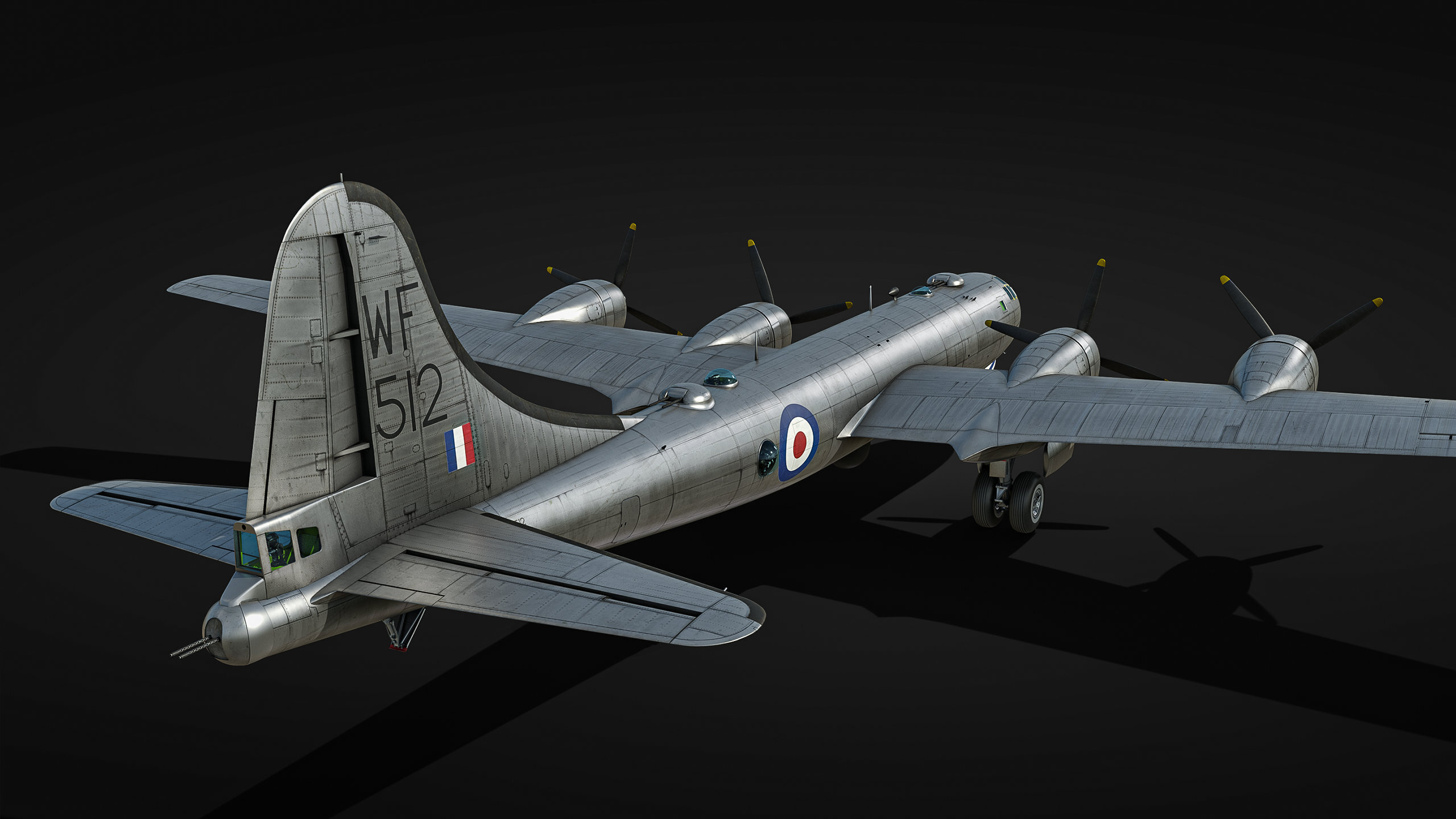
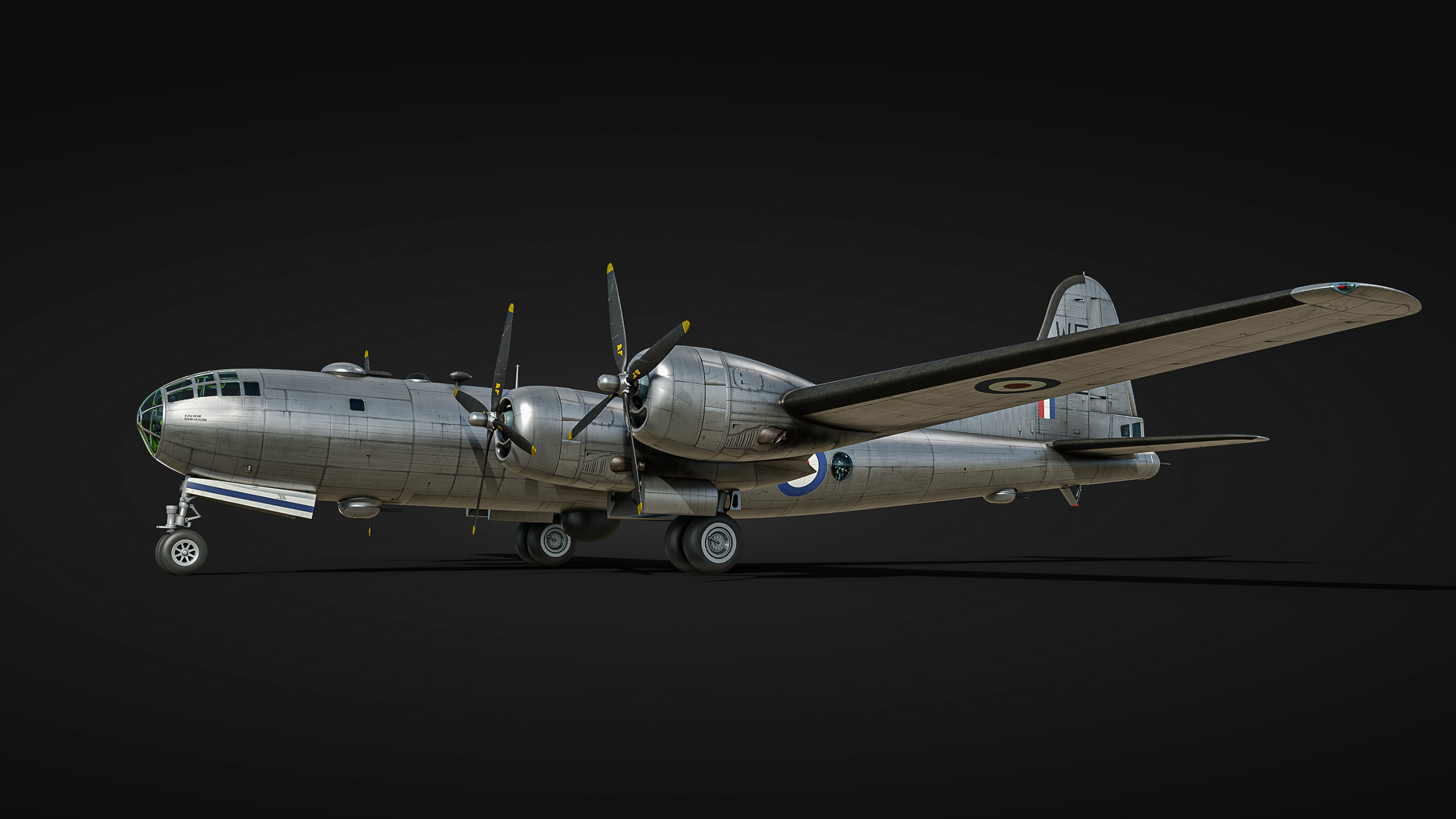
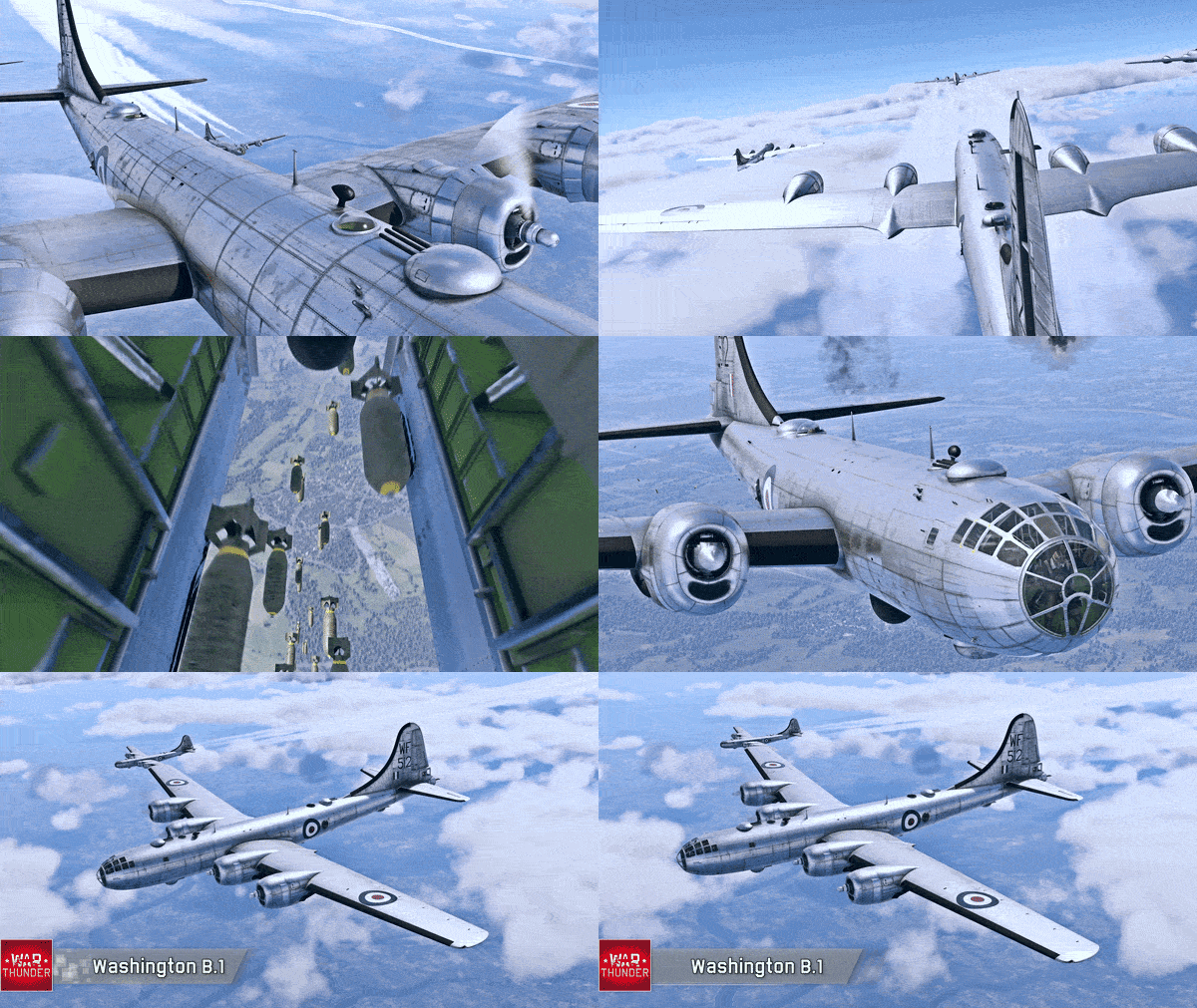
As far as payloads go, the Washington remains among the best in game. It has the highest payload options found in the British air tree and beaten out only by the Tu-4, F-111A and more recently, the gigantic B-52 and Tu-95. The Washington offers up to 40 x AN-M64 500 lb bombs, or up to 18 x AN-M65 1000 lb, 8 x AN-M66 2000 lb or 4 x AN-M56 4000 lb bombs. That’s a maximum possible load of 20,000 lb! It’s not all about what it can carry too. Unlike the more conservative approach of British heavy bombers, the Washington has no less than five weapon stations, remotely controlled by crew all over the aircraft. In terms of survivability and defensive protection, Washington is among the best.
For such a large beast, the Washington has decent flight characteristics and far superior altitude performance compared to what you may be used to in the British air tree with the Lancasters and Lincoln. Four powerful Wright R-3350 engines provide a top speed of over 600 km/h (370 mph) and a maximum altitude that far exceeds any of the bombers before the Washington in the British tree. For the range and fuel the aircraft provides, no mission is too much to handle!
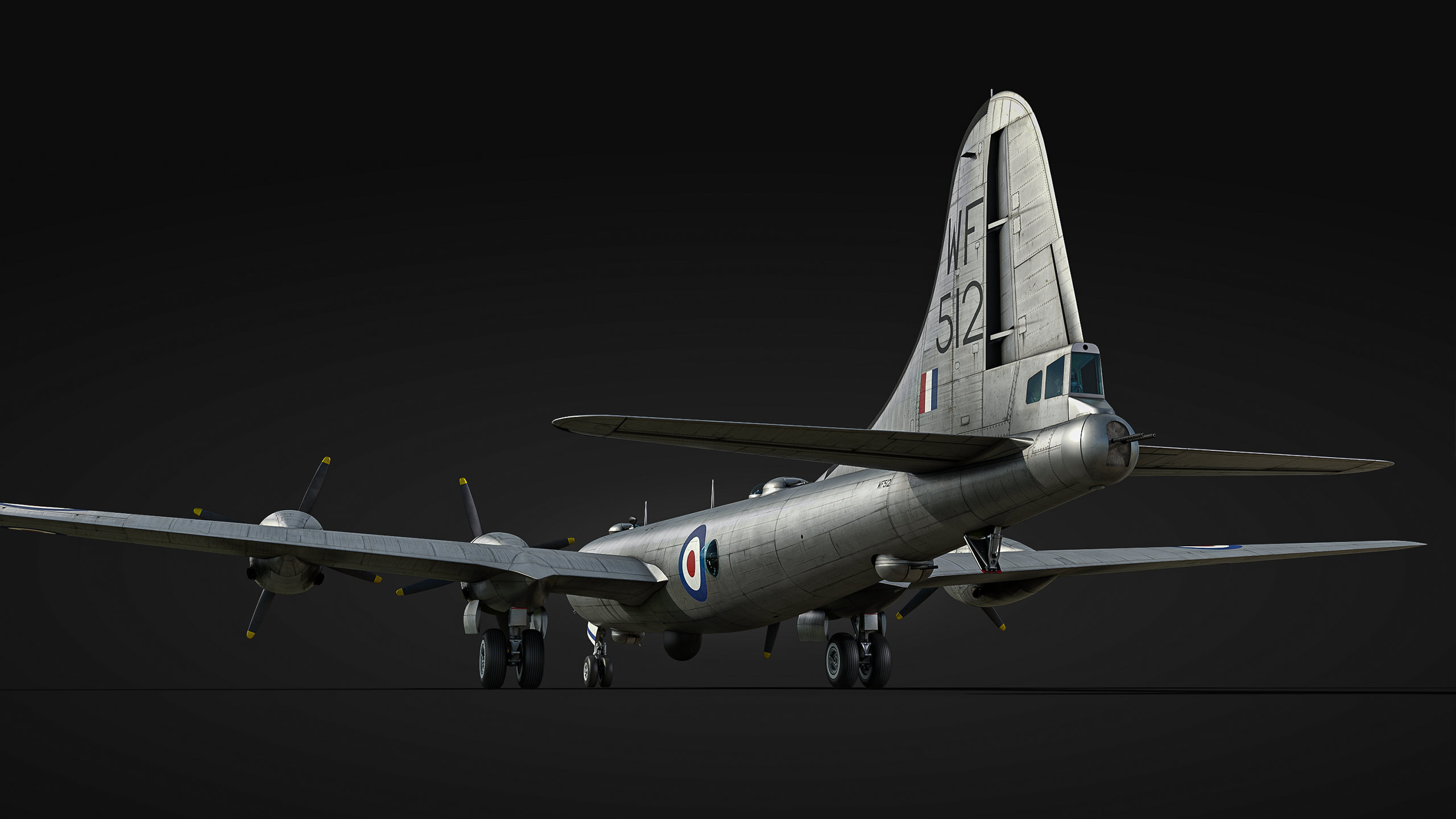
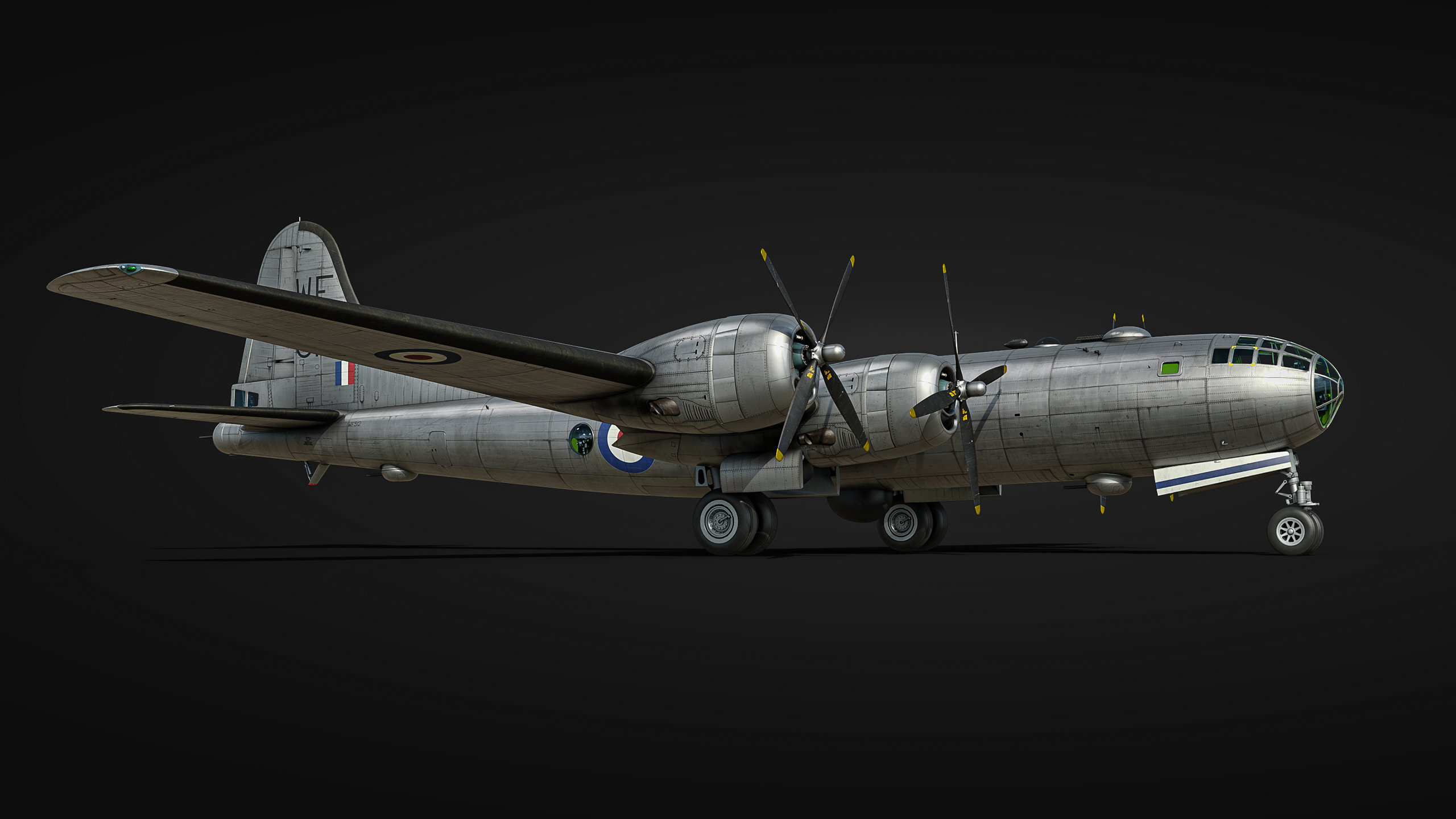
This behemoth will join the ranks of the British air tree in the next major update, finding its home at rank V before the Canberra family. A worthy stablemate to help bridge the gap as well as providing British pilots with a highly capable bomber with an immense payload. Until the next one, stay tuned for more coming soon to War Thunder!
Please note that this vehicle’s characteristics may be changed before it is added to the game.
What's Your Reaction?









![[Business Talk] Chagee: Opening 3,500 stores in 6 years](https://xinker.org/uploads/images/202410/image_140x98_671afce94bf91.webp)