


![[PRO Tips] Gold’s Bullish Revival: Seasonal Trends and Key Levels to Watch](https://xinker.org/uploads/images/202412/image_430x256_67724cc6ad0cd.webp)
![[PRO Tips] Gold Market Under Short-Term Pressure, Safe-Haven Demand and Central Bank Buying Support Long-Term Upside Potential](https://xinker.org/uploads/images/202412/image_430x256_676ffb4685287.webp)
![[PRO Tips] Analysis of 9 key points of differentiation strategy! Master differentiation to create a brand advantage that is unique in the world!](https://firebasestorage.googleapis.com/v0/b/xinker-tips.appspot.com/o/article_thumbnails%2Fscaled_differentiation%20strategy.png.png?alt=media&token=a1bfc3d2-e85a-4db7-8a6d-01c7274f8940)
![[PRO Tips] Will REITs regain growth momentum in 2024? 3 REITs ETFs you must know if you want to invest in real estate.](https://firebasestorage.googleapis.com/v0/b/xinker-tips.appspot.com/o/article_thumbnails%2Fscaled_REITs1.png.png?alt=media&token=8af4eb93-33ff-466f-8039-b6555fad52b4)
![[PRO Tips] Complete tutorial on how to make money in Adobe Stock!](https://firebasestorage.googleapis.com/v0/b/xinker-tips.appspot.com/o/article_thumbnails%2Fscaled_tut-adobe1.png.png?alt=media&token=0b2c8cf2-22bd-4142-883e-140ed1cbaf02)
![[Passive Income] Unlock the secret of passive income: 3 steps to apply for Google AdSense](https://xinker.org/uploads/images/202410/image_430x256_6717a4fb3052b.webp)
![[Passive Income] Earn over $200 a day with AI-generated articles!](https://firebasestorage.googleapis.com/v0/b/xinker-tips.appspot.com/o/article_thumbnails%2Fscaled_article1.png.png?alt=media&token=f61bf35b-8553-4719-826d-7360024adc70)
![[Passive Income] Earn over 20 USD per download with AI-generated images!](https://firebasestorage.googleapis.com/v0/b/xinker-tips.appspot.com/o/article_thumbnails%2Fscaled_adobe2.png.png?alt=media&token=3e20e76a-a907-45af-80aa-bf9b3600301f)
![[Passive Income] Earn 10 USD per new download by sharing CapCut!](https://firebasestorage.googleapis.com/v0/b/xinker-tips.appspot.com/o/article_thumbnails%2Fscaled_capcut2.png.png?alt=media&token=a04dec40-1fac-4857-86f2-19a8be02d38e)
![[Passive Income] Use your WiFi to create passive income in 5 minutes, and you can earn 4-6 U per day!](https://firebasestorage.googleapis.com/v0/b/xinker-tips.appspot.com/o/article_thumbnails%2Fscaled_Grassio.webp.png?alt=media&token=7659a95e-0e47-4f27-a17d-c942ac3cf7f4)


![[Business Talk] The Unique Theme of XINKER's Song: Beef Wellington and Business Mastery](https://xinker.org/uploads/images/202410/image_430x256_671afc155f47f.webp)
![[Business Talk] Chagee: Opening 3,500 stores in 6 years](https://xinker.org/uploads/images/202410/image_430x256_671afce80c5f9.webp)

Under The Hood: In-Game Map QA
Creating Euro Truck Simulator 2 and American Truck Simulator is a collaborative effort involving many talented teams across SCS Software. While map designers, artists, programmers and more build the driving experience, another team works alongside them to ensure everything functions exactly as intended before players hit the road.In this Under the Hood blog, we'd like to introduce you to two members of our In-Game QA team, Ivan and David. We asked them about their day to day work, how testing fits into the development process, why quality assurance is about much more than simply playing the game and more!David - ATS Map QA Lead"Hey, fellow truckers! My name is David, and I'm 28 years old. I joined SCS as a junior tester when I was just 20, and at the time, I was the youngest employee in the entire company. Today, I'm the QA Lead for ATS map testing. That means I organize and oversee the testing of all ATS map DLCs, communicate with the leads of our map design teams, solve the most complex issues and bugs we encounter, and simply be there for my team whenever they need help. Over the years, I've seen SCS Software grow from a team of around 100 employees into a company of more than 400. When I joined, we were working on the Oregon DLC, and it has been incredible to see how our development and testing processes have evolved and improved alongside our expanding game worlds."Ivan - World Map Design QA Lead"Hi everyone! My name is Ivan, and I've been with SCS Software for a little over six years. I started out as a junior tester, but soon after, I took on the responsibility of overseeing map testing for Euro Truck Simulator 2. Today, my role is World Map Design QA Lead, and I manage our entire map testing team, which currently consists of 20 people. Together, we oversee testing for both American Truck Simulator and Euro Truck Simulator 2. While my colleague Davincillo handles the day to day management of ATS, my main focus over the years has remained on ETS2." When people hear "game testing" they often imagine that you simply get to play games all day. How different is the reality?"Map testing is definitely not just playing the game all day. That's a classic myth. While the 'playing' aspect certainly has its place, it really only happens during the final stages of our testing process. The reality is far more methodical. We spend hours, or even days, testing one specific part of the map. We drive through the same stretch of road multiple times, checking completely different things on each pass while using different camera views and debug tools.Simply playing the game is not enough to be a good tester. There is a specific skill set you need, these include attention to detail, a logical and analytical mindset, a good understanding of game industry standards, and a passion for making games more enjoyable for others. Communication skills are also vital because finding a bug is only half of the job. The other half is making sure the right people understand the issue. Ultimately, a good tester should save developers time. Instead of simply reporting that 'something is wrong,' a proper report explains the issue, how to reproduce it, what causes it, and potentially how it could be fixed."What does a typical day look like for a QA Lead?"Every day is a little different, but it generally consists of a mix of meetings, coordination, and oversight. Most of my time is spent assigning work, tracking testing progress, reviewing reported bugs, and regularly syncing with developers. Some days are calm and focused on planning, while others are all about solving unexpected, fast-moving issues. A large part of the job involves working closely with the team, discussing the bugs we find, figuring out the best approach, and deciding together what needs the most urgent attention."What are some of the main things your teams are looking for when testing the game?"It heavily depends on the stage of production. In the early stages, we focus mostly on the road network itself, its layout, and ensuring the drive is smooth. A big part of this phase is also checking the functionality of the economy and verifying the placement of game elements such as gas stations, companies, and truck dealers. In the later stages, our focus shifts to the AI's ability to navigate the road network, alongside visual polish, correct signage, and core gameplay. This is also when we examine performance across different areas to identify and fix any problematic frame rate drops.Broadly speaking, we focus on almost everything related to the map. That includes road layouts and collisions, the job economy, gas station distribution, sleep areas and service locations, the UI map and its icons, direction blockers, road markings, traffic signs, speed limits, traffic lights, navigation and voice guidance, garage cutscenes, AI trajectories, triggers, quality consistency, scene logic, terrain, vegetation, world and country borders, asset collisions, gaps in terrain, floating objec

Creating Euro Truck Simulator 2 and American Truck Simulator is a collaborative effort involving many talented teams across SCS Software. While map designers, artists, programmers and more build the driving experience, another team works alongside them to ensure everything functions exactly as intended before players hit the road. In this Under the Hood blog, we'd like to introduce you to two members of our In-Game QA team, Ivan and David. We asked them about their day to day work, how testing fits into the development process, why quality assurance is about much more than simply playing the game and more!
David - ATS Map QA Lead "Hey, fellow truckers! My name is David, and I'm 28 years old. I joined SCS as a junior tester when I was just 20, and at the time, I was the youngest employee in the entire company. Today, I'm the QA Lead for ATS map testing. That means I organize and oversee the testing of all ATS map DLCs, communicate with the leads of our map design teams, solve the most complex issues and bugs we encounter, and simply be there for my team whenever they need help. Over the years, I've seen SCS Software grow from a team of around 100 employees into a company of more than 400. When I joined, we were working on the Oregon DLC, and it has been incredible to see how our development and testing processes have evolved and improved alongside our expanding game worlds."
Ivan - World Map Design QA Lead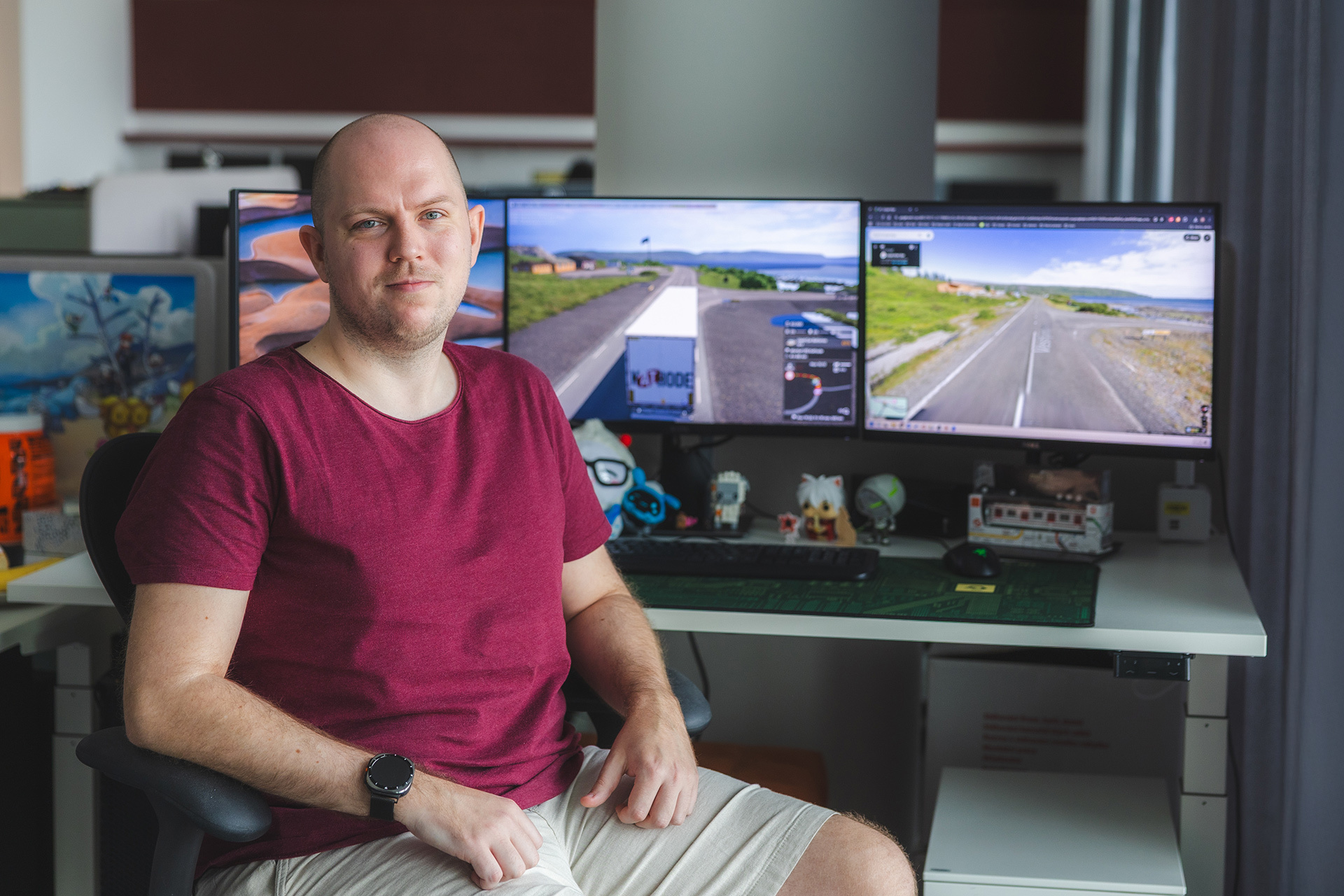 "Hi everyone! My name is Ivan, and I've been with SCS Software for a little over six years. I started out as a junior tester, but soon after, I took on the responsibility of overseeing map testing for Euro Truck Simulator 2. Today, my role is World Map Design QA Lead, and I manage our entire map testing team, which currently consists of 20 people. Together, we oversee testing for both American Truck Simulator and Euro Truck Simulator 2. While my colleague Davincillo handles the day to day management of ATS, my main focus over the years has remained on ETS2."
When people hear "game testing" they often imagine that you simply get to play games all day. How different is the reality?
"Map testing is definitely not just playing the game all day. That's a classic myth. While the 'playing' aspect certainly has its place, it really only happens during the final stages of our testing process. The reality is far more methodical. We spend hours, or even days, testing one specific part of the map. We drive through the same stretch of road multiple times, checking completely different things on each pass while using different camera views and debug tools.
Simply playing the game is not enough to be a good tester. There is a specific skill set you need, these include attention to detail, a logical and analytical mindset, a good understanding of game industry standards, and a passion for making games more enjoyable for others. Communication skills are also vital because finding a bug is only half of the job. The other half is making sure the right people understand the issue. Ultimately, a good tester should save developers time. Instead of simply reporting that 'something is wrong,' a proper report explains the issue, how to reproduce it, what causes it, and potentially how it could be fixed."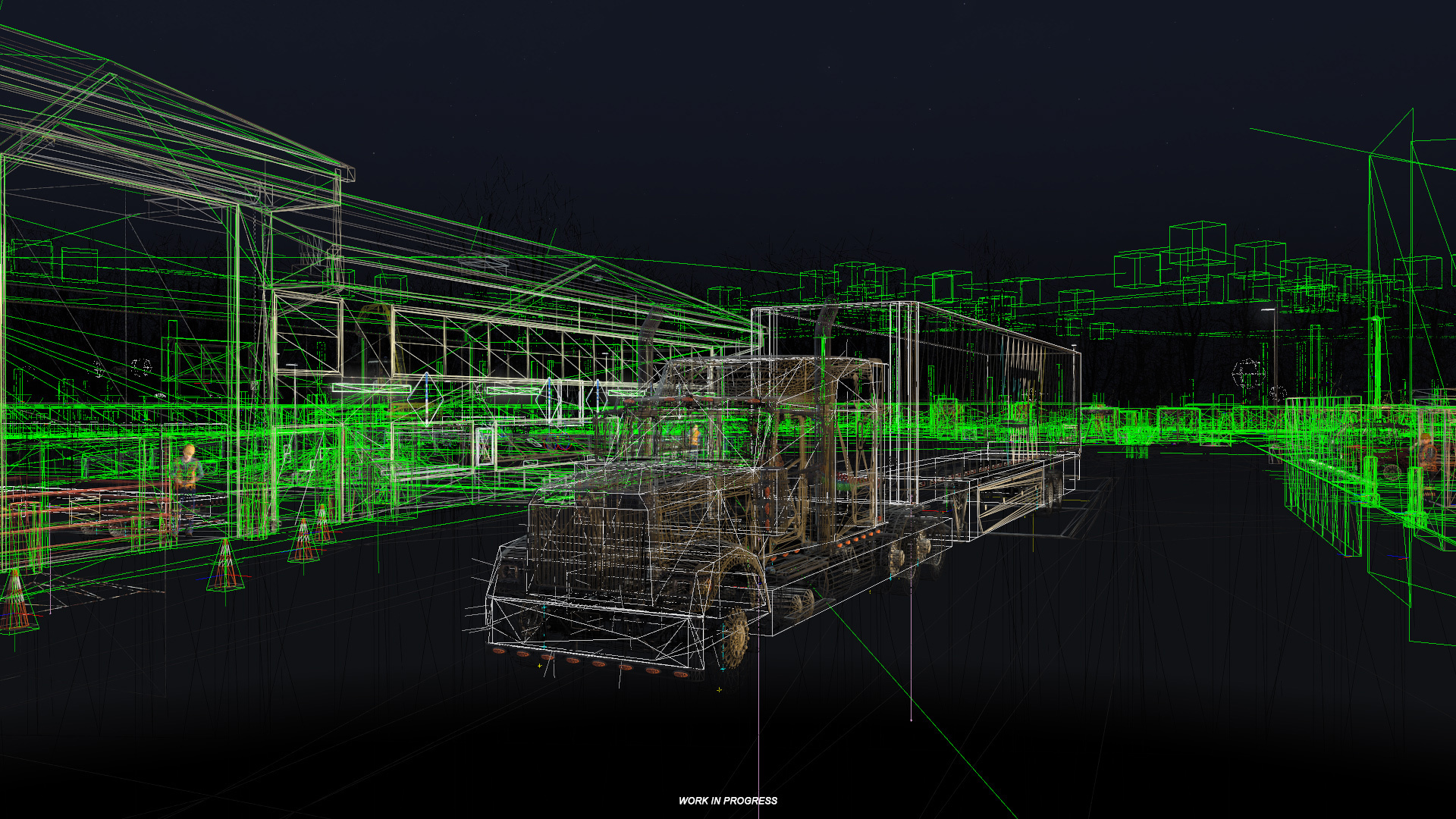 What does a typical day look like for a QA Lead?
"Every day is a little different, but it generally consists of a mix of meetings, coordination, and oversight. Most of my time is spent assigning work, tracking testing progress, reviewing reported bugs, and regularly syncing with developers. Some days are calm and focused on planning, while others are all about solving unexpected, fast-moving issues. A large part of the job involves working closely with the team, discussing the bugs we find, figuring out the best approach, and deciding together what needs the most urgent attention."
What are some of the main things your teams are looking for when testing the game?
"It heavily depends on the stage of production. In the early stages, we focus mostly on the road network itself, its layout, and ensuring the drive is smooth. A big part of this phase is also checking the functionality of the economy and verifying the placement of game elements such as gas stations, companies, and truck dealers. In the later stages, our focus shifts to the AI's ability to navigate the road network, alongside visual polish, correct signage, and core gameplay. This is also when we examine performance across different areas to identify and fix any problematic frame rate drops.
Broadly speaking, we focus on almost everything related to the map. That includes road layouts and collisions, the job economy, gas station distribution, sleep areas and service locations, the UI map and its icons, direction blockers, road markings, traffic signs, speed limits, traffic lights, navigation and voice guidance, garage cutscenes, AI trajectories, triggers, quality consistency, scene logic, terrain, vegetation, world and country borders, asset collisions, gaps in terrain, floating objects, performance-heavy locations, environmental sounds and more!"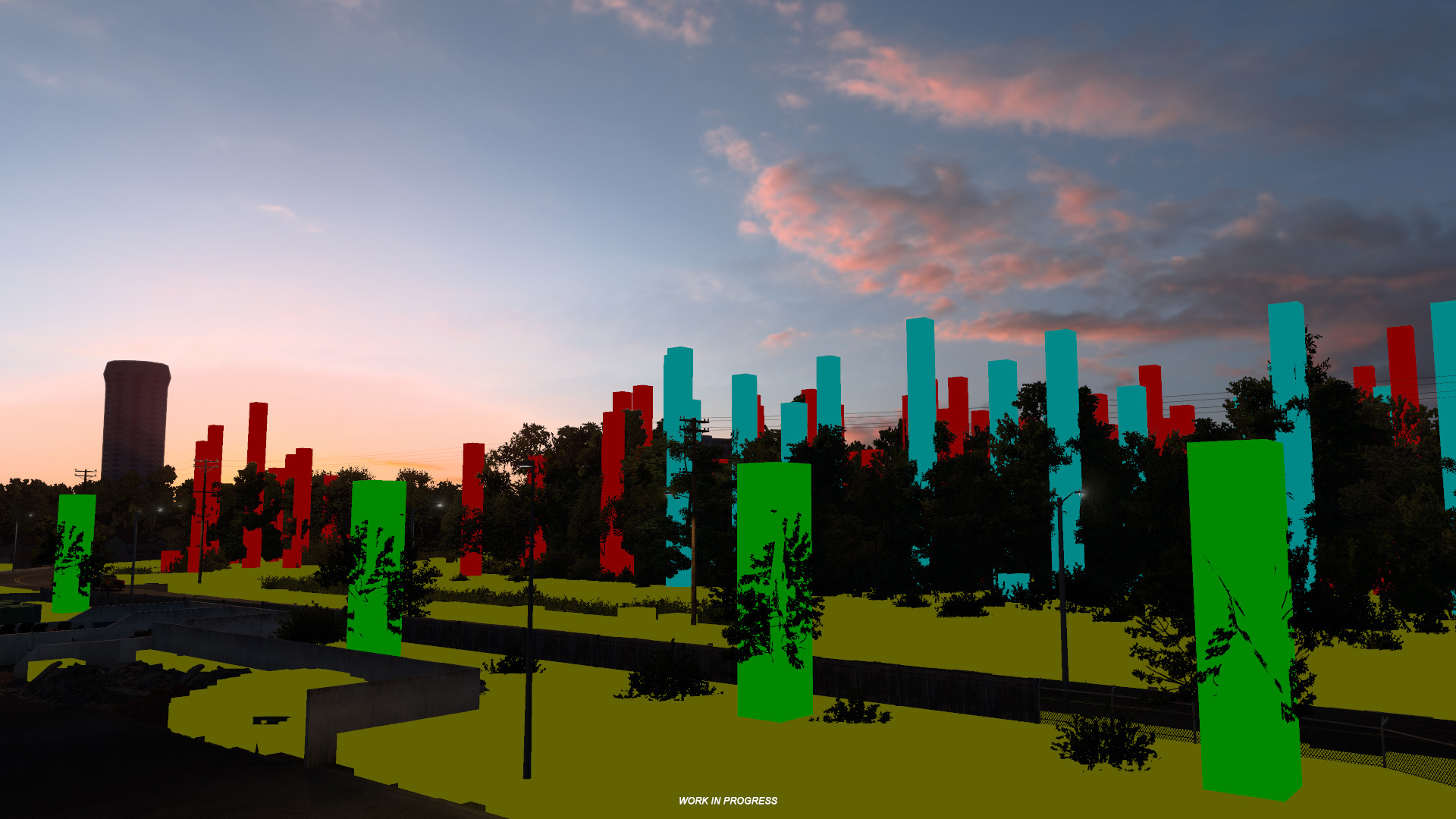 What do you enjoy most about working in QA?
"Being a game tester is a dream job for many people, and in many ways, it really is. There is an incredibly rewarding feeling in knowing that you're the safety net protecting the player's immersion and helping make the game better for everyone. It's deeply satisfying to watch a messy, broken build gradually turn into a polished world that millions of people will enjoy driving through.
When a new DLC is released and you see players talking about how smooth the roads feel, how great the scenery looks, or how well everything runs, it's a fantastic feeling. You can look at that and think, 'Yeah, my team helped build that.'"
When a new map DLC or major update enters testing, how do you approach such a large project from start to finish?
"The QA process often begins before production even starts. We provide early feedback on concepts to avoid known issues before development kicks off. Once production begins, we use an agile testing approach, working through multiple iterations throughout development rather than waiting until the very end to deliver one massive list of issues.
Our systematic testing process is divided into four iterations and an economy test. The first iteration focuses entirely on road layouts, ensuring roads, turns, and slopes are safely drivable, even with the longest trailers and low-power engines. The economy test then verifies that companies generate jobs correctly and that cities provide a healthy variety of destinations. As development progresses, later iterations shift towards visual quality, gameplay consistency, and overall polish.
To make testing manageable, we divide each project into smaller sections, sometimes resulting in dozens or even hundreds of individual tasks covering specific roads and cities. These are tracked throughout development, allowing us to revisit the same areas at different stages. We use maps, checklists, internal tools, and bug-tracking systems to ensure every square mile is covered, while also encouraging testers to explore freely because unexpected issues are often found where nobody would think to look."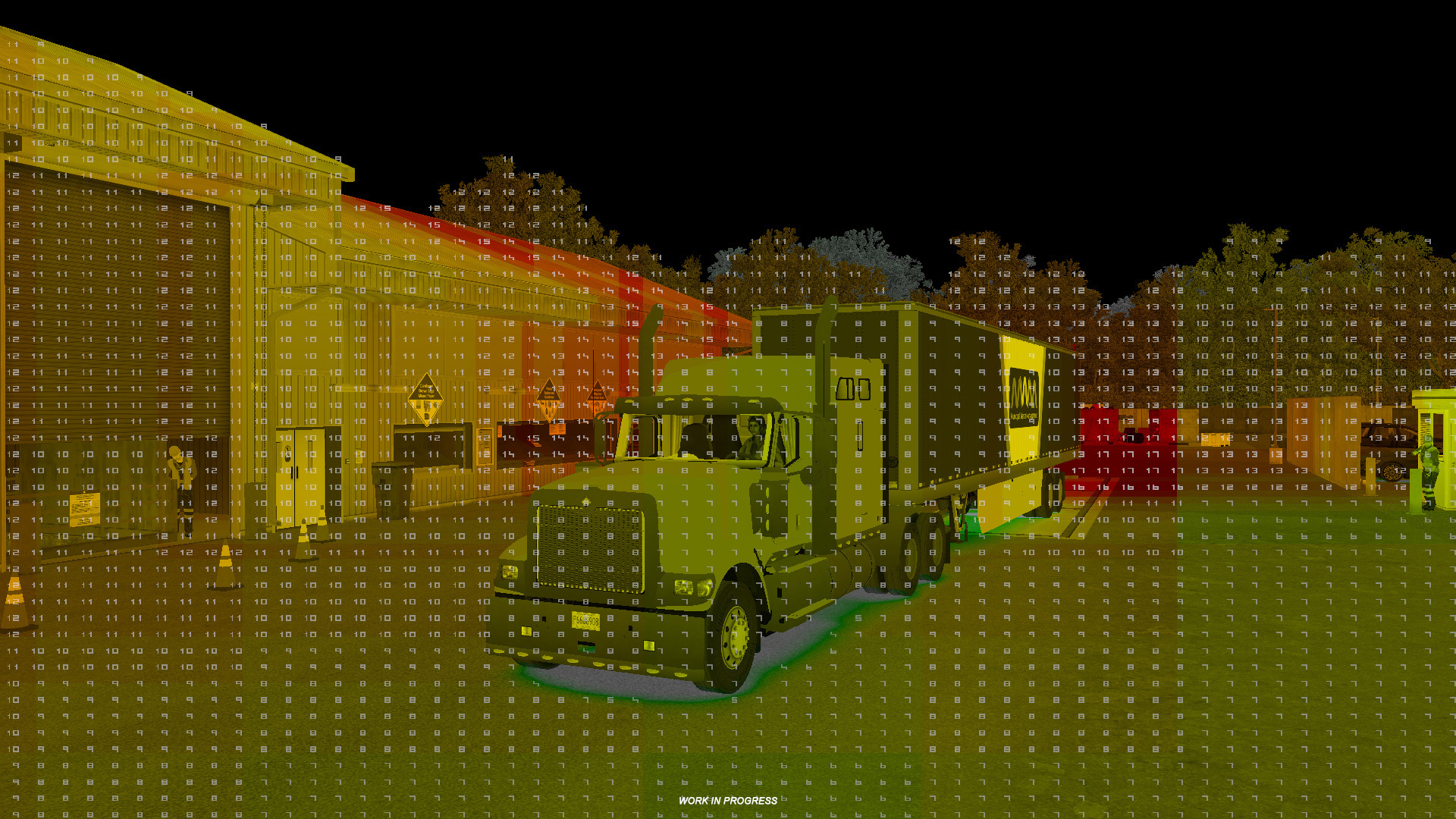
Many players only see the finished product. Roughly how much testing goes into a map expansion, update, or feature before release? Does it differ depending on what needs testing?
"There is a massive amount of testing involved, and it differs greatly depending on the project. Smaller projects, such as special event maps, can be thoroughly tested in just a few days. On the other hand, a huge project like the Nordic Horizons expansion takes thousands of hours of rigorous testing before it is ready for release.
Every single road, city, company, gas station, sleep area, tollgate, and ferry is tested at least four times, with a different tester each time. To give some insight into the scale, our Mantis bug tracker recorded 6,849 reports for the Illinois DLC, while South Dakota has generated 6,318 reports so far. These reports range from tiny holes in the terrain that are almost impossible to notice to major bugs that can cause the game to crash. Every report is assigned a priority and severity level so that the most serious issues are addressed first."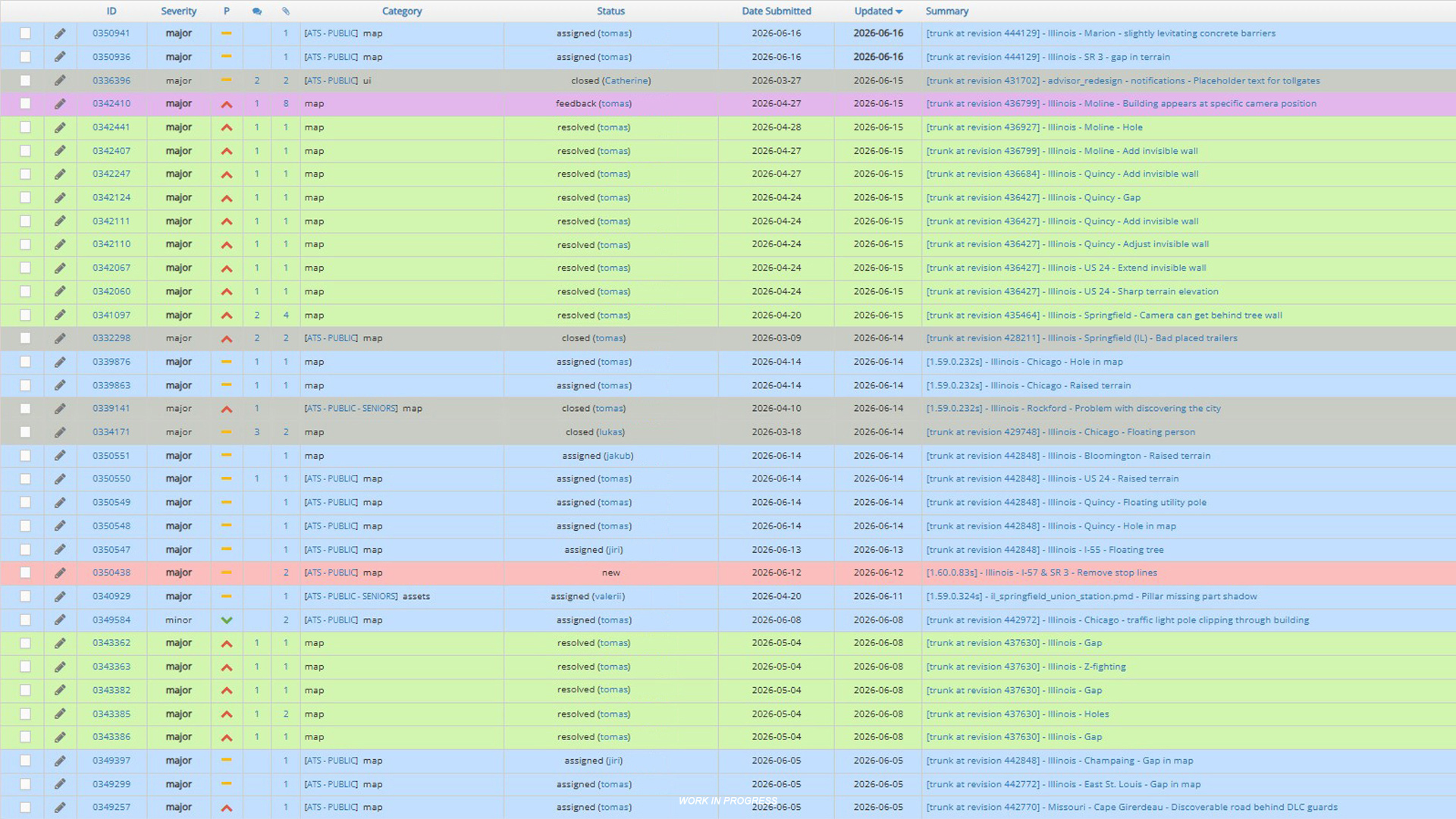 How closely do QA teams work with map designers, programmers, artists, and other departments throughout development?
"We work very closely across departments because testing is integrated throughout the entire development cycle. As map QA, we collaborate most closely with the map design and art teams. While the majority of our day-to-day communication happens through reports in the Mantis bug tracker, we also actively discuss issues through private messages on our internal chat system, and arrange direct meetings whenever an issue is important enough. Our interaction with the programming department is mostly on a need-to-know basis, usually when there is an issue involving erratic AI behaviour or when a brand-new code feature is being implemented directly into the map."
What tools or methods help you track, reproduce, and report issues efficiently?
"We rely on several internal systems that are connected to one another to track individual bugs and the overall progress of a DLC. We use a specialised internal reporting tool that allows a tester to submit a bug directly from the game or the map editor into our central bug-tracking database. Within a few minutes, the report appears and can even be viewed directly inside the map editor itself. This allows map designers to immediately see the exact issue within their active workspace and resolve it much more efficiently, saving a significant amount of time throughout development."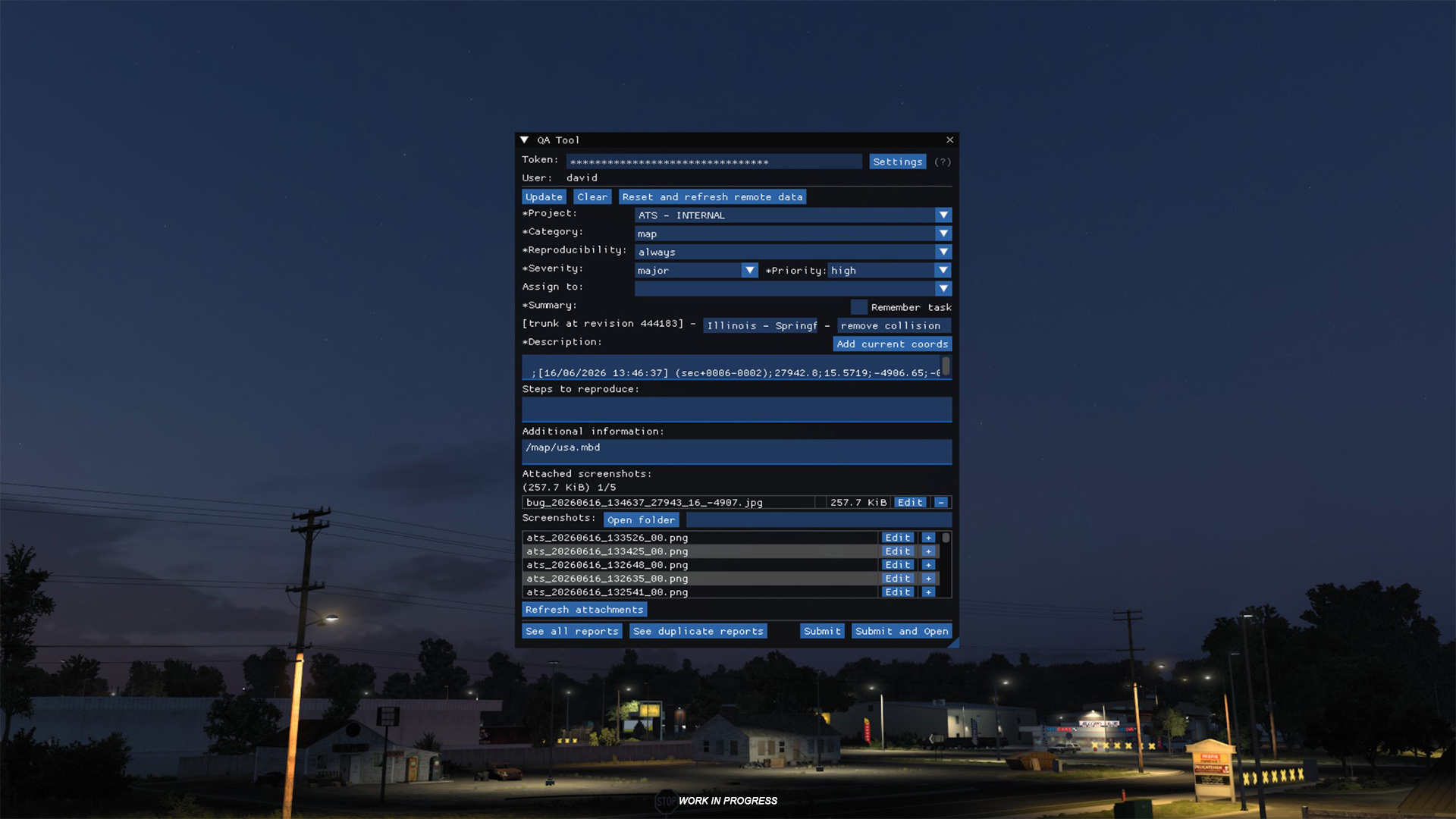 If there's one thing you'd like for people to better understand about QA and the work your teams do, what would it be?
"We'd like players to understand that map testing is a highly skilled, technical job, not simply driving around looking at the scenery or casually stumbling across a floating tree. In reality, a good tester is part detective and part data analyst. If we come across a strange physics bump on a highway or see AI traffic piling up at a roundabout, we don't just report it and move on. We have to understand exactly why it's happening. Translating what is broken on the road into actionable, structured information that our developers can easily understand and fix takes time, patience, and deep knowledge of the game."
What is one aspect of QA work that you think players would be most surprised to learn about?
"Players would probably be surprised by just how much knowledge about the game and real-world infrastructure you need to become a good tester. Our team has to maintain a solid understanding of complex internal game rules, real-world traffic laws, and regional layout standards across different countries.
It's similar to the difference between someone who owns a truck and knows how to drive it and a mechanic who can remove the entire engine, take it apart piece by piece, and put it back together again. Becoming a highly skilled map tester can take years, and many testers naturally become specialists in certain areas of the game because they spend so much time working with those specific systems behind the scenes."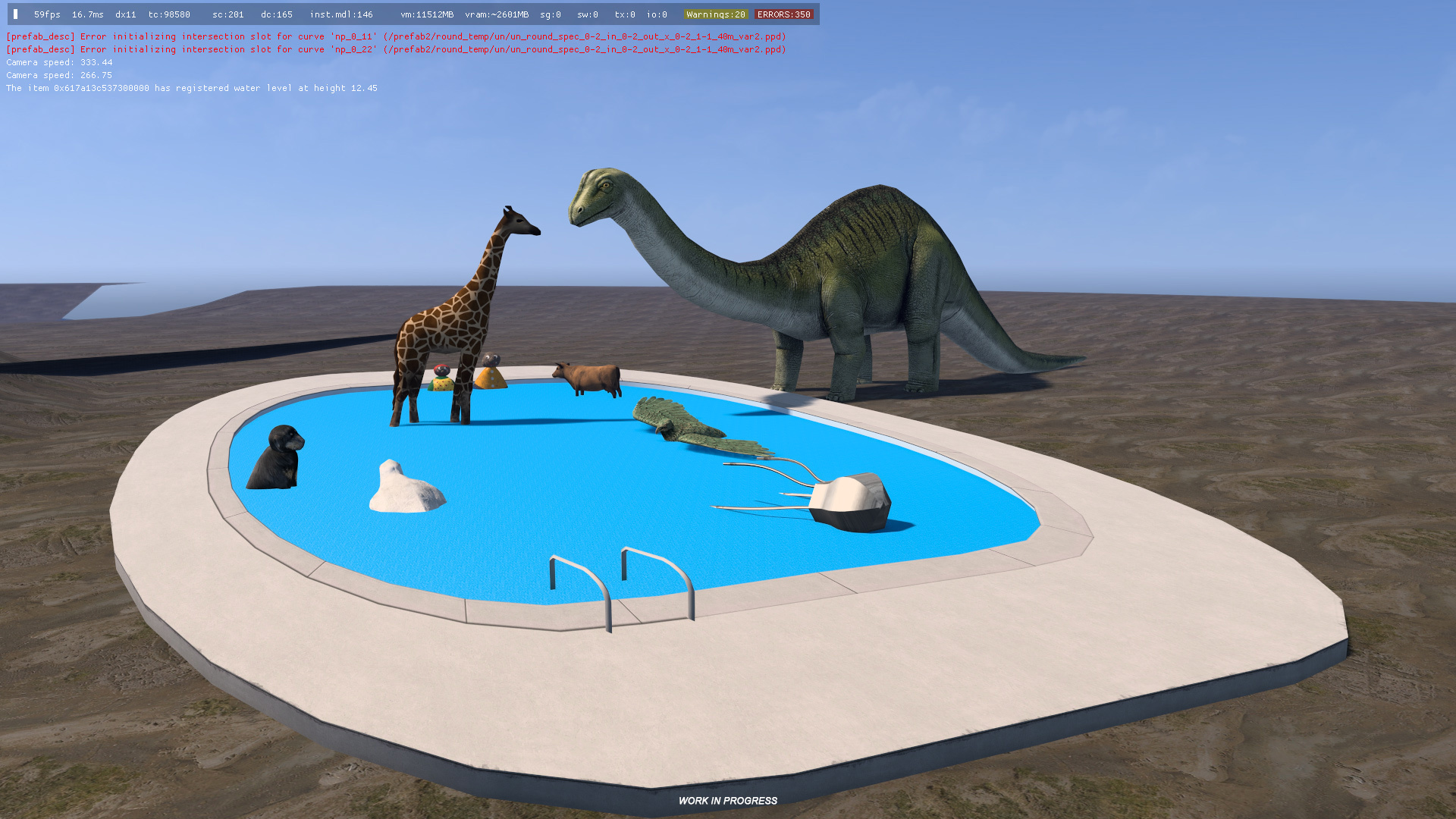 Have you encountered any particularly memorable, unusual, or funny bugs during your time at SCS Software?
Ivan: "Absolutely. Simulators have incredibly complex physics engines, and when things go wrong, they go wrong hilariously. It never gets old seeing an AI vehicle catapulted straight into space. Sometimes, our map designers also leave creative little surprises or jokes for us to discover during development, although we always make sure they don't make it into the live version of the game.
David: "One memorable moment happened while I was parking at a company prefab. I heard a train horn somewhere in the distance, and the sound kept getting louder until suddenly it was right next to me. The only problem was that there was no train there, and there weren't even any railway tracks nearby. A moment later, something invisible hit my truck and launched it all the way across the company. For a few seconds, I genuinely thought I had discovered a haunted company prefab."
How valuable are bug reports and feedback from the community when helping improve the game?
"Community feedback is extremely valuable to us. While our internal QA process is thorough, there are always issues that slip through, and players help us catch them by spotting details or inconsistencies that we might miss. What makes community feedback especially useful is the context players provide. Many are very familiar with the real-world locations we recreate, so they can quickly point out inaccuracies that would otherwise be difficult for us to notice. They also encounter a huge variety of gameplay situations, which helps surface edge cases that are hard to reproduce internally.
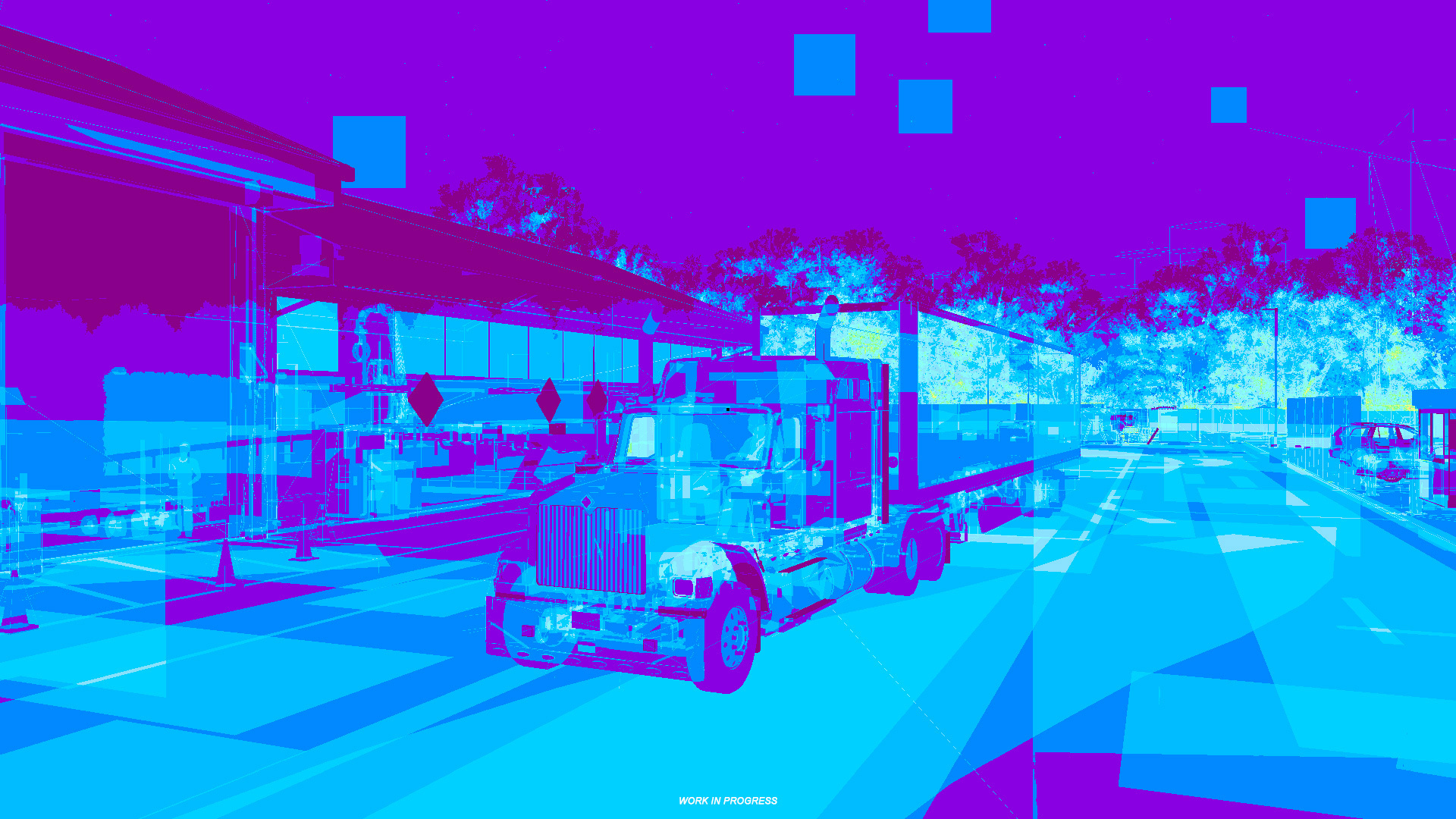
"In many cases, a well written report from the community can save us hours of investigation because players provide screenshots, videos, logs, save files, and clear reproduction steps."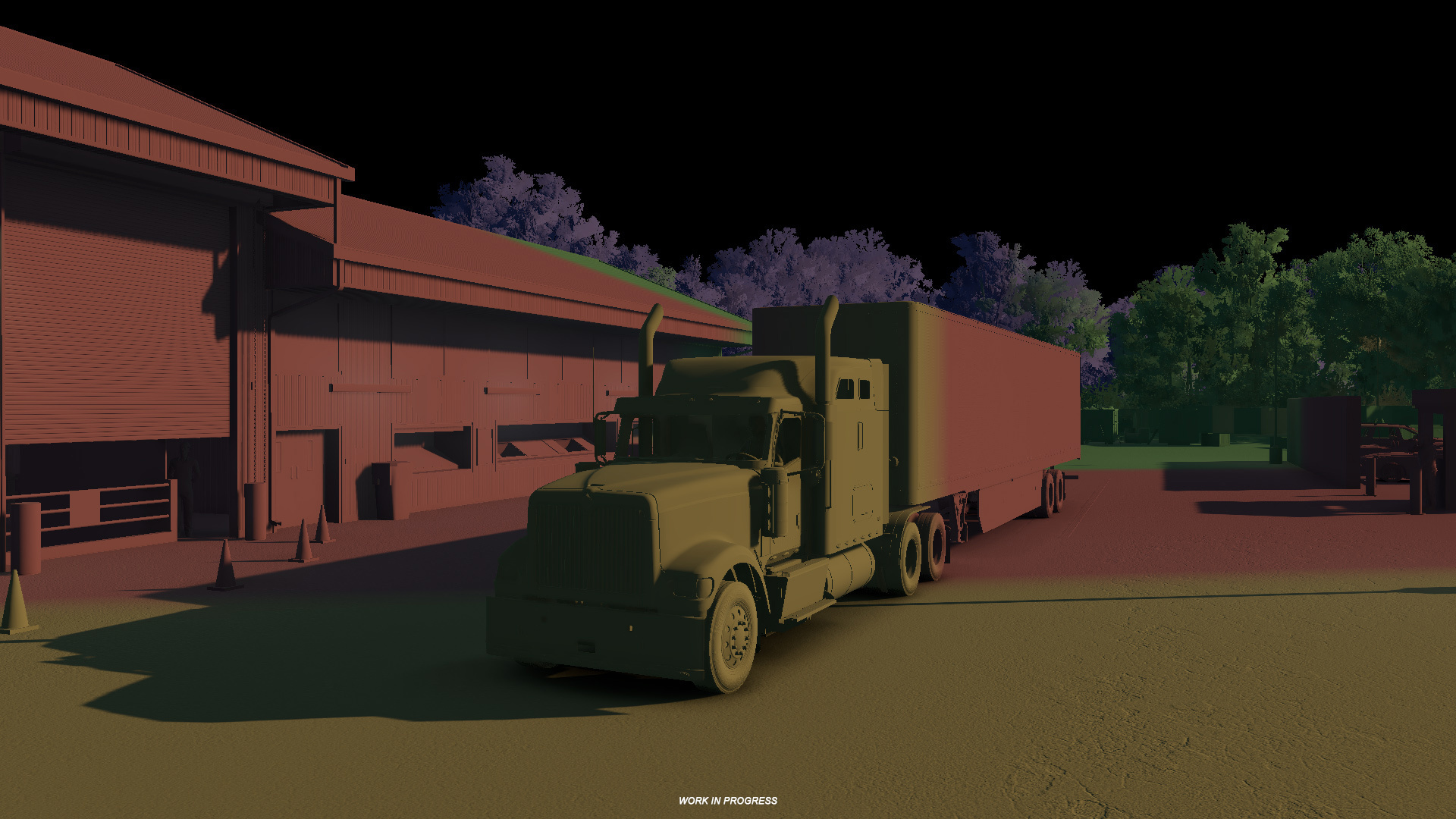
 Do you have a message for our community?
"A huge thank you for your support, feedback, and for riding along with us for so many years. It's an amazing feeling to work on a game where the players care just as much about the world as the people who build it. Your dedication pushes everyone at the studio to keep raising the bar with every new state, country, and feature. Safe travels, and we'll see you out on the road!"
We'd like to thank both David and Ivan for taking the time out of their busy days to chat with us about their roles in QA and how the team plays such an integral part in bringing our truck simulator titles to life. We hope you've learned a little more about the work that goes on behind the scenes. If you enjoyed this edition of Under the Hood, be sure to leave them a message in the comments below or on our social media channels. Until next time, keep on truckin'!
What's Your Reaction?











![[Business Talk] Chagee: Opening 3,500 stores in 6 years](https://xinker.org/uploads/images/202410/image_140x98_671afce94bf91.webp)