


![[PRO Tips] Gold’s Bullish Revival: Seasonal Trends and Key Levels to Watch](https://xinker.org/uploads/images/202412/image_430x256_67724cc6ad0cd.webp)
![[PRO Tips] Gold Market Under Short-Term Pressure, Safe-Haven Demand and Central Bank Buying Support Long-Term Upside Potential](https://xinker.org/uploads/images/202412/image_430x256_676ffb4685287.webp)
![[PRO Tips] Analysis of 9 key points of differentiation strategy! Master differentiation to create a brand advantage that is unique in the world!](https://firebasestorage.googleapis.com/v0/b/xinker-tips.appspot.com/o/article_thumbnails%2Fscaled_differentiation%20strategy.png.png?alt=media&token=a1bfc3d2-e85a-4db7-8a6d-01c7274f8940)
![[PRO Tips] Will REITs regain growth momentum in 2024? 3 REITs ETFs you must know if you want to invest in real estate.](https://firebasestorage.googleapis.com/v0/b/xinker-tips.appspot.com/o/article_thumbnails%2Fscaled_REITs1.png.png?alt=media&token=8af4eb93-33ff-466f-8039-b6555fad52b4)
![[PRO Tips] Complete tutorial on how to make money in Adobe Stock!](https://firebasestorage.googleapis.com/v0/b/xinker-tips.appspot.com/o/article_thumbnails%2Fscaled_tut-adobe1.png.png?alt=media&token=0b2c8cf2-22bd-4142-883e-140ed1cbaf02)
![[Passive Income] Unlock the secret of passive income: 3 steps to apply for Google AdSense](https://xinker.org/uploads/images/202410/image_430x256_6717a4fb3052b.webp)
![[Passive Income] Earn over $200 a day with AI-generated articles!](https://firebasestorage.googleapis.com/v0/b/xinker-tips.appspot.com/o/article_thumbnails%2Fscaled_article1.png.png?alt=media&token=f61bf35b-8553-4719-826d-7360024adc70)
![[Passive Income] Earn over 20 USD per download with AI-generated images!](https://firebasestorage.googleapis.com/v0/b/xinker-tips.appspot.com/o/article_thumbnails%2Fscaled_adobe2.png.png?alt=media&token=3e20e76a-a907-45af-80aa-bf9b3600301f)
![[Passive Income] Earn 10 USD per new download by sharing CapCut!](https://firebasestorage.googleapis.com/v0/b/xinker-tips.appspot.com/o/article_thumbnails%2Fscaled_capcut2.png.png?alt=media&token=a04dec40-1fac-4857-86f2-19a8be02d38e)
![[Passive Income] Use your WiFi to create passive income in 5 minutes, and you can earn 4-6 U per day!](https://firebasestorage.googleapis.com/v0/b/xinker-tips.appspot.com/o/article_thumbnails%2Fscaled_Grassio.webp.png?alt=media&token=7659a95e-0e47-4f27-a17d-c942ac3cf7f4)


![[Business Talk] The Unique Theme of XINKER's Song: Beef Wellington and Business Mastery](https://xinker.org/uploads/images/202410/image_430x256_671afc155f47f.webp)
![[Business Talk] Chagee: Opening 3,500 stores in 6 years](https://xinker.org/uploads/images/202410/image_430x256_671afce80c5f9.webp)


Under the Hood: Improved Material System
In the 1.60 update, we have introduced the Improved Material System for selected trucks for both Euro Truck Simulator 2 and American Truck Simulator. And today, we bring you a look behind the scenes at how this feature came to life!The two main people working on this feature are our colleagues Daniel and Martin, who were and still are implementing the system for trucks in both games, and also for cars in the upcoming Road Trip project for American Truck Simulator.Daniel - Vehicle Technical Leader"I've been working at SCS Software for over thirteen years. I started as a 3D Generalist, then worked as a 3D Vehicle Artist and Vehicle Team Lead. Today, my role is the Vehicle Technical Leader.My work bridges the gap between the graphical and technical aspects of development. I collaborate with programmers to implement vehicle features into the engine, while also helping artists establish efficient workflows. I also design new tools and technical improvements.My task on the improved material system was to identify the problem, propose a solution, and collaborate with programmers on its implementation into the engine. Next, we needed to set up a practical workflow for the vehicle team so that the system could be used consistently across other vehicles. The programmers created the necessary support in the engine and shaders. The graphic designers then converted and fine-tuned the materials for specific trucks."Martin - Senior 3D Graphic Designer"I work as a Senior 3D Graphic Designer specializing in vehicles. I also worked as Head of Content for the Road Trip project. I participated in selecting the vehicles and their specific variants, handled research and pre-production, provided expert consultation, and subsequently worked on the actual creation of the vehicles. I also helped Dan fine-tune changes to the material system.Cars have been a long-standing passion of mine, especially sports cars and classic cars - particularly American ones. Thanks to this, I was able to bring my own experience and knowledge of American automotive culture, history, and the technical development of individual models to the project.My main task was the 1967 Ford Mustang and everything related to its visual and content preparation. I was involved in selecting the specific car and its variant, conducting research, gathering references, consulting during data collection, and the actual creation of the model and materials.During the development of the new material system, I prepared and fine-tuned the individual surfaces on the Mustang. Together with Dan, we used this car to verify how the new technical solution behaved in practice and which values provided the most accurate results."How did this project start?"Development began while we were working on the Road Trip project. The interiors of passenger cars are smaller and darker than those of trucks, so the shortcomings of the original system were more noticeable in them.Aside from direct light, the original system had no way to render light within the interiors. In the real world, a large portion of the visuals consists of so-called indirect, or reflected light (GI). However, the game did not work with this concept at all and was not designed for it. We knew we needed to change this somehow.The second problem was that the interiors of the trucks contain many different materials, such as fabric, leather, plastic, painted surfaces, metal, and glass. The original system was unable to render them accurately, especially under indirect lighting; everything looked very flat.Road Trip provided us with a suitable, isolated environment for development and testing. From the start, however, we designed the system so that it could also be used for trucks," says Daniel.What did you have to do before actually starting to implement the improved system? "We needed to map out the actual vehicles and the materials used in their interior in detail through extensive research. I studied magazines, photographs, available documentation, and individual trim levels. While gathering data, we had the opportunity to see the specific car in person, speak with its owner, and document its construction and appearance in detail.It wasn't enough to simply determine that a certain part of the interior was made of, for example, plastic, leather, or metal. We also had to examine the surface texture, the degree of gloss, the way the material reflects light, its wear and tear, the color shade, and the differences between individual parts. This research laid the foundation upon which we could later assess whether the materials in the game corresponded to the actual vehicle," Martin told us. "We also had to decide which direction to take. One of the key requirements was maintaining performance, so we looked for approaches that didn't require complex computational operations and sought techniques that would achieve good results with minimal changes to computational complexity. I believe the result of our efforts is a noticeable i
In the 1.60 update, we have introduced the Improved Material System for selected trucks for both Euro Truck Simulator 2 and American Truck Simulator. And today, we bring you a look behind the scenes at how this feature came to life!
The two main people working on this feature are our colleagues Daniel and Martin, who were and still are implementing the system for trucks in both games, and also for cars in the upcoming Road Trip project for American Truck Simulator.
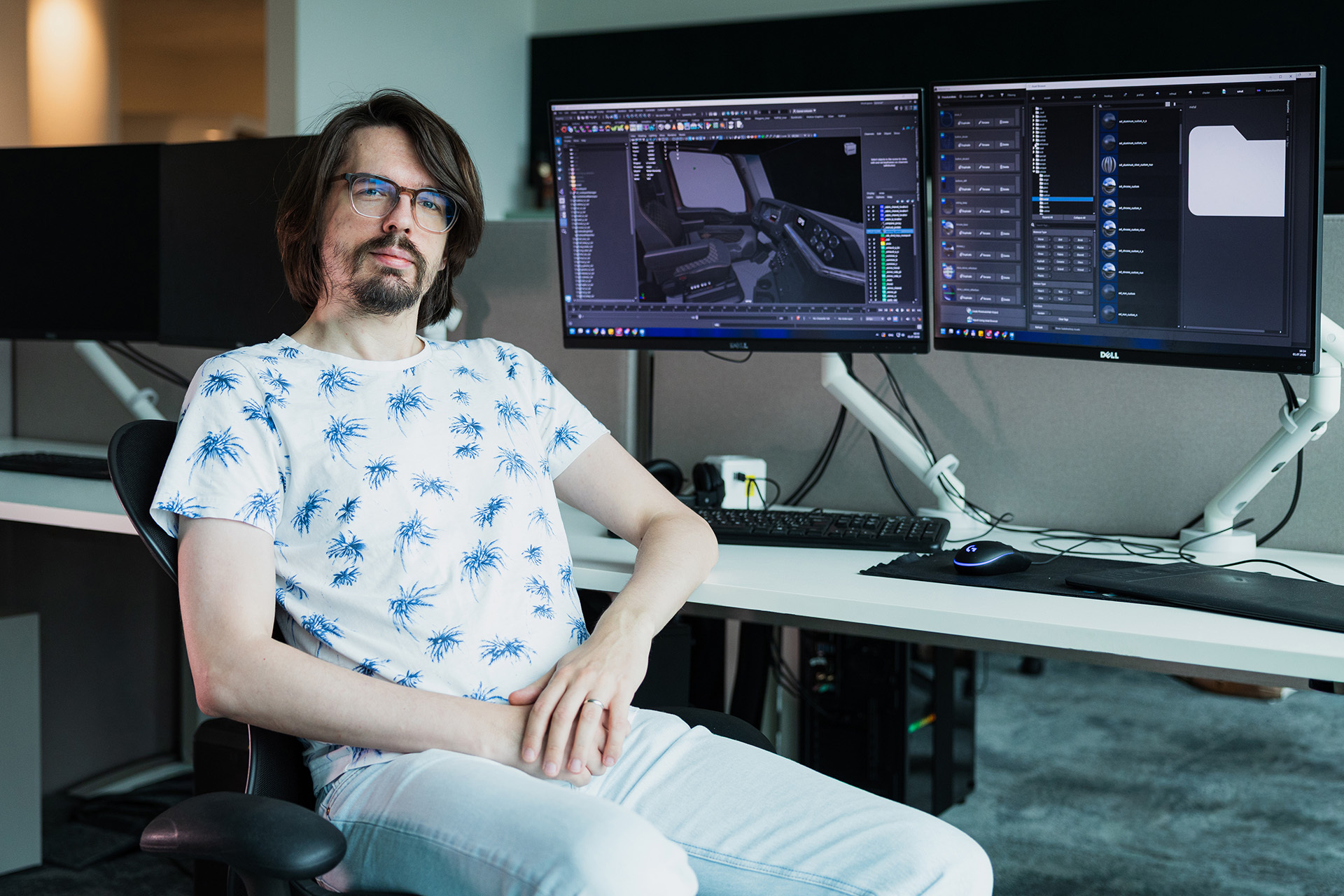
"I've been working at SCS Software for over thirteen years. I started as a 3D Generalist, then worked as a 3D Vehicle Artist and Vehicle Team Lead. Today, my role is the Vehicle Technical Leader.
My work bridges the gap between the graphical and technical aspects of development. I collaborate with programmers to implement vehicle features into the engine, while also helping artists establish efficient workflows. I also design new tools and technical improvements.
My task on the improved material system was to identify the problem, propose a solution, and collaborate with programmers on its implementation into the engine. Next, we needed to set up a practical workflow for the vehicle team so that the system could be used consistently across other vehicles. The programmers created the necessary support in the engine and shaders. The graphic designers then converted and fine-tuned the materials for specific trucks."
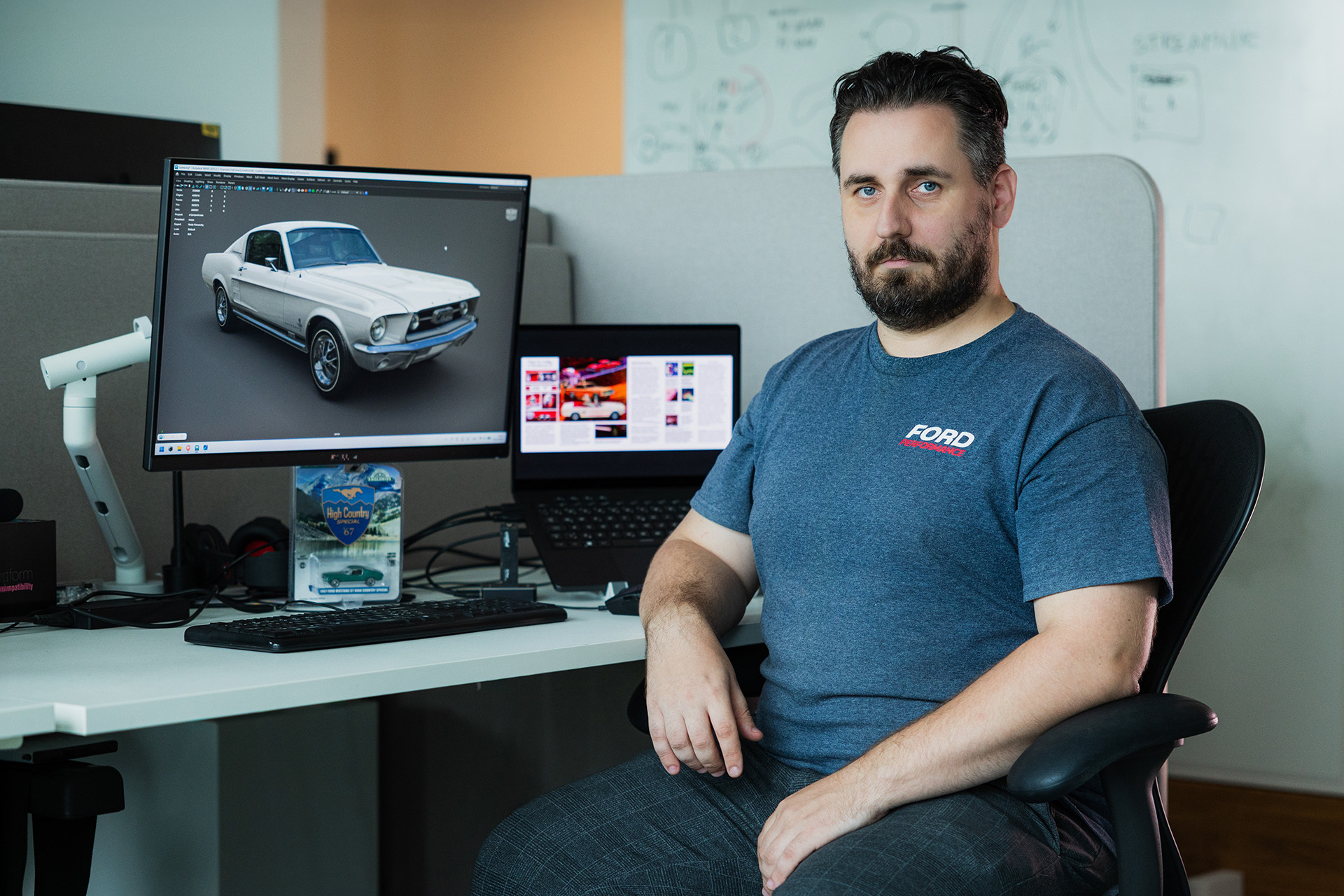
"I work as a Senior 3D Graphic Designer specializing in vehicles. I also worked as Head of Content for the Road Trip project. I participated in selecting the vehicles and their specific variants, handled research and pre-production, provided expert consultation, and subsequently worked on the actual creation of the vehicles. I also helped Dan fine-tune changes to the material system.
Cars have been a long-standing passion of mine, especially sports cars and classic cars - particularly American ones. Thanks to this, I was able to bring my own experience and knowledge of American automotive culture, history, and the technical development of individual models to the project.
My main task was the 1967 Ford Mustang and everything related to its visual and content preparation. I was involved in selecting the specific car and its variant, conducting research, gathering references, consulting during data collection, and the actual creation of the model and materials.
During the development of the new material system, I prepared and fine-tuned the individual surfaces on the Mustang. Together with Dan, we used this car to verify how the new technical solution behaved in practice and which values provided the most accurate results."
How did this project start?
"Development began while we were working on the Road Trip project. The interiors of passenger cars are smaller and darker than those of trucks, so the shortcomings of the original system were more noticeable in them.
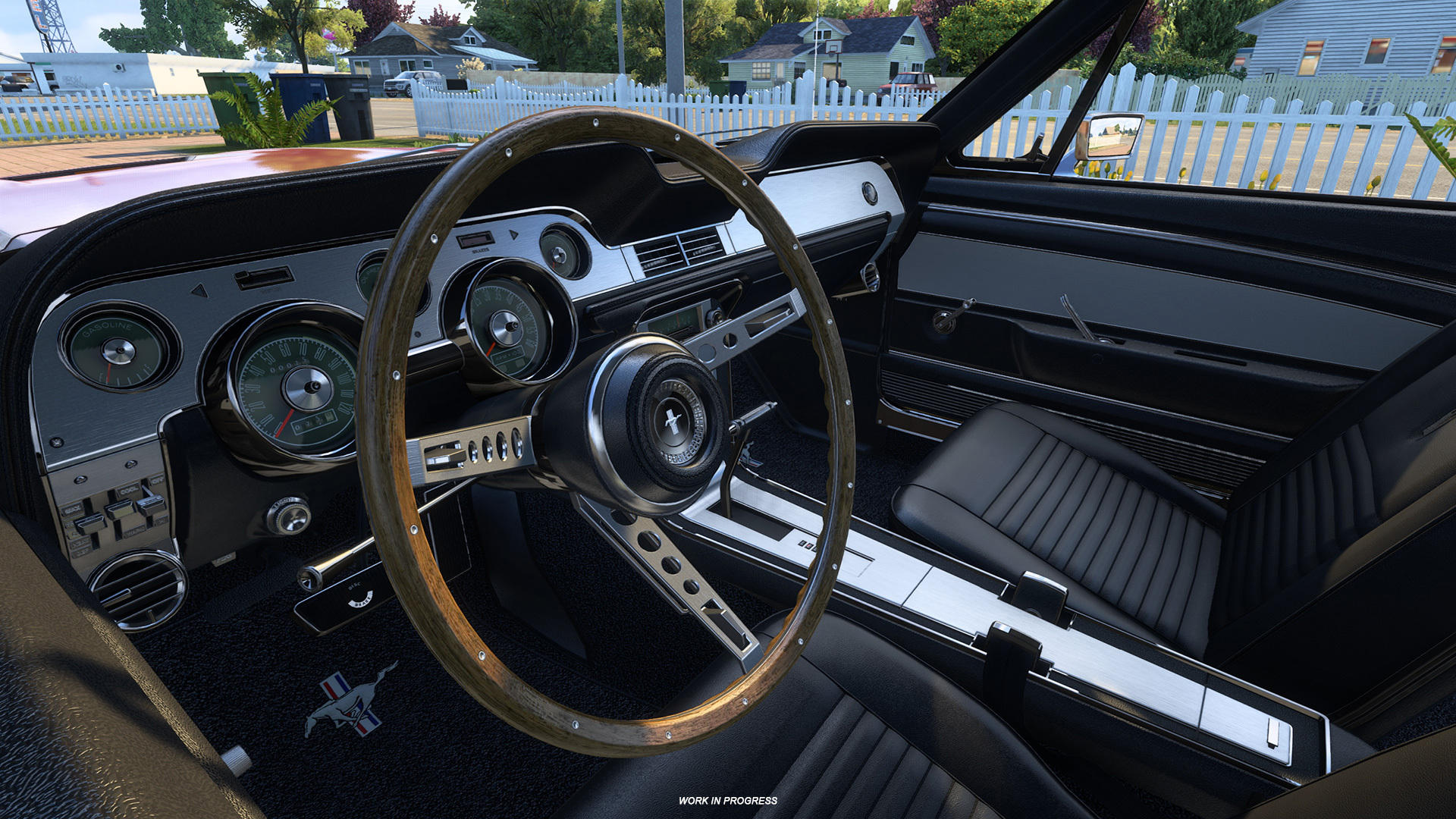
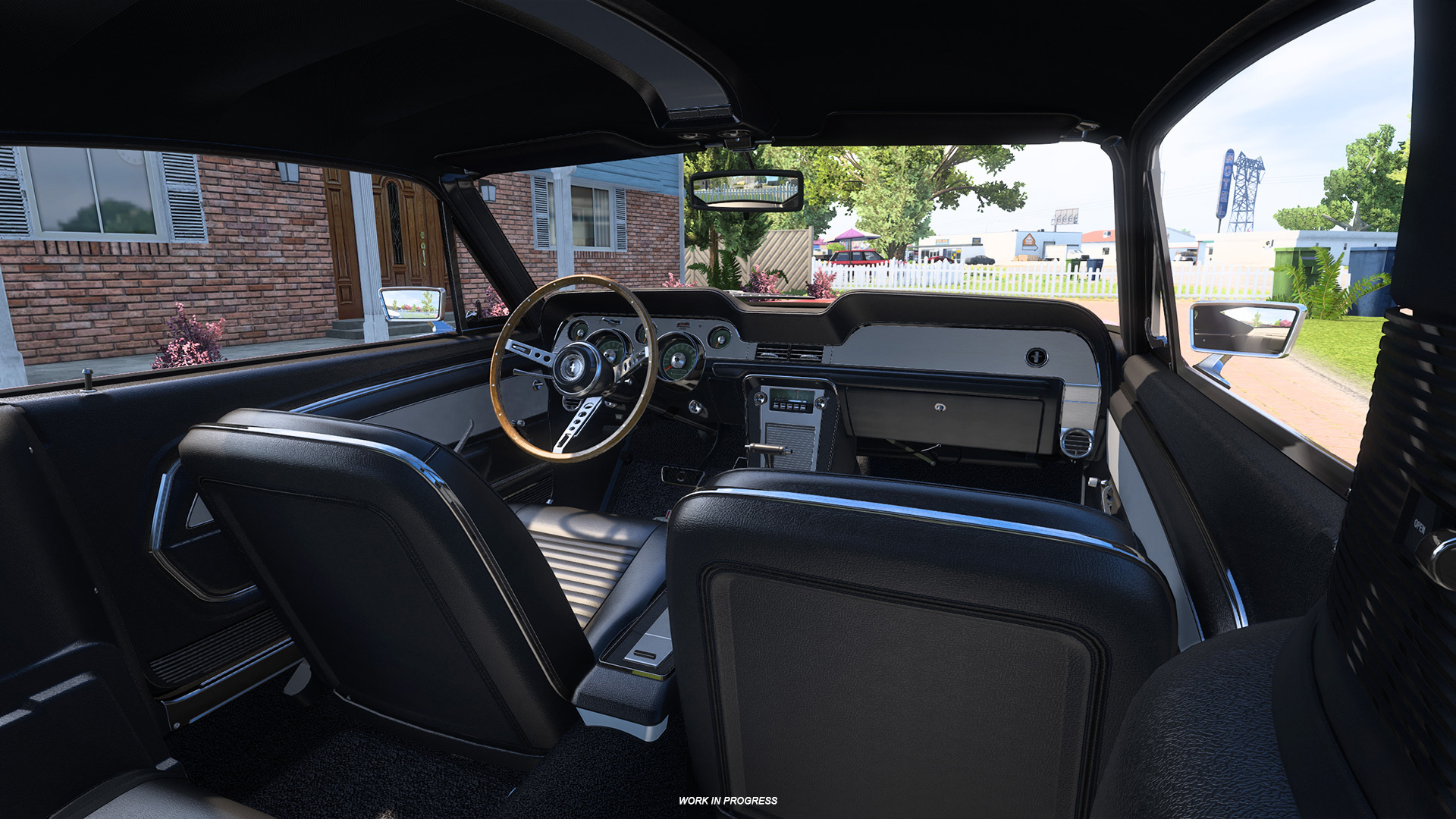
Aside from direct light, the original system had no way to render light within the interiors. In the real world, a large portion of the visuals consists of so-called indirect, or reflected light (GI). However, the game did not work with this concept at all and was not designed for it. We knew we needed to change this somehow.
The second problem was that the interiors of the trucks contain many different materials, such as fabric, leather, plastic, painted surfaces, metal, and glass. The original system was unable to render them accurately, especially under indirect lighting; everything looked very flat.
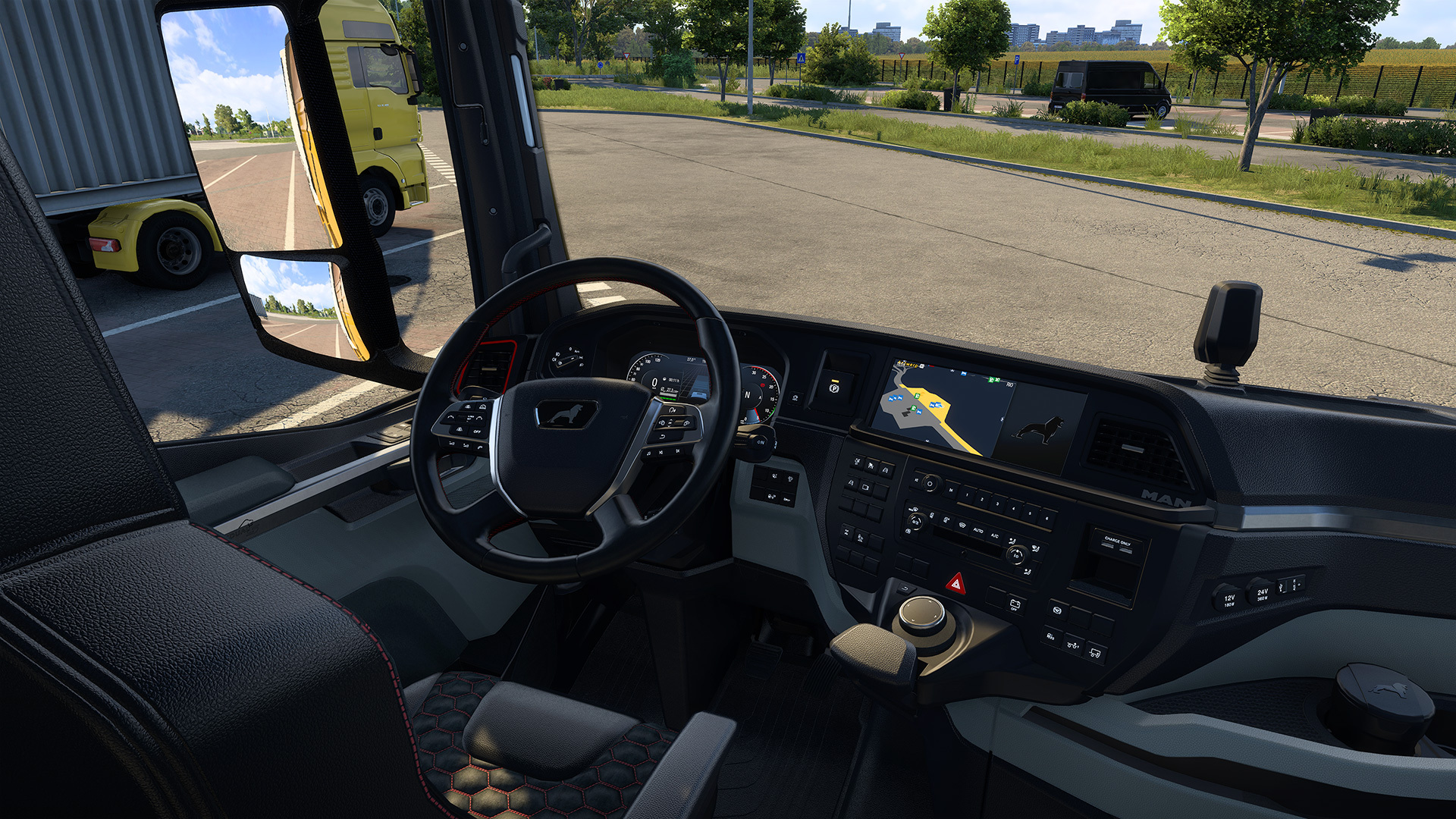
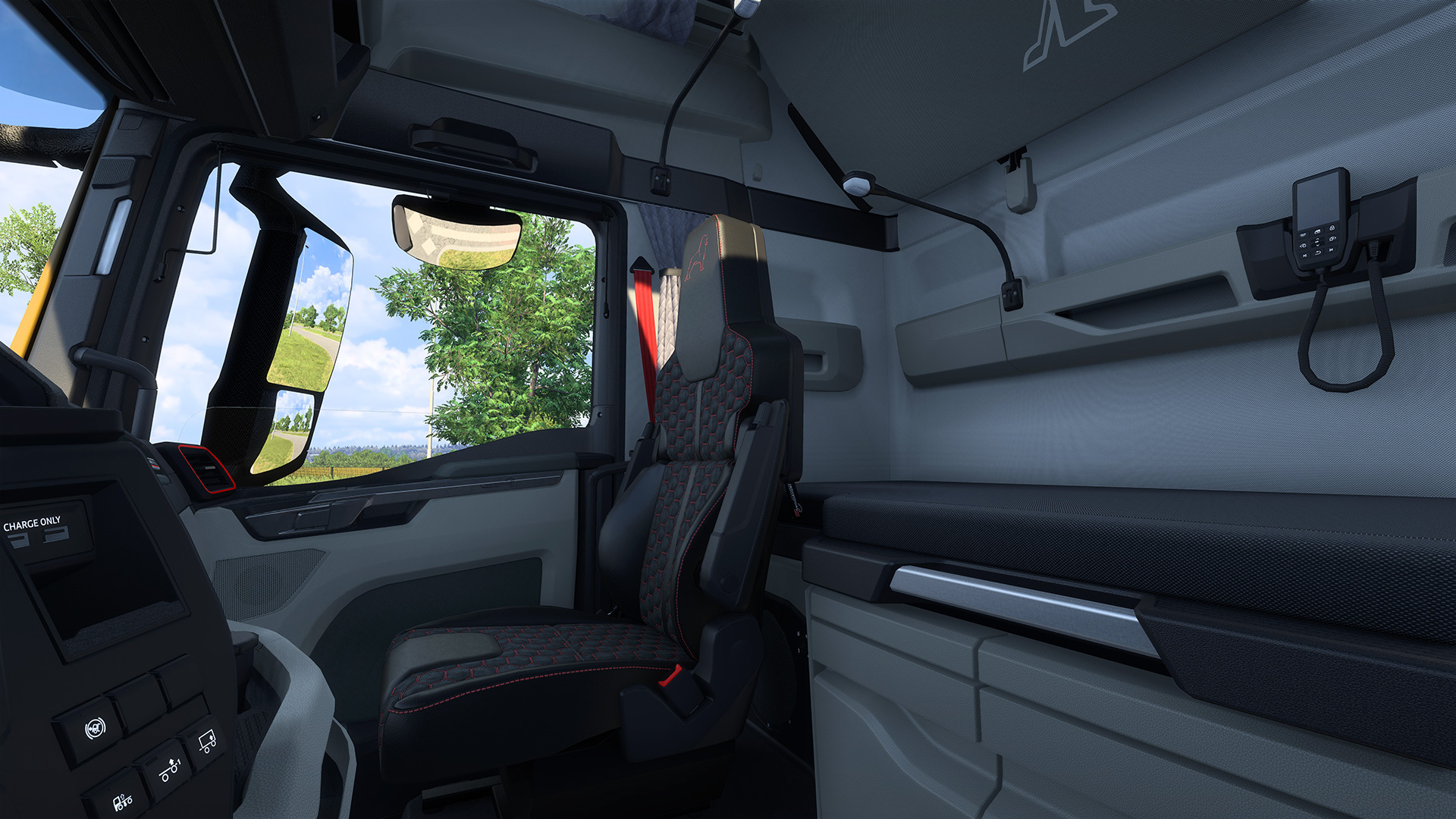
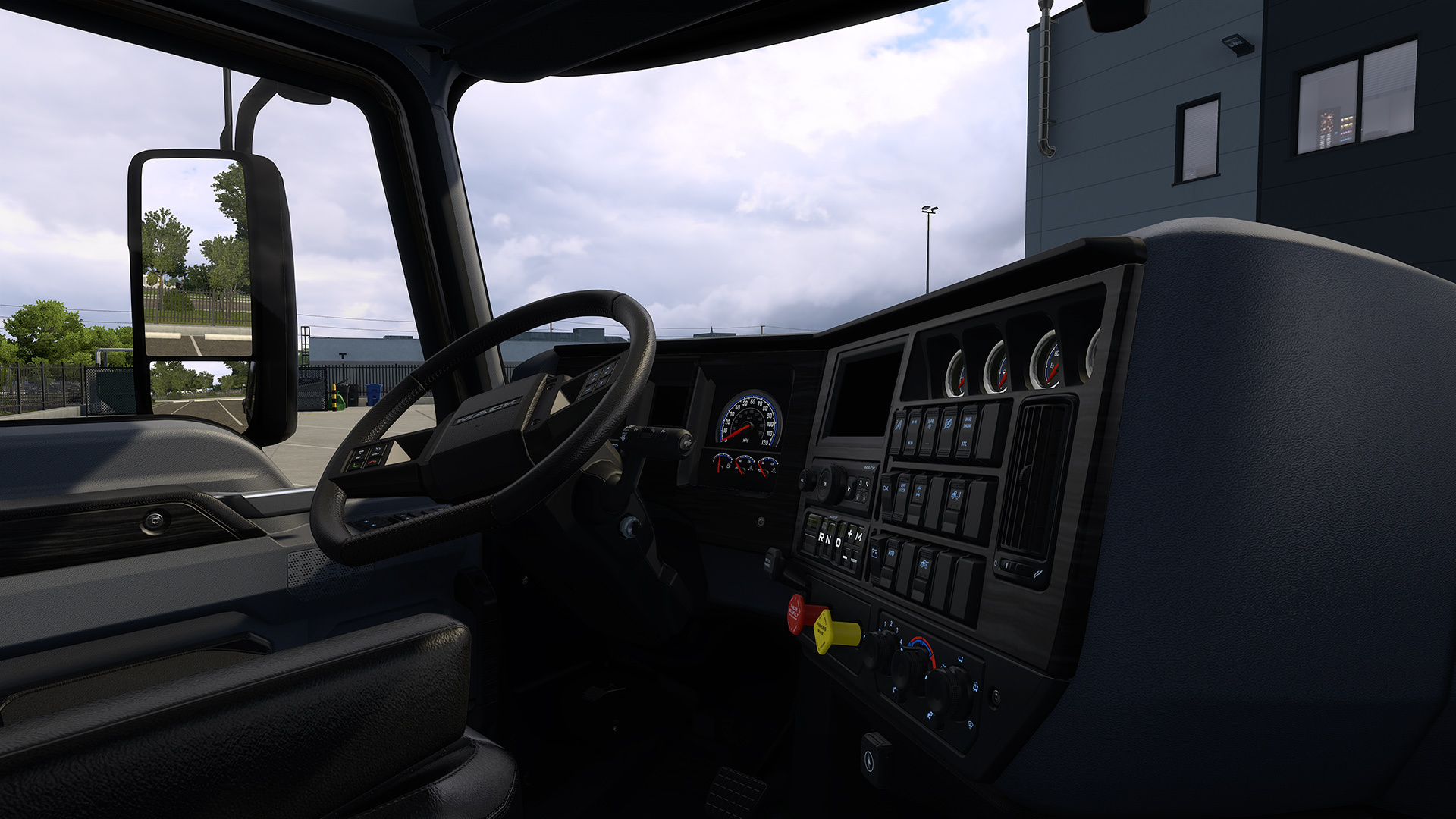
Road Trip provided us with a suitable, isolated environment for development and testing. From the start, however, we designed the system so that it could also be used for trucks," says Daniel.
What did you have to do before actually starting to implement the improved system?
"We needed to map out the actual vehicles and the materials used in their interior in detail through extensive research. I studied magazines, photographs, available documentation, and individual trim levels. While gathering data, we had the opportunity to see the specific car in person, speak with its owner, and document its construction and appearance in detail.
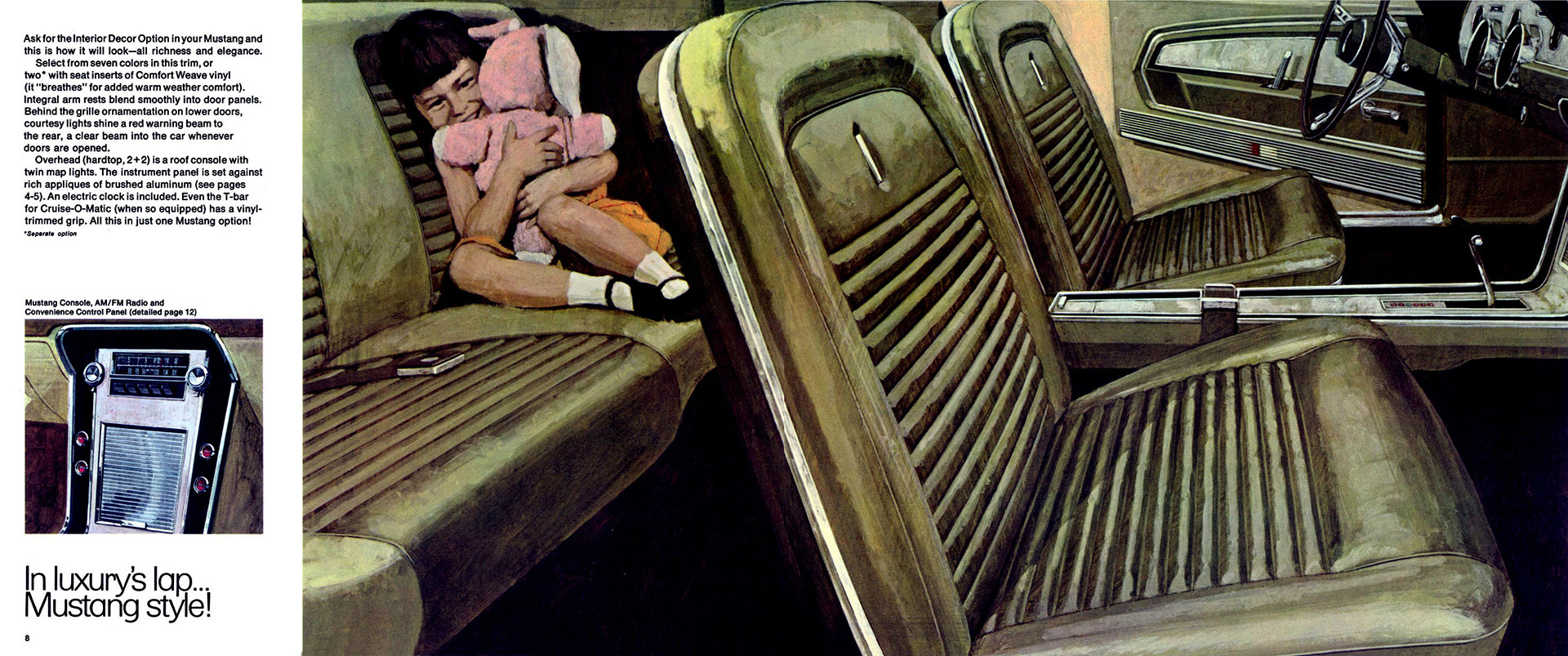
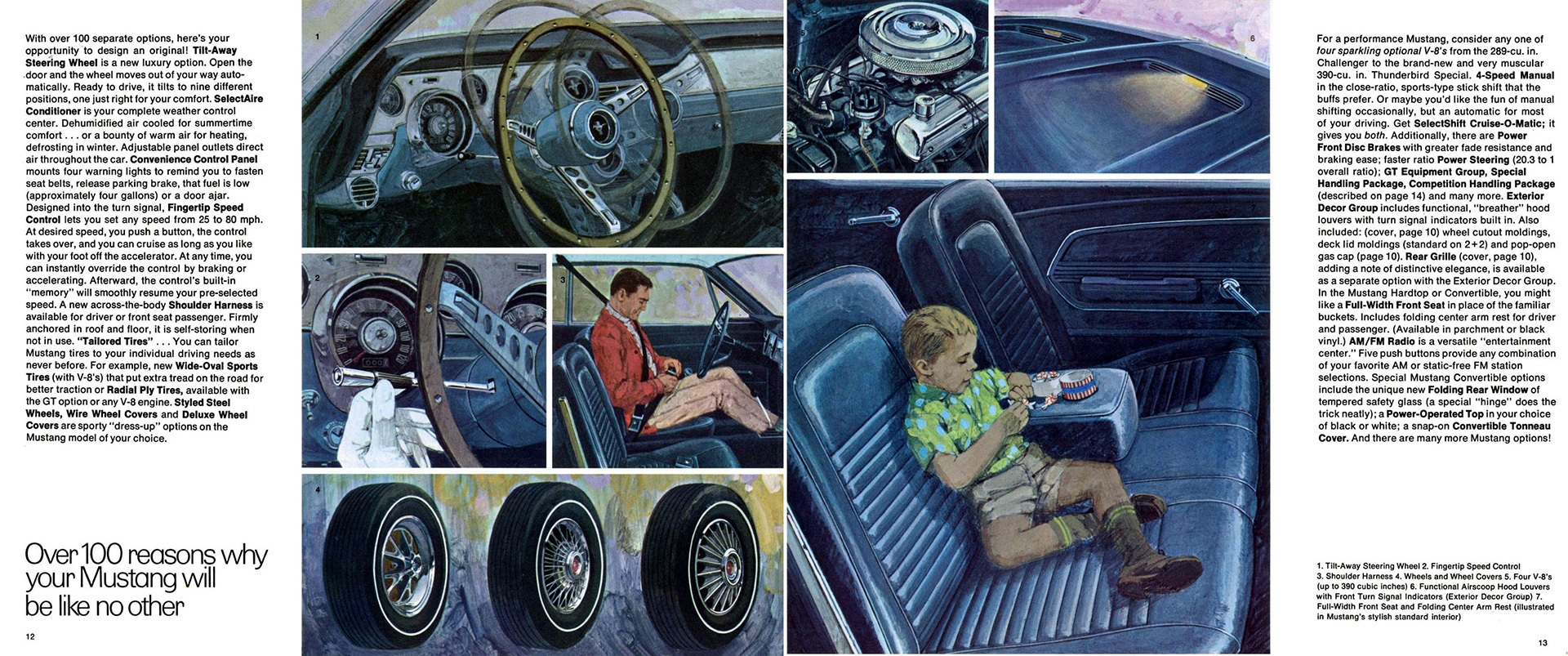
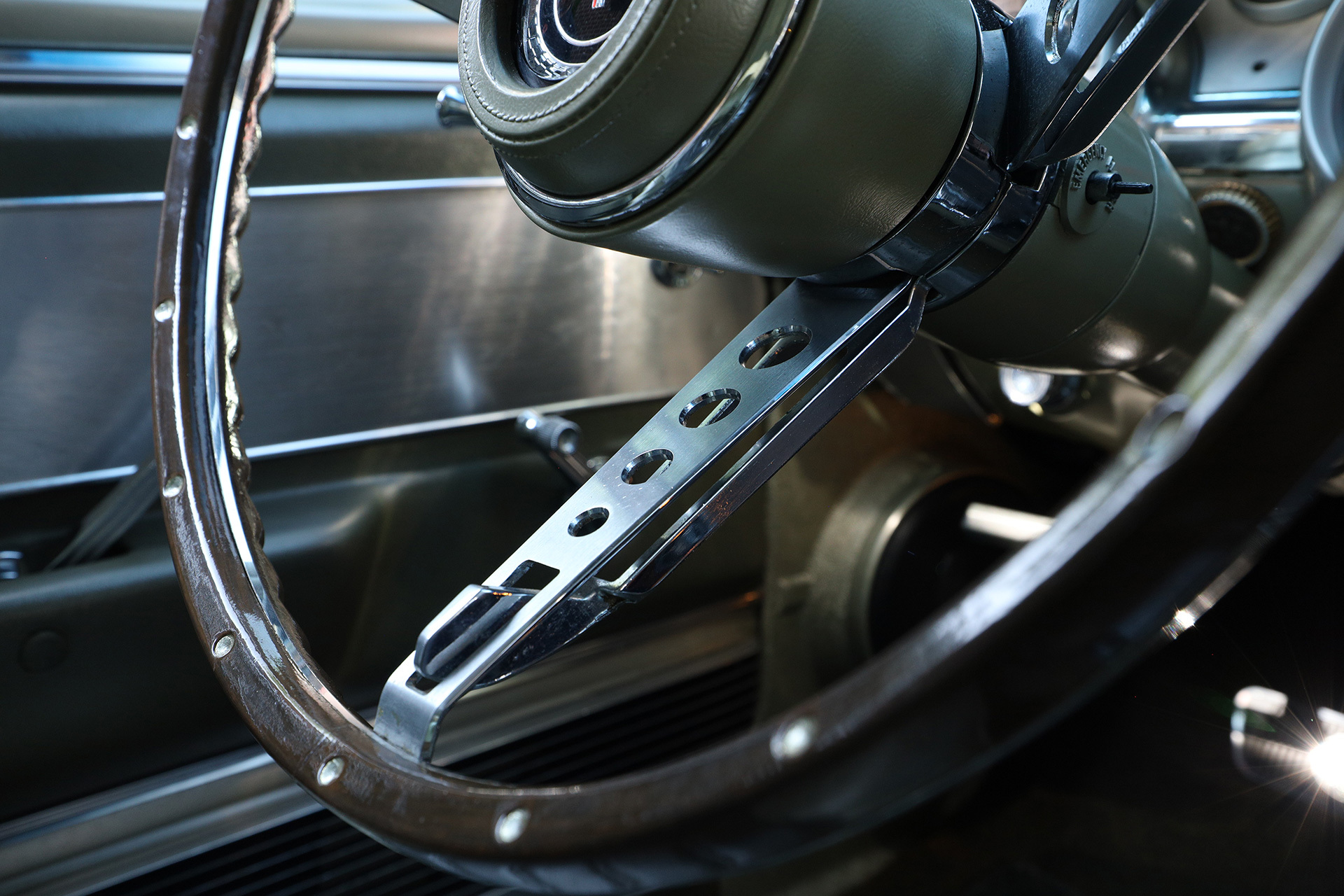
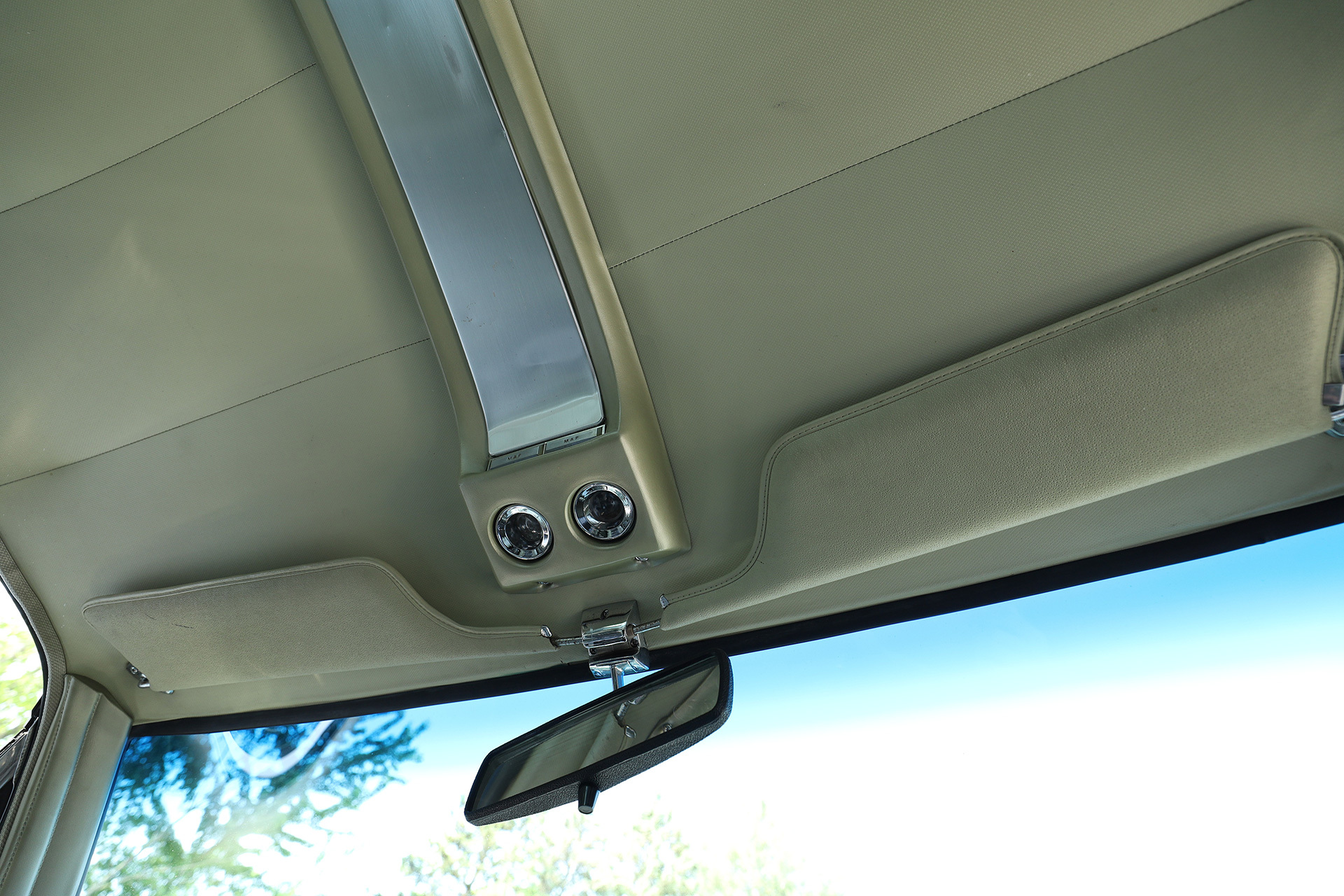
It wasn't enough to simply determine that a certain part of the interior was made of, for example, plastic, leather, or metal. We also had to examine the surface texture, the degree of gloss, the way the material reflects light, its wear and tear, the color shade, and the differences between individual parts. This research laid the foundation upon which we could later assess whether the materials in the game corresponded to the actual vehicle," Martin told us.
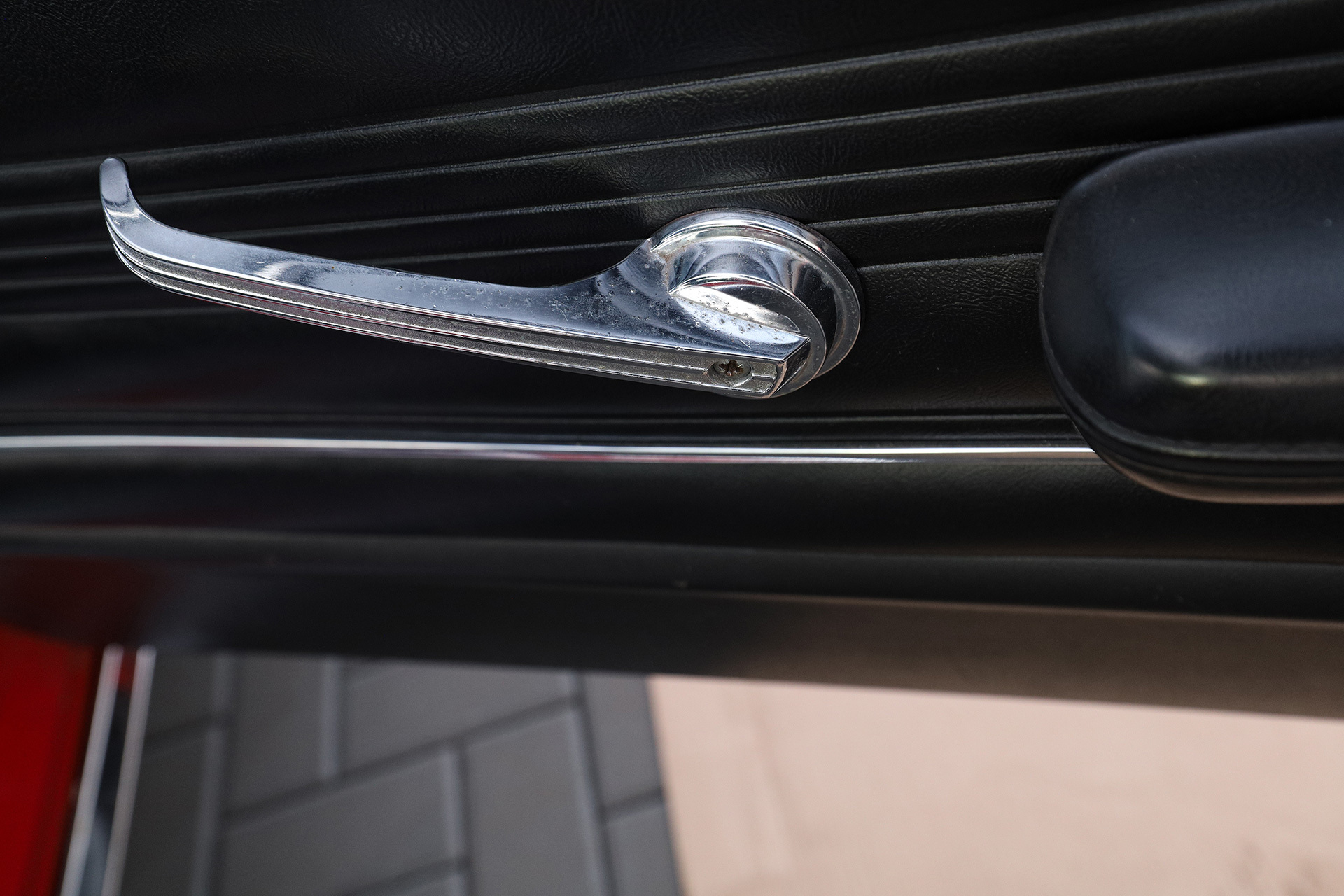
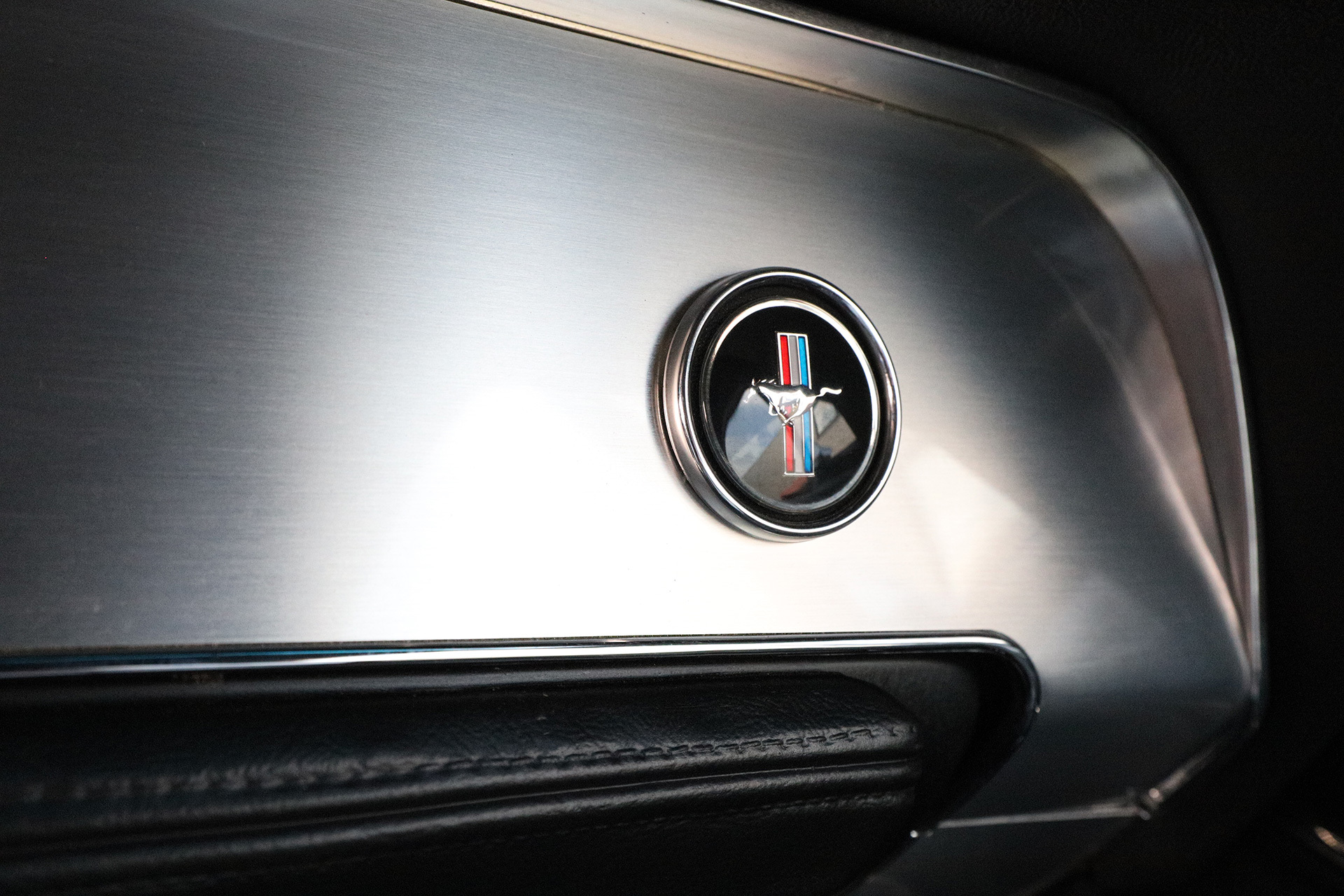
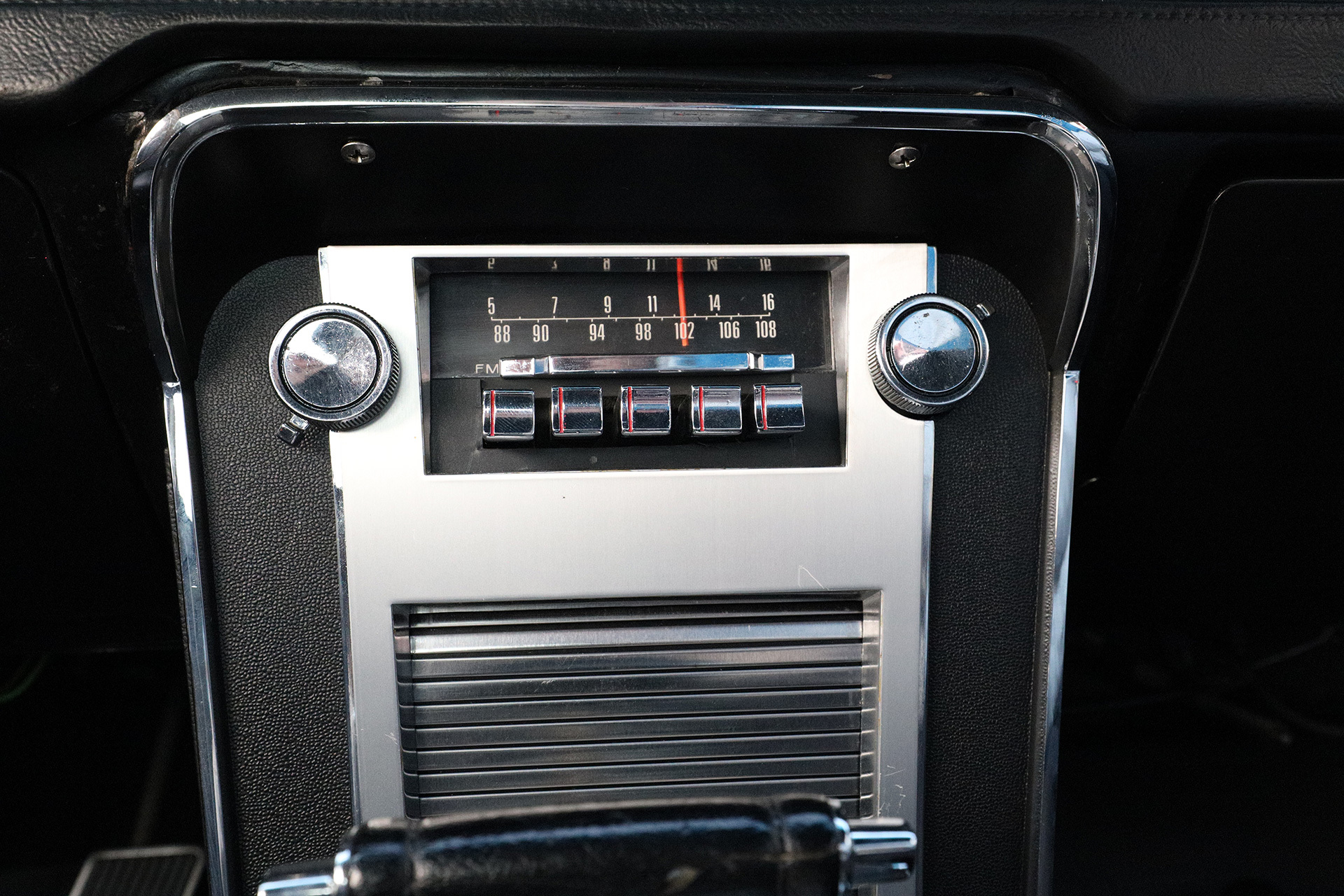
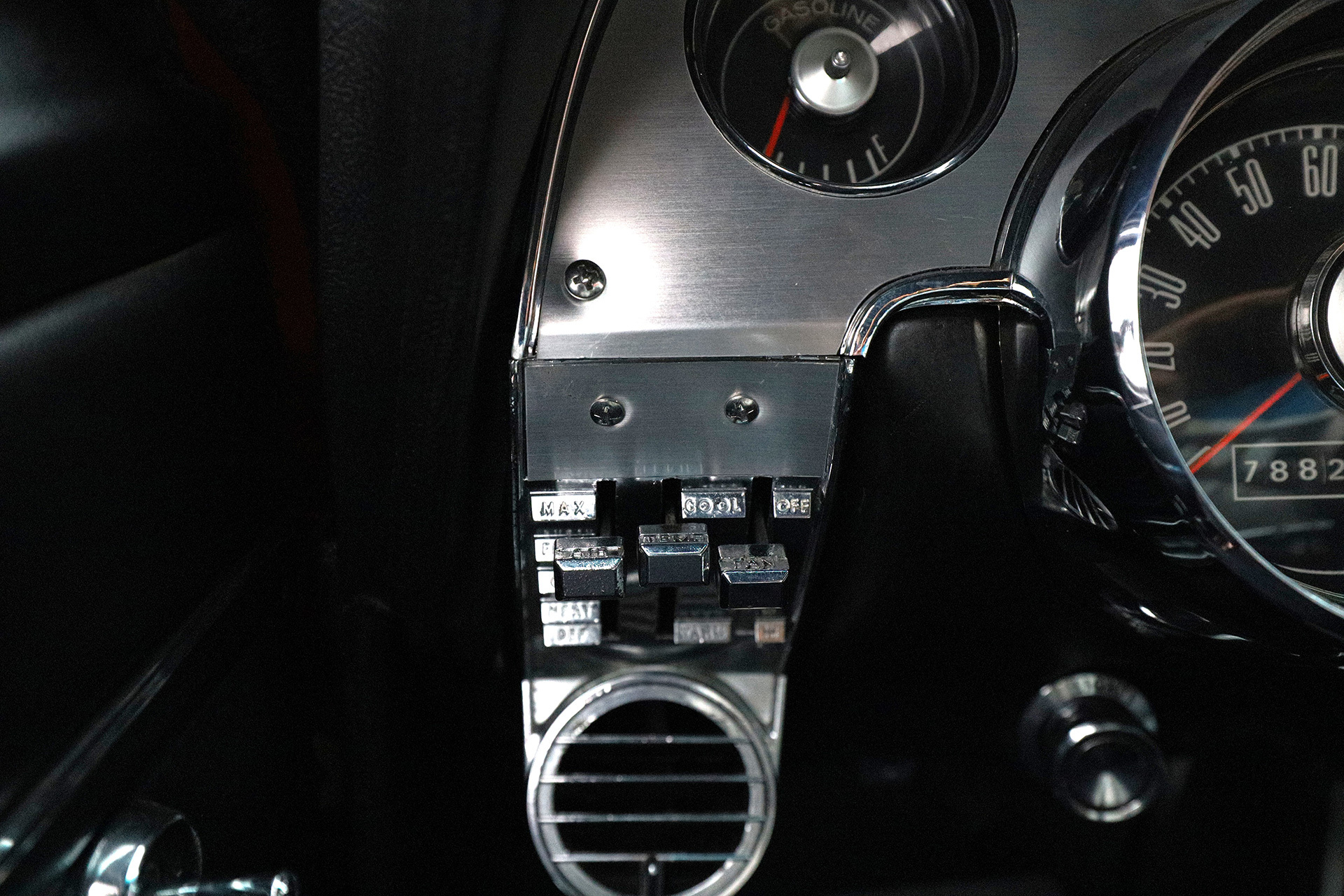
"We also had to decide which direction to take. One of the key requirements was maintaining performance, so we looked for approaches that didn't require complex computational operations and sought techniques that would achieve good results with minimal changes to computational complexity. I believe the result of our efforts is a noticeable improvement in graphics with minimal impact on performance," Daniel shared with us.
How did the process of bringing the new system into the game look?
"We needed to implement changes to the engine regarding how the game loads and handles reflective textures. A reflective texture is essentially a cube where each face shows a reflection in a different direction relative to the player. Using it is significantly more efficient than calculating actual light reflections using ray tracing. We made several changes to the code to gain direct access to individual mipmaps. A mipmap is a scaled-down copy of the original image, typically used when a textured object is farther away from the player to eliminate unappealing texture aliasing. In our specific case, however, a lower resolution automatically results in a softer reflection, which can be used for materials that do not have a 100% glossy surface but rather a physically rougher surface, causing the reflection on the material to be more diffuse.
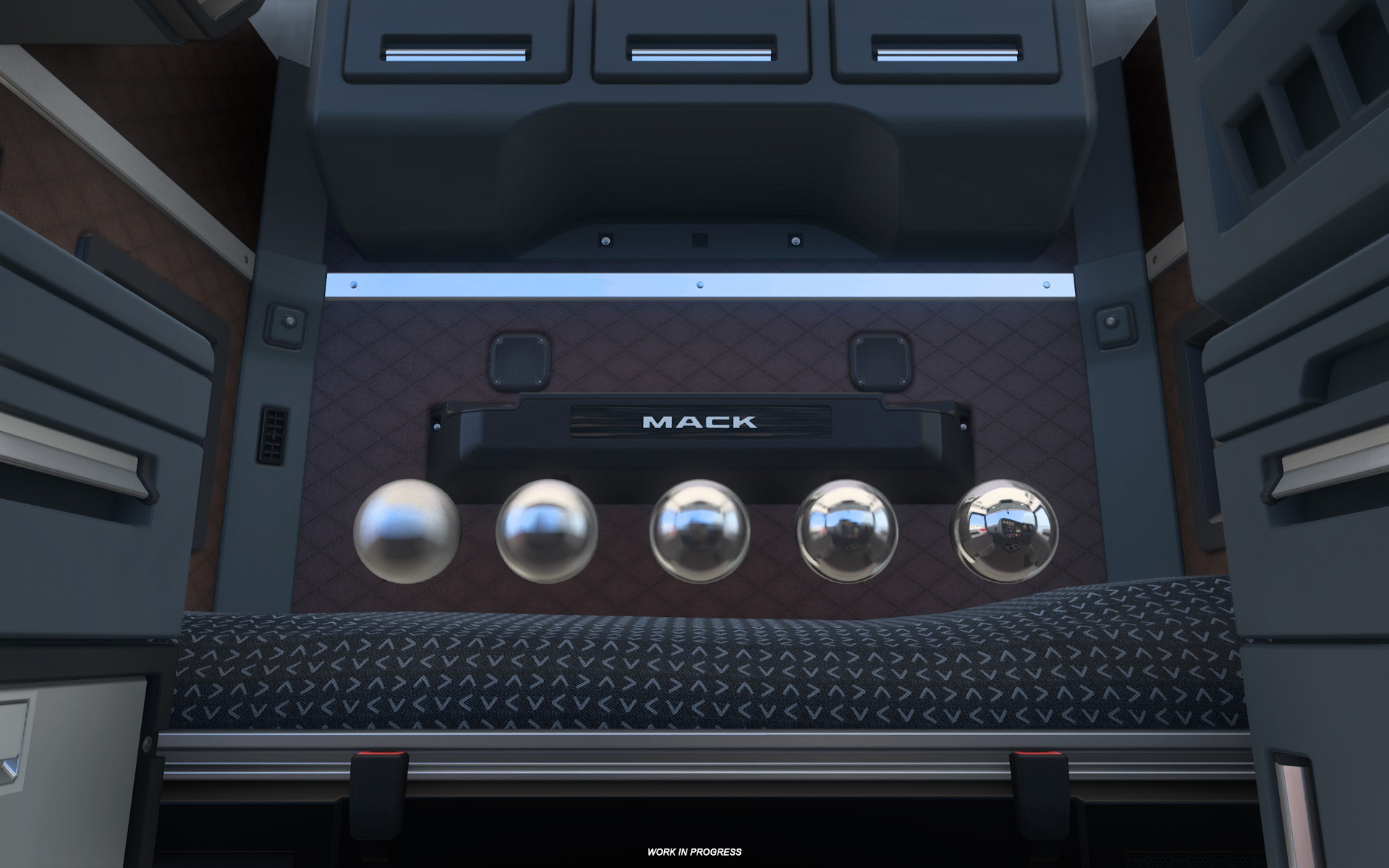
This way, we created several different levels of reflection smoothness, ranging from perfectly glossy surfaces like chrome, through smoother reflections such as those found on leather seat materials, to rough, nearly non-reflective materials like fabrics, where one side of the reflection cube is only 2x2px. In our case, it replaces the Iradience map, which means it primarily serves to project the surrounding light palette onto the given material (color cast). The game was already calculating the mipmaps themselves, which means this change costs us practically nothing in terms of performance - and that is the main reason we decided to use this approach.
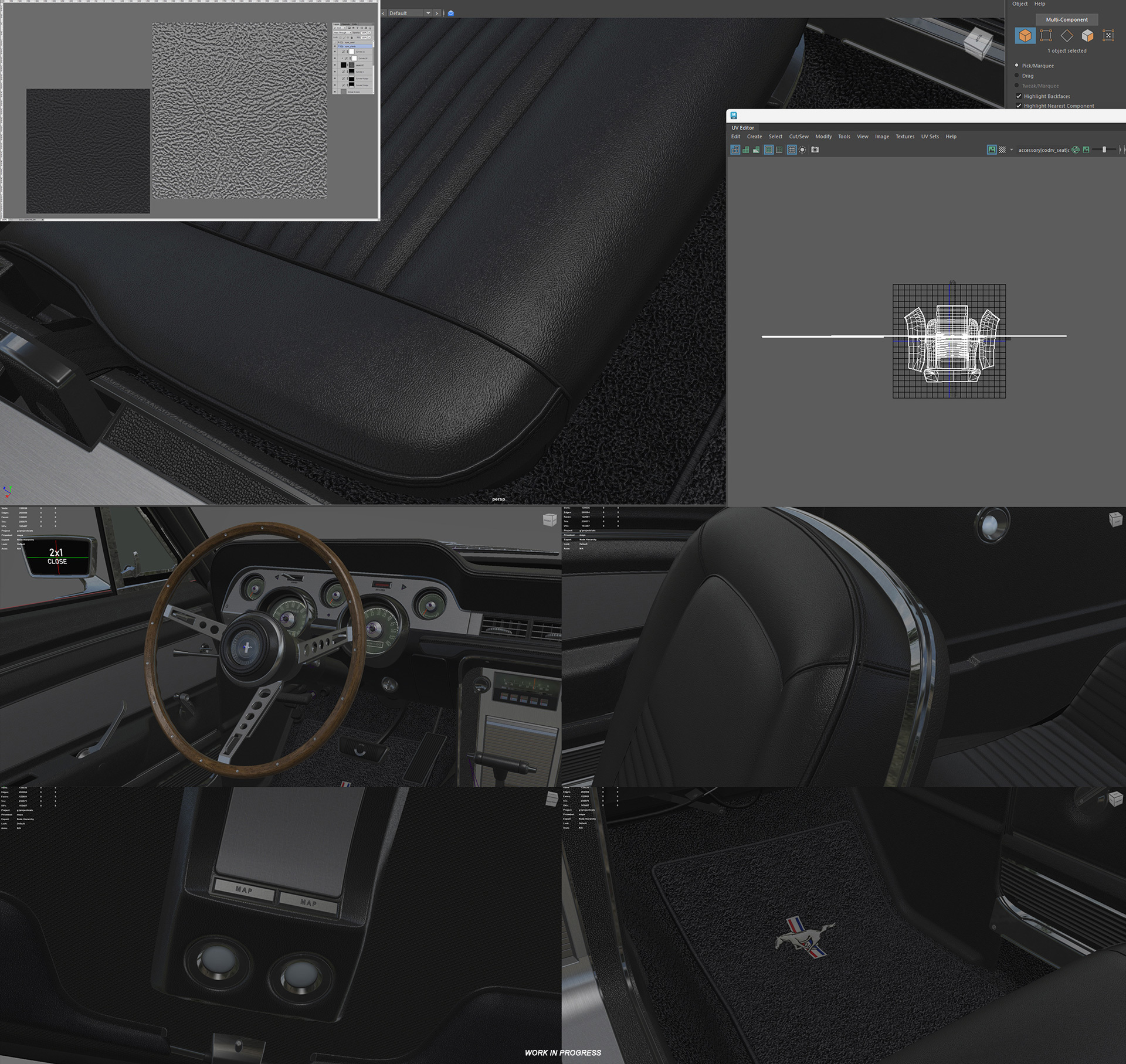
Along with the material changes, we also needed to rebalance the contrast and lighting throughout the game to eliminate extremely dark areas and achieve a more realistic sense of lighting.
Unlike the original solution, where reflective textures were used only for highly reflective materials, particularly metals, the revised system applies a reflective texture to every single material in the vehicle's interior. However, they differ in how strongly the reflection is visible in the final image and in the softness of the reflection applied. This ensures that even less reflective materials - especially plastics - convey a sense of reflected light, color cast, and improved contrast, particularly in shaded areas of the interior. Players will now notice that the entire interior actually reacts to the truck's surroundings; for example, when driving past trees, the part of the interior near the windows takes on a subtle green tint. This makes the game feel much more realistic than before, even without the computationally expensive global illumination (GI) calculation.
Once the technology was ready, we needed to determine how to adjust the individual materials under the new conditions. Since each material now includes a reflective component, we had to completely rebalance all the settings for each material. To ensure that existing textures would function correctly with the new settings, we also had to rebalance their color and specular components to the standard values we had established during our extensive testing.
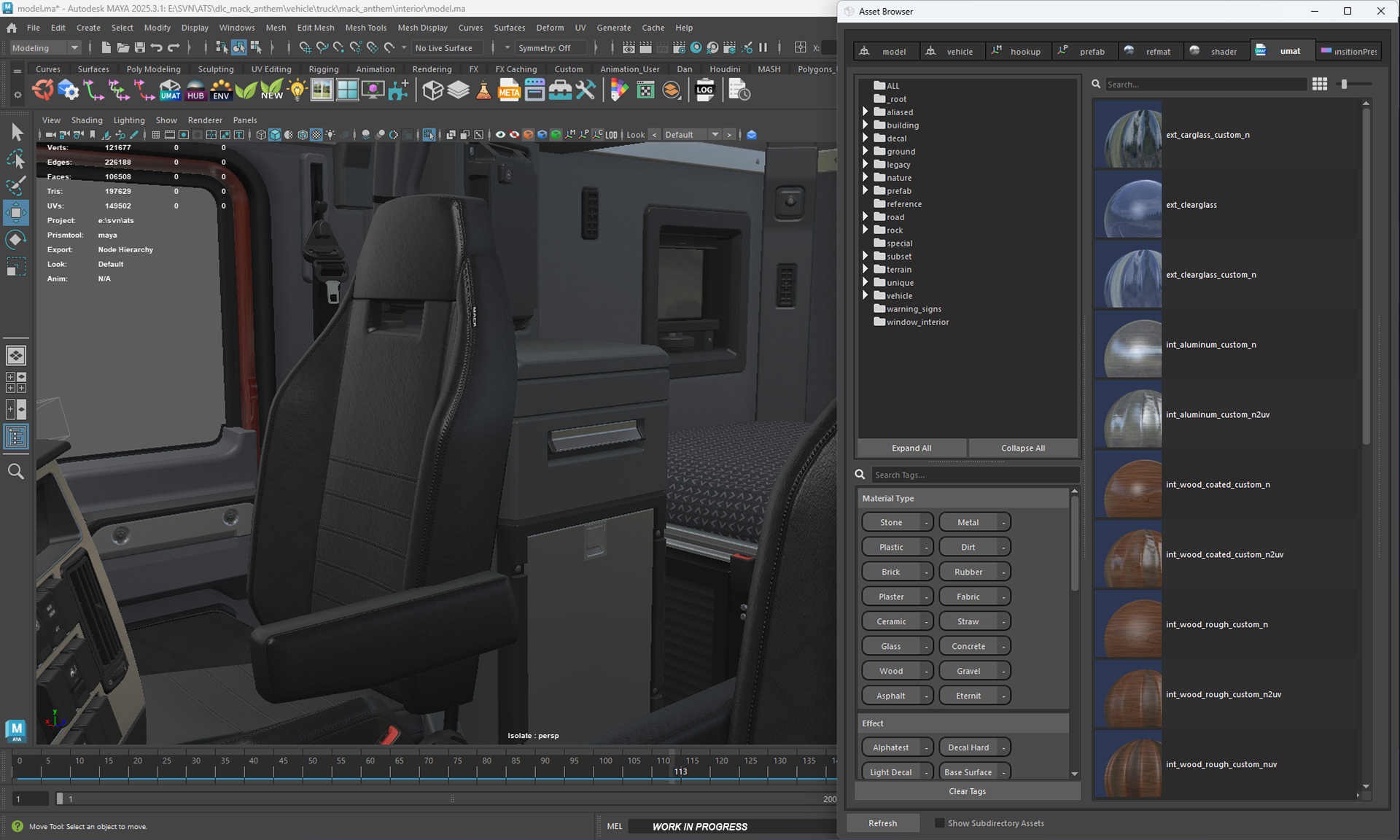
The final step for system-wide deployment was to create a material library so that we wouldn't have to configure each material type separately for every vehicle," Daniel explains.
What were the biggest challenges in implementing the system?
"The biggest challenge was the diversity of the vehicles. The individual trucks were created at different times and used different source data, textures, and rendering methods. There is no single conversion that works for all trucks. Each completed interior has its own structure and requires a customized approach," says Daniel.
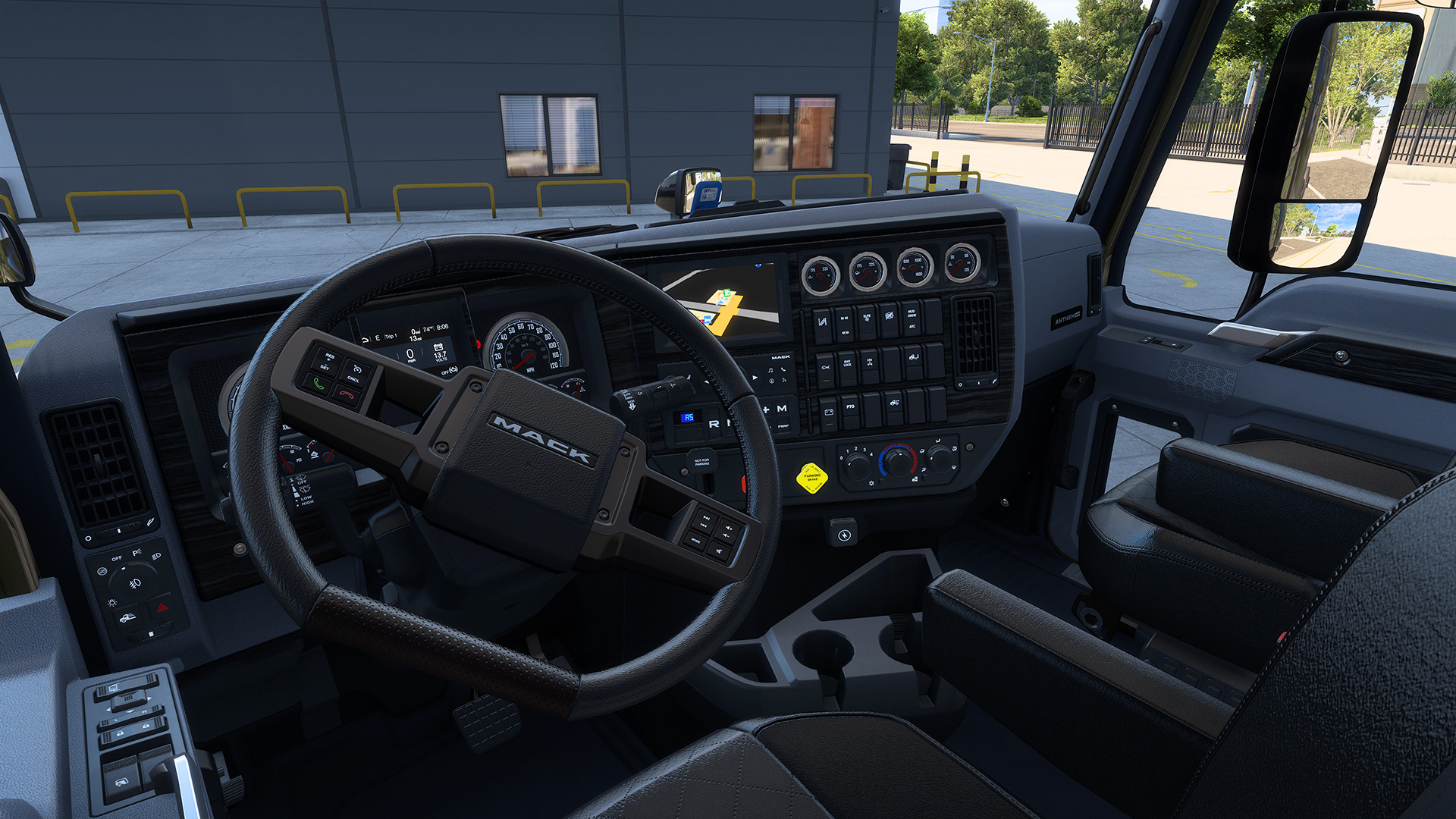
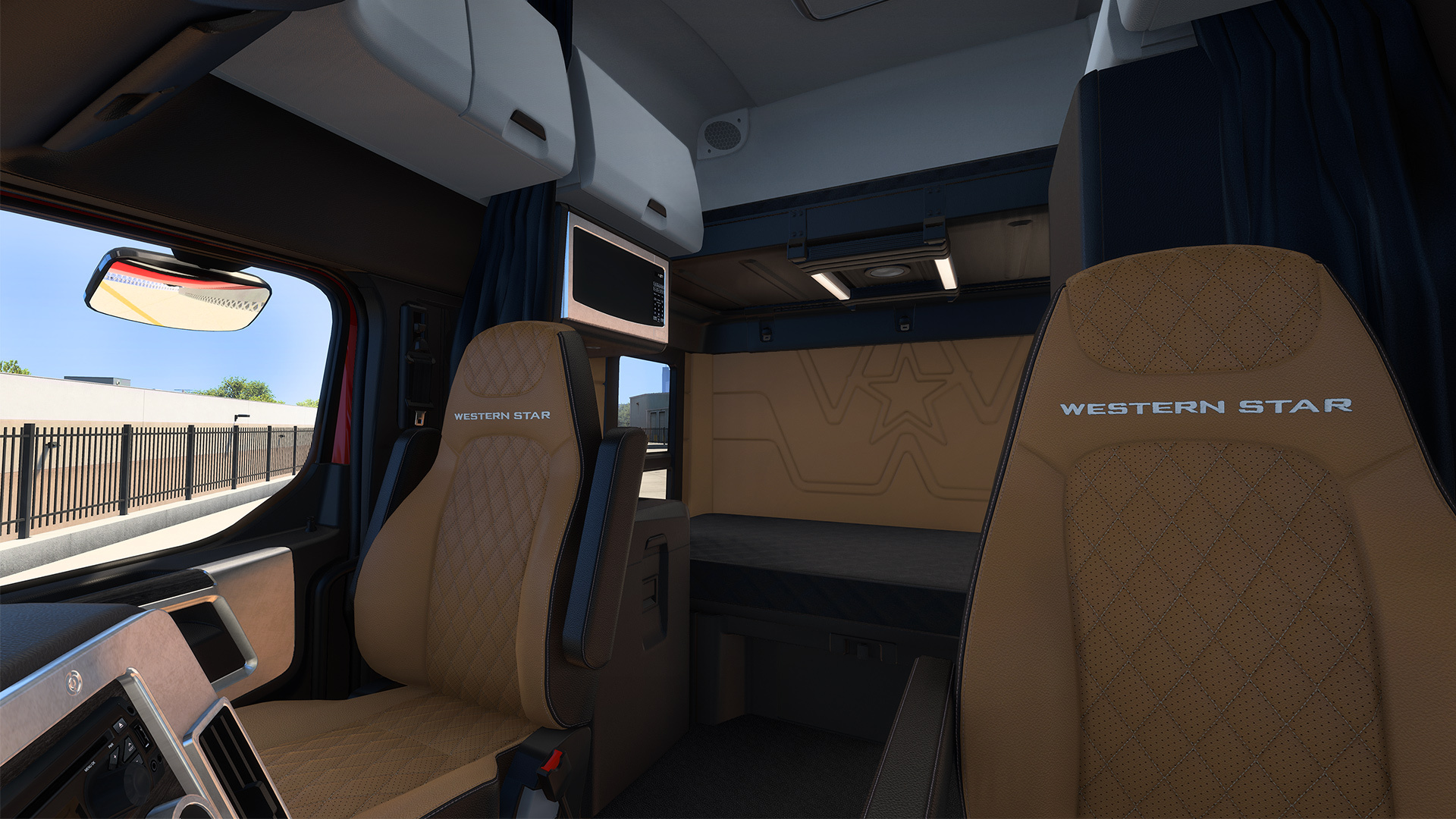
"Also, the individual properties of materials influence one another. Changing the reflectance or roughness might improve the appearance of one surface, but at the same time cause the material to behave poorly in a different lighting situation. Or a material that looked right in direct daylight might be too shiny in a dark interior or react unnaturally while driving at night. It was therefore necessary to constantly strike a balance between realism, visibility, and consistent behavior. The goal was not to make all surfaces more prominent or shinier, but to accurately capture the differences between them.
We reworked many of these steps several times during development. However, the result was not just materials for one specific car, but also experience and guidelines that will significantly facilitate work on future vehicles.
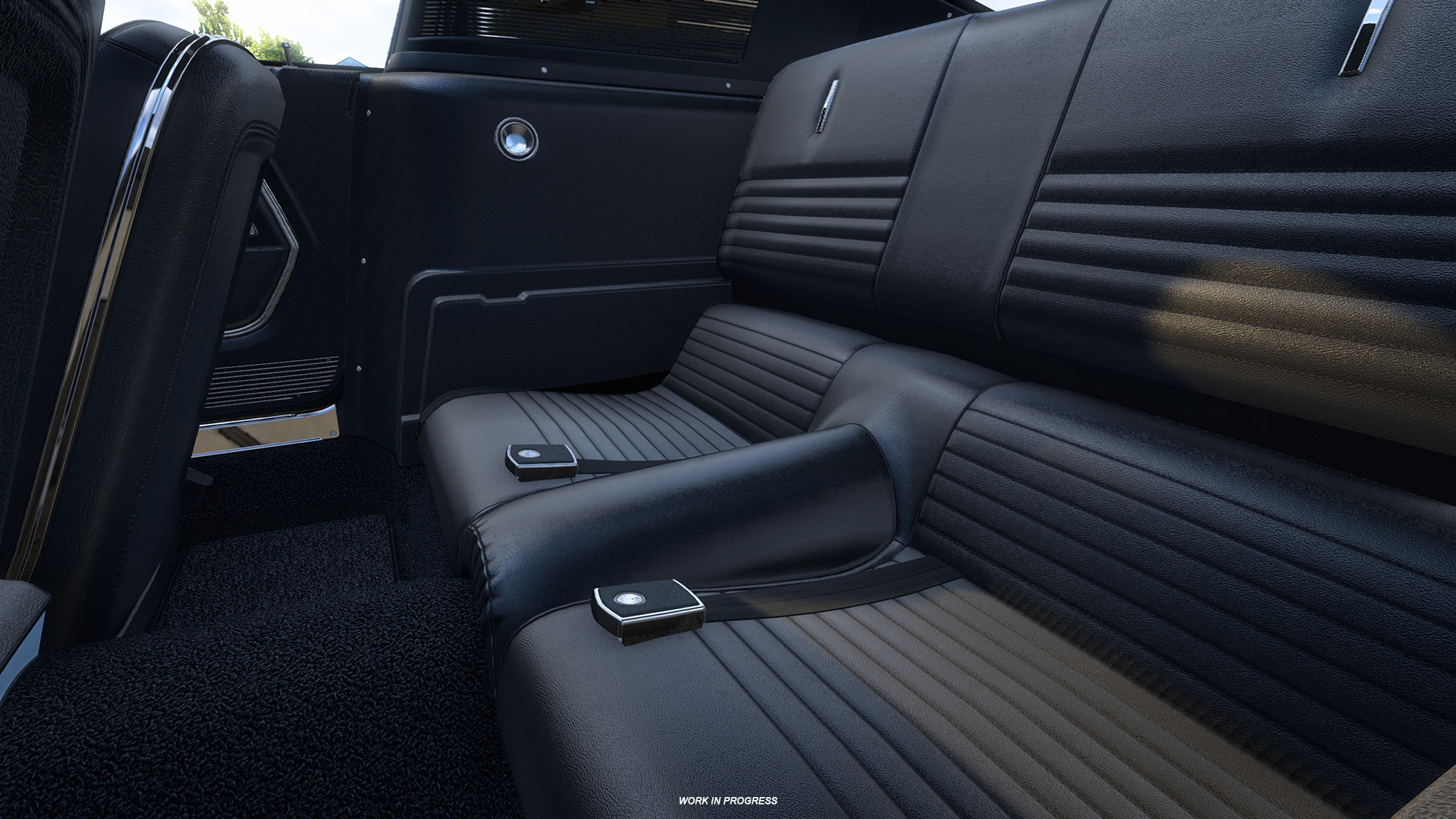
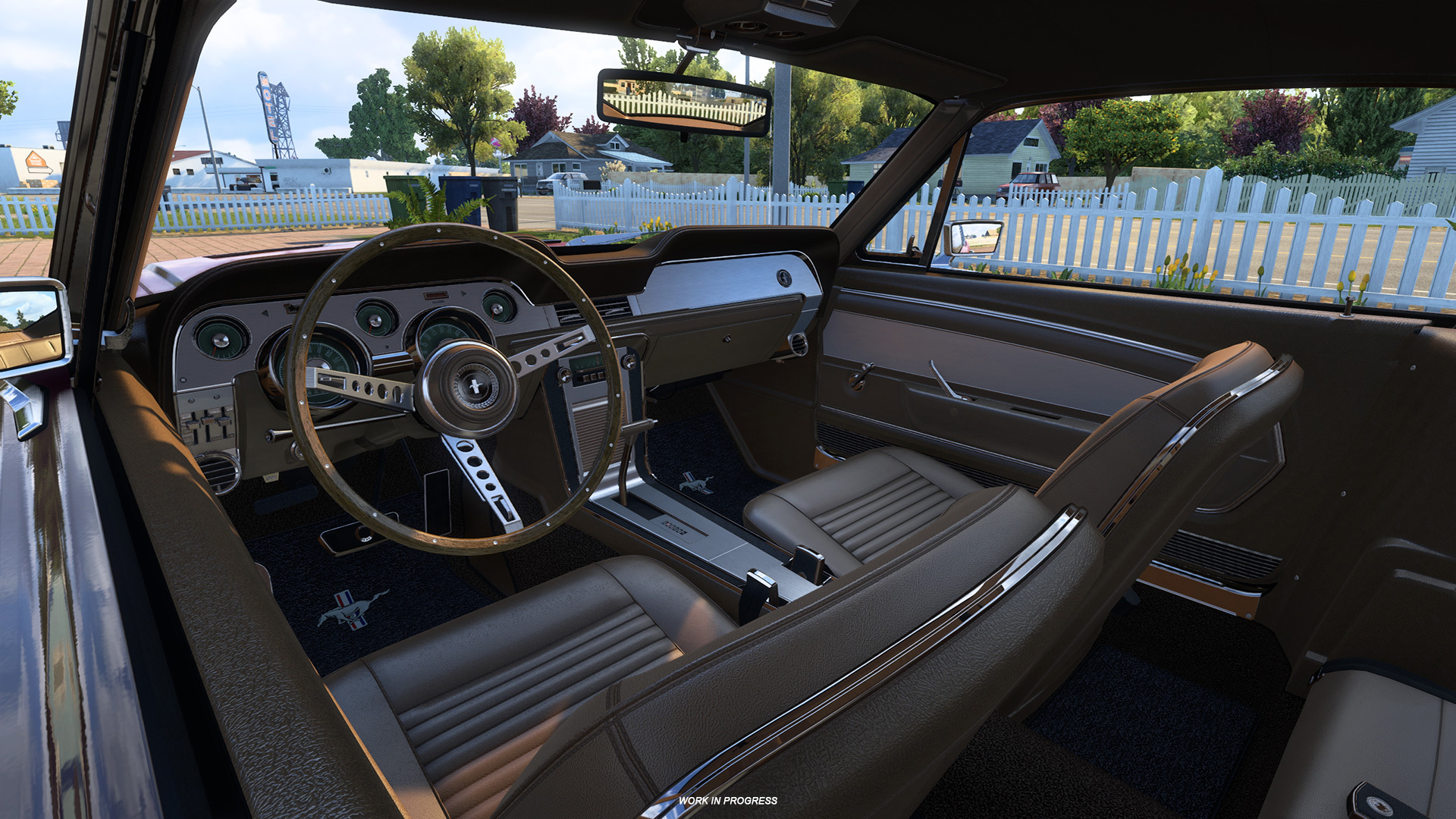
The process wasn't straightforward. It wasn't enough to simply set a few parameters according to a pre-prepared table. We had to figure out many of the values ourselves, and together with Dan, we tested them repeatedly right in the game," Martin added.
How did you manage to do the changes without affecting performance?
"Our players use a wide range of hardware. We didn't want to create visual enhancements that would significantly reduce the game's performance or even make the game unplayable for some players. Therefore, the system is not based on a new, resource-intensive lighting simulation. It extends the existing rendering pipeline and utilizes already available data more efficiently.
Performance was continuously profiled during development. The goal was to achieve a visible improvement with minimal impact on the graphics card and memory. Furthermore, the system is configured to function with a certain trade-off even when set to medium or low - in such cases, while reflections are not rendered in real time and some benefits, such as realistic color cast from the vehicle's surroundings, are lost, the materials themselves still look realistic and can be distinguished from one another," says Daniel.
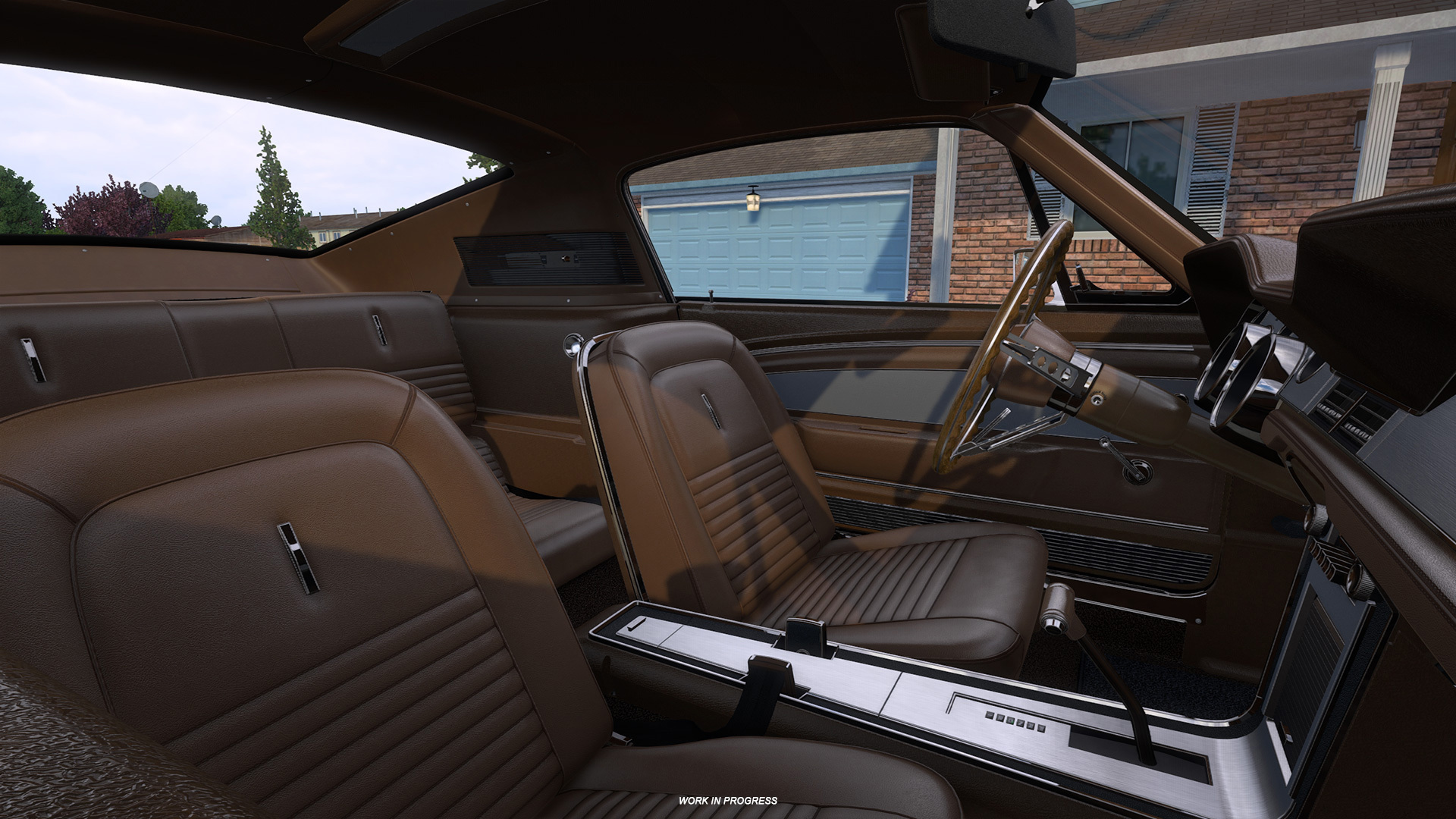
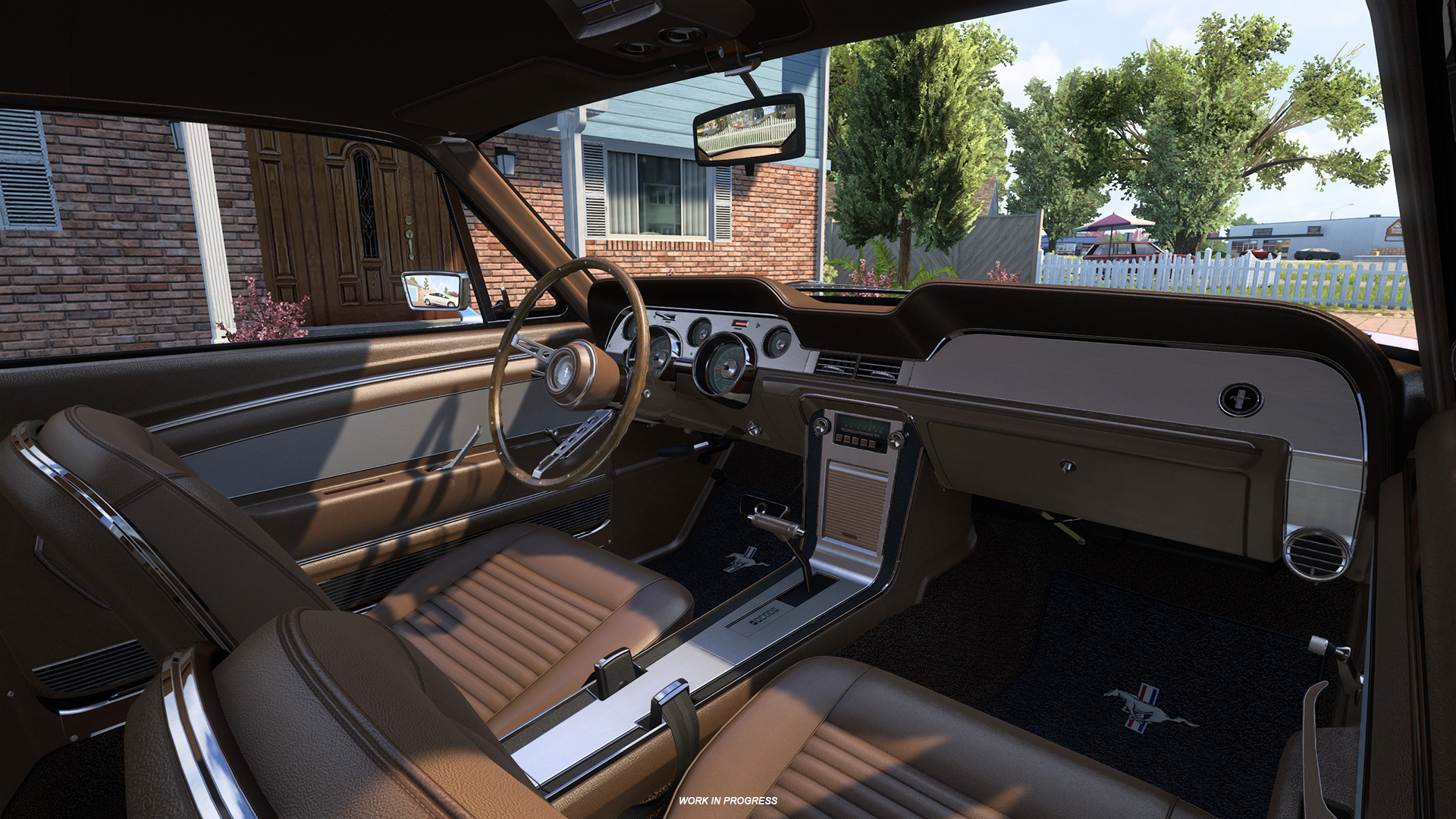
So far, we've implemented the improved material system on four trucks across ETS2 and ATS. Rather than making the community wait until every truck has been updated, we'll continue rolling out the improved material system for other trucks gradually, allowing you to enjoy the improvements on some vehicles already while we complete the rest. As Daniel explains here:
"Each truck requires individual adjustments, a visual inspection, and testing of all variants in daylight, at night, in the rain, and in cloudy weather. Therefore, it was not possible to update the entire fleet at once. This smaller initial group will allow us to verify the entire production process, maintain quality, and gather feedback from players."
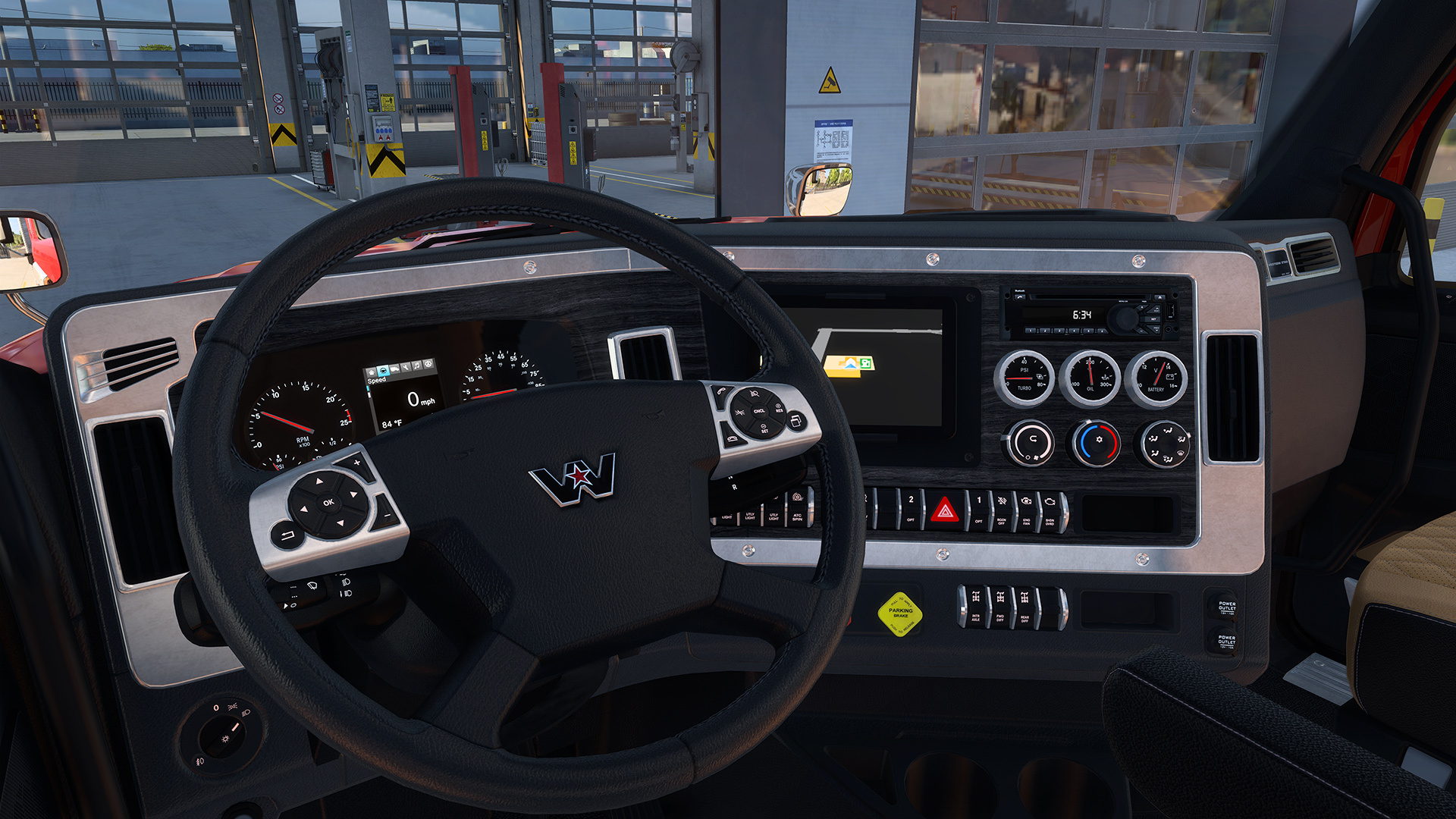
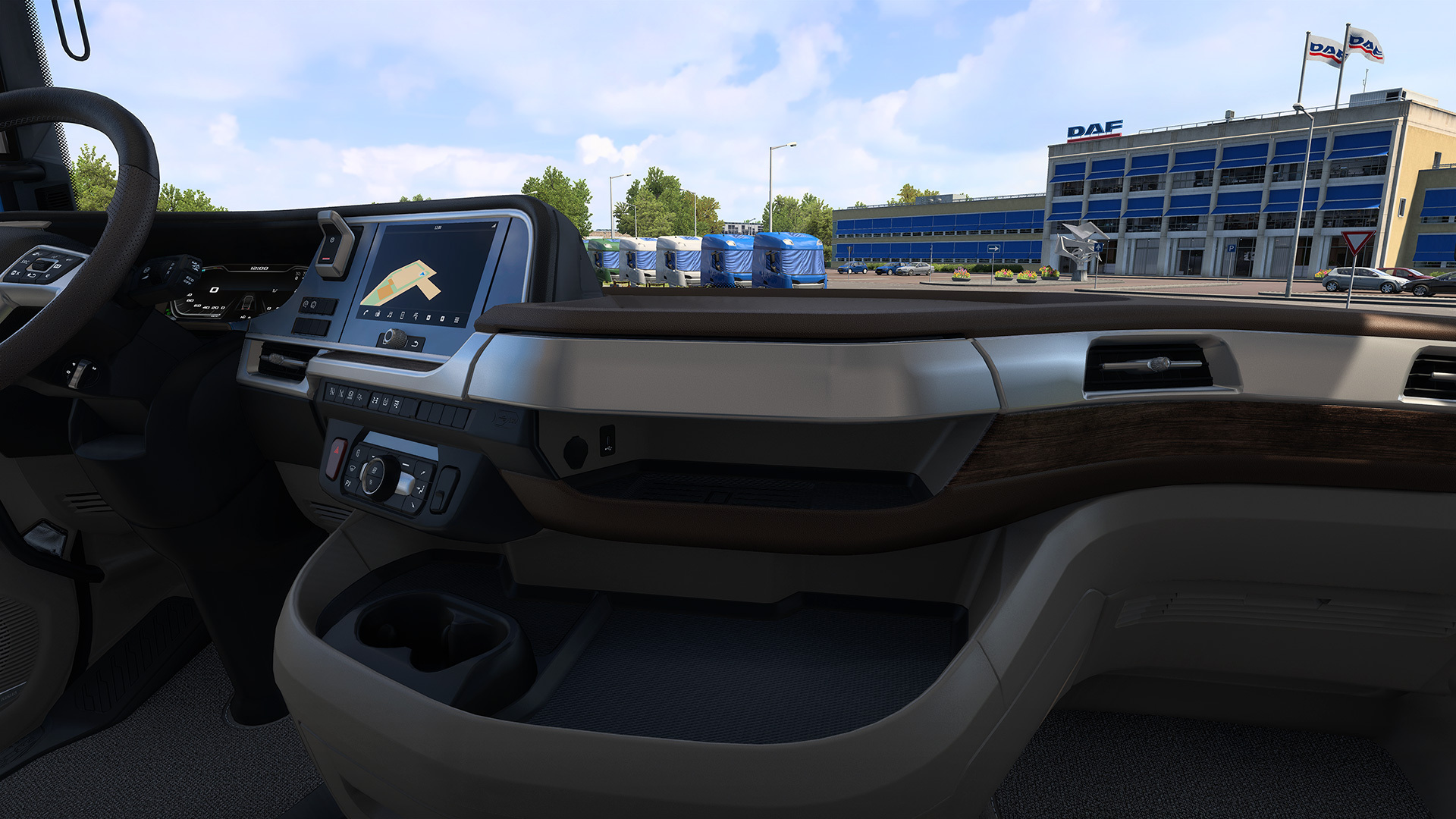
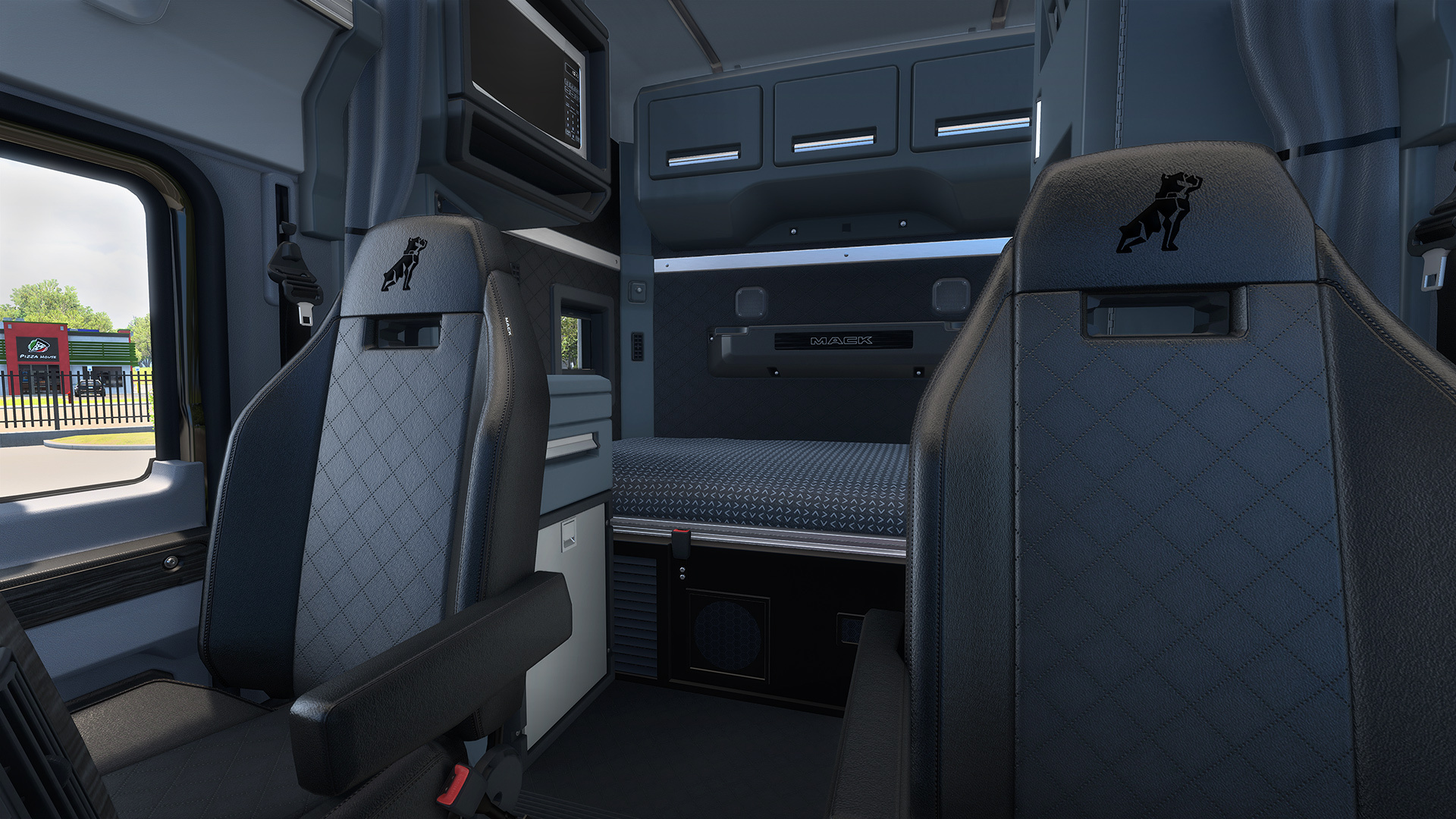
We hope you have enjoyed this in-depth look at how we work on the improved material system. Make sure to also add the Ford Car Pack and the RAM & Dodge Car Pack to your Steam wishlist, so you can enjoy this feature on cars when we release them.
Don't forget to give our X/Twitter, Instagram, Facebook, Bluesky, TikTok, and YouTube a follow, as you'll receive updates about our games straight to your feed! Or subscribe to our newsletter to stay informed. Until next time, safe travels!
What's Your Reaction?










![[Business Talk] Chagee: Opening 3,500 stores in 6 years](https://xinker.org/uploads/images/202410/image_140x98_671afce94bf91.webp)