
![[PRO Tips] Gold’s Bullish Revival: Seasonal Trends and Key Levels to Watch](https://xinker.org/uploads/images/202412/image_430x256_67724cc6ad0cd.webp)
![[PRO Tips] Gold Market Under Short-Term Pressure, Safe-Haven Demand and Central Bank Buying Support Long-Term Upside Potential](https://xinker.org/uploads/images/202412/image_430x256_676ffb4685287.webp)
![[PRO Tips] Analysis of 9 key points of differentiation strategy! Master differentiation to create a brand advantage that is unique in the world!](https://firebasestorage.googleapis.com/v0/b/xinker-tips.appspot.com/o/article_thumbnails%2Fscaled_differentiation%20strategy.png.png?alt=media&token=a1bfc3d2-e85a-4db7-8a6d-01c7274f8940)
![[PRO Tips] Will REITs regain growth momentum in 2024? 3 REITs ETFs you must know if you want to invest in real estate.](https://firebasestorage.googleapis.com/v0/b/xinker-tips.appspot.com/o/article_thumbnails%2Fscaled_REITs1.png.png?alt=media&token=8af4eb93-33ff-466f-8039-b6555fad52b4)
![[PRO Tips] Complete tutorial on how to make money in Adobe Stock!](https://firebasestorage.googleapis.com/v0/b/xinker-tips.appspot.com/o/article_thumbnails%2Fscaled_tut-adobe1.png.png?alt=media&token=0b2c8cf2-22bd-4142-883e-140ed1cbaf02)
![[Passive Income] Unlock the secret of passive income: 3 steps to apply for Google AdSense](https://xinker.org/uploads/images/202410/image_430x256_6717a4fb3052b.webp)
![[Passive Income] Earn over $200 a day with AI-generated articles!](https://firebasestorage.googleapis.com/v0/b/xinker-tips.appspot.com/o/article_thumbnails%2Fscaled_article1.png.png?alt=media&token=f61bf35b-8553-4719-826d-7360024adc70)
![[Passive Income] Earn over 20 USD per download with AI-generated images!](https://firebasestorage.googleapis.com/v0/b/xinker-tips.appspot.com/o/article_thumbnails%2Fscaled_adobe2.png.png?alt=media&token=3e20e76a-a907-45af-80aa-bf9b3600301f)
![[Passive Income] Earn 10 USD per new download by sharing CapCut!](https://firebasestorage.googleapis.com/v0/b/xinker-tips.appspot.com/o/article_thumbnails%2Fscaled_capcut2.png.png?alt=media&token=a04dec40-1fac-4857-86f2-19a8be02d38e)
![[Passive Income] Use your WiFi to create passive income in 5 minutes, and you can earn 4-6 U per day!](https://firebasestorage.googleapis.com/v0/b/xinker-tips.appspot.com/o/article_thumbnails%2Fscaled_Grassio.webp.png?alt=media&token=7659a95e-0e47-4f27-a17d-c942ac3cf7f4)


![[Business Talk] The Unique Theme of XINKER's Song: Beef Wellington and Business Mastery](https://xinker.org/uploads/images/202410/image_430x256_671afc155f47f.webp)
![[Business Talk] Chagee: Opening 3,500 stores in 6 years](https://xinker.org/uploads/images/202410/image_430x256_671afce80c5f9.webp)

"The desire for a world you can escape to is stronger than ever": How MMORPGs are flourishing in a multiplayer landscape dominated by live-service shooters
It's a very risky time to release a multiplayer video game. The 'live service' scene has become inundated with hundreds of titles trying to replicate the success that a select few established games have found. The likes of Fortnite and Call of Duty still dominate the scene, making it seem impossible for newcomers like Concord or Highguard to break in. That's not to mention the number of legacy games that simply can't sustain themselves with the rising costs of development, including Destiny 2, which received its final update earlier this year. So much of the video game industry is increasingly dangerous and volatile, but one genre has flourished for decades – MMORPGs. As live service games try to hold onto their share of committed players for longer, the developers of the best MMORPGs have had to find new ways to evolve. To better understand how, I spoke to the leads of three of the longest-running modern MMOs – Final Fantasy 14, Elder Scrolls Online, and Warframe – to unpack how the genre has changed amidst the landscape of multiplayer games. (Image credit: Bethesda) Building a world The MMORPG genre began its rise to prominence in the '90s and many developers have tried to play in the massively multiplayer online space since, but precious few have had any real staying power. It's the games which cleanly carve out a niches, and then double down on serving that fanbases, which have any chance at survival. It's a challenge that Nick Giacomini, game director of The Elder Scrolls Online, is well acquainted with. "The MMORPG genre isn't going away any time soon. MMORPGs are homes for players in a way that most genres just aren't. It's right there in the name: they're massive. The sheer scale of these games gives you a space to truly inhabit, while the community makes it feel alive," says Giacomini. "That said, the genre is challenging right now, particularly for new games. Creating an MMORPG is a monumental undertaking, and few new MMOs have been able to break through. And on the one hand, the rise of live-service games has made this more challenging. There are so many incredible games to choose from right now, so why should players choose your game when they have so many amazing options?"https://content.jwplatform.com/players/uEKkF8UT.html That's a sentiment echoed by Warframe creative director Rebecca Ford, who feels there is a new window of opportunity for MMOs. First launched in 2013, Warframe's slow and steady growth has proven it as one of the juggernauts of the genre, able to carry on where others haven't. It might simply be good timing, but the idea of a game that players can "regularly" come back to, as a sort of daily, weekly, or monthly habit, has become more and more attractive in recent years – especially as the cost of everything goes up. "There's really no place for confidence in the current ecosystem; nothing is guaranteed. The younger generations of gamers have not been exposed to the dominant MMO era, yet the strongest MMOs still stand. 'Interest' in genres comes and goes, but typically, the interest cycles happen much faster because games and hardware were iterated on more quickly," says Ford. "This means people stick with their comfort games for longer, and devs can work on the same IPs longer. In another life, Warframe would already be on 'Warframe 4', but the conditions of our evolution mean we did not need to sprout gills, so to speak, to evolve. Other genres have certainly impacted interest, as have development costs." Digital Extremes Bethesda Legacy MMOs like Final Fantasy 14, Guild Wars, Runescape, World of Warcraft are now ingrained into the fabric of online gaming culture and have established, loyal fan bases. The sheer size and nature of the time commitment MMOs have may, in turn, be the secret to their success. Players have to commit to an MMO to some degree, after all. "MMOs still have several characteristics that could contribute to longer lifespans. For example, unlike games that run on peer-to-peer connections, MMOs have massive servers containing a tremendous number of assets – not just item and character data, but also game systems like player housing and friend lists," says Final Fantasy 14 producer and director Naoki Yoshida. "When an MMO becomes a hit success, that boosts the number of long-term players and helps stabilize operations, so I can see how those factors often lead to MMOs having longer lifespans. That said, there are still countless MMOs that rose and fell. In the end, all online services have a common principle: they need to have long-term stability and an entertaining experience in order to endure." The younger generations of gamers have not been exposed to the dominant MMO era, yet the strongest MMOs still stand Rebecca Ford, Warframe creative director It's no coincidence that Final Fantasy 14, The Elder Scrolls Online, and Warframe are undergoing massive shifts in gameplay or ideas at the moment. In accordance, all three of these developers see so
 It's a very risky time to release a multiplayer video game. The 'live service' scene has become inundated with hundreds of titles trying to replicate the success that a select few established games have found. The likes of Fortnite and Call of Duty still dominate the scene, making it seem impossible for newcomers like Concord or Highguard to break in. That's not to mention the number of legacy games that simply can't sustain themselves with the rising costs of development, including Destiny 2, which received its final update earlier this year.
 So much of the video game industry is increasingly dangerous and volatile, but one genre has flourished for decades – MMORPGs. As live service games try to hold onto their share of committed players for longer, the developers of the best MMORPGs have had to find new ways to evolve.
To better understand how, I spoke to the leads of three of the longest-running modern MMOs – Final Fantasy 14, Elder Scrolls Online, and Warframe – to unpack how the genre has changed amidst the landscape of multiplayer games.
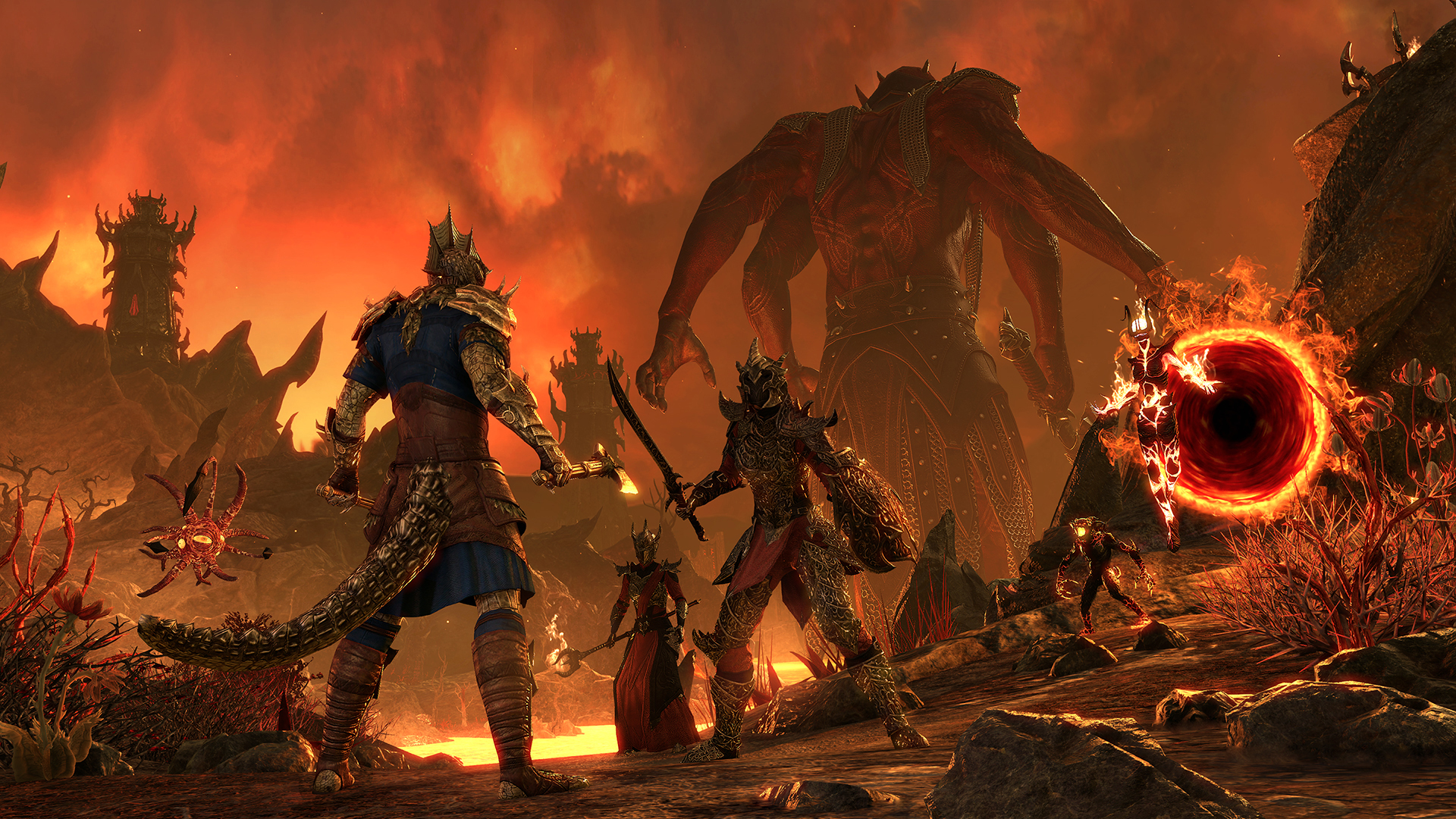
(Image credit: Bethesda)
Building a world
The MMORPG genre began its rise to prominence in the '90s and many developers have tried to play in the massively multiplayer online space since, but precious few have had any real staying power. It's the games which cleanly carve out a niches, and then double down on serving that fanbases, which have any chance at survival. It's a challenge that Nick Giacomini, game director of The Elder Scrolls Online, is well acquainted with. "The MMORPG genre isn't going away any time soon. MMORPGs are homes for players in a way that most genres just aren't. It's right there in the name: they're massive. The sheer scale of these games gives you a space to truly inhabit, while the community makes it feel alive," says Giacomini.
"That said, the genre is challenging right now, particularly for new games. Creating an MMORPG is a monumental undertaking, and few new MMOs have been able to break through. And on the one hand, the rise of live-service games has made this more challenging. There are so many incredible games to choose from right now, so why should players choose your game when they have so many amazing options?"
https://content.jwplatform.com/players/uEKkF8UT.html That's a sentiment echoed by Warframe creative director Rebecca Ford, who feels there is a new window of opportunity for MMOs. First launched in 2013, Warframe's slow and steady growth has proven it as one of the juggernauts of the genre, able to carry on where others haven't. It might simply be good timing, but the idea of a game that players can "regularly" come back to, as a sort of daily, weekly, or monthly habit, has become more and more attractive in recent years – especially as the cost of everything goes up.
"There's really no place for confidence in the current ecosystem; nothing is guaranteed. The younger generations of gamers have not been exposed to the dominant MMO era, yet the strongest MMOs still stand. 'Interest' in genres comes and goes, but typically, the interest cycles happen much faster because games and hardware were iterated on more quickly," says Ford.
"This means people stick with their comfort games for longer, and devs can work on the same IPs longer. In another life, Warframe would already be on 'Warframe 4', but the conditions of our evolution mean we did not need to sprout gills, so to speak, to evolve. Other genres have certainly impacted interest, as have development costs."
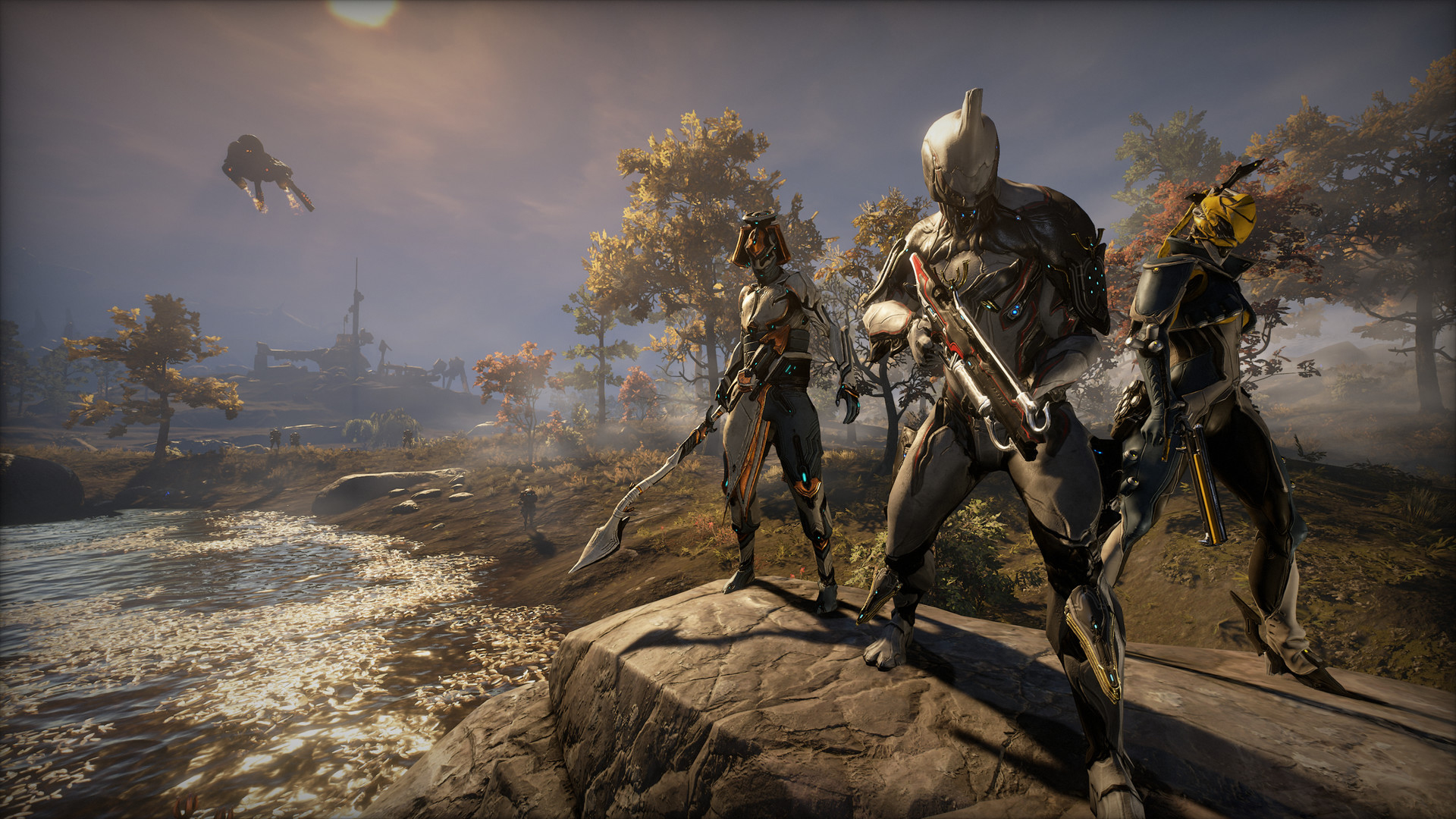 Digital Extremes
 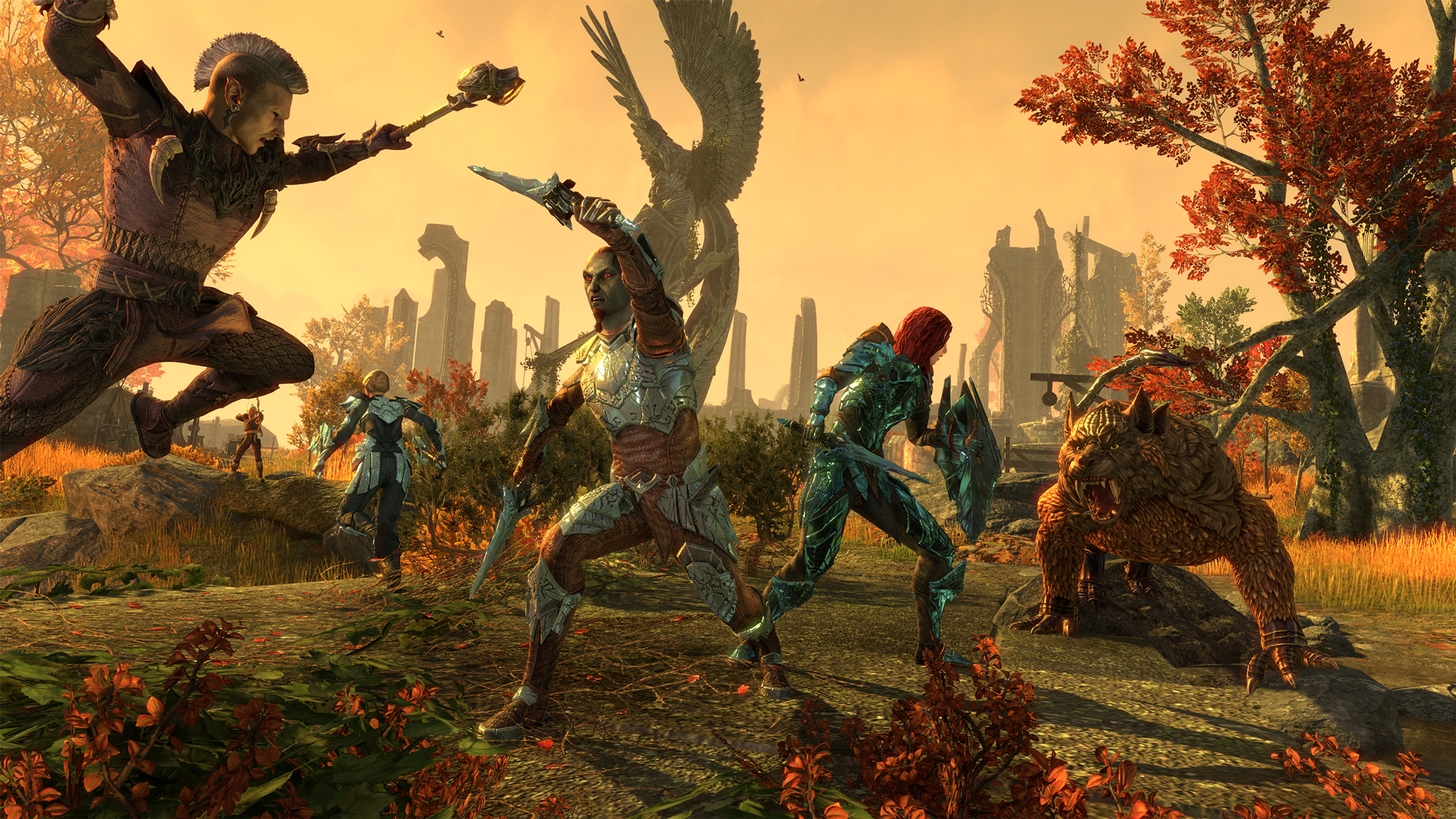 Bethesda Legacy MMOs like Final Fantasy 14, Guild Wars, Runescape, World of Warcraft are now ingrained into the fabric of online gaming culture and have established, loyal fan bases. The sheer size and nature of the time commitment MMOs have may, in turn, be the secret to their success. Players have to commit to an MMO to some degree, after all.
"MMOs still have several characteristics that could contribute to longer lifespans. For example, unlike games that run on peer-to-peer connections, MMOs have massive servers containing a tremendous number of assets – not just item and character data, but also game systems like player housing and friend lists," says Final Fantasy 14 producer and director Naoki Yoshida.
"When an MMO becomes a hit success, that boosts the number of long-term players and helps stabilize operations, so I can see how those factors often lead to MMOs having longer lifespans. That said, there are still countless MMOs that rose and fell. In the end, all online services have a common principle: they need to have long-term stability and an entertaining experience in order to endure."
The younger generations of gamers have not been exposed to the dominant MMO era, yet the strongest MMOs still stand
Rebecca Ford, Warframe creative director
It's no coincidence that Final Fantasy 14, The Elder Scrolls Online, and Warframe are undergoing massive shifts in gameplay or ideas at the moment. In accordance, all three of these developers see some kind of symbiotic relationship with live-service titles. Giacomini notes that live service games are helping the MMO genre by "expanding and normalizing the space," while Yoshida says the "boundaries" between MMOs and other genres are becoming more "ambiguous." The influence live-service games have had may not be obvious or tangible, but it's there nonetheless.
"Today, live service games are mainstream. They've normalized the idea of games as a hobby, a place to hang out with friends, and a world that evolves over time. They've introduced MMO-lite concepts to millions of people who may have never considered themselves MMO players," notes Giacomini.
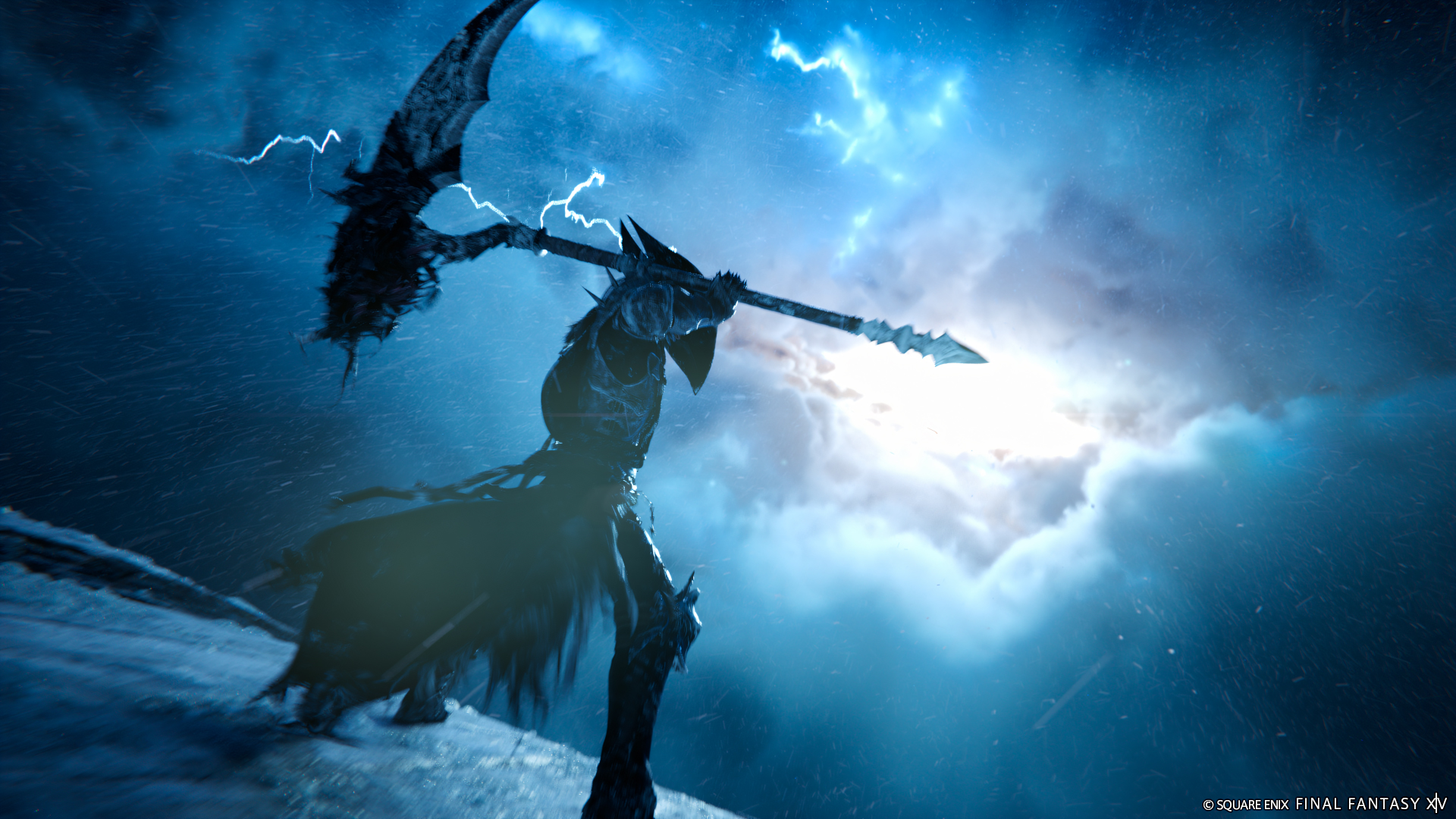
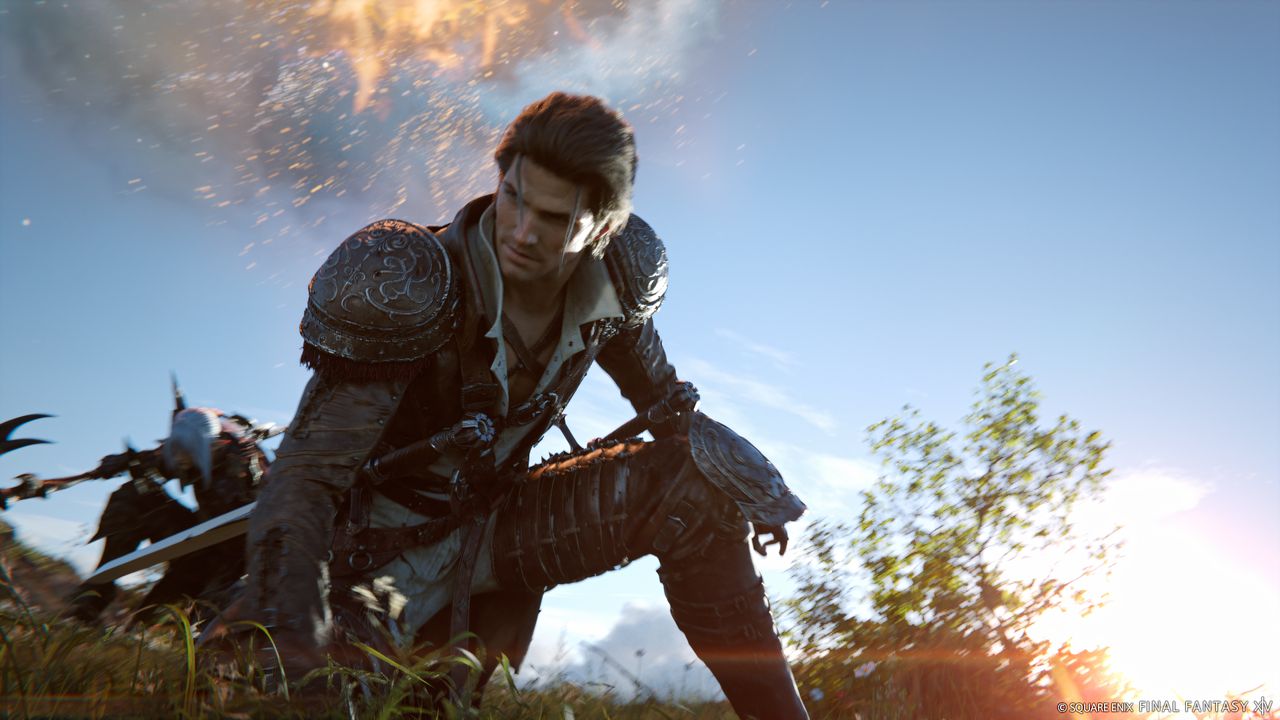
(Image credit: Square Enix) But the other crucial piece of success to the future of MMOs, stressed by all three of these developers, is a passionate community – but more importantly a community that the dev teams themselves can sort of "work" with. The studios behind Warframe, ESO, and FF14 have all opted for transparency, keeping very little to the chest in favour of constant communication with the playerbase, and an open dialogue on what said players want.
"Our players know exactly what they want. They are our 'boss' at the end of the day, and our game is only ever as good as our last update. From the very beginning, we've been transparent and flexible with them, almost every month for nearly 200 announcement-filled Devstreams," says Ford.
She adds: "If we announce a feature and players hate it, we are prepared to scrap it or work collaboratively with them to find the Goldilocks version that feels right for Warframe. We as creatives will always try to take big swings with new things and cross our fingers that they land well. But if we miss the mark, we are always willing to hear our players out and iterate on the idea into something we all love, as devs and players."
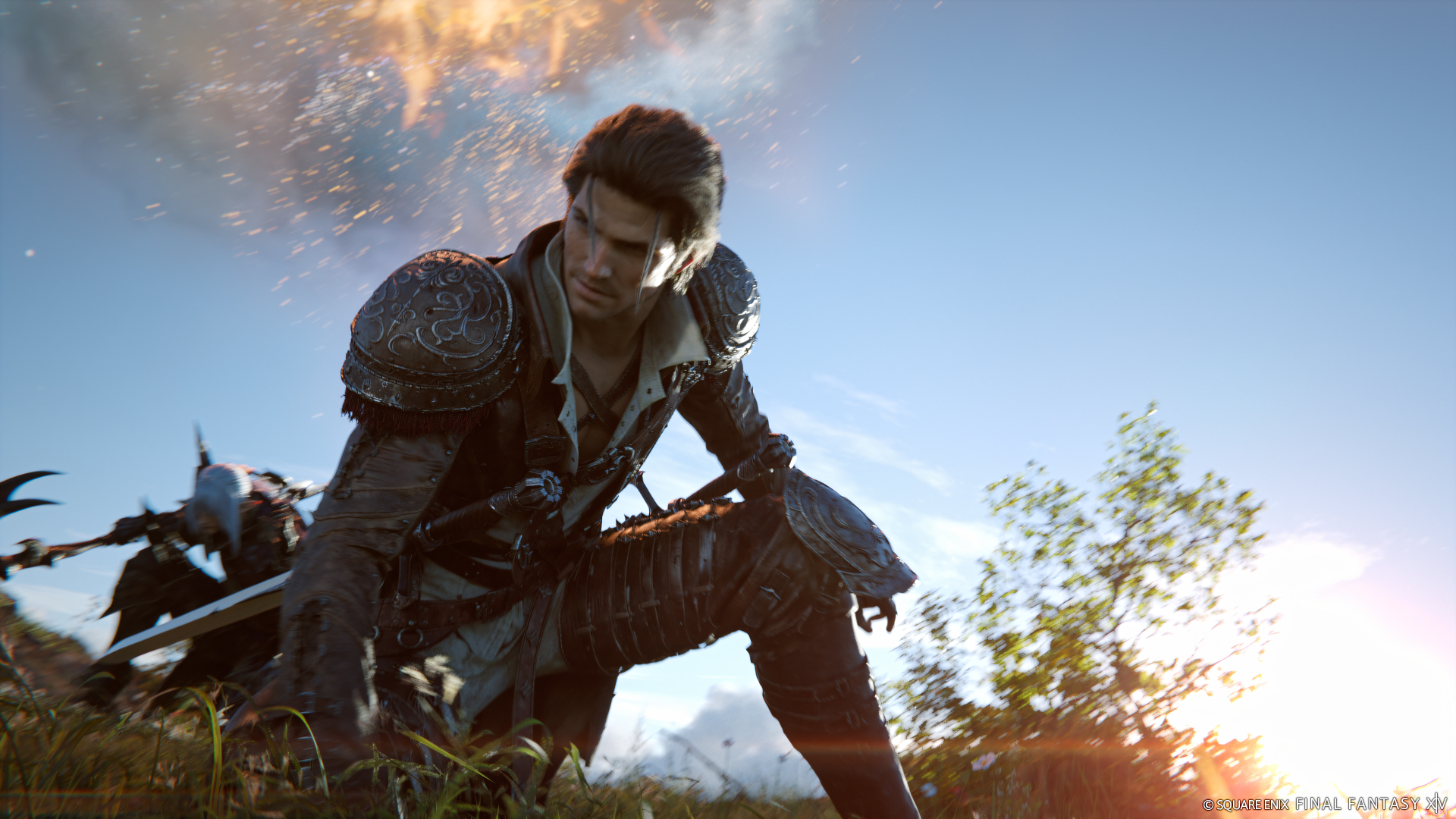
(Image credit: Square Enix)
"A balancing act"
There's a fine line to tread between retaining the experience players love, but still being experimental and ambitious enough to try new ideas. With a lack of growth, even a successful MMO can grow stagnant, or fail to attract new players. Change is often a scary word in the realm of tech and games, something that connotes that you're losing something, especially daunting when it's a game you've sunk days, if not weeks and months, of your life into.But a particular, and noticeable, shift in MMOs has been to accommodate a wider variety of players. But a particularly fascinating part of this is these long-running games having to essentially "age up" with their players. Giacomini assets that, as live-service and multiplayer games continue to appeal to young audiences and new players, longstanding MMOs have had to adjust for players whose lives have quintessentially changed across a decade or two.
"If your design ethos doesn't change over ten years, you're going to get left behind," he explains. "Players who started playing with us a decade ago are at a different stage in their lives now, and we have to evolve to provide them with what they're looking for today. Player expectations have also shifted based on what successful new games are bringing to the table. Trying to make sure that every moment players spend in our world feels worthwhile requires change."
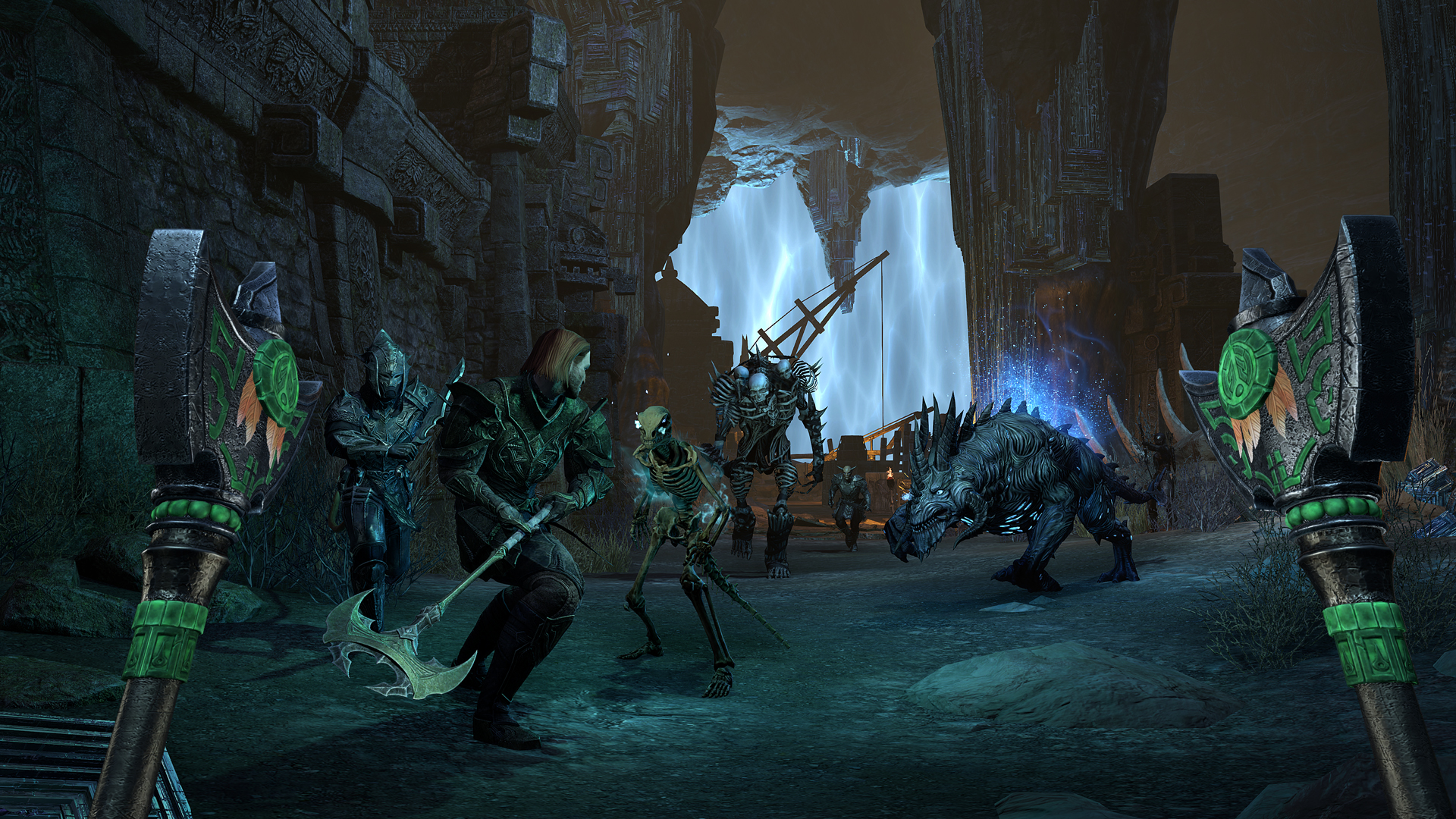
(Image credit: Bethesda) "It's definitely a balancing act. If you push too much unwanted change, the game becomes unrecognizable, and you risk alienating your core players. But if you don't change enough, you become formulaic and risk boring them. MMORPGs feel very different today than when I first started playing over 20 years ago. They're recognizable but fundamentally evolved. And I think that kind of continuous evolution is what innovation is going to look like for successful games in the genre."
Speaking to these key creatives, they've all reached similar philosophies in different ways. Both Ford and Yoshida note that the support and deep involvement of their respective communities is the key piece that keeps these games moving. All three stress the need for 'rewarding' experiences, ensuring the time players invest in their game feels well-spent. The development of each of these games revolves around player feedback, but trying to integrate that with the idea of experimenting and finding things that will surprise even players who have spent 10 years on a game.
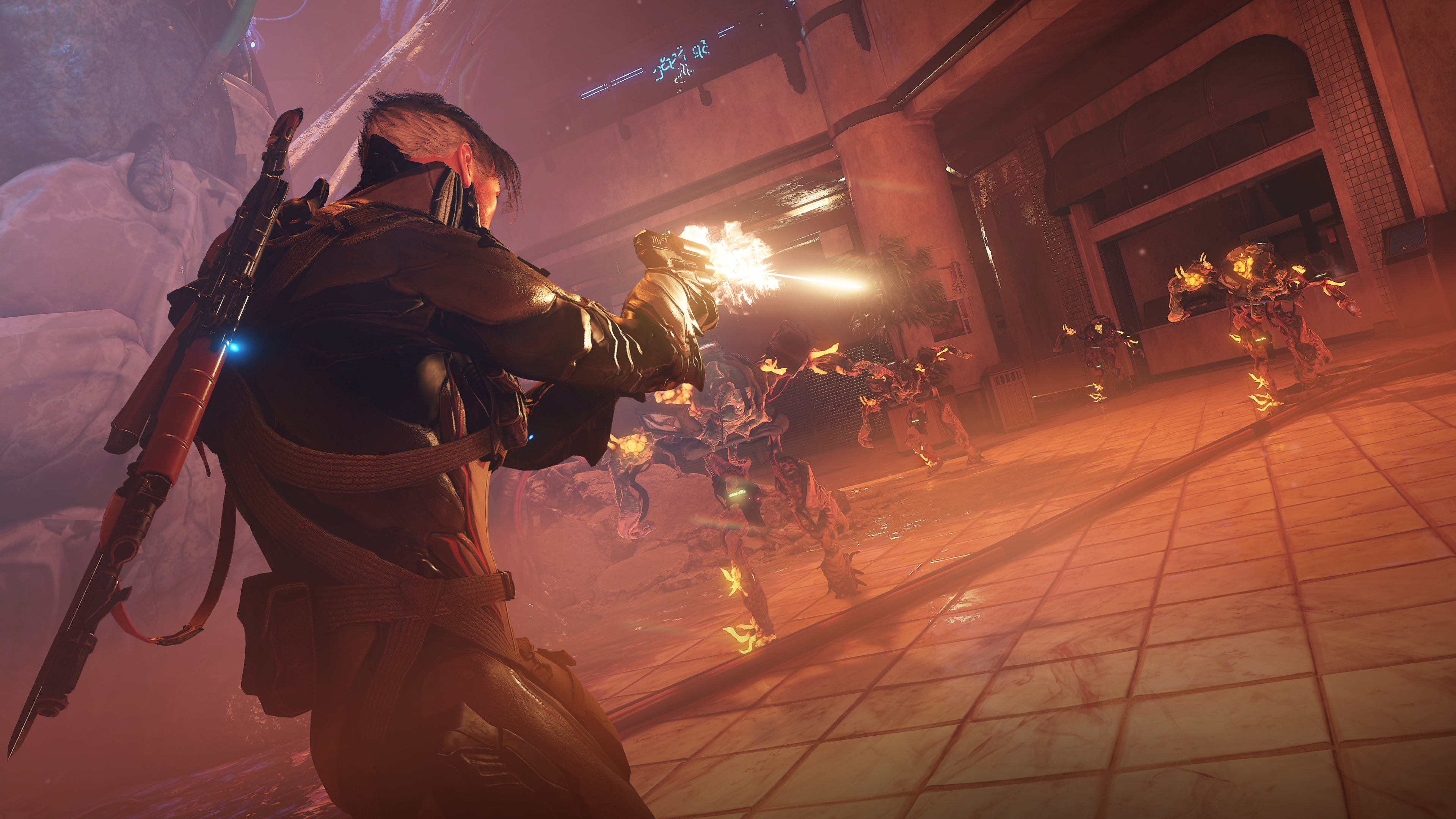 Digital Extremes
 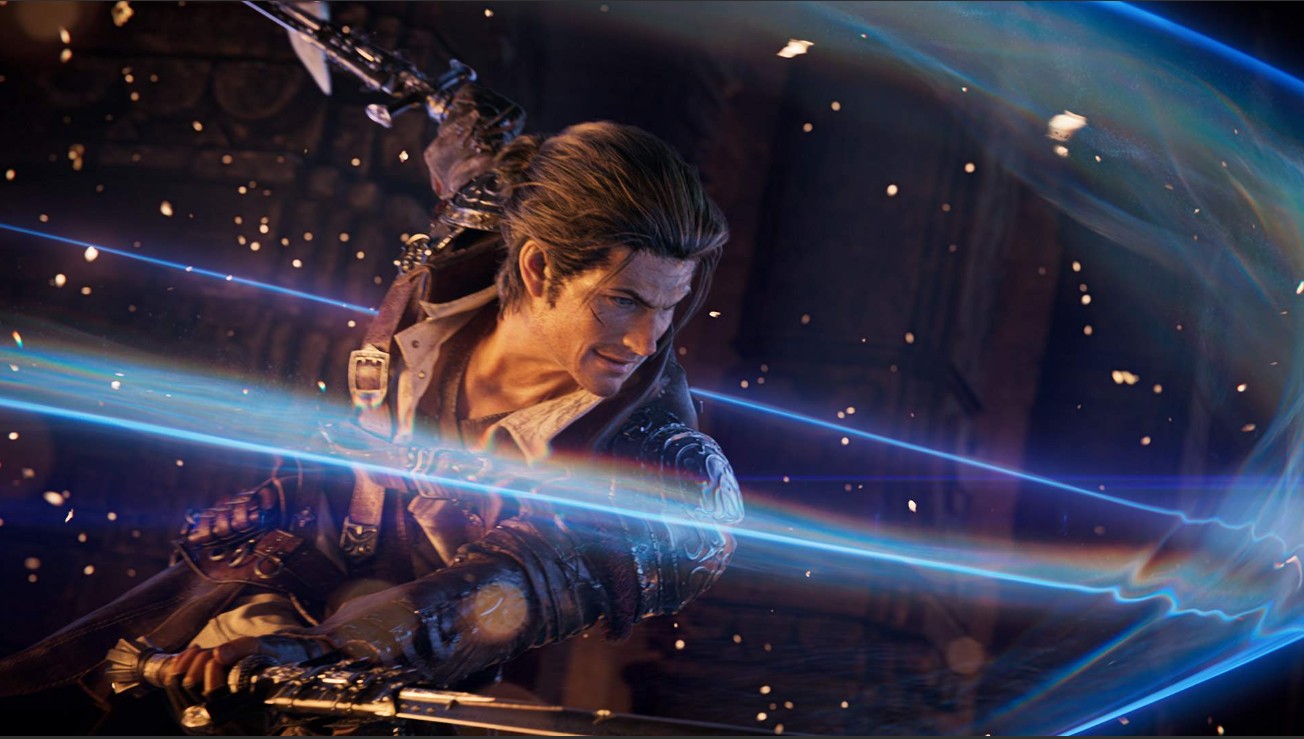 Square Enix Ford points to FF14 as a prime example of a game that's adapting to the needs of players, saying it's great to "see them [the FF14 dev team] focus on what they're good at, like Raids, at large scale." But she also stresses the need for integral change. Ford says there's one crucial way MMOs need to keep experimenting.
 "Get weird! Go left instead of right, but always, always be ready to work with your community, not for or against them. Nothing is ever set in stone. Game design trends will always be in flux, whether that be due to advancements in technology or changes to player habits due to things happening in the world or their personal lives," Ford says. "We kind of joke about this. You don't want to see the current Warframe leads – me and Pablo Alonso, our design director – try and make a PVP mode again. Even if players think they want it, we simply aren't good at it, so we can't innovate with hero shooter genre appeal, so we have to try other things!"
The desire for a world you can live in and escape to is stronger than ever
Nick Giacomini, The Elder Scrolls Online game director
FF14 is in the midst of one of those moments, with upcoming expansion Evercold making some of the biggest, most sweeping changes the MMO has seen since its relaunch as A Realm Reborn in 2013. And while Yoshida notes that his approach to developing FF14 has undoubtedly changed over the past decade, in a way, that's secondary to how the studio tweaks the game as a whole. Because the community has become such an ingrained part of FF14's identity, it's more about knowing when to hold off on major changes, and when to push forward.
"For our upcoming expansion, Evercold, I chose to steer FF14 towards 'change' in pursuit of creating even more enjoyment and evolving further. I felt that, in terms of mindset and time, we were prepared to update the gaming experience to be more enjoyable and comfortable for our players and their lifestyles," Yoshida says. "Our lifestyle routines are constantly changing, and the rate of change only keeps accelerating. But making sudden changes to try and keep up with that pace can be harmful to our operations, like how making sharp turns while driving fast tends to lead to accidents. Making these judgment calls is a constant part of overseeing FF14."
However, Yoshida says his approach might be completely different if he was making something from scratch, adding, "Incidentally, if I were to develop a new online live service title from scratch, I'd be challenging myself to tackle completely new game designs and values."
But cutting through all the noise, there seems to be one universal truth to the success of MMOs – something that none of these teams have forgotten even as they try to shift and adjust to changing player expectations. And it's especially attractive in light of so many multiplayer games that lean into short bursts of excitement, battle passes, and an ever-changing experience.
"The industry is more crowded now, but the desire for a world you can live in and escape to is stronger than ever," says Giacomini. "And if MMORPGs can evolve to meet players where they are and ensure the time they invest here feels worthwhile, the genre will thrive for decades."
Read This Next:
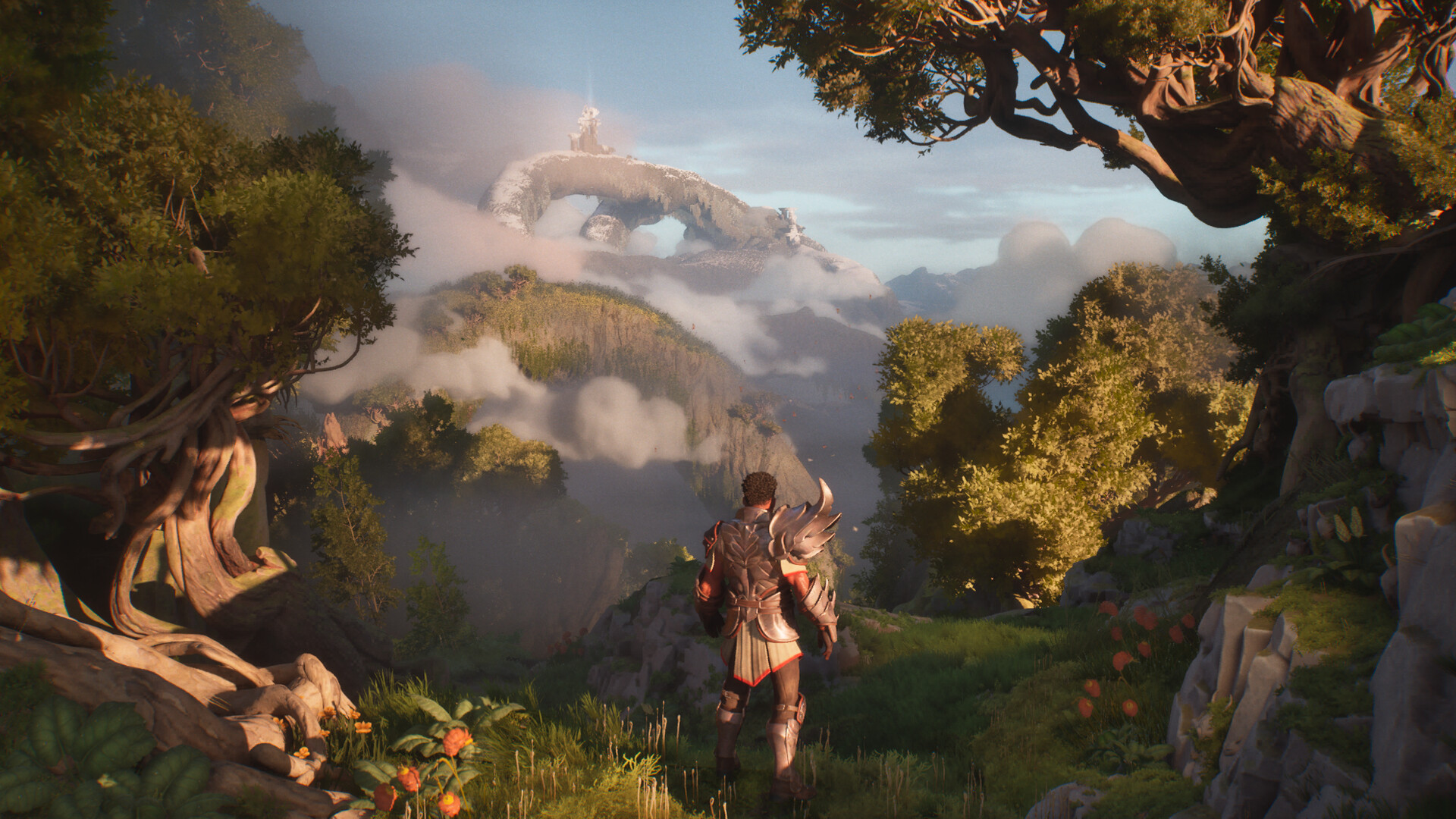
Guild Wars 3 may have cracked the MMO code for tired millennials
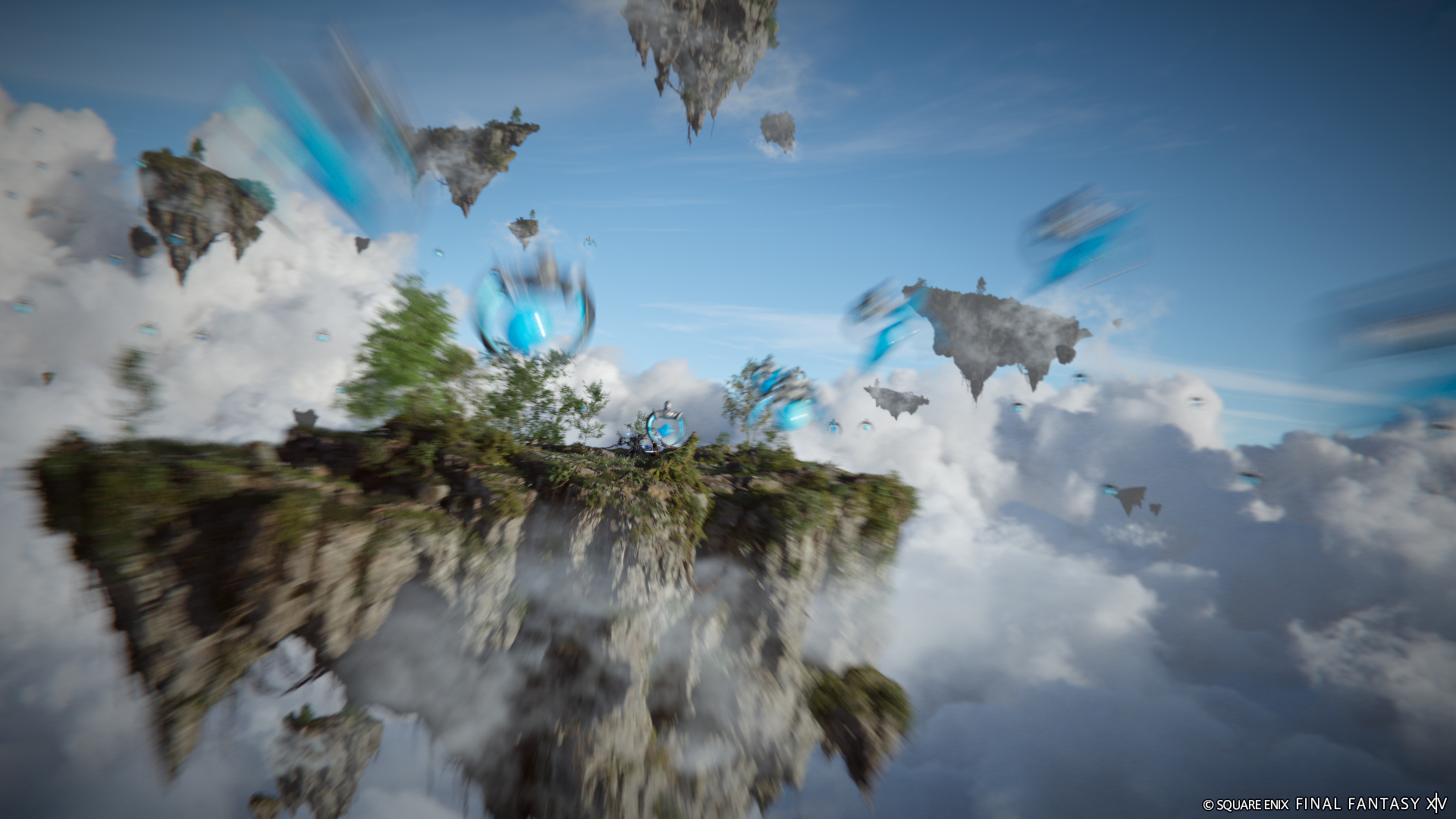
The Bastion is Final Fantasy 14's first new job for Evercold, a hulking tank with a shield and gun on each arm
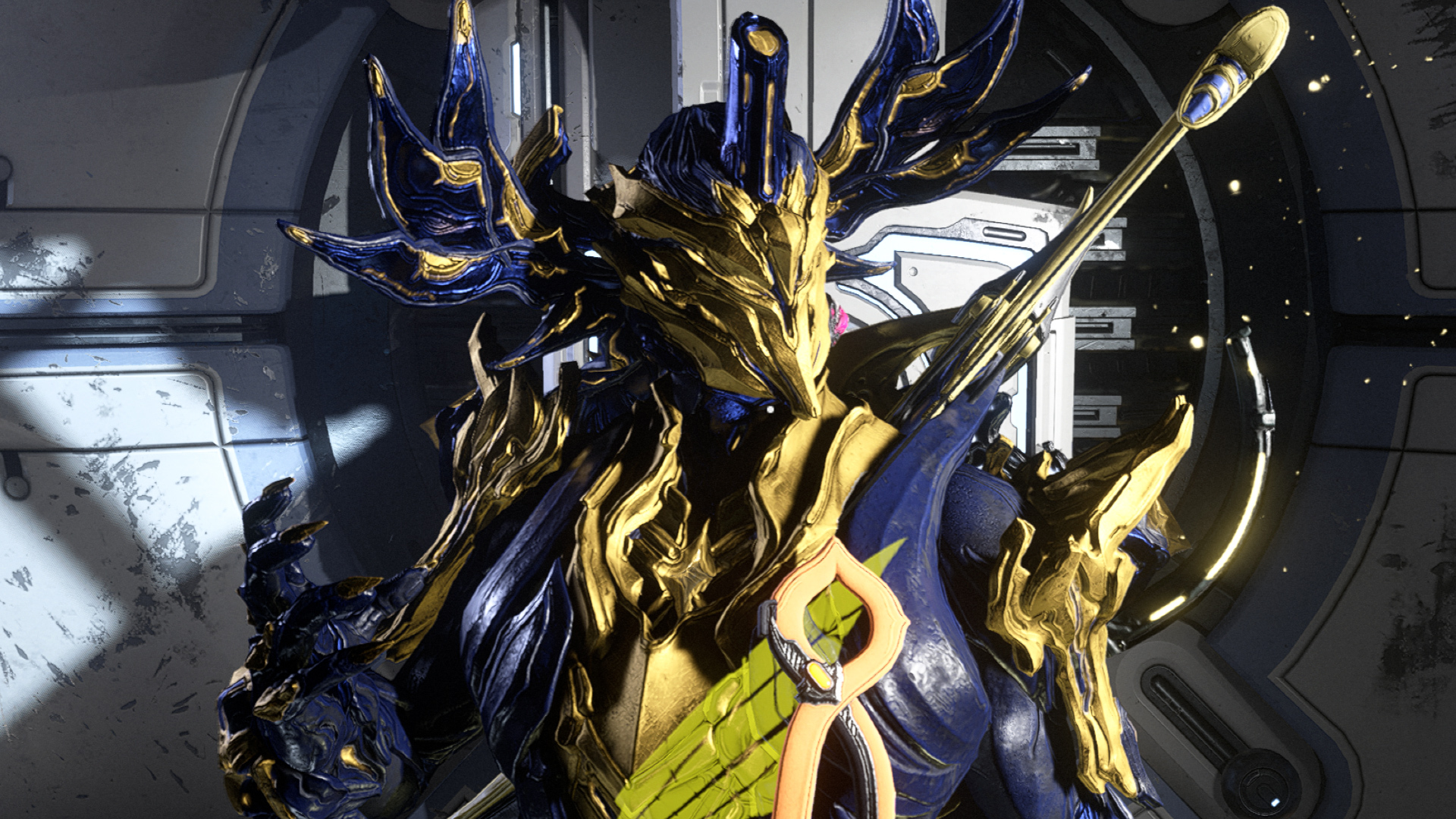
I have finally become an MMO convert after diving into Warframe for the very first time in 2026
[/url] What's Your Reaction?








XINKER - Business and Income Tips
Explore XINKER, the ultimate platform for mastering business strategies, discovering passive income opportunities, and learning success principles. Join a community of thinkers dedicated to achieving financial freedom and entrepreneurial excellence.

![[Business Talk] Chagee: Opening 3,500 stores in 6 years](https://xinker.org/uploads/images/202410/image_140x98_671afce94bf91.webp)