

![[PRO Tips] Gold’s Bullish Revival: Seasonal Trends and Key Levels to Watch](https://xinker.org/uploads/images/202412/image_430x256_67724cc6ad0cd.webp)
![[PRO Tips] Gold Market Under Short-Term Pressure, Safe-Haven Demand and Central Bank Buying Support Long-Term Upside Potential](https://xinker.org/uploads/images/202412/image_430x256_676ffb4685287.webp)
![[PRO Tips] Analysis of 9 key points of differentiation strategy! Master differentiation to create a brand advantage that is unique in the world!](https://firebasestorage.googleapis.com/v0/b/xinker-tips.appspot.com/o/article_thumbnails%2Fscaled_differentiation%20strategy.png.png?alt=media&token=a1bfc3d2-e85a-4db7-8a6d-01c7274f8940)
![[PRO Tips] Will REITs regain growth momentum in 2024? 3 REITs ETFs you must know if you want to invest in real estate.](https://firebasestorage.googleapis.com/v0/b/xinker-tips.appspot.com/o/article_thumbnails%2Fscaled_REITs1.png.png?alt=media&token=8af4eb93-33ff-466f-8039-b6555fad52b4)
![[PRO Tips] Complete tutorial on how to make money in Adobe Stock!](https://firebasestorage.googleapis.com/v0/b/xinker-tips.appspot.com/o/article_thumbnails%2Fscaled_tut-adobe1.png.png?alt=media&token=0b2c8cf2-22bd-4142-883e-140ed1cbaf02)
![[Passive Income] Unlock the secret of passive income: 3 steps to apply for Google AdSense](https://xinker.org/uploads/images/202410/image_430x256_6717a4fb3052b.webp)
![[Passive Income] Earn over $200 a day with AI-generated articles!](https://firebasestorage.googleapis.com/v0/b/xinker-tips.appspot.com/o/article_thumbnails%2Fscaled_article1.png.png?alt=media&token=f61bf35b-8553-4719-826d-7360024adc70)
![[Passive Income] Earn over 20 USD per download with AI-generated images!](https://firebasestorage.googleapis.com/v0/b/xinker-tips.appspot.com/o/article_thumbnails%2Fscaled_adobe2.png.png?alt=media&token=3e20e76a-a907-45af-80aa-bf9b3600301f)
![[Passive Income] Earn 10 USD per new download by sharing CapCut!](https://firebasestorage.googleapis.com/v0/b/xinker-tips.appspot.com/o/article_thumbnails%2Fscaled_capcut2.png.png?alt=media&token=a04dec40-1fac-4857-86f2-19a8be02d38e)
![[Passive Income] Use your WiFi to create passive income in 5 minutes, and you can earn 4-6 U per day!](https://firebasestorage.googleapis.com/v0/b/xinker-tips.appspot.com/o/article_thumbnails%2Fscaled_Grassio.webp.png?alt=media&token=7659a95e-0e47-4f27-a17d-c942ac3cf7f4)


![[Business Talk] The Unique Theme of XINKER's Song: Beef Wellington and Business Mastery](https://xinker.org/uploads/images/202410/image_430x256_671afc155f47f.webp)
![[Business Talk] Chagee: Opening 3,500 stores in 6 years](https://xinker.org/uploads/images/202410/image_430x256_671afce80c5f9.webp)

"Silk & Silver" Dev Diary #5 - Iteration
Hello there, and welcome back to the first Silk & Silver dev diary after summer!Like always, for those who don’t know me, I am Joachim, the Deputy Game Director in charge of Silk & Silver. Today, we are going to talk a little bit about iteration. To give a quick crash course on how we work at Crusader Kings 3, we usually split our development into some core phases:Concepting - 1 Month - The core idea of the DLC is createdPre-Production - 1-2 Months - We craft a proper game design document, do experiments, test ideas, and prepare the DLC for productionProduction - Variable time period - All the core systems are created and hooked inIteration - 1-3 Months - We iterate on everything we have put in, and make everything hook together properlyRC (short for Release Candidate) - 1-2 Months - An intense bug-fixing period right before releasePRS (short for Post-Release Support) - However long is needed - Bug-fixing and other small things that are patched in after the release of the gameThroughout most of development, we usually work in a 3-week sprint setup, with 2 weeks of development and 1 week for bug fixing to resolve as many bugs as possible. Then we set up priorities, plan things out, and work on features in different teams. For Silk & Silver, we split the team up into 4 teams, each with its own feature owner, effectively:MerchantsRepublicsEconomyTradeOf course, there’s some overlap between the teams, and we had a fair amount of discussion between the different parts.For those who want to see what an internal CK3 roadmap looks like, you can see the chaos in the picture below. Thank you to our producer for the producer art. Note that this is not entirely comprehensive; there’s, of course, a whole lot of work that goes in that doesn’t have any post-it notes or anything, these are just special focuses for the team to see. Also, I’ve cut off everything after October, as we haven’t announced a release date yet.So long story short, iteration, the phase we are in now, is the phase where we are ensuring that everything is put together properly, and iterate on everything we have to get it to a releasable state. Now then, to talk about what we are looking into for iteration.The first two changes we will talk about are our change to landed rulers and their relation with trade. Acquisition Routes, as we used to call the landed ruler trade, will be replaced by Distribution Routes. Previously, they had a limited form of trade, allowing them to engage in minor trade as a simplified version of the regular Profit Trade used by Merchants & Republics.Instead, we are now making them a unique variant of trade that occurs before Profit Trade. In other words, these will remove a lot of the potential trades that traders would otherwise have access to.Distribution Routes will allow Dukes and higher-tier rulers to connect two markets in their sub-realm where they own both market capitals, and trade all ‘Basic Trade Goods’ between them. The idea is that you will effectively combine all the simple things across areas, leaving Merchants and Republics with the fancier goods and the leftovers afterward.So, for example, if you have 50 leftover Stone in Bohemia, but need 30 Wood, whereas in Moravia you need 15 Stone, and produce 80 Wood, the end result would be that you move over the exact goods you need and fulfill those needs, then keep the rest in their original market.As of right now, the list of basic trade goods will be (trade good category, then trade goods:Cereals (Grain, Rice, Millet)Meat (Cured Meat, Fish)Beasts of Burden (Horses, Cattle)Basic Metals (Iron, Copper)Precious Metals (Gold and Silver)Carpentries (Wood and Hemp)Stone (Stone)The logic for which goods got tagged as ‘Basic’ is that they are either basic food needs (Cereals, Meat), regular construction and upkeep goods (Carpentries, Stone, Beasts of Burden), or things the crown would usually keep for themselves (Precious Metals, Basic Metals).In other words, the difference between distribution routes and regular profit trade routes is that distribution routes:Happens before profit routesCan only trade in basic trade goodsBut it always affects all of those basic trade goods (you don’t have to choose which ones)Don’t use capacity (so it can move an infinite amount of goods)Don’t use most modifiers; it’s a direct 1-1 link between two marketsAnd since I don’t think we’ve mentioned all the trade goods categories and trade goods yet, here’s the rest of the list (which cannot be used by distribution routes):Comforts (Cheese, Fruit, Oil, Honey, Tea)Salt (Salt)Clothes (Textiles, Furs, Leather)Fabrics (Wool, Cotton, Flax)Dyes (Dyes)Alum (Alum)Luxury Items (Ceramics, Glass, Jewelry, Lacquerware, Silk)Precious Stones (Gems, Amber, Ivory, Jade)Medicaments (Medicaments)Incense (Incense)Luxury Consumables (Sugar, Spices)Books (Books/Paper)Alcohol (Wine and Beer)One of the feedback points we’ve gotten is to increase the interaction between landed rulers and trade routes, so we are adding tol
Hello there, and welcome back to the first Silk & Silver dev diary after summer!
Like always, for those who don’t know me, I am Joachim, the Deputy Game Director in charge of Silk & Silver. Today, we are going to talk a little bit about iteration. To give a quick crash course on how we work at Crusader Kings 3, we usually split our development into some core phases:
Concepting - 1 Month - The core idea of the DLC is created
Pre-Production - 1-2 Months - We craft a proper game design document, do experiments, test ideas, and prepare the DLC for production
Production - Variable time period - All the core systems are created and hooked in
Iteration - 1-3 Months - We iterate on everything we have put in, and make everything hook together properly
RC (short for Release Candidate) - 1-2 Months - An intense bug-fixing period right before release
PRS (short for Post-Release Support) - However long is needed - Bug-fixing and other small things that are patched in after the release of the game
Throughout most of development, we usually work in a 3-week sprint setup, with 2 weeks of development and 1 week for bug fixing to resolve as many bugs as possible. Then we set up priorities, plan things out, and work on features in different teams. For Silk & Silver, we split the team up into 4 teams, each with its own feature owner, effectively:
Merchants
Republics
Economy
Trade
Of course, there’s some overlap between the teams, and we had a fair amount of discussion between the different parts.
For those who want to see what an internal CK3 roadmap looks like, you can see the chaos in the picture below. Thank you to our producer for the producer art. Note that this is not entirely comprehensive; there’s, of course, a whole lot of work that goes in that doesn’t have any post-it notes or anything, these are just special focuses for the team to see. Also, I’ve cut off everything after October, as we haven’t announced a release date yet.
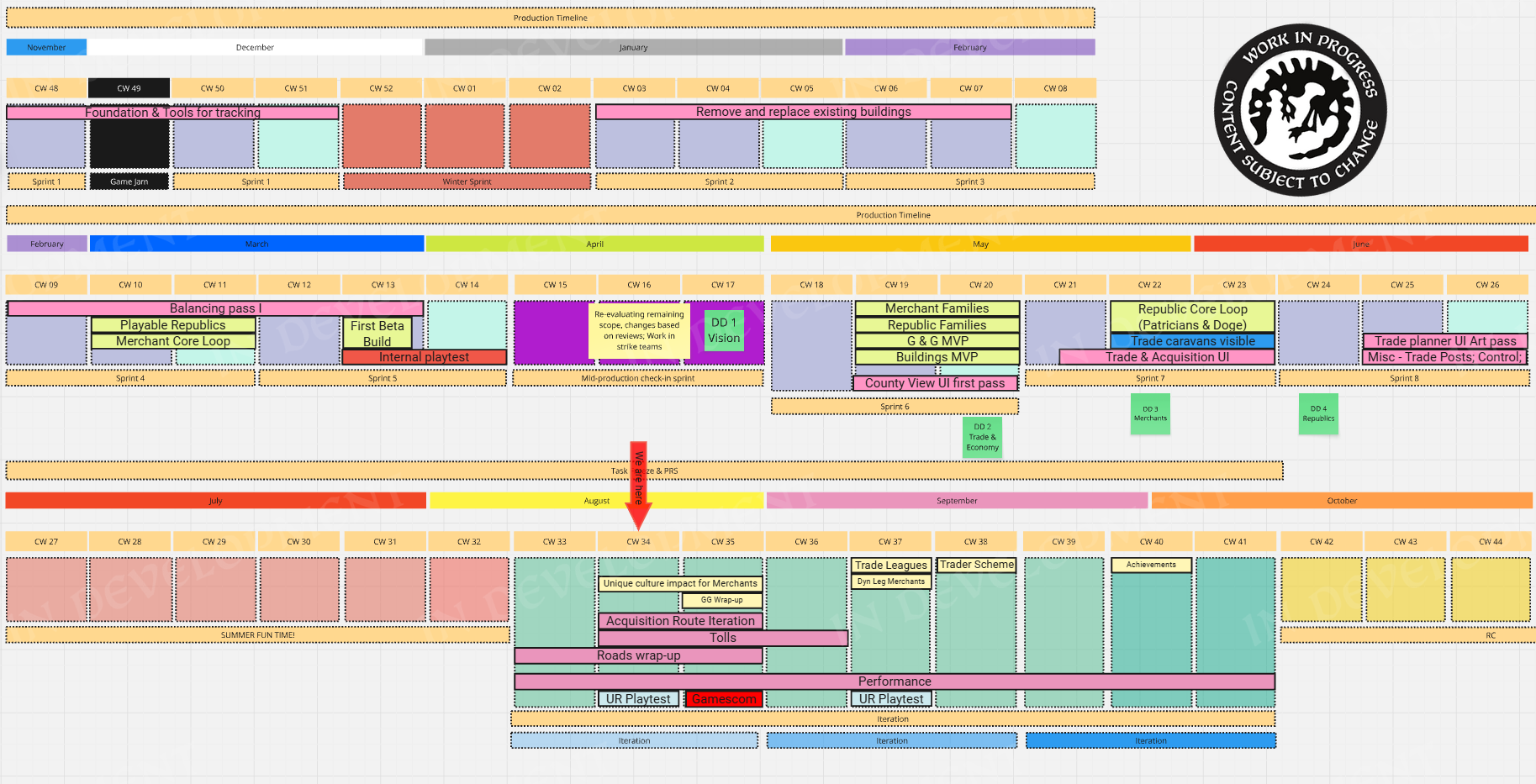
So long story short, iteration, the phase we are in now, is the phase where we are ensuring that everything is put together properly, and iterate on everything we have to get it to a releasable state. Now then, to talk about what we are looking into for iteration.

The first two changes we will talk about are our change to landed rulers and their relation with trade. Acquisition Routes, as we used to call the landed ruler trade, will be replaced by Distribution Routes. Previously, they had a limited form of trade, allowing them to engage in minor trade as a simplified version of the regular Profit Trade used by Merchants & Republics.
Instead, we are now making them a unique variant of trade that occurs before Profit Trade. In other words, these will remove a lot of the potential trades that traders would otherwise have access to.
Distribution Routes will allow Dukes and higher-tier rulers to connect two markets in their sub-realm where they own both market capitals, and trade all ‘Basic Trade Goods’ between them. The idea is that you will effectively combine all the simple things across areas, leaving Merchants and Republics with the fancier goods and the leftovers afterward.
So, for example, if you have 50 leftover Stone in Bohemia, but need 30 Wood, whereas in Moravia you need 15 Stone, and produce 80 Wood, the end result would be that you move over the exact goods you need and fulfill those needs, then keep the rest in their original market.
As of right now, the list of basic trade goods will be (trade good category, then trade goods:
Cereals (Grain, Rice, Millet)
Meat (Cured Meat, Fish)
Beasts of Burden (Horses, Cattle)
Basic Metals (Iron, Copper)
Precious Metals (Gold and Silver)
Carpentries (Wood and Hemp)
Stone (Stone)
The logic for which goods got tagged as ‘Basic’ is that they are either basic food needs (Cereals, Meat), regular construction and upkeep goods (Carpentries, Stone, Beasts of Burden), or things the crown would usually keep for themselves (Precious Metals, Basic Metals).
In other words, the difference between distribution routes and regular profit trade routes is that distribution routes:
Happens before profit routes
Can only trade in basic trade goods
But it always affects all of those basic trade goods (you don’t have to choose which ones)
Don’t use capacity (so it can move an infinite amount of goods)
Don’t use most modifiers; it’s a direct 1-1 link between two markets
And since I don’t think we’ve mentioned all the trade goods categories and trade goods yet, here’s the rest of the list (which cannot be used by distribution routes):
Comforts (Cheese, Fruit, Oil, Honey, Tea)
Salt (Salt)
Clothes (Textiles, Furs, Leather)
Fabrics (Wool, Cotton, Flax)
Dyes (Dyes)
Alum (Alum)
Luxury Items (Ceramics, Glass, Jewelry, Lacquerware, Silk)
Precious Stones (Gems, Amber, Ivory, Jade)
Medicaments (Medicaments)
Incense (Incense)
Luxury Consumables (Sugar, Spices)
Books (Books/Paper)
Alcohol (Wine and Beer)

One of the feedback points we’ve gotten is to increase the interaction between landed rulers and trade routes, so we are adding tolls. At the moment, they are still very much Work in Progress, but the idea is to have one price for the profit trade route owner to trade, and another that the market owner receives.
The market owner sets these in the market view, and it will affect all trades as of the next monthly ping. Then AI traders will figure out whether it is worth sticking around or starting to trade somewhere else, where they can keep more of their money.
For market owners, this will be reflected in their income as commerce taxes in the market capital, so if you have anything that boosts commerce taxes there, you will increase the amount of money you get from tolls.
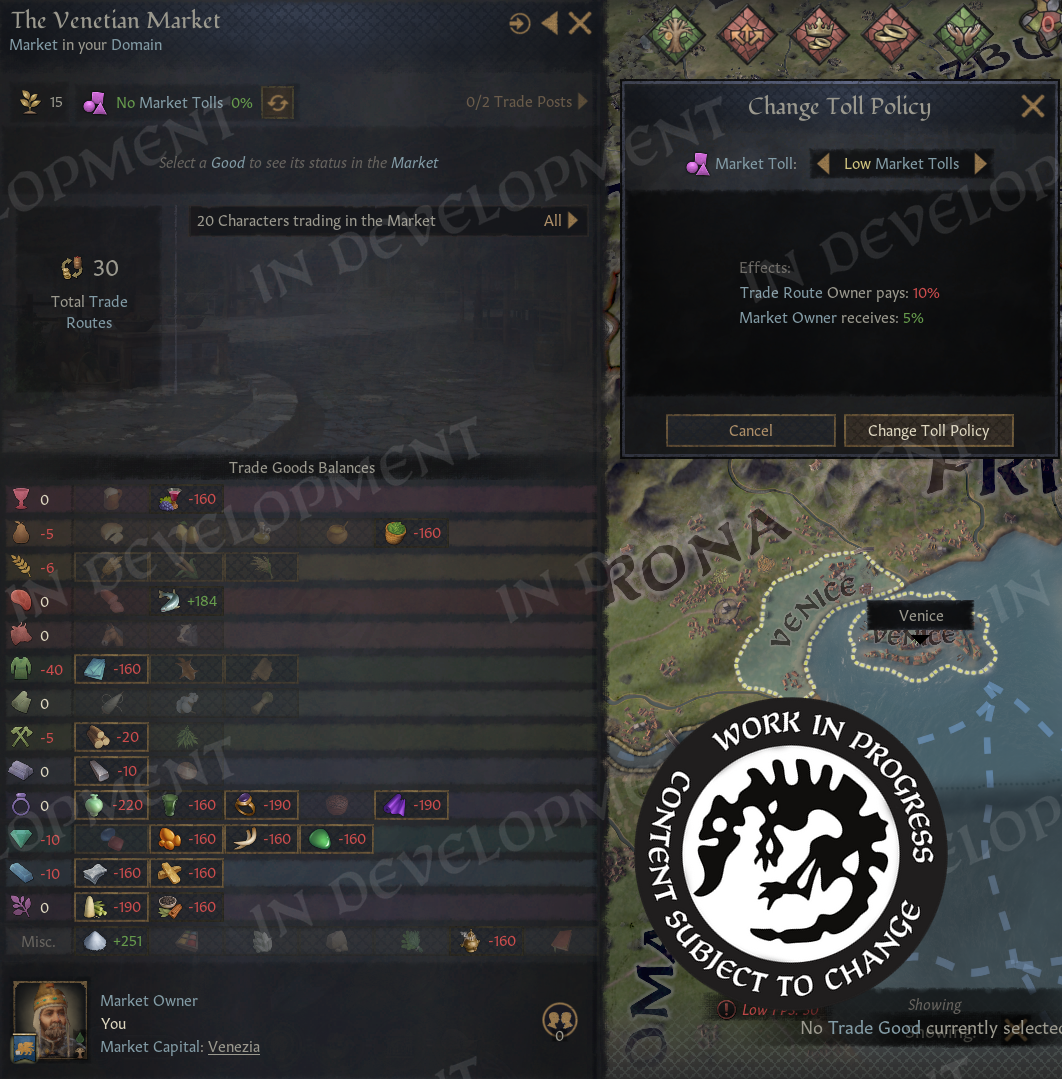
\[An overview of the Venetian Market in the current version of the game, with its needs (in red) and local production (green). Venice is also an entrepôt, more on that in the next section. I will also note that here numbers are extremely non-final]

I seem to recall we have mentioned Entrepôts before in a previous dev diary, but I will give a short explanation on how they work, so we’re all on the same page before moving on. Entrepôts are unique districts placed across the map in areas that were particularly well-known as centers for the sale of goods, cities such as Cairo, Baghdad, Constantinople, and Venice. They exist throughout the map, along the Silk Road.
Like most buildings, Entrepôts have needs that can be filled by traders. The difference here is these needs when filled will result in the trade good being resold. This enables goods to move further than they would usually be able to, by being imported from far away to an entrepôt and then being picked up by a second merchant who can bring them to markets even further away.
Since this means a trade good can move through the hands of multiple merchants and through multiple routes, it enables the kind of long range trade that existed even in the middle ages for some highly sought after goods.
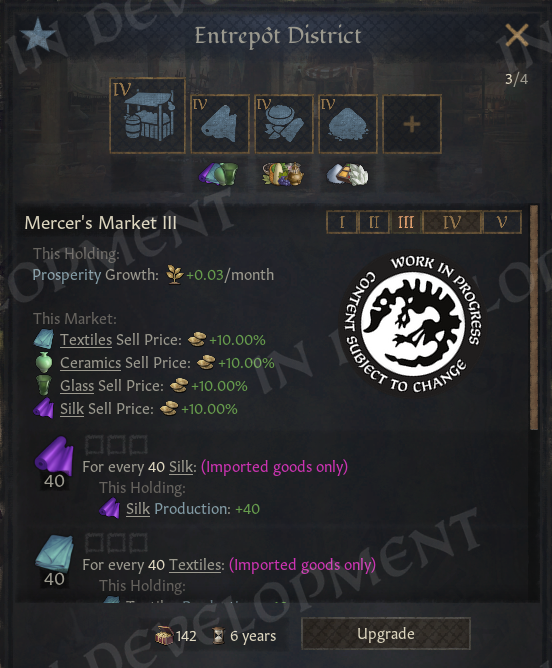
Our current goal is to make most goods that one would be able to trade in an entrepôt get a desired direction. We have currently had an issue where you could, in theory, circle-trade between two entrepôts over and over again with the same trade goods (as long as there are needs to fulfill). Our solution is to make a location the ‘origin’ for the trade goods that entrepôts deal with, and the needs of the Entrepôt building itself can then only be filled by goods that originate closer to the origin than the Entrepôt’s location
In other words, Silk would, for example, have its starting point somewhere in the east, then an Entrepôt on the Silk Road would only show its needs for trade routes that move silk from the east towards it. The province might have other silk needs, and those could be filled from any direction, but it would only resell silk that came from the east for further export. In other words, if you move Silk from Baghdad to Constantinople or Cairo, it is very unlikely you would have reason to move it back again to Baghdad. If you somehow managed it, then that silk would not be open for re-exporting again.
Another wrinkle to entrepôts is that they will fill their needs last in a province. Needs from local buildings will come first and only then does the entrepôt grab what can be resold to other merchants.
This is the only part of the trade system where we slightly force directionality (and again nothing stops goods from flowing in any direction, it is just that the entrepot won’t resell goods flowing “against the stream”) and it is not unlikely we will keep iterating on it depending on how it works out.

At the end of development for every DLC, we always try to find time to integrate it with older systems to ensure it feels like a more complete experience. This means taking a second stab at content that already exists in the game, particularly more systemic content. In other words, we focus more on cultural traditions, tenets, and lifestyles than we do on events.
Instead of speaking at length about each element, or what we do, I will just show some examples of things we have changed, updated, or created new versions of.
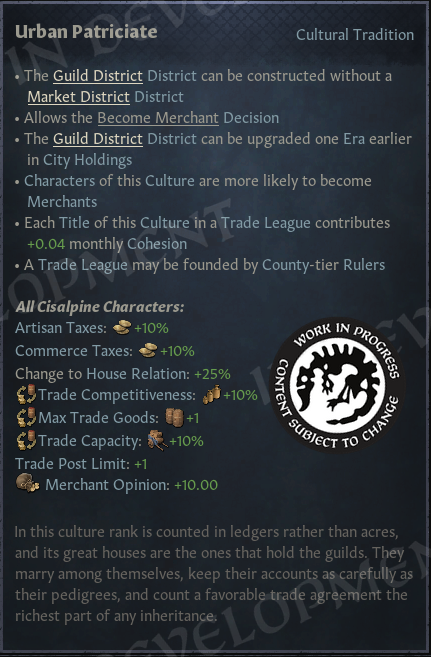
This is an example of one of the new traditions we have added related to Trade. The idea is to both update old traditions when that is relevant for the new economy for all rulers and to have some new traditions that are more directly relevant for merchants.
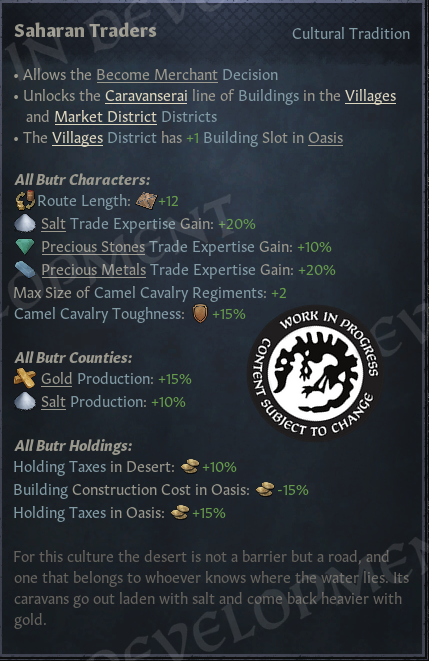
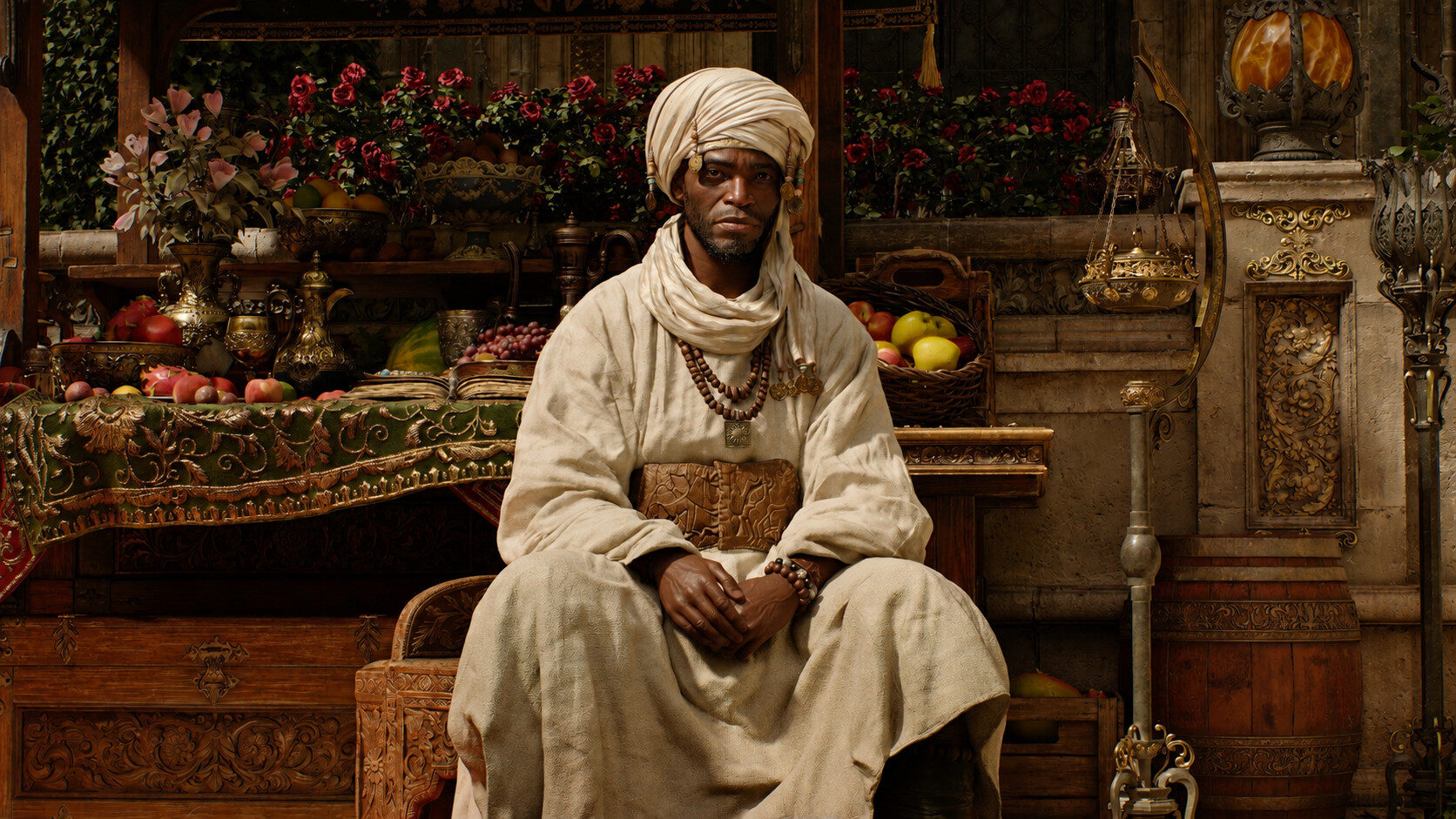
Saharan traders is another example of a tradition that will cater to characters engaging with trade as merchants, though like all traditions is also has other effects, like allowing for more buildings in the villages district. The extra building slot is applied from the first district level, so it both allows twice as many buildings from the get go and an extra in total to the normal 4 buildings per district.
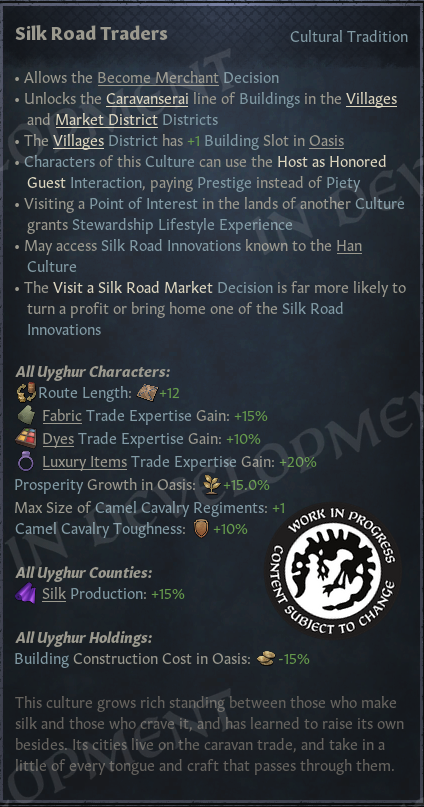
Yet another example of one of the new cultures we are working on is this one that relates to trading on the Silk Road. We will also revise the amount of oasis terrain in this part of the world to make some of the oasis related bonuses more relevant.
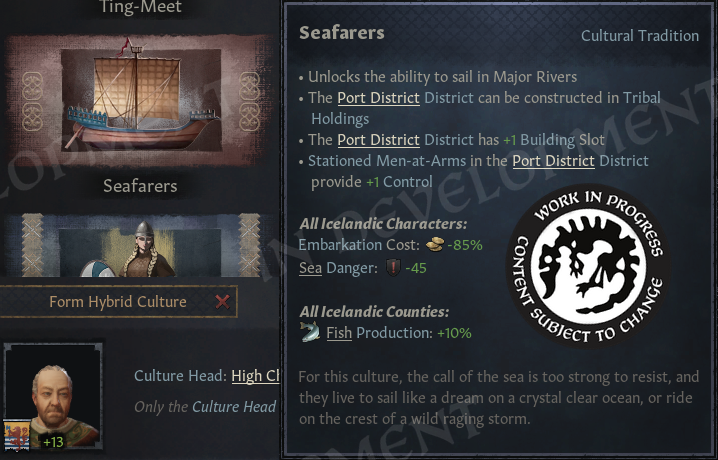
Updating old traditions is also something that is pretty much a necessity when revamping how the local economy works. Seafarers will now have most of their benefits tied to the port district instead.
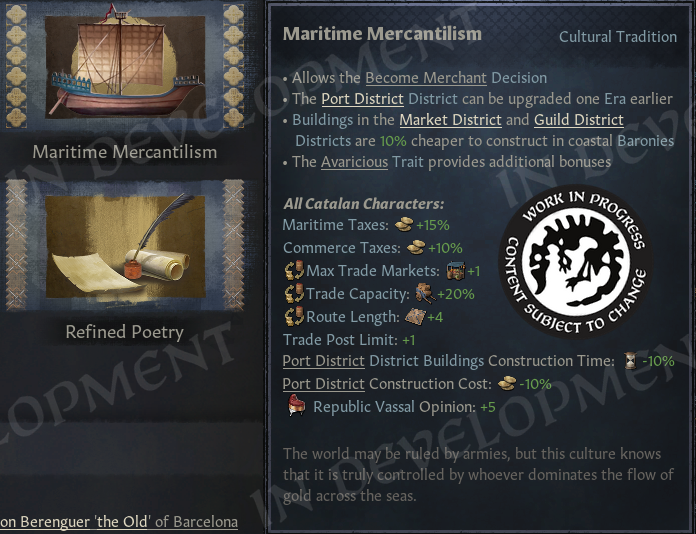
Another example of an updated tradition, Maritime Mercantilism still ties together nicely with seafarers but has more of a direct merchant and republic focus.
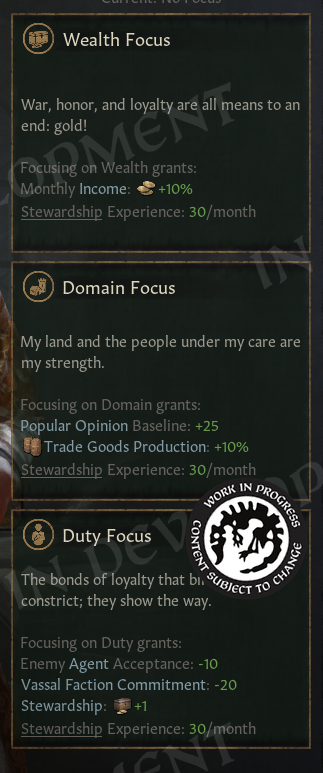
Lifestyle focuses will also be given a do-over as part of the general economy updates and the new systems.
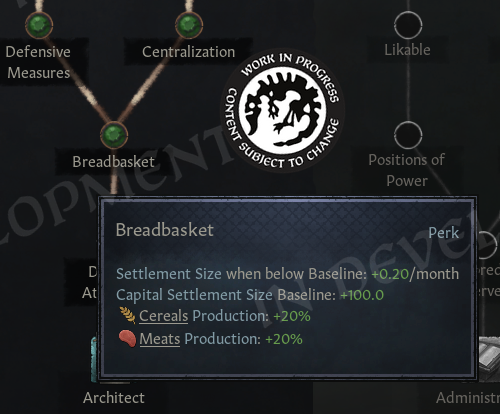
Same for the individual perks. Breadbasket here is something that will make it easier to grow and feed your cities to be bigger.
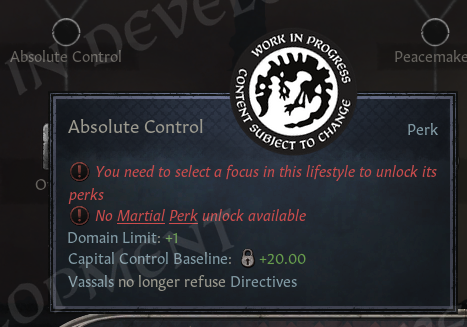

One of the major things we want to fill in more of for the iteration is simply systemic content, to push the narratives we want to push, in other words:
More interactions between traders and rulers
More interactions between traders
More schemes between traders
More schemes about markets
More decisions for both types of traders
New laws and decrees for republics
For merchants, we are looking to ensure they have the right amount of content to both work with and against other merchants worldwide, so it feels like you are truly competing with them. But also seeing if we can add interesting positive ways of working together, as the Cairene Geniza did in real life.
For republics, we are looking into making sure that the politics and house relations among the different patricians in a city feel interesting. In other words, ensuring that it feels like you are part of a living city, rather than an empty one where nothing is happening.

So, what is the current state of Silk & Silver? It is reaching a point where it is becoming quite playable, and we are starting to see our internal QA have fun with it, both as the new government types and regular landed rulers. We are still working on balancing the game, finding things we are missing, and cleaning up everything.
At this point, everything is coming together, so things will be in flux for us over the next few months as we properly sort out performance, fix bugs, and hook everything together. Without further ado, I’ll just add some pictures of EP5 and what it looks like now.
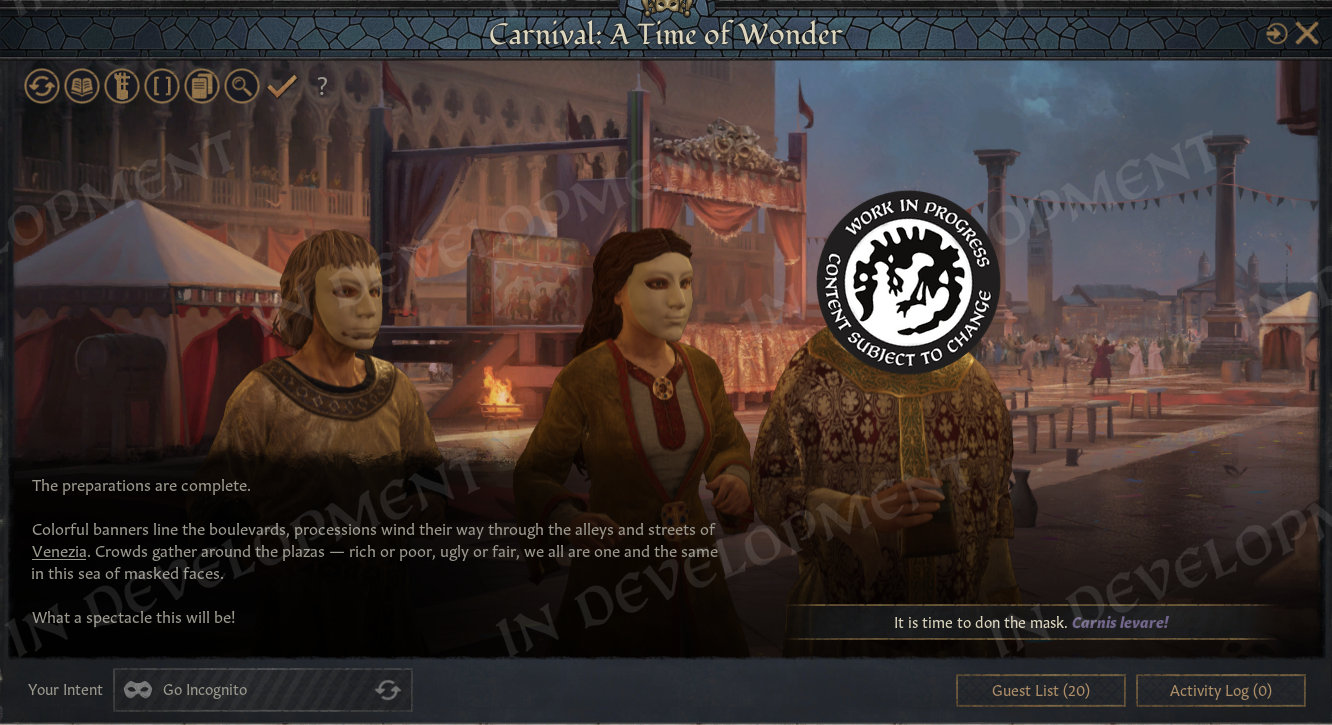
Screenshot of the new Italian Carnival activity and its associated art, which is coming along nicely.
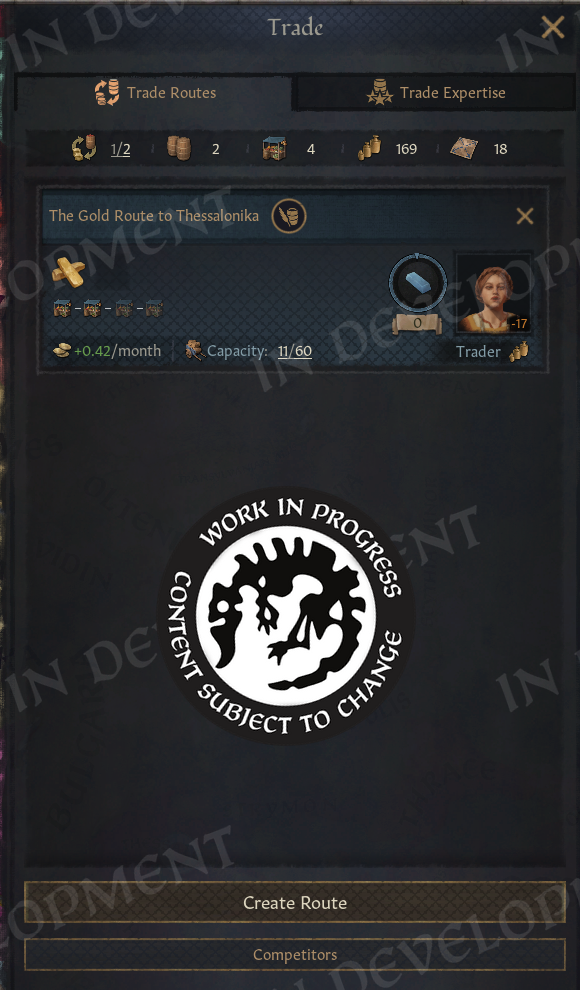
If there is a high demand for it in range for your trade routes Gold is one of the more profitable goods a merchant can trade in, as long as you can compete your way to a nice share of the production. Here is a route where gold is being brought from the Siderokausia mines to the mint in Constantinople.
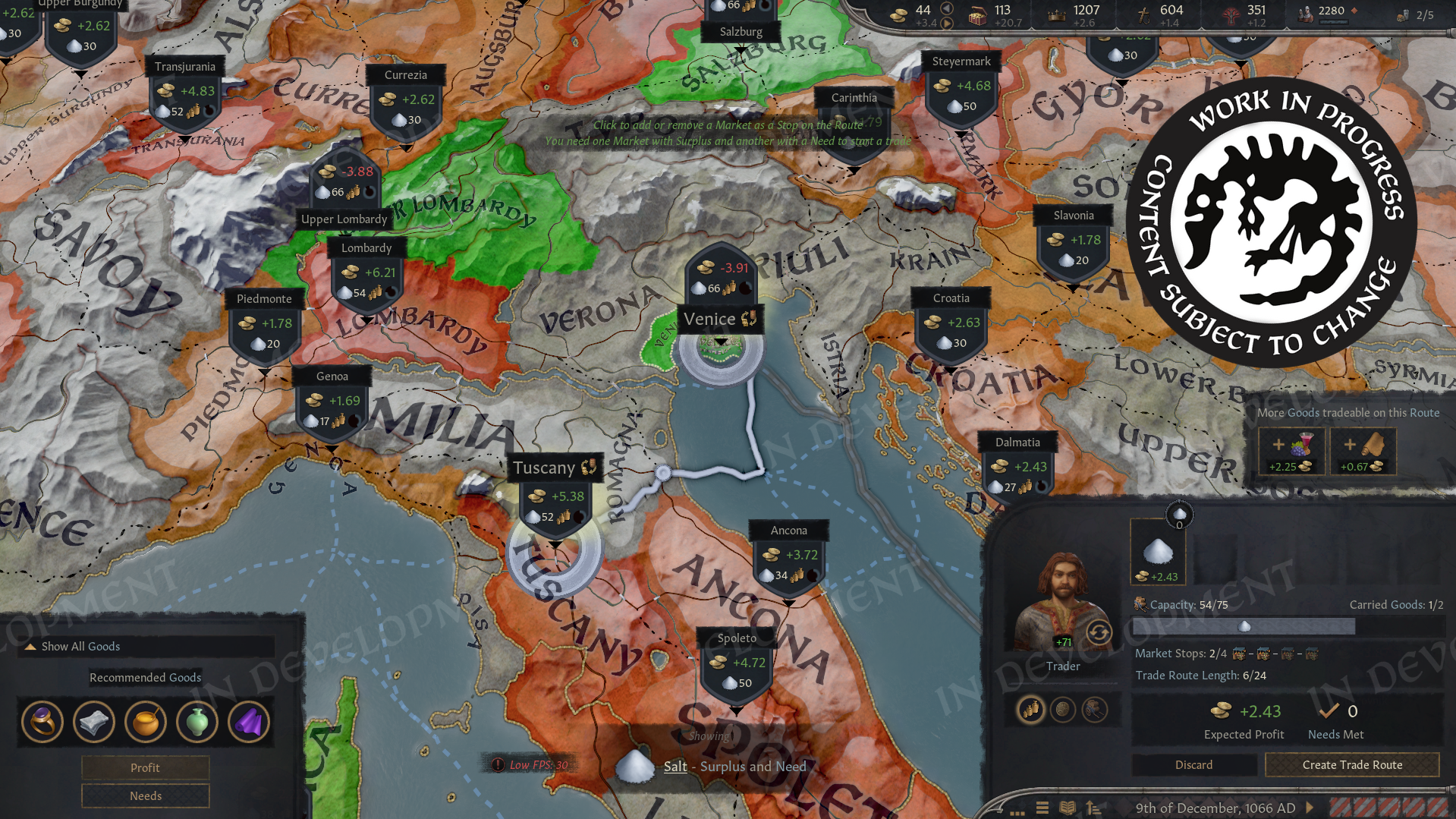
Salt demand and surplus. Here a Venetian merchant is providing salt from the lagoon to the market in Tuscany.
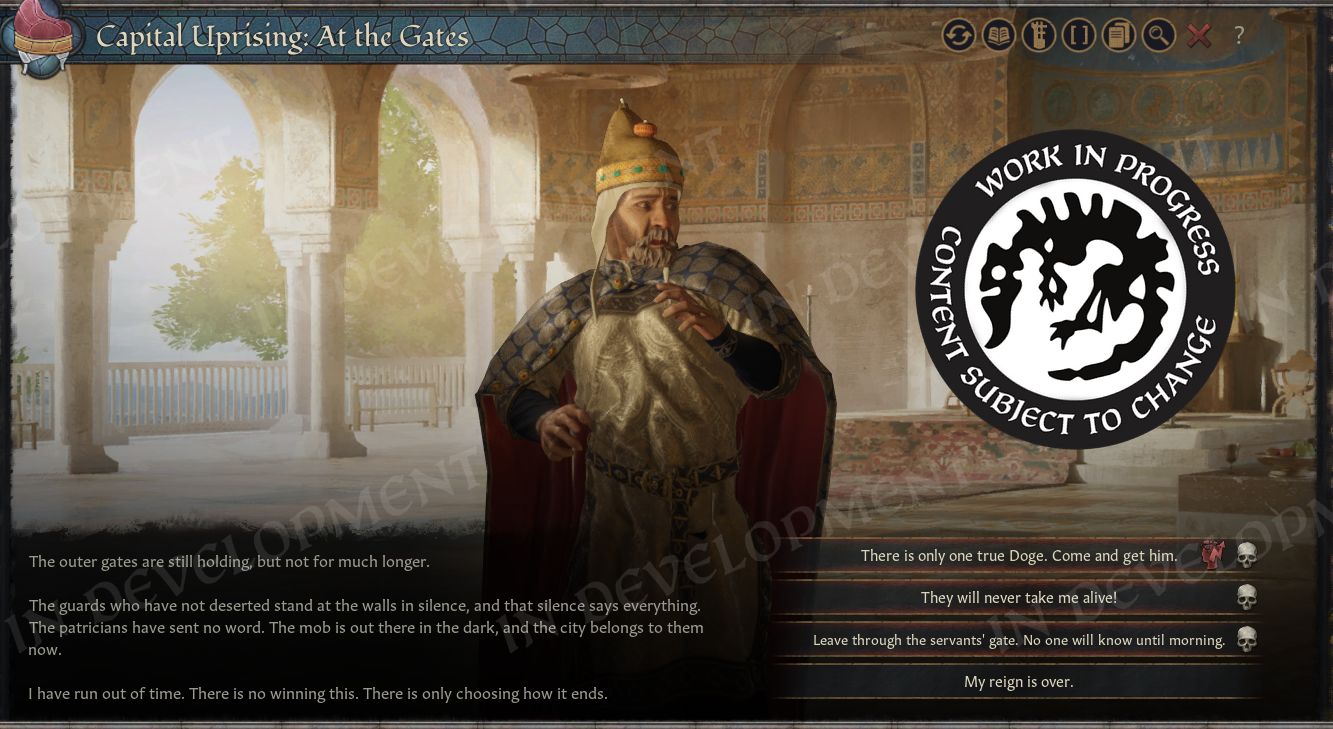
As a Republic it is an especially good idea to keep an eye on popular opinion and control in your capital, otherwise bad things can happen.
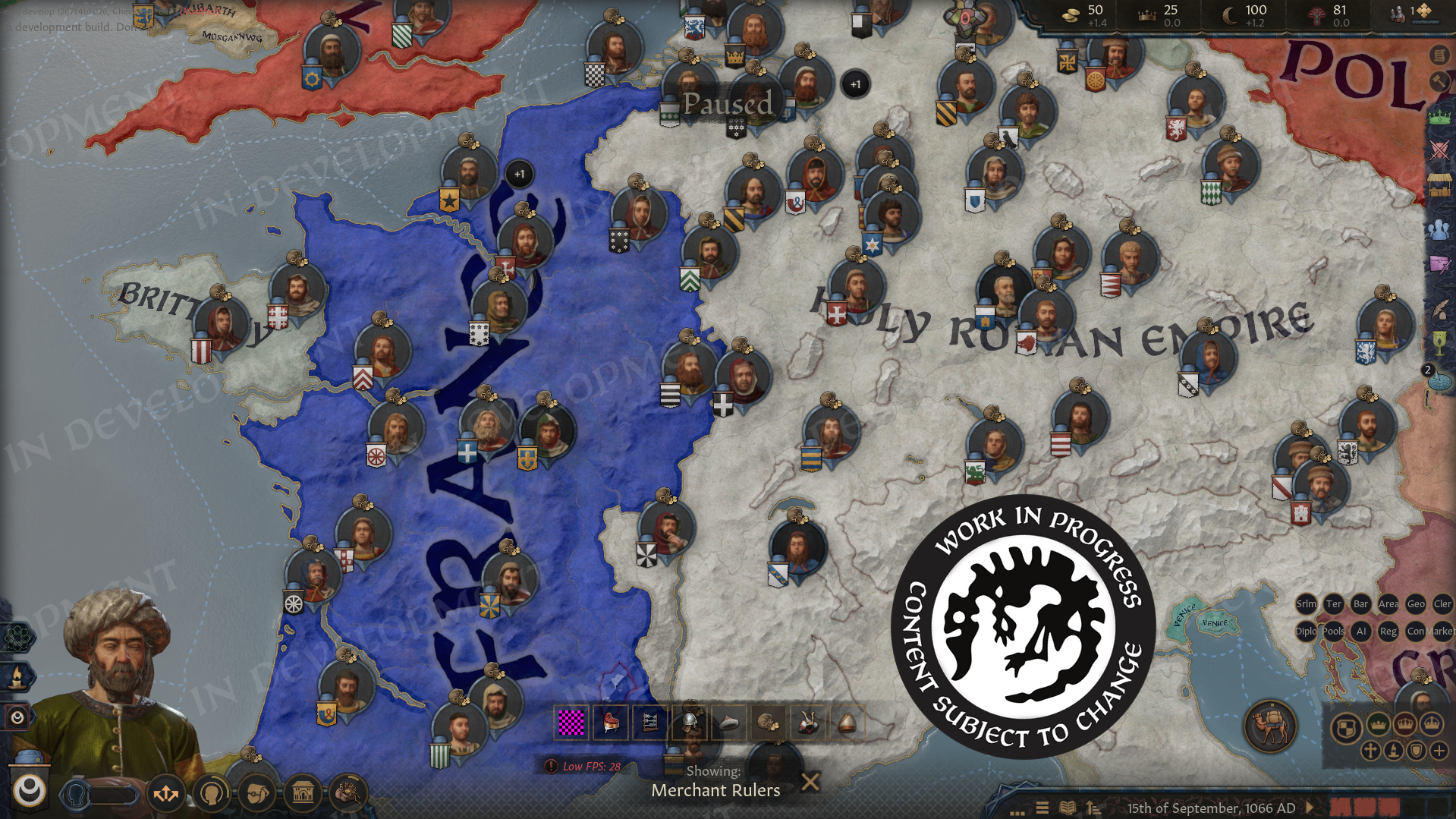
In 1066 there are already quite a lot of Merchants (not counting Republican patricians) in Western Europe, numbers are still subject to change and balancing the economy.
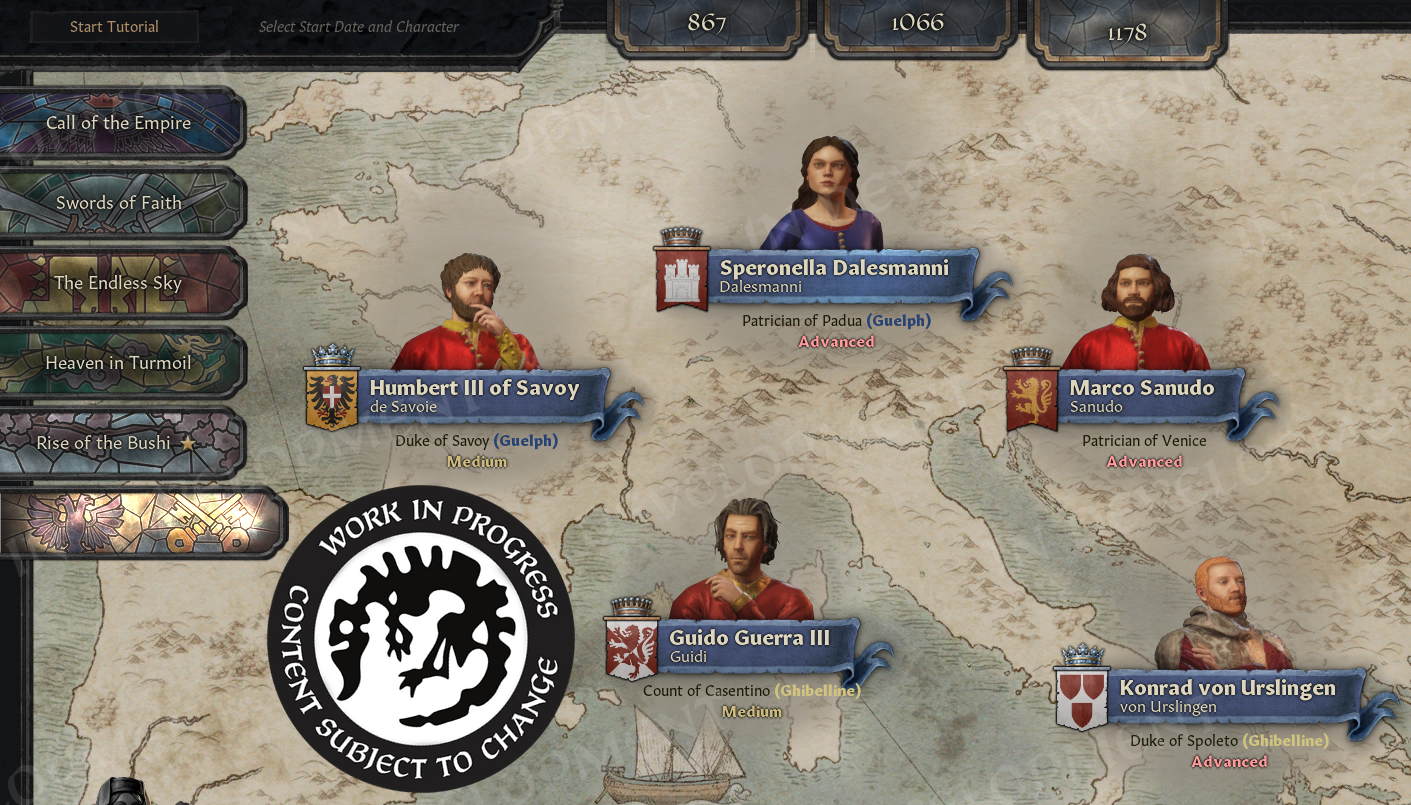
Iteration has also brought with it a new bookmark for Northern Italy in 1178, an interesting time and place for our new Republic gameplay especially. It also throw you right into an interesting phase of the new Guelphs and Ghibelines situation.
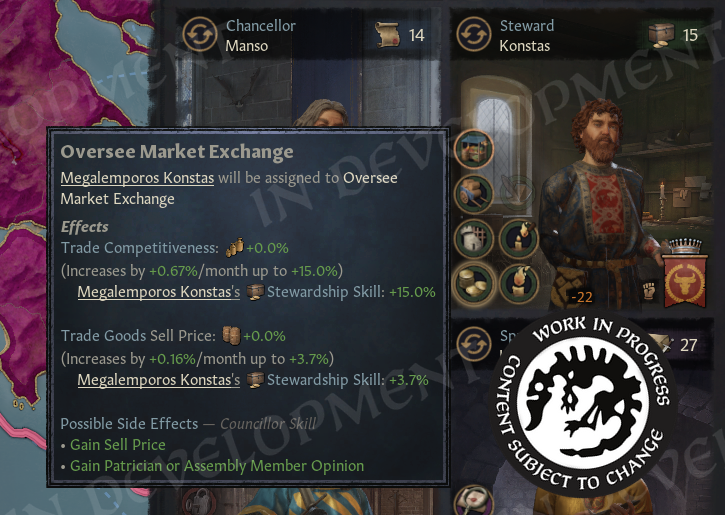

I know this has been a bit of a weird dev diary, but hopefully you’ve enjoyed this little peek into how we work and what we are working on going forward. I am writing this right before going to Gamescom, approximately a week before it comes out. We are also running some user research tests while I am gone, so we will continue to see what is needed as we iterate.
We will be back in two weeks after this dev diary is released to talk more about merchants and republics, and hopefully with some more streams down the line once By God Alone has been released. Hope to see you again soon.
What's Your Reaction?









![[Business Talk] Chagee: Opening 3,500 stores in 6 years](https://xinker.org/uploads/images/202410/image_140x98_671afce94bf91.webp)