

![[PRO Tips] Gold’s Bullish Revival: Seasonal Trends and Key Levels to Watch](https://xinker.org/uploads/images/202412/image_430x256_67724cc6ad0cd.webp)
![[PRO Tips] Gold Market Under Short-Term Pressure, Safe-Haven Demand and Central Bank Buying Support Long-Term Upside Potential](https://xinker.org/uploads/images/202412/image_430x256_676ffb4685287.webp)
![[PRO Tips] Analysis of 9 key points of differentiation strategy! Master differentiation to create a brand advantage that is unique in the world!](https://firebasestorage.googleapis.com/v0/b/xinker-tips.appspot.com/o/article_thumbnails%2Fscaled_differentiation%20strategy.png.png?alt=media&token=a1bfc3d2-e85a-4db7-8a6d-01c7274f8940)
![[PRO Tips] Will REITs regain growth momentum in 2024? 3 REITs ETFs you must know if you want to invest in real estate.](https://firebasestorage.googleapis.com/v0/b/xinker-tips.appspot.com/o/article_thumbnails%2Fscaled_REITs1.png.png?alt=media&token=8af4eb93-33ff-466f-8039-b6555fad52b4)
![[PRO Tips] Complete tutorial on how to make money in Adobe Stock!](https://firebasestorage.googleapis.com/v0/b/xinker-tips.appspot.com/o/article_thumbnails%2Fscaled_tut-adobe1.png.png?alt=media&token=0b2c8cf2-22bd-4142-883e-140ed1cbaf02)
![[Passive Income] Unlock the secret of passive income: 3 steps to apply for Google AdSense](https://xinker.org/uploads/images/202410/image_430x256_6717a4fb3052b.webp)
![[Passive Income] Earn over $200 a day with AI-generated articles!](https://firebasestorage.googleapis.com/v0/b/xinker-tips.appspot.com/o/article_thumbnails%2Fscaled_article1.png.png?alt=media&token=f61bf35b-8553-4719-826d-7360024adc70)
![[Passive Income] Earn over 20 USD per download with AI-generated images!](https://firebasestorage.googleapis.com/v0/b/xinker-tips.appspot.com/o/article_thumbnails%2Fscaled_adobe2.png.png?alt=media&token=3e20e76a-a907-45af-80aa-bf9b3600301f)
![[Passive Income] Earn 10 USD per new download by sharing CapCut!](https://firebasestorage.googleapis.com/v0/b/xinker-tips.appspot.com/o/article_thumbnails%2Fscaled_capcut2.png.png?alt=media&token=a04dec40-1fac-4857-86f2-19a8be02d38e)
![[Passive Income] Use your WiFi to create passive income in 5 minutes, and you can earn 4-6 U per day!](https://firebasestorage.googleapis.com/v0/b/xinker-tips.appspot.com/o/article_thumbnails%2Fscaled_Grassio.webp.png?alt=media&token=7659a95e-0e47-4f27-a17d-c942ac3cf7f4)


![[Business Talk] The Unique Theme of XINKER's Song: Beef Wellington and Business Mastery](https://xinker.org/uploads/images/202410/image_430x256_671afc155f47f.webp)
![[Business Talk] Chagee: Opening 3,500 stores in 6 years](https://xinker.org/uploads/images/202410/image_430x256_671afce80c5f9.webp)


Monthly Decals for June!
Hey again everyone! We’re happy to be back with some new unlockable decals for June! We have a handful of new inscriptions this time around, all three of which were suggested by you! So as always keep the suggestions coming, if the decal is fitting and interesting we try and work them into future plans where possible.We’re happy to reintroduce Foxy Few and the Finnish bat which were previous monthly favorites, and we hope you like the new La Surprise emblem as well. We’ll add a few more French ship badges to the game permanently in the next major update, so look out for those too!The following decals are available from June 11th (11:00 GMT) until July 9th (09:00 GMT).All tasks can be completed using vehicles that are rank III or higher.Hot Stuff! Inscription, AustraliaLa Surprise Emblem, FranceFinish in position 1-3 three times using British or Australian AircraftScore 20000 Damage while using French Coastal VesselsHot Stuff! Inscription"Hot Stuff!" Inscription, No. 78 Squadron, RAAF. No. 78 Squadron was formed on the 20th of July 1943 in Camden, New South Wales. It was the 4th RAAF Kittyhawk Squadron established in 1943, and became operational on the 27th of November after its new P-40 models were supplied. The Squadron would perform a wide variety of duties, from escort missions over New Guinea to dive bombing and strafing runs against Japanese anti-aircraft positions. As a typical jovial Aussie marking, "Hot Stuff!" was rather aptly painted under the engine exhaust on P-40 A29-574, code HU-Q. La Surprise EmblemAn emblem of the frigate La Surprise, French Navy. This especially unique emblem went through several revisions in shape and style, and represented both the ex-River class La Surprise frigate and the wartime Chamois-class minesweeper of the same name. While the scene the badge is referencing is over two thousand years old, this badge is likely a more contemporary reference to the 1836 painting "Diane surprise au bain" (Diana Surprised in Her Bath) by French artist Jean-Baptiste-Camille Corot. The scene depicts Actaeon from Greek myth stumbling upon Diana in a grotto. As punishment for being disturbed while bathing, Diana splashes Actaeon with water, which causes him to sprout horns on his head where the water landed — certainly a surprising event for all involved.“Young Pioneers” Emblem, USSR“79ª Brigata Garibaldi” Inscription, Italy“Invaders must be crushed” Inscription, ChinaDefeat 50 players using USSR TanksDefeat 40 players using Italian Light TanksDefeat 20 players using AAMs while flying Chinese Aircraft"Young Pioneers" Emblem"Young Pioneers" emblem "ВСЕГДА ГОТОВ" (Always Ready), Soviet Army. In 1941, pupils of School No. 102 in the Kirovsky District of Gorky issued a wide public appeal to raise funds in order to build a tank named "Горьковский Пионер" (Gorky Pioneer). Schools across the region responded enthusiastically, donating their funds and scrap metal to the appeal, and within a few months had raised 250,000 rubles. Their brand-new T-34 was built at Factory No. 112 in Gorky and was formally handed over to its new crew on the 18th of January 1942. The emblem was painted on the rear of the turret on their T-34, derived from the original badge of the Pioneers. The crew of the Gorky Pioneer would later write back to the fundraisers, expressing their gratitude and noting how their tank at the time had already destroyed 6 guns, 1 tank, 5 automobiles, 10 mortars, and 12 machine guns.“79ª Brigata Garibaldi” Inscription"79ª Brigata Garibaldi" (79th Garibaldi Brigade) inscription, Corpo Volontari della Libertà (Volunteers of Freedom Corps). The Garibaldi Brigade was a partisan unit of the Italian Resistance, predominantly active in the Piedmont and Lombardy regions of northern Italy, where it fought against the occupying German forces and their collaborators. As the partisans were not formally issued with any armored vehicles, their fleet was made up of light vehicles that had been commandeered from the Axis forces. This practice began in early 1945, when the focus shifted from destroying enemy armor to capturing it, resulting in the acquisition of several AB 41 and AB 43 armored cars which they used to liberate cities in the north. The vehicle markings of the Brigade primarily consisted of inscriptions rather than emblems; this inscription was painted on the upper hull of one of their armored cars sometime in 1945.“Invaders must be crushed” Inscription"Invaders must be crushed" inscription (務殲入侵之敵), PLAAF. During the 1960s, the practice of inscribing aircraft with intimidating slogans became steadily more common. The practice was decentralized but encouraged, and many PLAAF pilots decorated their aircraft with similar inscriptions in various styles. In this example, the text is written in a cursive style called "草書體" or "grass script," with more fluidly drawn characters. This specific inscription was taken from the directive statement written to the Air Force on December 18th 1957, which later
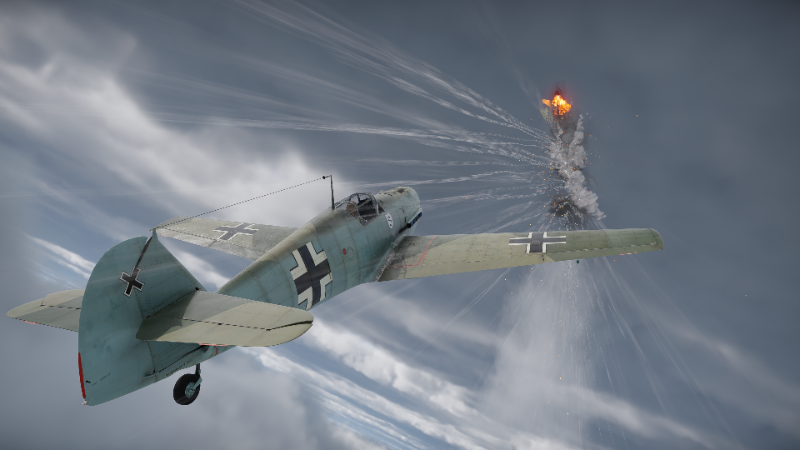
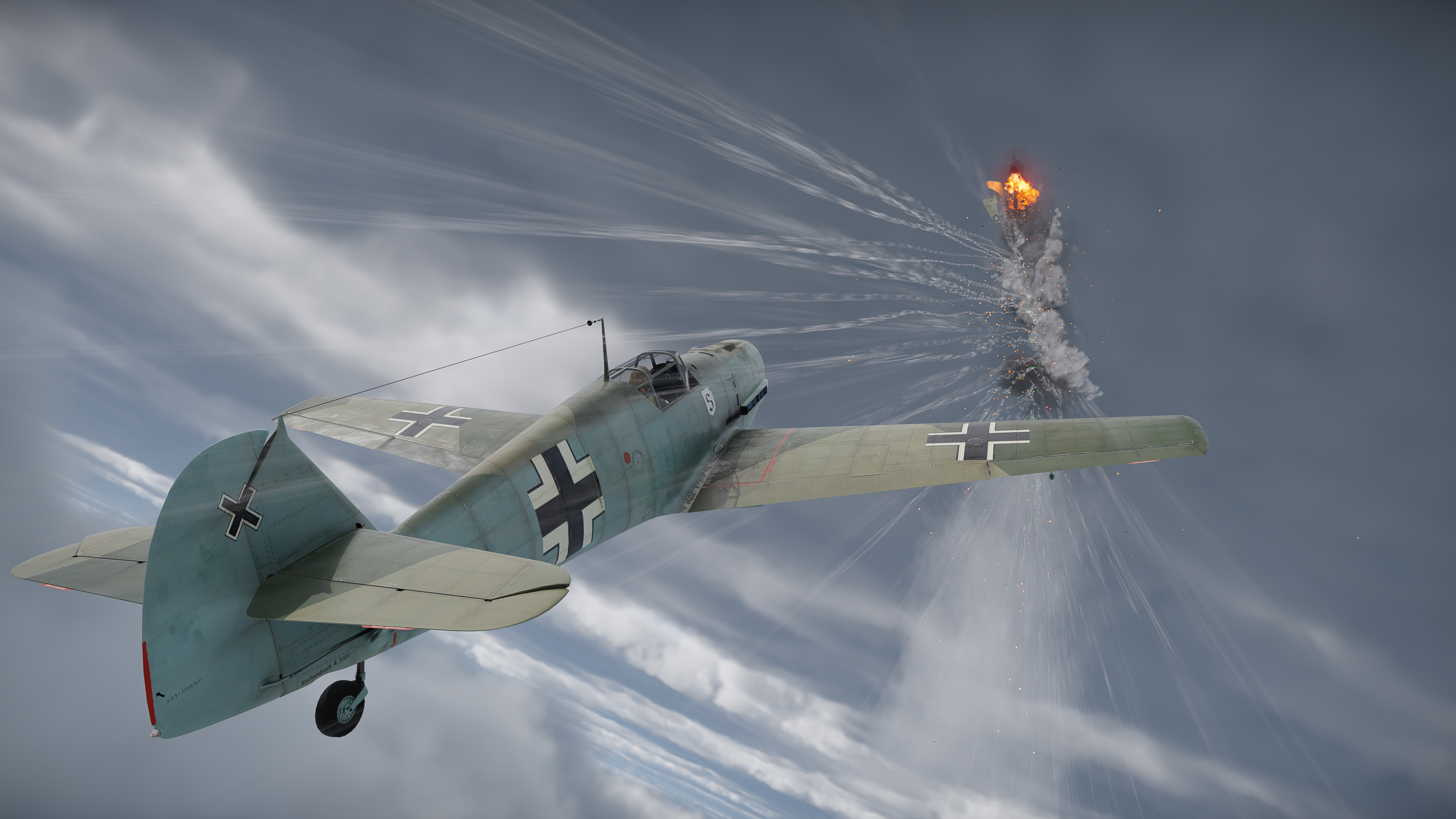
Hey again everyone! We’re happy to be back with some new unlockable decals for June! We have a handful of new inscriptions this time around, all three of which were suggested by you! So as always keep the suggestions coming, if the decal is fitting and interesting we try and work them into future plans where possible.
We’re happy to reintroduce Foxy Few and the Finnish bat which were previous monthly favorites, and we hope you like the new La Surprise emblem as well. We’ll add a few more French ship badges to the game permanently in the next major update, so look out for those too!
The following decals are available from June 11th (11:00 GMT) until July 9th (09:00 GMT).
All tasks can be completed using vehicles that are rank III or higher.
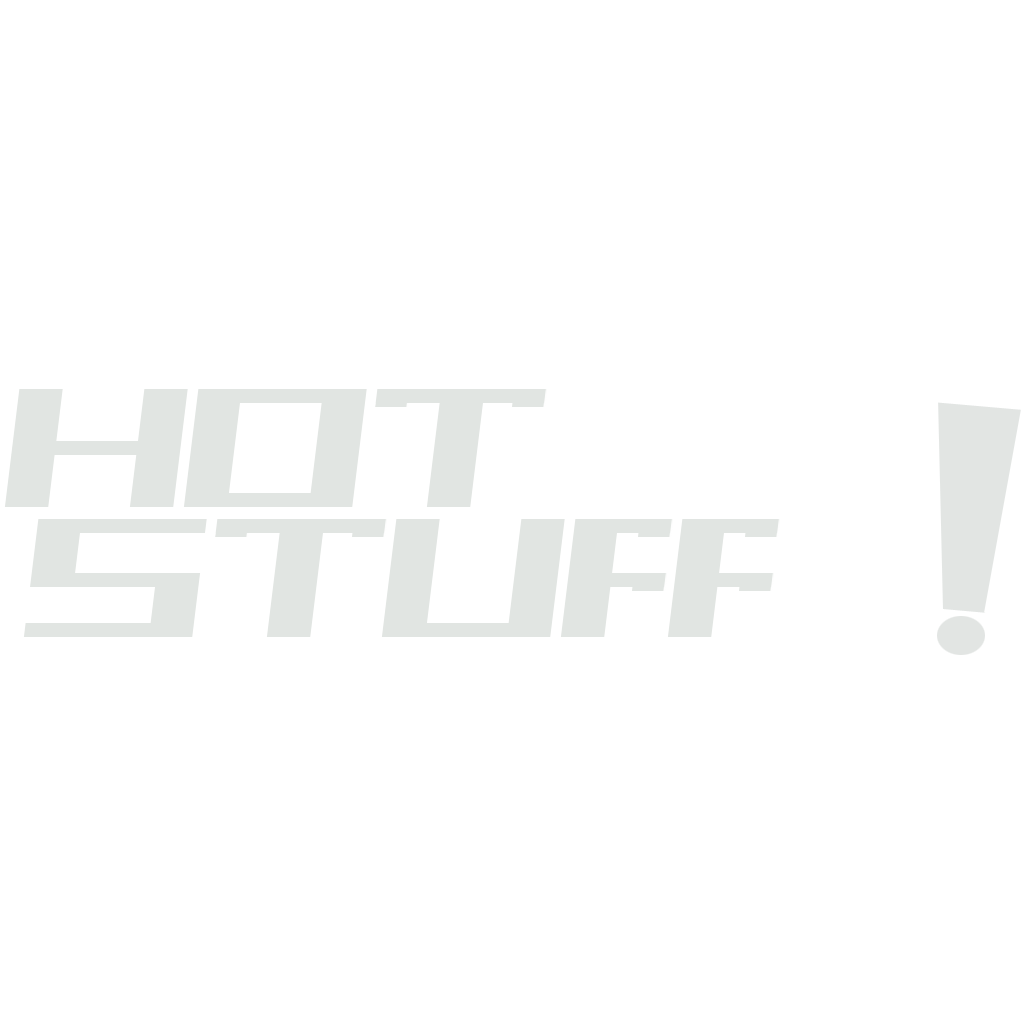
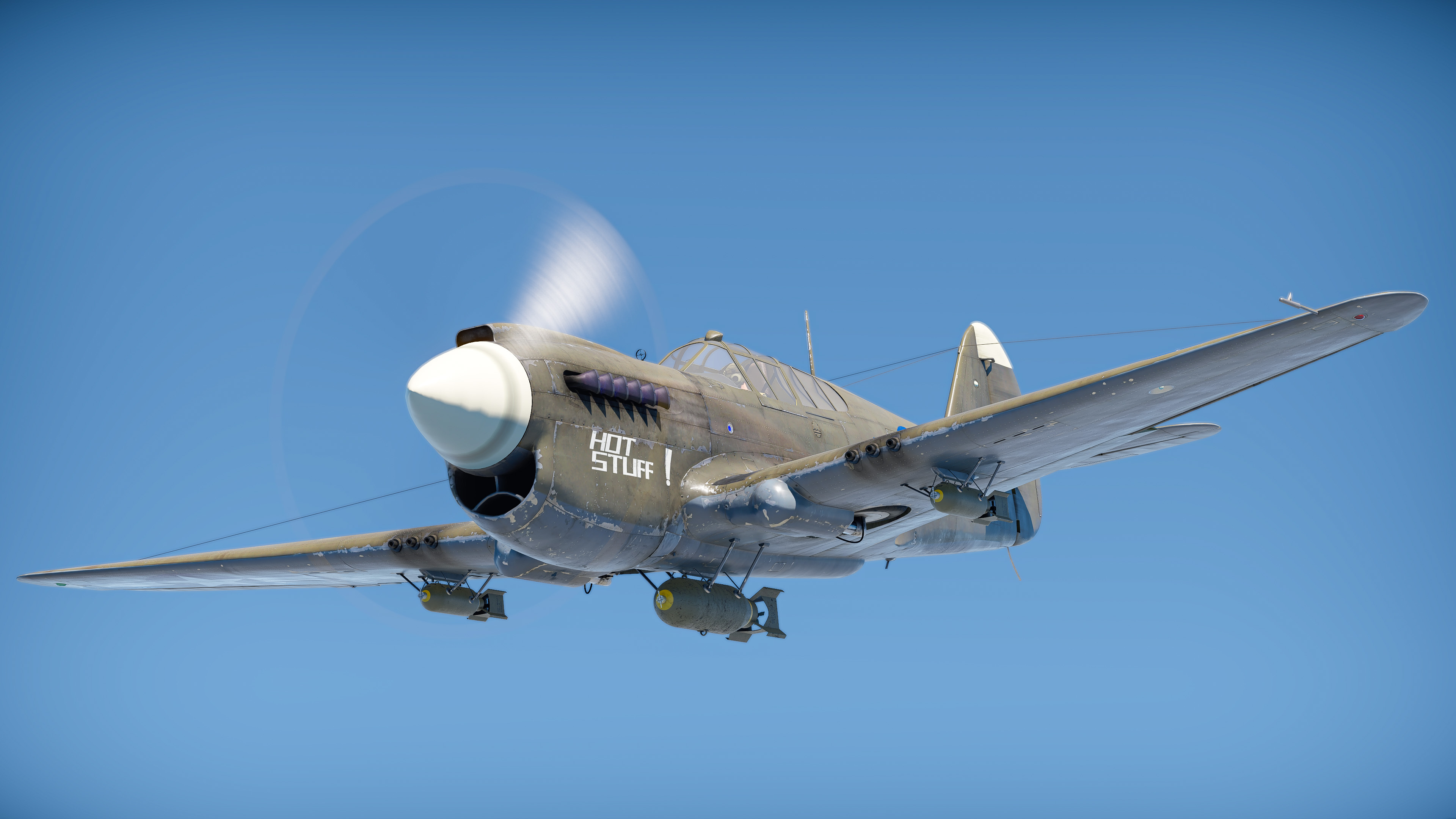
Hot Stuff! Inscription, Australia
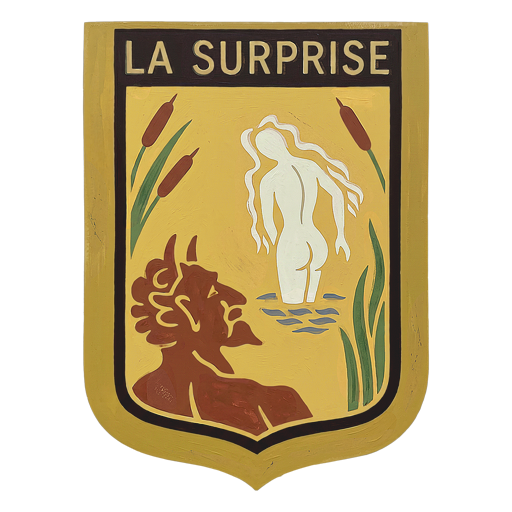
La Surprise Emblem, France
Finish in position 1-3 three times using British or Australian Aircraft
Score 20000 Damage while using French Coastal Vessels
"Hot Stuff!" Inscription, No. 78 Squadron, RAAF. No. 78 Squadron was formed on the 20th of July 1943 in Camden, New South Wales. It was the 4th RAAF Kittyhawk Squadron established in 1943, and became operational on the 27th of November after its new P-40 models were supplied. The Squadron would perform a wide variety of duties, from escort missions over New Guinea to dive bombing and strafing runs against Japanese anti-aircraft positions. As a typical jovial Aussie marking, "Hot Stuff!" was rather aptly painted under the engine exhaust on P-40 A29-574, code HU-Q.
An emblem of the frigate La Surprise, French Navy. This especially unique emblem went through several revisions in shape and style, and represented both the ex-River class La Surprise frigate and the wartime Chamois-class minesweeper of the same name. While the scene the badge is referencing is over two thousand years old, this badge is likely a more contemporary reference to the 1836 painting "Diane surprise au bain" (Diana Surprised in Her Bath) by French artist Jean-Baptiste-Camille Corot. The scene depicts Actaeon from Greek myth stumbling upon Diana in a grotto. As punishment for being disturbed while bathing, Diana splashes Actaeon with water, which causes him to sprout horns on his head where the water landed — certainly a surprising event for all involved.
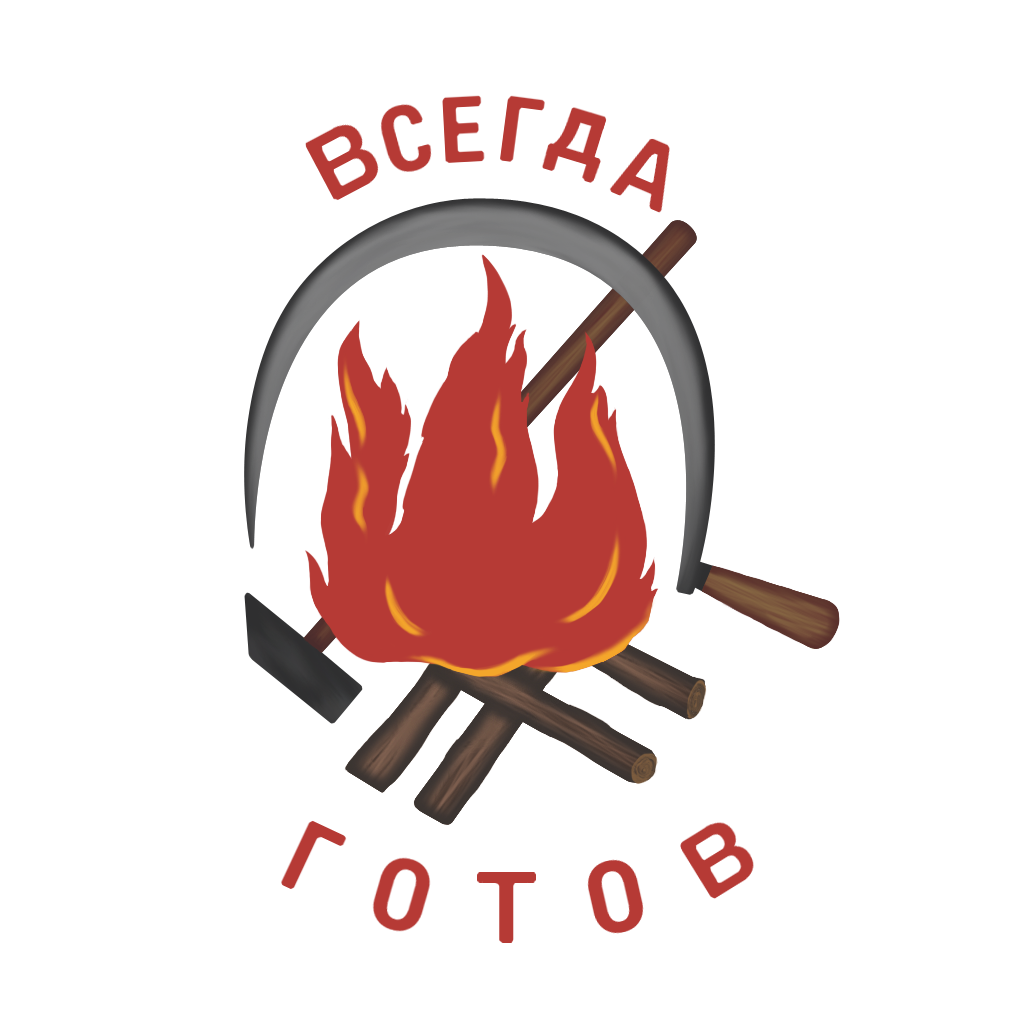

“Young Pioneers” Emblem, USSR
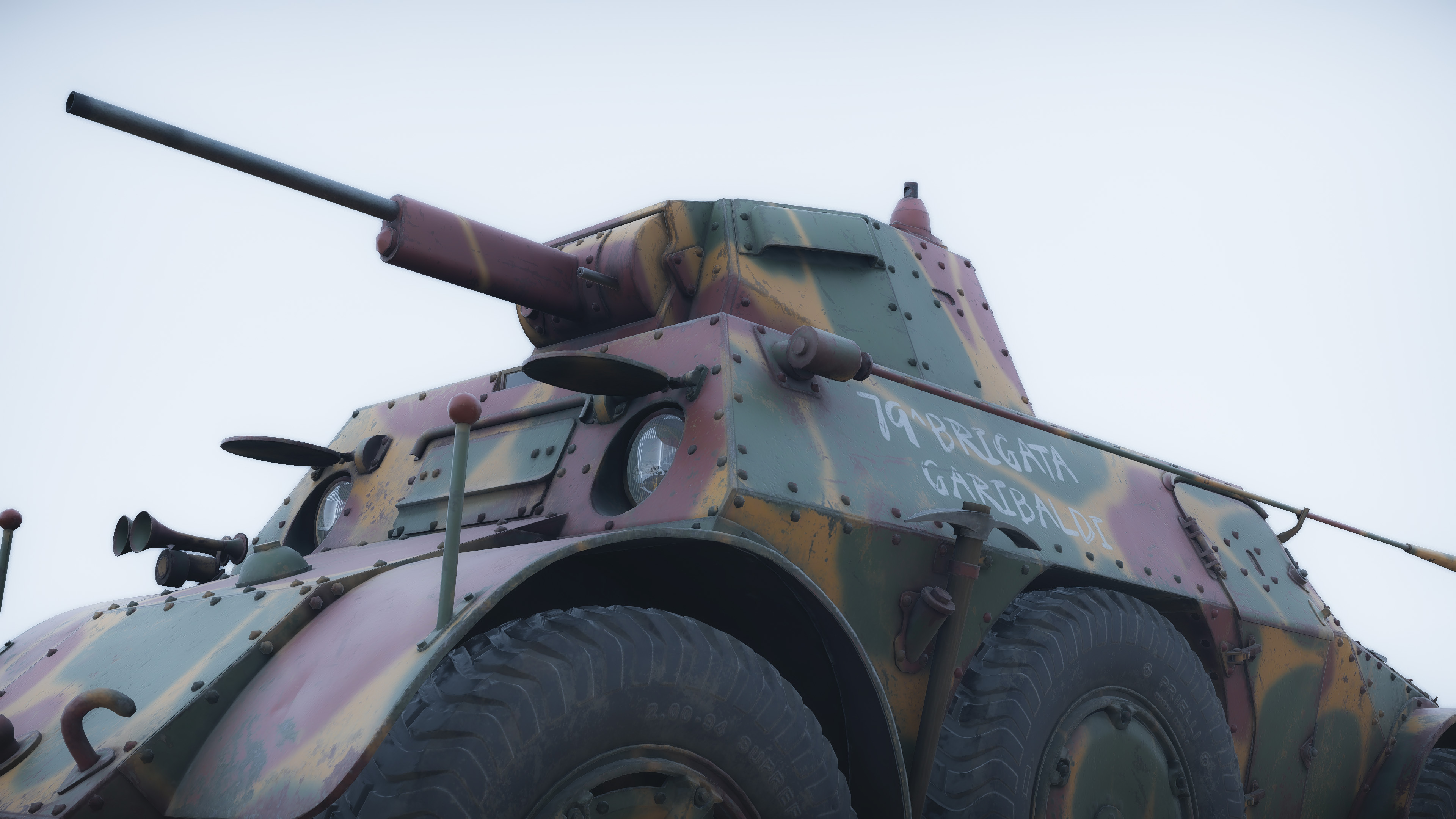
“79ª Brigata Garibaldi” Inscription, Italy
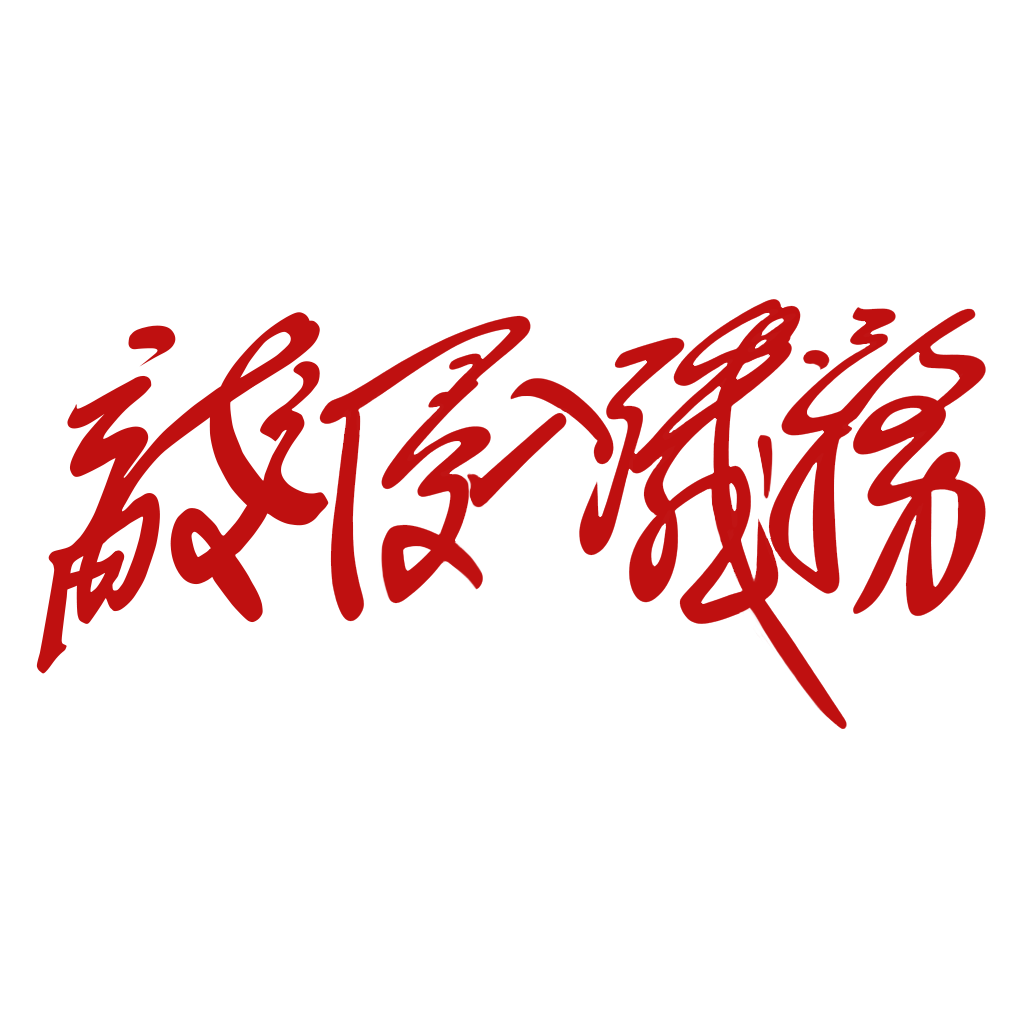
“Invaders must be crushed” Inscription, China
Defeat 50 players using USSR Tanks
Defeat 40 players using Italian Light Tanks
Defeat 20 players using AAMs while flying Chinese Aircraft
"Young Pioneers" emblem "ВСЕГДА ГОТОВ" (Always Ready), Soviet Army. In 1941, pupils of School No. 102 in the Kirovsky District of Gorky issued a wide public appeal to raise funds in order to build a tank named "Горьковский Пионер" (Gorky Pioneer). Schools across the region responded enthusiastically, donating their funds and scrap metal to the appeal, and within a few months had raised 250,000 rubles. Their brand-new T-34 was built at Factory No. 112 in Gorky and was formally handed over to its new crew on the 18th of January 1942. The emblem was painted on the rear of the turret on their T-34, derived from the original badge of the Pioneers. The crew of the Gorky Pioneer would later write back to the fundraisers, expressing their gratitude and noting how their tank at the time had already destroyed 6 guns, 1 tank, 5 automobiles, 10 mortars, and 12 machine guns.
"79ª Brigata Garibaldi" (79th Garibaldi Brigade) inscription, Corpo Volontari della Libertà (Volunteers of Freedom Corps). The Garibaldi Brigade was a partisan unit of the Italian Resistance, predominantly active in the Piedmont and Lombardy regions of northern Italy, where it fought against the occupying German forces and their collaborators. As the partisans were not formally issued with any armored vehicles, their fleet was made up of light vehicles that had been commandeered from the Axis forces. This practice began in early 1945, when the focus shifted from destroying enemy armor to capturing it, resulting in the acquisition of several AB 41 and AB 43 armored cars which they used to liberate cities in the north. The vehicle markings of the Brigade primarily consisted of inscriptions rather than emblems; this inscription was painted on the upper hull of one of their armored cars sometime in 1945.
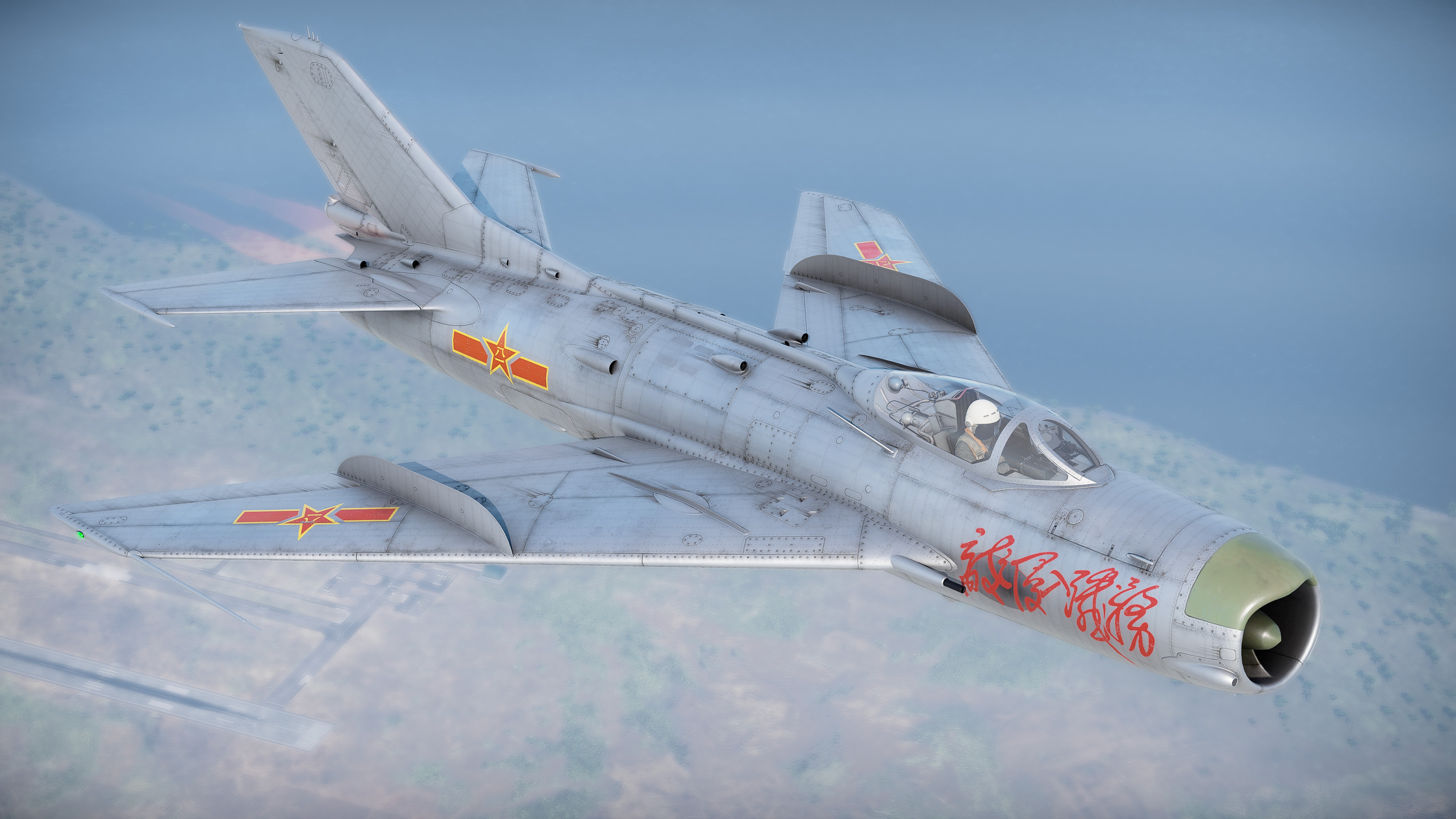
"Invaders must be crushed" inscription (務殲入侵之敵), PLAAF. During the 1960s, the practice of inscribing aircraft with intimidating slogans became steadily more common. The practice was decentralized but encouraged, and many PLAAF pilots decorated their aircraft with similar inscriptions in various styles. In this example, the text is written in a cursive style called "草書體" or "grass script," with more fluidly drawn characters. This specific inscription was taken from the directive statement written to the Air Force on December 18th 1957, which later became a very common slogan applied to aircraft as well as aviation-related infrastructure. It was painted on the nose of a J-6 fighter sometime during the 1960s.
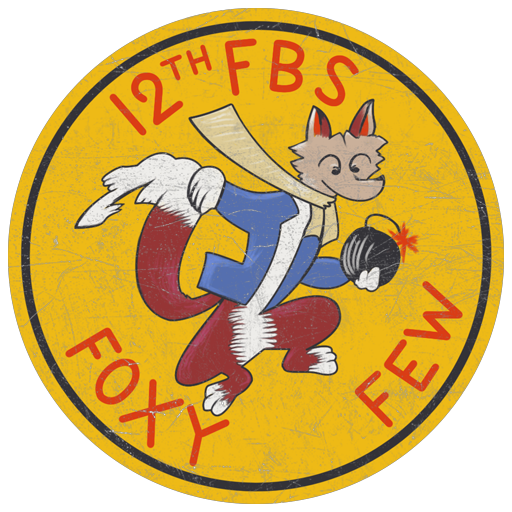
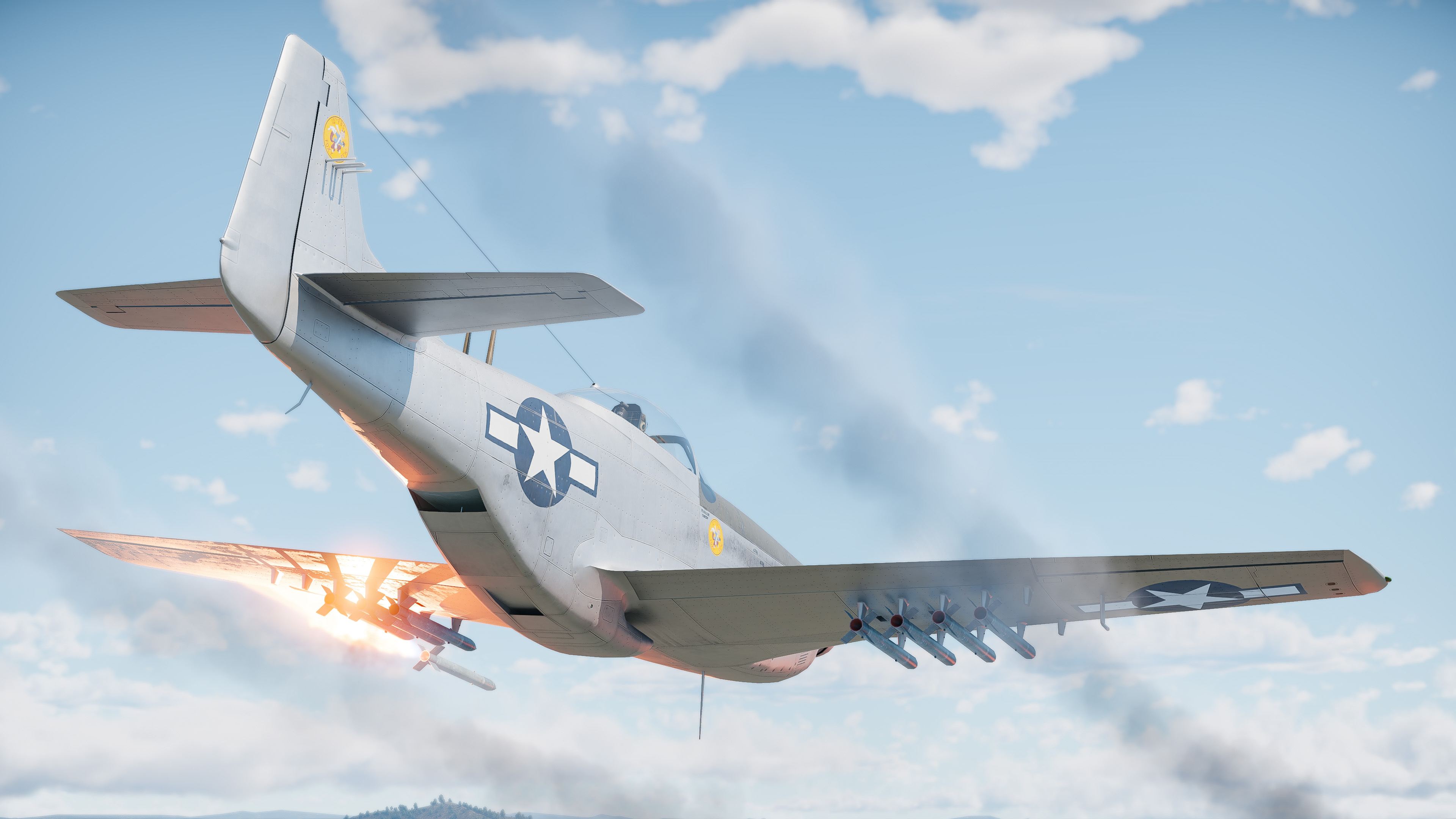
12th FBS Emblem “The Foxy Few”, USA
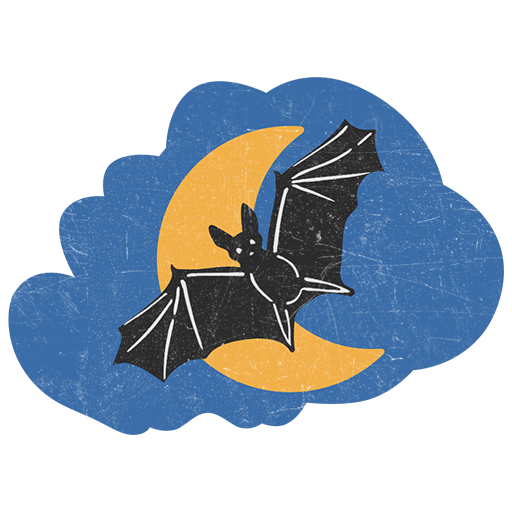
2./HLeLv 31 Emblem, Finland
Defeat 20 players using bombs while using US Aircraft
Win 10 battles using Swedish or Finnish Aircraft
The emblem of the 12th Fighter-Bomber Squadron, USAF. The squadron was activated on the 15th of January 1941 as the 12th Pursuit Squadron. It operated as a fighter squadron throughout the Second World War, before being reorganized in 1950 as the 12th Fighter-Bomber Squadron, when the "Foxy Few" era began. The original anthropomorphic fox emblem was designed by Daniel James Jr, the flight leader of the squadron at the time. Several variations were also created in the early 1950s, some replacing the fox’s bomb with a bottle; this design was often applied to the squadron’s mugs. The emblem was most often painted on the squadron’s P-51s during the Korean War, either under the front of the cockpit or at the top of the tail (in some cases both). When the squadron transitioned to the F-86 in 1953, a few Sabres could also be seen with a more simple version of the emblem, painted below the middle of the cockpit. The "Foxy Few" identity would continue until 1958, when the squadron was reformed and renamed, and a new nickname was chosen.
The emblem of 2. lentue / Hävittäjälentolaivue 31 (2nd Flight, No. 31 Fighter Squadron), Finnish Air Force. After the Second World War, the 2nd Flight of No. 31 Squadron kept up its duties. The 2nd Flight was as a pure night fighter squadron, equipped with Bf 109 G aircraft. It performed night training routines, surveillance, and general nocturnal air-defense operations. As the aircraft were out of production however, logistical issues began to hamper their efficiency, with the planes suffering from significant airframe fatigue and a crucial lack of spare parts by 1950. The Bf 109s operated out of Utti Airfield until 1954, when they were replaced with the more contemporary Vampire FB.52. The last Bf 109 flight took place on the 13th of March, 1954, making the flight one of the final operators of the original Bf 109 airframe. The emblem of the group was created in the late 1940s, fittingly depicting a bat silhouetted against a crescent moon. It was painted on the mid-fuselage, forward of the national roundel, next to the cockpit.


JG 26 “Schlageter” Emblem, Germany
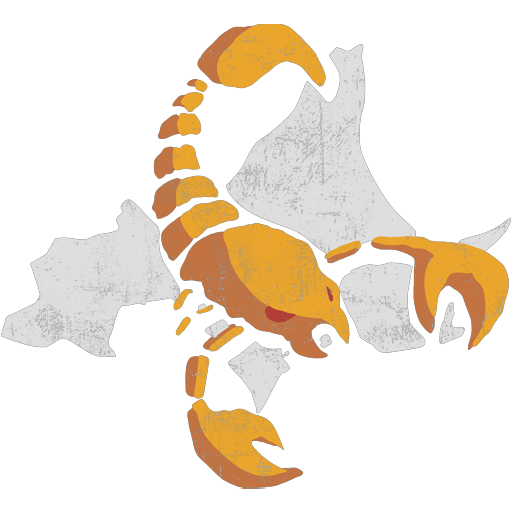
1st Tank Group Emblem, Japan
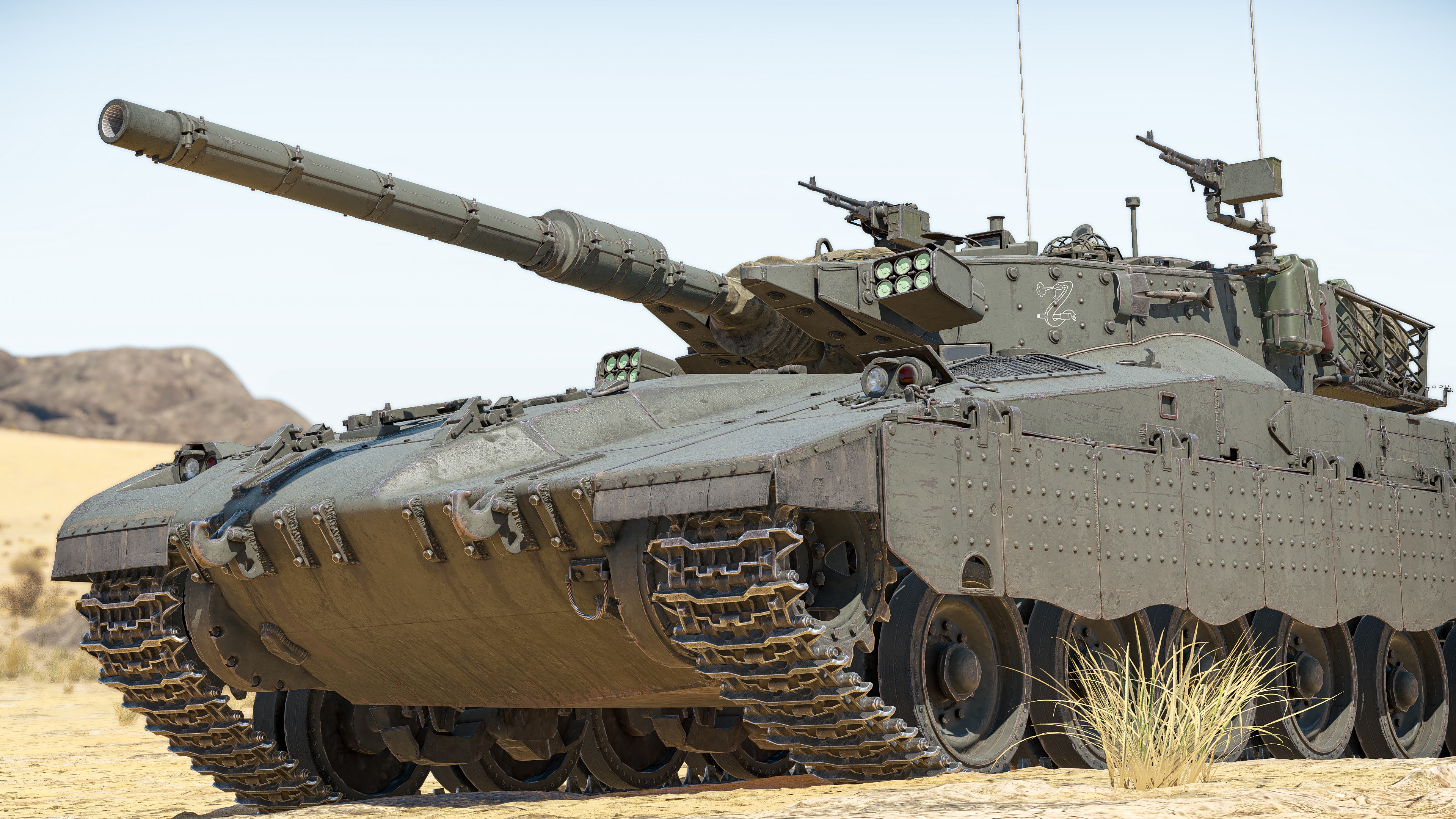
“Spitting Snake” Emblem
Finish in position 1-5 five times using German Aircraft
Play 20 battles while using Japanese Ground Vehicles with a minimum of 60% Battle Activity
Set 20 targets on fire while using Israeli Tanks
The emblem of 2. lentue / Hävittäjälentolaivue 31 (2nd Flight, No. 31 Fighter Squadron), Finnish Air Force. After the Second World War, the 2nd Flight of No. 31 Squadron kept up its duties. The 2nd Flight was as a pure night fighter squadron, equipped with Bf 109 G aircraft. It performed night training routines, surveillance, and general nocturnal air-defense operations. As the aircraft were out of production however, logistical issues began to hamper their efficiency, with the planes suffering from significant airframe fatigue and a crucial lack of spare parts by 1950. The Bf 109s operated out of Utti Airfield until 1954, when they were replaced with the more contemporary Vampire FB.52. The last Bf 109 flight took place on the 13th of March, 1954, making the flight one of the final operators of the original Bf 109 airframe. The emblem of the group was created in the late 1940s, fittingly depicting a bat silhouetted against a crescent moon. It was painted on the mid-fuselage, forward of the national roundel, next to the cockpit.
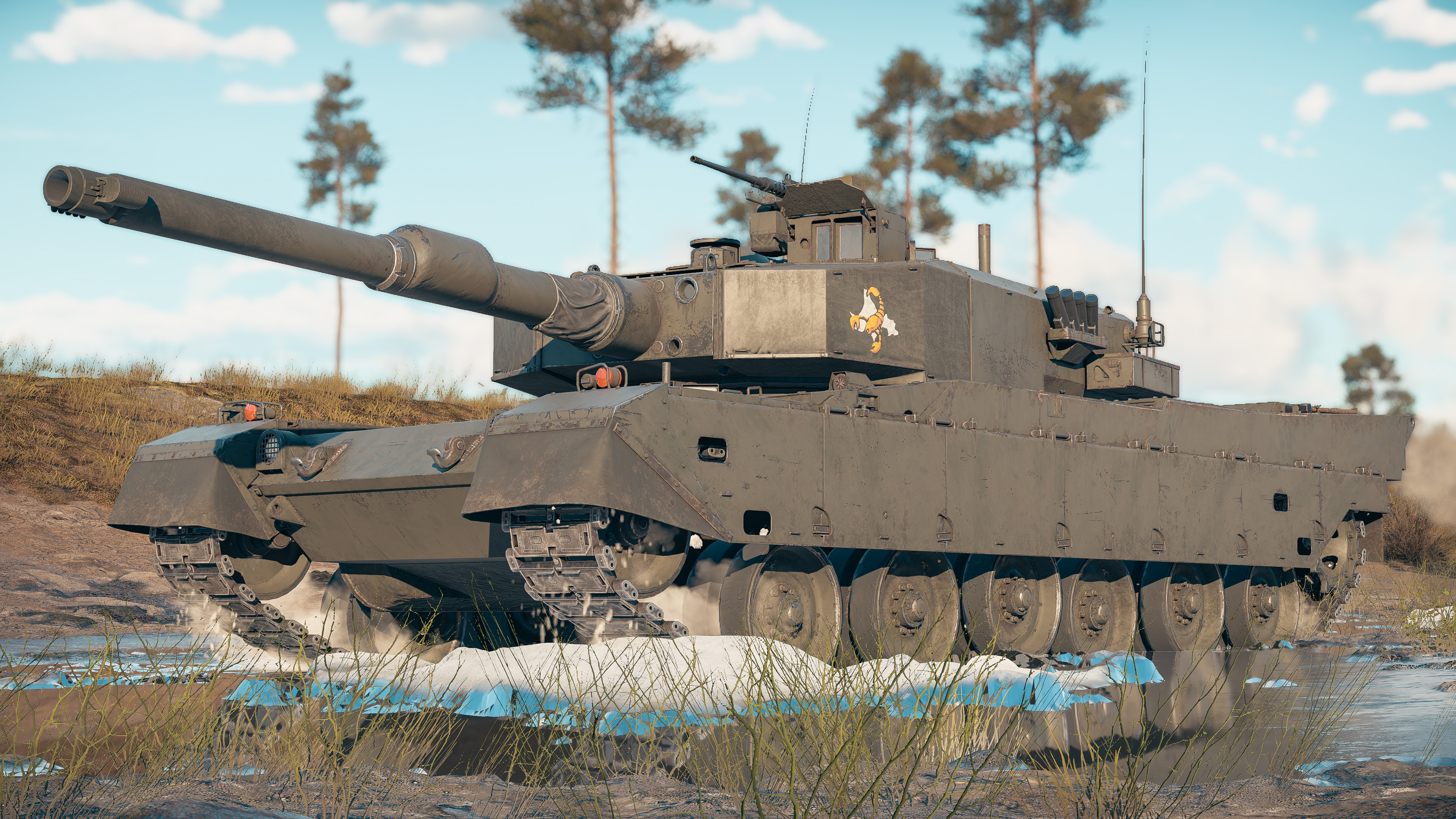
The emblem of the 1st Tank Group (第1戦車群), JGSDF. The Group was formed in 1952 as the Independent 1st Special Vehicle Battalion, the first tank unit created under the National Safety Force. With the formation of the JGSDF several years later, the Group was renamed as the 101st Special Vehicle Battalion, and went on to be renamed and restructured several more times until its final designation as the 1st Tank Group was set in 1962. Under the Northern Army the 1st Tank Group was responsible for the defense of Hokkaido, which it maintained through routine training until the post-Cold War tank reduction policies eventually caught up in 2014, when the Group was disbanded. Its emblem, a red-eyed scorpion against the silhouette of Hokkaido, was designed around the year 2000 and was painted on the Group’s Type 74 and Type 90 tanks on the sides of the turret towards the front.
"Spitting Snake" emblem, 7th Armored Brigade, IDF. Personal markings on Israeli tanks are comparatively rare, and often very little is known about them contextually due to their more ephemeral nature. These kinds of markings were applied when out of combat or for training exercises. They usually consisted of simple white stencil designs, often a small insignia or inscription. For security reasons, markings of this kind were removed before combat, so as not to telegraph the brigade the vehicle belonged to. The emblem depicts a snake coiling around a 105 mm cannon. Interestingly, it is more of a snake amalgamation, featuring both a venom-spitting mouth and a rattling tail, traits of snakes that are present in specific species but never combined. It was applied in the 1980s on a Merkava Mk.2, on the port side of the turret towards the front.
Monthly markings can be found in a special tab at the bottom of the customization menu, (Monthly Decals) after a month, they’ll be moved to their corresponding category.
You can check the exact terms and track the progress of completing tasks for these decals by going to your Player Profile > Decals > Monthly Decals. From here, click the “Track progress” button on each decal to track from the hangar.
[carousel autoadvance="true"]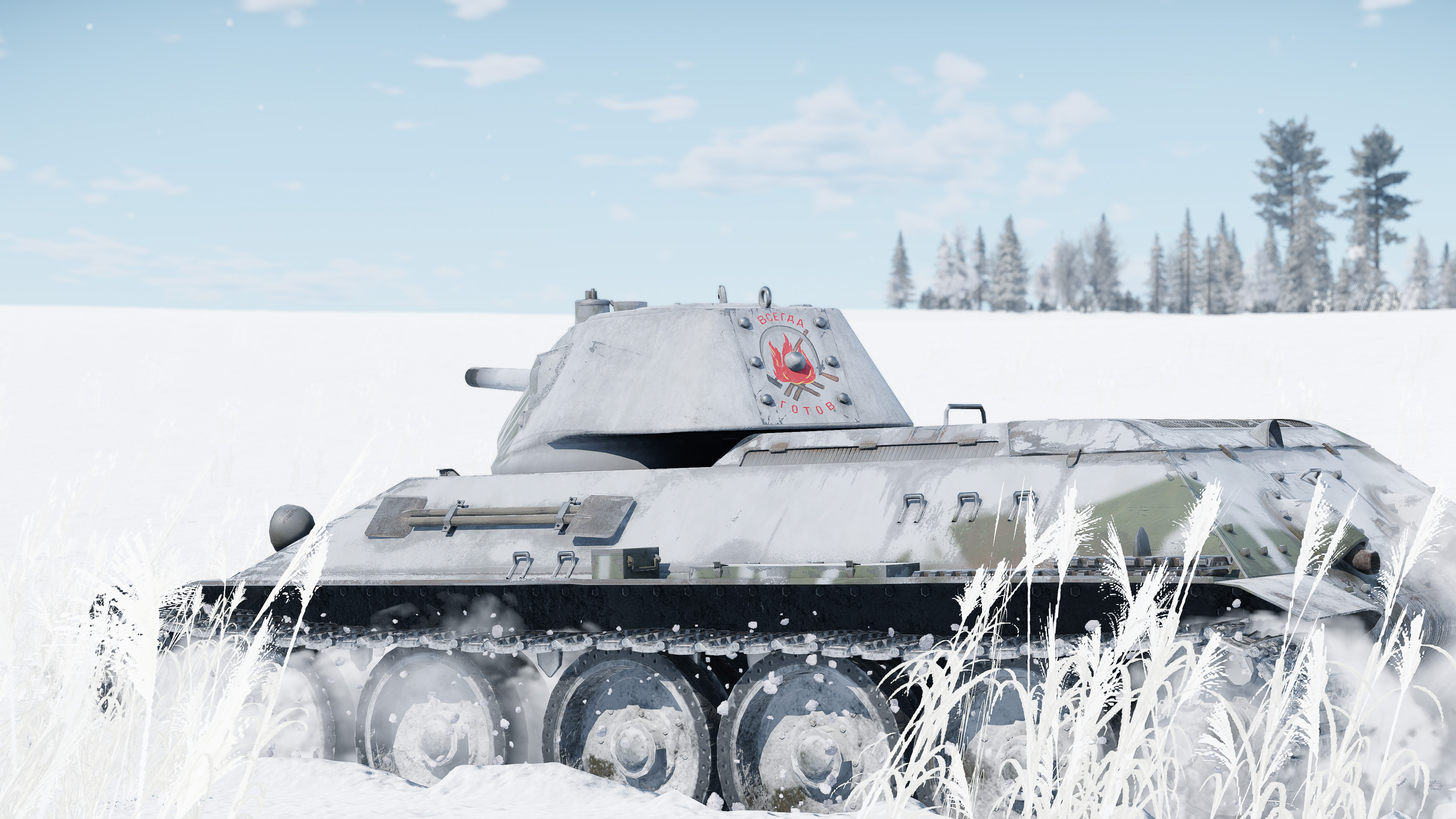
 [/carousel]
All of the emblems will come with a detailed description. This will generally consist of the history of the marking, its design, which vehicles used it, and where it was often placed on vehicles historically if applicable (some emblems are taken from badges, which weren’t always applied). This way you can more easily recreate the original positioning if you’d like.
That’s all from us today, thanks for your interest as always, and make sure to keep leaving your own decal suggestions on the forum! We’re closing in on the major update now, so hopefully these monthly side-quests will keep you occupied in the meantime. Have fun and see you soon!
What's Your Reaction?










![[Business Talk] Chagee: Opening 3,500 stores in 6 years](https://xinker.org/uploads/images/202410/image_140x98_671afce94bf91.webp)