

![[PRO Tips] Gold’s Bullish Revival: Seasonal Trends and Key Levels to Watch](https://xinker.org/uploads/images/202412/image_430x256_67724cc6ad0cd.webp)
![[PRO Tips] Gold Market Under Short-Term Pressure, Safe-Haven Demand and Central Bank Buying Support Long-Term Upside Potential](https://xinker.org/uploads/images/202412/image_430x256_676ffb4685287.webp)
![[PRO Tips] Analysis of 9 key points of differentiation strategy! Master differentiation to create a brand advantage that is unique in the world!](https://firebasestorage.googleapis.com/v0/b/xinker-tips.appspot.com/o/article_thumbnails%2Fscaled_differentiation%20strategy.png.png?alt=media&token=a1bfc3d2-e85a-4db7-8a6d-01c7274f8940)
![[PRO Tips] Will REITs regain growth momentum in 2024? 3 REITs ETFs you must know if you want to invest in real estate.](https://firebasestorage.googleapis.com/v0/b/xinker-tips.appspot.com/o/article_thumbnails%2Fscaled_REITs1.png.png?alt=media&token=8af4eb93-33ff-466f-8039-b6555fad52b4)
![[PRO Tips] Complete tutorial on how to make money in Adobe Stock!](https://firebasestorage.googleapis.com/v0/b/xinker-tips.appspot.com/o/article_thumbnails%2Fscaled_tut-adobe1.png.png?alt=media&token=0b2c8cf2-22bd-4142-883e-140ed1cbaf02)
![[Passive Income] Unlock the secret of passive income: 3 steps to apply for Google AdSense](https://xinker.org/uploads/images/202410/image_430x256_6717a4fb3052b.webp)
![[Passive Income] Earn over $200 a day with AI-generated articles!](https://firebasestorage.googleapis.com/v0/b/xinker-tips.appspot.com/o/article_thumbnails%2Fscaled_article1.png.png?alt=media&token=f61bf35b-8553-4719-826d-7360024adc70)
![[Passive Income] Earn over 20 USD per download with AI-generated images!](https://firebasestorage.googleapis.com/v0/b/xinker-tips.appspot.com/o/article_thumbnails%2Fscaled_adobe2.png.png?alt=media&token=3e20e76a-a907-45af-80aa-bf9b3600301f)
![[Passive Income] Earn 10 USD per new download by sharing CapCut!](https://firebasestorage.googleapis.com/v0/b/xinker-tips.appspot.com/o/article_thumbnails%2Fscaled_capcut2.png.png?alt=media&token=a04dec40-1fac-4857-86f2-19a8be02d38e)
![[Passive Income] Use your WiFi to create passive income in 5 minutes, and you can earn 4-6 U per day!](https://firebasestorage.googleapis.com/v0/b/xinker-tips.appspot.com/o/article_thumbnails%2Fscaled_Grassio.webp.png?alt=media&token=7659a95e-0e47-4f27-a17d-c942ac3cf7f4)


![[Business Talk] The Unique Theme of XINKER's Song: Beef Wellington and Business Mastery](https://xinker.org/uploads/images/202410/image_430x256_671afc155f47f.webp)
![[Business Talk] Chagee: Opening 3,500 stores in 6 years](https://xinker.org/uploads/images/202410/image_430x256_671afce80c5f9.webp)


Metro 2039 returns to Moscow's subway – and the post-apocalyptic shooter's creepy roots
There are no bad Metro games. In fact, fans of developer 4A Games' atmospheric-as-hell first-person shooter franchise might even argue the series – based on author Dmitry Glukhovsky's post-apocalyptic book trilogy – has only gotten better with each installment. But while Metro 2033, its sequels Metro: Last Light and Metro Exodus – and even VR prequel Metro Awakening – have offered increasingly solid entries within the moody, immersion-ratcheting series, each successive release has also strayed a bit from what made the original so appealing…and terrifying. The upcoming Metro 2039 aims to rectify this, retaining and refining the franchise's 15-plus years of evolution, but also returning it to its subterranean, supernatural roots. In fact, based on everything we know of the fourth mainline entry, it seems to be mirroring 2033 in thrilling ways that have me highly anticipating my return to the mutant-inhabited underground.Descendants (Image credit: Deep Silver) Line it up Here are the best FPs games to play before heading into the tunnels once more The most obvious callback to the first game is 2039's unsettling, detail-drenched subway setting. While the original game tasked players with braving the claustrophobic Moscow Metro station for much of its runtime, Last Light found them on the surface just as often, surviving the irradiated city from under gas masks. Exodus strayed even further from those confined subway tunnels, inviting players to seek safety and shelter above ground, where things maybe weren't quite as uninhabitable as advertised. Exodus' more expansive surface areas also went hand in hand with its semi-open world structure, which offered some welcome freedom – and varied, eye-popping environments – but at the cost of the original's nightmare-conjuring underground. This approach, while certainly not without its own appeal, essentially abandoned the tighter, tense linear storytelling and suffocating dread that helped define the first game. If early peeks at 2039's overrun tunnels are any indication, fans will soon be back to surviving the nerve-fraying Metro much as they did when Artyom first hit the tracks. (Image credit: Deep Silver) That said, players won't be descending into Moscow's depths as the series' longtime Metro-dweller Artyom. This might sound disappointing, as series' stalwarts have gotten accustomed to the fan-favorite silent Ranger. But it's worth noting that the fresh start we're getting with new – and fully voiced – protagonist the "Stranger" puts 2039 in an intriguing spot the franchise hasn't occupied since introducing Artyom. Part of the appeal of 2033 was meeting this new character, joining him on his harrowing journey through the underground, and ultimately ensuring his survival until he helped guide those nukes to their target. The sequels allowed us to get comfortable with Artytom, growing with him as he became a more capable soldier, a married man, and a more traditional video game hero, they also left behind some of the engrossing mystery and emotional surprises that come with slowly peeling back the layers of a fresh-faced protagonist. With the Stranger, we once again get a clean slate, tantalizingly packed with new secrets I can't wait to uncover. Some of this nuance has already been hinted at in 2039's reveal trailer. We know the Stranger suffers from haunting nightmares, so much so that his mind-taxing terrors serve as the driving force sending him beneath Moscow's surface. More exciting is the fact these nightmares are likely tied to the Dark Ones, the highly evolved supernatural beings that fueled much of the first two games' spine-tingling riddles. Following their engrossing narrative arc – which saw them demonized in 2033 before being redeemed in Last Light – these possibly-paranormal friends/foes were mostly reduced to Easter Egg-like appearances and references in Exodus. The Dark Ones' return and, more specifically, how it might be connected to the Stranger's psychological struggles, suggests a brain-bending conundrum the likes of which we haven't experienced since Artyom suffered his own psychic visions.Faction-fueled storytelling (Image credit: Deep Silver) Our new haunted protagonist, his reluctant return to the stifling subway, and whatever mind-trickery the Dark Ones have in store for him are all elements evocative of the first game. But these aspects are also woven into a wider fabric of 2033's warring factions. From communists and fascists to merchants and the military, the series' debut saw various forces in constant conflict, fighting over resources, weapons, territory, and political control of the Metro 2039 sees the return of these battling ideologies, but with a twist…and a brand new baddie. The game, dropping like a Blind One's fist next winter, introduces a seemingly peaceful underground, where all factions are united under a new regime dubbed the "NovoReich." But as ruled by the oppressive, manipulative "Hunter" – a former respected Ranger
 There are no bad Metro games. In fact, fans of developer 4A Games' atmospheric-as-hell first-person shooter franchise might even argue the series – based on author Dmitry Glukhovsky's post-apocalyptic book trilogy – has only gotten better with each installment.
But while Metro 2033, its sequels Metro: Last Light and Metro Exodus – and even VR prequel Metro Awakening – have offered increasingly solid entries within the moody, immersion-ratcheting series, each successive release has also strayed a bit from what made the original so appealing…and terrifying.
The upcoming Metro 2039 aims to rectify this, retaining and refining the franchise's 15-plus years of evolution, but also returning it to its subterranean, supernatural roots. In fact, based on everything we know of the fourth mainline entry, it seems to be mirroring 2033 in thrilling ways that have me highly anticipating my return to the mutant-inhabited underground.
Descendants
(Image credit: Deep Silver) Line it up
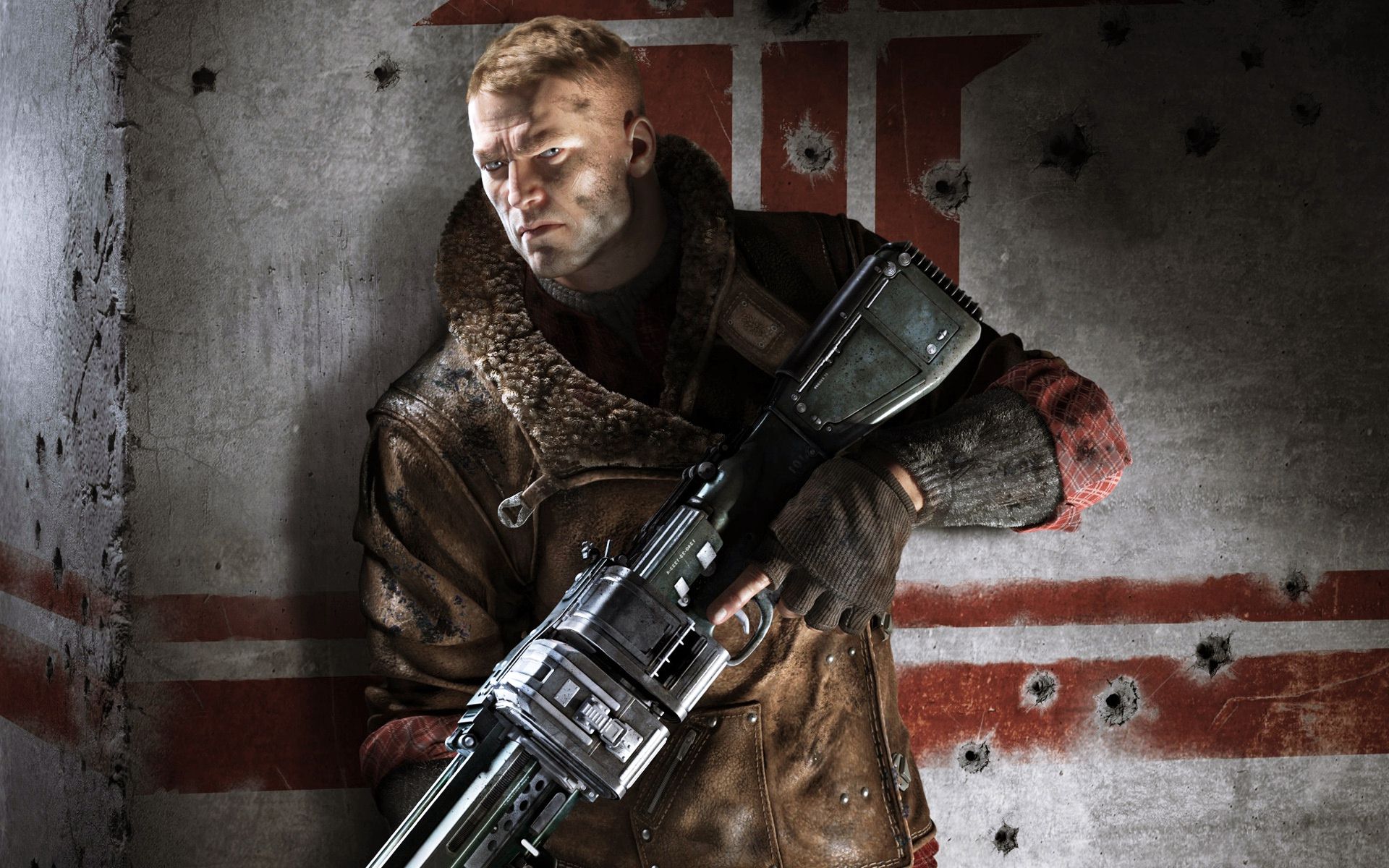
Here are the best FPs games to play before heading into the tunnels once more
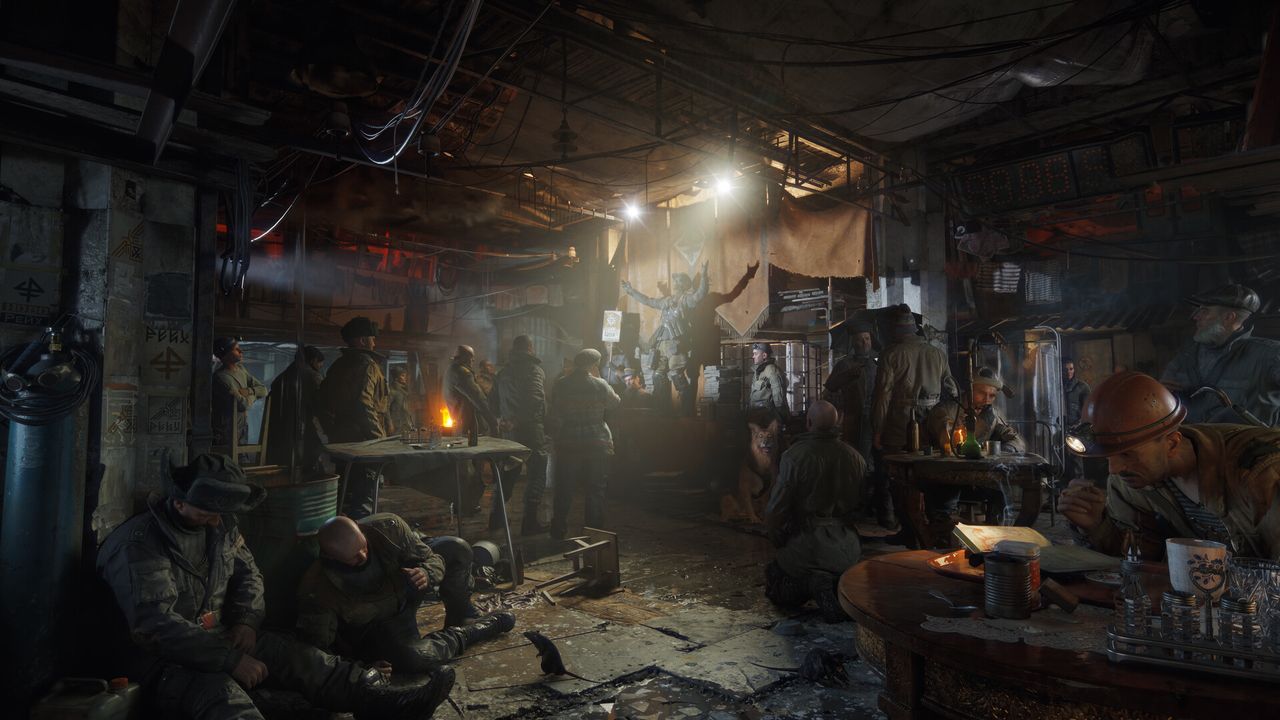
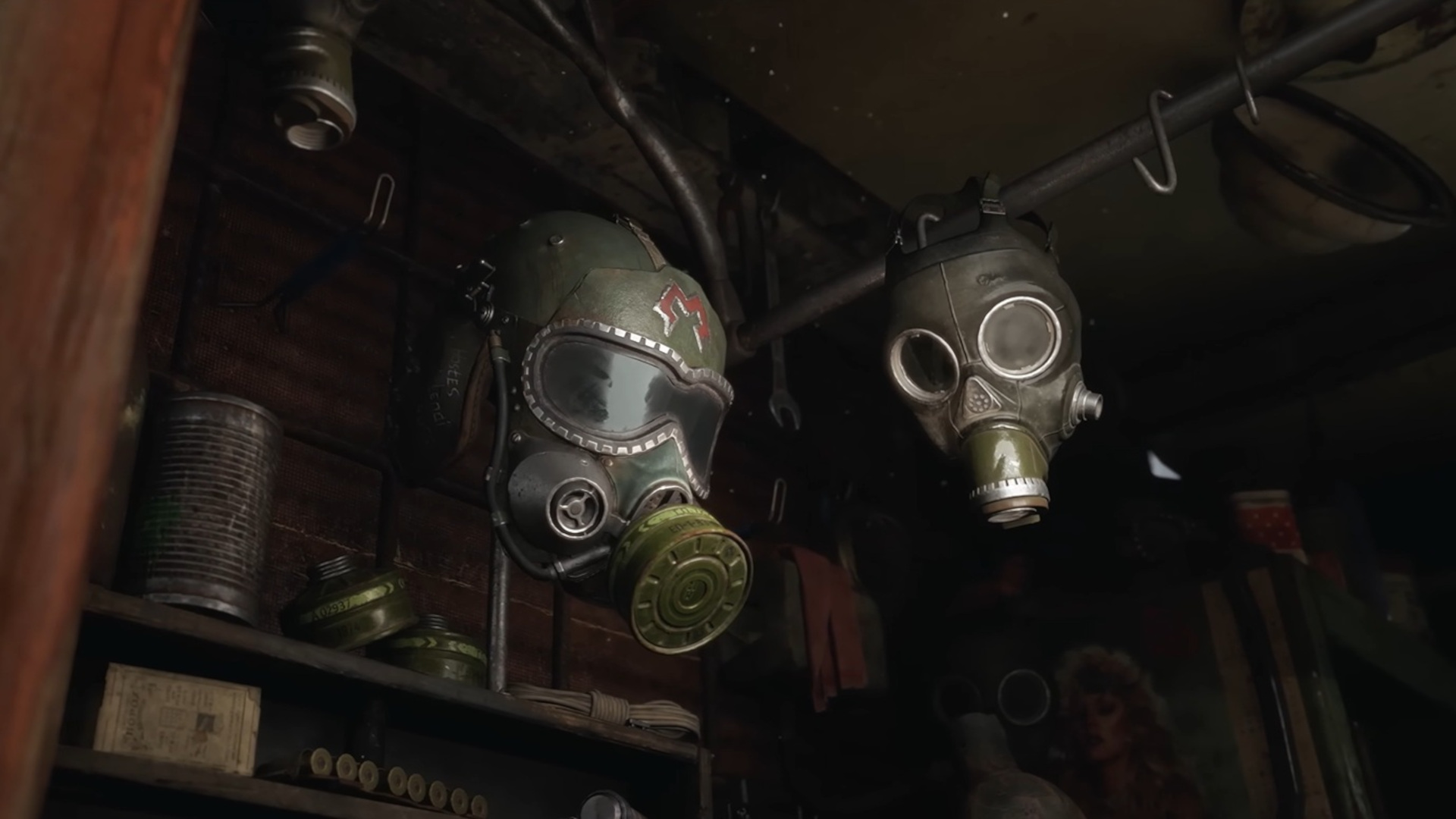
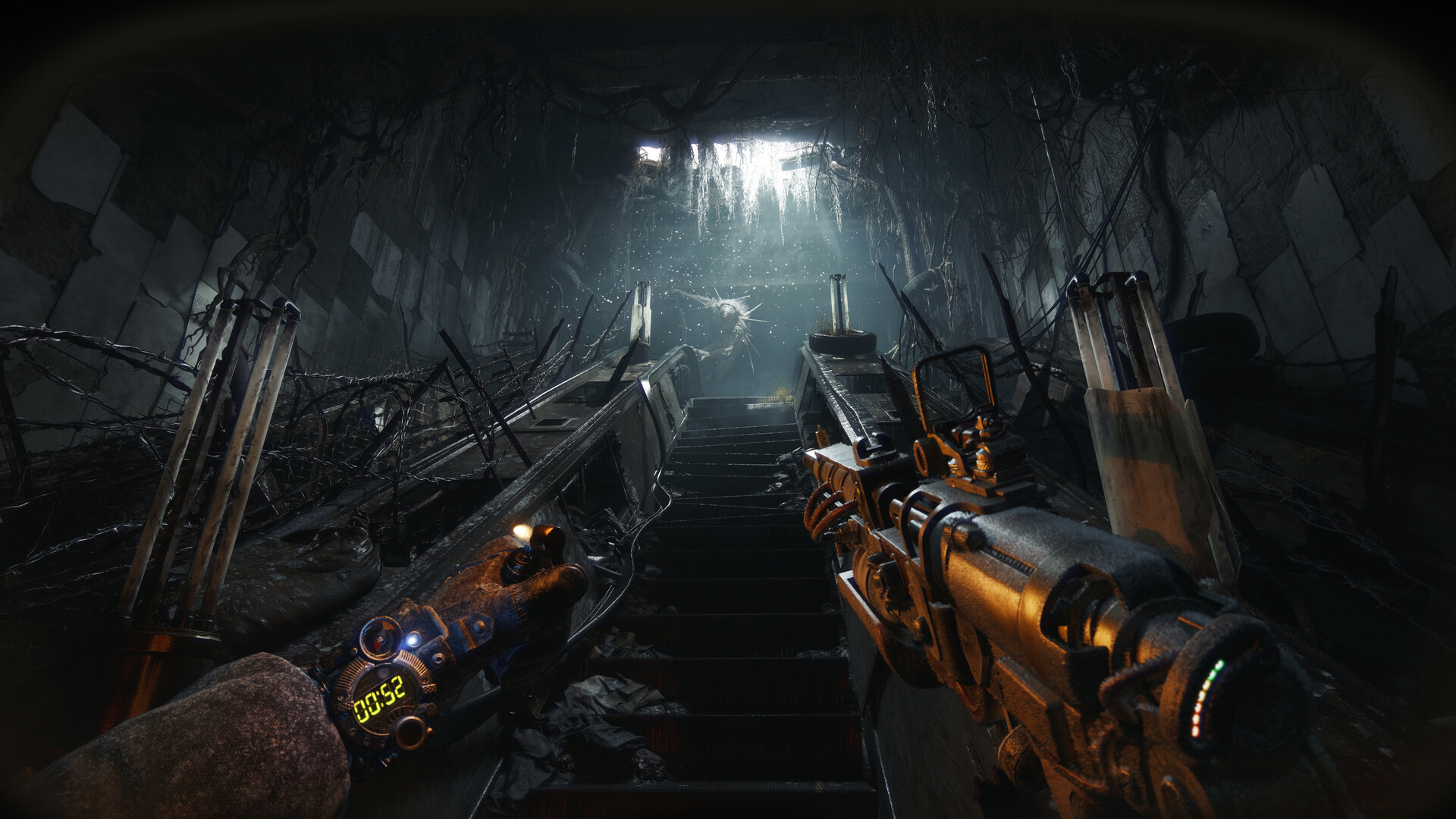
The most obvious callback to the first game is 2039's unsettling, detail-drenched subway setting. While the original game tasked players with braving the claustrophobic Moscow Metro station for much of its runtime, Last Light found them on the surface just as often, surviving the irradiated city from under gas masks.
Exodus strayed even further from those confined subway tunnels, inviting players to seek safety and shelter above ground, where things maybe weren't quite as uninhabitable as advertised. Exodus' more expansive surface areas also went hand in hand with its semi-open world structure, which offered some welcome freedom – and varied, eye-popping environments – but at the cost of the original's nightmare-conjuring underground.
This approach, while certainly not without its own appeal, essentially abandoned the tighter, tense linear storytelling and suffocating dread that helped define the first game. If early peeks at 2039's overrun tunnels are any indication, fans will soon be back to surviving the nerve-fraying Metro much as they did when Artyom first hit the tracks.
(Image credit: Deep Silver) That said, players won't be descending into Moscow's depths as the series' longtime Metro-dweller Artyom. This might sound disappointing, as series' stalwarts have gotten accustomed to the fan-favorite silent Ranger. But it's worth noting that the fresh start we're getting with new – and fully voiced – protagonist the "Stranger" puts 2039 in an intriguing spot the franchise hasn't occupied since introducing Artyom.
Part of the appeal of 2033 was meeting this new character, joining him on his harrowing journey through the underground, and ultimately ensuring his survival until he helped guide those nukes to their target. The sequels allowed us to get comfortable with Artytom, growing with him as he became a more capable soldier, a married man, and a more traditional video game hero, they also left behind some of the engrossing mystery and emotional surprises that come with slowly peeling back the layers of a fresh-faced protagonist. With the Stranger, we once again get a clean slate, tantalizingly packed with new secrets I can't wait to uncover.
Some of this nuance has already been hinted at in 2039's reveal trailer. We know the Stranger suffers from haunting nightmares, so much so that his mind-taxing terrors serve as the driving force sending him beneath Moscow's surface. More exciting is the fact these nightmares are likely tied to the Dark Ones, the highly evolved supernatural beings that fueled much of the first two games' spine-tingling riddles.
Following their engrossing narrative arc – which saw them demonized in 2033 before being redeemed in Last Light – these possibly-paranormal friends/foes were mostly reduced to Easter Egg-like appearances and references in Exodus. The Dark Ones' return and, more specifically, how it might be connected to the Stranger's psychological struggles, suggests a brain-bending conundrum the likes of which we haven't experienced since Artyom suffered his own psychic visions.
Faction-fueled storytelling
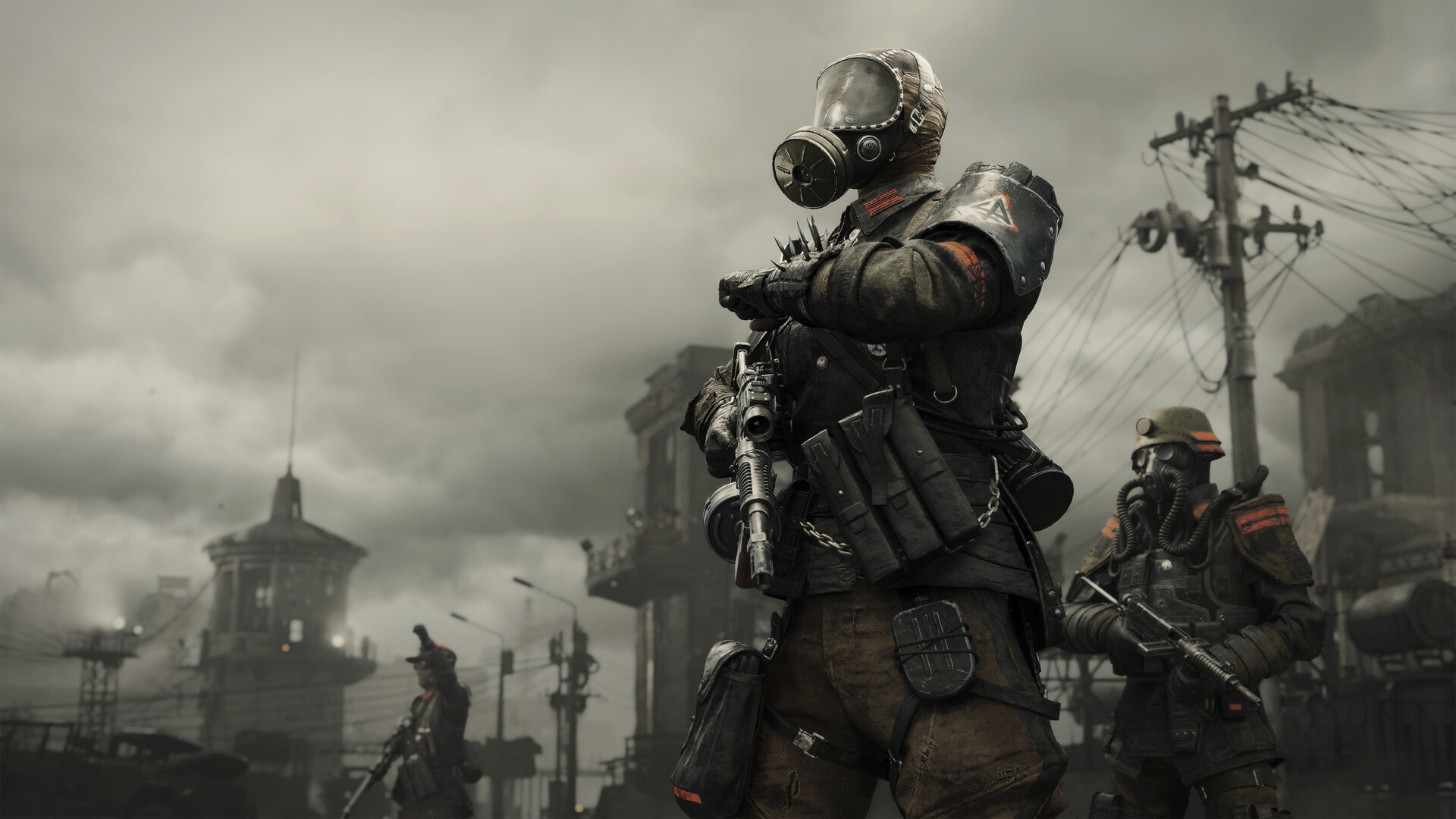
(Image credit: Deep Silver) Our new haunted protagonist, his reluctant return to the stifling subway, and whatever mind-trickery the Dark Ones have in store for him are all elements evocative of the first game. But these aspects are also woven into a wider fabric of 2033's warring factions.
From communists and fascists to merchants and the military, the series' debut saw various forces in constant conflict, fighting over resources, weapons, territory, and political control of the Metro 2039 sees the return of these battling ideologies, but with a twist…and a brand new baddie.
The game, dropping like a Blind One's fist next winter, introduces a seemingly peaceful underground, where all factions are united under a new regime dubbed the "NovoReich." But as ruled by the oppressive, manipulative "Hunter" – a former respected Ranger turned iron-fisted Fuhrer – this new group seems destined for more doom than democracy. The Hunter also represents the return of a proper antagonist for the series, a concept that was largely abandoned in Exodus.
The Hunter represents a more literal return to the franchise's roots, as the character first appeared in 2033 but disappeared by the campaign's conclusion. While items and references to him existed in Last Light and Exodus, his fate was ultimately left unsolved. Bringing him back as 2039's main antagonist not only suggests his whereabouts will be revealed, but his integral role represents a return to the series' past that also pushes it forward.
Ahead of Metro 2039 reveal, series author Dmitry Glukhovsky says it "will be darker than anything you've seen before"
[/url]
What's Your Reaction?








XINKER - Business and Income Tips
Explore XINKER, the ultimate platform for mastering business strategies, discovering passive income opportunities, and learning success principles. Join a community of thinkers dedicated to achieving financial freedom and entrepreneurial excellence.

![[Business Talk] Chagee: Opening 3,500 stores in 6 years](https://xinker.org/uploads/images/202410/image_140x98_671afce94bf91.webp)