

![[PRO Tips] Gold’s Bullish Revival: Seasonal Trends and Key Levels to Watch](https://xinker.org/uploads/images/202412/image_430x256_67724cc6ad0cd.webp)
![[PRO Tips] Gold Market Under Short-Term Pressure, Safe-Haven Demand and Central Bank Buying Support Long-Term Upside Potential](https://xinker.org/uploads/images/202412/image_430x256_676ffb4685287.webp)
![[PRO Tips] Analysis of 9 key points of differentiation strategy! Master differentiation to create a brand advantage that is unique in the world!](https://firebasestorage.googleapis.com/v0/b/xinker-tips.appspot.com/o/article_thumbnails%2Fscaled_differentiation%20strategy.png.png?alt=media&token=a1bfc3d2-e85a-4db7-8a6d-01c7274f8940)
![[PRO Tips] Will REITs regain growth momentum in 2024? 3 REITs ETFs you must know if you want to invest in real estate.](https://firebasestorage.googleapis.com/v0/b/xinker-tips.appspot.com/o/article_thumbnails%2Fscaled_REITs1.png.png?alt=media&token=8af4eb93-33ff-466f-8039-b6555fad52b4)
![[PRO Tips] Complete tutorial on how to make money in Adobe Stock!](https://firebasestorage.googleapis.com/v0/b/xinker-tips.appspot.com/o/article_thumbnails%2Fscaled_tut-adobe1.png.png?alt=media&token=0b2c8cf2-22bd-4142-883e-140ed1cbaf02)
![[Passive Income] Unlock the secret of passive income: 3 steps to apply for Google AdSense](https://xinker.org/uploads/images/202410/image_430x256_6717a4fb3052b.webp)
![[Passive Income] Earn over $200 a day with AI-generated articles!](https://firebasestorage.googleapis.com/v0/b/xinker-tips.appspot.com/o/article_thumbnails%2Fscaled_article1.png.png?alt=media&token=f61bf35b-8553-4719-826d-7360024adc70)
![[Passive Income] Earn over 20 USD per download with AI-generated images!](https://firebasestorage.googleapis.com/v0/b/xinker-tips.appspot.com/o/article_thumbnails%2Fscaled_adobe2.png.png?alt=media&token=3e20e76a-a907-45af-80aa-bf9b3600301f)
![[Passive Income] Earn 10 USD per new download by sharing CapCut!](https://firebasestorage.googleapis.com/v0/b/xinker-tips.appspot.com/o/article_thumbnails%2Fscaled_capcut2.png.png?alt=media&token=a04dec40-1fac-4857-86f2-19a8be02d38e)
![[Passive Income] Use your WiFi to create passive income in 5 minutes, and you can earn 4-6 U per day!](https://firebasestorage.googleapis.com/v0/b/xinker-tips.appspot.com/o/article_thumbnails%2Fscaled_Grassio.webp.png?alt=media&token=7659a95e-0e47-4f27-a17d-c942ac3cf7f4)


![[Business Talk] The Unique Theme of XINKER's Song: Beef Wellington and Business Mastery](https://xinker.org/uploads/images/202410/image_430x256_671afc155f47f.webp)
![[Business Talk] Chagee: Opening 3,500 stores in 6 years](https://xinker.org/uploads/images/202410/image_430x256_671afce80c5f9.webp)


Inside a studio layoff — Big questions for Microsoft’s intentions for id Software
The team at id Software seemed safe from the Xbox layoffs, as the studio hadn’t been notified that it was up for closure or sale. But about half of the Microsoft-owned game studio was laid off on Monday as Xbox announced 3,200 current and pending layoffs. At least 90 of 185 employees or so were cut, according to what I’ve heard. But that came as a surprise to many, considering the pioneering studio had one of the biggest properties in the Xbox hit portfolio in the reinvigorated Doom franchise. Those former employees say the travesty of the Xbox layoffs, done in a rush, are evident in who was chosen when the ax came. “It’s a bloodbath,” said one former employee. “I was blindsided by it. The scale of it.” id Software was vulnerable in part because it was between major games. Just yesterday, it had shipped Revelations, a downloadable content (DLC), or expansion pack, for Doom: The Dark Ages. The cuts came as id’s team was toying with different game ideas including a John Wick-style original game called Fury; a new game in the Perfect Dark franchise; and a multiplayer/co-op version of Doom. It’s not clear which game, if any, the remaining team can do. The pain of the layoffs echoed throughout the Xbox network. In a LinkedIn post, Daniel Gagne, a principal UI artist, said he survived the layoffs. But he said, “Finding the right words right now is incredibly difficult. A massive amount of brilliant, talented individuals just lost their roles.” Gagne added, “Having navigated the gaming industry for over 25 years, I’ve seen my share of restructuring. However, this one cuts much deeper. Seeing friends and coworkers—some who dedicated over two decades to id Software—lose their jobs is heartbreaking. The AAA gaming ecosystem needs to change; the current model is unsustainable for the people who build these worlds.” You’re back to hell in Doom: The Dark Ages — Revelations DLC. Source: id Software The Richardson, Texas-based studio (near Dallas) was not pegged for either closure or sale like five other game studios. But had it known the cuts would be so deep, it probably would have opted to be sold to another party. That’s what I’ve heard from employees who were laid off on Monday. Marty Stratton, studio head, got choked up as he told staff about the layoffs over a Teams call that morning. It’s a sad outcome for a studio started in 1991 by four young men in Dallas: John Carmack, John Romero, Adrian Carmack and Tom Hall. They created games like Wolfenstein, Doom, and Quake. They eventually went their separate ways, sold id to ZeniMax in 2009, and are holding a reunion for the 30th anniversary of id’s Quake in Dallas in August at QuakeCon. The cuts show how ill-considered the overall Xbox strategy betrayed the studio as it made single-player games for its longstanding fans. As noted, Xbox Game Pass was supposed to hit about 77 million subscribers by now, but the number stands at 30 million and it’s falling. One former studio head said that it was confusing in terms of goals that Microsoft wanted. Was it subscribers for Xbox Game Pass? High engagement time on Game Pass? Revenues and profits from standalone copies sold? Technology demos for the platform? id Software is a part of Bethesda, whose parent firm, ZeniMax, was bought by Microsoft in 2021 for $7.5 billion. Doom: The Dark Ages got a Metacritic aggregate review score of 83 out of 100 — not bad. The problem with it was that it was played by millions of fans, but many played it for free on Game Pass. Doom was like a counter to other PlayStation games like God of War or The Last of Us. But Doom: The Dark Ages standalone game sales, which would have generated more revenues and profits, were weak. That made it a target. If id Software knew that the goal was revenues and profits, it might have opted for live service or multiplayer modes instead. The focus on single-player gaming was a choice the studio made to keep its headcount low, and it is remarkable that a studio like id, with triple-A cred going back decades, was so small. That was an advantage when it came to communication. On the downside, id Software often took four years to make a game, longer than other teams. And some said they had to work on crunch time on a regular basis. Hugo Martin, game director, often told devs he wanted them to be believers, with passion and commitment to making great games. id also made its own game engine, id Tech 8, a legacy from id cofounder John Carmack, who has since left. Carmack created the id Tech game engines so they could give the company’s games an edge in speed and visual quality, and id still continues to use the engine. However, Microsoft’s game studios, like Halo Studios, have been making moves to standardize on Unreal Engine, which could allow it to be more efficient with costs and engineering staff. The Doom Slayer looks like Conan The Barbarian. Source: id Software For id Software, that could be a risky move, as id Tech 8 has focused on speed at scale in the past,

The team at id Software seemed safe from the Xbox layoffs, as the studio hadn’t been notified that it was up for closure or sale. But about half of the Microsoft-owned game studio was laid off on Monday as Xbox announced 3,200 current and pending layoffs.
At least 90 of 185 employees or so were cut, according to what I’ve heard. But that came as a surprise to many, considering the pioneering studio had one of the biggest properties in the Xbox hit portfolio in the reinvigorated Doom franchise. Those former employees say the travesty of the Xbox layoffs, done in a rush, are evident in who was chosen when the ax came.
“It’s a bloodbath,” said one former employee. “I was blindsided by it. The scale of it.”
id Software was vulnerable in part because it was between major games. Just yesterday, it had shipped Revelations, a downloadable content (DLC), or expansion pack, for Doom: The Dark Ages. The cuts came as id’s team was toying with different game ideas including a John Wick-style original game called Fury; a new game in the Perfect Dark franchise; and a multiplayer/co-op version of Doom. It’s not clear which game, if any, the remaining team can do.
The pain of the layoffs echoed throughout the Xbox network. In a LinkedIn post, Daniel Gagne, a principal UI artist, said he survived the layoffs. But he said, “Finding the right words right now is incredibly difficult. A massive amount of brilliant, talented individuals just lost their roles.”
Gagne added, “Having navigated the gaming industry for over 25 years, I’ve seen my share of restructuring. However, this one cuts much deeper. Seeing friends and coworkers—some who dedicated over two decades to id Software—lose their jobs is heartbreaking. The AAA gaming ecosystem needs to change; the current model is unsustainable for the people who build these worlds.”
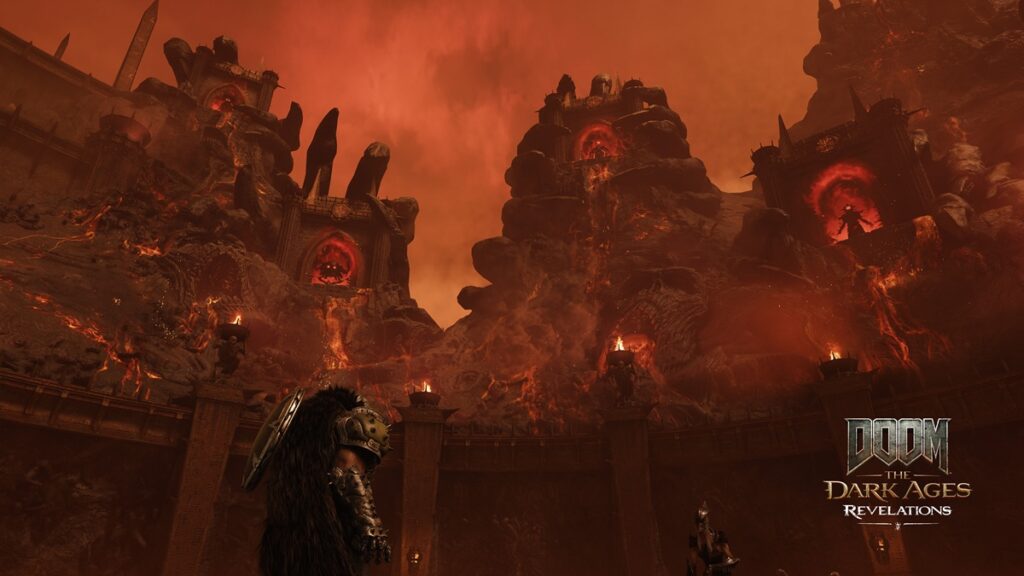 You’re back to hell in Doom: The Dark Ages — Revelations DLC. Source: id Software The Richardson, Texas-based studio (near Dallas) was not pegged for either closure or sale like five other game studios. But had it known the cuts would be so deep, it probably would have opted to be sold to another party. That’s what I’ve heard from employees who were laid off on Monday. Marty Stratton, studio head, got choked up as he told staff about the layoffs over a Teams call that morning.
It’s a sad outcome for a studio started in 1991 by four young men in Dallas: John Carmack, John Romero, Adrian Carmack and Tom Hall. They created games like Wolfenstein, Doom, and Quake. They eventually went their separate ways, sold id to ZeniMax in 2009, and are holding a reunion for the 30th anniversary of id’s Quake in Dallas in August at QuakeCon.
The cuts show how ill-considered the overall Xbox strategy betrayed the studio as it made single-player games for its longstanding fans. As noted, Xbox Game Pass was supposed to hit about 77 million subscribers by now, but the number stands at 30 million and it’s falling.
One former studio head said that it was confusing in terms of goals that Microsoft wanted. Was it subscribers for Xbox Game Pass? High engagement time on Game Pass? Revenues and profits from standalone copies sold? Technology demos for the platform? id Software is a part of Bethesda, whose parent firm, ZeniMax, was bought by Microsoft in 2021 for $7.5 billion.
Doom: The Dark Ages got a Metacritic aggregate review score of 83 out of 100 — not bad. The problem with it was that it was played by millions of fans, but many played it for free on Game Pass. Doom was like a counter to other PlayStation games like God of War or The Last of Us. But Doom: The Dark Ages standalone game sales, which would have generated more revenues and profits, were weak. That made it a target. If id Software knew that the goal was revenues and profits, it might have opted for live service or multiplayer modes instead.
The focus on single-player gaming was a choice the studio made to keep its headcount low, and it is remarkable that a studio like id, with triple-A cred going back decades, was so small. That was an advantage when it came to communication. On the downside, id Software often took four years to make a game, longer than other teams. And some said they had to work on crunch time on a regular basis. Hugo Martin, game director, often told devs he wanted them to be believers, with passion and commitment to making great games.
id also made its own game engine, id Tech 8, a legacy from id cofounder John Carmack, who has since left. Carmack created the id Tech game engines so they could give the company’s games an edge in speed and visual quality, and id still continues to use the engine. However, Microsoft’s game studios, like Halo Studios, have been making moves to standardize on Unreal Engine, which could allow it to be more efficient with costs and engineering staff.
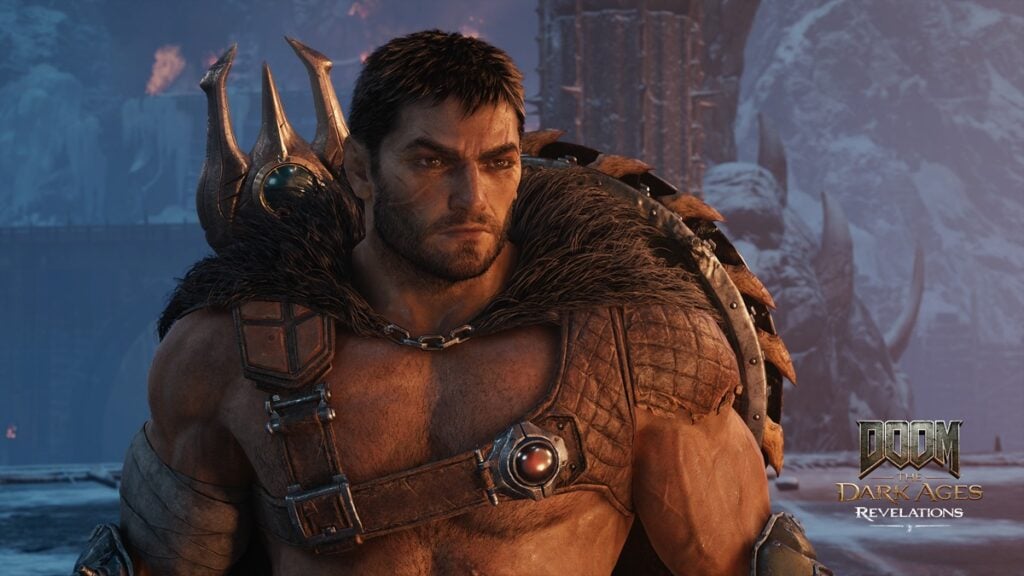 The Doom Slayer looks like Conan The Barbarian. Source: id Software For id Software, that could be a risky move, as id Tech 8 has focused on speed at scale in the past, and Doom games required that speed. On top of that, it’s not likely many contractors know how to use id Tech 8.
The toll on employees laid off has been tough.
“It’s been really nerve-wracking, and I am completely burned out because we were just finishing the DLC. We thought we might get impacted, but not to this scale,” said one laid-off employee.
In fact, id Software’s latest downloadable content, Revelations, is shipping for Doom: The Dark Ages now. It’s the last piece of software that half the team will ever finish.
Departments that were heavily hit include AI programming, technical design, other design departments, rendering, level design, gameplay design, combat design, the game engine team, environment art, and more. Numerous union employees were laid off. The team didn’t have many contractors since it finished its big project, Doom: The Dark Ages, last year. Remote workers were laid off. Among the surviving departments: cinematics and gameplay engineering.
As for Fury, it was a project that game director Hugo Martin proposed in the past as an original intellectual property. It had elements of sci-fi, noir, and Louisiana and Chicago gangsters. It had a modern, cyberpunk-like feel. It had a concept called Gun Fu, which combined gunplay with martial arts. It was supposed to feel a lot like a John Wick movie.
It was a chance to go beyond Doom, but moving away from core franchises is not exactly what Microsoft wants to do now.
The team was also considering doing a game based on Perfect Dark, the franchise that hasn’t had a new addition since Perfect Dark Zero in 2005 on the Xbox 360 game console. The studio got wind of the idea one day when someone made a presentation in a glass office.
The Initiative, an Xbox studio in Santa Monica, struggled for as much as seven years to make a Perfect Dark game before The Initiative was shut down in July 2025. Evidently, the Perfect Dark game was available since id Software could tap the IP of other Microsoft properties if they weren’t being worked on by others.
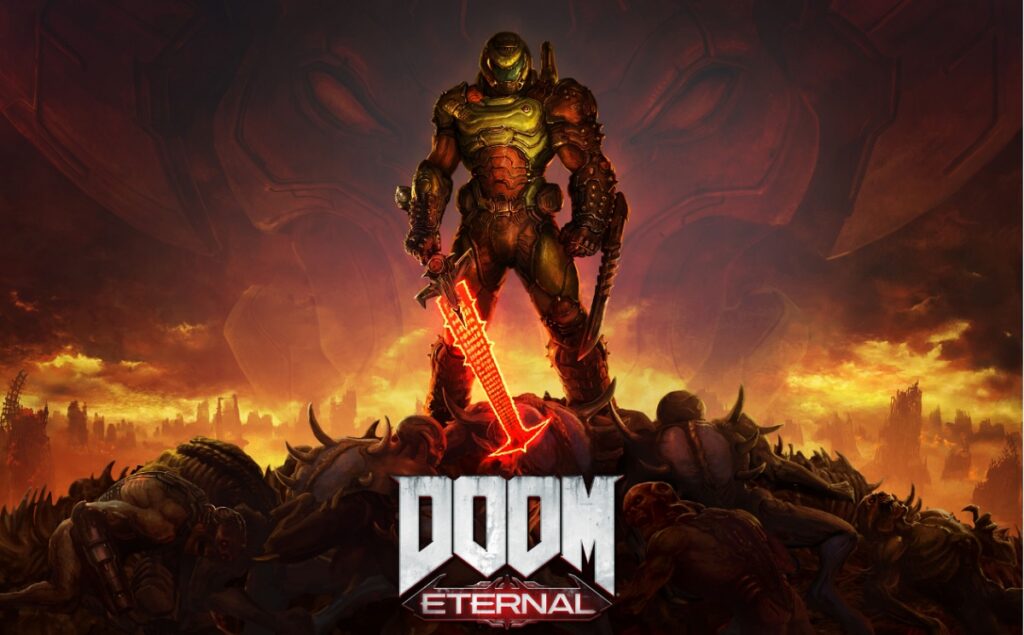 Microsoft bought Doom Eternal’s owner, ZeniMax Media (Bethesda) for $7.5 billion. Still another candidate was a Western-style robot game, with a focus on survival. Dubbed Ironwood, it was akin to the world of Westworld.
And as far as Doom goes, there were proposals to do multiplayer, co-op and more DLC. One of the ideas was to bring back old guns from previous games like Doom Eternal and Doom 2016. Fortunately, there were a lot of veterans to do such work, as id Software largely escaped previous Microsoft layoffs.
I’m so sorry for everyone at id Software affected by these layoffs.
I know what it feels like to leave id while id goes on. It’s a strange and painful thing to step away from a place that holds so much of your work, friendships and history.
The people at id have done a great… https://t.co/jxFFJ2bsFq
— John Romero (@romero) July 7, 2026 Of all those ideas, most were considered to be cross-platform games running on current generation hardware, but something like Fury might also be targeted for Project Helix.
Under the federal WARN Act, the employees get 60 days notice of any layoff. But union employees laid off do not know what their severance packages are yet because it has yet to be negotiated. Some of the id team was being farmed out to work on other titles like Blade at Arkane or Wolfenstein 3 at MachineGames. High-level leaders such as Matt Booty or Asha Sharma weren’t seen at id.
 Doom: The Dark Ages Source: id Software As for AI, there wasn’t much evidence it was being used in the studio, if at all, except for tasks that were more mundane and not related to game development. The job market isn’t good right now, and so one interviewee said they expect to see indie startups form.
Sadly, the company recently started handing out crystal trophies to workers who had put in 10, 15 or 20 years of work at id.
The outlook for id Software isn’t good — unless, ironically, it hires a lot of people.
“I’m not convinced there is a viable way forward,” said one laid-off worker. “It feels like a bunch of knee-jerk responses.”
The post Inside a studio layoff — Big questions for Microsoft’s intentions for id Software appeared first on GamesBeat.
At least 90 of 185 employees or so were cut, according to what I’ve heard. But that came as a surprise to many, considering the pioneering studio had one of the biggest properties in the Xbox hit portfolio in the reinvigorated Doom franchise. Those former employees say the travesty of the Xbox layoffs, done in a rush, are evident in who was chosen when the ax came.
“It’s a bloodbath,” said one former employee. “I was blindsided by it. The scale of it.”
id Software was vulnerable in part because it was between major games. Just yesterday, it had shipped Revelations, a downloadable content (DLC), or expansion pack, for Doom: The Dark Ages. The cuts came as id’s team was toying with different game ideas including a John Wick-style original game called Fury; a new game in the Perfect Dark franchise; and a multiplayer/co-op version of Doom. It’s not clear which game, if any, the remaining team can do.
The pain of the layoffs echoed throughout the Xbox network. In a LinkedIn post, Daniel Gagne, a principal UI artist, said he survived the layoffs. But he said, “Finding the right words right now is incredibly difficult. A massive amount of brilliant, talented individuals just lost their roles.”
Gagne added, “Having navigated the gaming industry for over 25 years, I’ve seen my share of restructuring. However, this one cuts much deeper. Seeing friends and coworkers—some who dedicated over two decades to id Software—lose their jobs is heartbreaking. The AAA gaming ecosystem needs to change; the current model is unsustainable for the people who build these worlds.”
You’re back to hell in Doom: The Dark Ages — Revelations DLC. Source: id Software The Richardson, Texas-based studio (near Dallas) was not pegged for either closure or sale like five other game studios. But had it known the cuts would be so deep, it probably would have opted to be sold to another party. That’s what I’ve heard from employees who were laid off on Monday. Marty Stratton, studio head, got choked up as he told staff about the layoffs over a Teams call that morning.It’s a sad outcome for a studio started in 1991 by four young men in Dallas: John Carmack, John Romero, Adrian Carmack and Tom Hall. They created games like Wolfenstein, Doom, and Quake. They eventually went their separate ways, sold id to ZeniMax in 2009, and are holding a reunion for the 30th anniversary of id’s Quake in Dallas in August at QuakeCon.
The cuts show how ill-considered the overall Xbox strategy betrayed the studio as it made single-player games for its longstanding fans. As noted, Xbox Game Pass was supposed to hit about 77 million subscribers by now, but the number stands at 30 million and it’s falling.
One former studio head said that it was confusing in terms of goals that Microsoft wanted. Was it subscribers for Xbox Game Pass? High engagement time on Game Pass? Revenues and profits from standalone copies sold? Technology demos for the platform? id Software is a part of Bethesda, whose parent firm, ZeniMax, was bought by Microsoft in 2021 for $7.5 billion.
Doom: The Dark Ages got a Metacritic aggregate review score of 83 out of 100 — not bad. The problem with it was that it was played by millions of fans, but many played it for free on Game Pass. Doom was like a counter to other PlayStation games like God of War or The Last of Us. But Doom: The Dark Ages standalone game sales, which would have generated more revenues and profits, were weak. That made it a target. If id Software knew that the goal was revenues and profits, it might have opted for live service or multiplayer modes instead.
The focus on single-player gaming was a choice the studio made to keep its headcount low, and it is remarkable that a studio like id, with triple-A cred going back decades, was so small. That was an advantage when it came to communication. On the downside, id Software often took four years to make a game, longer than other teams. And some said they had to work on crunch time on a regular basis. Hugo Martin, game director, often told devs he wanted them to be believers, with passion and commitment to making great games.
id also made its own game engine, id Tech 8, a legacy from id cofounder John Carmack, who has since left. Carmack created the id Tech game engines so they could give the company’s games an edge in speed and visual quality, and id still continues to use the engine. However, Microsoft’s game studios, like Halo Studios, have been making moves to standardize on Unreal Engine, which could allow it to be more efficient with costs and engineering staff.
The Doom Slayer looks like Conan The Barbarian. Source: id Software For id Software, that could be a risky move, as id Tech 8 has focused on speed at scale in the past, and Doom games required that speed. On top of that, it’s not likely many contractors know how to use id Tech 8.The toll on employees laid off has been tough.
“It’s been really nerve-wracking, and I am completely burned out because we were just finishing the DLC. We thought we might get impacted, but not to this scale,” said one laid-off employee.
In fact, id Software’s latest downloadable content, Revelations, is shipping for Doom: The Dark Ages now. It’s the last piece of software that half the team will ever finish.
Departments that were heavily hit include AI programming, technical design, other design departments, rendering, level design, gameplay design, combat design, the game engine team, environment art, and more. Numerous union employees were laid off. The team didn’t have many contractors since it finished its big project, Doom: The Dark Ages, last year. Remote workers were laid off. Among the surviving departments: cinematics and gameplay engineering.
As for Fury, it was a project that game director Hugo Martin proposed in the past as an original intellectual property. It had elements of sci-fi, noir, and Louisiana and Chicago gangsters. It had a modern, cyberpunk-like feel. It had a concept called Gun Fu, which combined gunplay with martial arts. It was supposed to feel a lot like a John Wick movie.
It was a chance to go beyond Doom, but moving away from core franchises is not exactly what Microsoft wants to do now.
The team was also considering doing a game based on Perfect Dark, the franchise that hasn’t had a new addition since Perfect Dark Zero in 2005 on the Xbox 360 game console. The studio got wind of the idea one day when someone made a presentation in a glass office.
The Initiative, an Xbox studio in Santa Monica, struggled for as much as seven years to make a Perfect Dark game before The Initiative was shut down in July 2025. Evidently, the Perfect Dark game was available since id Software could tap the IP of other Microsoft properties if they weren’t being worked on by others.
Microsoft bought Doom Eternal’s owner, ZeniMax Media (Bethesda) for $7.5 billion. Still another candidate was a Western-style robot game, with a focus on survival. Dubbed Ironwood, it was akin to the world of Westworld. And as far as Doom goes, there were proposals to do multiplayer, co-op and more DLC. One of the ideas was to bring back old guns from previous games like Doom Eternal and Doom 2016. Fortunately, there were a lot of veterans to do such work, as id Software largely escaped previous Microsoft layoffs.
I’m so sorry for everyone at id Software affected by these layoffs.
I know what it feels like to leave id while id goes on. It’s a strange and painful thing to step away from a place that holds so much of your work, friendships and history.
The people at id have done a great… https://t.co/jxFFJ2bsFq
— John Romero
(@romero) July 7, 2026 Of all those ideas, most were considered to be cross-platform games running on current generation hardware, but something like Fury might also be targeted for Project Helix.Under the federal WARN Act, the employees get 60 days notice of any layoff. But union employees laid off do not know what their severance packages are yet because it has yet to be negotiated. Some of the id team was being farmed out to work on other titles like Blade at Arkane or Wolfenstein 3 at MachineGames. High-level leaders such as Matt Booty or Asha Sharma weren’t seen at id.
Doom: The Dark Ages Source: id Software As for AI, there wasn’t much evidence it was being used in the studio, if at all, except for tasks that were more mundane and not related to game development. The job market isn’t good right now, and so one interviewee said they expect to see indie startups form. Sadly, the company recently started handing out crystal trophies to workers who had put in 10, 15 or 20 years of work at id.
The outlook for id Software isn’t good — unless, ironically, it hires a lot of people.
“I’m not convinced there is a viable way forward,” said one laid-off worker. “It feels like a bunch of knee-jerk responses.”
The post Inside a studio layoff — Big questions for Microsoft’s intentions for id Software appeared first on GamesBeat.
What's Your Reaction?








XINKER - Business and Income Tips
Explore XINKER, the ultimate platform for mastering business strategies, discovering passive income opportunities, and learning success principles. Join a community of thinkers dedicated to achieving financial freedom and entrepreneurial excellence.



![[Business Talk] Chagee: Opening 3,500 stores in 6 years](https://xinker.org/uploads/images/202410/image_140x98_671afce94bf91.webp)