
![[PRO Tips] Gold’s Bullish Revival: Seasonal Trends and Key Levels to Watch](https://xinker.org/uploads/images/202412/image_430x256_67724cc6ad0cd.webp)
![[PRO Tips] Gold Market Under Short-Term Pressure, Safe-Haven Demand and Central Bank Buying Support Long-Term Upside Potential](https://xinker.org/uploads/images/202412/image_430x256_676ffb4685287.webp)
![[PRO Tips] Analysis of 9 key points of differentiation strategy! Master differentiation to create a brand advantage that is unique in the world!](https://firebasestorage.googleapis.com/v0/b/xinker-tips.appspot.com/o/article_thumbnails%2Fscaled_differentiation%20strategy.png.png?alt=media&token=a1bfc3d2-e85a-4db7-8a6d-01c7274f8940)
![[PRO Tips] Will REITs regain growth momentum in 2024? 3 REITs ETFs you must know if you want to invest in real estate.](https://firebasestorage.googleapis.com/v0/b/xinker-tips.appspot.com/o/article_thumbnails%2Fscaled_REITs1.png.png?alt=media&token=8af4eb93-33ff-466f-8039-b6555fad52b4)
![[PRO Tips] Complete tutorial on how to make money in Adobe Stock!](https://firebasestorage.googleapis.com/v0/b/xinker-tips.appspot.com/o/article_thumbnails%2Fscaled_tut-adobe1.png.png?alt=media&token=0b2c8cf2-22bd-4142-883e-140ed1cbaf02)
![[Passive Income] Unlock the secret of passive income: 3 steps to apply for Google AdSense](https://xinker.org/uploads/images/202410/image_430x256_6717a4fb3052b.webp)
![[Passive Income] Earn over $200 a day with AI-generated articles!](https://firebasestorage.googleapis.com/v0/b/xinker-tips.appspot.com/o/article_thumbnails%2Fscaled_article1.png.png?alt=media&token=f61bf35b-8553-4719-826d-7360024adc70)
![[Passive Income] Earn over 20 USD per download with AI-generated images!](https://firebasestorage.googleapis.com/v0/b/xinker-tips.appspot.com/o/article_thumbnails%2Fscaled_adobe2.png.png?alt=media&token=3e20e76a-a907-45af-80aa-bf9b3600301f)
![[Passive Income] Earn 10 USD per new download by sharing CapCut!](https://firebasestorage.googleapis.com/v0/b/xinker-tips.appspot.com/o/article_thumbnails%2Fscaled_capcut2.png.png?alt=media&token=a04dec40-1fac-4857-86f2-19a8be02d38e)
![[Passive Income] Use your WiFi to create passive income in 5 minutes, and you can earn 4-6 U per day!](https://firebasestorage.googleapis.com/v0/b/xinker-tips.appspot.com/o/article_thumbnails%2Fscaled_Grassio.webp.png?alt=media&token=7659a95e-0e47-4f27-a17d-c942ac3cf7f4)


![[Business Talk] The Unique Theme of XINKER's Song: Beef Wellington and Business Mastery](https://xinker.org/uploads/images/202410/image_430x256_671afc155f47f.webp)
![[Business Talk] Chagee: Opening 3,500 stores in 6 years](https://xinker.org/uploads/images/202410/image_430x256_671afce80c5f9.webp)


In the age of AI and layoffs, playing old games in 2026 is about more than nostalgia
I didn't realize I'd stopped playing new releases until my wife pointed it out one day. "You've been playing a lot of super old games lately," she remarked to me, and I didn't think much of it at first. But her words echoed long enough to make me stop and ponder exactly why I'd been snubbing new games in favor of old. I've come to the conclusion that I'm using them as a security blanket of sorts. Writing about video games for a living in 2026 means generative AI and mass layoffs consume up to 100% of my headspace on any given working day. Whether it's another big company like Xbox announcing hundreds of redundancies or a C-suite executive extolling the dubious virtues of artificial intelligence, I log on for work each morning fully expecting to learn about something terrible to research and communicate to you, dear reader. Don't get me wrong, the gravity of a story about corporate restructuring is usually offset by something fun, like a Kingdom Come Deliverance 2 Balatro crossover. But as upsetting stories continue to take up a greater share of my workload with every passing week, it's no wonder that I'm escaping the horrors of gaming's present by losing myself in its past.Take the pain away (Image credit: Blizzard Entertainment) Round table (Image credit: Annapurna Interactive) "It creates lesser games": 25 indie devs speak out against genAI in video games My recent retro gaming phase came about organically. I hurt my back the other week and spent several days faced with a very physical dilemma. I could stay lying down, or exist in a state of perpetual agony. There's not much you can do in that situation besides watch TV and play video games, and I found myself doing a lot of both. But what surprised me was my instinct to exclusively play very old games. As in, games that launched at least 15 years ago. In a mild state of sedation from over-the-counter painkillers, I reached for what was most comfortable: games from my childhood, like Pokemon Leaf Green, Diablo 2, and The Legend of Zelda: Skyward Sword. It feels markedly different from the casual, inconsistent relationship I've had with the best retro games up until recently, fueled by an impulse to comb through my Switch Online subscription a few times a year and play something from the N64 collection. I'm sure many people resort to the same thing out of convenience, boredom, or lazy curiosity. But my current fixation on retro games is borne from something much more intentional, decided by whatever subconscious part of my brain is in charge of protecting my inner peace. (Image credit: Nintendo, The Pokemon Company, Game Freak) I can't be the only one whose sense of inner peace feels constantly threatened by games news headlines. The industry has always had its ups and downs, but 2026 is proving a uniquely challenging year.Universally-acclaimed releases like Crimson Desert are weighed down by varying degrees of controversy. Marathon, Bungie's genuinely great new extraction shooter, has been saddled with responsibility for the death of Destiny 2. I had a lot of fun playing Highguard for the 90 minutes it existed before being permanently shut down, and then I just felt bad for the dozens of developers who worked on it that were suddenly out of a job. I was excited about Subnautica 2 for years, but after extensively covering the legal drama between the original developers and publisher Krafton, it became harder and harder to immerse myself in its world. Old games let me detach from that misery. When I'm playing Dragon Quest 8, I'm not worried about whether that Dancing devil or Fencing fox was conceptualized using AI-generated art. My friends and I can go a few rounds in Halo 2 without worrying about the livelihoods of everyone who made the game. I can save the world as Tidus in Final Fantasy 10 and not even once think about phrases like shareholder value or operating margins. What's even better is finding old games I'd never played or revisiting those I bounced off years ago, which I'm ashamed to admit was the case with Skyward Sword – a game I now regret ever saying anything bad about when I was young and stupid. A link to the past (Image credit: Nintendo) Playing older games in 2026 has had the ironic effect of sparking optimism for the future A lot of what bums me out about today's games also existed 10, 20, even 30 years ago (EA has been shutting down beloved studios long before Microsoft) but it wasn't at the forefront of the zeitgeist like today. Circumstances appear so exacerbated right now because seemingly very little has been done to address the industry's fundamental issues.There are fewer and fewer places for laid-off developers to safely land. Startup studios consistently struggle to establish a footing due to the increasing scale of development. Meanwhile, billion-dollar companies appear slow to learn from their mistakes, buying companies and IP only to cut staff and shutter studios when sales don't measure up to investor expectations. Th
 I didn't realize I'd stopped playing new releases until my wife pointed it out one day. "You've been playing a lot of super old games lately," she remarked to me, and I didn't think much of it at first. But her words echoed long enough to make me stop and ponder exactly why I'd been snubbing new games in favor of old. I've come to the conclusion that I'm using them as a security blanket of sorts.
Writing about video games for a living in 2026 means generative AI and mass layoffs consume up to 100% of my headspace on any given working day. Whether it's another big company like Xbox announcing hundreds of redundancies or a C-suite executive extolling the dubious virtues of artificial intelligence, I log on for work each morning fully expecting to learn about something terrible to research and communicate to you, dear reader.
Don't get me wrong, the gravity of a story about corporate restructuring is usually offset by something fun, like a Kingdom Come Deliverance 2 Balatro crossover. But as upsetting stories continue to take up a greater share of my workload with every passing week, it's no wonder that I'm escaping the horrors of gaming's present by losing myself in its past.
Take the pain away
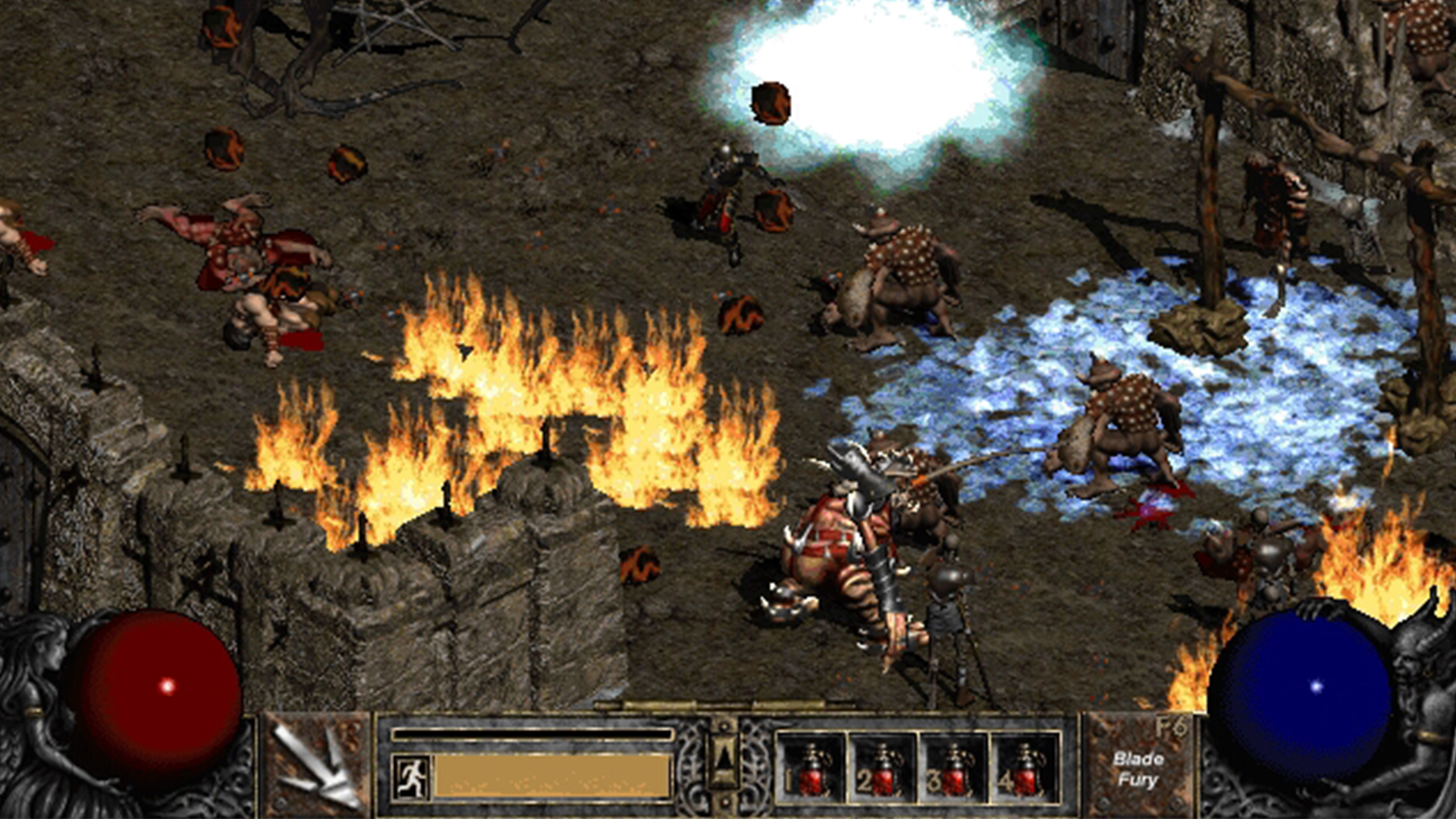
(Image credit: Blizzard Entertainment) Round table
(Image credit: Annapurna Interactive) "It creates lesser games": 25 indie devs speak out against genAI in video games
My recent retro gaming phase came about organically. I hurt my back the other week and spent several days faced with a very physical dilemma. I could stay lying down, or exist in a state of perpetual agony. There's not much you can do in that situation besides watch TV and play video games, and I found myself doing a lot of both.
But what surprised me was my instinct to exclusively play very old games. As in, games that launched at least 15 years ago. In a mild state of sedation from over-the-counter painkillers, I reached for what was most comfortable: games from my childhood, like Pokemon Leaf Green, Diablo 2, and The Legend of Zelda: Skyward Sword.
It feels markedly different from the casual, inconsistent relationship I've had with the best retro games up until recently, fueled by an impulse to comb through my Switch Online subscription a few times a year and play something from the N64 collection. I'm sure many people resort to the same thing out of convenience, boredom, or lazy curiosity. But my current fixation on retro games is borne from something much more intentional, decided by whatever subconscious part of my brain is in charge of protecting my inner peace.
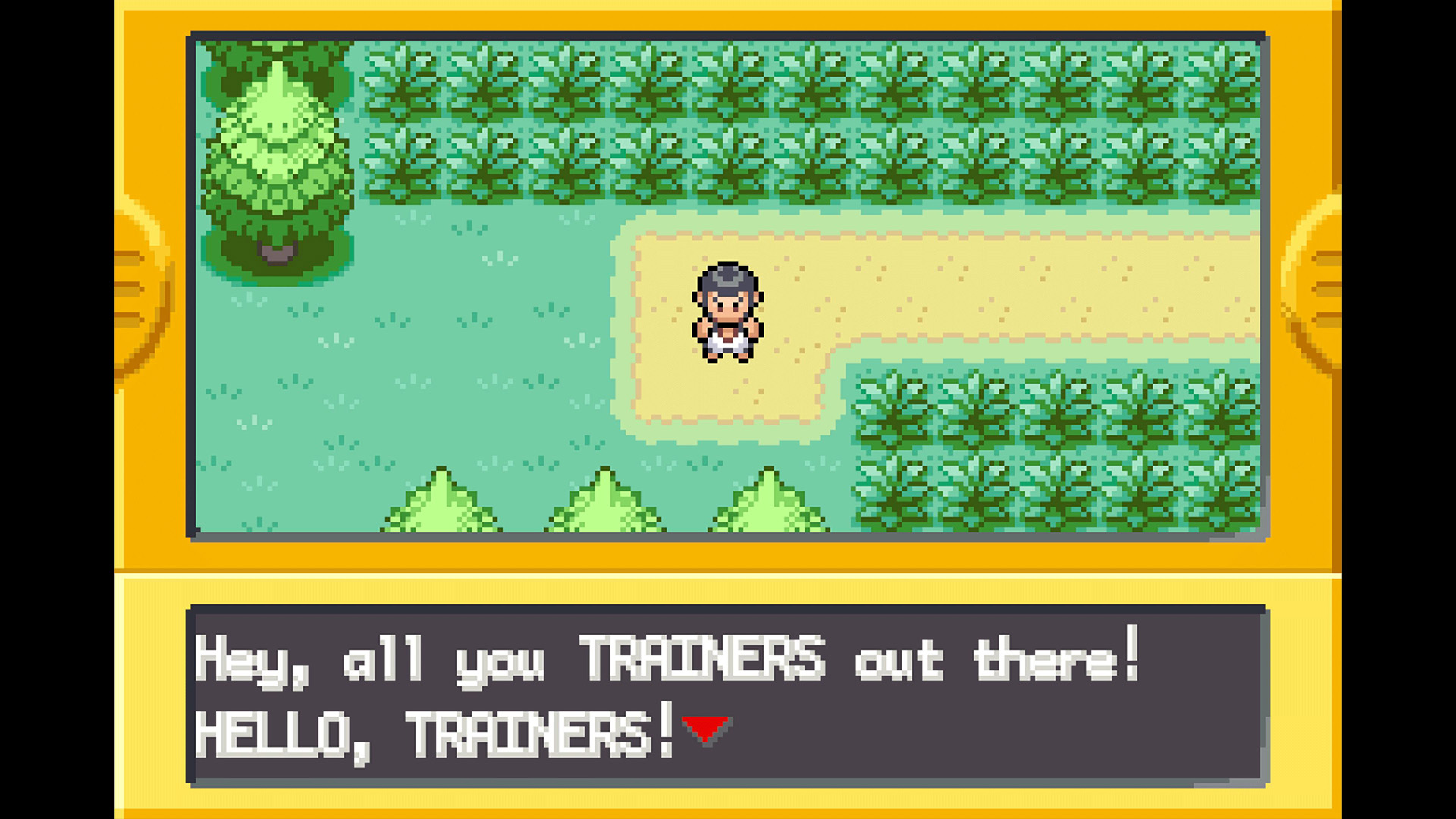
(Image credit: Nintendo, The Pokemon Company, Game Freak) I can't be the only one whose sense of inner peace feels constantly threatened by games news headlines. The industry has always had its ups and downs, but 2026 is proving a uniquely challenging year.
Universally-acclaimed releases like Crimson Desert are weighed down by varying degrees of controversy. Marathon, Bungie's genuinely great new extraction shooter, has been saddled with responsibility for the death of Destiny 2. I had a lot of fun playing Highguard for the 90 minutes it existed before being permanently shut down, and then I just felt bad for the dozens of developers who worked on it that were suddenly out of a job. I was excited about Subnautica 2 for years, but after extensively covering the legal drama between the original developers and publisher Krafton, it became harder and harder to immerse myself in its world.
Old games let me detach from that misery. When I'm playing Dragon Quest 8, I'm not worried about whether that Dancing devil or Fencing fox was conceptualized using AI-generated art. My friends and I can go a few rounds in Halo 2 without worrying about the livelihoods of everyone who made the game. I can save the world as Tidus in Final Fantasy 10 and not even once think about phrases like shareholder value or operating margins.
What's even better is finding old games I'd never played or revisiting those I bounced off years ago, which I'm ashamed to admit was the case with Skyward Sword – a game I now regret ever saying anything bad about when I was young and stupid.
A link to the past
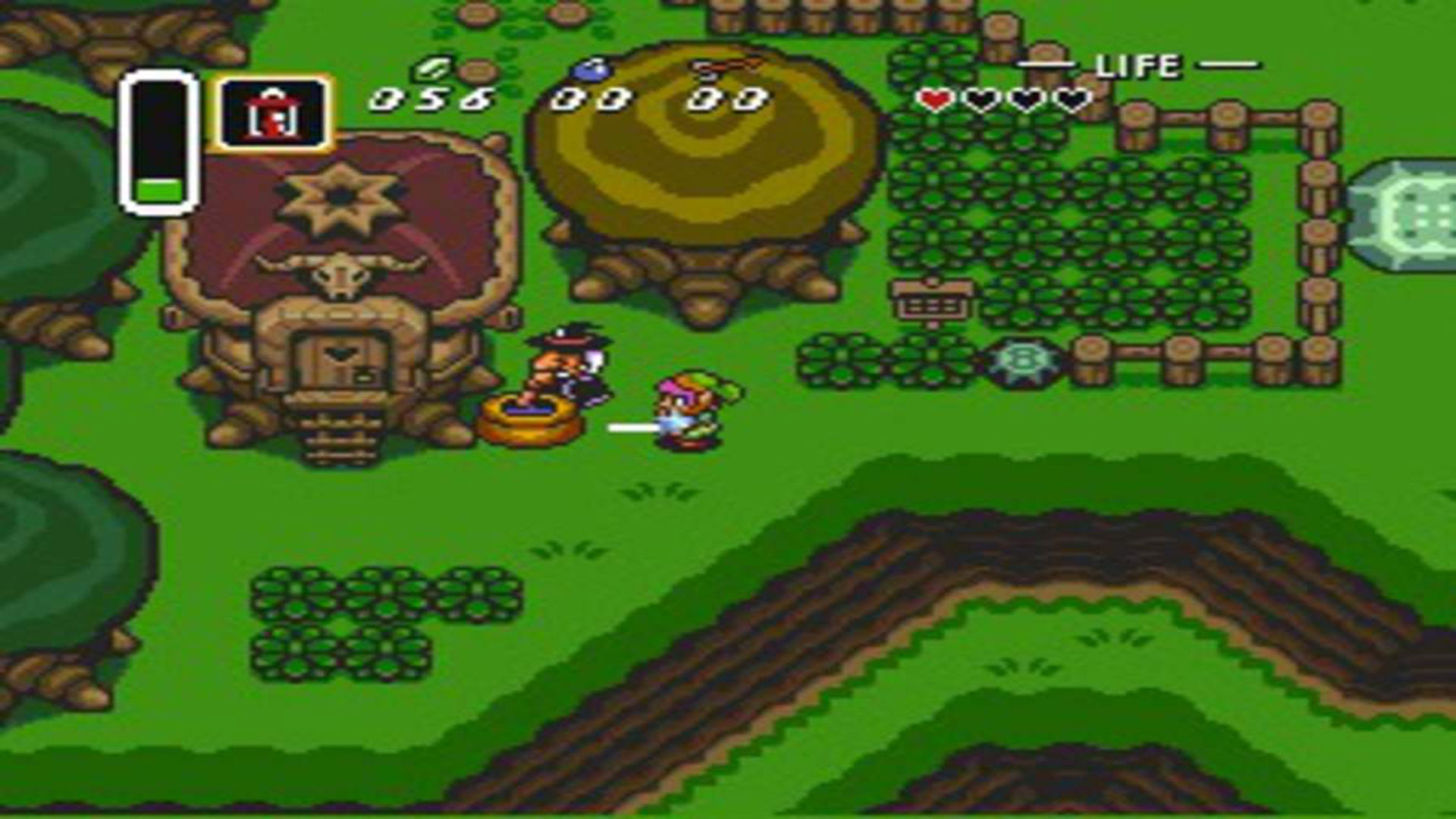
(Image credit: Nintendo) Playing older games in 2026 has had the ironic effect of sparking optimism for the future
A lot of what bums me out about today's games also existed 10, 20, even 30 years ago (EA has been shutting down beloved studios long before Microsoft) but it wasn't at the forefront of the zeitgeist like today. Circumstances appear so exacerbated right now because seemingly very little has been done to address the industry's fundamental issues.
There are fewer and fewer places for laid-off developers to safely land. Startup studios consistently struggle to establish a footing due to the increasing scale of development. Meanwhile, billion-dollar companies appear slow to learn from their mistakes, buying companies and IP only to cut staff and shutter studios when sales don't measure up to investor expectations.
The games industry feels less sustainable than ever. I don't know how we're going to fix it, but playing older games in 2026 has had the ironic effect of sparking optimism for the future that I haven't felt in a while by reminding me how far we've come.
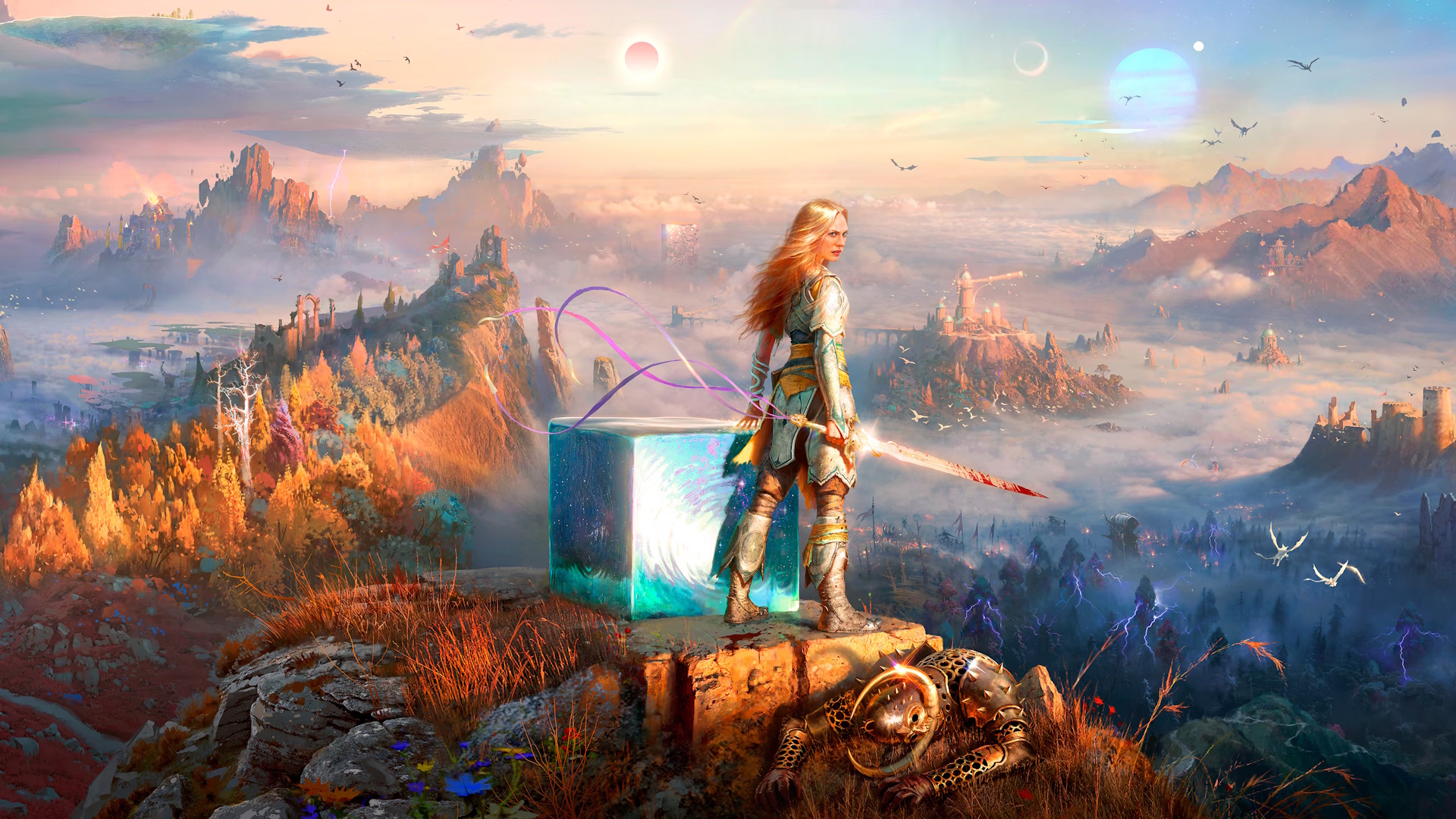
(Image credit: SIE) Real progress has been made for better representation in games. Investigations into workplace toxicity have resulted in high-profile departures and institutional changes. Workers are successfully unionizing at an encouraging scale, and the impact of crunch culture has been put under a spotlight like never before. We've a long way to go in each one of those aspects, but I'm choosing to believe the same collective drive for a better industry will fuel worthwhile movement in areas causing so much strife today.
In the meantime, I'll dutifully continue keeping y'all informed of the latest atrocities in the hopes that one day I'll find myself writing more about BOGO indie RPGs and less about people losing their jobs. But in my free time, you'll find me curled up under a warm, fuzzy mountain of retro games, whisked away to a simpler time.
Check out all the best N64 games to re-explore if you also want to lose yourself in the good old days.
[/url]
What's Your Reaction?








XINKER - Business and Income Tips
Explore XINKER, the ultimate platform for mastering business strategies, discovering passive income opportunities, and learning success principles. Join a community of thinkers dedicated to achieving financial freedom and entrepreneurial excellence.

![[Business Talk] Chagee: Opening 3,500 stores in 6 years](https://xinker.org/uploads/images/202410/image_140x98_671afce94bf91.webp)