




![[PRO Tips] Gold’s Bullish Revival: Seasonal Trends and Key Levels to Watch](https://xinker.org/uploads/images/202412/image_430x256_67724cc6ad0cd.webp)
![[PRO Tips] Gold Market Under Short-Term Pressure, Safe-Haven Demand and Central Bank Buying Support Long-Term Upside Potential](https://xinker.org/uploads/images/202412/image_430x256_676ffb4685287.webp)
![[PRO Tips] Analysis of 9 key points of differentiation strategy! Master differentiation to create a brand advantage that is unique in the world!](https://firebasestorage.googleapis.com/v0/b/xinker-tips.appspot.com/o/article_thumbnails%2Fscaled_differentiation%20strategy.png.png?alt=media&token=a1bfc3d2-e85a-4db7-8a6d-01c7274f8940)
![[PRO Tips] Will REITs regain growth momentum in 2024? 3 REITs ETFs you must know if you want to invest in real estate.](https://firebasestorage.googleapis.com/v0/b/xinker-tips.appspot.com/o/article_thumbnails%2Fscaled_REITs1.png.png?alt=media&token=8af4eb93-33ff-466f-8039-b6555fad52b4)
![[PRO Tips] Complete tutorial on how to make money in Adobe Stock!](https://firebasestorage.googleapis.com/v0/b/xinker-tips.appspot.com/o/article_thumbnails%2Fscaled_tut-adobe1.png.png?alt=media&token=0b2c8cf2-22bd-4142-883e-140ed1cbaf02)
![[Passive Income] Unlock the secret of passive income: 3 steps to apply for Google AdSense](https://xinker.org/uploads/images/202410/image_430x256_6717a4fb3052b.webp)
![[Passive Income] Earn over $200 a day with AI-generated articles!](https://firebasestorage.googleapis.com/v0/b/xinker-tips.appspot.com/o/article_thumbnails%2Fscaled_article1.png.png?alt=media&token=f61bf35b-8553-4719-826d-7360024adc70)
![[Passive Income] Earn over 20 USD per download with AI-generated images!](https://firebasestorage.googleapis.com/v0/b/xinker-tips.appspot.com/o/article_thumbnails%2Fscaled_adobe2.png.png?alt=media&token=3e20e76a-a907-45af-80aa-bf9b3600301f)
![[Passive Income] Earn 10 USD per new download by sharing CapCut!](https://firebasestorage.googleapis.com/v0/b/xinker-tips.appspot.com/o/article_thumbnails%2Fscaled_capcut2.png.png?alt=media&token=a04dec40-1fac-4857-86f2-19a8be02d38e)
![[Passive Income] Use your WiFi to create passive income in 5 minutes, and you can earn 4-6 U per day!](https://firebasestorage.googleapis.com/v0/b/xinker-tips.appspot.com/o/article_thumbnails%2Fscaled_Grassio.webp.png?alt=media&token=7659a95e-0e47-4f27-a17d-c942ac3cf7f4)


![[Business Talk] The Unique Theme of XINKER's Song: Beef Wellington and Business Mastery](https://xinker.org/uploads/images/202410/image_430x256_671afc155f47f.webp)
![[Business Talk] Chagee: Opening 3,500 stores in 6 years](https://xinker.org/uploads/images/202410/image_430x256_671afce80c5f9.webp)


In a year defined by price increases, one spec of Lenovo's latest gaming laptop could suggest cheaper rigs to come
After a year of component shortages, demand squeezes, and rising prices it's refreshing to be able to talk about the tech that could well bring the best gaming laptop prices down over the next few years, and it's all in the display. The Lenovo Legion R9000P took to market last week, offering the world's first Inkjet-Printed OLED display on a gaming laptop. The 240Hz panel sits atop the more premium rig, but it's not the sharpness, speed, or vibrancy we're talking about here. Instead, it's the manufacturing process that has fans like me excited. How does Inkjet-Printed OLED manufacturing work? OLED panels are typically produced using a Vacuum Thermal Evaporation process, in which the materials used to form the light-emitting diodes of the display itself are funnelled through a vacuum chamber and splattered over the top of a 'fine metal mask' to make sure all their red, green, and blue parts end up in the correct places. It's expensive and wastes a lot of material in the process, part of the reason OLED machines still command a higher price tag. Instead, TCL CSOT's been working up to mass produced Inkjet-Printed OLEDs, most recently kickstarting its Gen 5.5 production line in 2024. What does that mean for you and me? The technology, in its barest terms, swaps that evaporated material for a liquid one. Lenovo's cheapest OLED (Image credit: Future) This isn't the first time the brand has been working at bringing OLED rigs further down the price scale, though. The existing Lenovo Legion 5 Gen 10 was remarkably cheap for a gaming laptop with an OLED display last year, even if it suffered from a little glare as a result. Lenovo Legion 5 (RTX 5060) | $1,449.99 (was $1,599.99) at Best Buy Rather than wasting materials on a fine metal mask (like a stencil for layering the right parts over a glass substrate panel), Inkjet-Printed OLED manufacturing combines these materials into a soluble solution that is instead precisely positioned exactly where it needs to be. In its most basic terms, it's like printing a picture rather than spray painting over a cut-out. The result is a much cheaper manufacturing process that Omdia estimated would cut "OLED notebook panel manufacturing costs by approximately 30 to 35%" earlier this year. We'll take anything we can get at a time like this. For now, Lenovo's R9000P is generally stuck in the Chinese market but often make their way over to the West in the form of the Legion 5 Pro line. See all gaming laptop deals at Best Buy I'm also getting my hands on all the best Asus gaming laptops as well as the best Razer laptops and best Alienware laptops on the market. [/url]
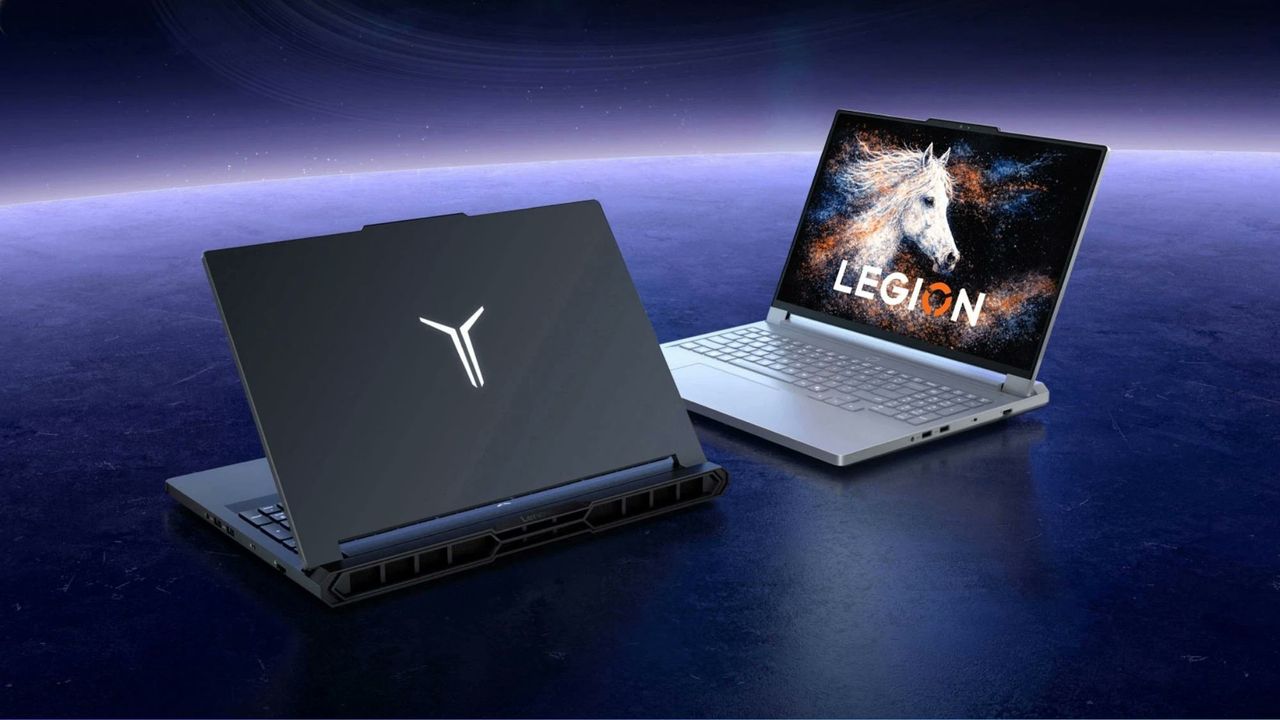 After a year of component shortages, demand squeezes, and rising prices it's refreshing to be able to talk about the tech that could well bring the best gaming laptop prices down over the next few years, and it's all in the display.
 The Lenovo Legion R9000P took to market last week, offering the world's first Inkjet-Printed OLED display on a gaming laptop. The 240Hz panel sits atop the more premium rig, but it's not the sharpness, speed, or vibrancy we're talking about here. Instead, it's the manufacturing process that has fans like me excited.
How does Inkjet-Printed OLED manufacturing work?
OLED panels are typically produced using a Vacuum Thermal Evaporation process, in which the materials used to form the light-emitting diodes of the display itself are funnelled through a vacuum chamber and splattered over the top of a 'fine metal mask' to make sure all their red, green, and blue parts end up in the correct places. It's expensive and wastes a lot of material in the process, part of the reason OLED machines still command a higher price tag. Instead, TCL CSOT's been working up to mass produced Inkjet-Printed OLEDs, most recently kickstarting its Gen 5.5 production line in 2024. What does that mean for you and me? The technology, in its barest terms, swaps that evaporated material for a liquid one.
Lenovo's cheapest OLED
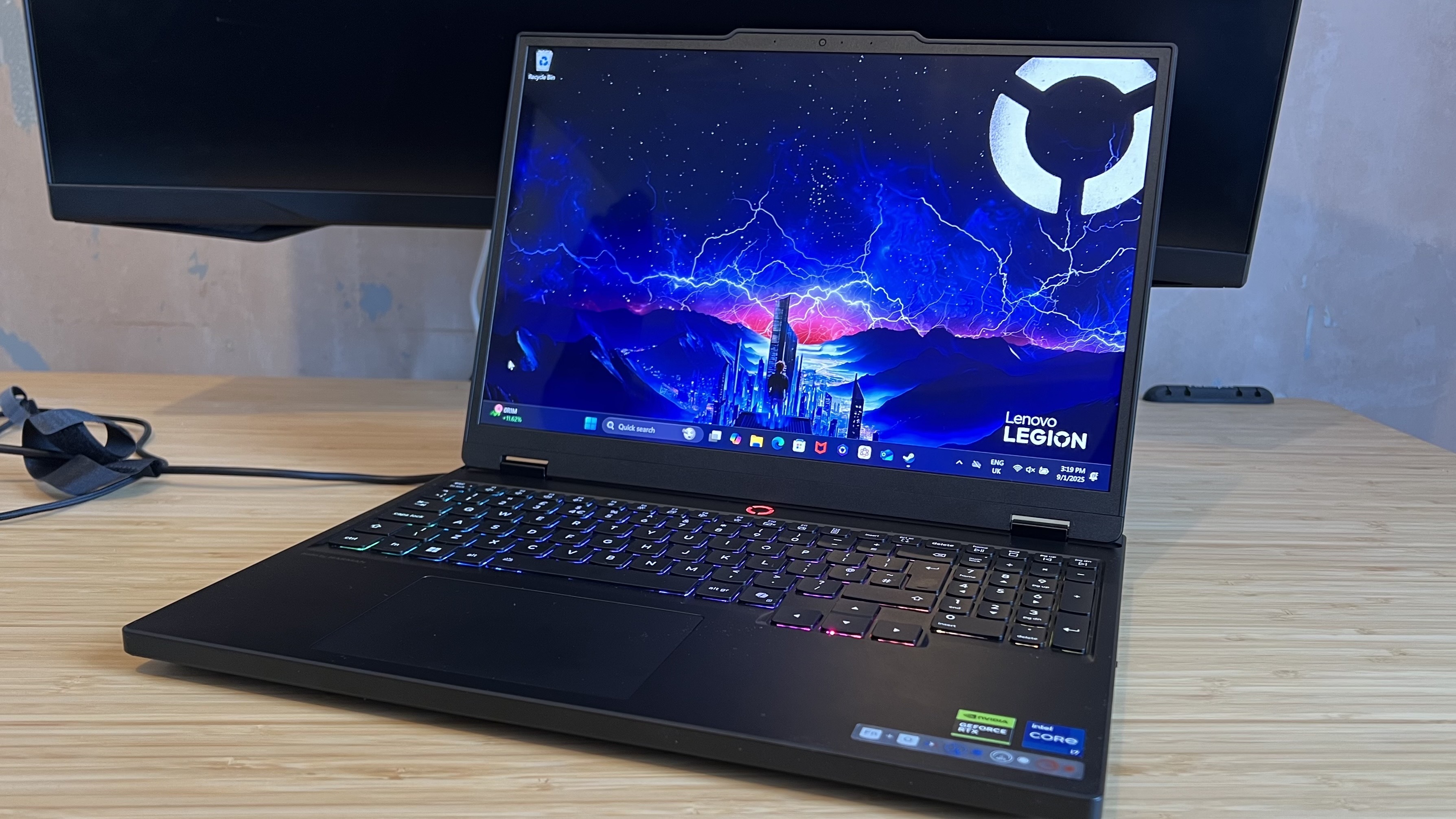
(Image credit: Future) This isn't the first time the brand has been working at bringing OLED rigs further down the price scale, though. The existing Lenovo Legion 5 Gen 10 was remarkably cheap for a gaming laptop with an OLED display last year, even if it suffered from a little glare as a result.
Lenovo Legion 5 (RTX 5060) | $1,449.99 (was $1,599.99) at Best Buy
Rather than wasting materials on a fine metal mask (like a stencil for layering the right parts over a glass substrate panel), Inkjet-Printed OLED manufacturing combines these materials into a soluble solution that is instead precisely positioned exactly where it needs to be. In its most basic terms, it's like printing a picture rather than spray painting over a cut-out.
The result is a much cheaper manufacturing process that Omdia estimated would cut "OLED notebook panel manufacturing costs by approximately 30 to 35%" earlier this year. We'll take anything we can get at a time like this.
For now, Lenovo's R9000P is generally stuck in the Chinese market but often make their way over to the West in the form of the Legion 5 Pro line.
- See all gaming laptop deals at Best Buy
[/url]
What's Your Reaction?








XINKER - Business and Income Tips
Explore XINKER, the ultimate platform for mastering business strategies, discovering passive income opportunities, and learning success principles. Join a community of thinkers dedicated to achieving financial freedom and entrepreneurial excellence.



![[Business Talk] Chagee: Opening 3,500 stores in 6 years](https://xinker.org/uploads/images/202410/image_140x98_671afce94bf91.webp)