![[PRO Tips] Gold’s Bullish Revival: Seasonal Trends and Key Levels to Watch](https://xinker.org/uploads/images/202412/image_430x256_67724cc6ad0cd.webp)
![[PRO Tips] Gold Market Under Short-Term Pressure, Safe-Haven Demand and Central Bank Buying Support Long-Term Upside Potential](https://xinker.org/uploads/images/202412/image_430x256_676ffb4685287.webp)
![[PRO Tips] Analysis of 9 key points of differentiation strategy! Master differentiation to create a brand advantage that is unique in the world!](https://firebasestorage.googleapis.com/v0/b/xinker-tips.appspot.com/o/article_thumbnails%2Fscaled_differentiation%20strategy.png.png?alt=media&token=a1bfc3d2-e85a-4db7-8a6d-01c7274f8940)
![[PRO Tips] Will REITs regain growth momentum in 2024? 3 REITs ETFs you must know if you want to invest in real estate.](https://firebasestorage.googleapis.com/v0/b/xinker-tips.appspot.com/o/article_thumbnails%2Fscaled_REITs1.png.png?alt=media&token=8af4eb93-33ff-466f-8039-b6555fad52b4)
![[PRO Tips] Complete tutorial on how to make money in Adobe Stock!](https://firebasestorage.googleapis.com/v0/b/xinker-tips.appspot.com/o/article_thumbnails%2Fscaled_tut-adobe1.png.png?alt=media&token=0b2c8cf2-22bd-4142-883e-140ed1cbaf02)
![[Passive Income] Unlock the secret of passive income: 3 steps to apply for Google AdSense](https://xinker.org/uploads/images/202410/image_430x256_6717a4fb3052b.webp)
![[Passive Income] Earn over $200 a day with AI-generated articles!](https://firebasestorage.googleapis.com/v0/b/xinker-tips.appspot.com/o/article_thumbnails%2Fscaled_article1.png.png?alt=media&token=f61bf35b-8553-4719-826d-7360024adc70)
![[Passive Income] Earn over 20 USD per download with AI-generated images!](https://firebasestorage.googleapis.com/v0/b/xinker-tips.appspot.com/o/article_thumbnails%2Fscaled_adobe2.png.png?alt=media&token=3e20e76a-a907-45af-80aa-bf9b3600301f)
![[Passive Income] Earn 10 USD per new download by sharing CapCut!](https://firebasestorage.googleapis.com/v0/b/xinker-tips.appspot.com/o/article_thumbnails%2Fscaled_capcut2.png.png?alt=media&token=a04dec40-1fac-4857-86f2-19a8be02d38e)
![[Passive Income] Use your WiFi to create passive income in 5 minutes, and you can earn 4-6 U per day!](https://firebasestorage.googleapis.com/v0/b/xinker-tips.appspot.com/o/article_thumbnails%2Fscaled_Grassio.webp.png?alt=media&token=7659a95e-0e47-4f27-a17d-c942ac3cf7f4)


![[Business Talk] The Unique Theme of XINKER's Song: Beef Wellington and Business Mastery](https://xinker.org/uploads/images/202410/image_430x256_671afc155f47f.webp)
![[Business Talk] Chagee: Opening 3,500 stores in 6 years](https://xinker.org/uploads/images/202410/image_430x256_671afce80c5f9.webp)
If video game adaptations keep being unfaithful, we as fans should walk away from the relationship
I'm getting pretty fed up with recent video game adaptations. Some of my favorites have hit the big screen in recent years, and while some are hits, they fail to convey themes, emotional impact, or hold onto the artistry from the original. There are adaptations that bring new fans into an already established fanbase, while others (though gross millions of dollars...how?) seem to forget what made the original so bloody brilliant. Now, you may have enjoyed the examples I'm going to bring up and rightly so, everyone's entitled to their opinion. By no means have I watched every video game adaptation, but I have noticed a pattern in recent years that is starting to exhaust me. Where adaptations failMissing the point If you go into one of these adaptations with knowledge of the original, it's safe to say that you're going to be disappointed. This seems to appear most frequently with horror movies. Screenshot via Sony Pictures Until Dawn was a 2015 interactive masterpiece that brought the iconic slasher subgenre to a video game format. It played like Scream or Friday the 13th, having a cast of both likeable and dislikeable characters that grew through shared trauma. Supermassive Games excelled here and haven't since reached the same heights this game packed with personality, charm, and jumpscares had (House of Ashes was close). While the cast did a great job in the adaptation, Until Dawn could have been so much more. But Until Dawn was one of the toughest watches I've had this past year for how far it strays from its source material. Mixing Happy Death Day with Cabin in the Woods, Until Dawn is so far from its 2015 title that it truly frustrated me to watch. There was no signature red herring, the Wendigos were as tame as Walkers in the later The Walking Dead seasons, and everything was reduced to a tired time loop that had nothing to do with the original. Hiring Peter Stormare isn't enough. Though its conclusion did something most horror wouldn't dare to do, this reimagining was unsatisfying and predictable. This is a shame, because if it didn't have the IP, I probably would have enjoyed it a lot more. Screenshot via ONE Media Then there's Return to Silent Hill, and this one destroys me. How can you fuck up an absolute masterpiece in psychological horror? The town of Silent Hill takes on a resident's psyche, becoming the physical manifestation of their trauma. Yet, James's story and its impact is greatly reduced and dimmed, having its lore adjusted for a worser viewing. The complexity of Silent Hill 2 is severely missed from this adaptation; where playing as a man, a human, a monster—guilt-ridden and forced to face his irreparable actions, is pitied by altering his relationship and actions so that we have no choice but to feel for James. The original managed the same effect but with masterful storytelling. This poor adaptation paints a world where an audience cannot grasp depth beyond "X is good, Y is bad."The Hollywood Effect Then we have the crime of terrible casting decisions that many recent video game adaptations have done. These masterpieces don't translate well on-screen because what made them special is that they are video games with impactful storytelling and meaningful characters. So when I heard The Last of Us (TLOU), Uncharted, and Silent Hill 2 (SH2) were getting adapted, I was so excited... until I saw the cast. Image via Sony Pictures Entertainment The charm, banter, and personality of the Uncharted series made it addictive and unmissable. The characters felt real through their interaction with one another and the world that was continuously trying to kill them. Maybe I'm just a hater, but there isn't an ounce of acting prowess in Mark Wahlberg's abilities. The story is drastically different from the original as it acts as a prequel to Nathan Drake's endevors, yet that cannot stop me from hating the "chemistry" between the cast. Tom Holland lacks the charm of Nate and instead appears arrogant and "witty." Mark Wahlberg completely butchers Sully that he's just a paranoid, soulless, boring man that in no way resembles the reliable silver fox from the games. Image via Warner Bros I would have taken literally anyone else to star in TLOU and Uncharted, but alas, we get the Hollywood treatment—where the most popular stars riding the wave of infinite money and relevancy get to perform roles with mediocrity and expect fans to lap it up. Race-swapping in TLOU, reducing the age gap in Uncharted to switch Nate and Sully's dynamic from father-son to brother-brother, and the woefully terrible casting in Borderlands and Minecraft Movie turn adaptations into a cash grab with no soul, passion, or creativity. Bad casting decisions turn the adaptation into a joke that isn't funny. It becomes an easy paycheqck for the lucky actors whose role would never be made for them.The falling dominos of wrong choices Screenshot via HBO I understand when shows or films make changes from the source material for the better. Th
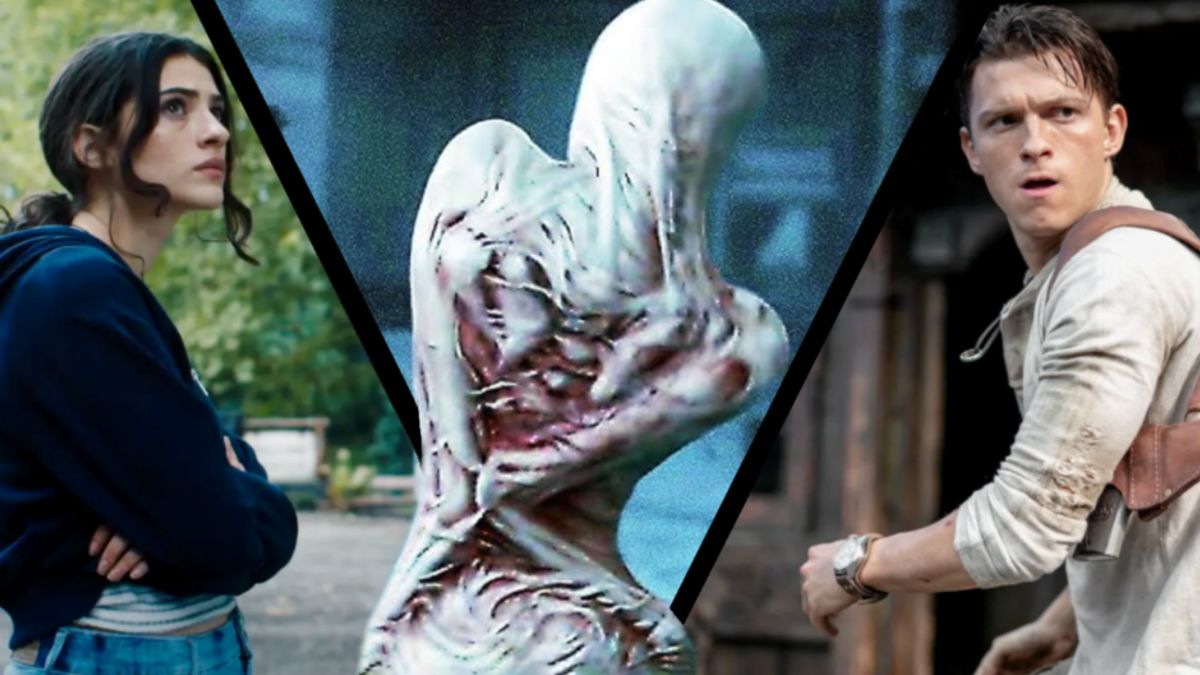
I'm getting pretty fed up with recent video game adaptations. Some of my favorites have hit the big screen in recent years, and while some are hits, they fail to convey themes, emotional impact, or hold onto the artistry from the original. There are adaptations that bring new fans into an already established fanbase, while others (though gross millions of dollars...how?) seem to forget what made the original so bloody brilliant.
Now, you may have enjoyed the examples I'm going to bring up and rightly so, everyone's entitled to their opinion. By no means have I watched every video game adaptation, but I have noticed a pattern in recent years that is starting to exhaust me.
Where adaptations fail
Missing the point
If you go into one of these adaptations with knowledge of the original, it's safe to say that you're going to be disappointed. This seems to appear most frequently with horror movies. 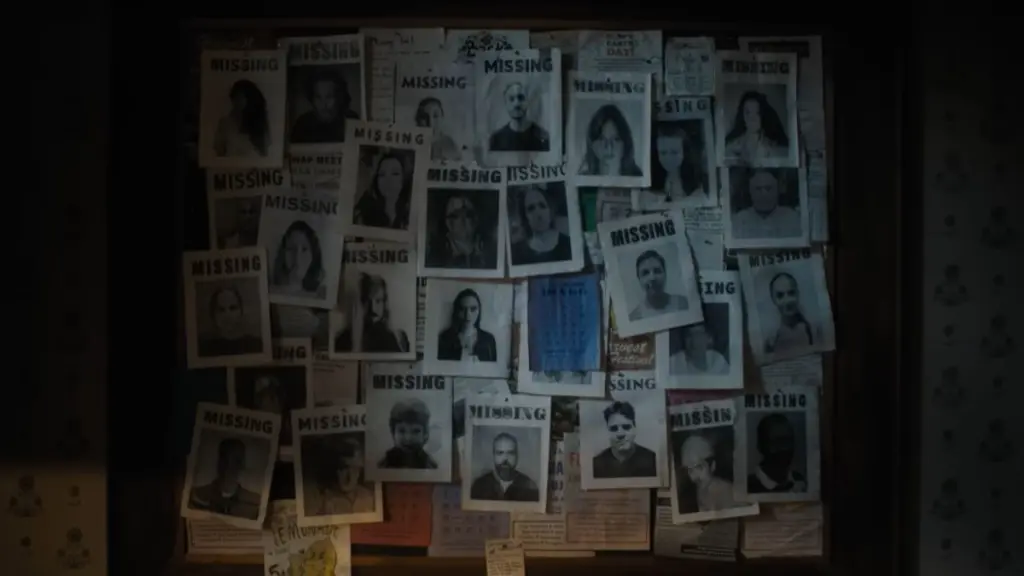 Screenshot via Sony Pictures Until Dawn was a 2015 interactive masterpiece that brought the iconic slasher subgenre to a video game format. It played like Scream or Friday the 13th, having a cast of both likeable and dislikeable characters that grew through shared trauma. Supermassive Games excelled here and haven't since reached the same heights this game packed with personality, charm, and jumpscares had (House of Ashes was close). While the cast did a great job in the adaptation, Until Dawn could have been so much more.
 But Until Dawn was one of the toughest watches I've had this past year for how far it strays from its source material. Mixing Happy Death Day with Cabin in the Woods, Until Dawn is so far from its 2015 title that it truly frustrated me to watch. There was no signature red herring, the Wendigos were as tame as Walkers in the later The Walking Dead seasons, and everything was reduced to a tired time loop that had nothing to do with the original. Hiring Peter Stormare isn't enough.
Though its conclusion did something most horror wouldn't dare to do, this reimagining was unsatisfying and predictable. This is a shame, because if it didn't have the IP, I probably would have enjoyed it a lot more.
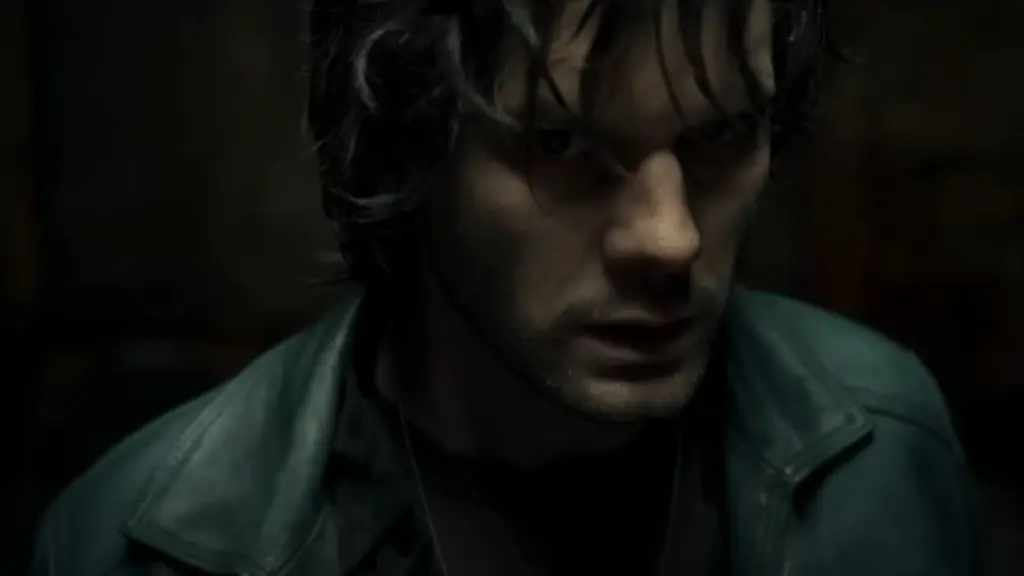 Screenshot via ONE Media Then there's Return to Silent Hill, and this one destroys me. How can you fuck up an absolute masterpiece in psychological horror? The town of Silent Hill takes on a resident's psyche, becoming the physical manifestation of their trauma. Yet, James's story and its impact is greatly reduced and dimmed, having its lore adjusted for a worser viewing.
The complexity of Silent Hill 2 is severely missed from this adaptation; where playing as a man, a human, a monster—guilt-ridden and forced to face his irreparable actions, is pitied by altering his relationship and actions so that we have no choice but to feel for James. The original managed the same effect but with masterful storytelling. This poor adaptation paints a world where an audience cannot grasp depth beyond "X is good, Y is bad."
The Hollywood Effect
Then we have the crime of terrible casting decisions that many recent video game adaptations have done. These masterpieces don't translate well on-screen because what made them special is that they are video games with impactful storytelling and meaningful characters. So when I heard The Last of Us (TLOU), Uncharted, and Silent Hill 2 (SH2) were getting adapted, I was so excited... until I saw the cast.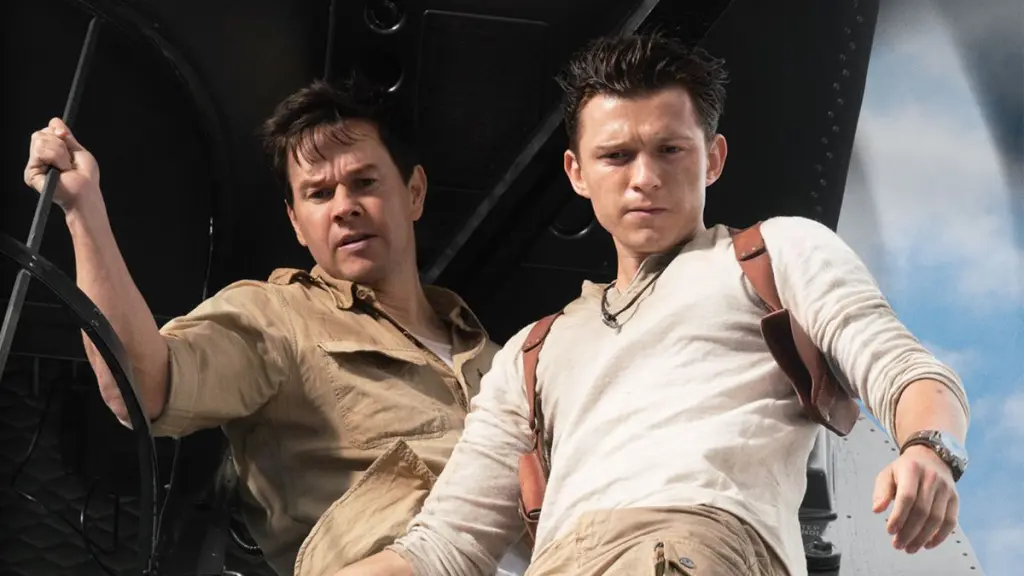 Image via Sony Pictures Entertainment The charm, banter, and personality of the Uncharted series made it addictive and unmissable. The characters felt real through their interaction with one another and the world that was continuously trying to kill them. Maybe I'm just a hater, but there isn't an ounce of acting prowess in Mark Wahlberg's abilities. The story is drastically different from the original as it acts as a prequel to Nathan Drake's endevors, yet that cannot stop me from hating the "chemistry" between the cast. Tom Holland lacks the charm of Nate and instead appears arrogant and "witty." Mark Wahlberg completely butchers Sully that he's just a paranoid, soulless, boring man that in no way resembles the reliable silver fox from the games.
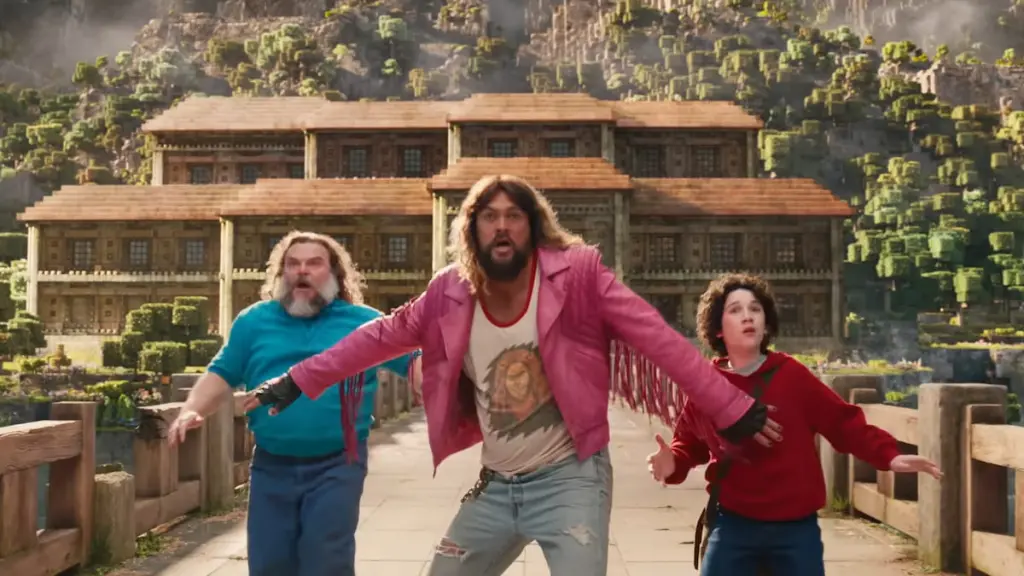 Image via Warner Bros I would have taken literally anyone else to star in TLOU and Uncharted, but alas, we get the Hollywood treatment—where the most popular stars riding the wave of infinite money and relevancy get to perform roles with mediocrity and expect fans to lap it up.
 Race-swapping in TLOU, reducing the age gap in Uncharted to switch Nate and Sully's dynamic from father-son to brother-brother, and the woefully terrible casting in Borderlands and Minecraft Movie turn adaptations into a cash grab with no soul, passion, or creativity. Bad casting decisions turn the adaptation into a joke that isn't funny. It becomes an easy paycheqck for the lucky actors whose role would never be made for them.
The falling dominos of wrong choices
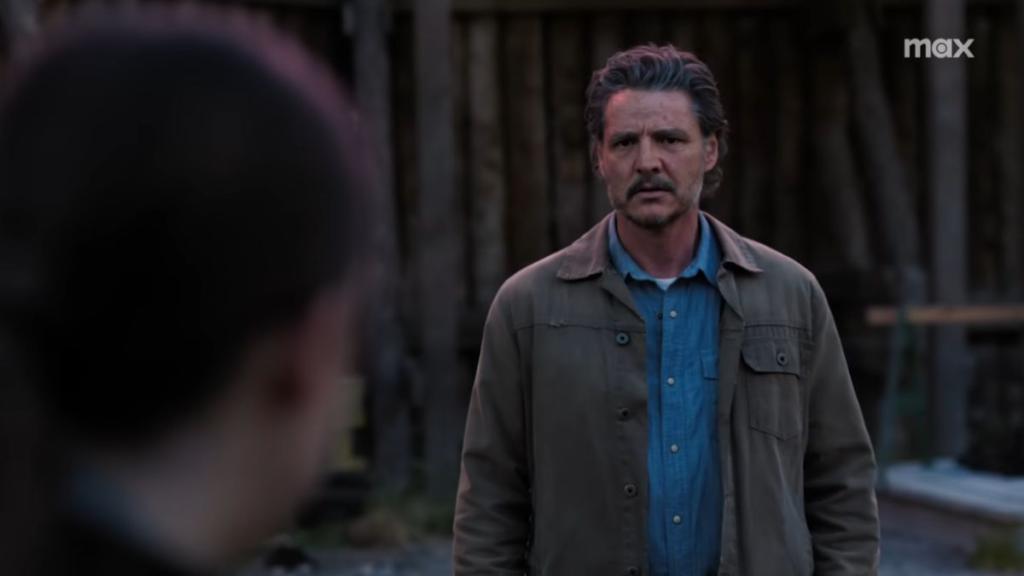 Screenshot via HBO I understand when shows or films make changes from the source material for the better. This is especially the case with book adaptations as a lot of dialogue is needed to fill the film's runtime. But there are multiple instances where game adaptations make writing changes that worsen the storytelling. I previously mentioned Return to Silent Hill, but TLOU, The Witcher, Halo, FNAF, and Uncharted are all culprits of this.
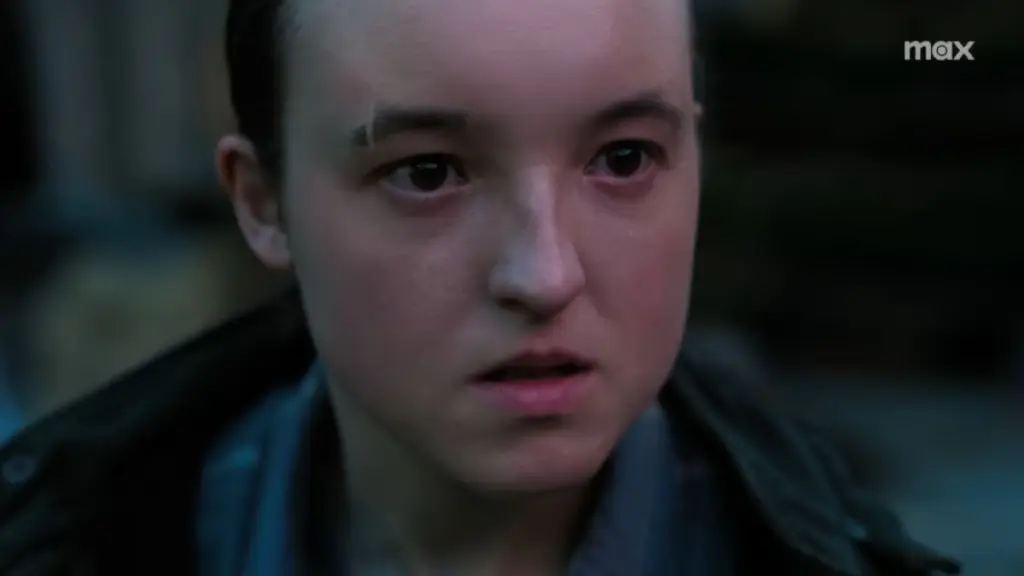 Screenshot via HBO Shows like The Last of Us blew up and won awards, driving many new fans to the IP in the process. But (like with Silent Hill), Naughty Dog's adaptations change their detailed, flawed, and very real characters for the worse (aside from Bill's episode). Joel Miller is reduced to a frowning grumpy man who looks like he doesn't want to be there, Abby is a monologuing Bond villain, and Ellie is...well...dim, immature, and fond of violence. Eugh.
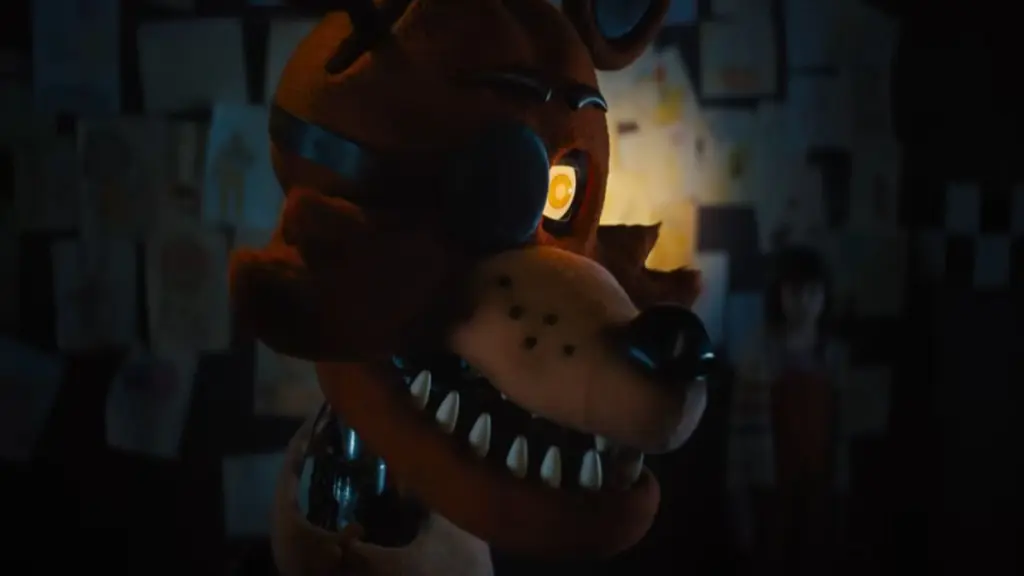 Screenshot via Universal Pictures Henry Cavill left The Witcher at the end of season 3 due to various changes writers made that prevented the show from being faithful to its source. Halo shows Master Chief's face which, though makes sense, is a jarring change for fans of the franchise who grew up with this legend. It's even stranger when someone like the Mandalorian is allowed to spend most of his screentime inside a helmet. There are drastic relationship changes in Five Nights at Freddy's which makes the movie all the more convoluted. Plus, there is nothing scary about FNAF's adaptation yet it features on-screen gore with a script that only five-year-olds can enjoy.
When video game adaptations work
Characters characters characters
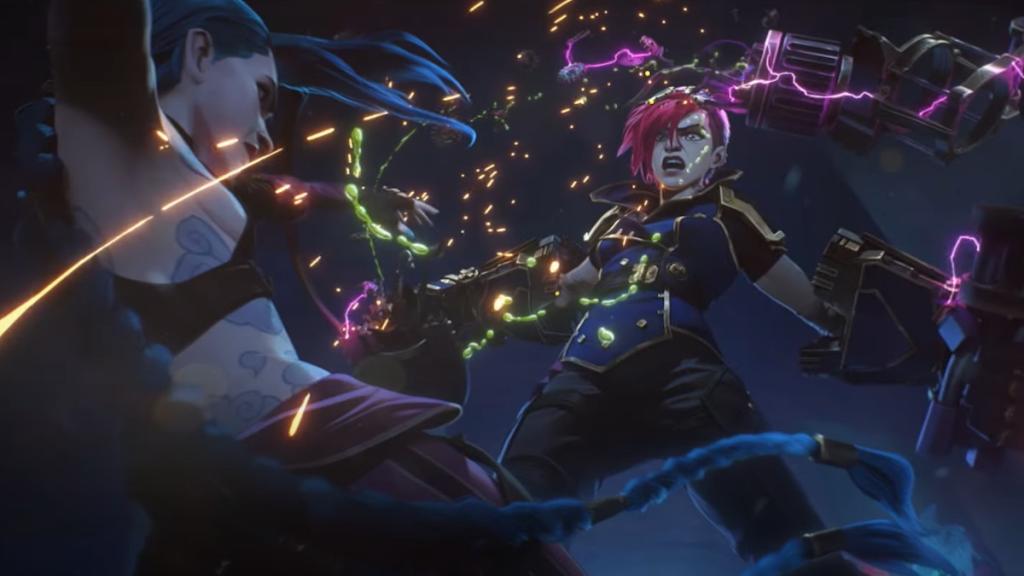 Image via Netflix Adaptations thrive when they study its characters. What made games like Until Dawn, Silent Hill, or TLOU difficult to put down is their characters. Satisfying arcs, personalities with dimension, questions of morality, humility, and the human condition are covered to showcase beautiful imperfections. We can see this in Arcane, Fallout, and Cyberpunk: Edgerunners.
 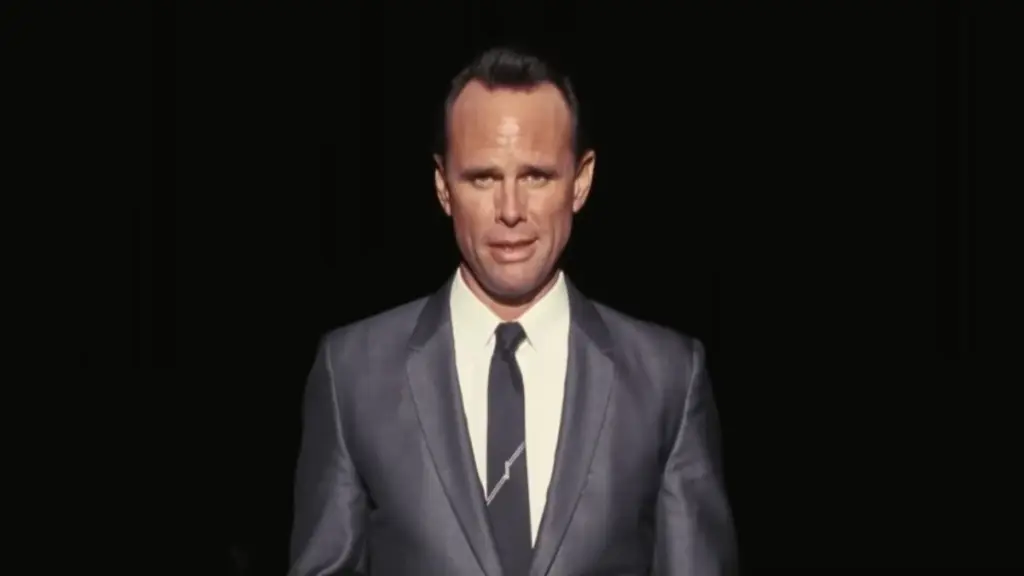 Screenshot via Prime Video These shows are packed with emotion, where both internal and external conflict are featured in every episode. Their believable characters allow us to fully immerse in the rich world, much like reading Tolkien or Martin. We stay for the story not only to see how it concludes, but because we're here for the journey flawed characters go on.
Rich worlds full of possibility
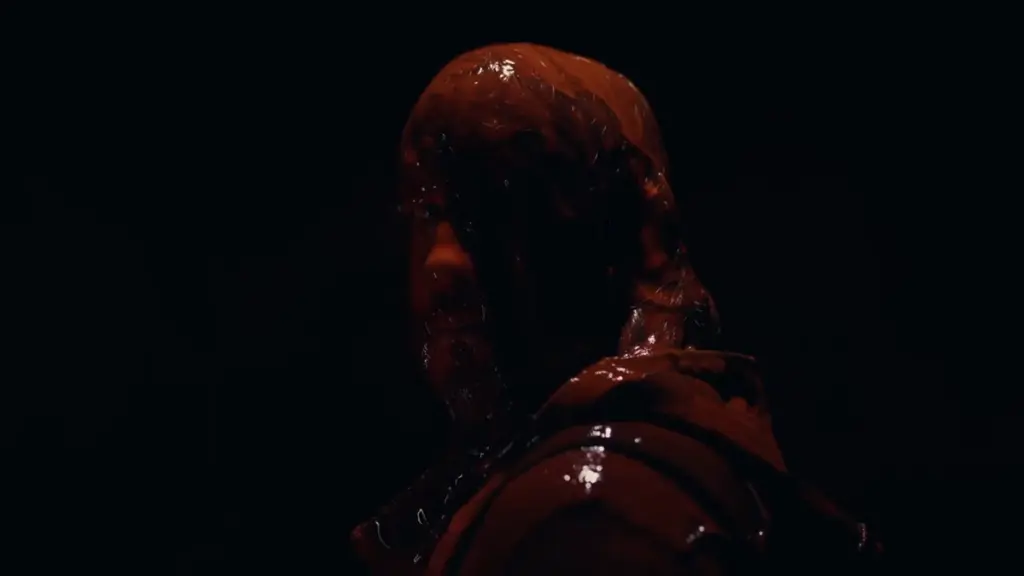 Image via Markiplier (X) Where adaptations like TLOU or SH stumble in replicating nuance, Iron Lung and Arcane shine. They're not restricted by the source material, but expand upon and strengthen particular aspects from the original. Iron Lung dives into the psychological when faced against a cosmic threat. Arcane delves into social and class systems, poor versus rich, and the threat of technology and magic; inviting us into a fantastical world that I for one, cannot get enough of. In a similar vein, there's Fallout. These adaptations have so much material that they can cherry-pick what to adapt and tune it until it's perfect.
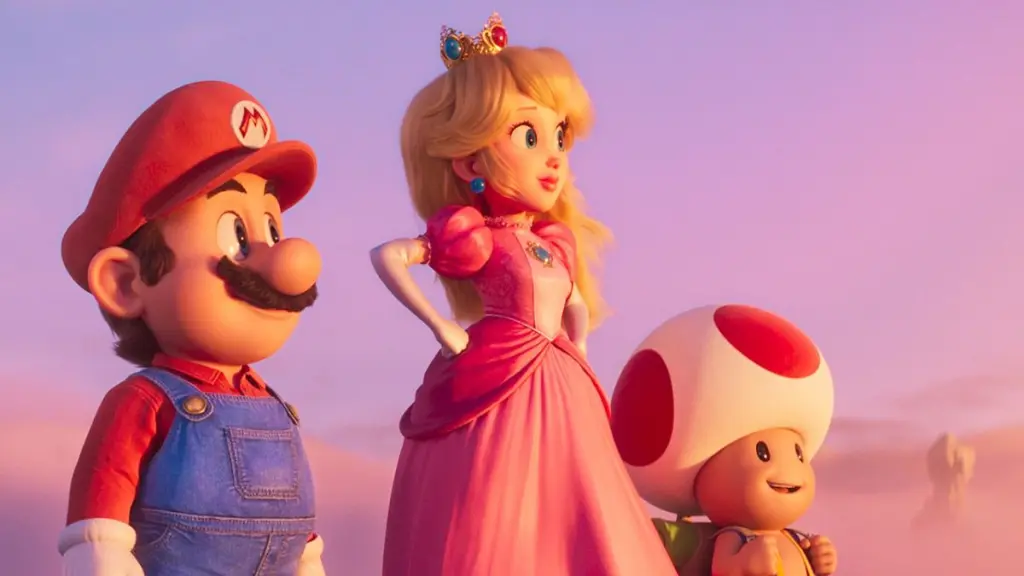 Image via Nintendo Finally, there is a lot of entertainment value in movies, Super Mario Bros. and Sonic the Hedgehog. While they're not for me, films like these are a good time because the original franchise doesn't take itself seriously. These are the perfect games to adapt for blockbusters as it doesn't need to go beyond the surface.
I'll end my rant on this question: If video game adaptations are fanservice, which fans are they serving? Certainly not me.
The post If video game adaptations keep being unfaithful, we as fans should walk away from the relationship appeared first on Destructoid.
What's Your Reaction?








XINKER - Business and Income Tips
Explore XINKER, the ultimate platform for mastering business strategies, discovering passive income opportunities, and learning success principles. Join a community of thinkers dedicated to achieving financial freedom and entrepreneurial excellence.