
![[PRO Tips] Gold’s Bullish Revival: Seasonal Trends and Key Levels to Watch](https://xinker.org/uploads/images/202412/image_430x256_67724cc6ad0cd.webp)
![[PRO Tips] Gold Market Under Short-Term Pressure, Safe-Haven Demand and Central Bank Buying Support Long-Term Upside Potential](https://xinker.org/uploads/images/202412/image_430x256_676ffb4685287.webp)
![[PRO Tips] Analysis of 9 key points of differentiation strategy! Master differentiation to create a brand advantage that is unique in the world!](https://firebasestorage.googleapis.com/v0/b/xinker-tips.appspot.com/o/article_thumbnails%2Fscaled_differentiation%20strategy.png.png?alt=media&token=a1bfc3d2-e85a-4db7-8a6d-01c7274f8940)
![[PRO Tips] Will REITs regain growth momentum in 2024? 3 REITs ETFs you must know if you want to invest in real estate.](https://firebasestorage.googleapis.com/v0/b/xinker-tips.appspot.com/o/article_thumbnails%2Fscaled_REITs1.png.png?alt=media&token=8af4eb93-33ff-466f-8039-b6555fad52b4)
![[PRO Tips] Complete tutorial on how to make money in Adobe Stock!](https://firebasestorage.googleapis.com/v0/b/xinker-tips.appspot.com/o/article_thumbnails%2Fscaled_tut-adobe1.png.png?alt=media&token=0b2c8cf2-22bd-4142-883e-140ed1cbaf02)
![[Passive Income] Unlock the secret of passive income: 3 steps to apply for Google AdSense](https://xinker.org/uploads/images/202410/image_430x256_6717a4fb3052b.webp)
![[Passive Income] Earn over $200 a day with AI-generated articles!](https://firebasestorage.googleapis.com/v0/b/xinker-tips.appspot.com/o/article_thumbnails%2Fscaled_article1.png.png?alt=media&token=f61bf35b-8553-4719-826d-7360024adc70)
![[Passive Income] Earn over 20 USD per download with AI-generated images!](https://firebasestorage.googleapis.com/v0/b/xinker-tips.appspot.com/o/article_thumbnails%2Fscaled_adobe2.png.png?alt=media&token=3e20e76a-a907-45af-80aa-bf9b3600301f)
![[Passive Income] Earn 10 USD per new download by sharing CapCut!](https://firebasestorage.googleapis.com/v0/b/xinker-tips.appspot.com/o/article_thumbnails%2Fscaled_capcut2.png.png?alt=media&token=a04dec40-1fac-4857-86f2-19a8be02d38e)
![[Passive Income] Use your WiFi to create passive income in 5 minutes, and you can earn 4-6 U per day!](https://firebasestorage.googleapis.com/v0/b/xinker-tips.appspot.com/o/article_thumbnails%2Fscaled_Grassio.webp.png?alt=media&token=7659a95e-0e47-4f27-a17d-c942ac3cf7f4)


![[Business Talk] The Unique Theme of XINKER's Song: Beef Wellington and Business Mastery](https://xinker.org/uploads/images/202410/image_430x256_671afc155f47f.webp)
![[Business Talk] Chagee: Opening 3,500 stores in 6 years](https://xinker.org/uploads/images/202410/image_430x256_671afce80c5f9.webp)

DevBlog #71
Filipe - Lead ProgrammerI have been busy refactoring some stuff related to the game’s security and bug fixing but also some updates to mechanics:Migration system: Most of the system is being updated. The idea behind migrations are kept almost the same but the way they work both in code and for players is different. This will allow us to use the good parts of the current in-game system and remove what hasn’t been working. Also included are Patrol Zones which were always designed to be more than just another place to go for food.Footsteps VFX: This one is mostly code wise. We are updating the system that we have been using since working with Cascade. Niagara allows us to use one single master VFX and adapt scales and weights instead of having several per size, per animal.Entomb Save: This isn´t exactly a refactor, more like a new feature, though indeed it changes how saves work (a bit). Basically, this will allow players to keep a character stored after entombing in case you don´t want to play with the same animal again but also don´t want to lose your progress. So now you can keep that animal in a special save “slot” and play with a different animal. Keep in mind if you use the same species that you have in the entomb it will override it and you lose the non replicated animal (But you’ll get a warning first. No accidents!).Besides a lot of work in generic systems and bug fixes as always.See you!Director’s Commentary - Boyohboy do I know how all of you will misinterpret what he has said so I want to be extremely clear: ‘Entomb Save’ only works when you entomb an animal as you normally do now. This is not a RPG. This is not a MMO. It requires your current active creature’s life to end through either entombment or other means. You will not be able to “log out” in the middle of a creature’s life to pick a different one. Death is required.Also, the Migration System part is a little vague so I’ll throw a bit more here. Individual player migrations are added, moving players around the map on an individual level instead of a persistent species migration that calls everyone to a location. Herbivore/Omnivores have specific diets that are not dictated by the migration but being in your migration zone directly relates to your nutrition intake/conversion when consuming food on your diet. There are methods for groups to be able to have the same migration location as the groupleader so they aren’t forced apart by players’ individual migrations. More on that will be revealed after we fix up remaining exploits we can find with it.Wedge - Sound DesignerThis month the audio team have been working towards finalisation and polish of the Camarasaurus and Avaceratops call sound suites. In addition to these two creatures with Baryonyx’s outstanding subadult sounds complete, work has begun on the preliminary stages for Spinosaurus’ calls involving recording and sourcing material to work with to establish the beginning sound palette with early stages of drafting concepts.Camarasaurus has gone through numerous iterations of concepts and we have now landed on a finalised set of vocals which is going through final adjustments, clean up and polish now they have been propagated out into variations. The Broadcast and Attract rely on soothing song-like sounds using sources that have a similar sonic quality to the recognisable sound we expect from a sauropod but drawing from slightly different sounds; produced by both animal sounds and props. Its danger call is a short siren-like wail pulling from some interesting bird sounds maintaining some of the song like qualities but underpinned with a punchy deep grunt and structured as a ‘to the point’ call for alarm. Due to the size and subdued nature of this creature we landed on a threaten call that consists of a booming groan produced internally with harmonic overtones that have a unique tonal character – for this I found a combination of deep whale groans and processed prop source sounds generated from friction and a crow hunting call played through viscous liquid, creating bubbles that act as a resonating chamber.Finally, the generic call uses a similar sound palette to the Threaten utilising the crow call again; these groans and gurgles have some natural vowel movement which is accented with some complex filter movement that help the sound convey a sense of communication. These groans are given the addition of large purring rumbles from elephants to soften the threatening edge.I have also begun some WIP changes to vocal call reverb, delay and spatialisation effects to be more substantial in preparation for Camara’s eventual introduction as this will be a crucial element to the success of these calls, but will need to be evaluated on all creatures before it can be implemented.Avaceratops’ calls are nearing completion as well. The Threaten, Broadcast and Generic calls are all in the stage of final adjustments to polish, with the initial design and variations created they are undergoing some fina

Filipe - Lead Programmer
I have been busy refactoring some stuff related to the game’s security and bug fixing but also some updates to mechanics:Migration system: Most of the system is being updated. The idea behind migrations are kept almost the same but the way they work both in code and for players is different. This will allow us to use the good parts of the current in-game system and remove what hasn’t been working. Also included are Patrol Zones which were always designed to be more than just another place to go for food.
Footsteps VFX: This one is mostly code wise. We are updating the system that we have been using since working with Cascade. Niagara allows us to use one single master VFX and adapt scales and weights instead of having several per size, per animal.
Entomb Save: This isn´t exactly a refactor, more like a new feature, though indeed it changes how saves work (a bit). Basically, this will allow players to keep a character stored after entombing in case you don´t want to play with the same animal again but also don´t want to lose your progress. So now you can keep that animal in a special save “slot” and play with a different animal. Keep in mind if you use the same species that you have in the entomb it will override it and you lose the non replicated animal (But you’ll get a warning first. No accidents!).
Besides a lot of work in generic systems and bug fixes as always.
See you!
Director’s Commentary - Boyohboy do I know how all of you will misinterpret what he has said so I want to be extremely clear: ‘Entomb Save’ only works when you entomb an animal as you normally do now. This is not a RPG. This is not a MMO. It requires your current active creature’s life to end through either entombment or other means. You will not be able to “log out” in the middle of a creature’s life to pick a different one. Death is required.
Also, the Migration System part is a little vague so I’ll throw a bit more here. Individual player migrations are added, moving players around the map on an individual level instead of a persistent species migration that calls everyone to a location. Herbivore/Omnivores have specific diets that are not dictated by the migration but being in your migration zone directly relates to your nutrition intake/conversion when consuming food on your diet. There are methods for groups to be able to have the same migration location as the groupleader so they aren’t forced apart by players’ individual migrations. More on that will be revealed after we fix up remaining exploits we can find with it.
Wedge - Sound Designer
This month the audio team have been working towards finalisation and polish of the Camarasaurus and Avaceratops call sound suites. In addition to these two creatures with Baryonyx’s outstanding subadult sounds complete, work has begun on the preliminary stages for Spinosaurus’ calls involving recording and sourcing material to work with to establish the beginning sound palette with early stages of drafting concepts.Camarasaurus has gone through numerous iterations of concepts and we have now landed on a finalised set of vocals which is going through final adjustments, clean up and polish now they have been propagated out into variations. The Broadcast and Attract rely on soothing song-like sounds using sources that have a similar sonic quality to the recognisable sound we expect from a sauropod but drawing from slightly different sounds; produced by both animal sounds and props. Its danger call is a short siren-like wail pulling from some interesting bird sounds maintaining some of the song like qualities but underpinned with a punchy deep grunt and structured as a ‘to the point’ call for alarm. Due to the size and subdued nature of this creature we landed on a threaten call that consists of a booming groan produced internally with harmonic overtones that have a unique tonal character – for this I found a combination of deep whale groans and processed prop source sounds generated from friction and a crow hunting call played through viscous liquid, creating bubbles that act as a resonating chamber.
Finally, the generic call uses a similar sound palette to the Threaten utilising the crow call again; these groans and gurgles have some natural vowel movement which is accented with some complex filter movement that help the sound convey a sense of communication. These groans are given the addition of large purring rumbles from elephants to soften the threatening edge.
I have also begun some WIP changes to vocal call reverb, delay and spatialisation effects to be more substantial in preparation for Camara’s eventual introduction as this will be a crucial element to the success of these calls, but will need to be evaluated on all creatures before it can be implemented.
Avaceratops’ calls are nearing completion as well. The Threaten, Broadcast and Generic calls are all in the stage of final adjustments to polish, with the initial design and variations created they are undergoing some final tweaks; ensuring the tuning across tonal elements are homogenous and the mix is well balanced. Its danger call has had the initial design created and will be propagated out into variations following the polish of the previous calls with the attract call to round out following not far behind it.
Fred - 2D Artist
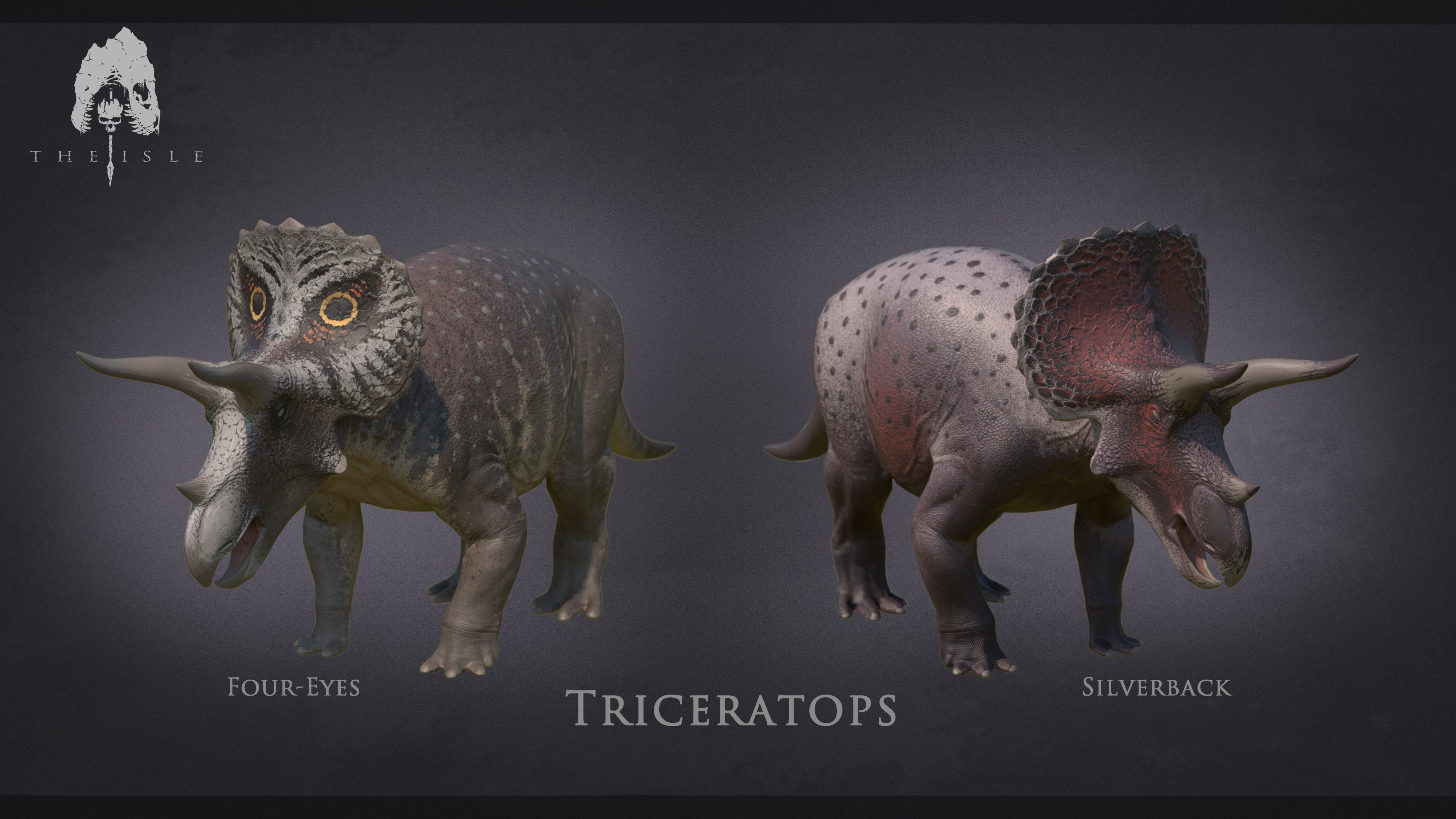
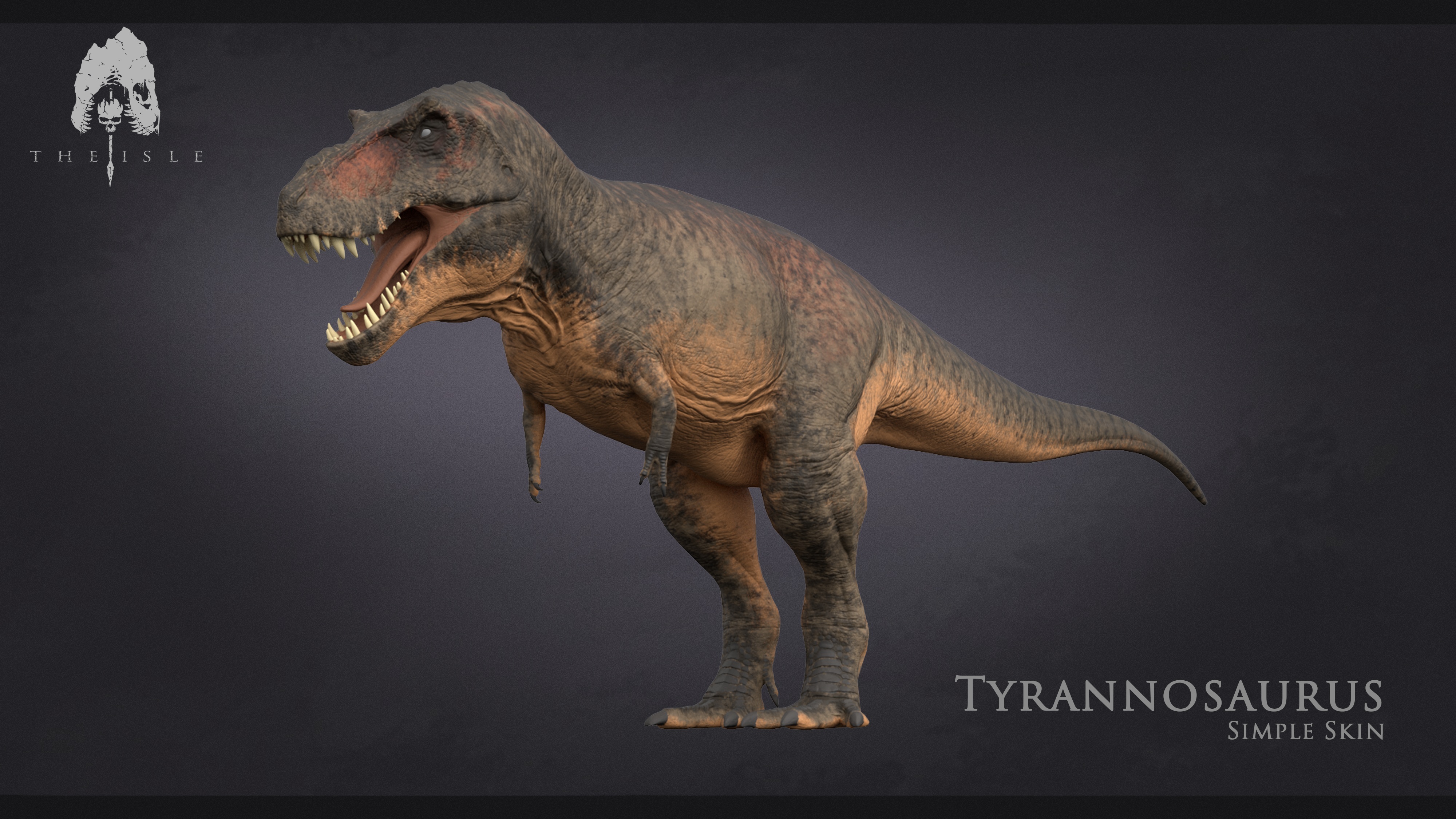
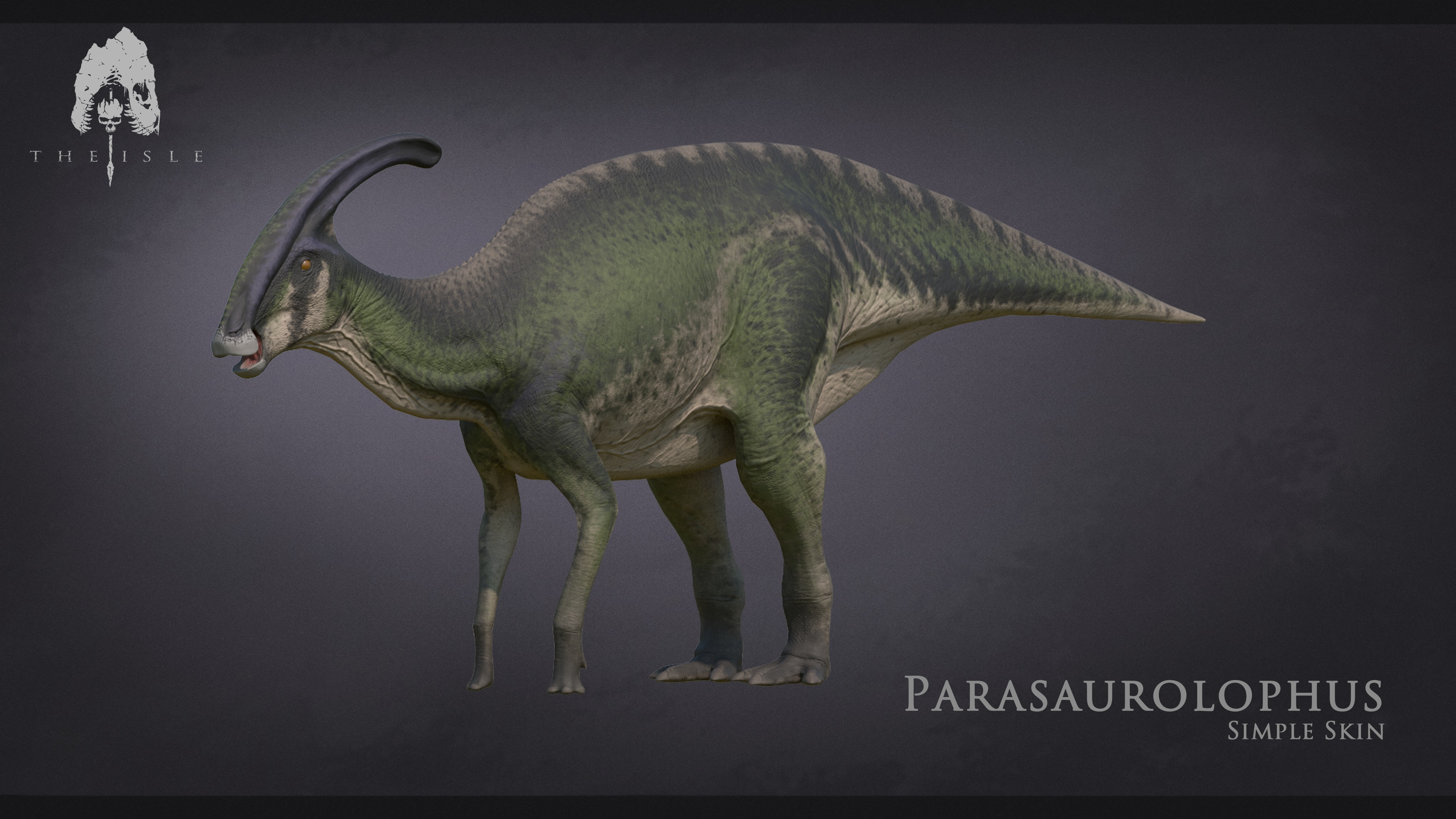
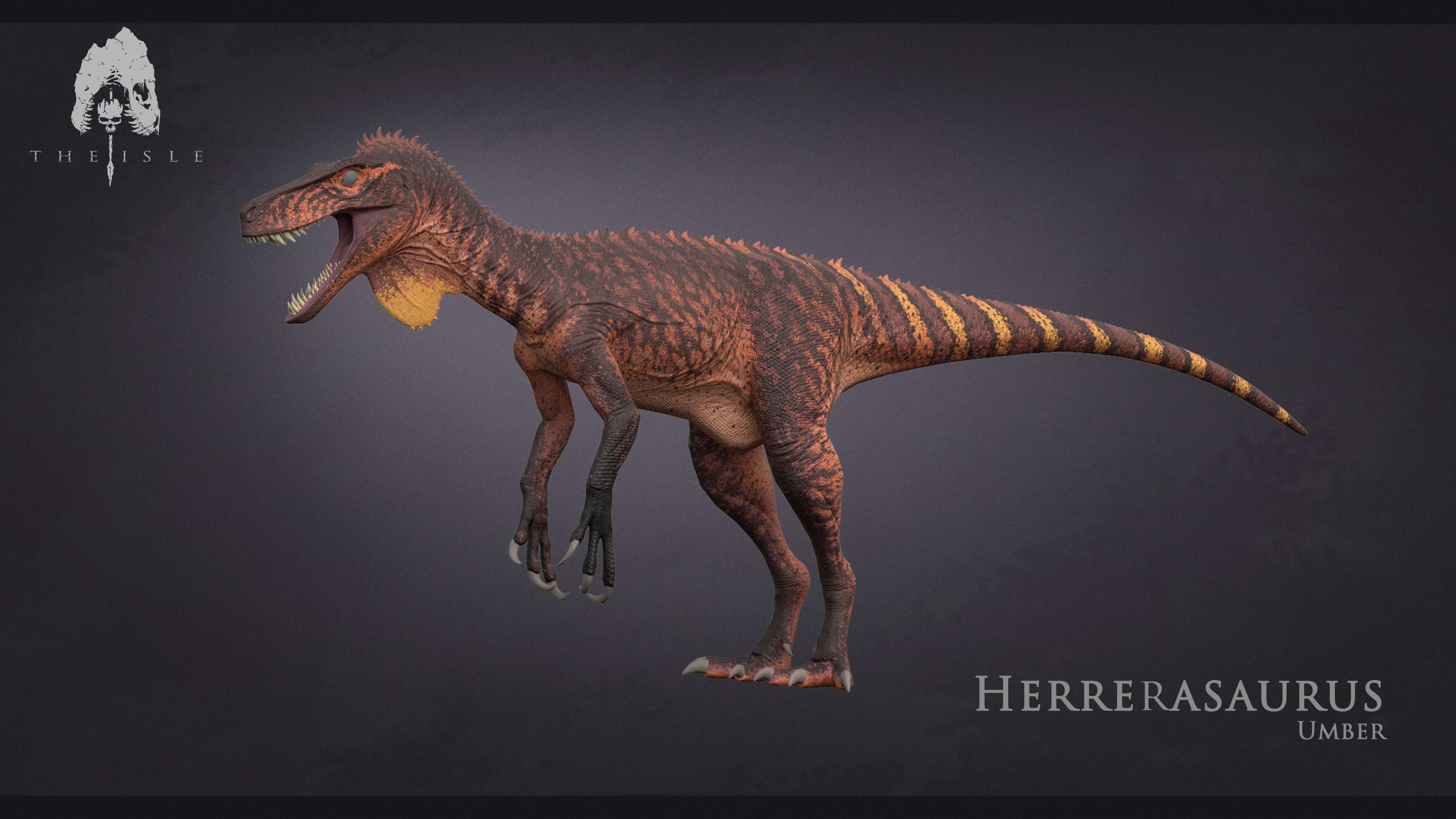
As many of you have seen through Horde Test clips floating around online, we’ve been busy at work making a lot of skins. We’re bringing back many skins not seen since legacy that you can enjoy in our current skin system. Old classics like the Four-Eyed Triceratops and the Python Omniraptor are slowly making their way into the game.I’m also working on making a set of “simpler” skins for each of our animals. These skins will be constructed slightly different from our typical defaults which will add a different flavor of skins to play with. Images are better than words
hypno - QA Lead
Over the past several weeks, a large part of our QA efforts has been focused on Austroraptor as it moves through Horde Testing.Getting a new playable ready for release is much more than making sure the creature itself functions correctly. Every new addition has to be tested against a long list of existing mechanics to ensure it interacts properly with the rest of the game. Balancing, interacting with objects and carrying them, diets, new and existing abilities, mutations, how it feels in general to survive as, and countless edge cases all need to be verified before a creature is considered ready. Any one of these could have issues with new playables, with the worst case scenario being that they could cause clients or servers to crash and, as we introduce more mechanics, this list becomes ever larger.
Alongside gameplay, every required animation, sound, visual effect also needs to be implemented and validated. Even relatively small issues can become much more noticeable once hundreds of players begin using a creature in ways we may never have anticipated. Those of you that read a previous post of mine have seen what happens when we allow an Oviraptor to use the Omniraptor pounce - it’s not a pretty sight.
Austroraptor has also introduced entirely new mechanics that require their own dedicated testing. One example is its ability to jump from the surface of water, which opens up a range of new interactions and cases that simply haven't existed before. Mechanics like these don't just need to work in isolation - they need to behave consistently alongside every other gameplay system already in place. What happens if you use a Deinosuchus to lunge at a person mid-jump? You would expect this to simply grab them and work seamlessly out of the box, but unfortunately that’s not always the case.
We've also continued testing the new hill sliding mechanic. While the feature itself has been progressing well, testing has uncovered several unexpected interactions with existing systems. For example, we discovered situations where players could still activate certain abilities while sliding, creating unintended behaviour that needed to be addressed, such as resting or using charged abilities such as the Tyrannosaurus crush. These are exactly the kinds of issues Horde Testing is designed to uncover before a feature reaches the live branch.
While internal QA isn't always the most visible part of development, it's an important part of ensuring new content arrives in a stable and polished (enough) state for Horde Test. Every issue caught during QA testing is one less problem players have to encounter after release, and we'll continue refining these systems as testing progresses.
Speaking of which, I recently restructured QA and made changes to our testing workflow. With that, I am currently looking for more voluntary QA testers within EU and AU timezones. If you have any spare time to help contribute to the project and assist us in testing new characters and mechanics before they reach the Horde Testing branch, then please submit an application to the following form: QA Applications
KissenKitten - Animation Supervisor
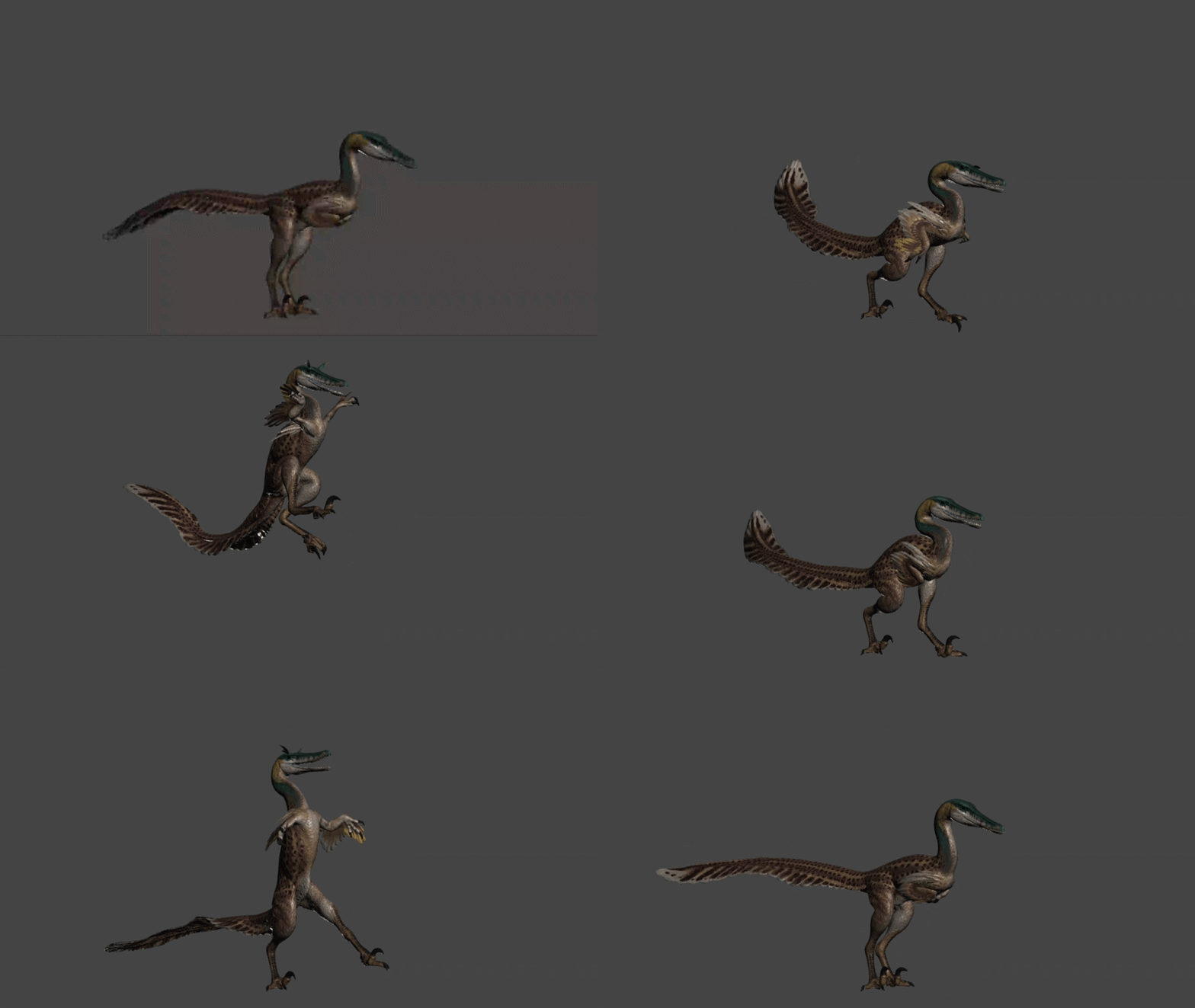
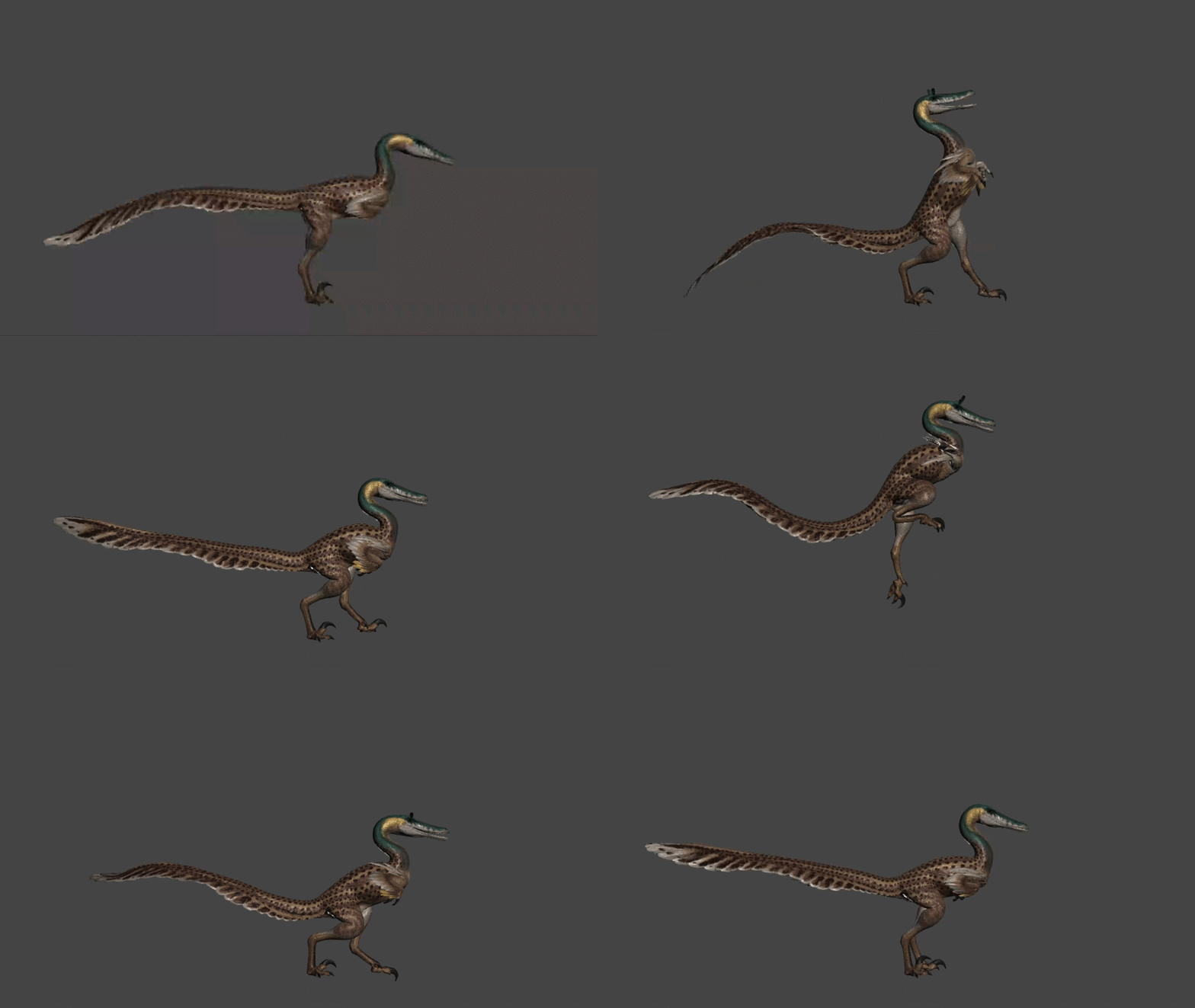
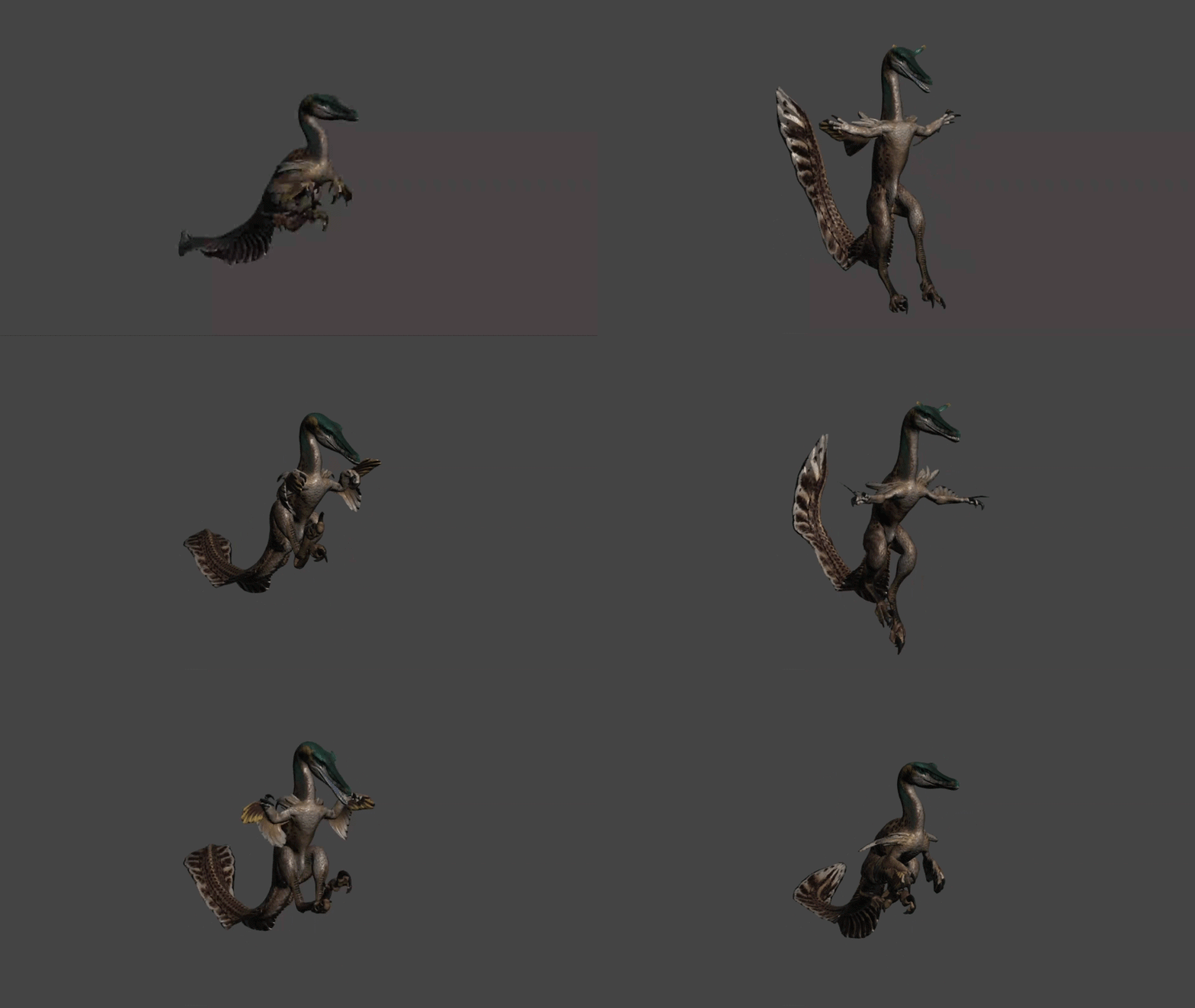
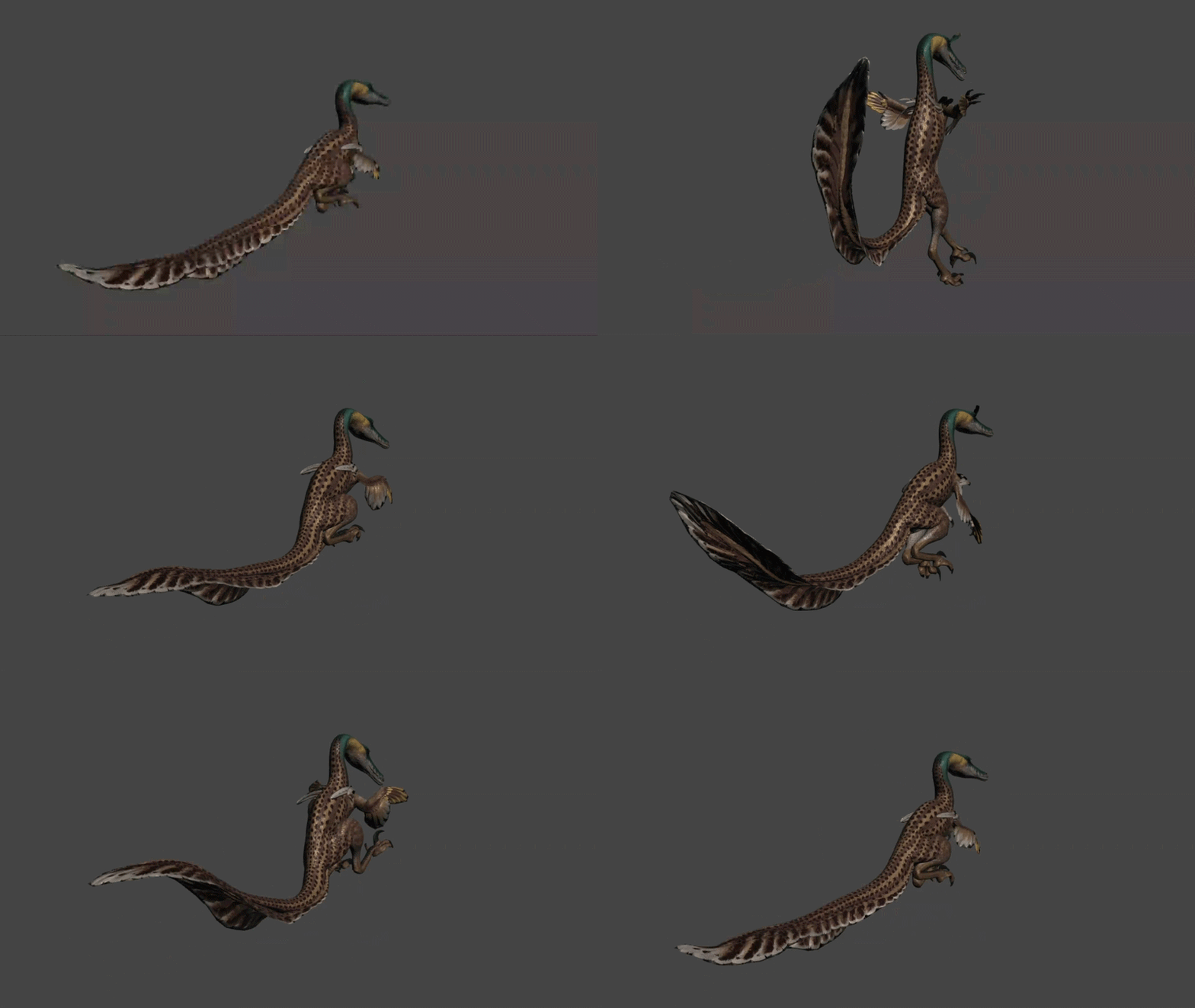
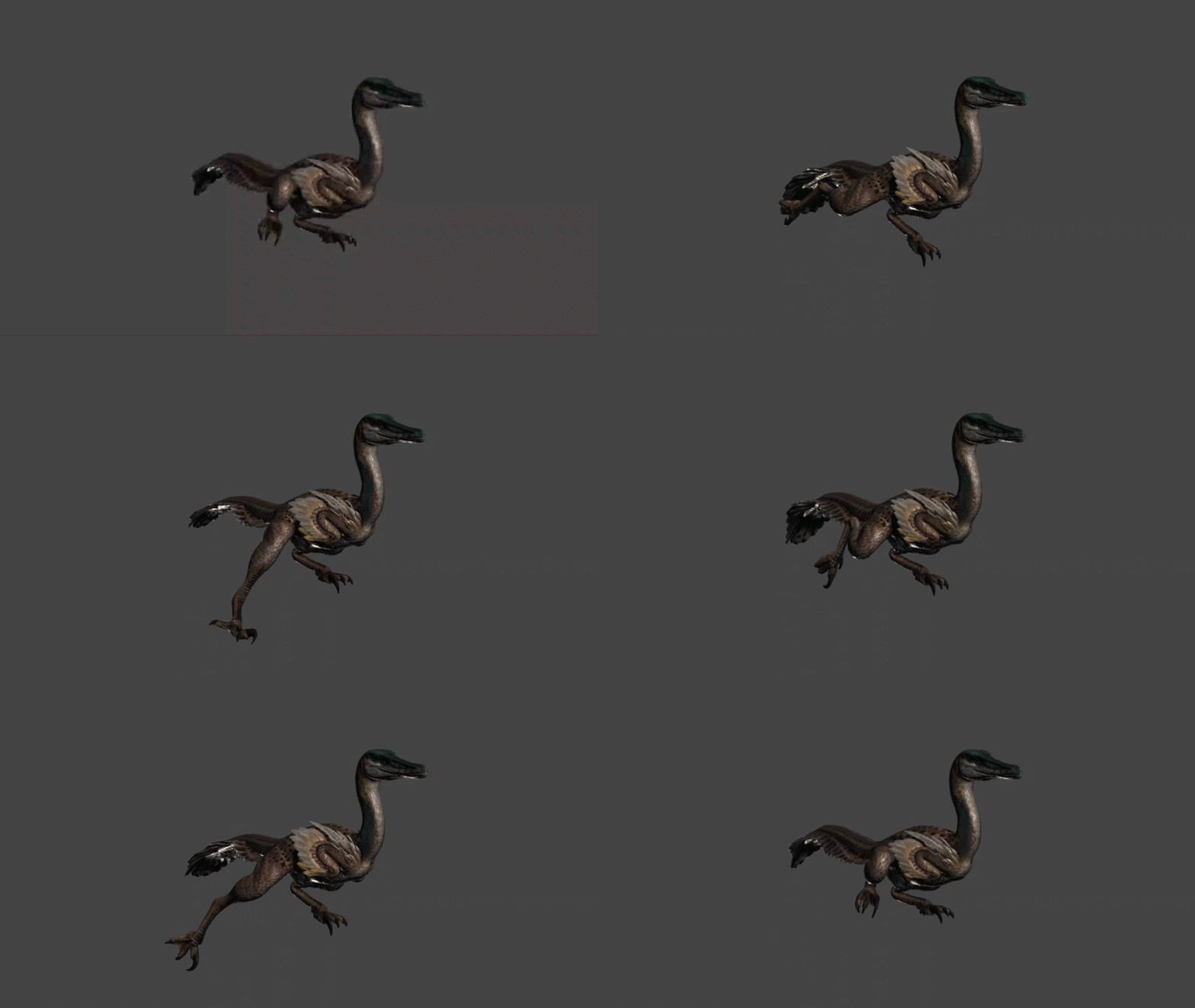
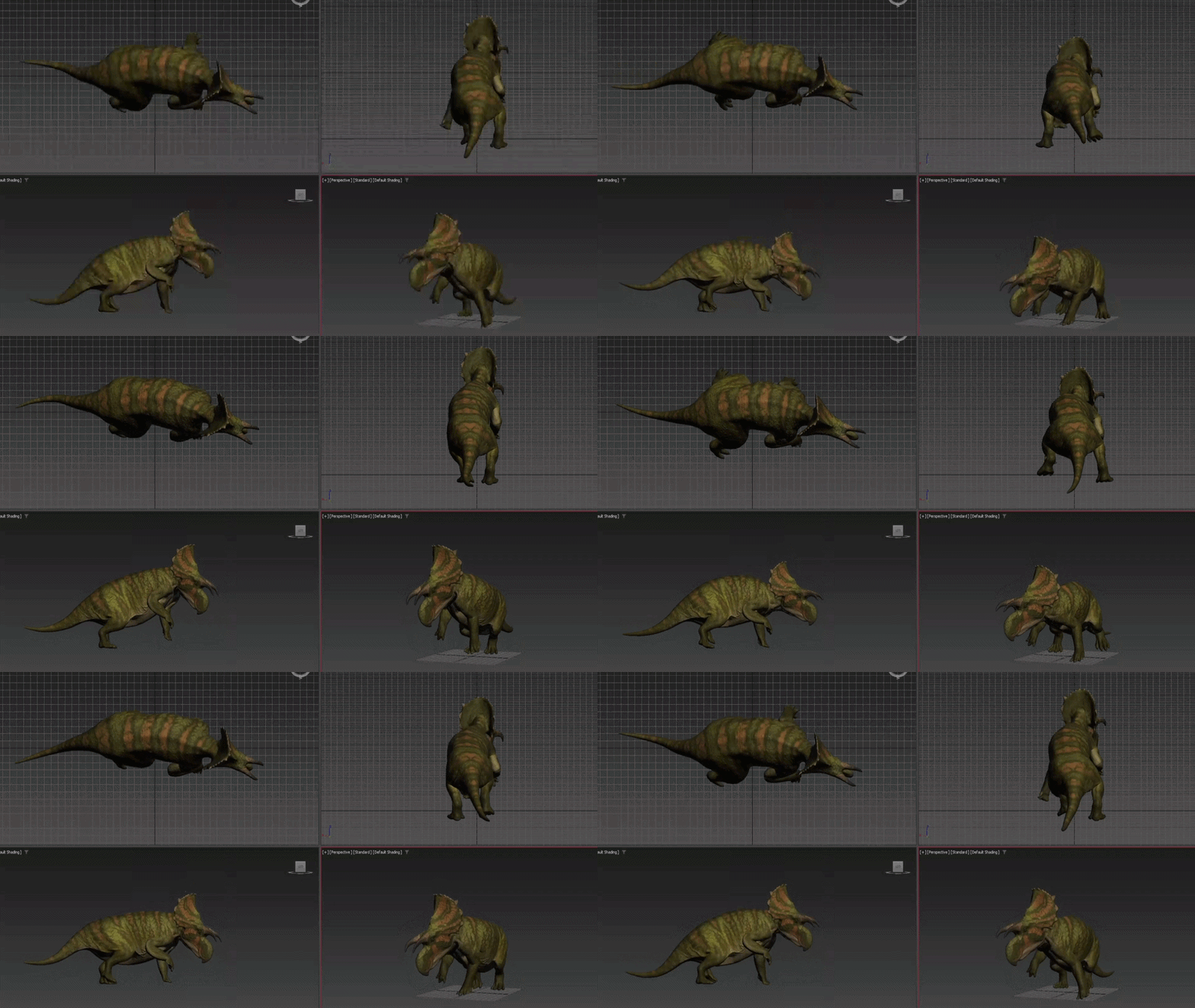
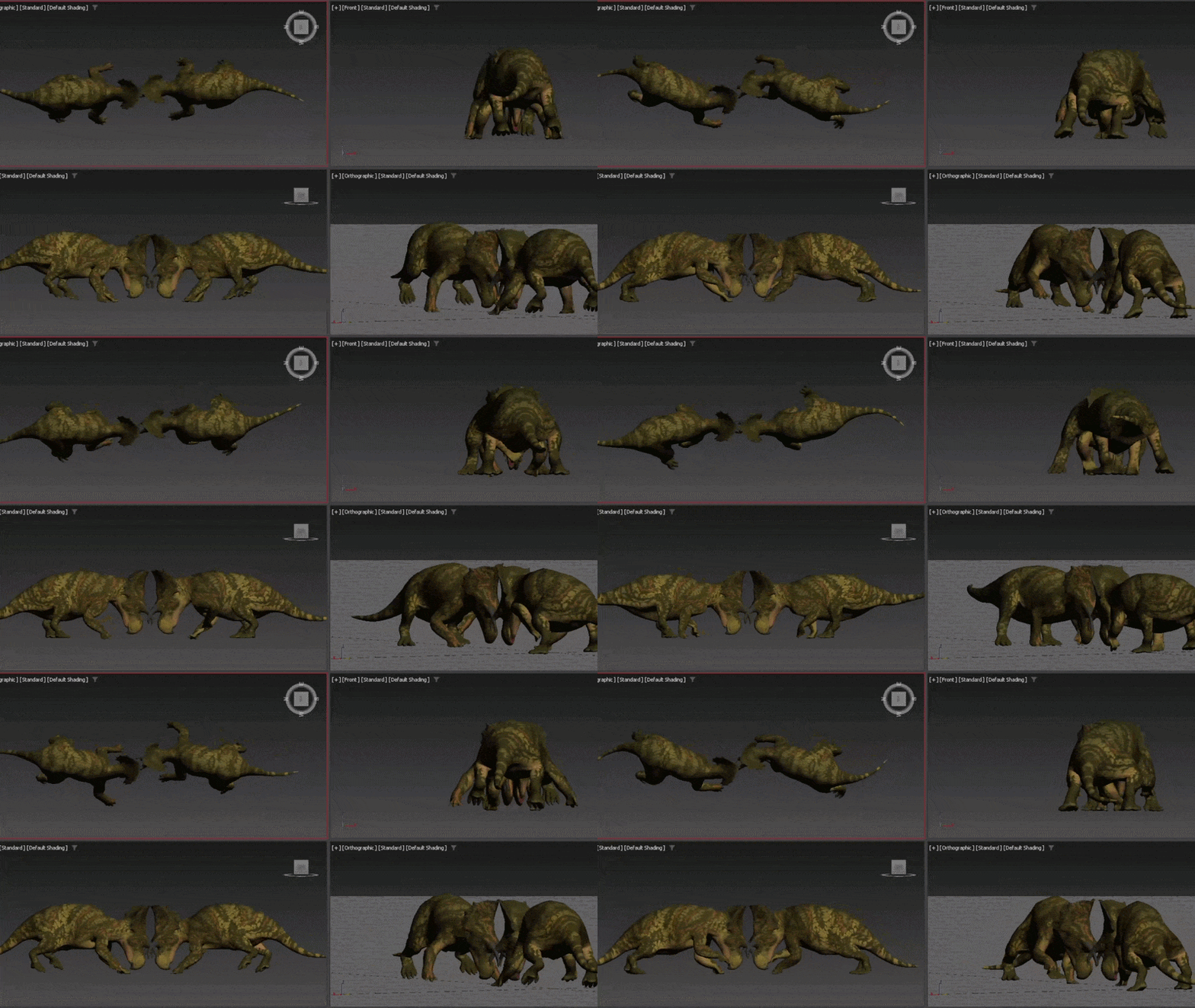
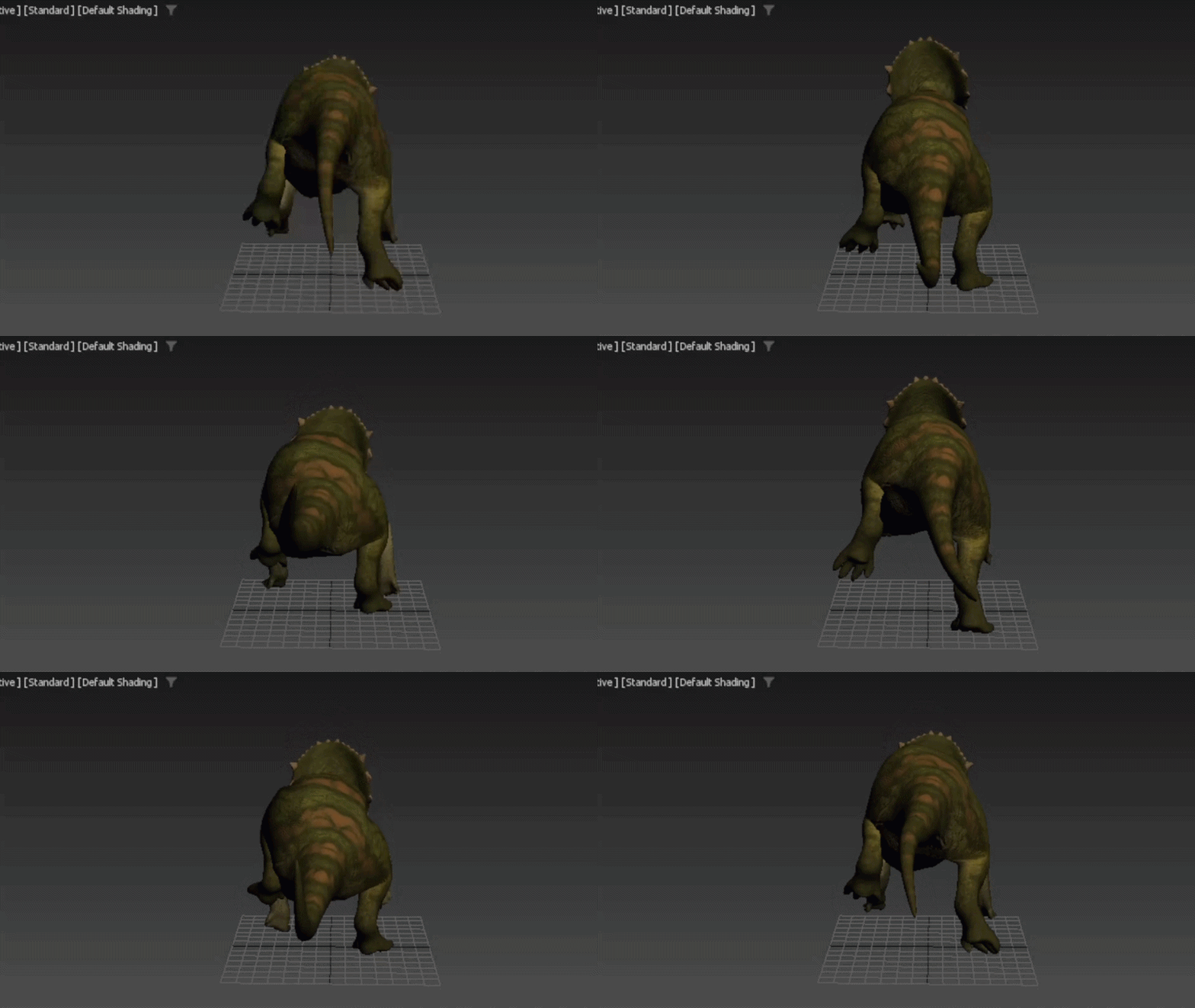
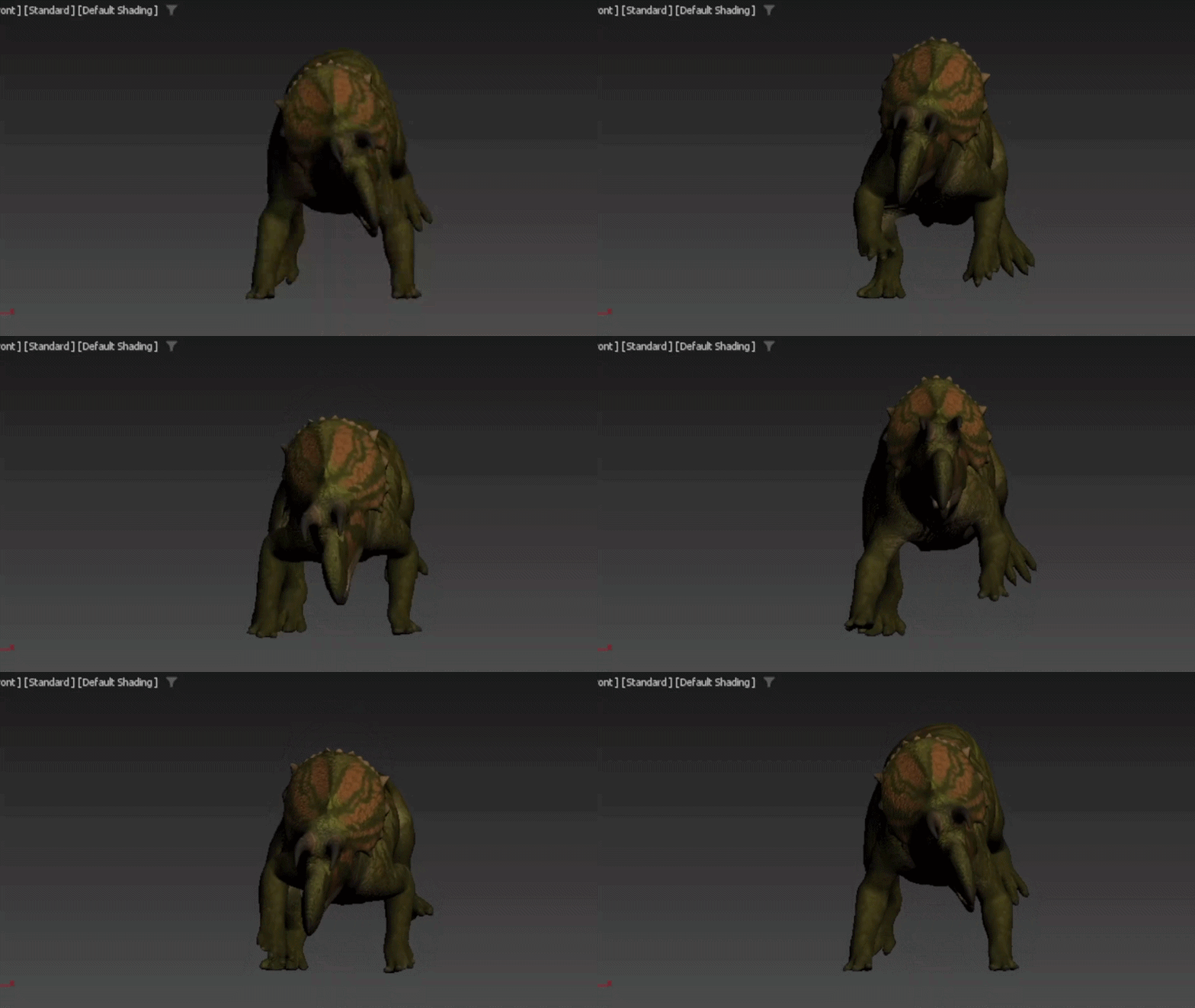
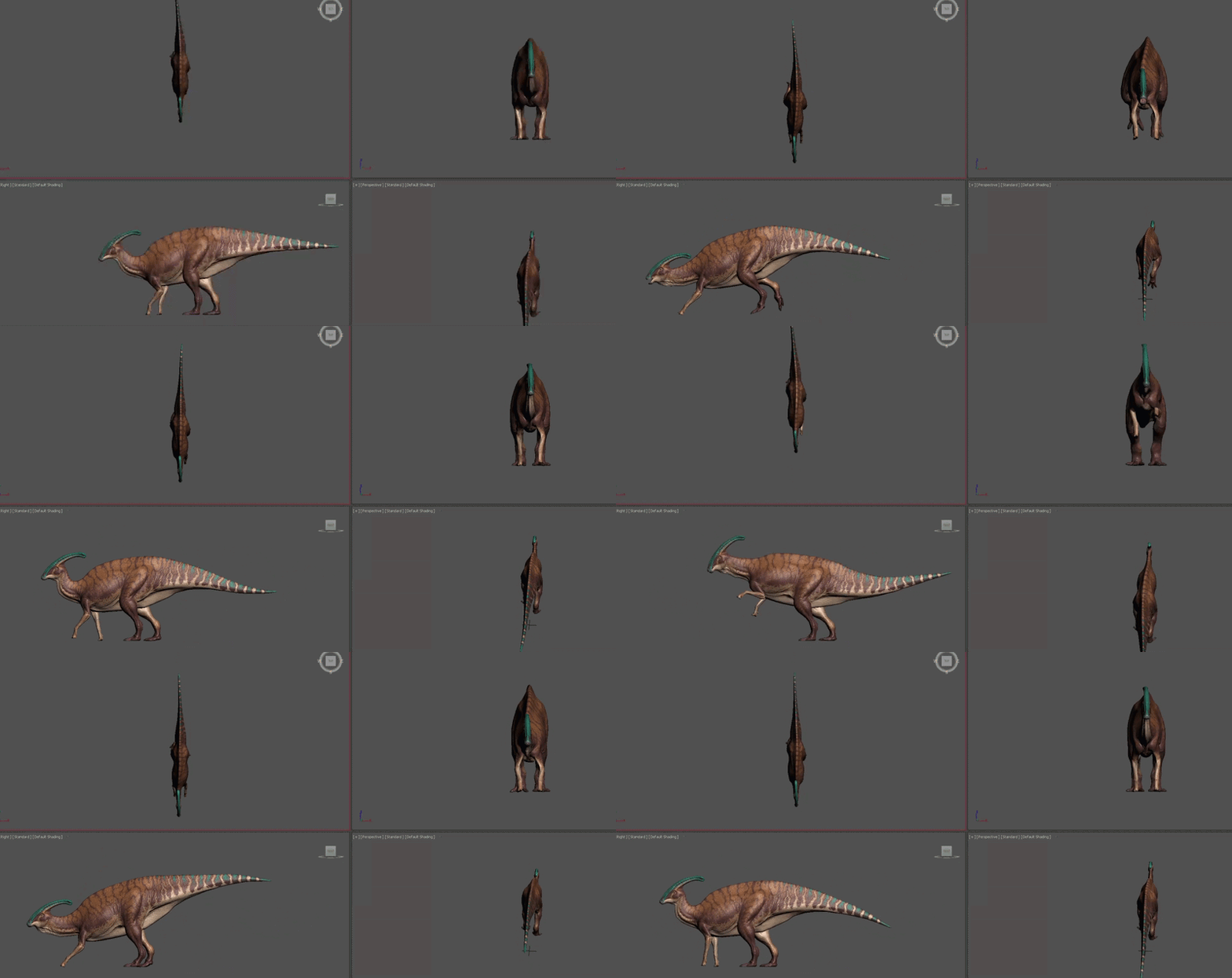
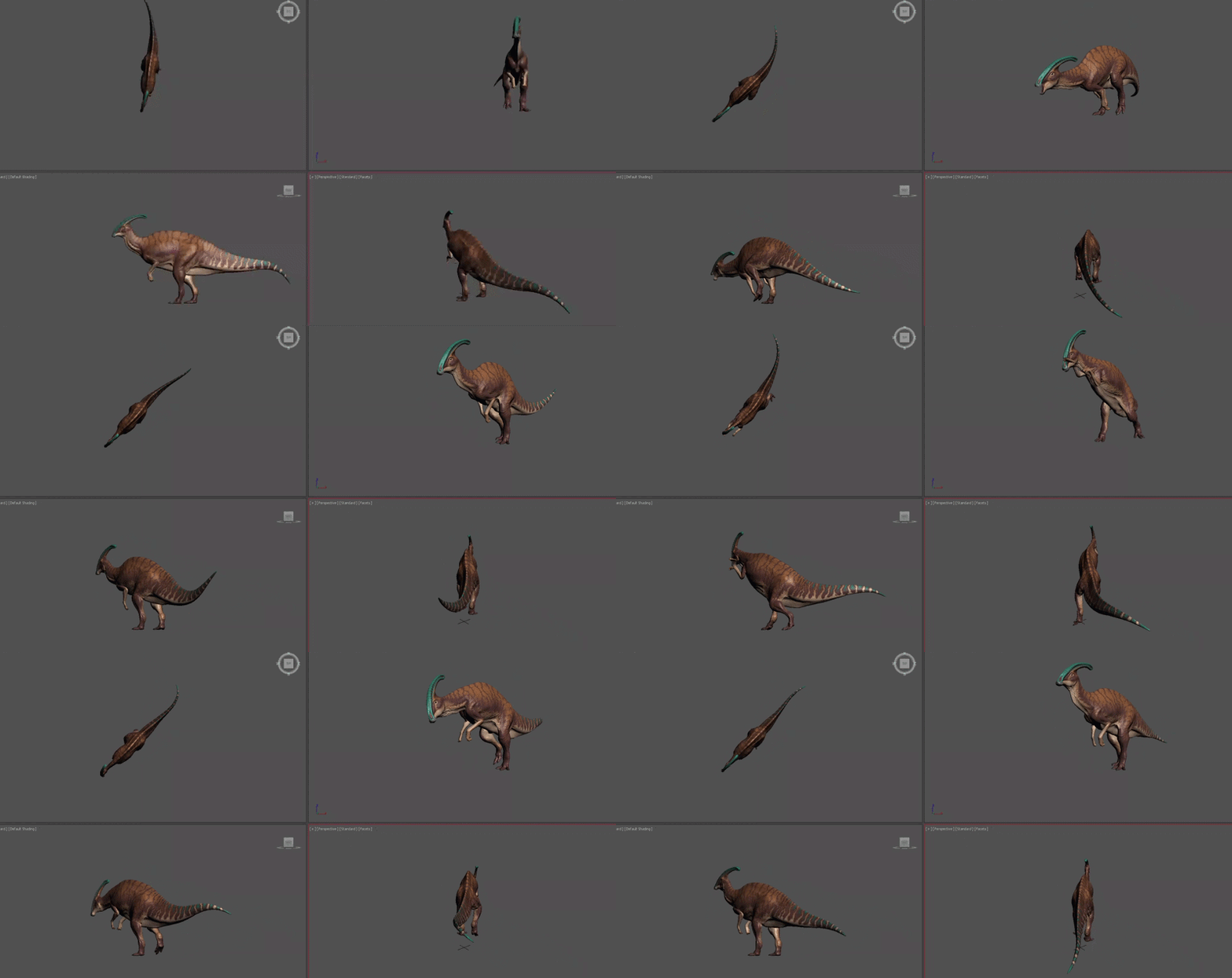
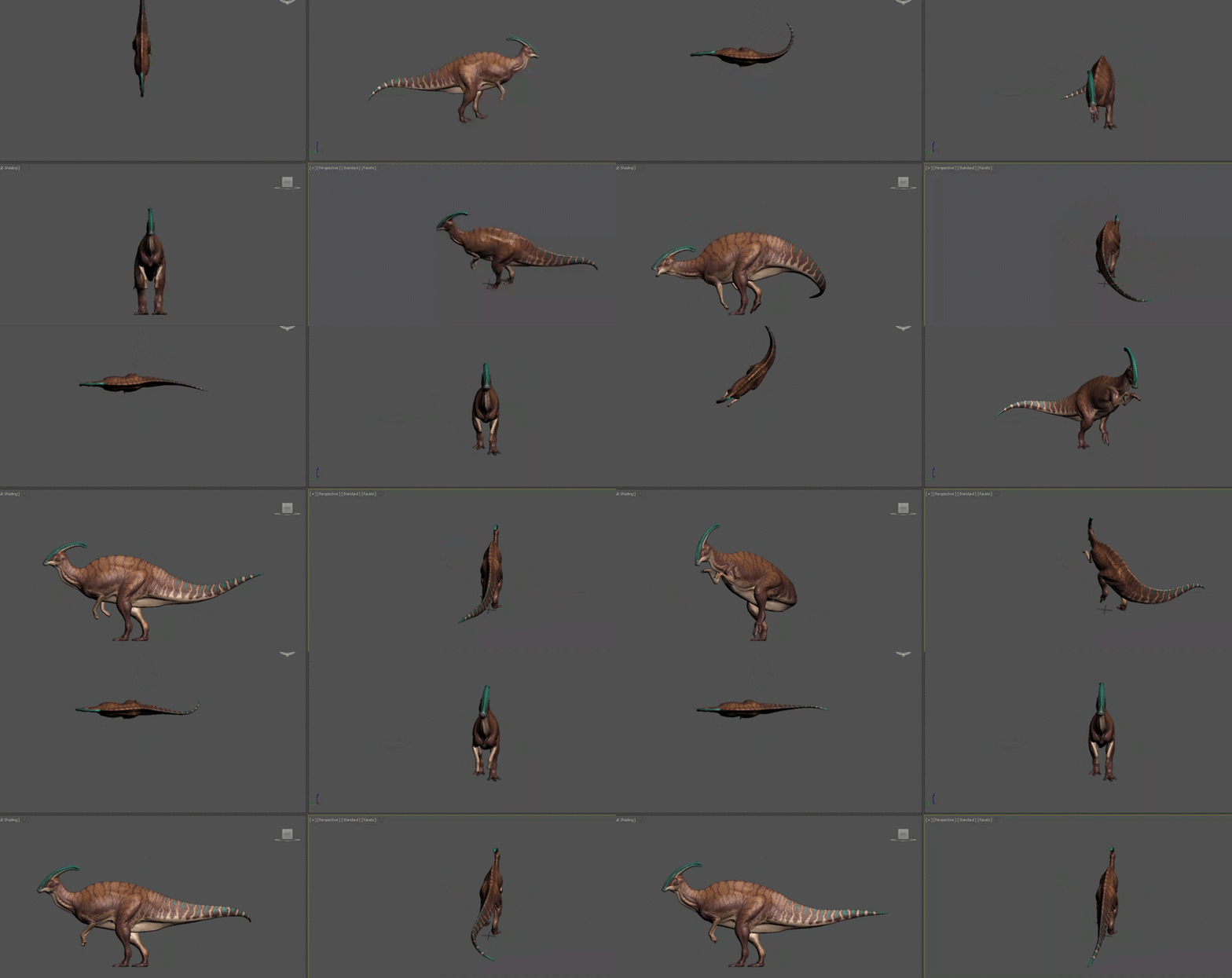
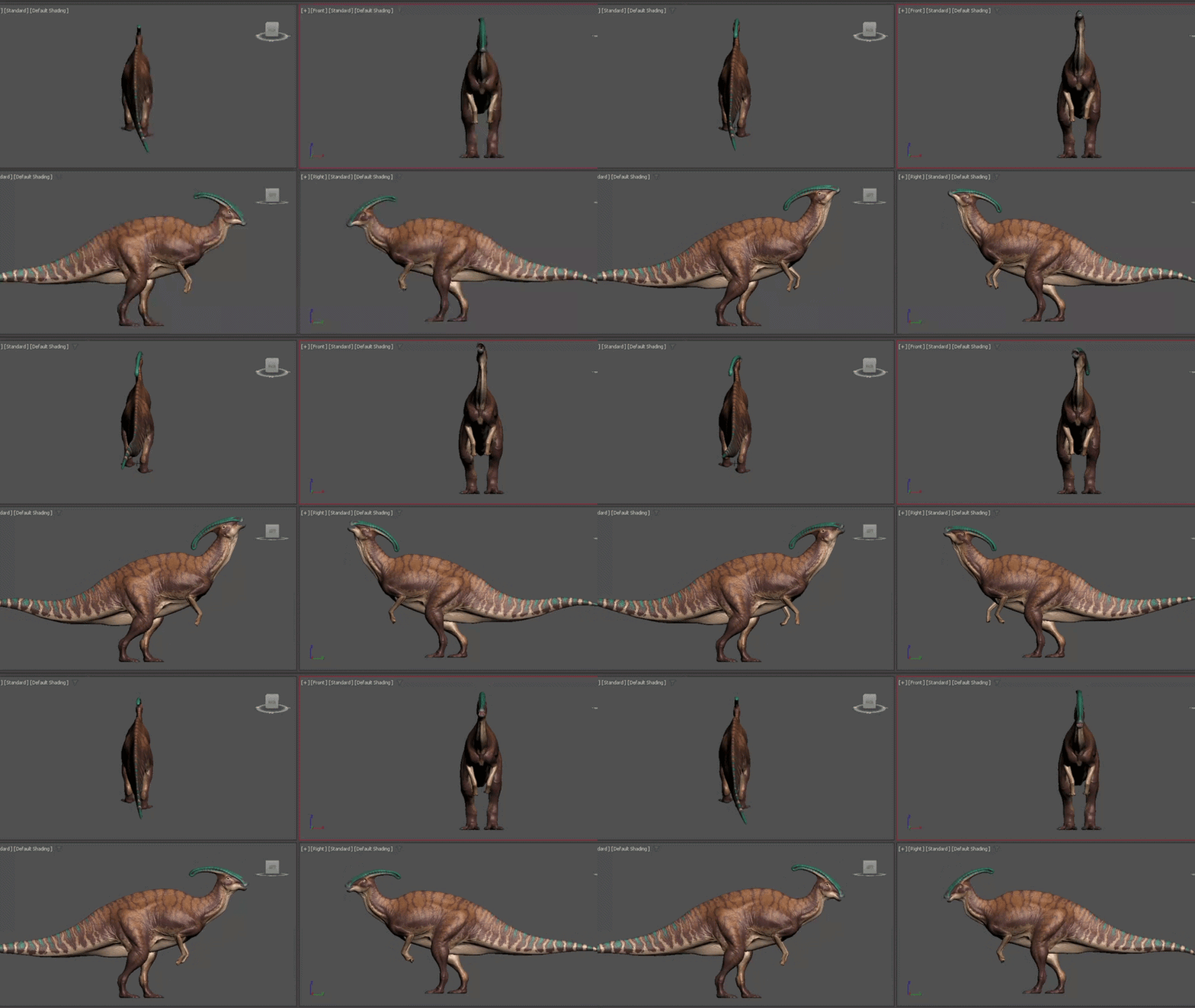
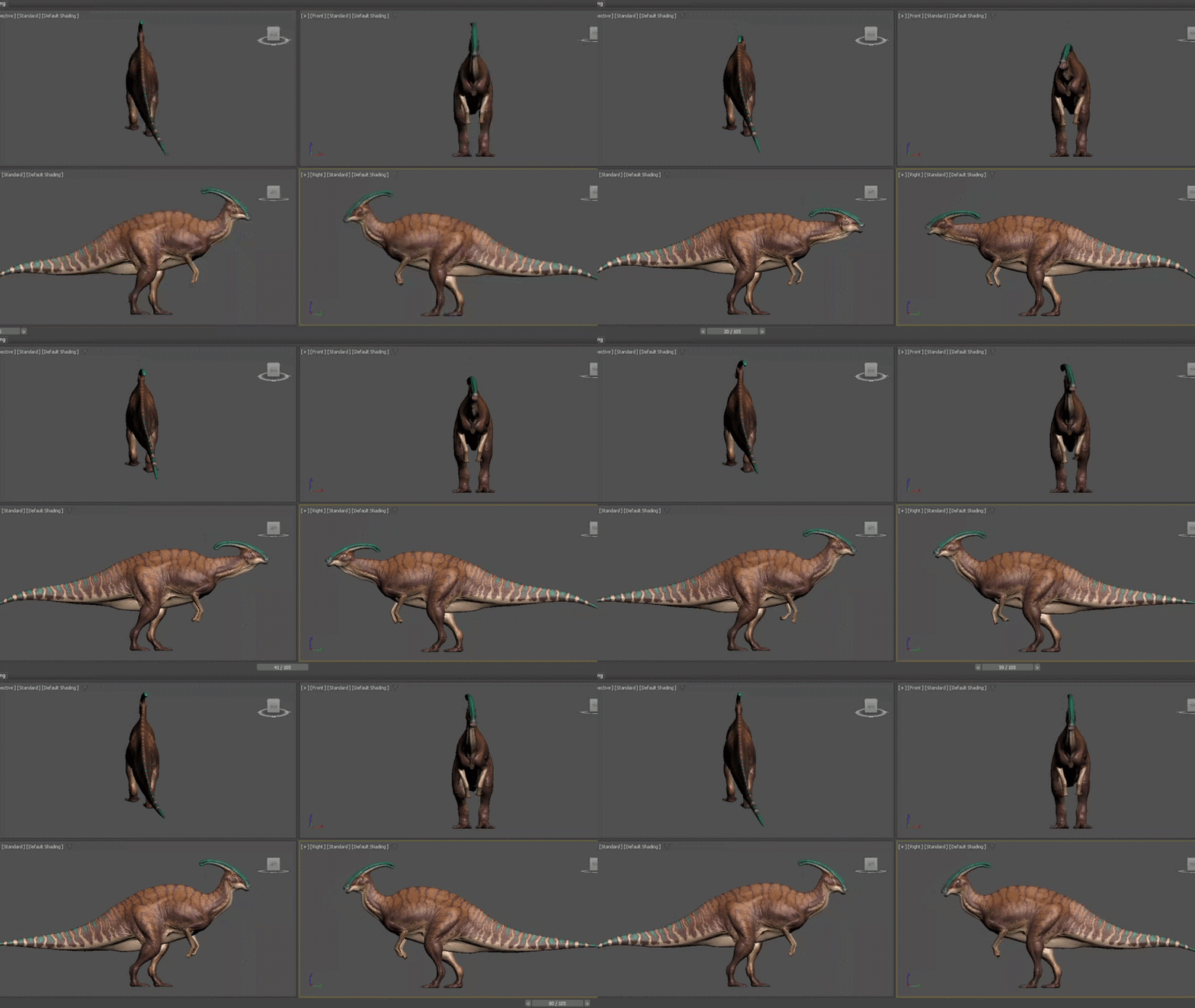
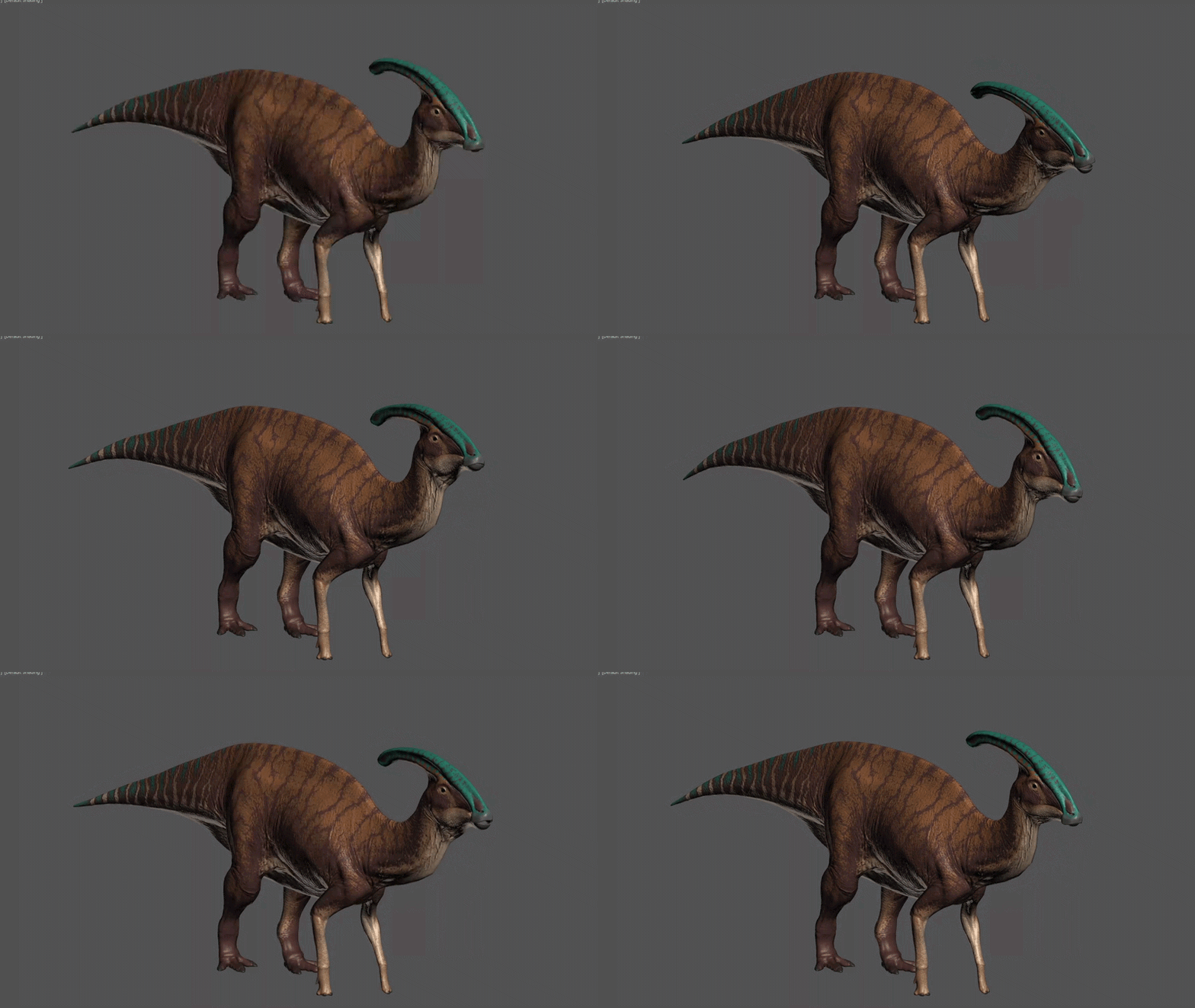
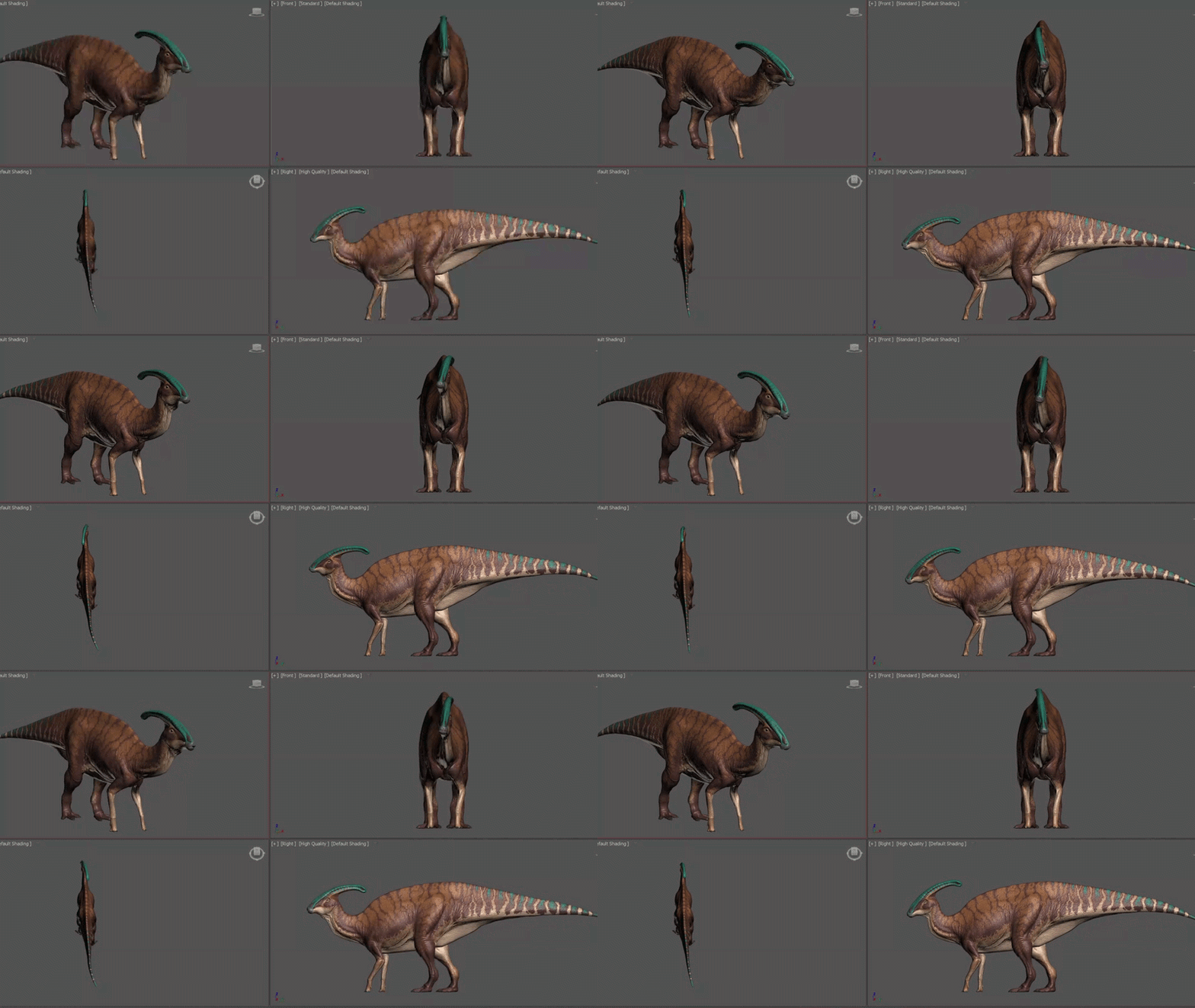
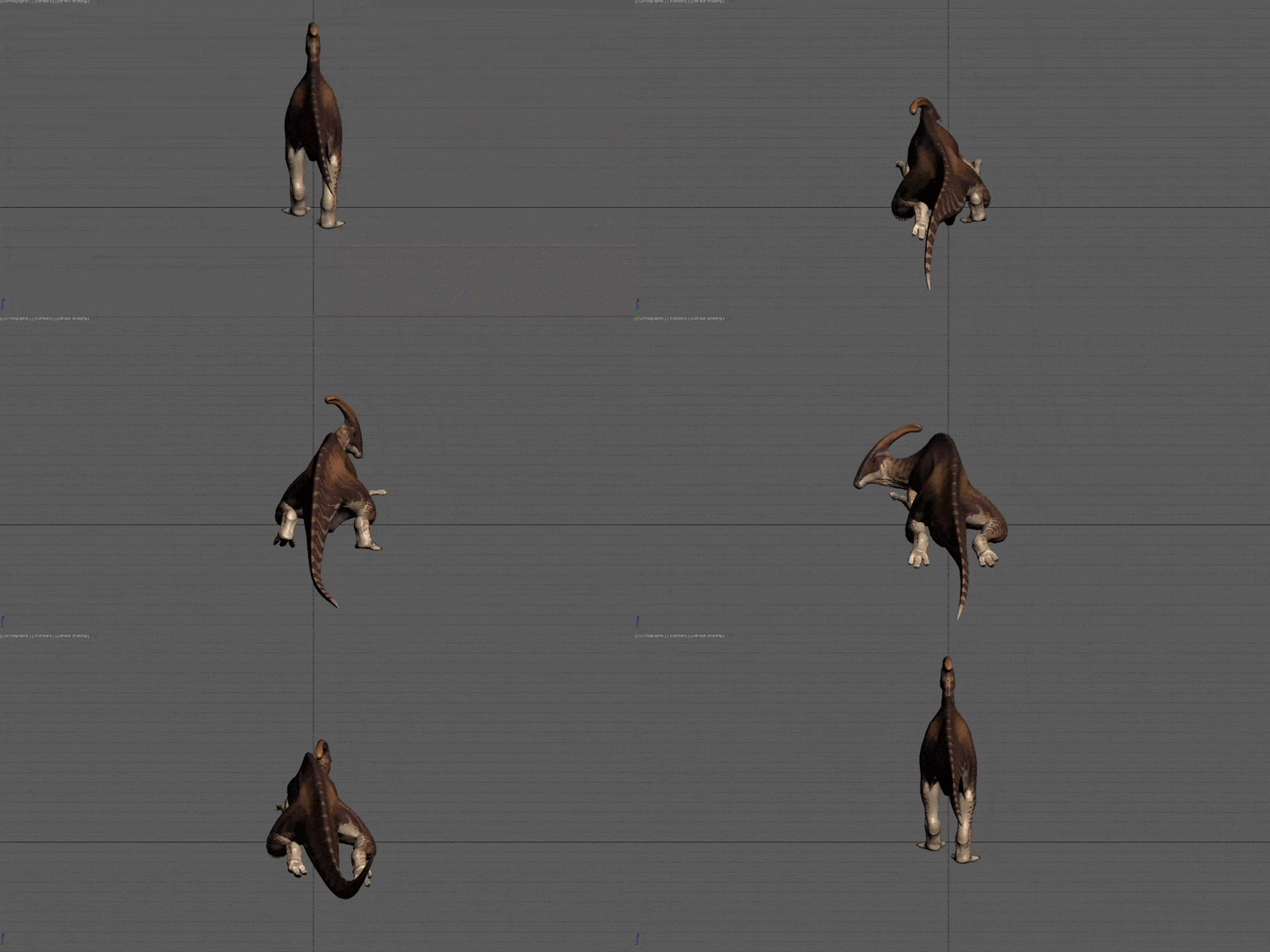
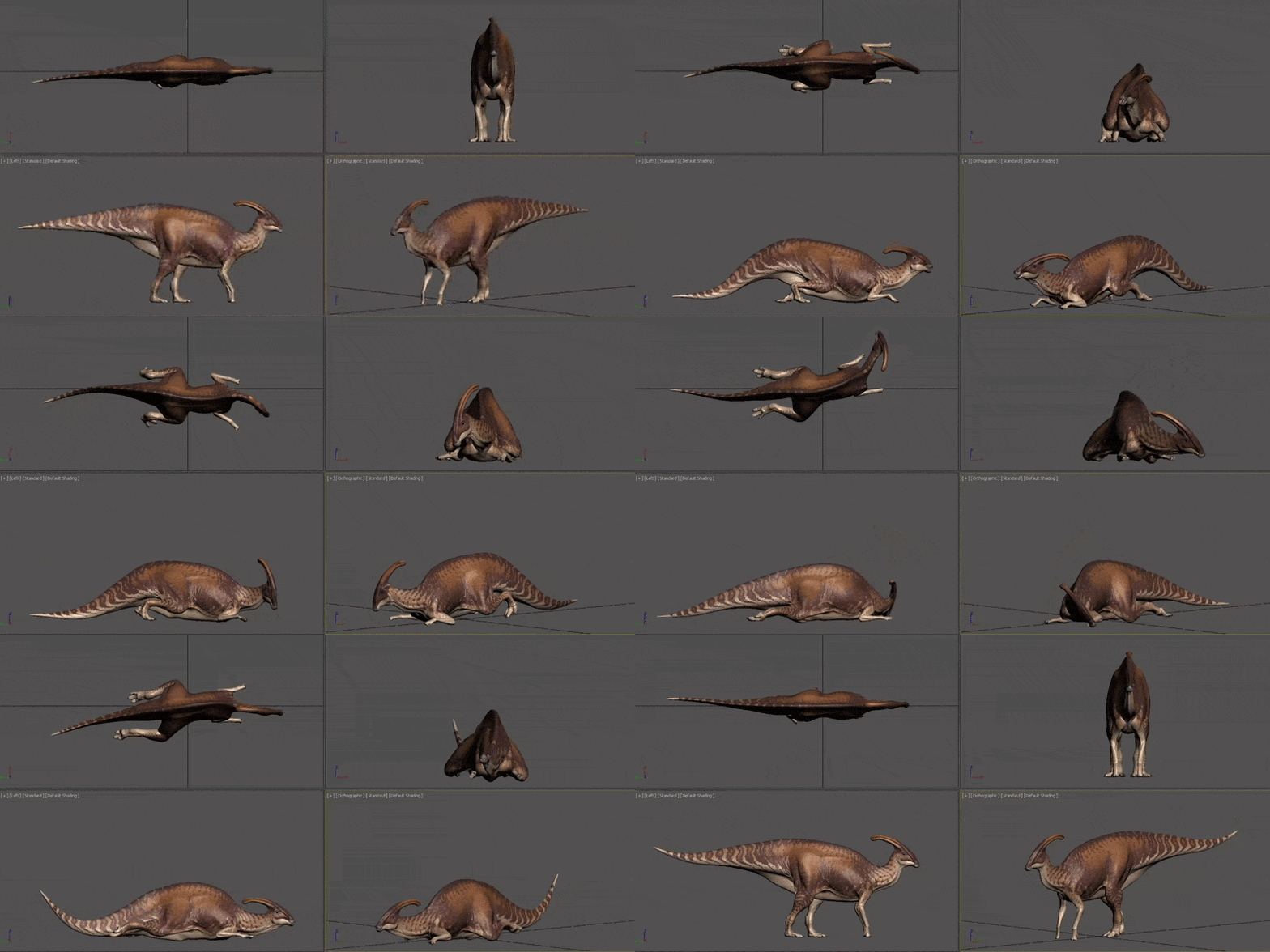
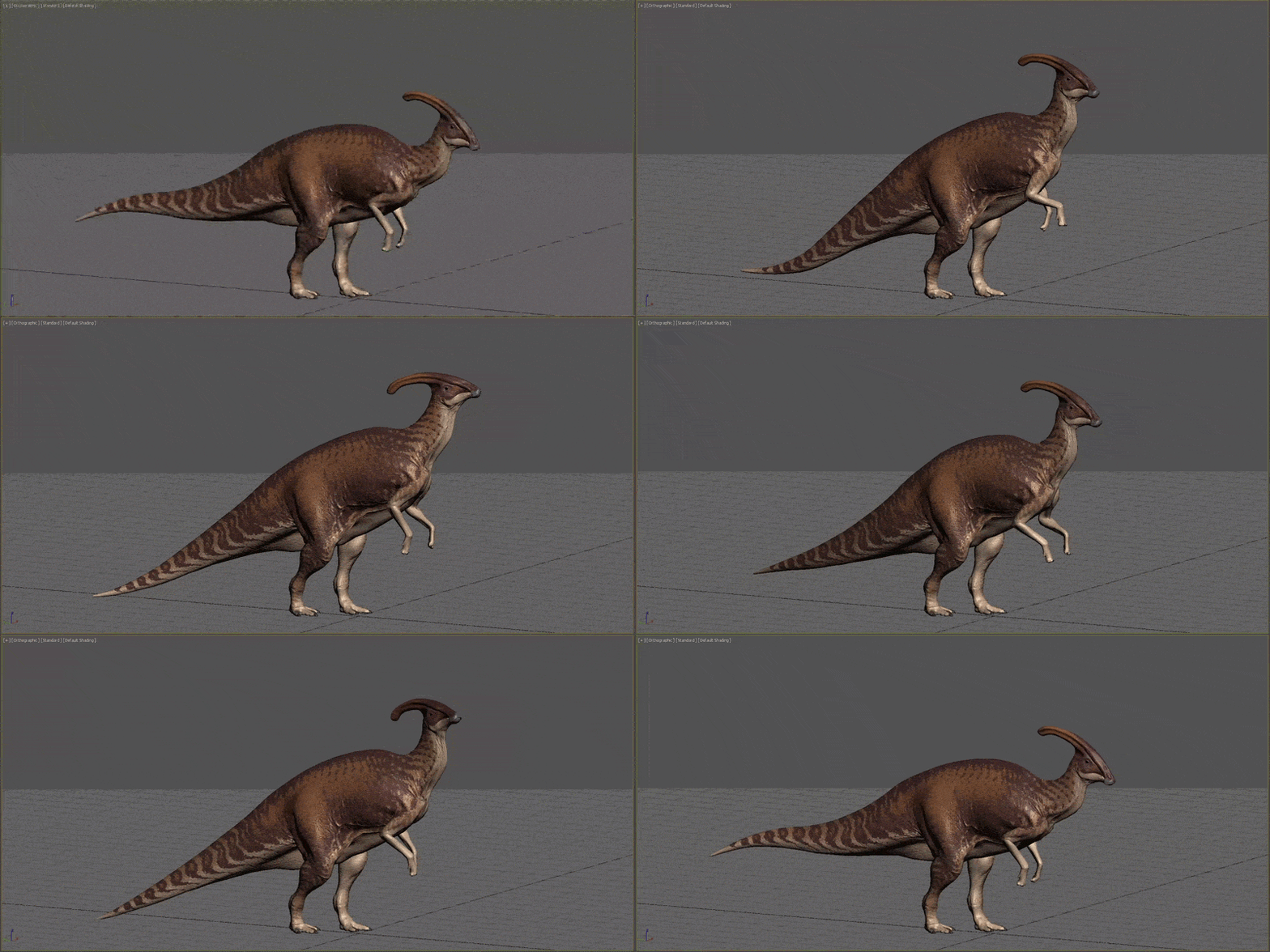
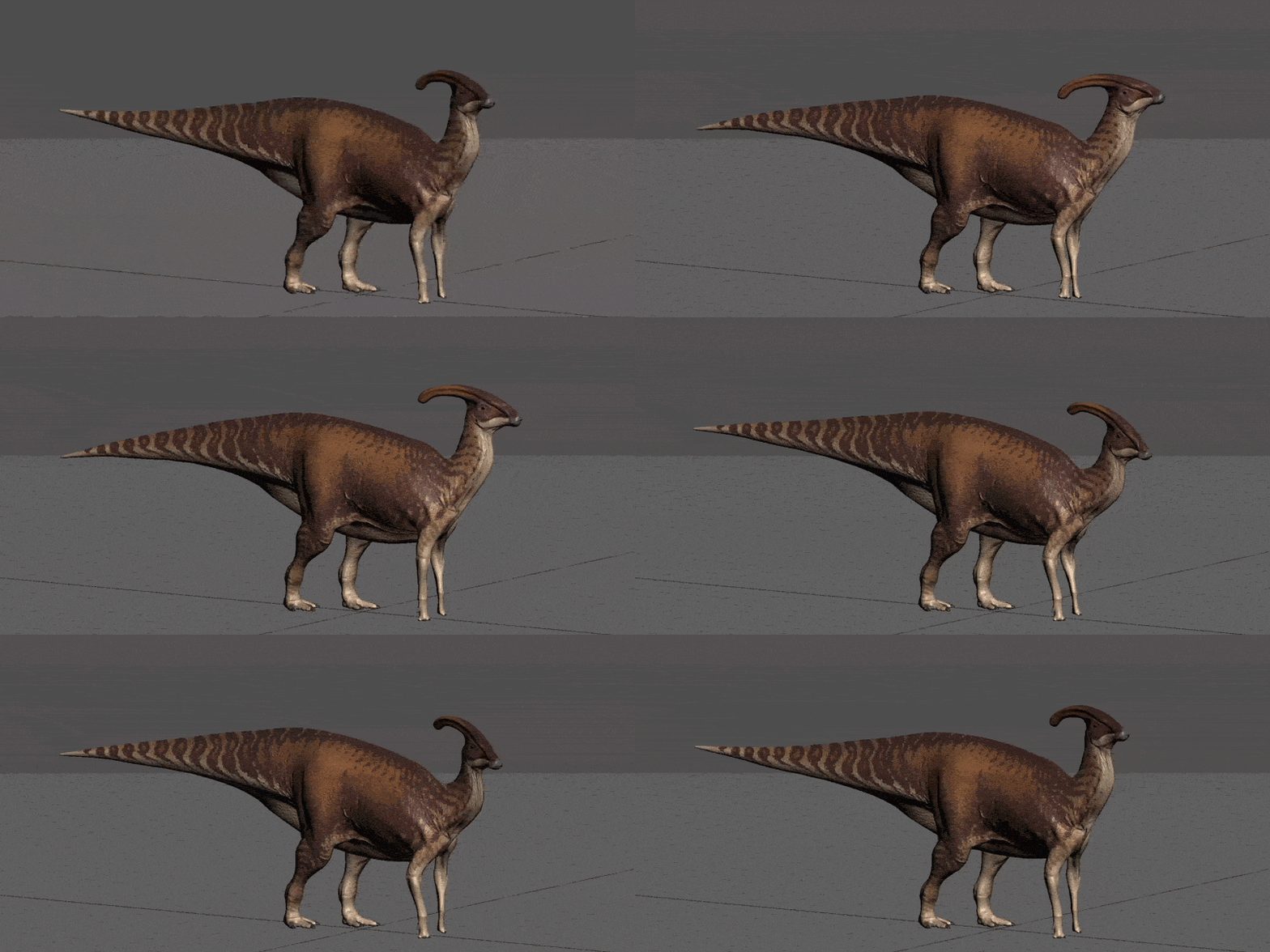
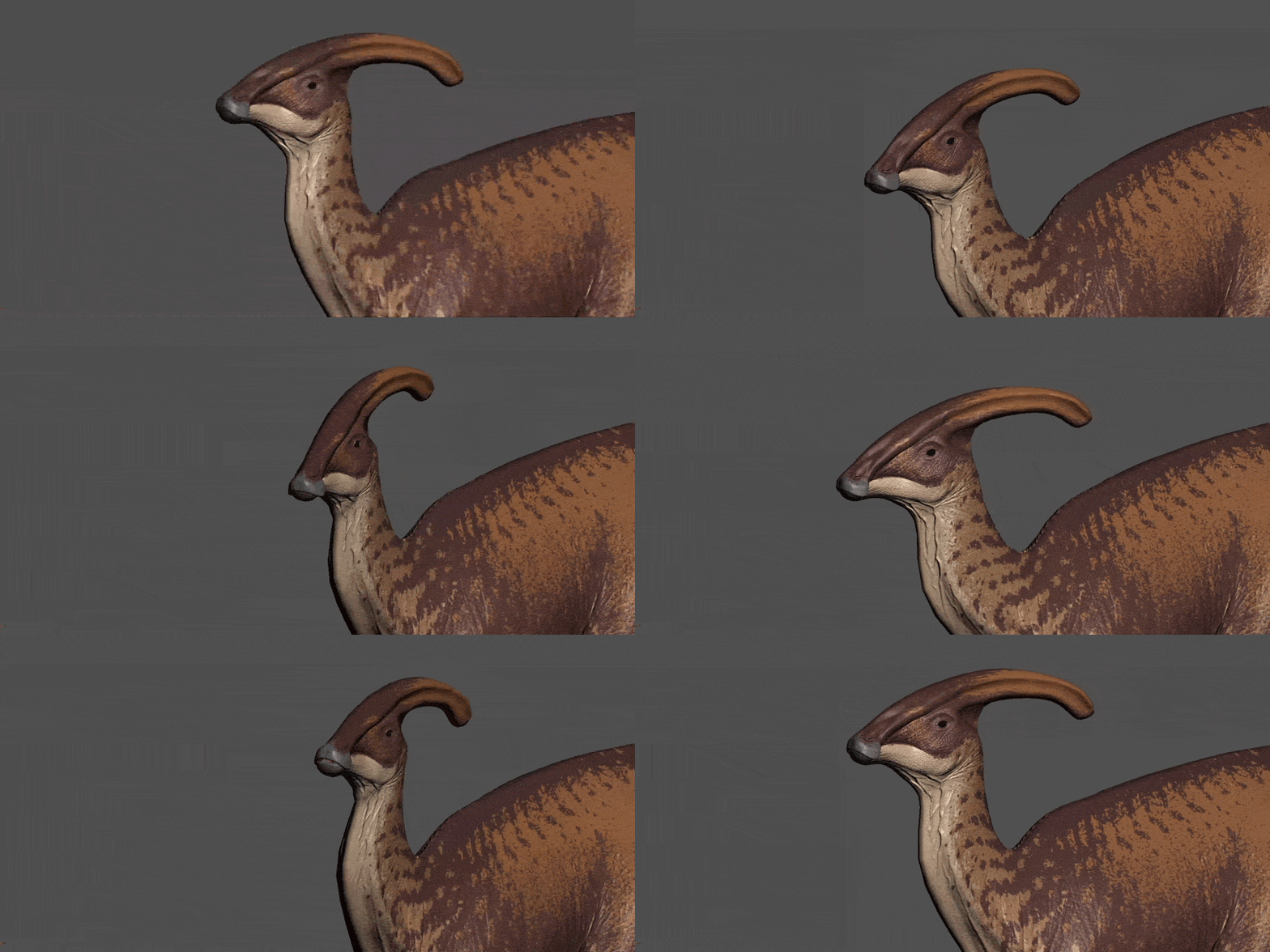
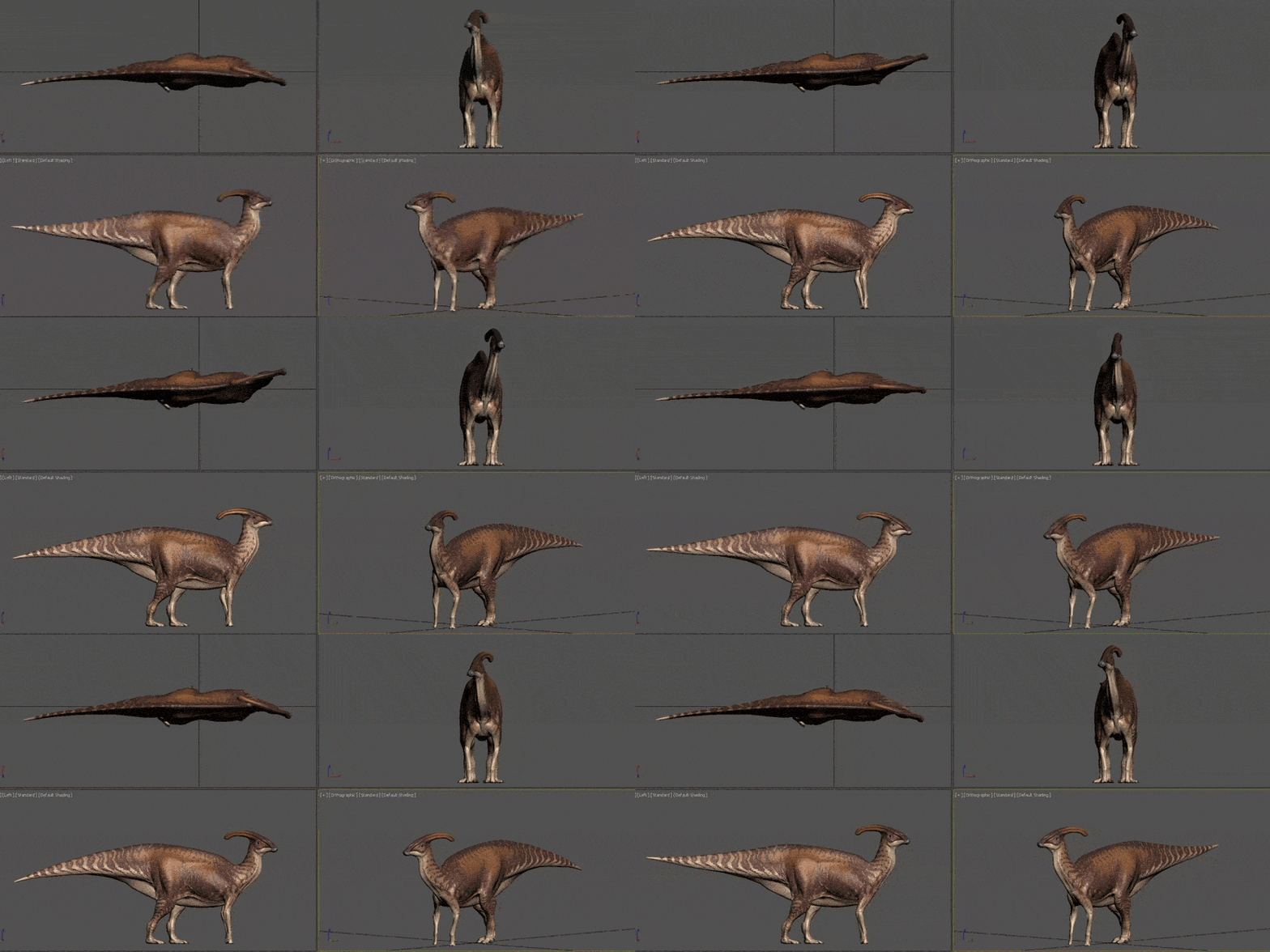
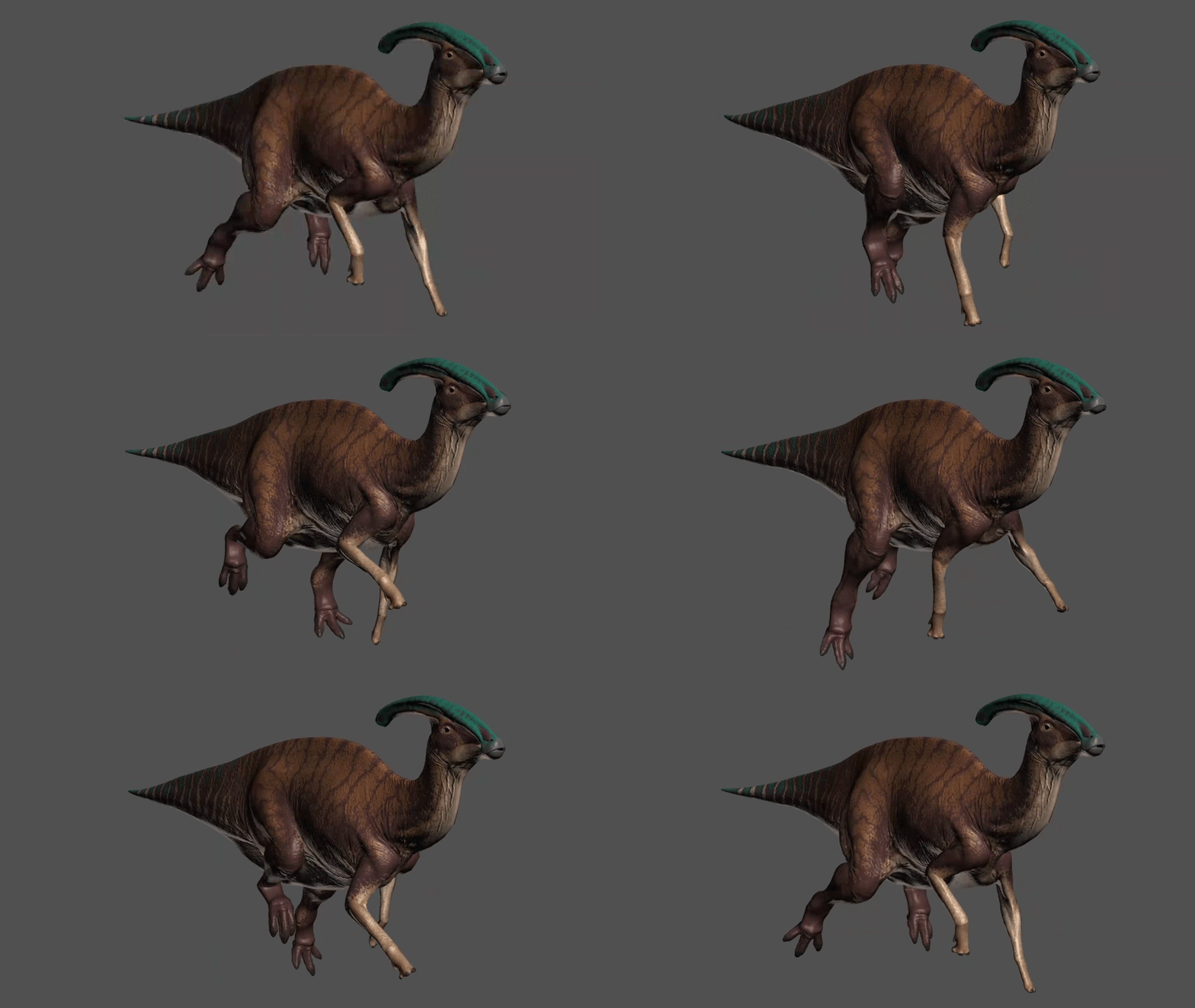
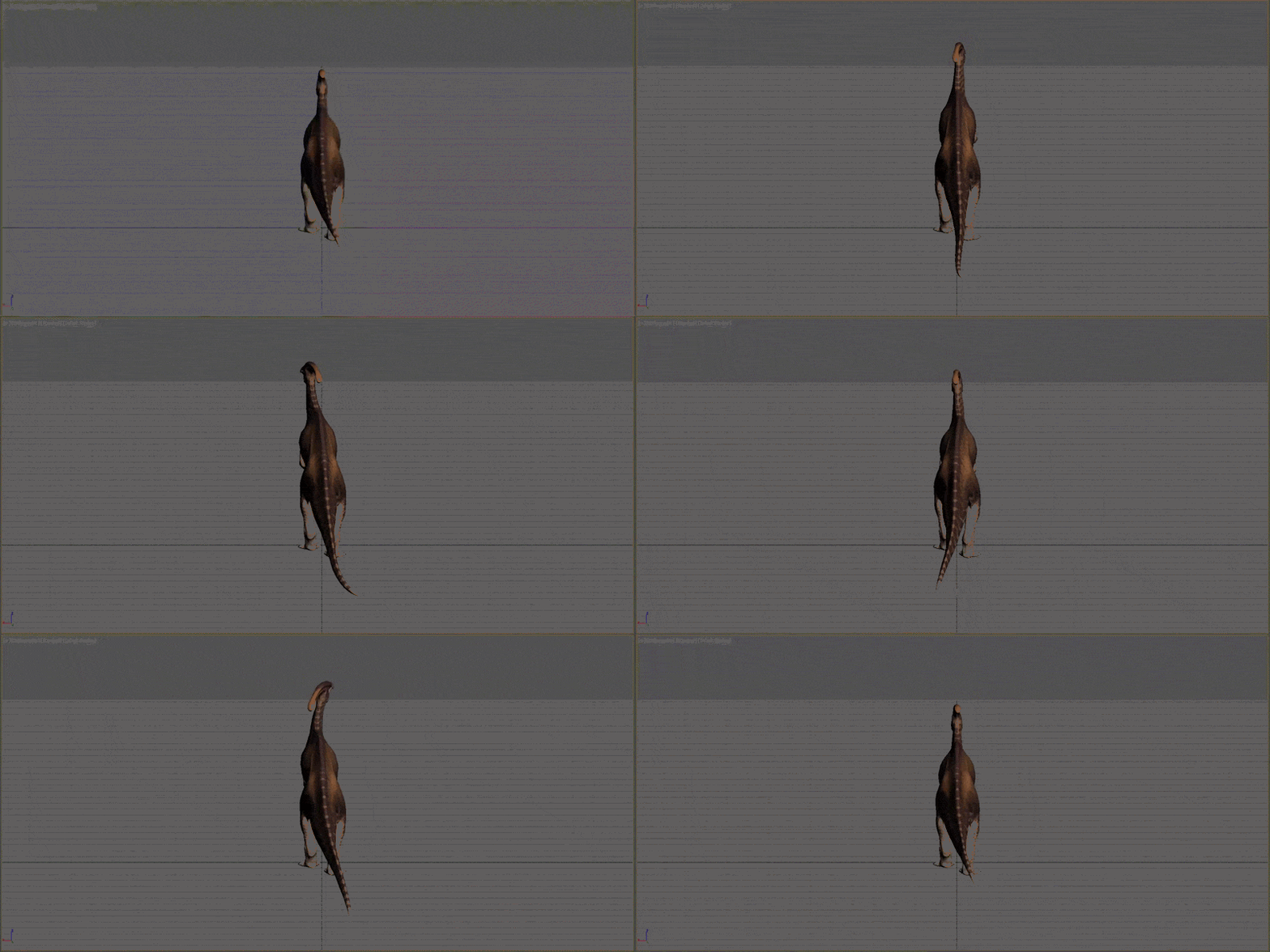
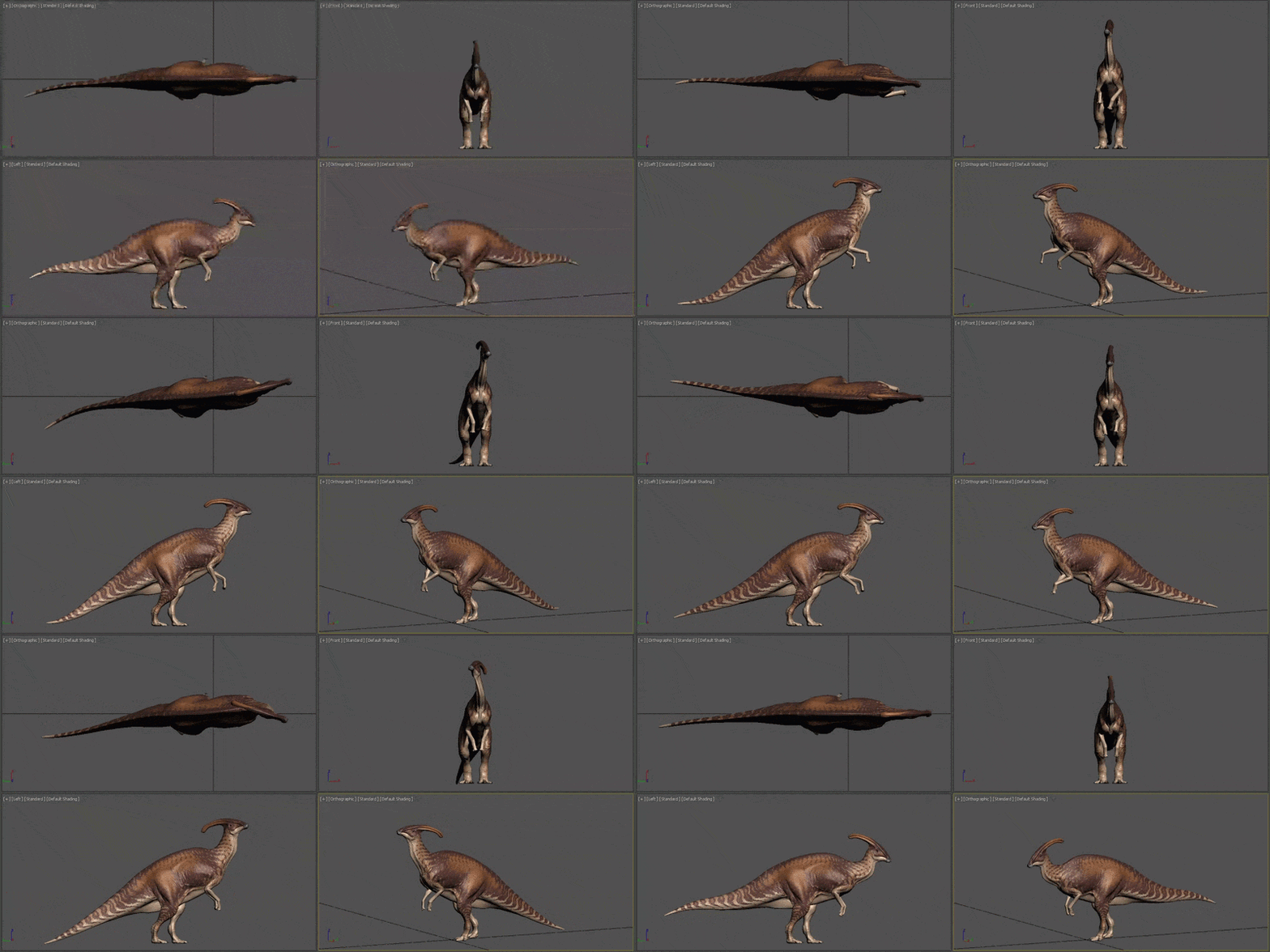
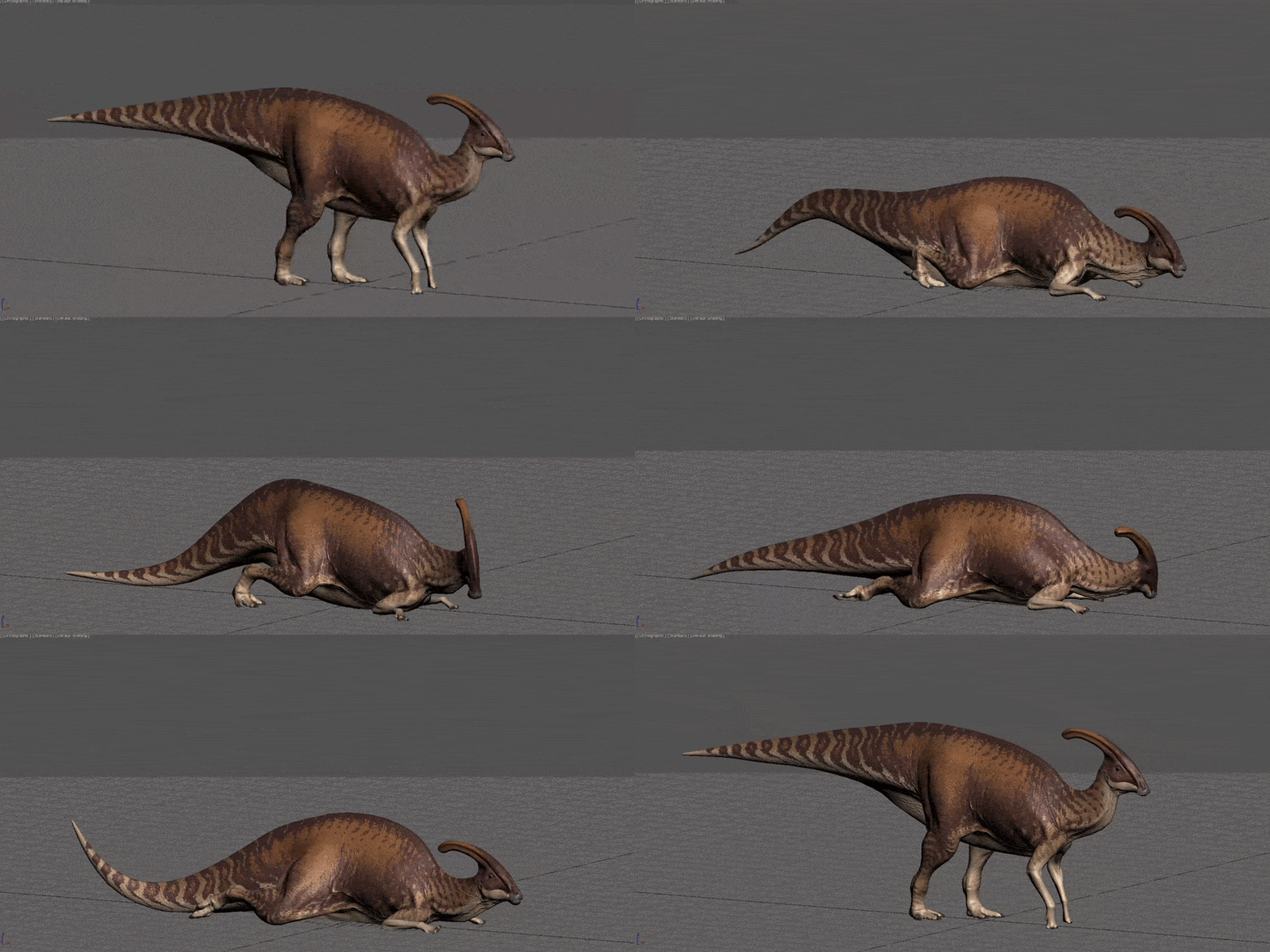
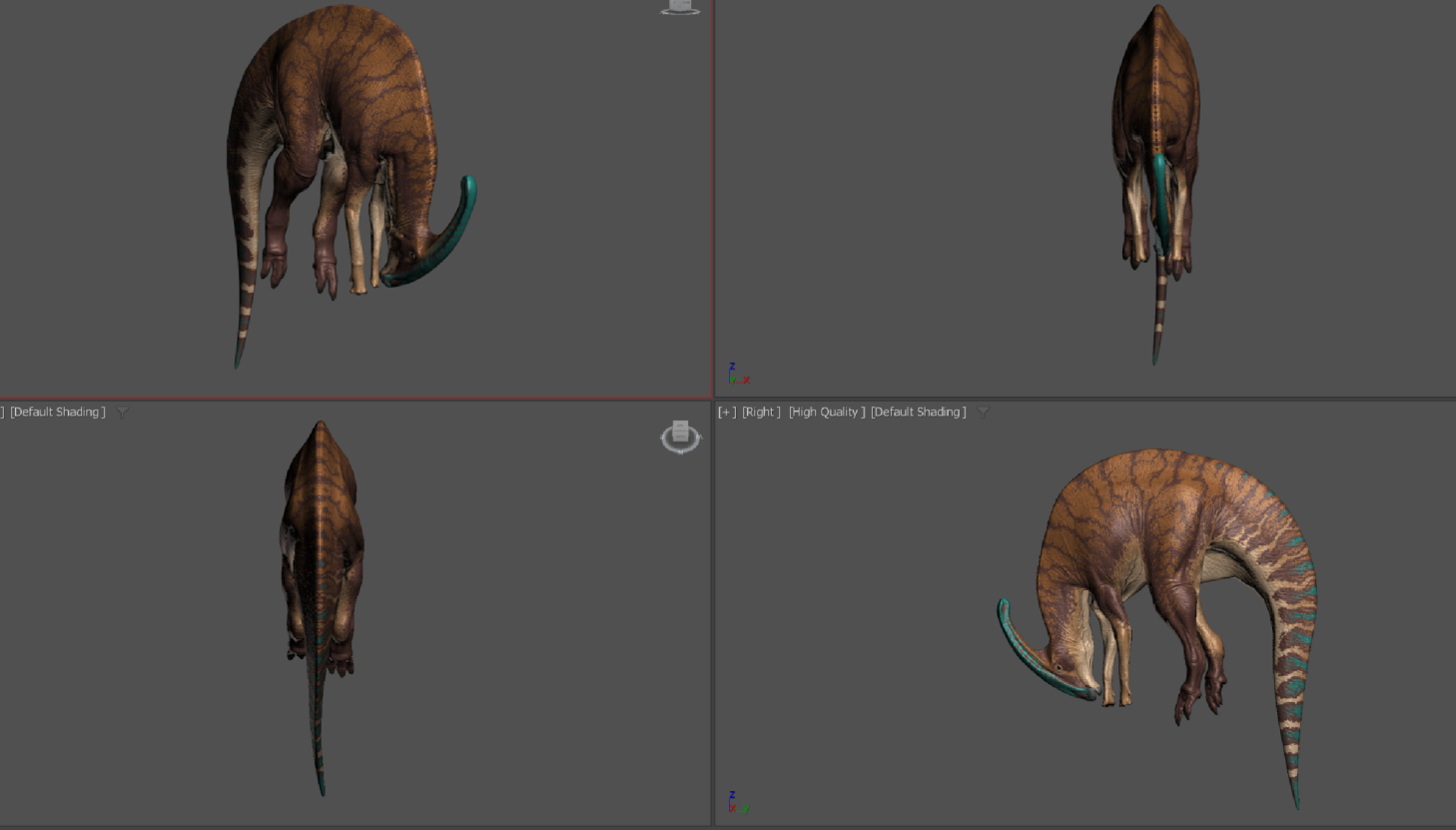
The animation team is just about wrapping up on the avaceratops sparring so I’m looking forward to getting it in internal testing so I can make any adjustments it may need. The anim team is still working on the parasaurolophus, bringing it steadily closer to completion. On an individual note, I’ve spent a lot of this month doing animation revisions and additions. Austroraptor can now jump out of the water to give it an easier time navigating water-based obstacles. It turns more smoothly on the waters’ surface and it can make more use of its killing claws with a few animations.
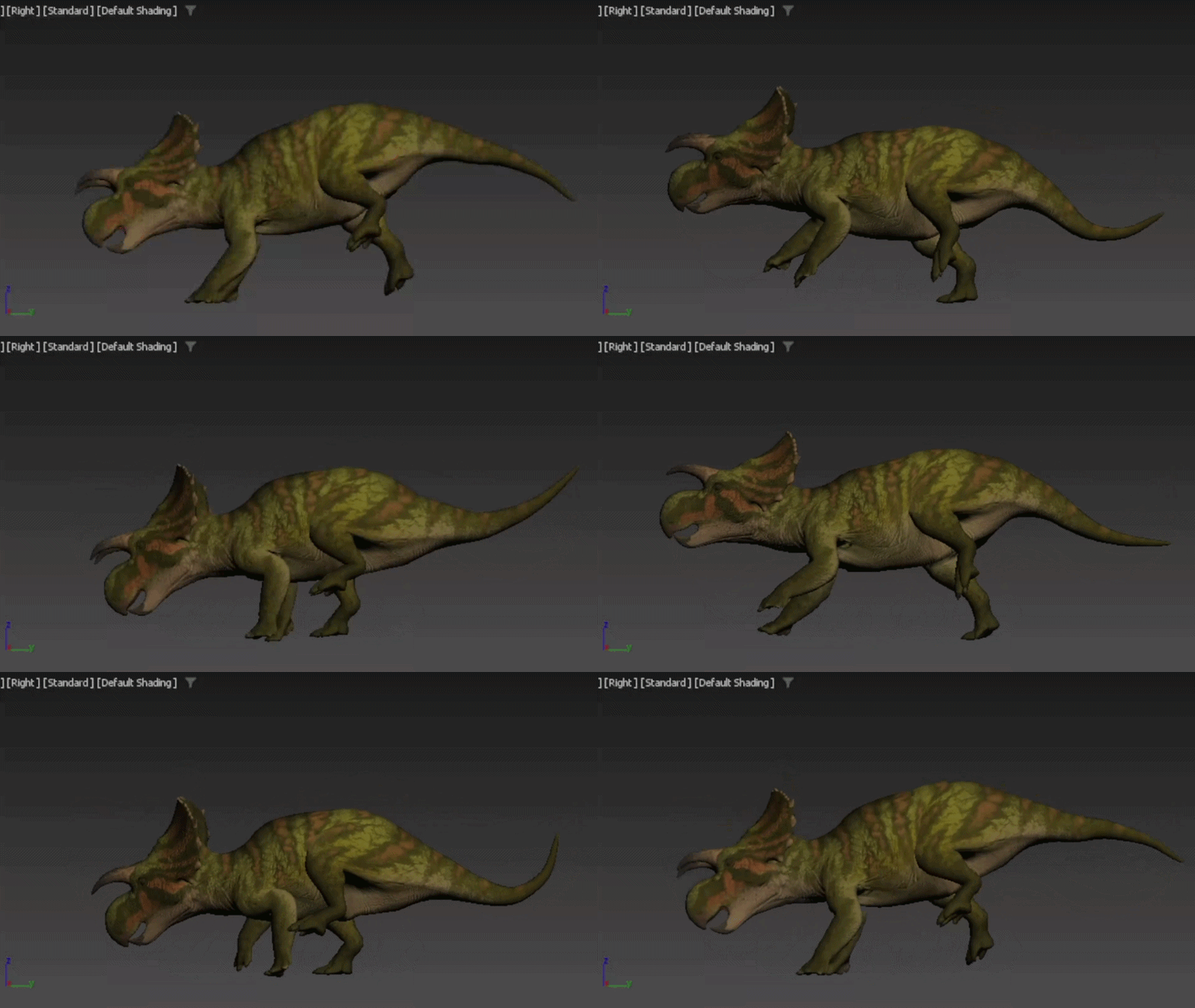
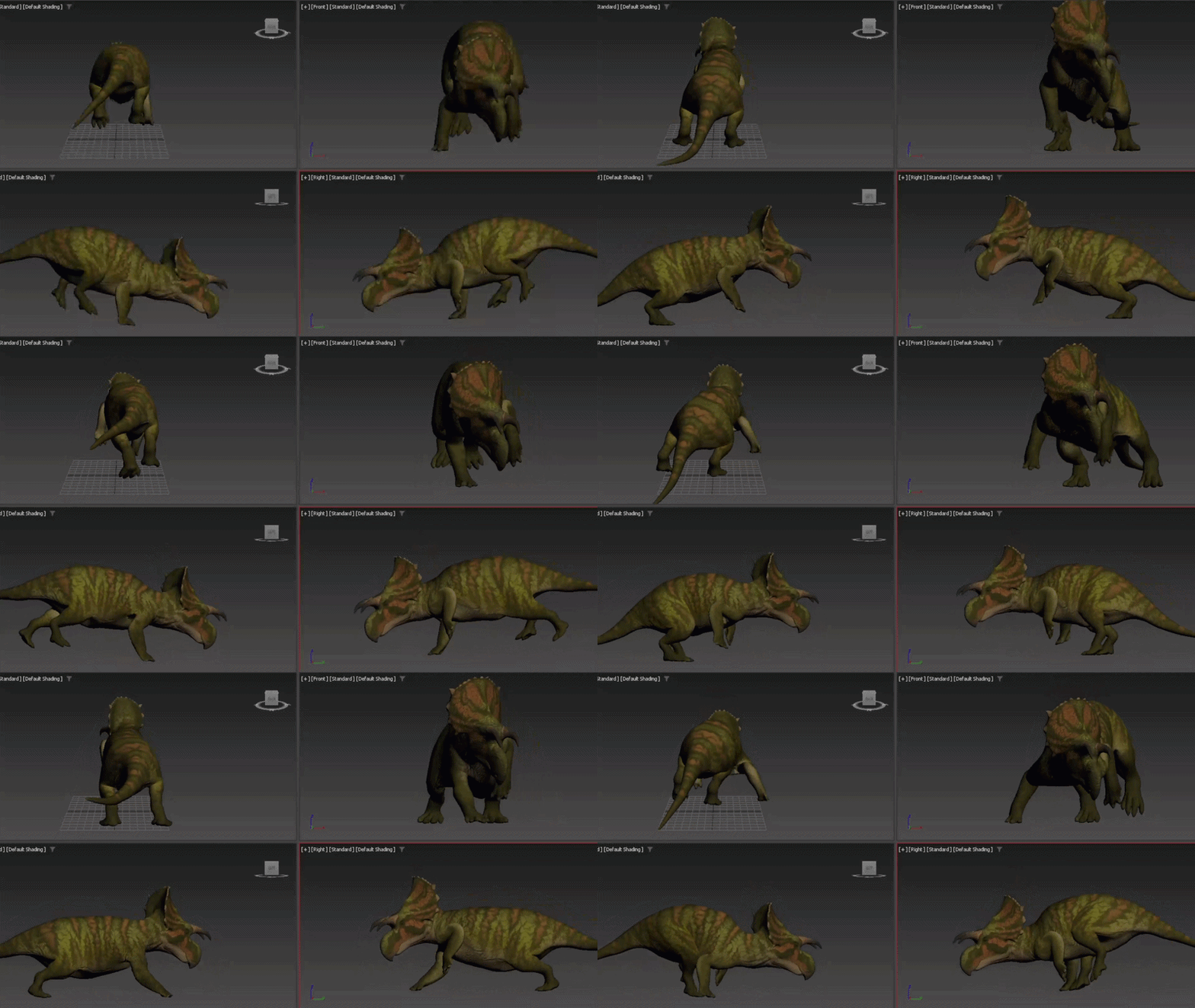
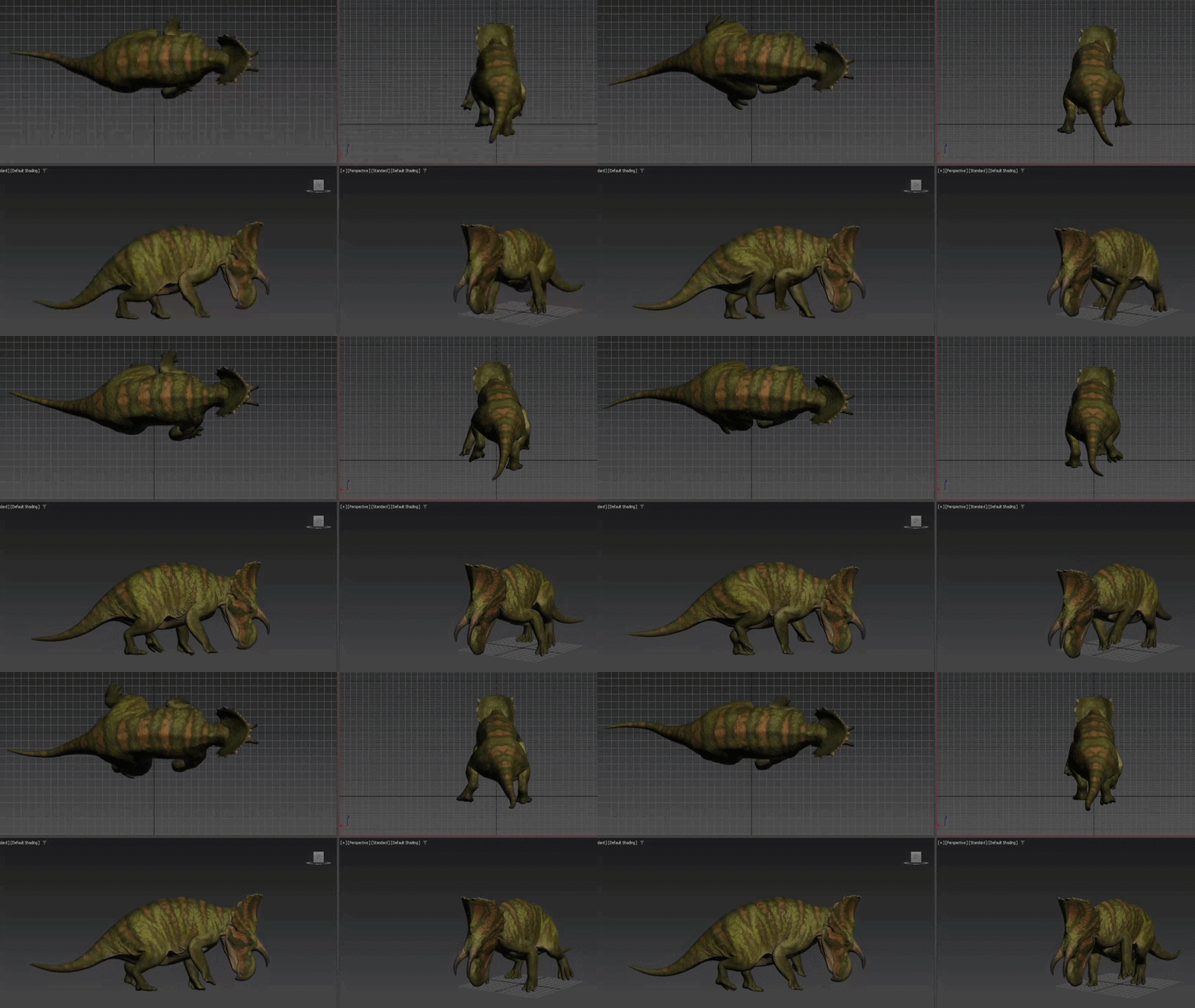
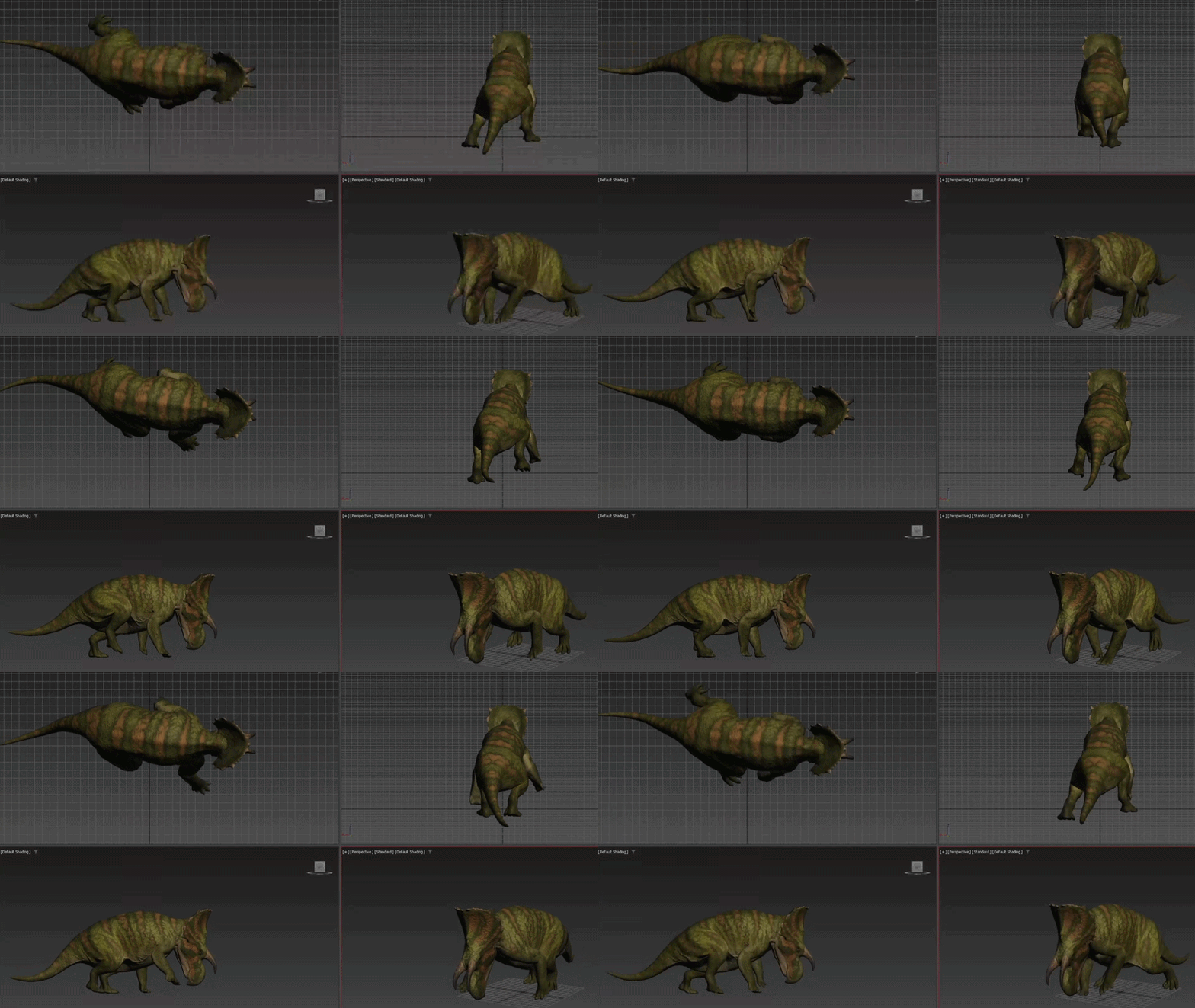
There are also revisions for oviraptor, general sliding and some new directional attack animations for the triceratops that should have them feeling more reactive which is something I’ve felt needed for awhile to allow for an easier time defending their rear. There are changes coming to diabloceratops’ attacks so they recover a bit faster as well.
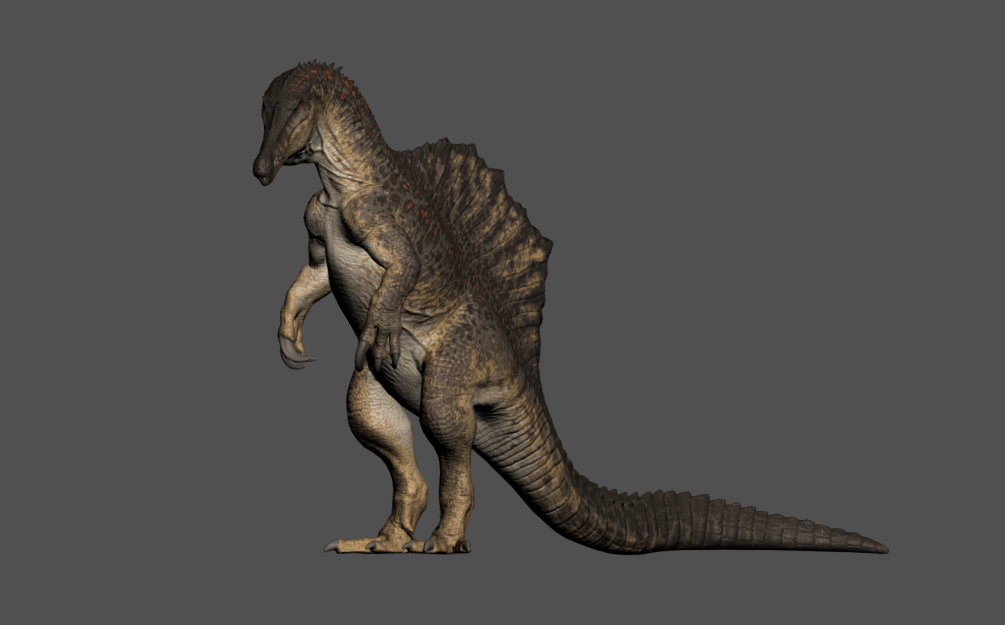
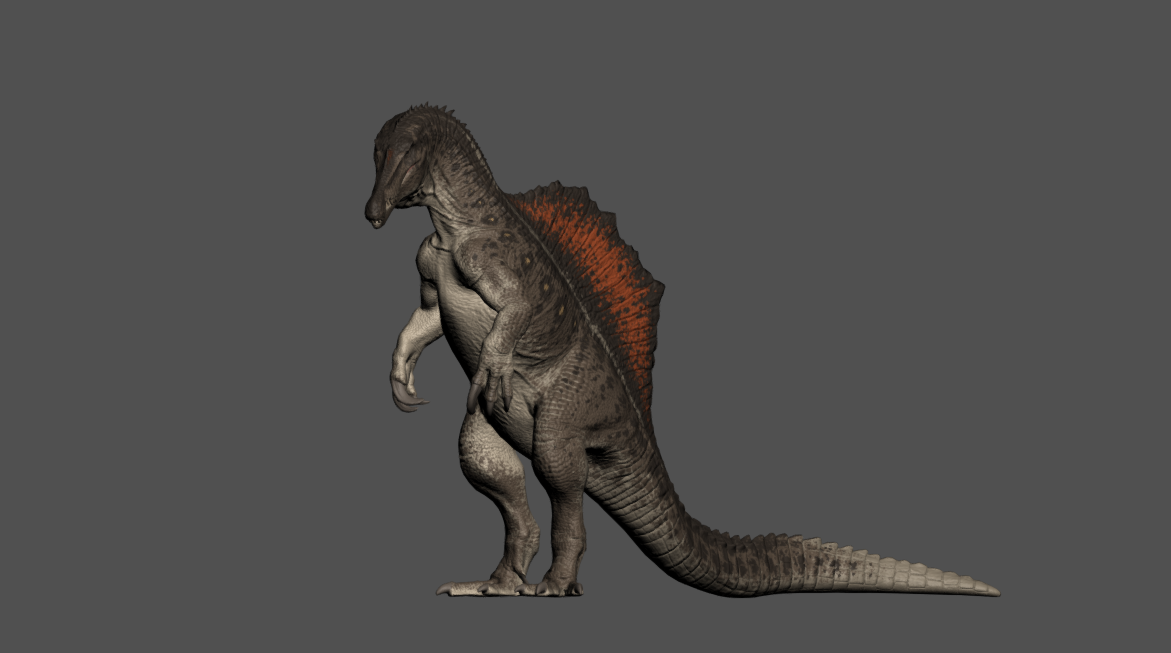
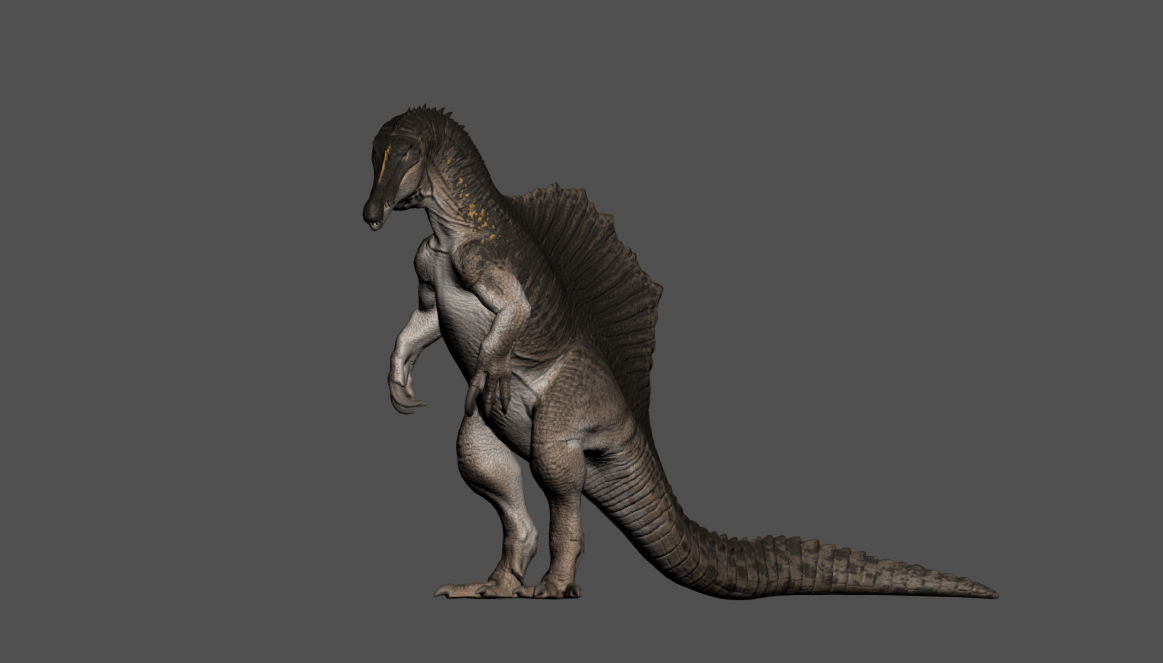
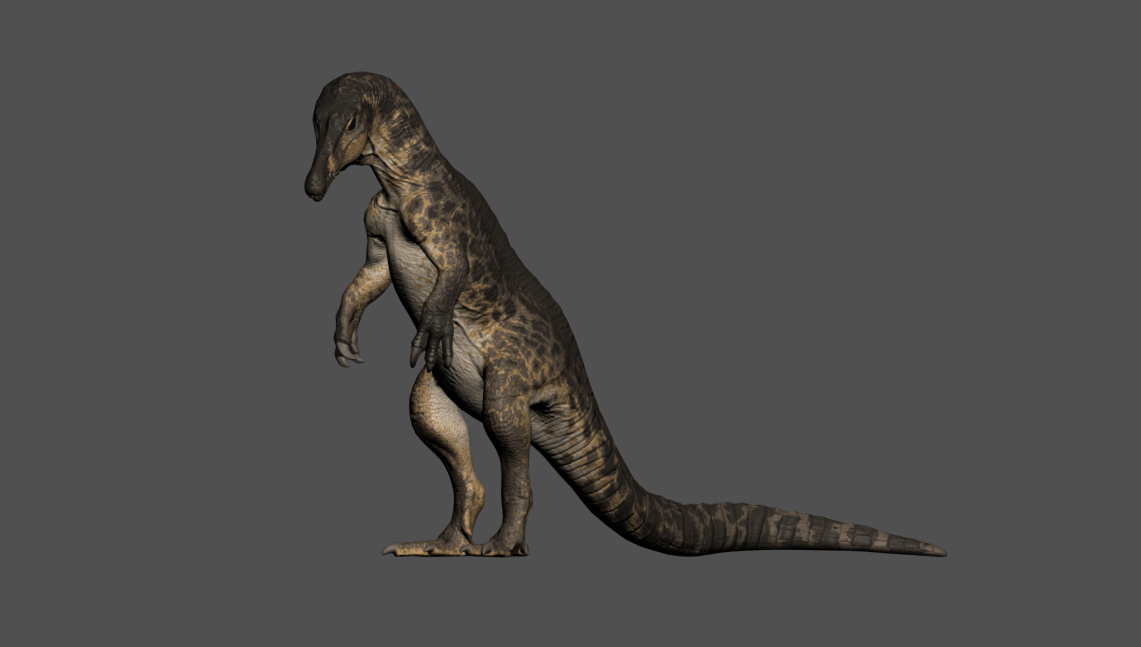
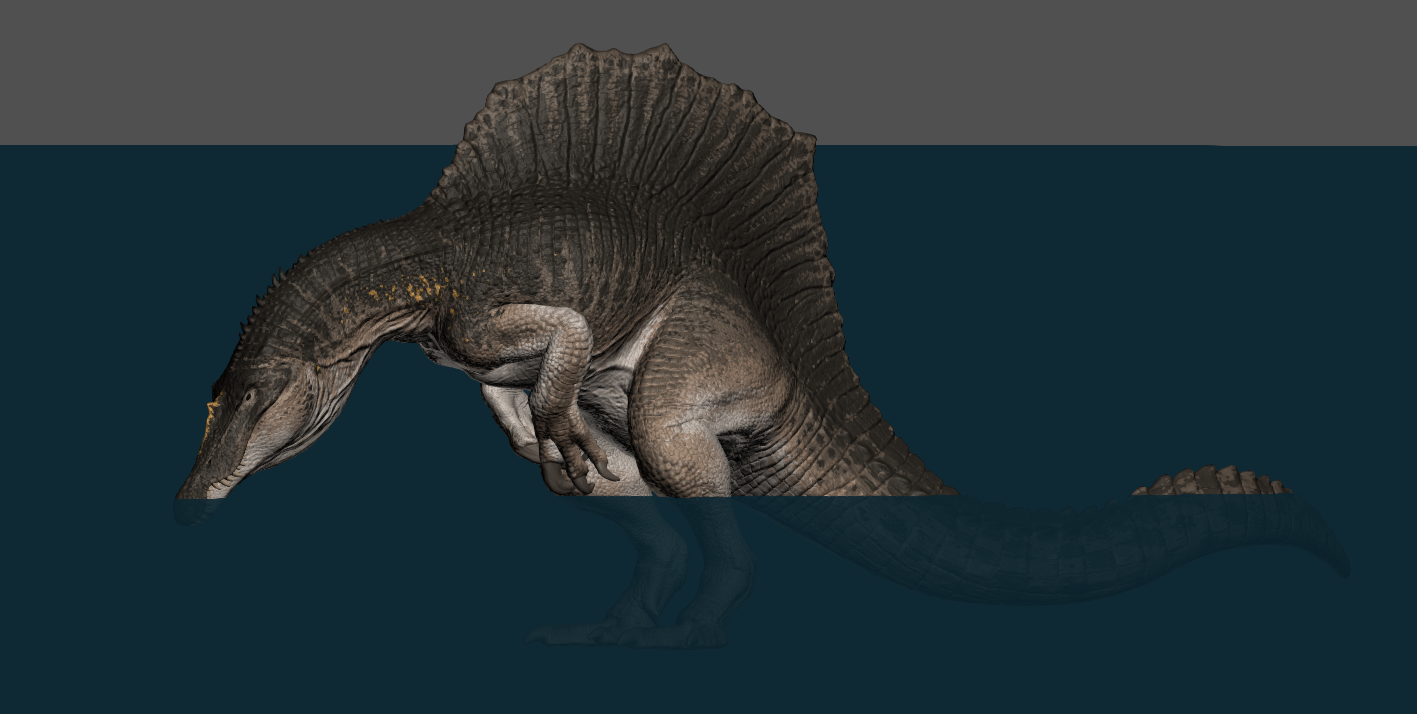
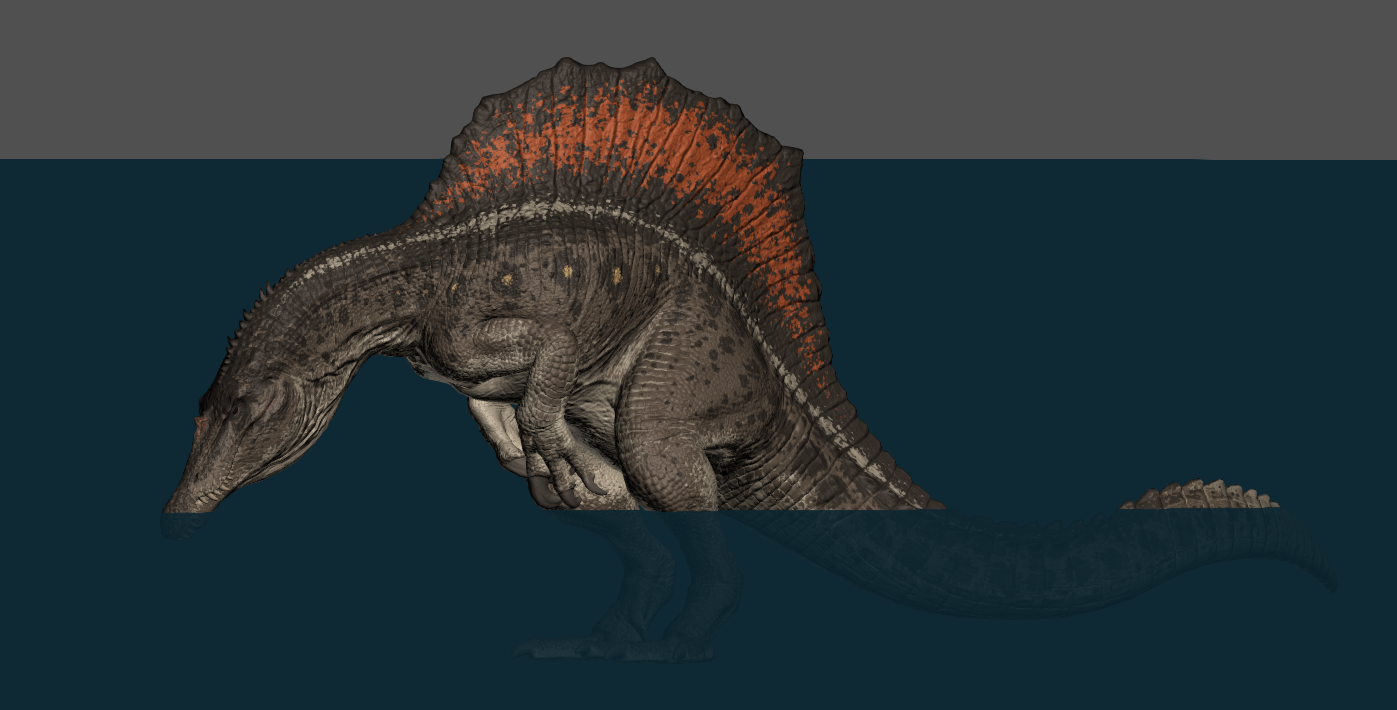
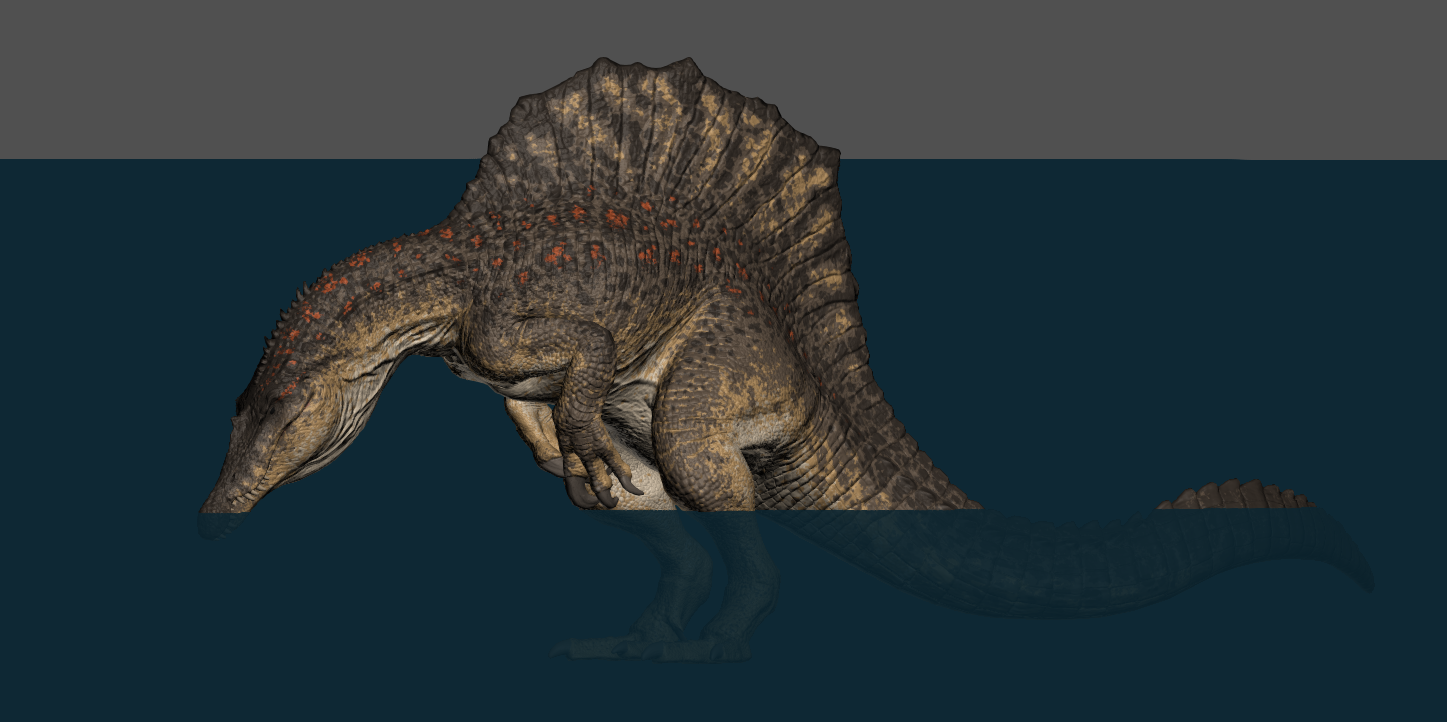
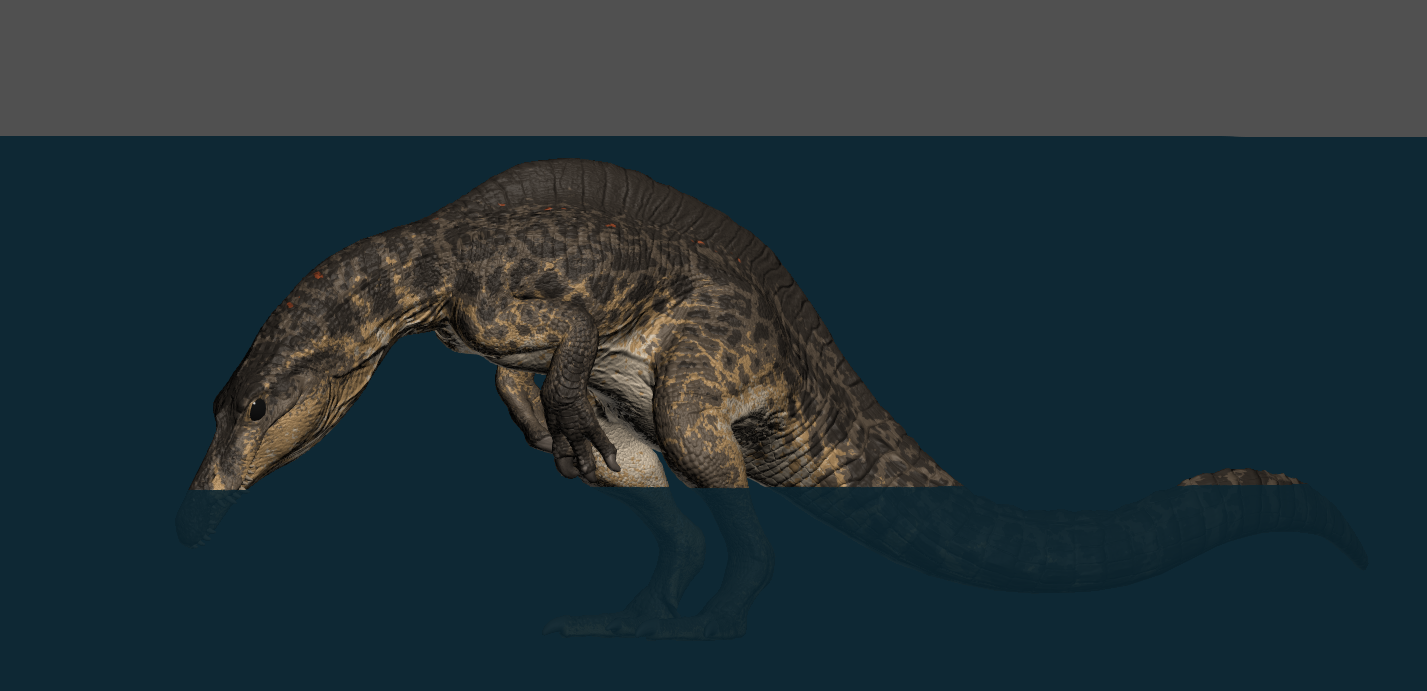
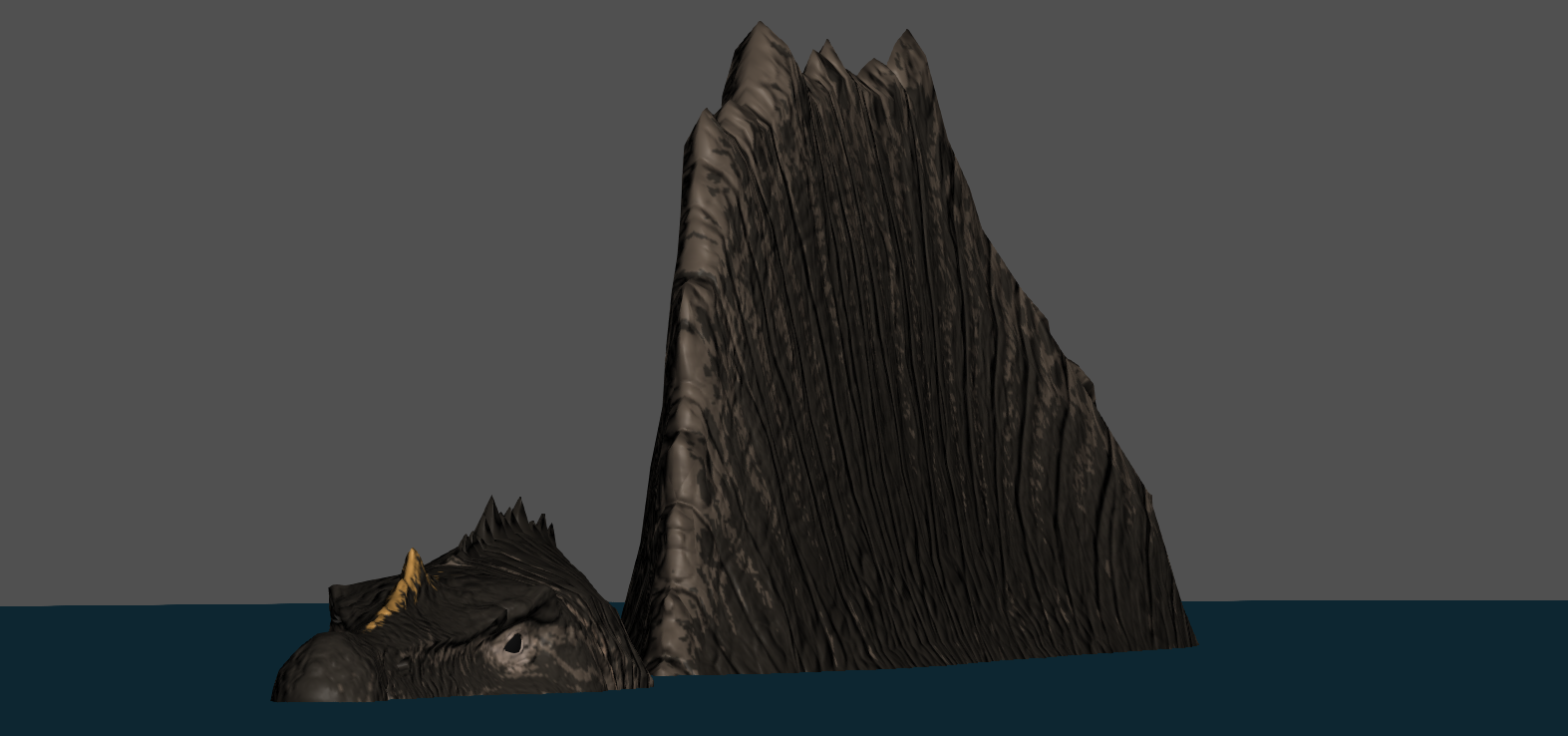
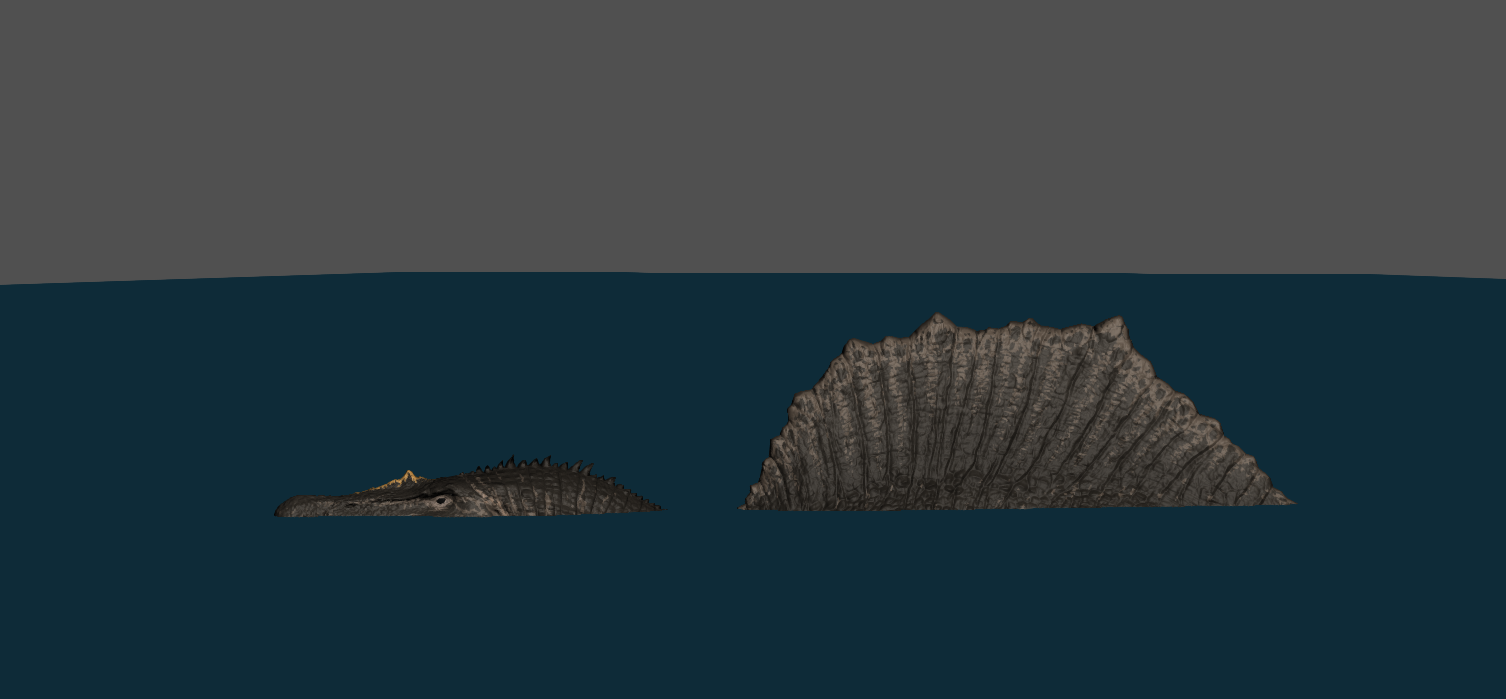
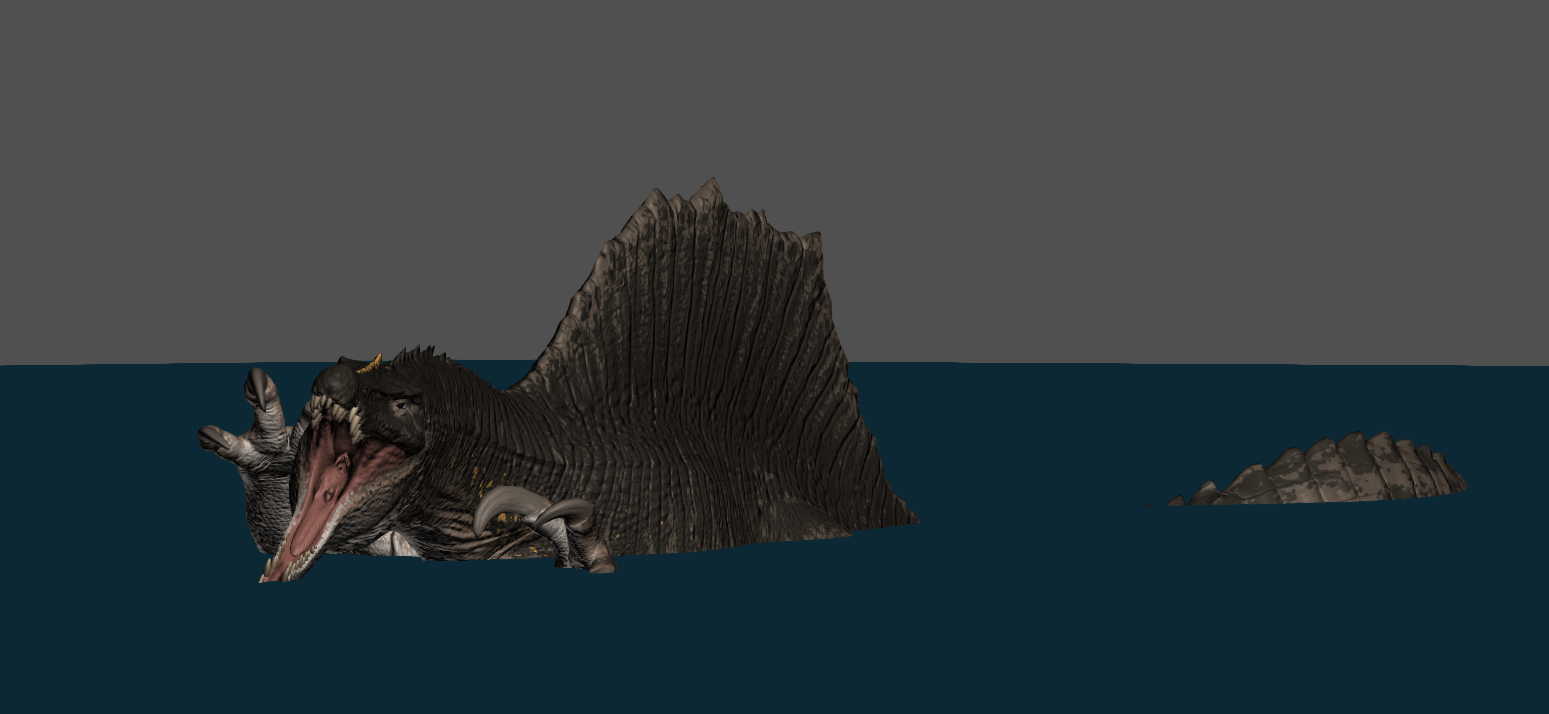
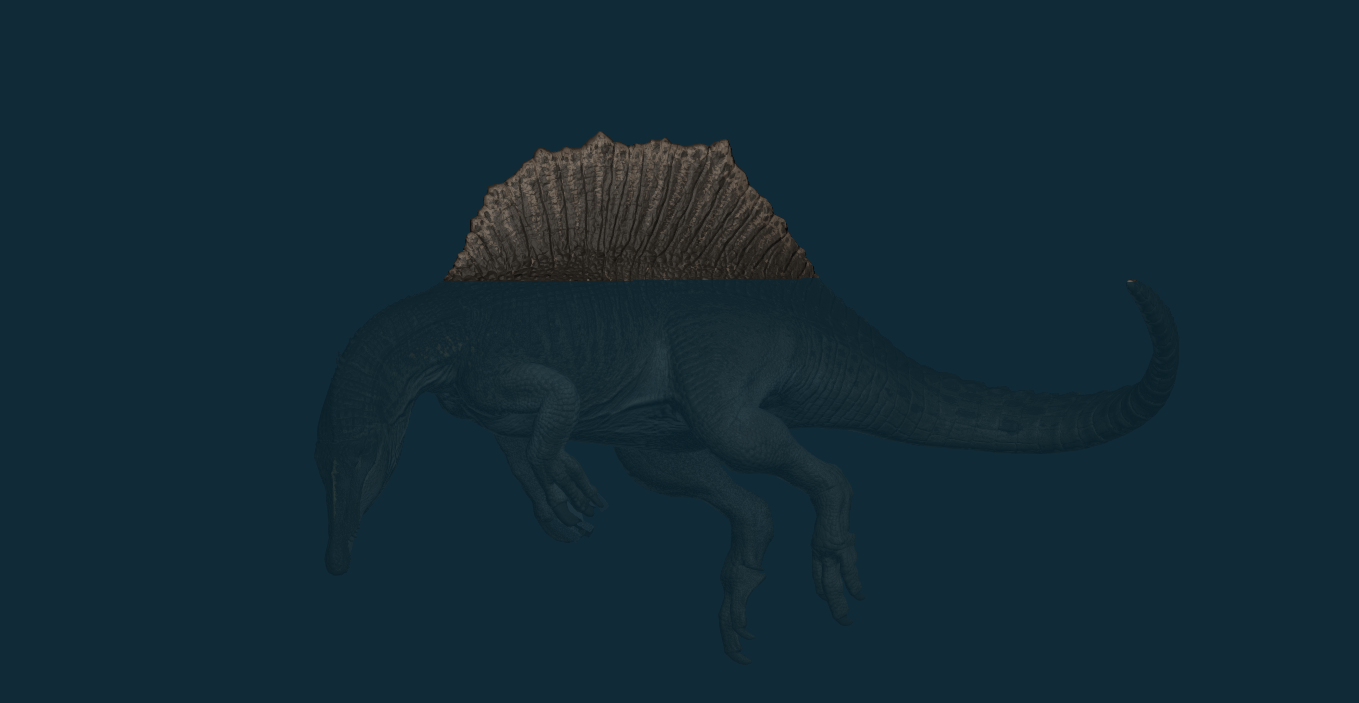
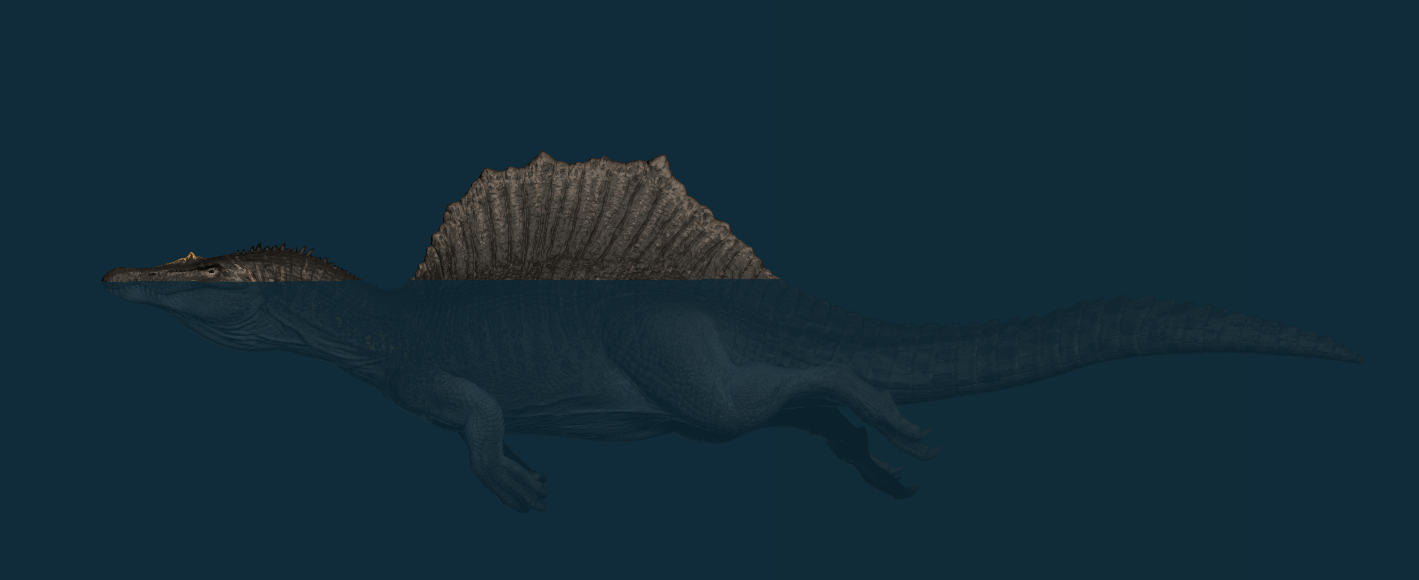
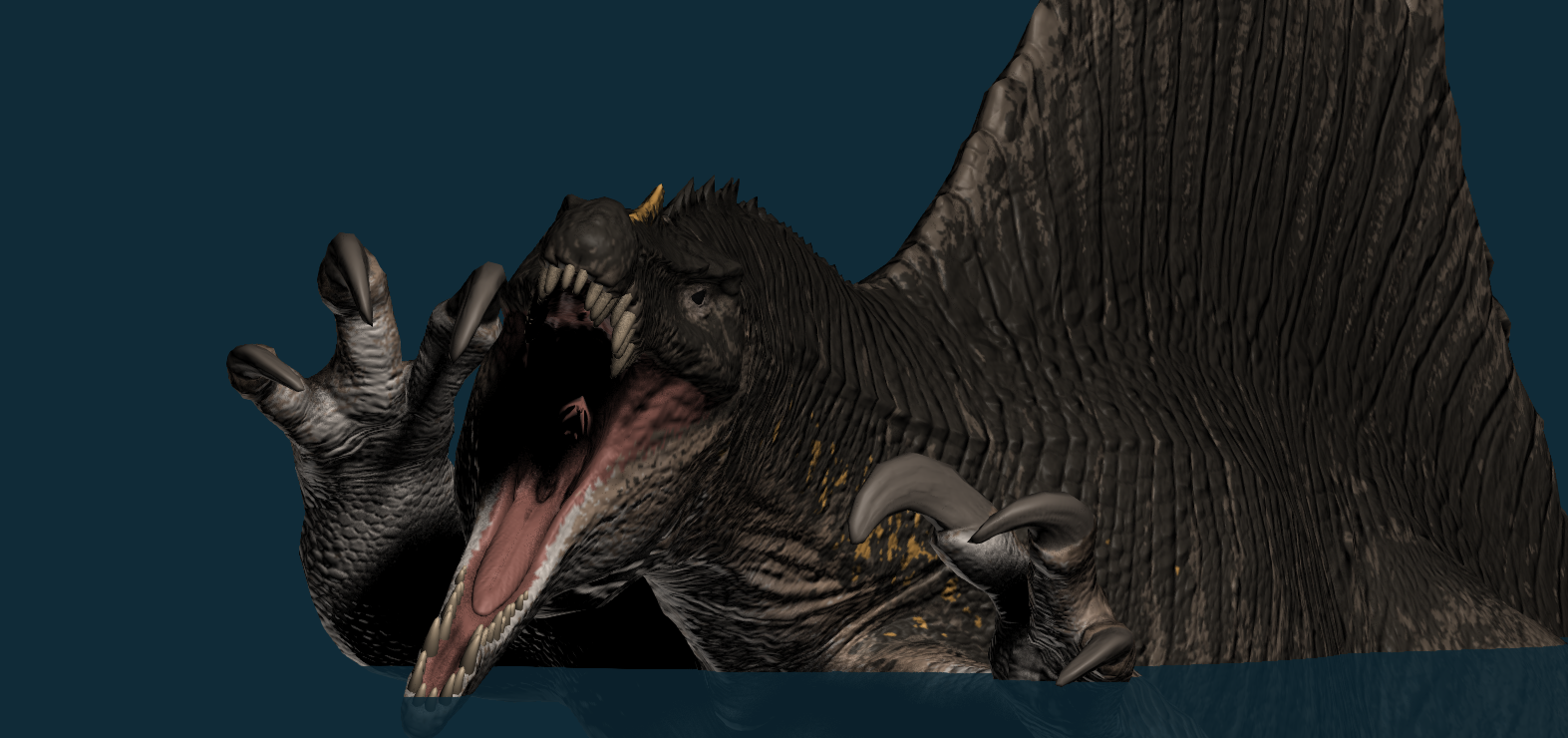
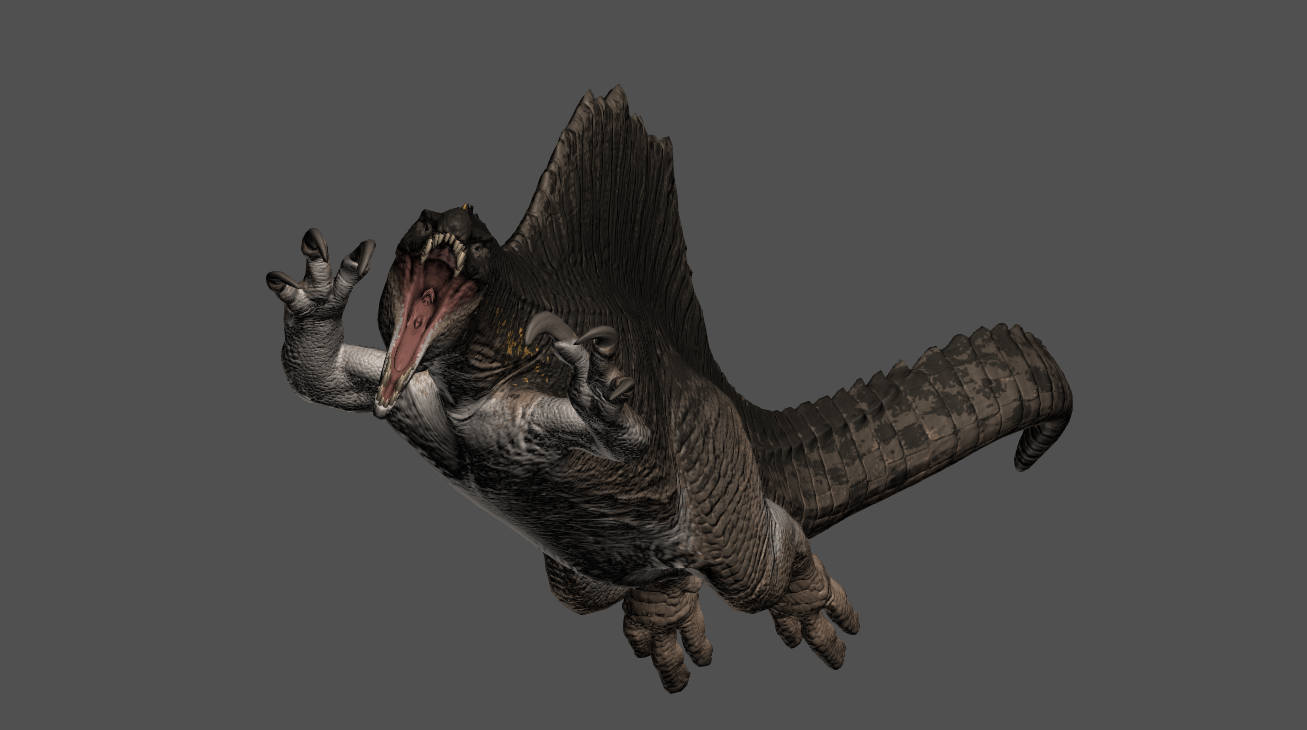
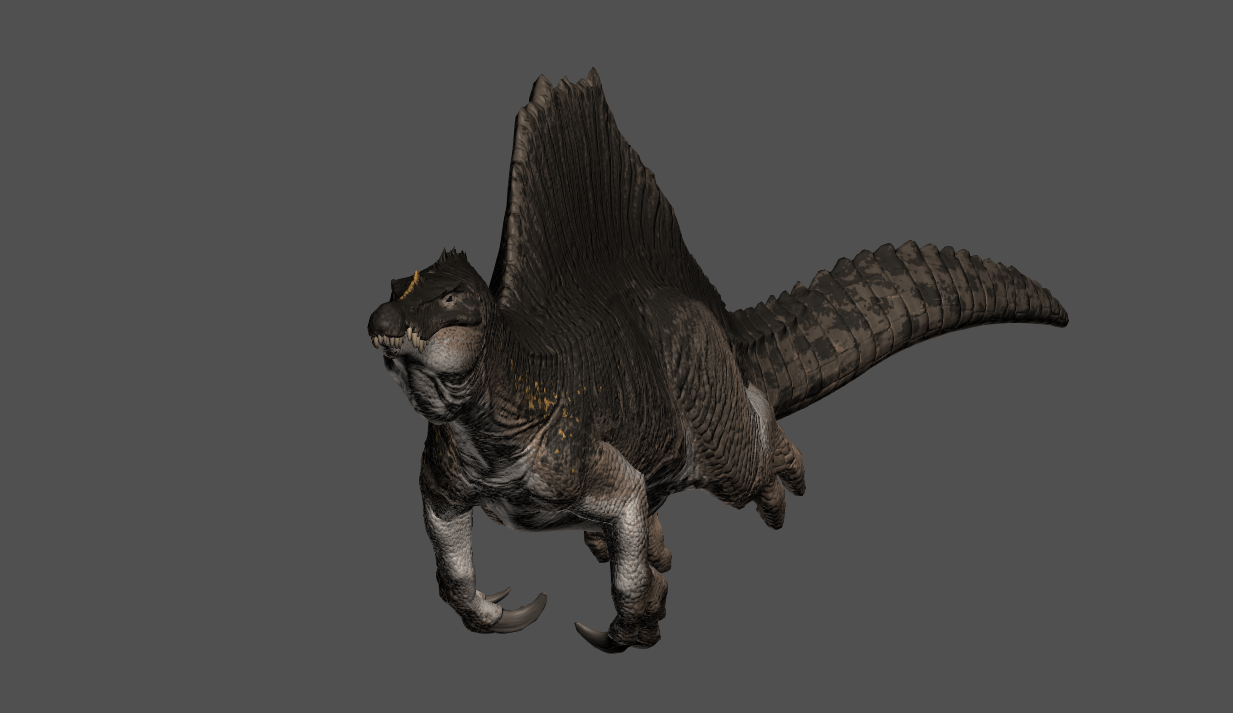
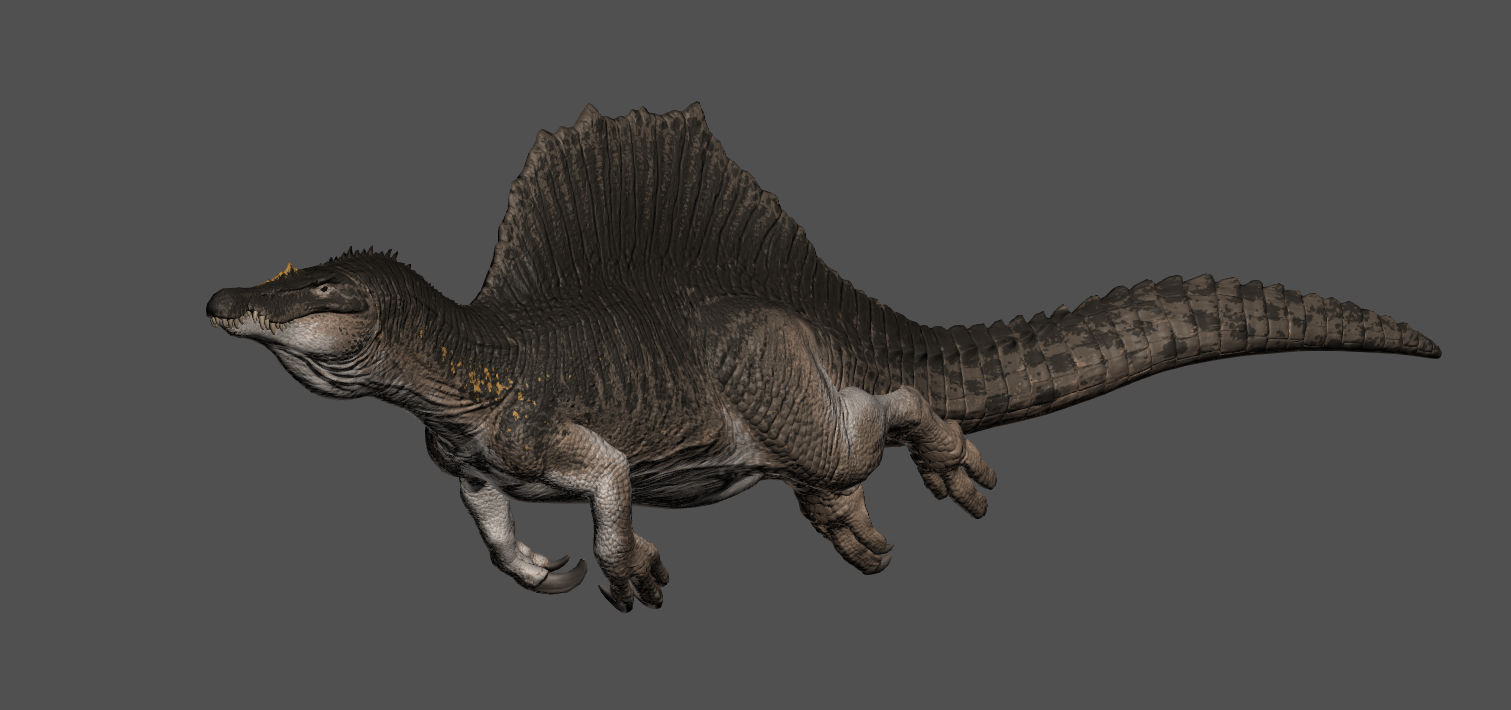
We have many irons on the fire right now with so many creatures needing testing all at once. So next month, should things go according to my grand master plans, I’ll be reviewing in no particular order, oviraptor, baryonyx, camarasaurus, quetzalcoatylus and avaceratops as well. May even get into some more human animations. We’ll see. Lastly, I've started exploring spinosaurus since it’s the next playable after parasaurolophus. Running the rig through the motions so I can assure the newest rig has the additions needed to really allow it to perform on a scale worthy of its embodiment. I intend for it to be a very impressive specimen. That’s all for now. Catch you next time!
What's Your Reaction?








XINKER - Business and Income Tips
Explore XINKER, the ultimate platform for mastering business strategies, discovering passive income opportunities, and learning success principles. Join a community of thinkers dedicated to achieving financial freedom and entrepreneurial excellence.


![[Business Talk] Chagee: Opening 3,500 stores in 6 years](https://xinker.org/uploads/images/202410/image_140x98_671afce94bf91.webp)