

![[PRO Tips] Gold’s Bullish Revival: Seasonal Trends and Key Levels to Watch](https://xinker.org/uploads/images/202412/image_430x256_67724cc6ad0cd.webp)
![[PRO Tips] Gold Market Under Short-Term Pressure, Safe-Haven Demand and Central Bank Buying Support Long-Term Upside Potential](https://xinker.org/uploads/images/202412/image_430x256_676ffb4685287.webp)
![[PRO Tips] Analysis of 9 key points of differentiation strategy! Master differentiation to create a brand advantage that is unique in the world!](https://firebasestorage.googleapis.com/v0/b/xinker-tips.appspot.com/o/article_thumbnails%2Fscaled_differentiation%20strategy.png.png?alt=media&token=a1bfc3d2-e85a-4db7-8a6d-01c7274f8940)
![[PRO Tips] Will REITs regain growth momentum in 2024? 3 REITs ETFs you must know if you want to invest in real estate.](https://firebasestorage.googleapis.com/v0/b/xinker-tips.appspot.com/o/article_thumbnails%2Fscaled_REITs1.png.png?alt=media&token=8af4eb93-33ff-466f-8039-b6555fad52b4)
![[PRO Tips] Complete tutorial on how to make money in Adobe Stock!](https://firebasestorage.googleapis.com/v0/b/xinker-tips.appspot.com/o/article_thumbnails%2Fscaled_tut-adobe1.png.png?alt=media&token=0b2c8cf2-22bd-4142-883e-140ed1cbaf02)
![[Passive Income] Unlock the secret of passive income: 3 steps to apply for Google AdSense](https://xinker.org/uploads/images/202410/image_430x256_6717a4fb3052b.webp)
![[Passive Income] Earn over $200 a day with AI-generated articles!](https://firebasestorage.googleapis.com/v0/b/xinker-tips.appspot.com/o/article_thumbnails%2Fscaled_article1.png.png?alt=media&token=f61bf35b-8553-4719-826d-7360024adc70)
![[Passive Income] Earn over 20 USD per download with AI-generated images!](https://firebasestorage.googleapis.com/v0/b/xinker-tips.appspot.com/o/article_thumbnails%2Fscaled_adobe2.png.png?alt=media&token=3e20e76a-a907-45af-80aa-bf9b3600301f)
![[Passive Income] Earn 10 USD per new download by sharing CapCut!](https://firebasestorage.googleapis.com/v0/b/xinker-tips.appspot.com/o/article_thumbnails%2Fscaled_capcut2.png.png?alt=media&token=a04dec40-1fac-4857-86f2-19a8be02d38e)
![[Passive Income] Use your WiFi to create passive income in 5 minutes, and you can earn 4-6 U per day!](https://firebasestorage.googleapis.com/v0/b/xinker-tips.appspot.com/o/article_thumbnails%2Fscaled_Grassio.webp.png?alt=media&token=7659a95e-0e47-4f27-a17d-c942ac3cf7f4)


![[Business Talk] The Unique Theme of XINKER's Song: Beef Wellington and Business Mastery](https://xinker.org/uploads/images/202410/image_430x256_671afc155f47f.webp)
![[Business Talk] Chagee: Opening 3,500 stores in 6 years](https://xinker.org/uploads/images/202410/image_430x256_671afce80c5f9.webp)


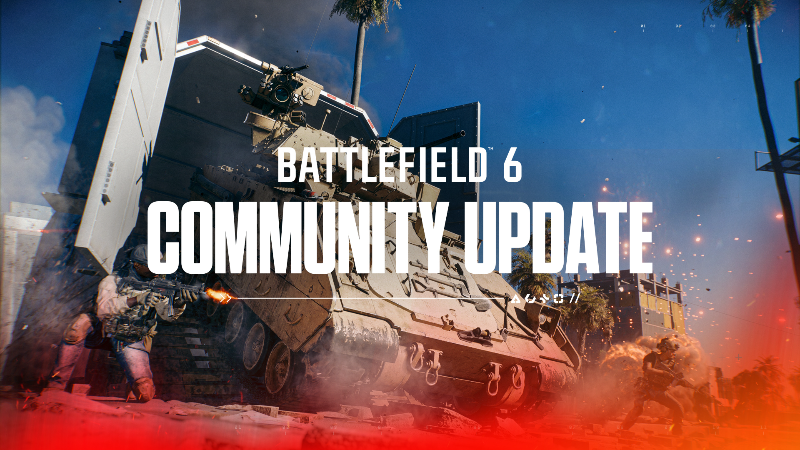
Battlefield 6 - Community Update - Land Vehicle Improvements
What We’ve LearnedMore Predictable Vehicle CombatMore Controlled SurvivabilityIncreased Control and ResponsivenessWhat This Means in GameplayLoadouts and Supporting ChangesFuture UpdatesHey everyone,I’m Chris Matte, a Game Designer at DICE working on vehicles and gadgets. Today, I wanted to take a closer look at vehicle gameplay in Battlefield 6, with a focus on land combat vehicles, alongside targeted improvements across the wider vehicle sandbox coming with Season 3.Over the past months, we’ve been reviewing your feedback on vehicle performance across Battlefield Labs and the live game. While vehicles are broadly balanced from a statistical perspective, your feedback has made it clear that the moment-to-moment experience hasn’t always felt as satisfying as it should, particularly when it comes to how vehicle strengths and drawbacks play out in combat.I’ve been working with the team to break this down and identify where improvements are needed. With Season 3, our focus is on making vehicle gameplay more consistent, readable, and responsive.What We’ve LearnedWe’ve seen consistent feedback around predictability, survivability, and responsiveness in vehicle combat, both when fighting in vehicles and against them.Vehicle encounters can feel difficult to read during combat, with outcomes that aren’t always clear in the moment. In some situations, vehicles feel too fragile, while in others, they can feel too difficult to deal with, especially when supported by Engineers or coordinated repairs. This applies whether you’re engaging another vehicle or trying to take one down as infantry, and it’s not always clear why an engagement plays out the way it does.We’ve also seen that the most effective vehicle playstyles often lean toward low-risk, long-range engagements. While this is an effective approach, we also want to make front-line vehicle strategies more viable, helping squads capture and defend objectives through more deliberate and tactical use.Our goal with these changes is to address these friction points directly, improving how vehicle gameplay feels without fundamentally changing its role on the battlefield.More Predictable Vehicle CombatOne of the most important areas we’ve focused on is making vehicle combat more consistent and easier to follow. We’re toning down some of the extremes of our damage system while helping players better anticipate the outcome of engagements.Previously, many anti-tank tools were capable of eliminating tanks in only two hits. With the exception of some specialized tools, this will be increased to three hits across the board. Flanking vehicles will remain the most effective way to neutralize them, but will offer vehicle players more opportunity for counterplay.Alongside this, we’re simplifying some elements of the damage calculation system. Instead of a wide, continuous range of possible values, hits will fall into a smaller set of clearly defined outcomes based on impact angle and location.For example, currently in game, hitting a tank from the side with an RPG could deal a wide range of damage depending on subtle differences in angle, making it difficult to judge how many hits a vehicle could take.With these changes, those outcomes will be much more consistent. A similar shot will result in one of a small number of predictable damage values depending on the quality of the hit. This still rewards positioning and lining up strong angles, but makes it much easier to understand how much damage is being dealt by incoming projectiles.We’re also reducing the number of vehicle-specific damage modifiers and rebalancing vehicle health pools. Previously, vehicles like the MBT could be more durable than the IFV in certain situations, but just as fragile in others depending on hit angle or location. By removing these inconsistencies and relying more on overall health differences, it becomes much easier to understand how many more hits a vehicle can take.Finally, we’re also making changes to guided weapons so their damage is no longer affected by impact angles or hit location. Weapons that are not manually aimed will deal a consistent amount of damage. We’re also making improvements to how anti-air missiles interact with countermeasures such as flares to improve the reliability of those tools.More Controlled SurvivabilityAnother key area of feedback has been how inconsistent vehicle survivability can feel, particularly depending on access to repairs and support. While vehicles could sometimes feel fragile, in other cases stacking repairs could allow them to sustain through heavy damage and create stalemates during vehicle engagements. To address this, we’re making changes to how vehicles recover health and how repairs behave in and out of combat.Instead of repairing at a constant rate, they will begin strong, but weaken over time while a vehicle remains in combat. Additionally, we’re introducing diminishing returns when multiple Engineers are repairing the same vehicle at the same time. The
What We’ve Learned
More Predictable Vehicle Combat
More Controlled Survivability
Increased Control and Responsiveness
What This Means in Gameplay
Loadouts and Supporting Changes
Future Updates
Hey everyone,
I’m Chris Matte, a Game Designer at DICE working on vehicles and gadgets. Today, I wanted to take a closer look at vehicle gameplay in Battlefield 6, with a focus on land combat vehicles, alongside targeted improvements across the wider vehicle sandbox coming with Season 3.
Over the past months, we’ve been reviewing your feedback on vehicle performance across Battlefield Labs and the live game. While vehicles are broadly balanced from a statistical perspective, your feedback has made it clear that the moment-to-moment experience hasn’t always felt as satisfying as it should, particularly when it comes to how vehicle strengths and drawbacks play out in combat.
I’ve been working with the team to break this down and identify where improvements are needed. With Season 3, our focus is on making vehicle gameplay more consistent, readable, and responsive.
We’ve seen consistent feedback around predictability, survivability, and responsiveness in vehicle combat, both when fighting in vehicles and against them.
Vehicle encounters can feel difficult to read during combat, with outcomes that aren’t always clear in the moment. In some situations, vehicles feel too fragile, while in others, they can feel too difficult to deal with, especially when supported by Engineers or coordinated repairs. This applies whether you’re engaging another vehicle or trying to take one down as infantry, and it’s not always clear why an engagement plays out the way it does.
We’ve also seen that the most effective vehicle playstyles often lean toward low-risk, long-range engagements. While this is an effective approach, we also want to make front-line vehicle strategies more viable, helping squads capture and defend objectives through more deliberate and tactical use.
Our goal with these changes is to address these friction points directly, improving how vehicle gameplay feels without fundamentally changing its role on the battlefield.
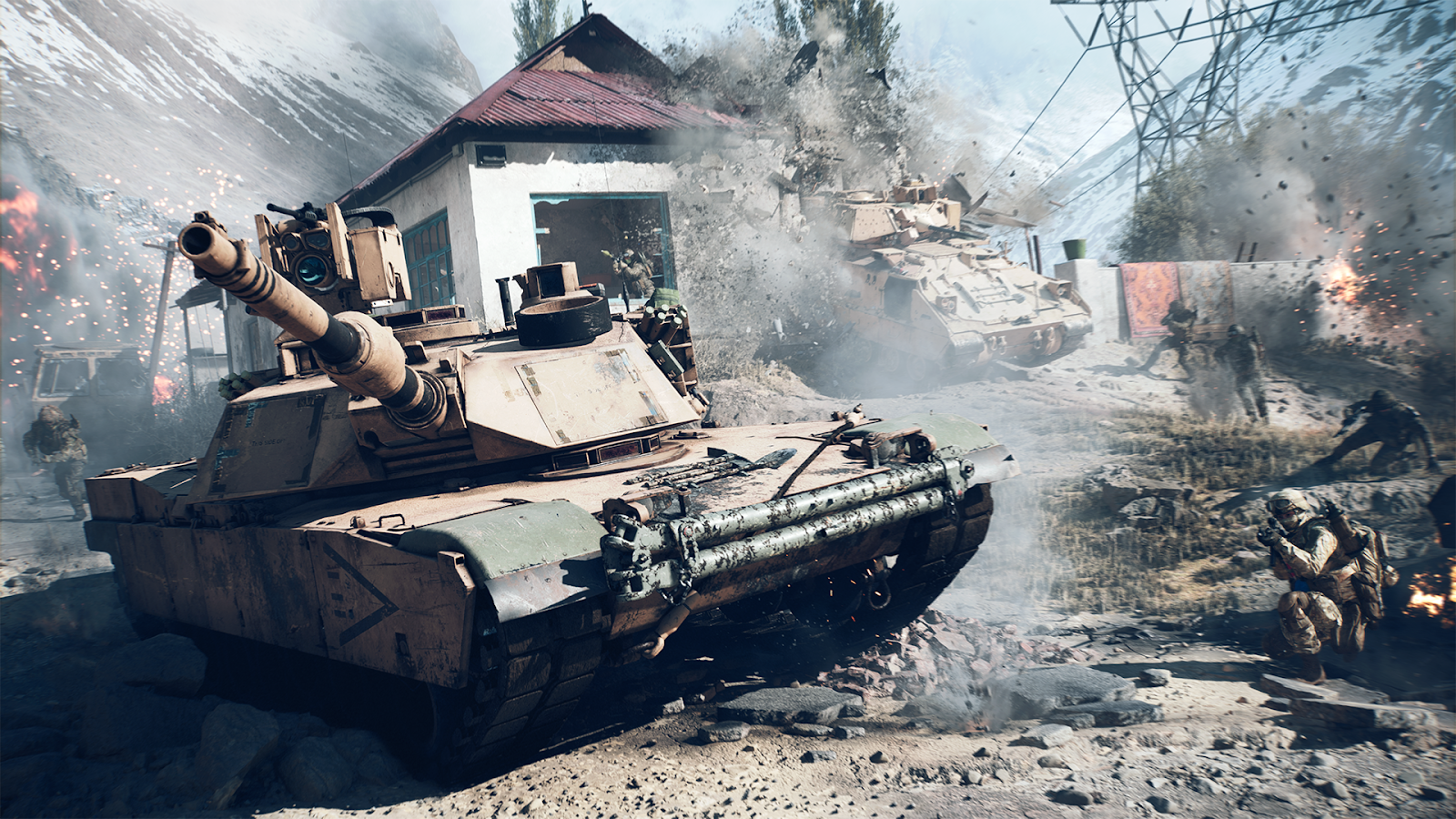
One of the most important areas we’ve focused on is making vehicle combat more consistent and easier to follow. We’re toning down some of the extremes of our damage system while helping players better anticipate the outcome of engagements.
Previously, many anti-tank tools were capable of eliminating tanks in only two hits. With the exception of some specialized tools, this will be increased to three hits across the board. Flanking vehicles will remain the most effective way to neutralize them, but will offer vehicle players more opportunity for counterplay.
Alongside this, we’re simplifying some elements of the damage calculation system. Instead of a wide, continuous range of possible values, hits will fall into a smaller set of clearly defined outcomes based on impact angle and location.
For example, currently in game, hitting a tank from the side with an RPG could deal a wide range of damage depending on subtle differences in angle, making it difficult to judge how many hits a vehicle could take.
With these changes, those outcomes will be much more consistent. A similar shot will result in one of a small number of predictable damage values depending on the quality of the hit. This still rewards positioning and lining up strong angles, but makes it much easier to understand how much damage is being dealt by incoming projectiles.
We’re also reducing the number of vehicle-specific damage modifiers and rebalancing vehicle health pools. Previously, vehicles like the MBT could be more durable than the IFV in certain situations, but just as fragile in others depending on hit angle or location. By removing these inconsistencies and relying more on overall health differences, it becomes much easier to understand how many more hits a vehicle can take.
Finally, we’re also making changes to guided weapons so their damage is no longer affected by impact angles or hit location. Weapons that are not manually aimed will deal a consistent amount of damage. We’re also making improvements to how anti-air missiles interact with countermeasures such as flares to improve the reliability of those tools.
Another key area of feedback has been how inconsistent vehicle survivability can feel, particularly depending on access to repairs and support. While vehicles could sometimes feel fragile, in other cases stacking repairs could allow them to sustain through heavy damage and create stalemates during vehicle engagements. To address this, we’re making changes to how vehicles recover health and how repairs behave in and out of combat.
Instead of repairing at a constant rate, they will begin strong, but weaken over time while a vehicle remains in combat. Additionally, we’re introducing diminishing returns when multiple Engineers are repairing the same vehicle at the same time. These changes keep coordination valuable, while ensuring repairs don’t scale in a way that becomes overly difficult to counter.
At the same time, we’re reworking health regeneration by removing health brackets from all vehicles. Vehicles will take longer to begin regenerating health after exiting combat, increasing from roughly 6 seconds to 12 seconds. Once regeneration begins, however, it will be significantly faster, increasing from around 5% of health per second to 10% per second, and will continue all the way to full health instead of stopping at set thresholds.
Even when critically damaged, vehicles will no longer be prevented from regenerating entirely. Instead, regeneration will continue at a heavily reduced rate, roughly 80% slower than normal. Overall, this means vehicles take longer to safely recover during combat, but are more self-sufficient once they successfully disengage.
Together, these changes help make survivability more predictable and reduce extreme outcomes, helping players better understand when to push, disengage, or commit to repairs, while also ensuring vehicles remain effective without requiring constant support.
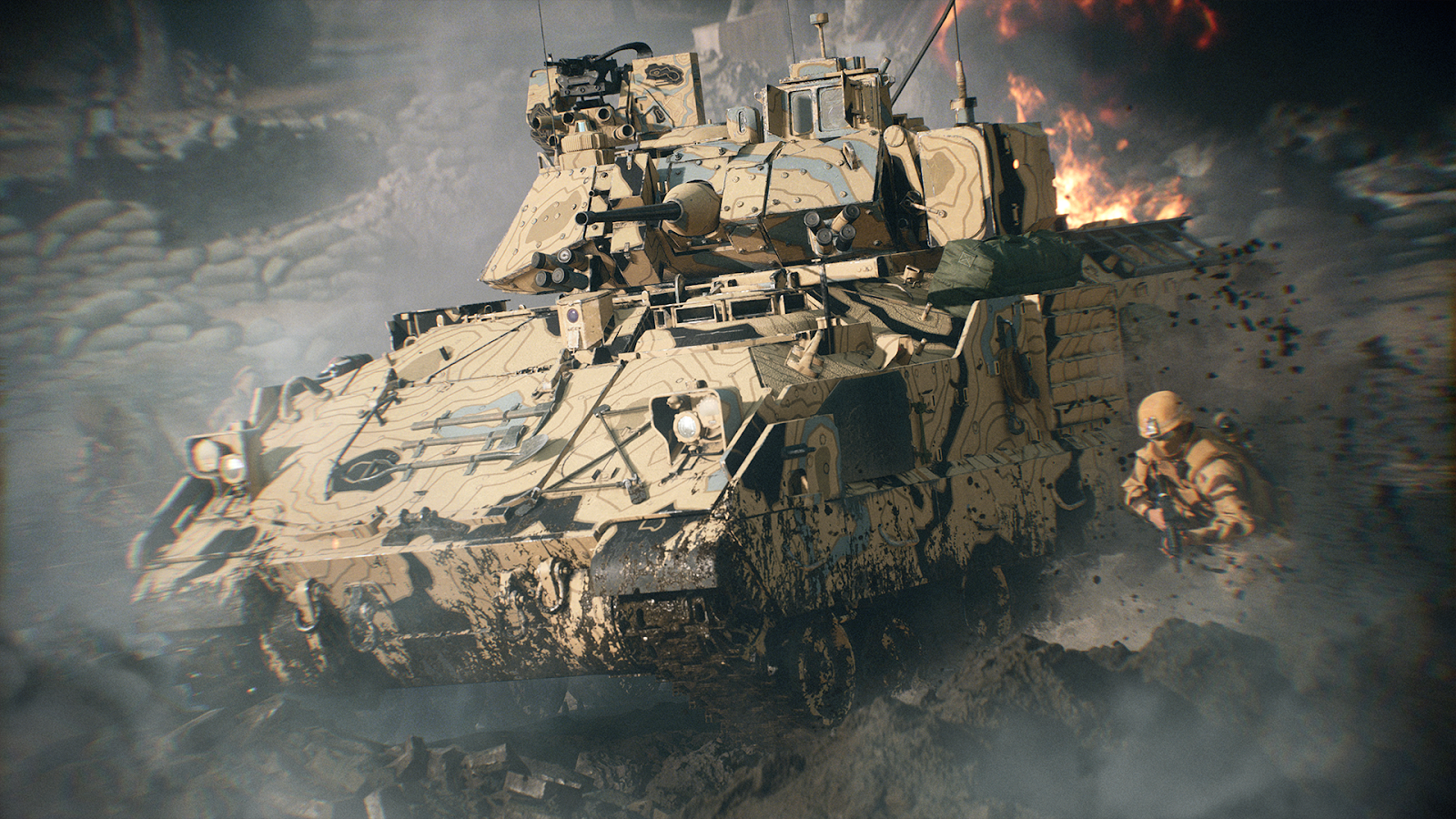
Responsiveness has also been a major focus area, particularly in how vehicles handle under pressure.
Controlling a tank should convey its weight and presence while still allowing players to react quickly to changing situations. We’re improving acceleration and turning to make vehicles more responsive in movement.
We’re also increasing turret rotation speeds and improving how aiming behaves, especially in first-person view. This should help tracking targets feel more aligned with player input, particularly during close-range engagements.
Additionally, we’re reducing how often armored vehicles lose mobility as a result of taking damage. Immobilization will be tied to specific tools, such as anti-vehicle mines, rather than being triggered by general incoming damage. This allows players to retain control in critical moments while still creating clear counterplay opportunities.
For air vehicles, we’re also making improvements to threat awareness, including new UI indicators that help pilots better identify incoming missiles and nearby threats, giving more time to react and make informed decisions in combat.
These changes give vehicle players more control in combat and help them respond more effectively to developing threats.
Taken together, these changes are designed to support more active and engaging vehicle gameplay.
By making combat easier to read, handling more responsive, and survivability more consistent, players are better equipped to make more meaningful decisions about how they play. This creates more opportunities to engage, reposition, and influence the flow of battle.
Our goal is to give players the tools and confidence to take calculated risks, push objectives, and play a more active role on the battlefield when the situation calls for it, whether you’re on foot or pushing a control point in a tank.
To support these changes, we’re also making adjustments to vehicle and Engineer loadouts.
Some customization options that contributed to unclear gameplay outcomes are being removed or reworked. For example, we’re removing the Reinforced Plating upgrade, as it made it harder to judge incoming damage and overshadowed other choices. To support this change, we’re adjusting baseline vehicle durability and replacing it with a new passive that speeds up the recharge rate of countermeasures, such as Projectile Intercept System and Thermal-Blocking Smoke, while at low HP.
At the same time, we’ve made targeted improvements to underused vehicle equipment and passives to make them more impactful and worth choosing. Thermal Smoke will deal damage to enemy soldiers within its radius, increasing its defensive value in close-quarters encounters. Counterfire Radar will include a passive component to improve its uptime and overall utility, providing more consistent battlefield awareness. We’ve also expanded equipment options for vehicles like the IFV, which will have access to additional tools such as Mine Countermeasures and the Mobile Command Center, increasing its flexibility in different combat roles.
In addition, we’re taking a closer look at Engineer loadouts. As part of this update, we’re completing a full balance pass on launchers, including improvements to underused options like the 9K38 IGLA and MBT-LAW. These changes include adjustments to damage and projectile behavior, helping each launcher feel more reliable and distinct in its role.
We’re also applying the same approach to anti-vehicle mines, giving each option a clearer purpose within the sandbox so that choosing between them becomes a more deliberate decision.
Overall, these changes are designed to create a healthier balance across the Engineer toolkit, reducing reliance on a small number of dominant loadouts while supporting a wider range of viable choices in vehicle combat.
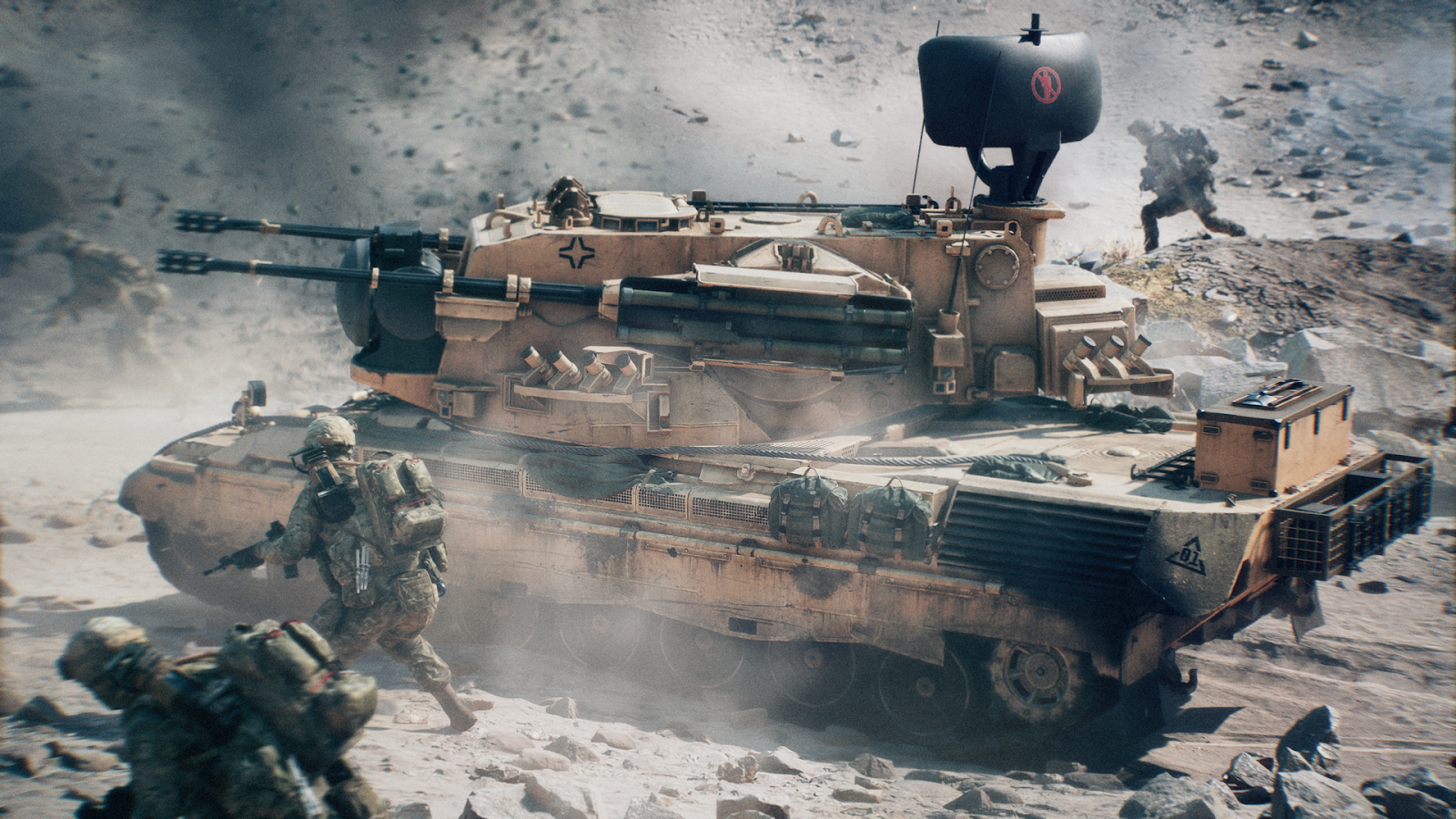
These are some of the key updates and the thinking behind our approach to vehicle gameplay, but it doesn’t cover every change. There’s more coming across vehicle survivability, handling, and UI, and we’ll share full Update Notes closer to the release of Season 3.
We’ll continue building on these updates across the wider vehicle sandbox, including further improvements to air vehicle gameplay as we evaluate feedback and live performance.
We’re also reviewing how vehicles perform across Battlefield 6 experiences, including REDSEC, where further Battle Royale specific adjustments are planned to ensure vehicles are balanced for the specific experience.
Your experiences in-game and in Battlefield Labs remain a key part of how we refine and evolve Battlefield 6. Thank you for your continued feedback and for being part of the community.
//Chris Matte, Game Designer
This announcement may change as we listen to community feedback and continue developing and evolving our Live Service & Content. We will always strive to keep our community as informed as possible.
What's Your Reaction?










![[Business Talk] Chagee: Opening 3,500 stores in 6 years](https://xinker.org/uploads/images/202410/image_140x98_671afce94bf91.webp)