![[PRO Tips] Gold’s Bullish Revival: Seasonal Trends and Key Levels to Watch](https://xinker.org/uploads/images/202412/image_430x256_67724cc6ad0cd.webp)
![[PRO Tips] Gold Market Under Short-Term Pressure, Safe-Haven Demand and Central Bank Buying Support Long-Term Upside Potential](https://xinker.org/uploads/images/202412/image_430x256_676ffb4685287.webp)
![[PRO Tips] Analysis of 9 key points of differentiation strategy! Master differentiation to create a brand advantage that is unique in the world!](https://firebasestorage.googleapis.com/v0/b/xinker-tips.appspot.com/o/article_thumbnails%2Fscaled_differentiation%20strategy.png.png?alt=media&token=a1bfc3d2-e85a-4db7-8a6d-01c7274f8940)
![[PRO Tips] Will REITs regain growth momentum in 2024? 3 REITs ETFs you must know if you want to invest in real estate.](https://firebasestorage.googleapis.com/v0/b/xinker-tips.appspot.com/o/article_thumbnails%2Fscaled_REITs1.png.png?alt=media&token=8af4eb93-33ff-466f-8039-b6555fad52b4)
![[PRO Tips] Complete tutorial on how to make money in Adobe Stock!](https://firebasestorage.googleapis.com/v0/b/xinker-tips.appspot.com/o/article_thumbnails%2Fscaled_tut-adobe1.png.png?alt=media&token=0b2c8cf2-22bd-4142-883e-140ed1cbaf02)
![[Passive Income] Unlock the secret of passive income: 3 steps to apply for Google AdSense](https://xinker.org/uploads/images/202410/image_430x256_6717a4fb3052b.webp)
![[Passive Income] Earn over $200 a day with AI-generated articles!](https://firebasestorage.googleapis.com/v0/b/xinker-tips.appspot.com/o/article_thumbnails%2Fscaled_article1.png.png?alt=media&token=f61bf35b-8553-4719-826d-7360024adc70)
![[Passive Income] Earn over 20 USD per download with AI-generated images!](https://firebasestorage.googleapis.com/v0/b/xinker-tips.appspot.com/o/article_thumbnails%2Fscaled_adobe2.png.png?alt=media&token=3e20e76a-a907-45af-80aa-bf9b3600301f)
![[Passive Income] Earn 10 USD per new download by sharing CapCut!](https://firebasestorage.googleapis.com/v0/b/xinker-tips.appspot.com/o/article_thumbnails%2Fscaled_capcut2.png.png?alt=media&token=a04dec40-1fac-4857-86f2-19a8be02d38e)
![[Passive Income] Use your WiFi to create passive income in 5 minutes, and you can earn 4-6 U per day!](https://firebasestorage.googleapis.com/v0/b/xinker-tips.appspot.com/o/article_thumbnails%2Fscaled_Grassio.webp.png?alt=media&token=7659a95e-0e47-4f27-a17d-c942ac3cf7f4)


![[Business Talk] The Unique Theme of XINKER's Song: Beef Wellington and Business Mastery](https://xinker.org/uploads/images/202410/image_430x256_671afc155f47f.webp)
![[Business Talk] Chagee: Opening 3,500 stores in 6 years](https://xinker.org/uploads/images/202410/image_430x256_671afce80c5f9.webp)

1666 Amsterdam is out and unfinished – but that's the whole point
Finding something genuinely exciting and fresh in the world of video games is getting harder by the year. Not that I think the pursuit of novelty supersedes all else – some games work best when they deviate as little as possible from their well-established subgenres. But 1666 Amsterdam already feels like the perfect Early Access game for all the ways it defies expectation. Helmed by Patrice Désilets, the founding father of Assassin's Creed, Panache Digital Game's hard-won-back IP existing in a playable state in 2026 feels like a victory lap in itself. That said, experiencing the witchy action-adventure first-hand during a 1666 Amsterdam preview did expose some of its more obvious teething problems. The combat is perhaps the roughest element, fast-paced melee moves interspersed with spell-slinging demanding a lot of my already compromised hand-eye coordination skills. The lack of a parry or block button also left me flitting around battle arenas in search of a safe tile to heal on. But that can be excused when the game is so replete with gorgeous technical and thematic touches, all linking back to the love with which this game is being made. Early Access kicks off today, I already feel that 1666 Amsterdam is the kind of game a player-tested work-in-progress period was made for. Panache doesn't think it's perfect; it wants your help to make it better.Casting a spell (Image credit: Panache Digital Games) Sisterhood Noa's journey is entirely separate, but there are plenty of games like Assassin's Creed if you're craving some stealth action goodness Early Access is an indie phenomenon that many triple-A games could learn a lesson from. Whether it's Baldur's Gate 3's numerous transformations over three years of EA (I still can't picture Astarion as a tiefling) or the multiplayer ghost-busting banger Phasmophobia's ever-changing maps, and UI some games need a player's eye to temper that of the developer. 1666 Amsterdam is no exception, and it already started off on the back foot. Désilets spent three years in legal battles to win the IP back for his own studio after being dismissed from THQ Nordic, which at the time had been recently acquired by his ex-employer Ubisoft. I did get a bit nervous when the publisher then revealed a tonally similar upcoming Assassin's Creed game six years after Désilets' victory, with possibly pagan or witchcraft-adjacent themes as well. But I needn't have worried, because 1666 Amsterdam looks and feels nothing like any of the best Assassin's Creed games – nor does it want to. All the wonderful touches that Désilets has been working on behind the scenes cement 1666 as the most unique game I've played in years. It immediately sets it apart from rumored German witch trials-set Assassin's Creed Hexe for its beautifully realized Dutch setting, with the city sectioned off into districts rather than being a full open world. Then there's the roguelike approach to abilities, a strong focus on demonic detective work, and the fact that you control your very own feline familiar who has time-traveled to your shoulder from the 1990s. It's as quirky and experimental as an indie game can get. (Image credit: Panache Digital Games) But Désilets' passion doesn't mean he's not open to public opinion. "This has always been my vision for Panache: to eventually build a game with the community, with people actually playing it, telling us what works and what doesn't, on one side surprising them, and letting them surprise us," he told us at the preview session. He says that the game will have "10 or 15 hours" worth of content when it launches into Early Access on August 25, though "there's more at home," he shared coyly. And hey, I respect Panache for immediately removing those gen AI assets and profusely apologizing for the slip-up so soon after the demo launched two months ago. To me, that sounds like exactly the right approach to its work-in-progress journey. Early Access games need to have something they are working towards, meaning I never expect any of them to feel finished at all. In fact, I prefer them to have a little grit and dirt on them at this stage.Toil and trouble (Image credit: Panache Digital Games) I'll take some slightly crunchy combat in the short term if meaningful reworks are en route. One of my gripes with Supergiant Games' incredible Hades 2 is how it launched into Early Access feeling like a complete game, albeit released in chapters. Balance was needed, boons were retooled, and some pieces of artwork were yet to be finished, but it was clear from the jump that Supergiant had already smoothed out most of its kinks before Hades 2 ever reached player hands.I'm not calling it a cop-out, but hyper-optimized Early Access games almost defeat the point for me. Players getting to muck in with the devs and watch a game take shape from a fairly rough starting point is far more enticing, putting a greater onus on both player and developer to pool resources and shop around for opinions. It's
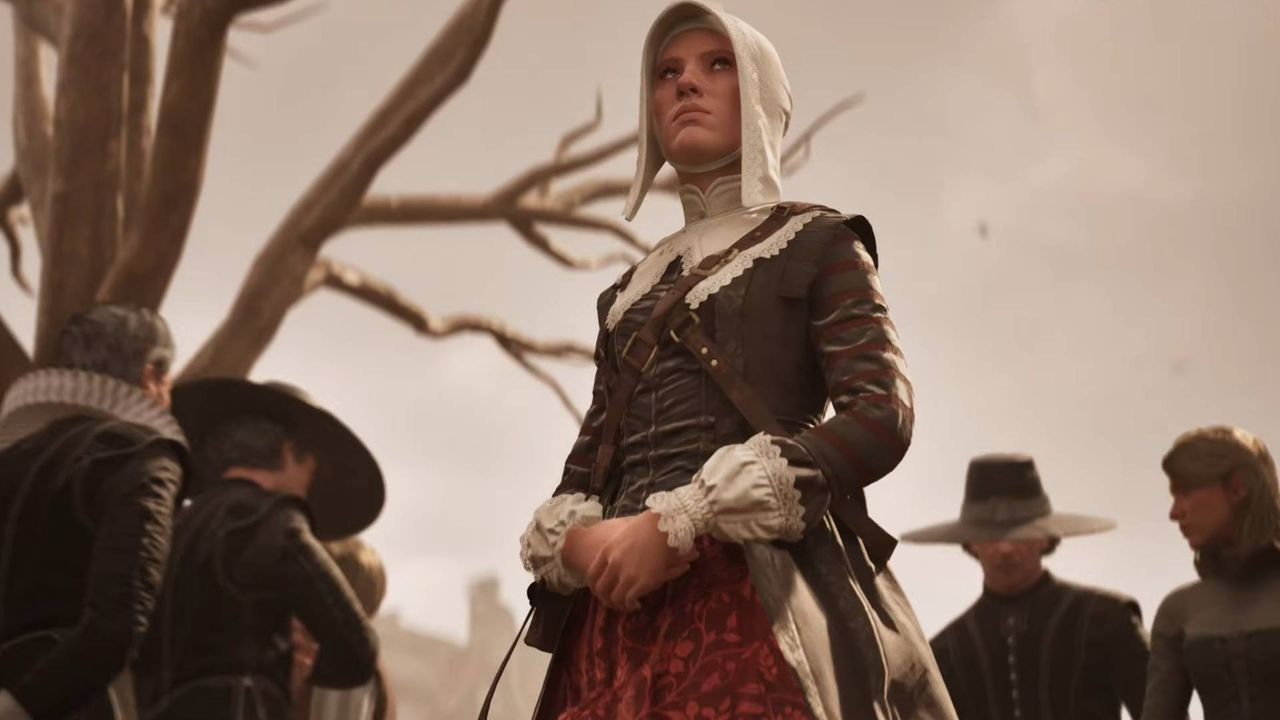 Finding something genuinely exciting and fresh in the world of video games is getting harder by the year. Not that I think the pursuit of novelty supersedes all else – some games work best when they deviate as little as possible from their well-established subgenres. But 1666 Amsterdam already feels like the perfect Early Access game for all the ways it defies expectation.
Helmed by Patrice Désilets, the founding father of Assassin's Creed, Panache Digital Game's hard-won-back IP existing in a playable state in 2026 feels like a victory lap in itself. That said, experiencing the witchy action-adventure first-hand during a 1666 Amsterdam preview did expose some of its more obvious teething problems.
The combat is perhaps the roughest element, fast-paced melee moves interspersed with spell-slinging demanding a lot of my already compromised hand-eye coordination skills. The lack of a parry or block button also left me flitting around battle arenas in search of a safe tile to heal on. But that can be excused when the game is so replete with gorgeous technical and thematic touches, all linking back to the love with which this game is being made.
Early Access kicks off today, I already feel that 1666 Amsterdam is the kind of game a player-tested work-in-progress period was made for. Panache doesn't think it's perfect; it wants your help to make it better.
Casting a spell
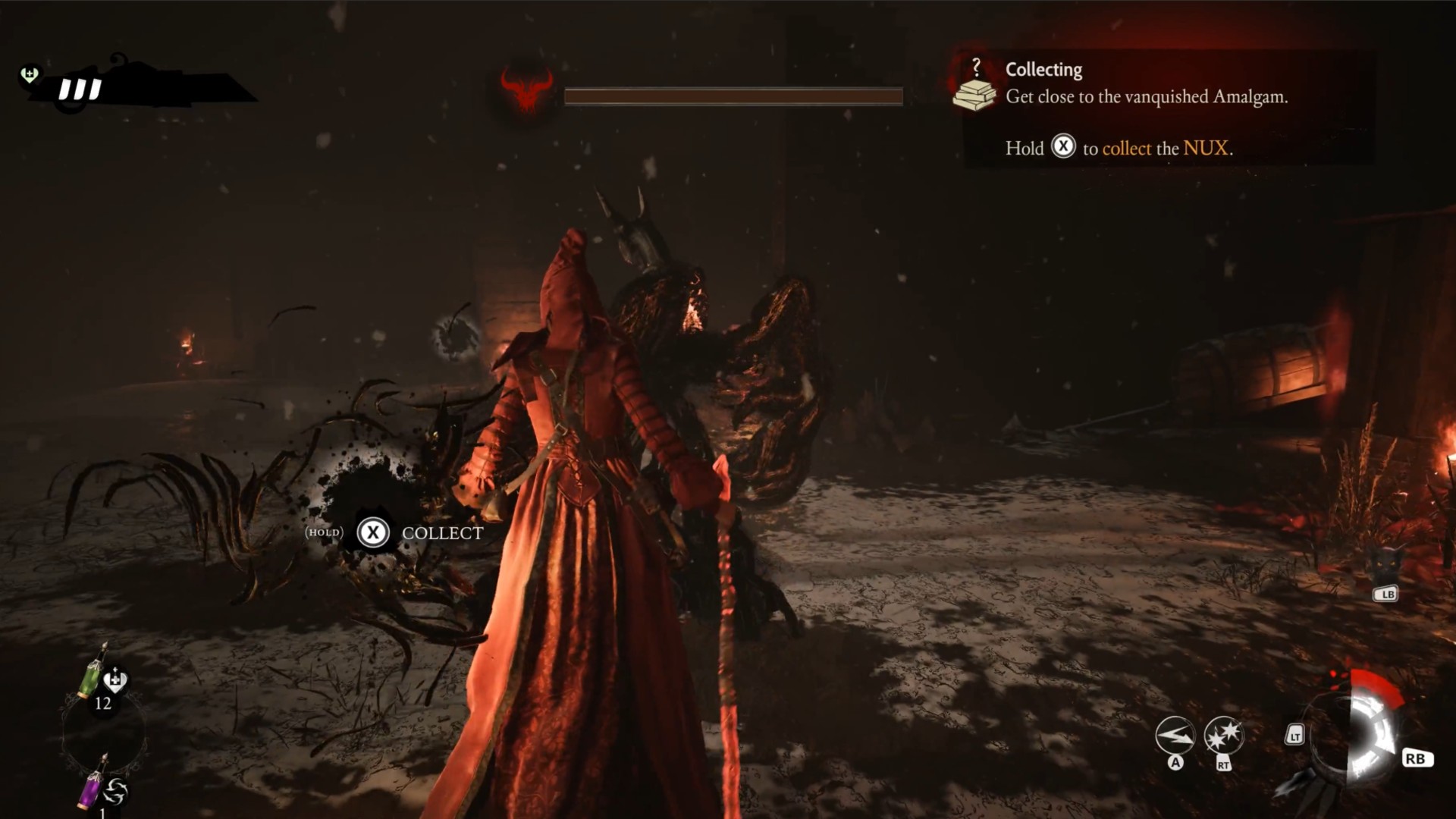
(Image credit: Panache Digital Games) Sisterhood
Noa's journey is entirely separate, but there are plenty of games like Assassin's Creed if you're craving some stealth action goodness
Early Access is an indie phenomenon that many triple-A games could learn a lesson from. Whether it's Baldur's Gate 3's numerous transformations over three years of EA (I still can't picture Astarion as a tiefling) or the multiplayer ghost-busting banger Phasmophobia's ever-changing maps, and UI some games need a player's eye to temper that of the developer.
1666 Amsterdam is no exception, and it already started off on the back foot. Désilets spent three years in legal battles to win the IP back for his own studio after being dismissed from THQ Nordic, which at the time had been recently acquired by his ex-employer Ubisoft. I did get a bit nervous when the publisher then revealed a tonally similar upcoming Assassin's Creed game six years after Désilets' victory, with possibly pagan or witchcraft-adjacent themes as well. But I needn't have worried, because 1666 Amsterdam looks and feels nothing like any of the best Assassin's Creed games – nor does it want to.
All the wonderful touches that Désilets has been working on behind the scenes cement 1666 as the most unique game I've played in years. It immediately sets it apart from rumored German witch trials-set Assassin's Creed Hexe for its beautifully realized Dutch setting, with the city sectioned off into districts rather than being a full open world. Then there's the roguelike approach to abilities, a strong focus on demonic detective work, and the fact that you control your very own feline familiar who has time-traveled to your shoulder from the 1990s. It's as quirky and experimental as an indie game can get.
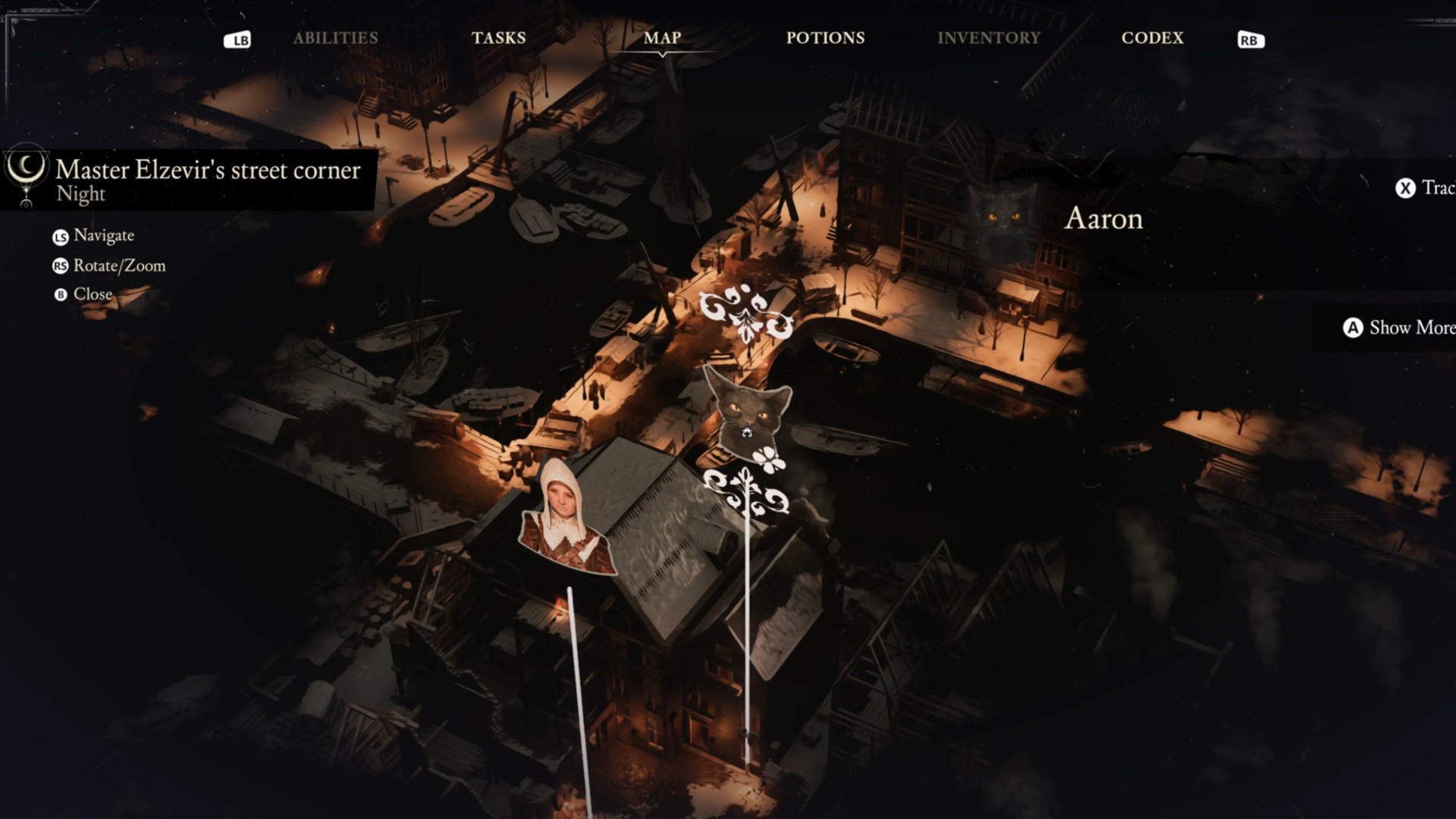
(Image credit: Panache Digital Games) But Désilets' passion doesn't mean he's not open to public opinion. "This has always been my vision for Panache: to eventually build a game with the community, with people actually playing it, telling us what works and what doesn't, on one side surprising them, and letting them surprise us," he told us at the preview session. He says that the game will have "10 or 15 hours" worth of content when it launches into Early Access on August 25, though "there's more at home," he shared coyly. And hey, I respect Panache for immediately removing those gen AI assets and profusely apologizing for the slip-up so soon after the demo launched two months ago.
To me, that sounds like exactly the right approach to its work-in-progress journey. Early Access games need to have something they are working towards, meaning I never expect any of them to feel finished at all. In fact, I prefer them to have a little grit and dirt on them at this stage.
Toil and trouble
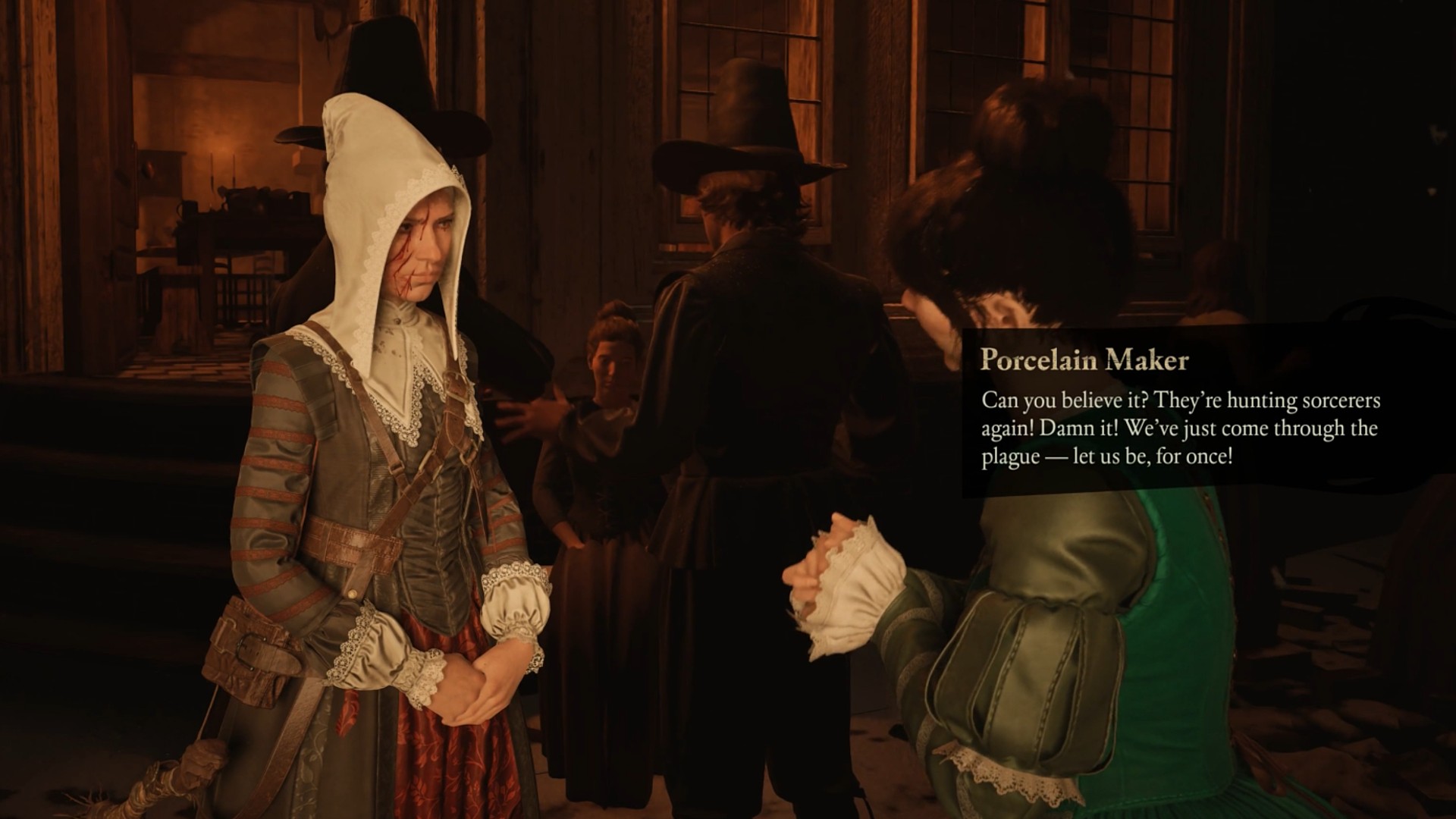
(Image credit: Panache Digital Games) I'll take some slightly crunchy combat in the short term if meaningful reworks are en route.
One of my gripes with Supergiant Games' incredible Hades 2 is how it launched into Early Access feeling like a complete game, albeit released in chapters. Balance was needed, boons were retooled, and some pieces of artwork were yet to be finished, but it was clear from the jump that Supergiant had already smoothed out most of its kinks before Hades 2 ever reached player hands.
I'm not calling it a cop-out, but hyper-optimized Early Access games almost defeat the point for me. Players getting to muck in with the devs and watch a game take shape from a fairly rough starting point is far more enticing, putting a greater onus on both player and developer to pool resources and shop around for opinions. It's exactly why Heroes of Might and Magic: Olden Era is another perfect Early Access game; the lengthy demo provided even more opportunities for devs and players to listen and respond to opinions across the board. It was never meant to be perfect off the cuff. It was meant to excite, provoke, and keep us invested in its journey.
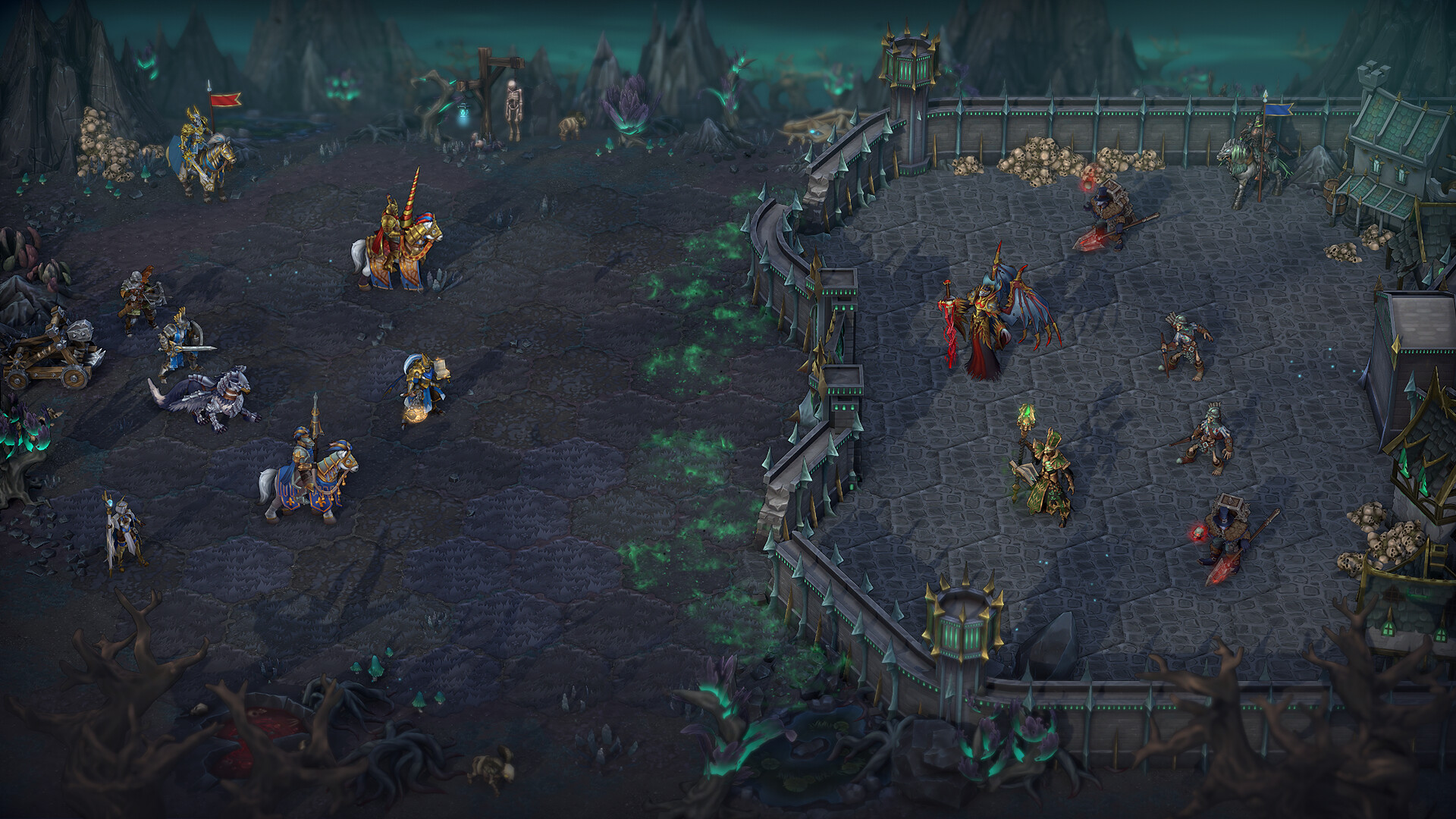
(Image credit: Hooded Horse) With its strong focus on player feedback and a comprehensive set of combat and ability mechanics already in experimentation, 1666 Amsterdam looks set to follow Olden Era's lead. I'll take some slightly crunchy combat in the short term if meaningful reworks are en route. Désilets has waited years to present this game to players, and he doesn't seem precious at all about perhaps killing (or reworking) one or two darlings to make it the game of his dreams and ours.
So if you're on the fence about 1666 Amsterdam after reading about its combat, don't stress yourself out. This is exactly what an Early Access game is meant to look like. You've maybe just forgotten that yourself.
Check out all the upcoming PC games on the horizon in 2026 and beyond!
[/url]
What's Your Reaction?








XINKER - Business and Income Tips
Explore XINKER, the ultimate platform for mastering business strategies, discovering passive income opportunities, and learning success principles. Join a community of thinkers dedicated to achieving financial freedom and entrepreneurial excellence.


![[Business Talk] Chagee: Opening 3,500 stores in 6 years](https://xinker.org/uploads/images/202410/image_140x98_671afce94bf91.webp)