



![[PRO Tips] Gold’s Bullish Revival: Seasonal Trends and Key Levels to Watch](https://xinker.org/uploads/images/202412/image_430x256_67724cc6ad0cd.webp)
![[PRO Tips] Gold Market Under Short-Term Pressure, Safe-Haven Demand and Central Bank Buying Support Long-Term Upside Potential](https://xinker.org/uploads/images/202412/image_430x256_676ffb4685287.webp)
![[PRO Tips] Analysis of 9 key points of differentiation strategy! Master differentiation to create a brand advantage that is unique in the world!](https://firebasestorage.googleapis.com/v0/b/xinker-tips.appspot.com/o/article_thumbnails%2Fscaled_differentiation%20strategy.png.png?alt=media&token=a1bfc3d2-e85a-4db7-8a6d-01c7274f8940)
![[PRO Tips] Will REITs regain growth momentum in 2024? 3 REITs ETFs you must know if you want to invest in real estate.](https://firebasestorage.googleapis.com/v0/b/xinker-tips.appspot.com/o/article_thumbnails%2Fscaled_REITs1.png.png?alt=media&token=8af4eb93-33ff-466f-8039-b6555fad52b4)
![[PRO Tips] Complete tutorial on how to make money in Adobe Stock!](https://firebasestorage.googleapis.com/v0/b/xinker-tips.appspot.com/o/article_thumbnails%2Fscaled_tut-adobe1.png.png?alt=media&token=0b2c8cf2-22bd-4142-883e-140ed1cbaf02)
![[Passive Income] Unlock the secret of passive income: 3 steps to apply for Google AdSense](https://xinker.org/uploads/images/202410/image_430x256_6717a4fb3052b.webp)
![[Passive Income] Earn over $200 a day with AI-generated articles!](https://firebasestorage.googleapis.com/v0/b/xinker-tips.appspot.com/o/article_thumbnails%2Fscaled_article1.png.png?alt=media&token=f61bf35b-8553-4719-826d-7360024adc70)
![[Passive Income] Earn over 20 USD per download with AI-generated images!](https://firebasestorage.googleapis.com/v0/b/xinker-tips.appspot.com/o/article_thumbnails%2Fscaled_adobe2.png.png?alt=media&token=3e20e76a-a907-45af-80aa-bf9b3600301f)
![[Passive Income] Earn 10 USD per new download by sharing CapCut!](https://firebasestorage.googleapis.com/v0/b/xinker-tips.appspot.com/o/article_thumbnails%2Fscaled_capcut2.png.png?alt=media&token=a04dec40-1fac-4857-86f2-19a8be02d38e)
![[Passive Income] Use your WiFi to create passive income in 5 minutes, and you can earn 4-6 U per day!](https://firebasestorage.googleapis.com/v0/b/xinker-tips.appspot.com/o/article_thumbnails%2Fscaled_Grassio.webp.png?alt=media&token=7659a95e-0e47-4f27-a17d-c942ac3cf7f4)


![[Business Talk] The Unique Theme of XINKER's Song: Beef Wellington and Business Mastery](https://xinker.org/uploads/images/202410/image_430x256_671afc155f47f.webp)
![[Business Talk] Chagee: Opening 3,500 stores in 6 years](https://xinker.org/uploads/images/202410/image_430x256_671afce80c5f9.webp)


Why is Valve’s Steam facing a $900 million UK lawsuit over anti-competitive practices?
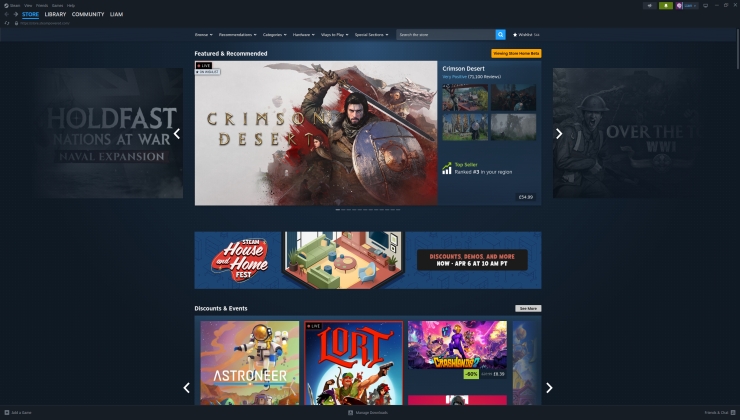
Steam, the world’s largest PC game digital distribution platform, is now at the center of a major legal battle in the UK. The platform is facing a $900 million lawsuit over alleged anti-competitive behavior. The case claims Valve has used Steam’s massive market dominance to restrict competition. Not only that, but the lawsuit also claims the company is controlling pricing and imposing high commission fees that affect millions of gamers. Brought on behalf of roughly 14 million UK users, the lawsuit could set an important precedent for how powerful digital marketplaces are regulated in the future.What Sparked the Lawsuit Against Steam? Credit: Valve Credit: Valve Credit: Valve Credit: Valve The lawsuit (via BBC) claims that Valve has been using Steam’s market dominance in digital game distribution to impose unfair business practices that limit competition. One major accusation is the use of “platform parity” rules, which allegedly prevent developers from offering their games at lower prices on rival stores. By doing this, the company keeps prices of the games artificially high and reduces consumer choice. Another concern coming from the lawsuit involves how in-game purchases and downloadable content work, especially how they’re tied to Steam. This essentially means users who buy a base game on Steam must also use Steam’s marketplace for add-ons (DLC or expansions). On top of this, Valve’s standard 30% commission fee is described as excessive, with the claim that it directly leads to higher prices for players. If proven, these practices could be seen as anti-competitive behavior that harms both developers and consumers.Is Steam Being Singled Out Unfairly? When your marketplace gets too powerful, even lawyers hit ‘Play’. | Image Credit: Valve Despite the serious allegations, many believe the lawsuit is very unfair and seems to be singling out Valve. The company is following practices that are common across the gaming market. Major platforms such as Xbox Store, PlayStation Store, Epic Games, and other digital stores not only don’t allow you to buy add-ons from other stores, but they also charge similar 30% commission rates (% might vary for different platforms). https://www.youtube.com/embed/PHD6KxKCYBE?feature=oembed Additionally, Steam has a tiered commission system that even reduces fees for high-performing games, which some developers see as reasonable. Supporters also argue that the platform provides extensive infrastructure, global distribution, security, and community features that justify its fees. From this perspective, targeting Valve alone may overlook the broader industry standards and risks of creating uneven regulation that could disrupt the digital marketplace rather than improve competition. Do you think the lawsuit is fair and should be implemented for other platforms as well? Comment below to let us know.

Steam, the world’s largest PC game digital distribution platform, is now at the center of a major legal battle in the UK. The platform is facing a $900 million lawsuit over alleged anti-competitive behavior. The case claims Valve has used Steam’s massive market dominance to restrict competition.
Not only that, but the lawsuit also claims the company is controlling pricing and imposing high commission fees that affect millions of gamers. Brought on behalf of roughly 14 million UK users, the lawsuit could set an important precedent for how powerful digital marketplaces are regulated in the future.
 Credit: Valve
  Credit: Valve
  Credit: Valve
  Credit: Valve The lawsuit (via BBC) claims that Valve has been using Steam’s market dominance in digital game distribution to impose unfair business practices that limit competition.
One major accusation is the use of “platform parity” rules, which allegedly prevent developers from offering their games at lower prices on rival stores. By doing this, the company keeps prices of the games artificially high and reduces consumer choice.
Another concern coming from the lawsuit involves how in-game purchases and downloadable content work, especially how they’re tied to Steam. This essentially means users who buy a base game on Steam must also use Steam’s marketplace for add-ons (DLC or expansions).
On top of this, Valve’s standard 30% commission fee is described as excessive, with the claim that it directly leads to higher prices for players. If proven, these practices could be seen as anti-competitive behavior that harms both developers and consumers.
 When your marketplace gets too powerful, even lawyers hit ‘Play’. | Image Credit: Valve Despite the serious allegations, many believe the lawsuit is very unfair and seems to be singling out Valve. The company is following practices that are common across the gaming market.
Major platforms such as Xbox Store, PlayStation Store, Epic Games, and other digital stores not only don’t allow you to buy add-ons from other stores, but they also charge similar 30% commission rates (% might vary for different platforms).
https://www.youtube.com/embed/PHD6KxKCYBE?feature=oembed Additionally, Steam has a tiered commission system that even reduces fees for high-performing games, which some developers see as reasonable. Supporters also argue that the platform provides extensive infrastructure, global distribution, security, and community features that justify its fees.
From this perspective, targeting Valve alone may overlook the broader industry standards and risks of creating uneven regulation that could disrupt the digital marketplace rather than improve competition.
Do you think the lawsuit is fair and should be implemented for other platforms as well? Comment below to let us know.
Not only that, but the lawsuit also claims the company is controlling pricing and imposing high commission fees that affect millions of gamers. Brought on behalf of roughly 14 million UK users, the lawsuit could set an important precedent for how powerful digital marketplaces are regulated in the future.
What Sparked the Lawsuit Against Steam?
Credit: Valve Credit: Valve Credit: Valve Credit: Valve The lawsuit (via BBC) claims that Valve has been using Steam’s market dominance in digital game distribution to impose unfair business practices that limit competition.One major accusation is the use of “platform parity” rules, which allegedly prevent developers from offering their games at lower prices on rival stores. By doing this, the company keeps prices of the games artificially high and reduces consumer choice.
Another concern coming from the lawsuit involves how in-game purchases and downloadable content work, especially how they’re tied to Steam. This essentially means users who buy a base game on Steam must also use Steam’s marketplace for add-ons (DLC or expansions).
On top of this, Valve’s standard 30% commission fee is described as excessive, with the claim that it directly leads to higher prices for players. If proven, these practices could be seen as anti-competitive behavior that harms both developers and consumers.
Is Steam Being Singled Out Unfairly?
When your marketplace gets too powerful, even lawyers hit ‘Play’. | Image Credit: Valve Despite the serious allegations, many believe the lawsuit is very unfair and seems to be singling out Valve. The company is following practices that are common across the gaming market.Major platforms such as Xbox Store, PlayStation Store, Epic Games, and other digital stores not only don’t allow you to buy add-ons from other stores, but they also charge similar 30% commission rates (% might vary for different platforms).
https://www.youtube.com/embed/PHD6KxKCYBE?feature=oembed Additionally, Steam has a tiered commission system that even reduces fees for high-performing games, which some developers see as reasonable. Supporters also argue that the platform provides extensive infrastructure, global distribution, security, and community features that justify its fees.
From this perspective, targeting Valve alone may overlook the broader industry standards and risks of creating uneven regulation that could disrupt the digital marketplace rather than improve competition.
Do you think the lawsuit is fair and should be implemented for other platforms as well? Comment below to let us know.
What's Your Reaction?








XINKER - Business and Income Tips
Explore XINKER, the ultimate platform for mastering business strategies, discovering passive income opportunities, and learning success principles. Join a community of thinkers dedicated to achieving financial freedom and entrepreneurial excellence.