
![[PRO Tips] Gold’s Bullish Revival: Seasonal Trends and Key Levels to Watch](https://xinker.org/uploads/images/202412/image_430x256_67724cc6ad0cd.webp)
![[PRO Tips] Gold Market Under Short-Term Pressure, Safe-Haven Demand and Central Bank Buying Support Long-Term Upside Potential](https://xinker.org/uploads/images/202412/image_430x256_676ffb4685287.webp)
![[PRO Tips] Analysis of 9 key points of differentiation strategy! Master differentiation to create a brand advantage that is unique in the world!](https://firebasestorage.googleapis.com/v0/b/xinker-tips.appspot.com/o/article_thumbnails%2Fscaled_differentiation%20strategy.png.png?alt=media&token=a1bfc3d2-e85a-4db7-8a6d-01c7274f8940)
![[PRO Tips] Will REITs regain growth momentum in 2024? 3 REITs ETFs you must know if you want to invest in real estate.](https://firebasestorage.googleapis.com/v0/b/xinker-tips.appspot.com/o/article_thumbnails%2Fscaled_REITs1.png.png?alt=media&token=8af4eb93-33ff-466f-8039-b6555fad52b4)
![[PRO Tips] Complete tutorial on how to make money in Adobe Stock!](https://firebasestorage.googleapis.com/v0/b/xinker-tips.appspot.com/o/article_thumbnails%2Fscaled_tut-adobe1.png.png?alt=media&token=0b2c8cf2-22bd-4142-883e-140ed1cbaf02)
![[Passive Income] Unlock the secret of passive income: 3 steps to apply for Google AdSense](https://xinker.org/uploads/images/202410/image_430x256_6717a4fb3052b.webp)
![[Passive Income] Earn over $200 a day with AI-generated articles!](https://firebasestorage.googleapis.com/v0/b/xinker-tips.appspot.com/o/article_thumbnails%2Fscaled_article1.png.png?alt=media&token=f61bf35b-8553-4719-826d-7360024adc70)
![[Passive Income] Earn over 20 USD per download with AI-generated images!](https://firebasestorage.googleapis.com/v0/b/xinker-tips.appspot.com/o/article_thumbnails%2Fscaled_adobe2.png.png?alt=media&token=3e20e76a-a907-45af-80aa-bf9b3600301f)
![[Passive Income] Earn 10 USD per new download by sharing CapCut!](https://firebasestorage.googleapis.com/v0/b/xinker-tips.appspot.com/o/article_thumbnails%2Fscaled_capcut2.png.png?alt=media&token=a04dec40-1fac-4857-86f2-19a8be02d38e)
![[Passive Income] Use your WiFi to create passive income in 5 minutes, and you can earn 4-6 U per day!](https://firebasestorage.googleapis.com/v0/b/xinker-tips.appspot.com/o/article_thumbnails%2Fscaled_Grassio.webp.png?alt=media&token=7659a95e-0e47-4f27-a17d-c942ac3cf7f4)


![[Business Talk] The Unique Theme of XINKER's Song: Beef Wellington and Business Mastery](https://xinker.org/uploads/images/202410/image_430x256_671afc155f47f.webp)
![[Business Talk] Chagee: Opening 3,500 stores in 6 years](https://xinker.org/uploads/images/202410/image_430x256_671afce80c5f9.webp)

Tim Sweeney: Epic Games settled antitrust case to lock in gains with Google Store worldwide | exclusive interview
It’s been 2,030 days since Fortnite was put in jail, with both Google and Apple pulling it down worldwide on August 13, 2020, the day that Epic Games sued them for antitrust violations. Now Google plans to let it back in, worldwide. Tim Sweeney, CEO of Epic Games, said in an interview with GamesBeat that he is proud of the settlement of his antitrust lawsuit with Google because it removes uncertainty and brings a quicker cut in commission fees for game developers worldwide, as those devs can now pay fees as low as 5% to 20%, rather than 15% to 30% — the latter being a high percentage that left many developers unprofitable. They don’t have to wait for rulings around the world. “I think this is a really good outcome for all developers. And everybody looks at the headline rate and should be happy that the headline rate went from 30% to 20%. You can envision a world in which it could be even lower still,” he said. And Sweeney also said, “As much as we’d love an even better deal, this is like something we’ve seen in an open platform competitive market, like the PC before, and it’s something that we should welcome on Android.” And Steve Allison, head of the Epic Games Store, said in the same interview that developers needed relief fast, due to the struggles of the industry. Sweeney added that fully litigating around the world in every court with Google might have taken many more years. Epic Games said yesterday it was prepared to bring Fortnite back to Google Play and drop litigation with Google, thanks to policy changes that Google made. Google’s own comment yesterday was, “We believe these changes will make for a stronger Android ecosystem with even more successful developers and higher-quality apps and games available across more form factors for everyone. We look forward to our continued work with the developer community to build the next generation of digital experiences.” And today, we spoke to Sweeney and Allison about the deal and its implications.Regarding the move to settle Epic Games has tangled with Google and Apple on antitrust since 2020. Asked why Sweeney decided to settle rather than litigate in every court in the world, he said, “This is just a really important thing that people should understand. The Epic versus Google court decision in the United States only has effect in the United States. It does nothing about the rest of the world. And the United States is about 30% of Google Play revenue and about 5% of Google Play users.” He said it was never going to be a complete worldwide solution, and the court, throughout the proceedings, very clearly, said that the court wanted to establish competition among stores and competition among payments without setting prices in the market. “And we took that to mean essentially that the court’s remedies in the United States would enable store competition, but that Google developers wouldn’t necessarily get any break at all,” he said. “And in fact, one of the funny parts of the court proceedings is that neither Epic nor Google had the courage to ask the court exactly what they would do, what it would do about rates. The court had already said it didn’t want to set rates.”Google’s changes Google is slashing the royalty rates for mobile apps and games. Google’s changes included concessions that Epic had asked for in its years-long antitrust litigation such as Google taking lower fees, allowing alternative payments to Google’s payments, and allowing alternative developer stores on Google Play itself. As part of the policy changes, Epic Games and Google have settled their litigation that has been going on since August 2020. Fortnite should be back in the worldwide Google Play store within two weeks (It’s been back in the U.S. since December since Epic won a favorable court ruling). Epic’s antitrust lawsuit, filed more than six years ago, alleged that Google’s high fees of 30% back then amounted to using illegal monopoly power to squeeze game and app developers out of their own profits. Google lost a trial in 2023 and also lost a recent appeal. And the U.S. Supreme Court refused to hear an appeal of the company’s attempt to overturn the lower-court rulings. Sweeney believes it will lead to better profits for game developers and a more open world for mobile game platforms. Sweeney is still in litigation with Apple in the U.S., but the lawsuit with Google ended more favorably for Epic Games. Google’s own comment yesterday was, “We believe these changes will make for a stronger Android ecosystem with even more successful developers and higher-quality apps and games available across more form factors for everyone. We look forward to our continued work with the developer community to build the next generation of digital experiences.” On the highest level, Google said it would take its highest rate for a 30% commission on in-app purchases in games and effectively reduce that to 20%. Epic Games’ own commission is at 12%, but Sweeney said this was still a victory fo

It’s been 2,030 days since Fortnite was put in jail, with both Google and Apple pulling it down worldwide on August 13, 2020, the day that Epic Games sued them for antitrust violations. Now Google plans to let it back in, worldwide.
Tim Sweeney, CEO of Epic Games, said in an interview with GamesBeat that he is proud of the settlement of his antitrust lawsuit with Google because it removes uncertainty and brings a quicker cut in commission fees for game developers worldwide, as those devs can now pay fees as low as 5% to 20%, rather than 15% to 30% — the latter being a high percentage that left many developers unprofitable. They don’t have to wait for rulings around the world.
“I think this is a really good outcome for all developers. And everybody looks at the headline rate and should be happy that the headline rate went from 30% to 20%. You can envision a world in which it could be even lower still,” he said.
And Sweeney also said, “As much as we’d love an even better deal, this is like something we’ve seen in an open platform competitive market, like the PC before, and it’s something that we should welcome on Android.”
And Steve Allison, head of the Epic Games Store, said in the same interview that developers needed relief fast, due to the struggles of the industry. Sweeney added that fully litigating around the world in every court with Google might have taken many more years.
Epic Games said yesterday it was prepared to bring Fortnite back to Google Play and drop litigation with Google, thanks to policy changes that Google made.
Google’s own comment yesterday was, “We believe these changes will make for a stronger Android ecosystem with even more successful developers and higher-quality apps and games available across more form factors for everyone. We look forward to our continued work with the developer community to build the next generation of digital experiences.”
And today, we spoke to Sweeney and Allison about the deal and its implications.
 Epic Games has tangled with Google and Apple on antitrust since 2020. Asked why Sweeney decided to settle rather than litigate in every court in the world, he said, “This is just a really important thing that people should understand. The Epic versus Google court decision in the United States only has effect in the United States. It does nothing about the rest of the world. And the United States is about 30% of Google Play revenue and about 5% of Google Play users.”
He said it was never going to be a complete worldwide solution, and the court, throughout the proceedings, very clearly, said that the court wanted to establish competition among stores and competition among payments without setting prices in the market.
“And we took that to mean essentially that the court’s remedies in the United States would enable store competition, but that Google developers wouldn’t necessarily get any break at all,” he said. “And in fact, one of the funny parts of the court proceedings is that neither Epic nor Google had the courage to ask the court exactly what they would do, what it would do about rates. The court had already said it didn’t want to set rates.”
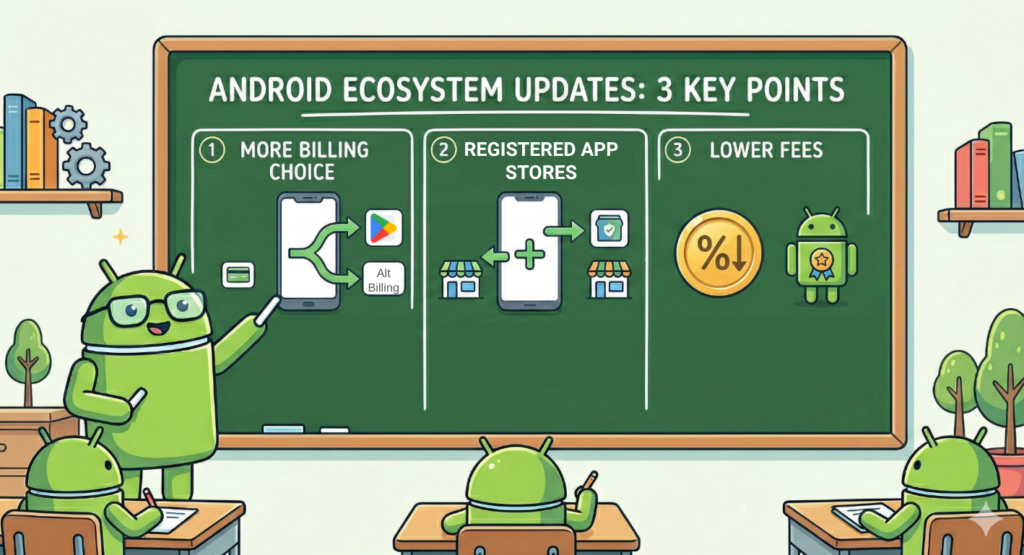 Google is slashing the royalty rates for mobile apps and games. Google’s changes included concessions that Epic had asked for in its years-long antitrust litigation such as Google taking lower fees, allowing alternative payments to Google’s payments, and allowing alternative developer stores on Google Play itself.
As part of the policy changes, Epic Games and Google have settled their litigation that has been going on since August 2020. Fortnite should be back in the worldwide Google Play store within two weeks (It’s been back in the U.S. since December since Epic won a favorable court ruling).
Epic’s antitrust lawsuit, filed more than six years ago, alleged that Google’s high fees of 30% back then amounted to using illegal monopoly power to squeeze game and app developers out of their own profits. Google lost a trial in 2023 and also lost a recent appeal. And the U.S. Supreme Court refused to hear an appeal of the company’s attempt to overturn the lower-court rulings.
Sweeney believes it will lead to better profits for game developers and a more open world for mobile game platforms. Sweeney is still in litigation with Apple in the U.S., but the lawsuit with Google ended more favorably for Epic Games.
Google’s own comment yesterday was, “We believe these changes will make for a stronger Android ecosystem with even more successful developers and higher-quality apps and games available across more form factors for everyone. We look forward to our continued work with the developer community to build the next generation of digital experiences.”
On the highest level, Google said it would take its highest rate for a 30% commission on in-app purchases in games and effectively reduce that to 20%. Epic Games’ own commission is at 12%, but Sweeney said this was still a victory for developers. In general, Google Play store fees will range from 10% to 20%, instead of 15% to 30%. And it charges a 5% fee if developers use their own alternative payment providers.
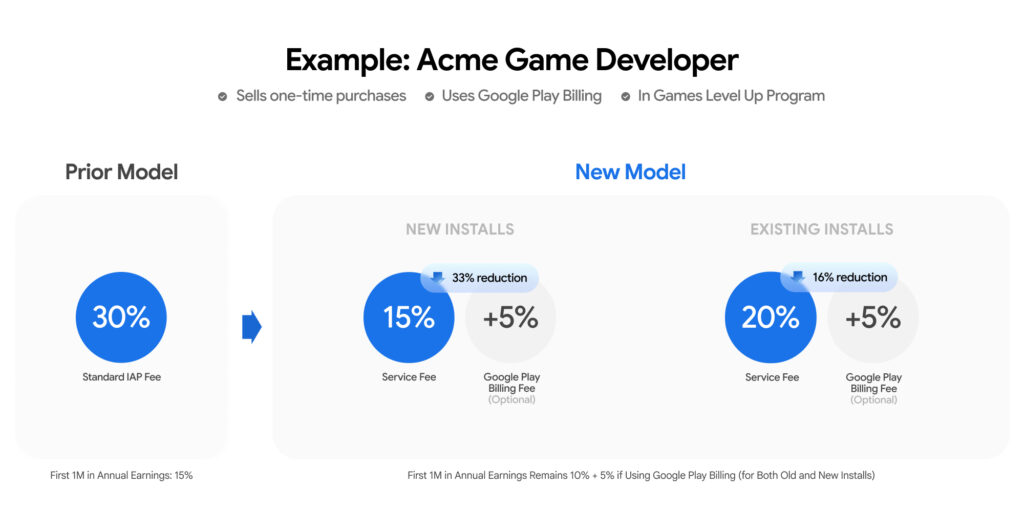 Google Play’s new store fees. Source: Google Under the settlement, some noted that Sweeney won’t be able to openly criticize Google until 2032. But Sweeney said that applies only to the agreement that Google and Epic Games are signing. If other disputes arise, he is OK to speak his mind, he said.
In a nutshell, Google Play will now give game developers more choice and freedom in how they handle transactions. In the past, developers had to use Google solutions for payment for in-app purchases or downloads. Now, the devs can use their own preferred payment solutions. Google tacks on a 5% fee, which Sweeney says is reasonable.
Sweeney said that he is proud of the settlement and its outcome for developers. Steve Allison, head of the Epic Games Store, said that developers need relief soon, and Sweeney said litigating around the world in every court might have taken many more years.
If developers steer players off the Google Play store to their own stores, Google will no longer put the players through 15 or so “scare screens” that scare them off from doing it. Now, Google can streamline that process for “registered” alternative payments/stores.
Asked about the big picture significance of the announcements, Sweeney said, “This is a tale of two worlds. There’s the open world of open platforms and the world of closed platforms. And our complaint with Android was always that. It said the market itself is open, but it was actually really hard to do a lot of things. To install a store from our website, you had to go through so many scare screens that more than half of players dropped off before they succeeded.”
He added, “And so it wasn’t really achieving what the open platform dream is [which is Windows], and the Google settlement truly and genuinely gets us to a point where Android is on par with Windows and superior to it in some ways, and being an open platform where users can install stores on their devices without the platform obstructing it.”
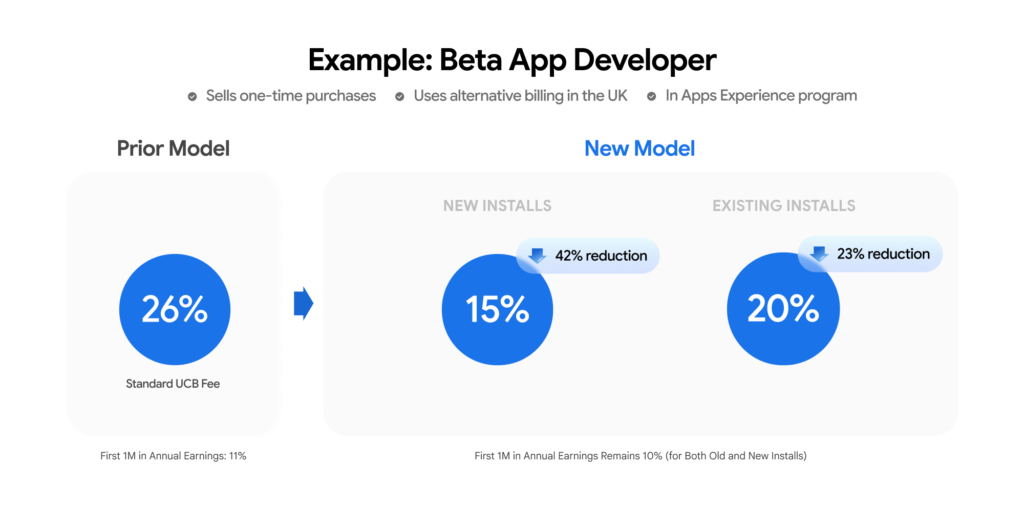 Google Play’s latest fees. Source: Google And Sweeney said of the end of the scare screens, “This isn’t the wild west of malware anymore. There are the same old projections for software from random places, but there’s a new Registered Store Program to ensure that any reputable company that is legally accountable can release a store and do business with users without friction.”
These changes will roll out throughout the world, with most territories implementing the changes by December 31. The settlement is still subject to approval by federal judge James Donato, who will hear from the companies on April 9.
“There’s now support for competition within the Google Play Store on payments, and there’s a Google tax on transactions taking place in-app. But it’s significantly reduced. It goes down for large developers who do the work, it goes down from 30% all in payment processing and platform fees down to 20% and for smaller developers,” Sweeney said.
And he added, “It’s the same deal, a reduced fee of 15%, so I think this is what we should expect an open platform to look like. If you look back to 2018, when we launched the Epic Games Store in competition with Steam. Steam has been charging 30% for all games for a decade or so. And a few weeks before we launched, after the industry knew our plans and our intentions, Steam lowered their fee for revenue beyond $50 million, like their fee for the biggest and most successful games from 30% down to 20%.”
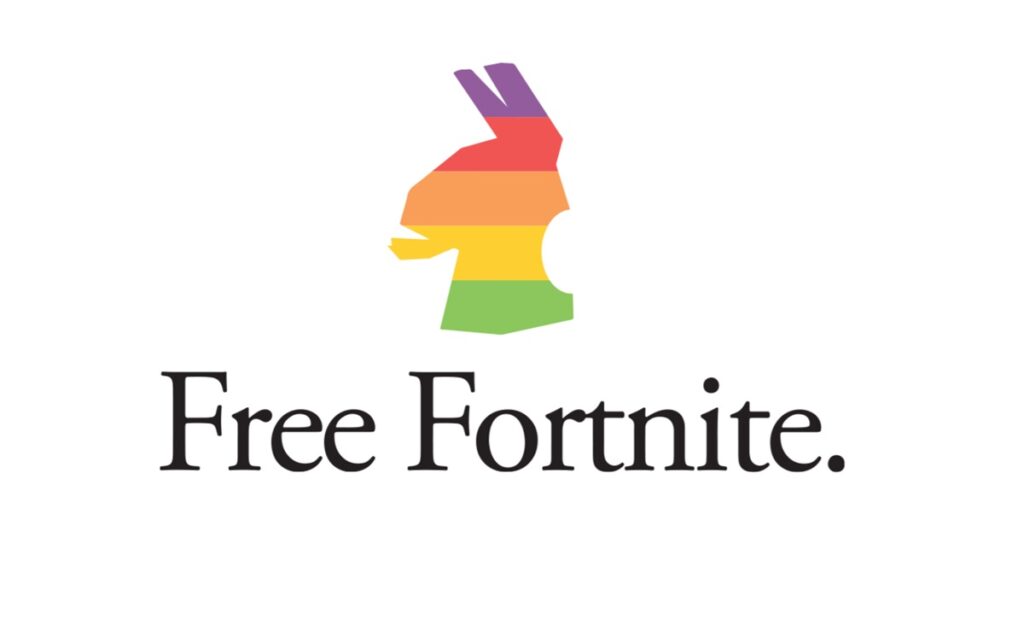
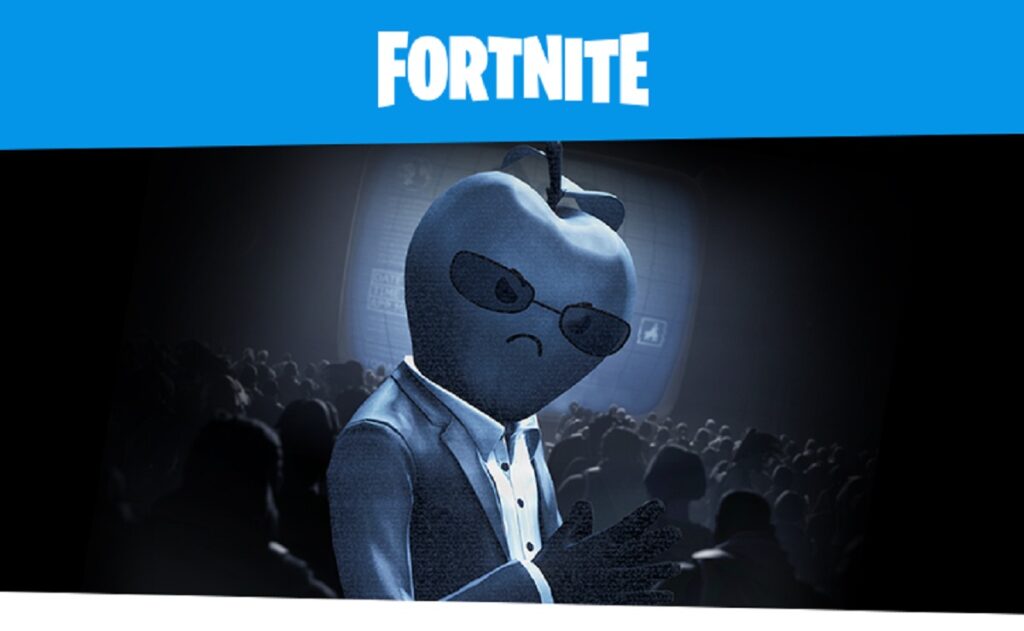 Epic Games launched the Free Fortnite Cup with Apple as the villain back in 2020. In a previous proposed settlement, there was wording that suggested a vendor of “cosmetics” might not have its transactions taxed at the same rates that others paid. The judge wondered if this was a case where Epic was pursuing its own interests rather than working on behalf of all developers.
However, in the current version of the settlement, the benefits that the judge wondered about were stricken. Sweeney said the net result is that this is a settlement that benefits every developer, and it does not have provisions that benefit particular companies such as Epic.
Sweeney acknowledged that the agreement mentions that Epic will pay for certain services from Google, and that Google will compensate Epic for its legal feels. But the specific amount paid for the legal fees is redacted.
“So to get an end to Google [litigation], we did several commercial arrangements with them, which you can see referenced, to some extent, in the term sheet with some redactions. But … Epic doesn’t have any special deals pertaining to this,” Sweeney said. “Essentially, everything about how Google operates Google Play is equally applicable to all developers.”
 Fortnite Reload map The separation of payments as a separate service, where developers can choose their own vendor, is a big deal. In such cases, the developer can send a player to an off-store alternative and use its own preferred payment service.
“And the problem in all of our antitrust complaints at the core has been the tying together of a lot of different services, and you’re forced to take them all, whether you want them all or not. You get the store. You’re required to use their payment method. You’re required to use their payment pay their payment fees, and so on. Now we will have complete competition among stores. Not only will Epic be able to have our store on Android with no friction for users installing it, but Steam could launch Steam for Android,” Sweeney said.
Google will still charge a fee for going off-store in the amount of 5%. But that’s a lot lower for the developer, who would still likely pay 5% or so to the payment vendor. Sweeney noted that the fees could be lower, but he noted that competition may force Google to change and lower prices or lose market share to other vendors.
When the developers go off store, they complained that Google would put a lot of “scare screens” in front of players, so much so that most did not finish the process of making off-store payments. Now, Google will streamline that process with “registered” stores.
“I think you’re going to see competition on the store, in the store arena, from a variety of sources, big stores, small stores, General Stores, focus stores, niche stores, and publisher-focused stores. And then on payments, you’ll see Stripe payments and PayPal payments. And Google has a payment service. It’s charging 5%, which is a pretty good deal. In some territories, you might be able to do even better. And so developers will make a lot of good, individualized decisions to use competing products, as happens in a functioning, healthy market,” Sweeney said.
 Tim Sweeney is the outspoken CEO of Epic Games. The Verge noted in a story that Sweeney was not allowed to disparage Google until 2032, given the terms of the settlement with Epic.
But Sweeney, who called Android a “fake open platform” during the trial, downplayed that part of the settlement.
He said, “And I do agree, and I wholeheartedly support the idea that Epic won’t criticize the Google practices in their ecosystem, the Google Play Store and payments system that we agreed are okay for them to do. So in the settlement, we agreed there’s a bunch of things they can do with a cap on pricing and structures for payments and the information screens have to be neutral.”
Now he considers Android to be a “real open platform.” This means he thinks that “every company will be able to compete to offer the best products and services across every facet of the business.”
And Sweeney added, “We signed up for all that. We agree with all of that. We settled on that, and we’re not going to criticize it. If we were, I’d be criticizing myself, because I agree to all of this. But I can totally say that, like if I look at the website google.com, and I think the color scheme is ugly, I’m totally free to say Google’s color scheme sucked. I sucked. Don’t criticize us. It pertains to simply the things that we agree are fine for Google to do. So we can’t say in a settlement, that’s fine, and then go online and say, ‘Hey, this sucks.'”
 Fortnite OG Epic itself only charges 12% fees in the Epic Games Store and it allows developers to use their own payment alternatives as well, without a 5% fee. I asked Sweeney if he was disappointed that Google didn’t do the same.
“Like Jeff Bezos a long time ago said, your margin is my opportunity. And what that means here is that if Google is charging 20% fee, stores that charge significantly less will be more attractive. And so by keeping their fees high, or relatively high, Google is inviting competition. It might be that as they see more and more competition coming. That competitive pressure may lead them to decide to lower it further,” Sweeney said.
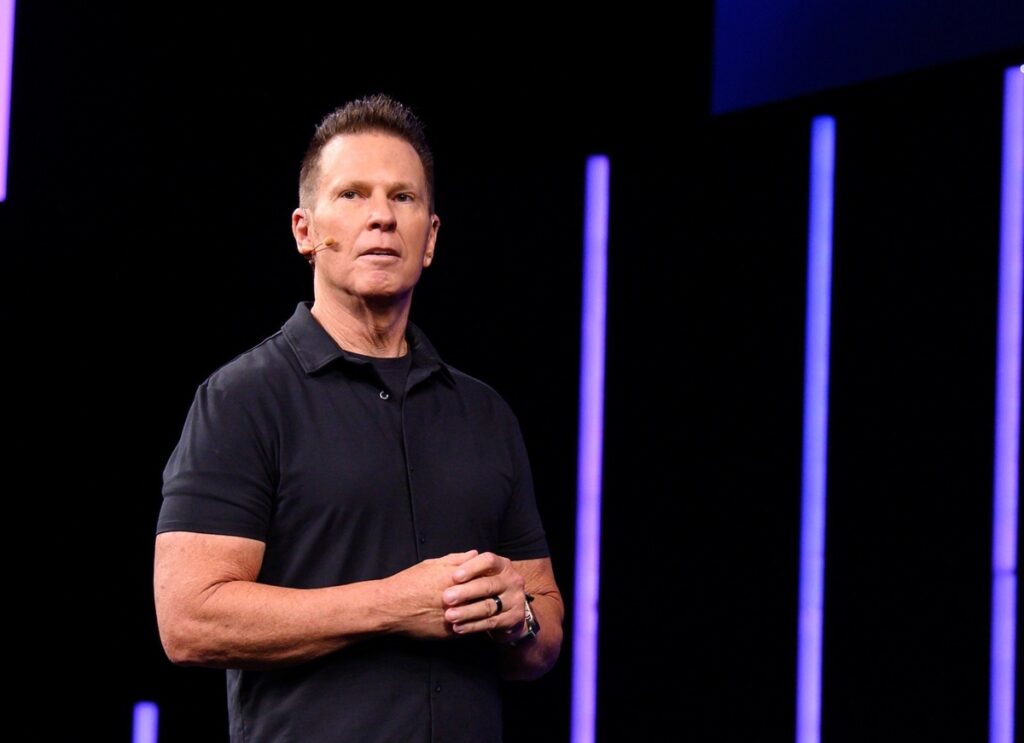 Steve Allison is head of the Epic Games Store. Source: Epic Games Sweeney noted that Judge Donato said all throughout the Epic versus Google remedies proceedings that he didn’t want to set Google’s prices. Instead, the judge wanted to ensure that there is a competitive market so that the prices will be set by competition.
“Having a court set prices is something of a last resort, and that happened in Epic versus Apple, because Apple blocks all competing stores, and they blocked all competing payments,” said Sweeney. “The only way there could be any competition at all was if there were payments. And if the only competition earns on payments, then Apple extracting store fees from payments is just entirely wrong from an antitrust and fair competition point of view.”
And so the court essentially said Apple had to decouple payments and couldn’t charge any fee at all, Sweeney said.
“And then the Ninth Circuit Court came along and said, well, actually, to the extent Apple has costs for steering an app review and intellectual property associated with third-party payment mechanisms, and Apple should be entitled to charge fees for that,” Sweeney said.
But he said that really limits Apple’s fees to a far lower level of fee than Google can charge.
“And I think that the world would be better off if iOS were actually an open platform, and instead of Apple having to charge no fees or extremely limited fees, had more ability to set their fees, and that what keeps them. Honest would be competition from other stores. This is what we this is what we asked Apple for when I sent them a letter,” Sweeney said.
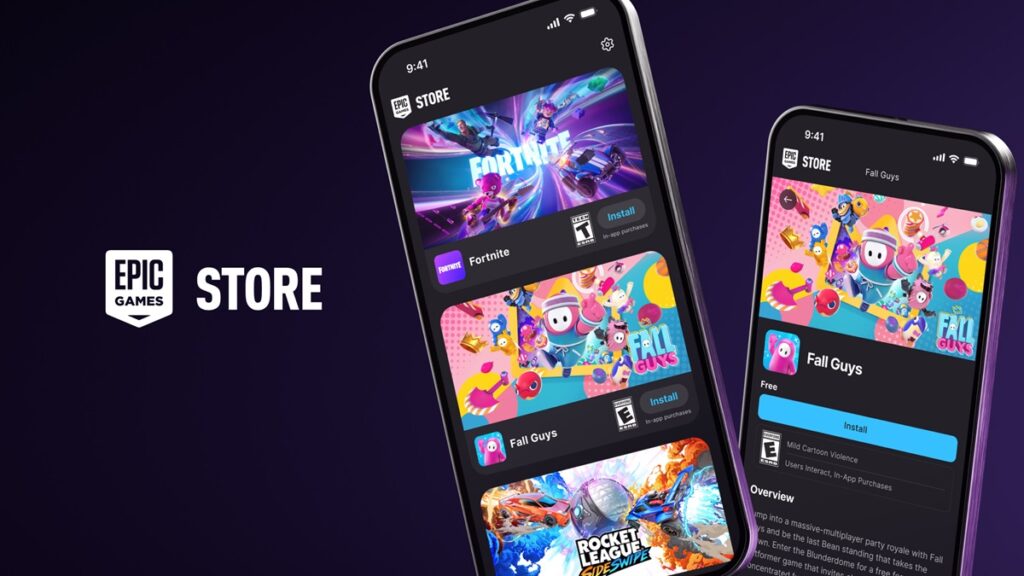 Fortnite and the Epic Games Store are on iOS in Europe. I asked if about what would happen with the Apple litigiation, and if there was a chance for Apple to open up more. It looks like the notion of litigating in every country is still an option in the Apple antitrust case.
“That’s a question for Apple. Epic versus Apple had a very narrow decision,” Sweeney said. “Apple prevailed on the antitrust claims, and we prevailed on the California Unfair Competition law claims, with the effect that the court injunction prevents Apple from blocking competing payments and greatly limits its ability to charge fees for them. And so that’s only in the United States. And so the remaining Epic versus Apple U.S. case is solely about what can happen with payments. And I think Epic sees two worlds. There’s the world of open platforms, which is now Android and Windows and Apple’s Mac OS. “
And he added, “And then there’s the world of closed platforms, you know, which is like thermostats and stuff. But what it’s really about in terms of general computing platforms, there’s really just iOS left in the world of closed platforms. If Apple decided to be an open platform, then I would advocate that the rules and the business practices that are appropriate under antitrust law for an open platform open up an entirely different set of business possibilities. Then, what are the obligations of a closed platform that blocks competition and in other vectors? I love the idea of an open platform world, but in terms of Apple’s practices, regulators in Europe, Japan, United States, United Kingdom, Korea and elsewhere can handle it either way.”
In any case, Sweeney is happy with the outcome with Google. He noted that one of the benefits has already happened. When Epic sued Apple and Google in 2020, they saw that 98% of the apps made only about 2% to 5% of the revenue. So they quickly cut the fees paid by most developers — those making less than $1 million a year. Sweeney said that was an early victory that came from the litigation.
“I think the key points are we now have a competitive market, and Android and competition will take it from here. This is a really good step in the long-term battle for users’ rights and developers’ rights. So digital commerce is as free as physical commerce in the real world,” he said.
And asked about getting Fortnite out of jail worldwide, Sweeney said he was happy to expect that Fortnite should be back on Google Play worldwide (as it has been since December 11 in the U.S.) within a couple of weeks.
“Epic Games Store worldwide! So buy now!” he said.
I replied, “The more you buy, the more you save, as Jensen says.”
The post Tim Sweeney: Epic Games settled antitrust case to lock in gains with Google Store worldwide | exclusive interview appeared first on GamesBeat.
Tim Sweeney, CEO of Epic Games, said in an interview with GamesBeat that he is proud of the settlement of his antitrust lawsuit with Google because it removes uncertainty and brings a quicker cut in commission fees for game developers worldwide, as those devs can now pay fees as low as 5% to 20%, rather than 15% to 30% — the latter being a high percentage that left many developers unprofitable. They don’t have to wait for rulings around the world.
“I think this is a really good outcome for all developers. And everybody looks at the headline rate and should be happy that the headline rate went from 30% to 20%. You can envision a world in which it could be even lower still,” he said.
And Sweeney also said, “As much as we’d love an even better deal, this is like something we’ve seen in an open platform competitive market, like the PC before, and it’s something that we should welcome on Android.”
And Steve Allison, head of the Epic Games Store, said in the same interview that developers needed relief fast, due to the struggles of the industry. Sweeney added that fully litigating around the world in every court with Google might have taken many more years.
Epic Games said yesterday it was prepared to bring Fortnite back to Google Play and drop litigation with Google, thanks to policy changes that Google made.
Google’s own comment yesterday was, “We believe these changes will make for a stronger Android ecosystem with even more successful developers and higher-quality apps and games available across more form factors for everyone. We look forward to our continued work with the developer community to build the next generation of digital experiences.”
And today, we spoke to Sweeney and Allison about the deal and its implications.
Regarding the move to settle
Epic Games has tangled with Google and Apple on antitrust since 2020. Asked why Sweeney decided to settle rather than litigate in every court in the world, he said, “This is just a really important thing that people should understand. The Epic versus Google court decision in the United States only has effect in the United States. It does nothing about the rest of the world. And the United States is about 30% of Google Play revenue and about 5% of Google Play users.”He said it was never going to be a complete worldwide solution, and the court, throughout the proceedings, very clearly, said that the court wanted to establish competition among stores and competition among payments without setting prices in the market.
“And we took that to mean essentially that the court’s remedies in the United States would enable store competition, but that Google developers wouldn’t necessarily get any break at all,” he said. “And in fact, one of the funny parts of the court proceedings is that neither Epic nor Google had the courage to ask the court exactly what they would do, what it would do about rates. The court had already said it didn’t want to set rates.”
Google’s changes
Google is slashing the royalty rates for mobile apps and games. Google’s changes included concessions that Epic had asked for in its years-long antitrust litigation such as Google taking lower fees, allowing alternative payments to Google’s payments, and allowing alternative developer stores on Google Play itself. As part of the policy changes, Epic Games and Google have settled their litigation that has been going on since August 2020. Fortnite should be back in the worldwide Google Play store within two weeks (It’s been back in the U.S. since December since Epic won a favorable court ruling).
Epic’s antitrust lawsuit, filed more than six years ago, alleged that Google’s high fees of 30% back then amounted to using illegal monopoly power to squeeze game and app developers out of their own profits. Google lost a trial in 2023 and also lost a recent appeal. And the U.S. Supreme Court refused to hear an appeal of the company’s attempt to overturn the lower-court rulings.
Sweeney believes it will lead to better profits for game developers and a more open world for mobile game platforms. Sweeney is still in litigation with Apple in the U.S., but the lawsuit with Google ended more favorably for Epic Games.
Google’s own comment yesterday was, “We believe these changes will make for a stronger Android ecosystem with even more successful developers and higher-quality apps and games available across more form factors for everyone. We look forward to our continued work with the developer community to build the next generation of digital experiences.”
On the highest level, Google said it would take its highest rate for a 30% commission on in-app purchases in games and effectively reduce that to 20%. Epic Games’ own commission is at 12%, but Sweeney said this was still a victory for developers. In general, Google Play store fees will range from 10% to 20%, instead of 15% to 30%. And it charges a 5% fee if developers use their own alternative payment providers.
Google Play’s new store fees. Source: Google Under the settlement, some noted that Sweeney won’t be able to openly criticize Google until 2032. But Sweeney said that applies only to the agreement that Google and Epic Games are signing. If other disputes arise, he is OK to speak his mind, he said. In a nutshell, Google Play will now give game developers more choice and freedom in how they handle transactions. In the past, developers had to use Google solutions for payment for in-app purchases or downloads. Now, the devs can use their own preferred payment solutions. Google tacks on a 5% fee, which Sweeney says is reasonable.
Sweeney said that he is proud of the settlement and its outcome for developers. Steve Allison, head of the Epic Games Store, said that developers need relief soon, and Sweeney said litigating around the world in every court might have taken many more years.
If developers steer players off the Google Play store to their own stores, Google will no longer put the players through 15 or so “scare screens” that scare them off from doing it. Now, Google can streamline that process for “registered” alternative payments/stores.
Asked about the big picture significance of the announcements, Sweeney said, “This is a tale of two worlds. There’s the open world of open platforms and the world of closed platforms. And our complaint with Android was always that. It said the market itself is open, but it was actually really hard to do a lot of things. To install a store from our website, you had to go through so many scare screens that more than half of players dropped off before they succeeded.”
He added, “And so it wasn’t really achieving what the open platform dream is [which is Windows], and the Google settlement truly and genuinely gets us to a point where Android is on par with Windows and superior to it in some ways, and being an open platform where users can install stores on their devices without the platform obstructing it.”
Google Play’s latest fees. Source: Google And Sweeney said of the end of the scare screens, “This isn’t the wild west of malware anymore. There are the same old projections for software from random places, but there’s a new Registered Store Program to ensure that any reputable company that is legally accountable can release a store and do business with users without friction.”These changes will roll out throughout the world, with most territories implementing the changes by December 31. The settlement is still subject to approval by federal judge James Donato, who will hear from the companies on April 9.
“There’s now support for competition within the Google Play Store on payments, and there’s a Google tax on transactions taking place in-app. But it’s significantly reduced. It goes down for large developers who do the work, it goes down from 30% all in payment processing and platform fees down to 20% and for smaller developers,” Sweeney said.
And he added, “It’s the same deal, a reduced fee of 15%, so I think this is what we should expect an open platform to look like. If you look back to 2018, when we launched the Epic Games Store in competition with Steam. Steam has been charging 30% for all games for a decade or so. And a few weeks before we launched, after the industry knew our plans and our intentions, Steam lowered their fee for revenue beyond $50 million, like their fee for the biggest and most successful games from 30% down to 20%.”
No special deal in the settlement
Epic Games launched the Free Fortnite Cup with Apple as the villain back in 2020. In a previous proposed settlement, there was wording that suggested a vendor of “cosmetics” might not have its transactions taxed at the same rates that others paid. The judge wondered if this was a case where Epic was pursuing its own interests rather than working on behalf of all developers.However, in the current version of the settlement, the benefits that the judge wondered about were stricken. Sweeney said the net result is that this is a settlement that benefits every developer, and it does not have provisions that benefit particular companies such as Epic.
Sweeney acknowledged that the agreement mentions that Epic will pay for certain services from Google, and that Google will compensate Epic for its legal feels. But the specific amount paid for the legal fees is redacted.
“So to get an end to Google [litigation], we did several commercial arrangements with them, which you can see referenced, to some extent, in the term sheet with some redactions. But … Epic doesn’t have any special deals pertaining to this,” Sweeney said. “Essentially, everything about how Google operates Google Play is equally applicable to all developers.”
The separation of payments
Fortnite Reload map The separation of payments as a separate service, where developers can choose their own vendor, is a big deal. In such cases, the developer can send a player to an off-store alternative and use its own preferred payment service. “And the problem in all of our antitrust complaints at the core has been the tying together of a lot of different services, and you’re forced to take them all, whether you want them all or not. You get the store. You’re required to use their payment method. You’re required to use their payment pay their payment fees, and so on. Now we will have complete competition among stores. Not only will Epic be able to have our store on Android with no friction for users installing it, but Steam could launch Steam for Android,” Sweeney said.
Google will still charge a fee for going off-store in the amount of 5%. But that’s a lot lower for the developer, who would still likely pay 5% or so to the payment vendor. Sweeney noted that the fees could be lower, but he noted that competition may force Google to change and lower prices or lose market share to other vendors.
When the developers go off store, they complained that Google would put a lot of “scare screens” in front of players, so much so that most did not finish the process of making off-store payments. Now, Google will streamline that process with “registered” stores.
“I think you’re going to see competition on the store, in the store arena, from a variety of sources, big stores, small stores, General Stores, focus stores, niche stores, and publisher-focused stores. And then on payments, you’ll see Stripe payments and PayPal payments. And Google has a payment service. It’s charging 5%, which is a pretty good deal. In some territories, you might be able to do even better. And so developers will make a lot of good, individualized decisions to use competing products, as happens in a functioning, healthy market,” Sweeney said.
Muzzled?
Tim Sweeney is the outspoken CEO of Epic Games. The Verge noted in a story that Sweeney was not allowed to disparage Google until 2032, given the terms of the settlement with Epic. But Sweeney, who called Android a “fake open platform” during the trial, downplayed that part of the settlement.
He said, “And I do agree, and I wholeheartedly support the idea that Epic won’t criticize the Google practices in their ecosystem, the Google Play Store and payments system that we agreed are okay for them to do. So in the settlement, we agreed there’s a bunch of things they can do with a cap on pricing and structures for payments and the information screens have to be neutral.”
Now he considers Android to be a “real open platform.” This means he thinks that “every company will be able to compete to offer the best products and services across every facet of the business.”
And Sweeney added, “We signed up for all that. We agree with all of that. We settled on that, and we’re not going to criticize it. If we were, I’d be criticizing myself, because I agree to all of this. But I can totally say that, like if I look at the website google.com, and I think the color scheme is ugly, I’m totally free to say Google’s color scheme sucked. I sucked. Don’t criticize us. It pertains to simply the things that we agree are fine for Google to do. So we can’t say in a settlement, that’s fine, and then go online and say, ‘Hey, this sucks.'”
Can we get to 12%?
Fortnite OG Epic itself only charges 12% fees in the Epic Games Store and it allows developers to use their own payment alternatives as well, without a 5% fee. I asked Sweeney if he was disappointed that Google didn’t do the same. “Like Jeff Bezos a long time ago said, your margin is my opportunity. And what that means here is that if Google is charging 20% fee, stores that charge significantly less will be more attractive. And so by keeping their fees high, or relatively high, Google is inviting competition. It might be that as they see more and more competition coming. That competitive pressure may lead them to decide to lower it further,” Sweeney said.
How the Apple ruling is different
Steve Allison is head of the Epic Games Store. Source: Epic Games Sweeney noted that Judge Donato said all throughout the Epic versus Google remedies proceedings that he didn’t want to set Google’s prices. Instead, the judge wanted to ensure that there is a competitive market so that the prices will be set by competition. “Having a court set prices is something of a last resort, and that happened in Epic versus Apple, because Apple blocks all competing stores, and they blocked all competing payments,” said Sweeney. “The only way there could be any competition at all was if there were payments. And if the only competition earns on payments, then Apple extracting store fees from payments is just entirely wrong from an antitrust and fair competition point of view.”
And so the court essentially said Apple had to decouple payments and couldn’t charge any fee at all, Sweeney said.
“And then the Ninth Circuit Court came along and said, well, actually, to the extent Apple has costs for steering an app review and intellectual property associated with third-party payment mechanisms, and Apple should be entitled to charge fees for that,” Sweeney said.
But he said that really limits Apple’s fees to a far lower level of fee than Google can charge.
“And I think that the world would be better off if iOS were actually an open platform, and instead of Apple having to charge no fees or extremely limited fees, had more ability to set their fees, and that what keeps them. Honest would be competition from other stores. This is what we this is what we asked Apple for when I sent them a letter,” Sweeney said.
Where the Apple case could land?
Fortnite and the Epic Games Store are on iOS in Europe. I asked if about what would happen with the Apple litigiation, and if there was a chance for Apple to open up more. It looks like the notion of litigating in every country is still an option in the Apple antitrust case. “That’s a question for Apple. Epic versus Apple had a very narrow decision,” Sweeney said. “Apple prevailed on the antitrust claims, and we prevailed on the California Unfair Competition law claims, with the effect that the court injunction prevents Apple from blocking competing payments and greatly limits its ability to charge fees for them. And so that’s only in the United States. And so the remaining Epic versus Apple U.S. case is solely about what can happen with payments. And I think Epic sees two worlds. There’s the world of open platforms, which is now Android and Windows and Apple’s Mac OS. “
And he added, “And then there’s the world of closed platforms, you know, which is like thermostats and stuff. But what it’s really about in terms of general computing platforms, there’s really just iOS left in the world of closed platforms. If Apple decided to be an open platform, then I would advocate that the rules and the business practices that are appropriate under antitrust law for an open platform open up an entirely different set of business possibilities. Then, what are the obligations of a closed platform that blocks competition and in other vectors? I love the idea of an open platform world, but in terms of Apple’s practices, regulators in Europe, Japan, United States, United Kingdom, Korea and elsewhere can handle it either way.”
In any case, Sweeney is happy with the outcome with Google. He noted that one of the benefits has already happened. When Epic sued Apple and Google in 2020, they saw that 98% of the apps made only about 2% to 5% of the revenue. So they quickly cut the fees paid by most developers — those making less than $1 million a year. Sweeney said that was an early victory that came from the litigation.
“I think the key points are we now have a competitive market, and Android and competition will take it from here. This is a really good step in the long-term battle for users’ rights and developers’ rights. So digital commerce is as free as physical commerce in the real world,” he said.
And asked about getting Fortnite out of jail worldwide, Sweeney said he was happy to expect that Fortnite should be back on Google Play worldwide (as it has been since December 11 in the U.S.) within a couple of weeks.
“Epic Games Store worldwide! So buy now!” he said.
I replied, “The more you buy, the more you save, as Jensen says.”
The post Tim Sweeney: Epic Games settled antitrust case to lock in gains with Google Store worldwide | exclusive interview appeared first on GamesBeat.
What's Your Reaction?








XINKER - Business and Income Tips
Explore XINKER, the ultimate platform for mastering business strategies, discovering passive income opportunities, and learning success principles. Join a community of thinkers dedicated to achieving financial freedom and entrepreneurial excellence.