
![[PRO Tips] Gold’s Bullish Revival: Seasonal Trends and Key Levels to Watch](https://xinker.org/uploads/images/202412/image_430x256_67724cc6ad0cd.webp)
![[PRO Tips] Gold Market Under Short-Term Pressure, Safe-Haven Demand and Central Bank Buying Support Long-Term Upside Potential](https://xinker.org/uploads/images/202412/image_430x256_676ffb4685287.webp)
![[PRO Tips] Analysis of 9 key points of differentiation strategy! Master differentiation to create a brand advantage that is unique in the world!](https://firebasestorage.googleapis.com/v0/b/xinker-tips.appspot.com/o/article_thumbnails%2Fscaled_differentiation%20strategy.png.png?alt=media&token=a1bfc3d2-e85a-4db7-8a6d-01c7274f8940)
![[PRO Tips] Will REITs regain growth momentum in 2024? 3 REITs ETFs you must know if you want to invest in real estate.](https://firebasestorage.googleapis.com/v0/b/xinker-tips.appspot.com/o/article_thumbnails%2Fscaled_REITs1.png.png?alt=media&token=8af4eb93-33ff-466f-8039-b6555fad52b4)
![[PRO Tips] Complete tutorial on how to make money in Adobe Stock!](https://firebasestorage.googleapis.com/v0/b/xinker-tips.appspot.com/o/article_thumbnails%2Fscaled_tut-adobe1.png.png?alt=media&token=0b2c8cf2-22bd-4142-883e-140ed1cbaf02)
![[Passive Income] Unlock the secret of passive income: 3 steps to apply for Google AdSense](https://xinker.org/uploads/images/202410/image_430x256_6717a4fb3052b.webp)
![[Passive Income] Earn over $200 a day with AI-generated articles!](https://firebasestorage.googleapis.com/v0/b/xinker-tips.appspot.com/o/article_thumbnails%2Fscaled_article1.png.png?alt=media&token=f61bf35b-8553-4719-826d-7360024adc70)
![[Passive Income] Earn over 20 USD per download with AI-generated images!](https://firebasestorage.googleapis.com/v0/b/xinker-tips.appspot.com/o/article_thumbnails%2Fscaled_adobe2.png.png?alt=media&token=3e20e76a-a907-45af-80aa-bf9b3600301f)
![[Passive Income] Earn 10 USD per new download by sharing CapCut!](https://firebasestorage.googleapis.com/v0/b/xinker-tips.appspot.com/o/article_thumbnails%2Fscaled_capcut2.png.png?alt=media&token=a04dec40-1fac-4857-86f2-19a8be02d38e)
![[Passive Income] Use your WiFi to create passive income in 5 minutes, and you can earn 4-6 U per day!](https://firebasestorage.googleapis.com/v0/b/xinker-tips.appspot.com/o/article_thumbnails%2Fscaled_Grassio.webp.png?alt=media&token=7659a95e-0e47-4f27-a17d-c942ac3cf7f4)


![[Business Talk] The Unique Theme of XINKER's Song: Beef Wellington and Business Mastery](https://xinker.org/uploads/images/202410/image_430x256_671afc155f47f.webp)
![[Business Talk] Chagee: Opening 3,500 stores in 6 years](https://xinker.org/uploads/images/202410/image_430x256_671afce80c5f9.webp)


Far Far West developer Q&A: "Like with pretty much everything we do, we just went with a vibe"
Whether stemming a tide of Tyranids in Warhammer 40:000: Space Marine 2 or whaling on one of Left 4 Dead's chargers to make it stop pummeling your pal, the best co-op games thrive when you're hard-pressed to keep up. Far Far West, developer Evil Raptor's breakout co-op shooter, is no exception. It's equal parts maximalist and stubbornly simple, pitting spellcasting robot cowboys against escalating hordes of supernatural cowpokes – accompanied by the greatest (and first) techno-banjo soundtrack I've ever heard. To dig into Far Far West's creation, inspirations, and the philosophy driving the small team at Evil Raptor, GamesRadar+ caught up with developer Arnaud Petit. Questions and answers have been lightly edited for clarityGoin' out West (Image credit: Fireshine Games) Set your sights on these (Image credit: Focus Entertainment) Here are 25 of the best shooters we'd recommend playing (if you haven't already) How did the development team come together? Petit: Evil Raptor was born out of Pumpkin Jack back in 2020, when Nicolas, the head of the studio, was solo-developing the game. Following its success, we had the opportunity to hire more people and become more ambitious with our projects. Most of the current team already worked together on our previous title, Akimbot. So, transitioning to Far Far West was just a natural continuation of our work as a group, with a few new additions to ensure we could make the game as good as possible. Similarly, how did the creative vision of Far Far West take shape? Petit: The art direction, the atmosphere, mood, and overall fantasy come from Nicolas, who is incredibly skilled at creating spooky and moody vibes. As for the concept of spell-slinging robots fighting skeletons… honestly, it's just cool. Gameplay-wise, our main objective was to create a fun (a very important word for us!) experience that anyone could enjoy, from casual to more hardcore gamers. Far Far West actually went through three major iterations. Our first prototype was a fresh take on tower defense, and the second leaned into a linear, mission-based structure similar to games like Left 4 Dead. When we realized those directions weren't clicking the way we wanted, we decided to take our best ideas, throw them all in the same bag, and focus entirely on tight gunplay, funny spells, and wacky combos. We mixed it all into a replayable game loop, and the game finally found its footing! While we had a solid foundation, we iterated heavily and integrated player feedback right from the start, which really helped shape the game into what it is today. (Image credit: Evil Raptor) Far Far West had a lot of hype at the demo stage, but that doesn't always translate to launch. Ahead of release, how did you feel? How about now? Petit: Running several open playtests followed by a demo with open reviews definitely helped ease our nerves, as we could see people were enjoying the game. However, since the demo was free at the time, it was impossible to know if that interest would translate into actual sales at launch. Thankfully, it did! We honestly didn't expect the full release to be received this well, nor did we anticipate such a high player count. We couldn't be happier with its success! Now, we're back hard at work and can't wait to bring more content to the players. Far Far West reminds me of some brilliant co-op shooters – think Space Marine 2, Left 4 Dead 2, Borderlands – more so in spirit than design . What do you think creates the right environment for a shooter to thrive in a group environment? Petit: For us, the key word is simply fun. Everybody loves wacky concepts and flying around the map at lightspeed, so we thought, 'Why not let them?'. Once we ensured the gunplay felt satisfying and the core loop was engaging, there were still a lot of things to consider. But our philosophy is straightforward: if we think an idea is fun for us, we don't hesitate to implement it for the players. (Image credit: Evil Raptor) I adore the music, particularly that crescendo in the final stage of an extraction. Could you tell me a little about why Far Far West's musical direction felt right? (Bonus question: would you like to name your electro-gothic-Western genre, if you haven't already?) Petit: Like with pretty much everything we do, we just went with a vibe, and that vibe perfectly matched the rhythm of the game. Our composer also did the OST for our previous game, Akimbot, which was heavily electro-based. Since that's his specialty, we wanted to carry that energy over. You just slam some banjo over it, think cowboys, and you get this "electro banjo bop." Not tying ourselves to a specific name or genre keeps the door open to pretty much anything, so we're just going with the flow! Are there any other developers – solo or studio – that you look up to? Petit: There are obviously a few names that constantly come up when people compare Far Far West to other titles, like Helldivers 2 or Deep Rock Galactic. They are stap
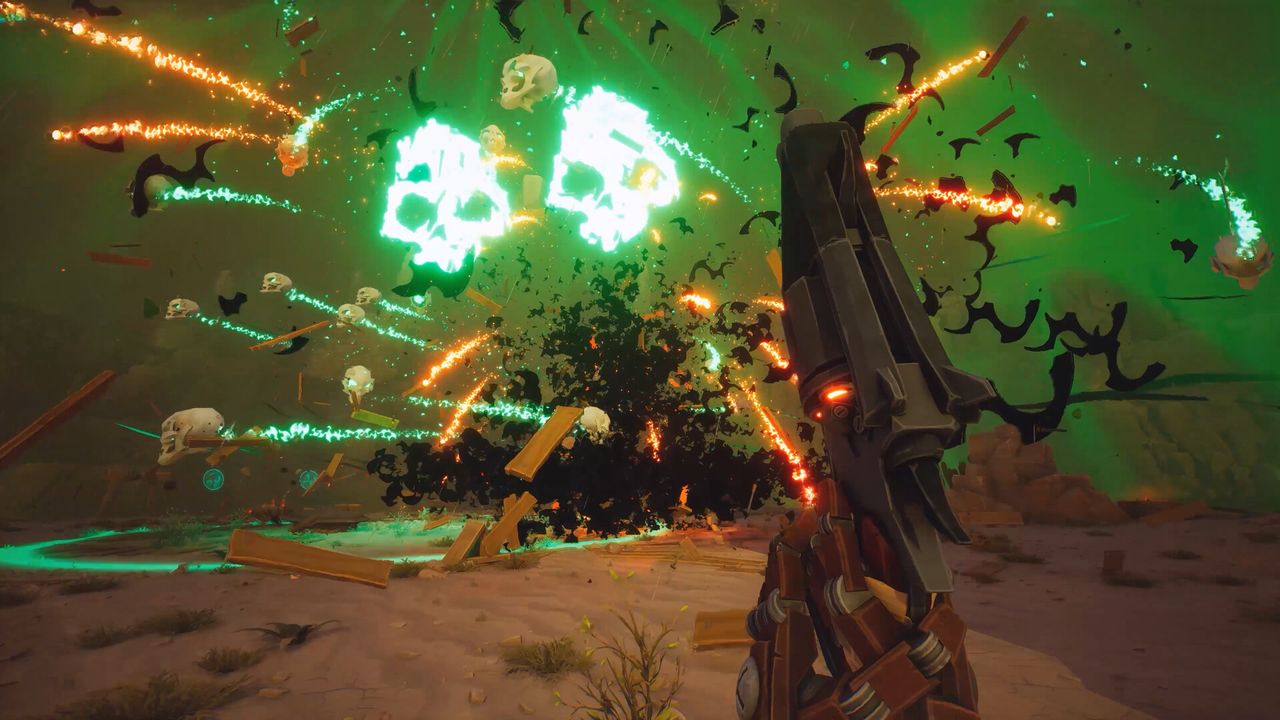 Whether stemming a tide of Tyranids in Warhammer 40:000: Space Marine 2 or whaling on one of Left 4 Dead's chargers to make it stop pummeling your pal, the best co-op games thrive when you're hard-pressed to keep up. Far Far West, developer Evil Raptor's breakout co-op shooter, is no exception. It's equal parts maximalist and stubbornly simple, pitting spellcasting robot cowboys against escalating hordes of supernatural cowpokes – accompanied by the greatest (and first) techno-banjo soundtrack I've ever heard.
 To dig into Far Far West's creation, inspirations, and the philosophy driving the small team at Evil Raptor, GamesRadar+ caught up with developer Arnaud Petit.
Questions and answers have been lightly edited for clarity
Goin' out West
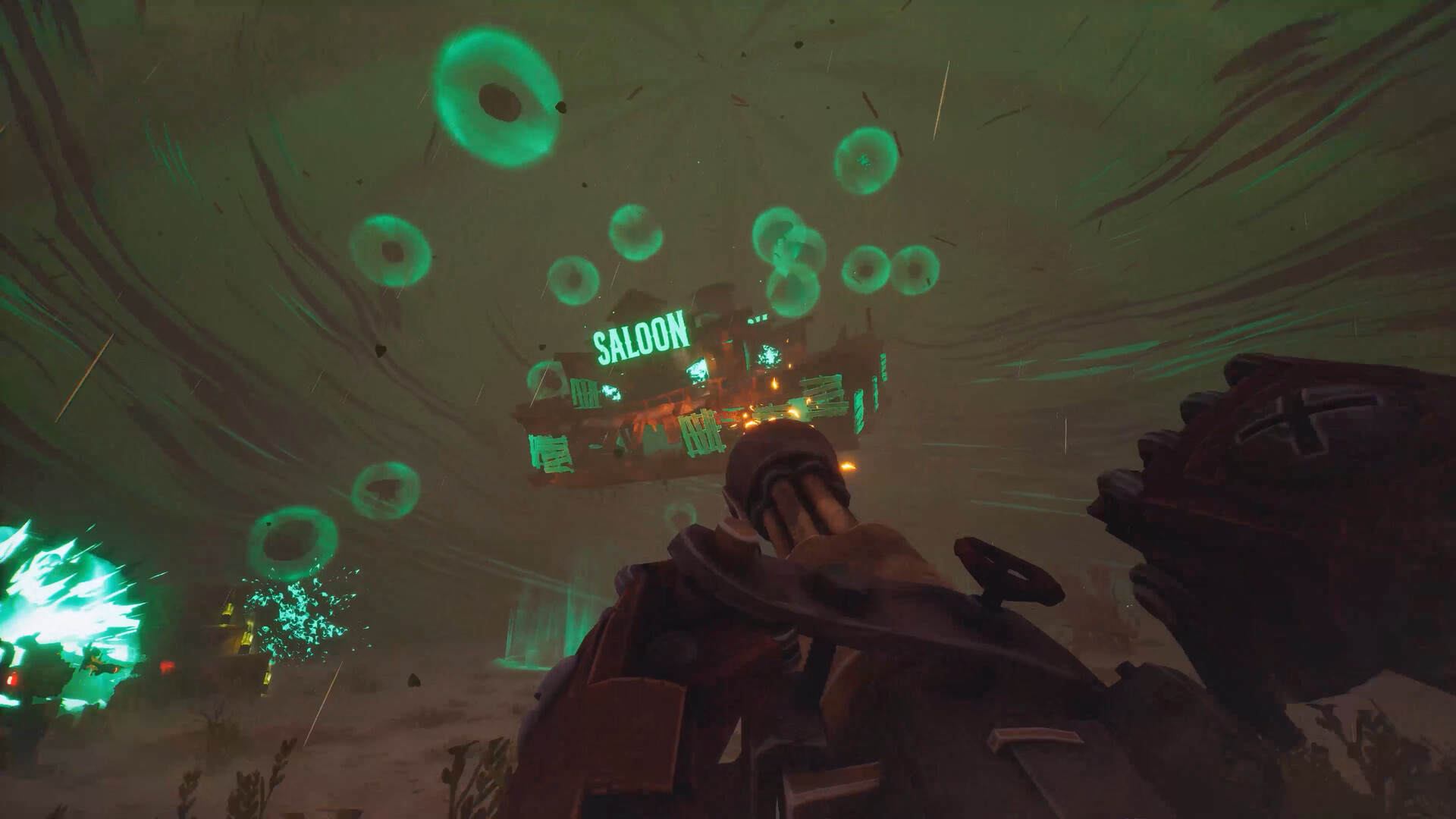
(Image credit: Fireshine Games) Set your sights on these
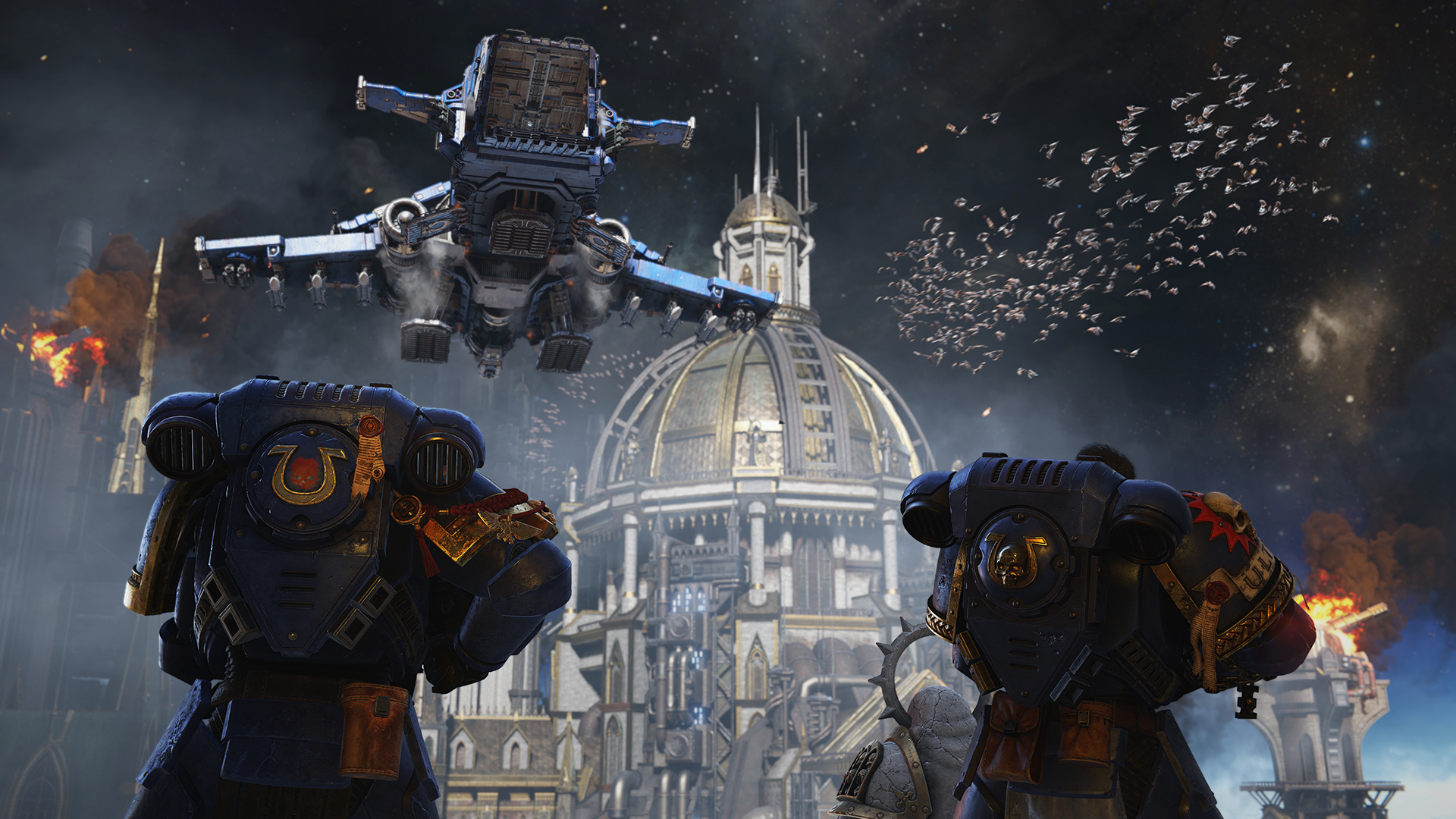
(Image credit: Focus Entertainment) Here are 25 of the best shooters we'd recommend playing (if you haven't already)
How did the development team come together?
Petit: Evil Raptor was born out of Pumpkin Jack back in 2020, when Nicolas, the head of the studio, was solo-developing the game. Following its success, we had the opportunity to hire more people and become more ambitious with our projects. Most of the current team already worked together on our previous title, Akimbot. So, transitioning to Far Far West was just a natural continuation of our work as a group, with a few new additions to ensure we could make the game as good as possible.
Similarly, how did the creative vision of Far Far West take shape?
Petit: The art direction, the atmosphere, mood, and overall fantasy come from Nicolas, who is incredibly skilled at creating spooky and moody vibes. As for the concept of spell-slinging robots fighting skeletons… honestly, it's just cool. Gameplay-wise, our main objective was to create a fun (a very important word for us!) experience that anyone could enjoy, from casual to more hardcore gamers.
Far Far West actually went through three major iterations. Our first prototype was a fresh take on tower defense, and the second leaned into a linear, mission-based structure similar to games like Left 4 Dead. When we realized those directions weren't clicking the way we wanted, we decided to take our best ideas, throw them all in the same bag, and focus entirely on tight gunplay, funny spells, and wacky combos. We mixed it all into a replayable game loop, and the game finally found its footing! While we had a solid foundation, we iterated heavily and integrated player feedback right from the start, which really helped shape the game into what it is today.
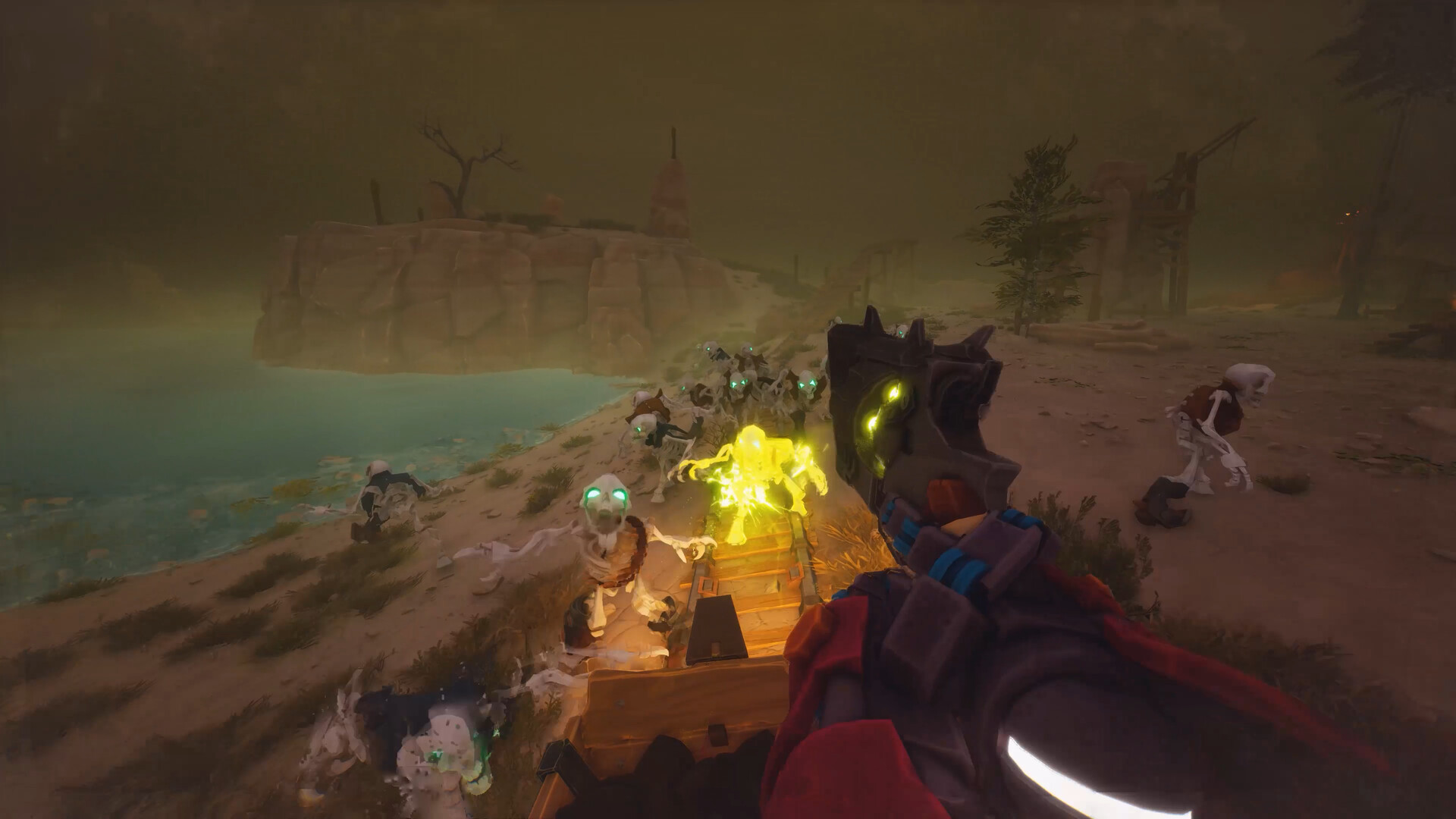
(Image credit: Evil Raptor) Far Far West had a lot of hype at the demo stage, but that doesn't always translate to launch. Ahead of release, how did you feel? How about now?
Petit: Running several open playtests followed by a demo with open reviews definitely helped ease our nerves, as we could see people were enjoying the game. However, since the demo was free at the time, it was impossible to know if that interest would translate into actual sales at launch. Thankfully, it did! We honestly didn't expect the full release to be received this well, nor did we anticipate such a high player count. We couldn't be happier with its success! Now, we're back hard at work and can't wait to bring more content to the players.
Far Far West reminds me of some brilliant co-op shooters – think Space Marine 2, Left 4 Dead 2, Borderlands – more so in spirit than design . What do you think creates the right environment for a shooter to thrive in a group environment?
Petit: For us, the key word is simply fun. Everybody loves wacky concepts and flying around the map at lightspeed, so we thought, 'Why not let them?'. Once we ensured the gunplay felt satisfying and the core loop was engaging, there were still a lot of things to consider. But our philosophy is straightforward: if we think an idea is fun for us, we don't hesitate to implement it for the players.
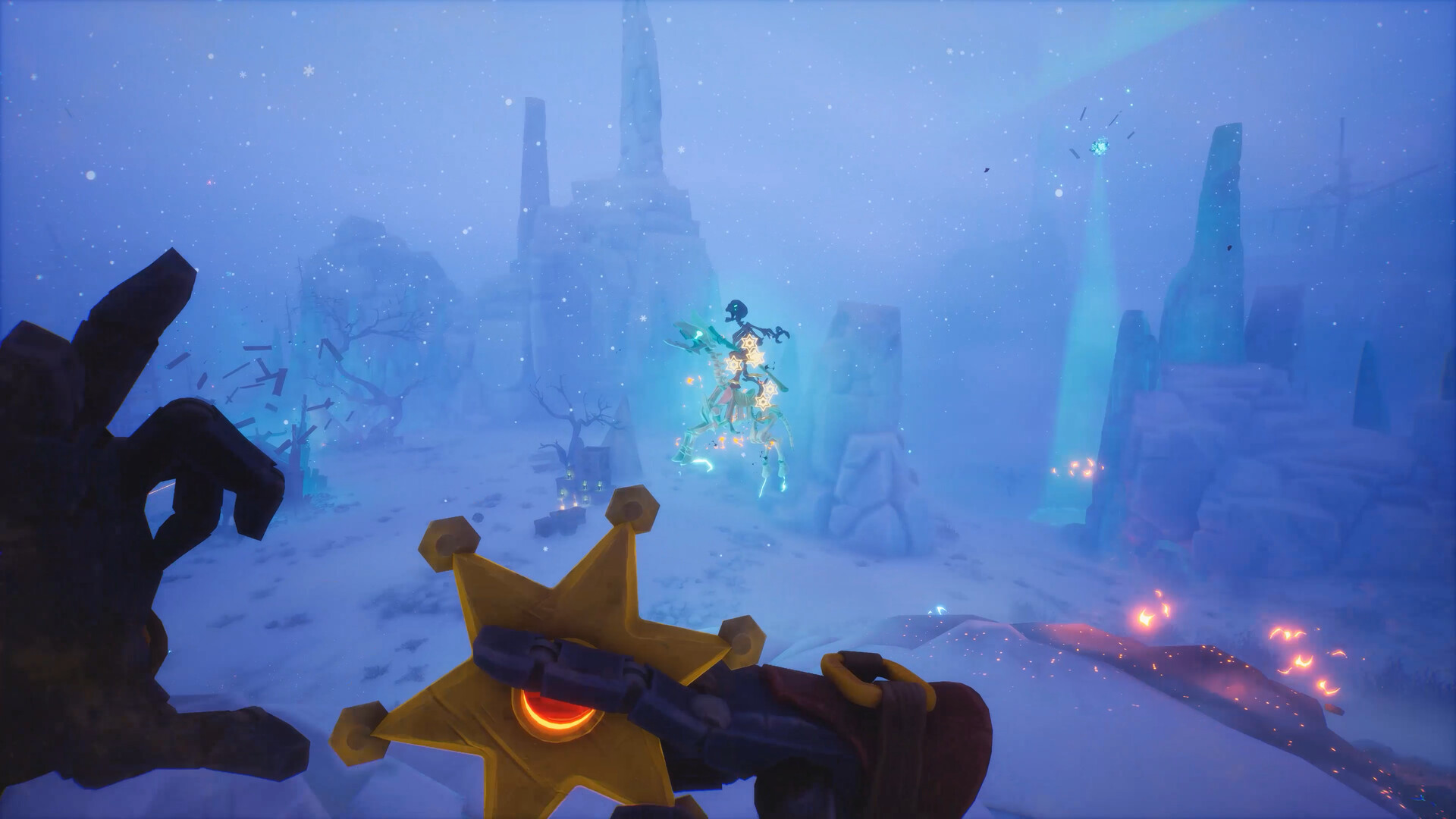
(Image credit: Evil Raptor) I adore the music, particularly that crescendo in the final stage of an extraction. Could you tell me a little about why Far Far West's musical direction felt right? (Bonus question: would you like to name your electro-gothic-Western genre, if you haven't already?)
Petit: Like with pretty much everything we do, we just went with a vibe, and that vibe perfectly matched the rhythm of the game. Our composer also did the OST for our previous game, Akimbot, which was heavily electro-based. Since that's his specialty, we wanted to carry that energy over. You just slam some banjo over it, think cowboys, and you get this "electro banjo bop." Not tying ourselves to a specific name or genre keeps the door open to pretty much anything, so we're just going with the flow!
Are there any other developers – solo or studio – that you look up to?
Petit: There are obviously a few names that constantly come up when people compare Far Far West to other titles, like Helldivers 2 or Deep Rock Galactic. They are staples of the co-op shooter space, and they both did an excellent job defining the genre in their own unique ways. When it comes to the gunplay itself, I also have to mention Overwatch. They did an incredible job making shooting feel as satisfying as possible for an FPS, and we definitely studied their animations closely!
If you liked this...
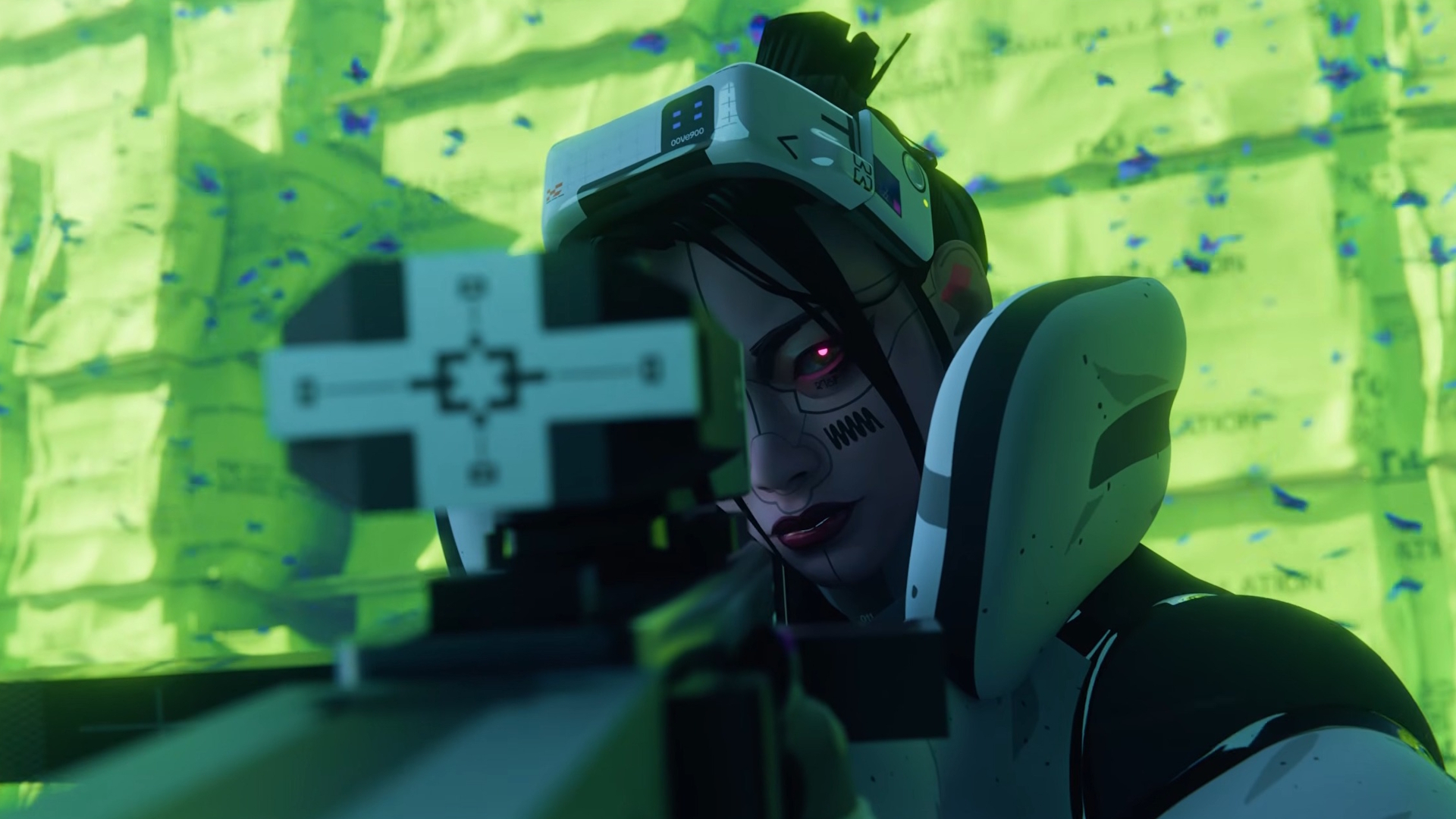
The future of multiplayer shooters
Developers on Marathon, Arc Raiders, and Last Flag take GamesRadar+ through the evolution of their genre 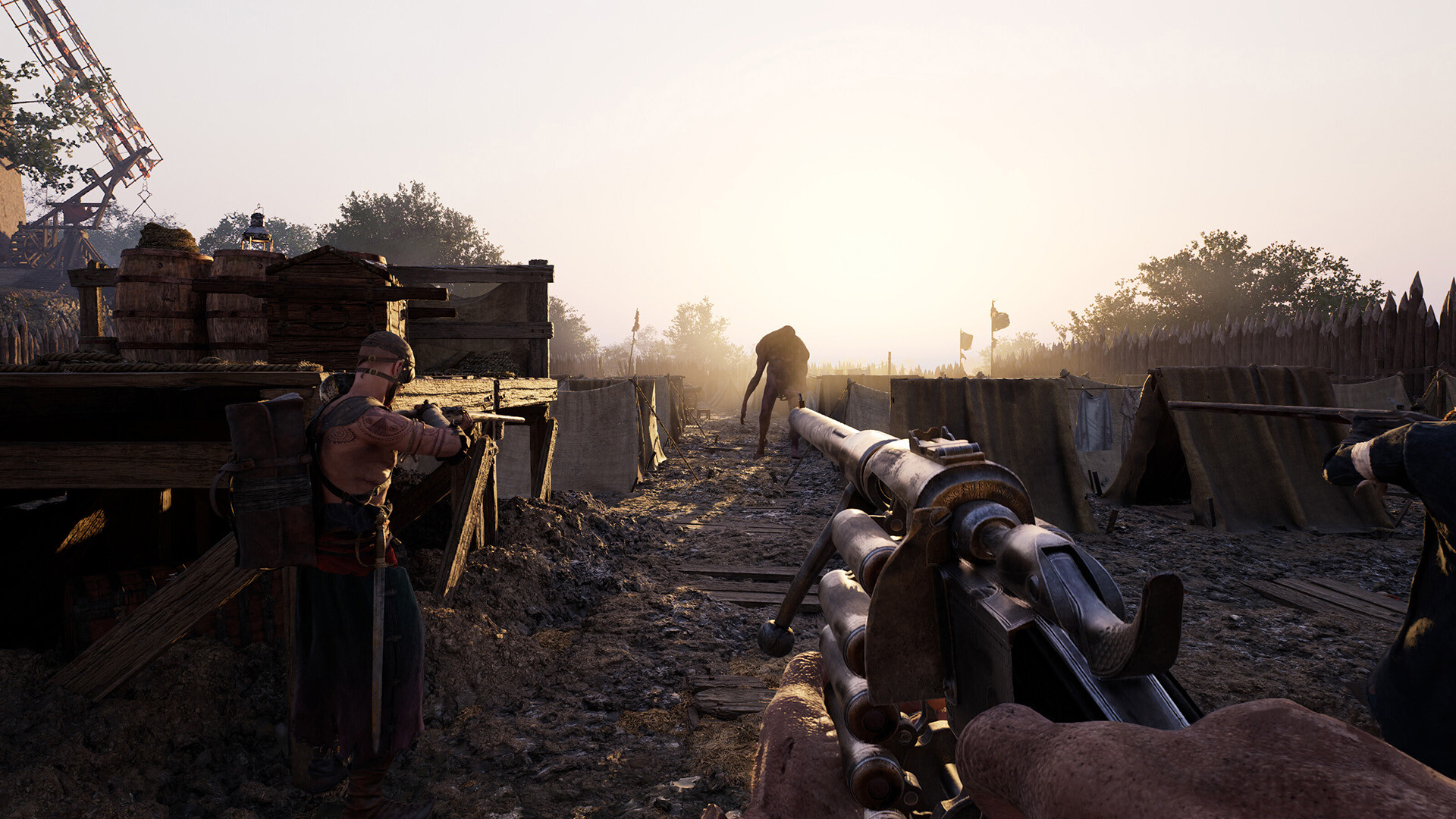
Hunger is an "Elder Scrolls-style" extraction RPG from the creators of Hell Let Loose
We sat down for an exclusive hands-on with the "extraction RPG" set in Napoleonic Europe 
Why so many game developers don't want to use generative AI
GamesRadar+ spoke to more than 30 developers to hear their thoughts on AI [/url] What's Your Reaction?








XINKER - Business and Income Tips
Explore XINKER, the ultimate platform for mastering business strategies, discovering passive income opportunities, and learning success principles. Join a community of thinkers dedicated to achieving financial freedom and entrepreneurial excellence.

![[Business Talk] Chagee: Opening 3,500 stores in 6 years](https://xinker.org/uploads/images/202410/image_140x98_671afce94bf91.webp)