
![[PRO Tips] Gold’s Bullish Revival: Seasonal Trends and Key Levels to Watch](https://xinker.org/uploads/images/202412/image_430x256_67724cc6ad0cd.webp)
![[PRO Tips] Gold Market Under Short-Term Pressure, Safe-Haven Demand and Central Bank Buying Support Long-Term Upside Potential](https://xinker.org/uploads/images/202412/image_430x256_676ffb4685287.webp)
![[PRO Tips] Analysis of 9 key points of differentiation strategy! Master differentiation to create a brand advantage that is unique in the world!](https://firebasestorage.googleapis.com/v0/b/xinker-tips.appspot.com/o/article_thumbnails%2Fscaled_differentiation%20strategy.png.png?alt=media&token=a1bfc3d2-e85a-4db7-8a6d-01c7274f8940)
![[PRO Tips] Will REITs regain growth momentum in 2024? 3 REITs ETFs you must know if you want to invest in real estate.](https://firebasestorage.googleapis.com/v0/b/xinker-tips.appspot.com/o/article_thumbnails%2Fscaled_REITs1.png.png?alt=media&token=8af4eb93-33ff-466f-8039-b6555fad52b4)
![[PRO Tips] Complete tutorial on how to make money in Adobe Stock!](https://firebasestorage.googleapis.com/v0/b/xinker-tips.appspot.com/o/article_thumbnails%2Fscaled_tut-adobe1.png.png?alt=media&token=0b2c8cf2-22bd-4142-883e-140ed1cbaf02)
![[Passive Income] Unlock the secret of passive income: 3 steps to apply for Google AdSense](https://xinker.org/uploads/images/202410/image_430x256_6717a4fb3052b.webp)
![[Passive Income] Earn over $200 a day with AI-generated articles!](https://firebasestorage.googleapis.com/v0/b/xinker-tips.appspot.com/o/article_thumbnails%2Fscaled_article1.png.png?alt=media&token=f61bf35b-8553-4719-826d-7360024adc70)
![[Passive Income] Earn over 20 USD per download with AI-generated images!](https://firebasestorage.googleapis.com/v0/b/xinker-tips.appspot.com/o/article_thumbnails%2Fscaled_adobe2.png.png?alt=media&token=3e20e76a-a907-45af-80aa-bf9b3600301f)
![[Passive Income] Earn 10 USD per new download by sharing CapCut!](https://firebasestorage.googleapis.com/v0/b/xinker-tips.appspot.com/o/article_thumbnails%2Fscaled_capcut2.png.png?alt=media&token=a04dec40-1fac-4857-86f2-19a8be02d38e)
![[Passive Income] Use your WiFi to create passive income in 5 minutes, and you can earn 4-6 U per day!](https://firebasestorage.googleapis.com/v0/b/xinker-tips.appspot.com/o/article_thumbnails%2Fscaled_Grassio.webp.png?alt=media&token=7659a95e-0e47-4f27-a17d-c942ac3cf7f4)


![[Business Talk] The Unique Theme of XINKER's Song: Beef Wellington and Business Mastery](https://xinker.org/uploads/images/202410/image_430x256_671afc155f47f.webp)
![[Business Talk] Chagee: Opening 3,500 stores in 6 years](https://xinker.org/uploads/images/202410/image_430x256_671afce80c5f9.webp)


Denuvo games are getting cracked en masse—and I’m scared to think what intrusive DRMs publishers will come up with next
Once upon a time, Denuvo was considered the final boss of anti-piracy protections, one that would usher in a pirateless age where people would be forced to purchase games if they wanted to play them, with cracks a thing of the past. And though that held water for a good while, the invasive DRM has been slowly but surely losing its grip, and with the emergence of new scene groups, odds are that it'll become nearly irrelevant. But that could actually be horrible, since publishers will no doubt start searching for better, stronger anti-piracy measures, some of which might cost us what little is left of our dear privacy. Not that Denuvo wasn't intruding on our machines already. I won't specify who or where these cracks were made for obvious reasons, but recently Doom: The Dark Ages, released last spring, got cracked the old-fashioned way. There was no bypass, no offline tokens, and no modern solutions to a modern problem: just a classic crack, the likes of which were once dominant in the software sphere. Resident Evil Requiem uses Denuvo, as do most of Capcom's new games. Image via Capcom And cracks like these are speeding up, taking on Denuvo's most modern and advanced versions, DRM solutions at once believed impossible to penetrate. As the years have gone by, Denuvo Anti-Tamper has fixed most of the vulnerabilities that were once used to bypass it, but it seems scene groups have only grown more vigilant and managed to break through even the most sophisticated walls Denuvo has put up. Its complex nature has made it the go-to DRM for major publishers, with franchises like Resident Evil, Battlefield, Monster Hunter, Civilization, and many, many others utilizing this solution to protect themselves from those pesky pirates who do not want to dish out $70 or $80 for games. It has proven rather effective, too, as piracy experienced a sharp decline over the last few years, as many known crack groups simply gave up on trying to solve what seemed beyond solving. Of course, this level of protection came at a cost. Denuvo runs numerous checks while you're playing the game, and, combined with additional layers of protection, tends to significantly drag performance down, usually on the CPU side. Players have been complaining about Denuvo's intrusive nature and numerous anti-tamper solutions hampering performance, leading to many publishers abandoning the DRM once it ran its course and sales started dwindling. It also led to situations where pirated Denuvo games (which are now sharply on the rise) performed better than their paid counterparts because there were no Denuvo or other DRM checks running in the background, causing a huge uproar among paying customers, as happened with Resident Evil 4 recently. But with the best DRM on the market getting bested by pirates and scene groups, a problem could arise that would fundamentally damage the current video game market, at least when it comes to major publishers who can afford it. A new solution will probably arise, one that is even harder or even borderline impossible to crack, further reducing our performance and, what's also very likely given the state of the world, intruding on our privacy at the deepest level. Games like Final Fantasy XVI saw major performance boosts once Denuvo had been removed. Image via Square Enix Kernel-level anti-cheats are already a controversial solution, with privacy-oriented companies like Valve refusing to implement them. They operate at the lowest level of your machine and are the closest thing we have to what this potential new DRM would look like. I'd even go on to say that if a new DRM comes as a result of Denuvo's failures, it'll maybe even operate at a BIOS level, able to oversee every single operation on your machine and blocking almost every attempt at a bypass. That'll be a dreadful day, and I'm actually dreading it already. I have never been a fan of DRMs in my life, thinking them to be band-aid solutions to made-up problems. Valve's Gabe Newell once said piracy was a service problem rather than a money one, and I'm inclined to believe so. If you make a good game with a justified price, people are going to buy it no matter what. In fact, pirates will probably try the game out, see that the paid version is better in every conceivable way (or like a game enough), and then go and purchase it. Sure, this won't always be the case, but I'm inclined to believe it'll happen more often than not. Publishers today are rather scared that their games will be pirated, putting a dent in their quarterly earnings, instead of looking into ways to make the paid experience much, much better than a pirated one. With Denuvo, pirated versions of games work better, especially singleplayer ones, and God help us if my hypothetical DRM comes to exist at some point. The post Denuvo games are getting cracked en masse—and I’m scared to think what intrusive DRMs publishers will come up with next appeared first on Destructoid.

Once upon a time, Denuvo was considered the final boss of anti-piracy protections, one that would usher in a pirateless age where people would be forced to purchase games if they wanted to play them, with cracks a thing of the past. And though that held water for a good while, the invasive DRM has been slowly but surely losing its grip, and with the emergence of new scene groups, odds are that it'll become nearly irrelevant.
But that could actually be horrible, since publishers will no doubt start searching for better, stronger anti-piracy measures, some of which might cost us what little is left of our dear privacy. Not that Denuvo wasn't intruding on our machines already.
I won't specify who or where these cracks were made for obvious reasons, but recently Doom: The Dark Ages, released last spring, got cracked the old-fashioned way. There was no bypass, no offline tokens, and no modern solutions to a modern problem: just a classic crack, the likes of which were once dominant in the software sphere.
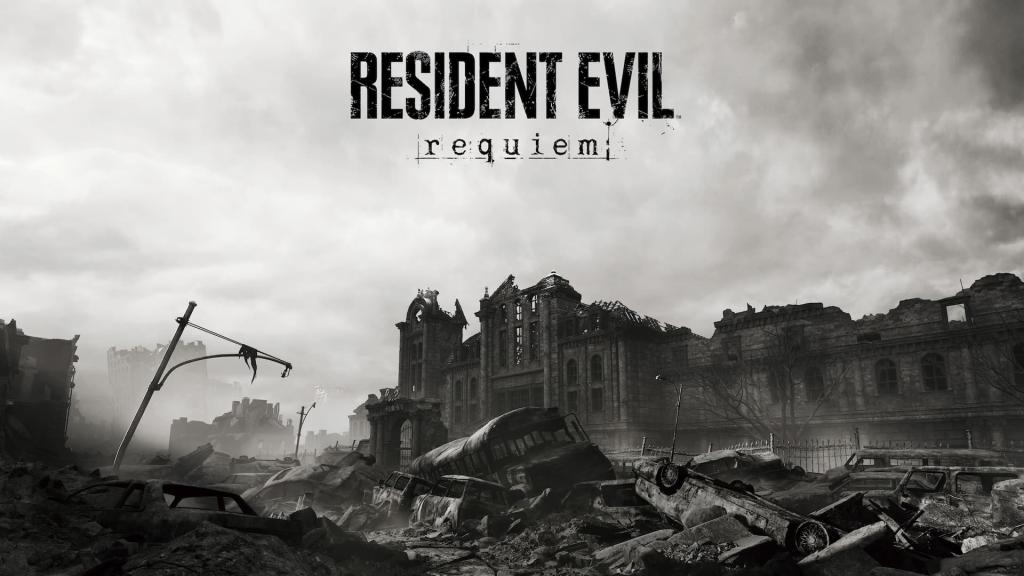 Resident Evil Requiem uses Denuvo, as do most of Capcom's new games. Image via Capcom And cracks like these are speeding up, taking on Denuvo's most modern and advanced versions, DRM solutions at once believed impossible to penetrate. As the years have gone by, Denuvo Anti-Tamper has fixed most of the vulnerabilities that were once used to bypass it, but it seems scene groups have only grown more vigilant and managed to break through even the most sophisticated walls Denuvo has put up.
Its complex nature has made it the go-to DRM for major publishers, with franchises like Resident Evil, Battlefield, Monster Hunter, Civilization, and many, many others utilizing this solution to protect themselves from those pesky pirates who do not want to dish out $70 or $80 for games. It has proven rather effective, too, as piracy experienced a sharp decline over the last few years, as many known crack groups simply gave up on trying to solve what seemed beyond solving.
Of course, this level of protection came at a cost. Denuvo runs numerous checks while you're playing the game, and, combined with additional layers of protection, tends to significantly drag performance down, usually on the CPU side. Players have been complaining about Denuvo's intrusive nature and numerous anti-tamper solutions hampering performance, leading to many publishers abandoning the DRM once it ran its course and sales started dwindling.
It also led to situations where pirated Denuvo games (which are now sharply on the rise) performed better than their paid counterparts because there were no Denuvo or other DRM checks running in the background, causing a huge uproar among paying customers, as happened with Resident Evil 4 recently.
But with the best DRM on the market getting bested by pirates and scene groups, a problem could arise that would fundamentally damage the current video game market, at least when it comes to major publishers who can afford it. A new solution will probably arise, one that is even harder or even borderline impossible to crack, further reducing our performance and, what's also very likely given the state of the world, intruding on our privacy at the deepest level.
 Games like Final Fantasy XVI saw major performance boosts once Denuvo had been removed. Image via Square Enix Kernel-level anti-cheats are already a controversial solution, with privacy-oriented companies like Valve refusing to implement them. They operate at the lowest level of your machine and are the closest thing we have to what this potential new DRM would look like. I'd even go on to say that if a new DRM comes as a result of Denuvo's failures, it'll maybe even operate at a BIOS level, able to oversee every single operation on your machine and blocking almost every attempt at a bypass.
That'll be a dreadful day, and I'm actually dreading it already.
I have never been a fan of DRMs in my life, thinking them to be band-aid solutions to made-up problems. Valve's Gabe Newell once said piracy was a service problem rather than a money one, and I'm inclined to believe so. If you make a good game with a justified price, people are going to buy it no matter what. In fact, pirates will probably try the game out, see that the paid version is better in every conceivable way (or like a game enough), and then go and purchase it.
Sure, this won't always be the case, but I'm inclined to believe it'll happen more often than not.
Publishers today are rather scared that their games will be pirated, putting a dent in their quarterly earnings, instead of looking into ways to make the paid experience much, much better than a pirated one.
With Denuvo, pirated versions of games work better, especially singleplayer ones, and God help us if my hypothetical DRM comes to exist at some point.
The post Denuvo games are getting cracked en masse—and I’m scared to think what intrusive DRMs publishers will come up with next appeared first on Destructoid.
What's Your Reaction?








XINKER - Business and Income Tips
Explore XINKER, the ultimate platform for mastering business strategies, discovering passive income opportunities, and learning success principles. Join a community of thinkers dedicated to achieving financial freedom and entrepreneurial excellence.