



Under The Hood: UI/UX QA
Today, we're taking you behind the scenes of the development of Euro Truck Simulator 2 and American Truck Simulator to explore another important part of the process that helps shape your experience on the road. This time, we're shining a spotlight on UI/UX QA and its role in creating intuitive, enjoyable, and polished interfaces for our players.To guide you through this fascinating area, we'd like to introduce Petr and Jan from our UI/UX QA team. They'll take you along for a day at work, explain what their role involves, and share how they help ensure every menu, button, and interaction feels just right before it reaches your screen.Petr - Console & UI/UX QA Lead"Hi! My name is Petr, and I work as the Console & UI/UX QA Lead. Together with my colleagues, I helped build two teams that now play a key role in ensuring our games both function well and deliver a great user experience.We are responsible for both Euro Truck Simulator 2 and American Truck Simulator across all platforms, including traditional PC, Steam Deck, VR, PlayStation, and Xbox Series X/S. In addition to the games themselves, we're also heavily involved in testing projects such as Driving Academy, Coaches, and Road Trip.My work mainly revolves around coordination, planning, and analysing testing results. I collaborate closely with other teams to identify and resolve bugs or UX issues as early as possible. My goal is to organise our processes so that the entire team can work efficiently and stay focused without unnecessary pressure before every new patch or DLC release.I also actively test everything my team works on. Not only do I genuinely enjoy testing, but I also see it as a major advantage. Being directly involved in the entire process allows me to better identify areas where we can continue improving and moving forward as a team.I'm always there to support my team whenever they're unsure about something or need advice, and I make a conscious effort to maintain a positive, friendly atmosphere where everyone enjoys working together."Jan - Senior UI/UX Tester"Hi, I'm Jan, and I'm a Senior UI/UX Tester with a primary focus on playtesting. I'm 31 years old, and I've been at SCS Software for two years. I originally joined the company as a Junior Tester without a specific specialisation, but once I settled into the team and got to know our development process, I quickly discovered a passion for user experience.With the support and guidance of Petr, who was already a senior at the time, I helped establish our playtesting process and have been refining it ever since."What is UI/UX QA?"Before a new feature gets added to our games, it has to go through a long journey. And the UI/UX (User Interface/User Experience) is there along the way. Whether it's a new feature or a redesign of an existing one, it all starts with analysis and dialogue between us (QA department) and the Game Design (GD) department. For redesigns, we need to start by assessing the current state, what works, and where changes are needed, and for new features and redesigns alike, we need to think about where we want to arrive. Answers to these questions will then inform all future decisions."What does a typical UI/UX testing process look like, and how closely do you work with other teams?"In general, we try to be involved in the process of a feature development as soon as possible and cooperate with the GD department as closely as we can, so we're also a part of the next stage of the feature's journey, where we provide feedback on the design. This means looking at the design document and trying to think ahead, so we ask questions like: "Is this going to be intuitive? Is it clear that this is a button? Aren't we forgetting anything? What about accessibility? Will the text be legible on a smaller screen?" and many more. After some back and forth with the GD department, we arrive at a design that can then be implemented by a programmer.The first playable prototype is the point where we have to start sitting in two chairs at once. We still have to see the big picture - know the design, see how all the pieces fit, know why some decisions were made the way they were. But now, we can also see the game as a player seeing the feature for the first time. We have to become a player that is just starting out and has never played any other game before. A hardcore gamer who has played many games, but never a trucking simulator. Or a real-life trucker who plays our games on a handheld at their rest stops. Our games are played by a very wide audience, and the design has to work and be intuitive for all of them.At this stage, we identify further issues, offer improvements, and look for possible solutions together with the GD team and programmers working on the feature. After we feel confident enough with the state we arrive at, it's time to validate in the next stage.The next important part of the feature's journey is internal Playtesting. It's a great way of getting a fresh perspective from people
Today, we're taking you behind the scenes of the development of Euro Truck Simulator 2 and American Truck Simulator to explore another important part of the process that helps shape your experience on the road. This time, we're shining a spotlight on UI/UX QA and its role in creating intuitive, enjoyable, and polished interfaces for our players.

To guide you through this fascinating area, we'd like to introduce Petr and Jan from our UI/UX QA team. They'll take you along for a day at work, explain what their role involves, and share how they help ensure every menu, button, and interaction feels just right before it reaches your screen.
Petr - Console & UI/UX QA Lead
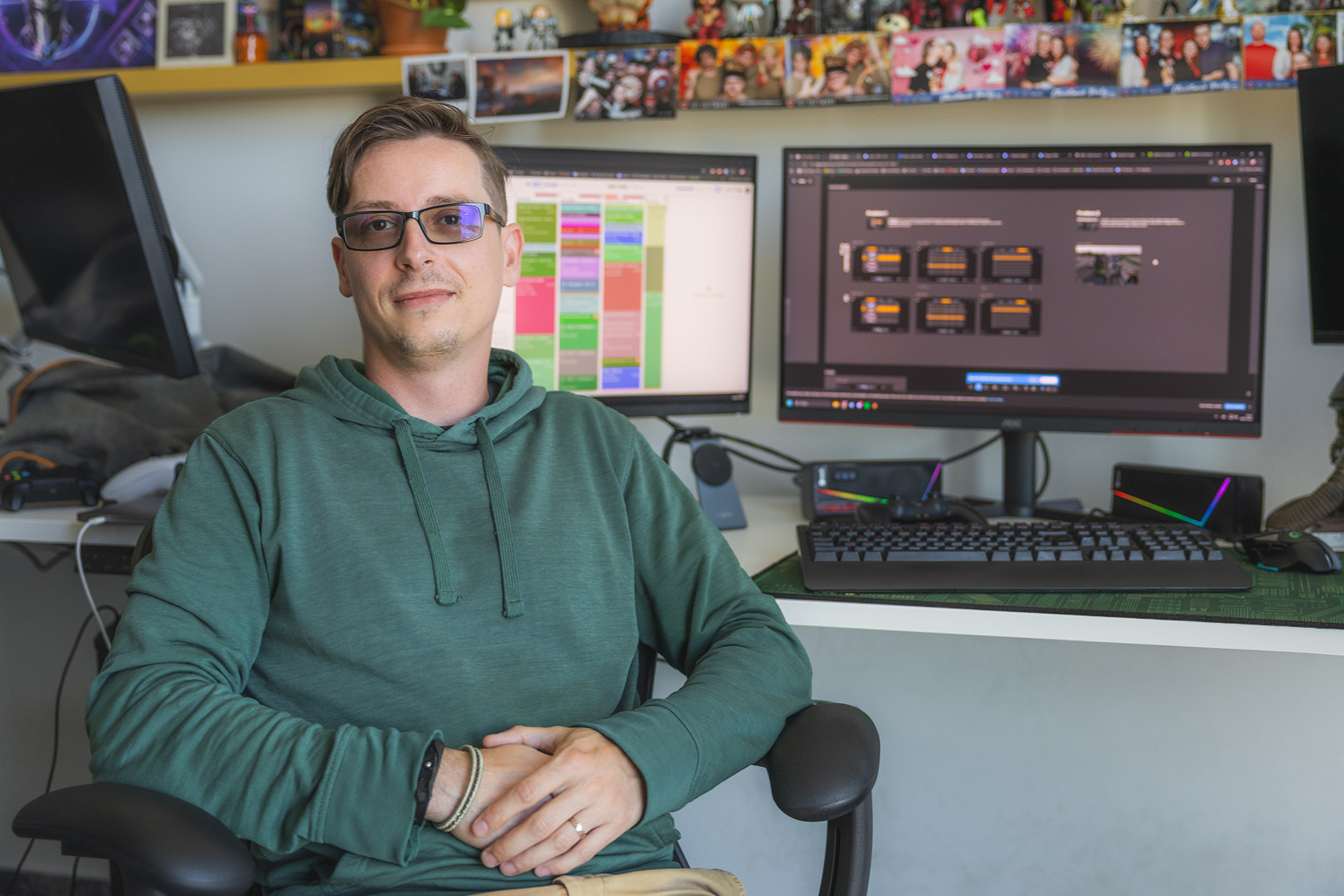
"Hi! My name is Petr, and I work as the Console & UI/UX QA Lead. Together with my colleagues, I helped build two teams that now play a key role in ensuring our games both function well and deliver a great user experience.
We are responsible for both Euro Truck Simulator 2 and American Truck Simulator across all platforms, including traditional PC, Steam Deck, VR, PlayStation, and Xbox Series X/S. In addition to the games themselves, we're also heavily involved in testing projects such as Driving Academy, Coaches, and Road Trip.
My work mainly revolves around coordination, planning, and analysing testing results. I collaborate closely with other teams to identify and resolve bugs or UX issues as early as possible. My goal is to organise our processes so that the entire team can work efficiently and stay focused without unnecessary pressure before every new patch or DLC release.
I also actively test everything my team works on. Not only do I genuinely enjoy testing, but I also see it as a major advantage. Being directly involved in the entire process allows me to better identify areas where we can continue improving and moving forward as a team.
I'm always there to support my team whenever they're unsure about something or need advice, and I make a conscious effort to maintain a positive, friendly atmosphere where everyone enjoys working together."
Jan - Senior UI/UX Tester
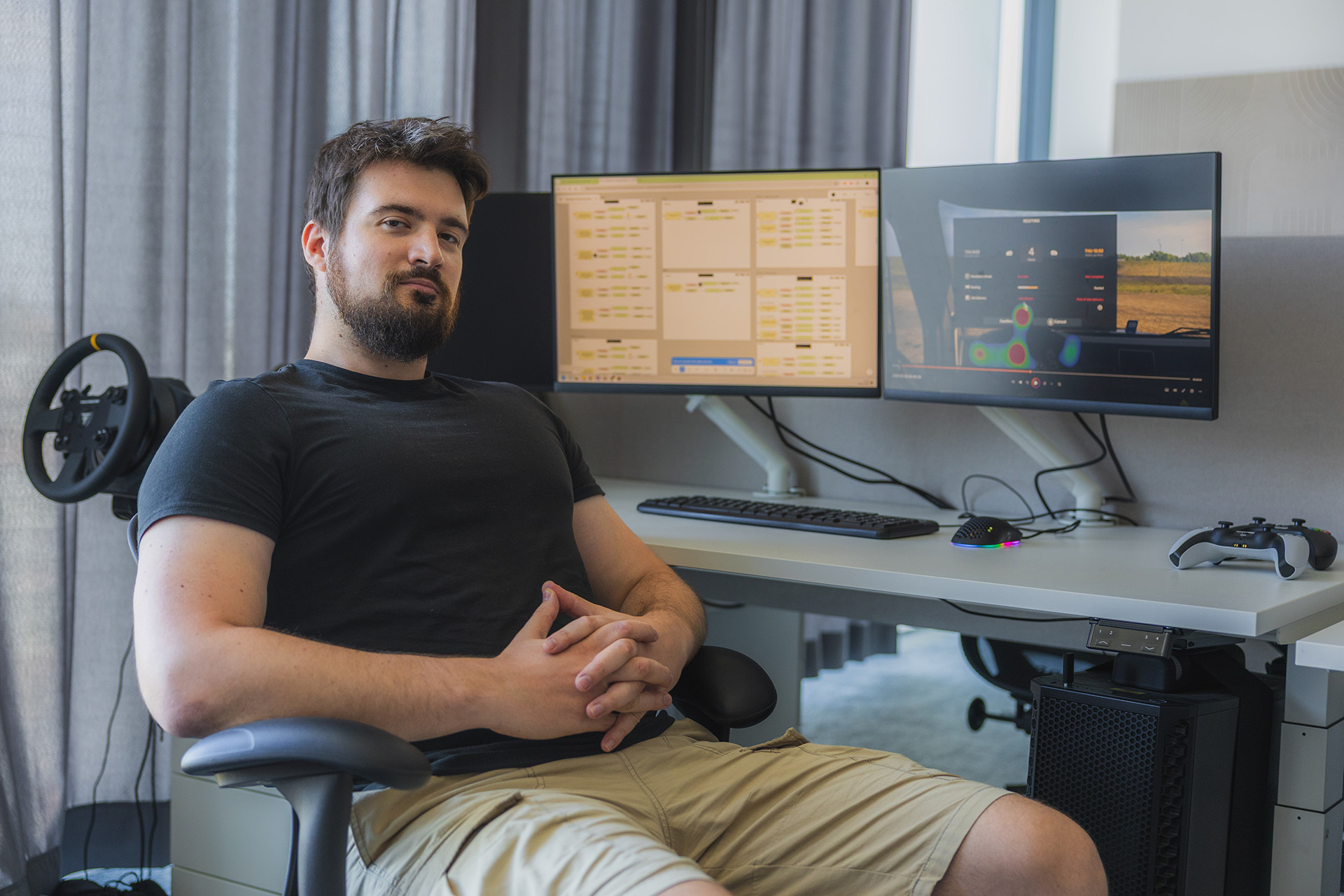
"Hi, I'm Jan, and I'm a Senior UI/UX Tester with a primary focus on playtesting. I'm 31 years old, and I've been at SCS Software for two years. I originally joined the company as a Junior Tester without a specific specialisation, but once I settled into the team and got to know our development process, I quickly discovered a passion for user experience.
With the support and guidance of Petr, who was already a senior at the time, I helped establish our playtesting process and have been refining it ever since."
What is UI/UX QA?
"Before a new feature gets added to our games, it has to go through a long journey. And the UI/UX (User Interface/User Experience) is there along the way. Whether it's a new feature or a redesign of an existing one, it all starts with analysis and dialogue between us (QA department) and the Game Design (GD) department. For redesigns, we need to start by assessing the current state, what works, and where changes are needed, and for new features and redesigns alike, we need to think about where we want to arrive. Answers to these questions will then inform all future decisions."
What does a typical UI/UX testing process look like, and how closely do you work with other teams?
"In general, we try to be involved in the process of a feature development as soon as possible and cooperate with the GD department as closely as we can, so we're also a part of the next stage of the feature's journey, where we provide feedback on the design. This means looking at the design document and trying to think ahead, so we ask questions like: "Is this going to be intuitive? Is it clear that this is a button? Aren't we forgetting anything? What about accessibility? Will the text be legible on a smaller screen?" and many more. After some back and forth with the GD department, we arrive at a design that can then be implemented by a programmer.
The first playable prototype is the point where we have to start sitting in two chairs at once. We still have to see the big picture - know the design, see how all the pieces fit, know why some decisions were made the way they were. But now, we can also see the game as a player seeing the feature for the first time. We have to become a player that is just starting out and has never played any other game before. A hardcore gamer who has played many games, but never a trucking simulator. Or a real-life trucker who plays our games on a handheld at their rest stops. Our games are played by a very wide audience, and the design has to work and be intuitive for all of them.
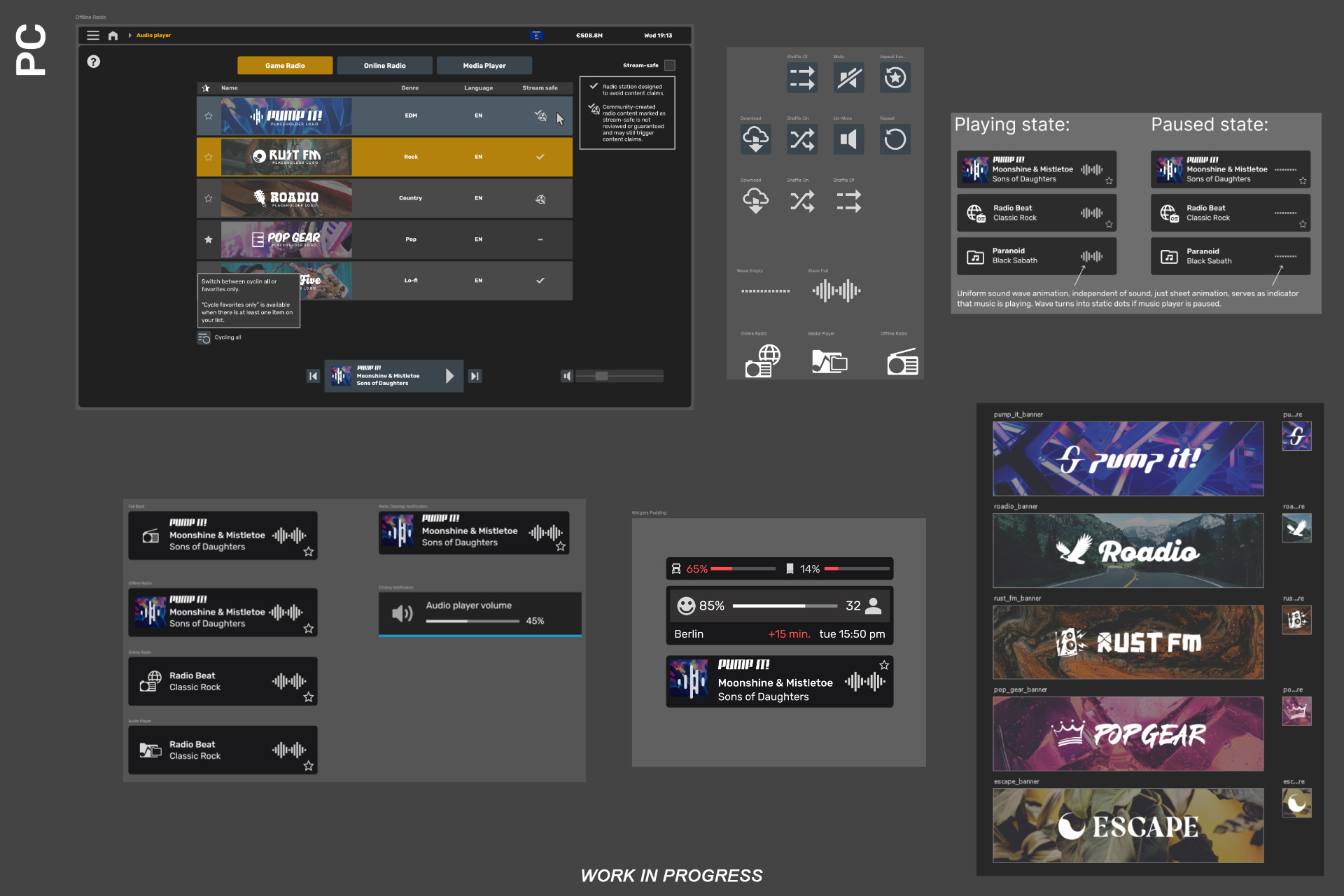
At this stage, we identify further issues, offer improvements, and look for possible solutions together with the GD team and programmers working on the feature. After we feel confident enough with the state we arrive at, it's time to validate in the next stage.
The next important part of the feature's journey is internal Playtesting. It's a great way of getting a fresh perspective from people from various parts of the company who haven't seen the design documents and ideally don't know anything about it. Before we start playtesting, we define the questions we want answers to: "Is this screen intuitive? Does it control all accessories well? Did the addition of X add any unnecessary friction?" Based on these questions, we prepare detailed scenarios for the respondents to go through, which will get them to engage with the (re)designed feature in ways that try to simulate a regular gameplay loop. We then invite the respondents to our Playtest Lab, where we guide them through the scenarios, observing their behaviour, reactions, taking down notes, and asking questions. We also utilise eye tracking, which gives us more insight about the players' focus, telling us which elements are observed first and which go by completely unnoticed.
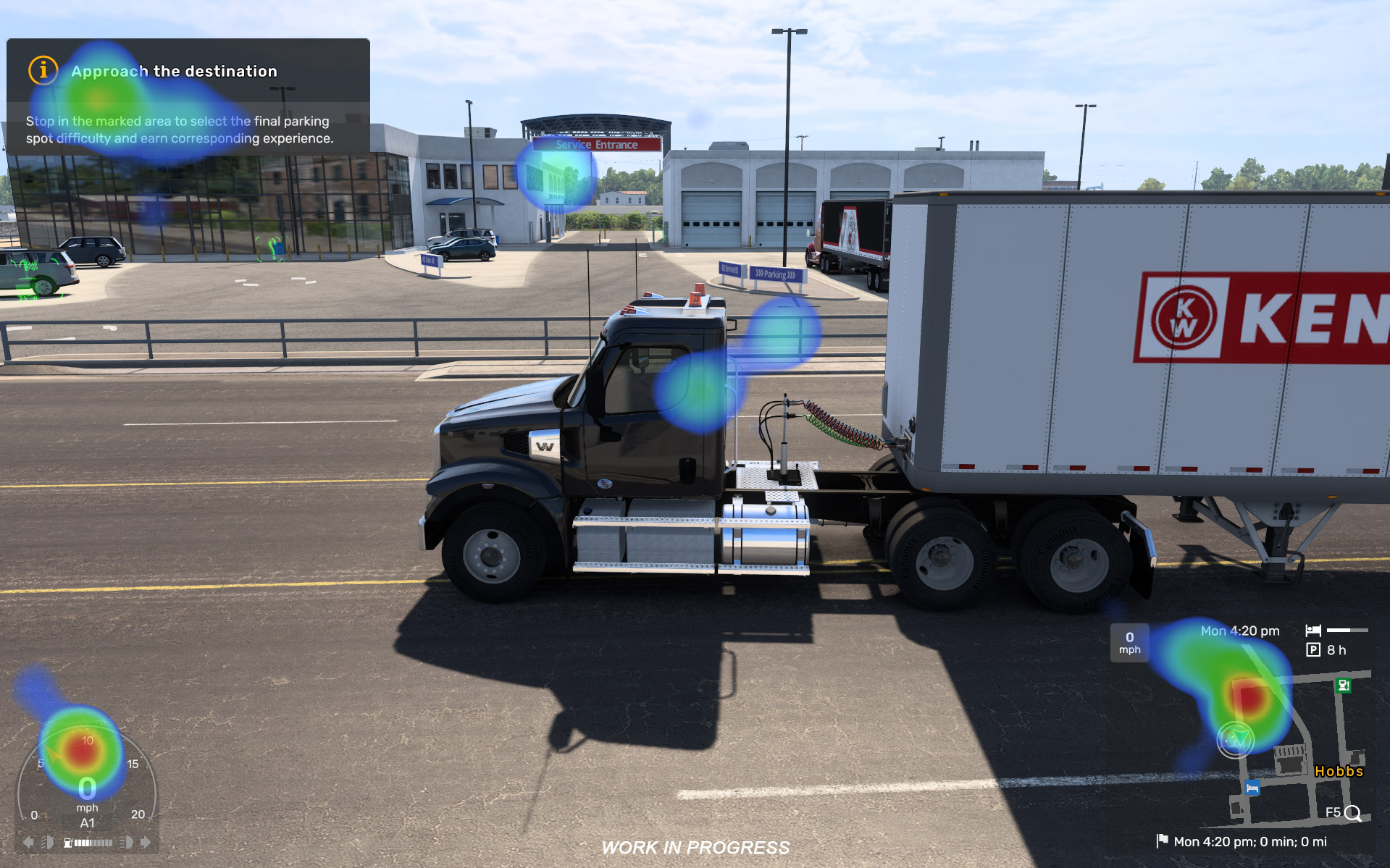
After the playtest ends, respondents also fill out a questionnaire, which allows them to think about the feature some more, further comment on it, and possibly come up with ideas of their own.
All of this gives us a lot of data that needs to be processed. For this, we use practices from applied research, so we start with qualitative coding, followed by thematic analysis with frequency counting. In layman's terms, we go through all the raw statements and observed behaviours and assign them to various categories, along with how often they were mentioned/observed. This helps us to identify recurring patterns and assign them to broader themes/issues.
We then prepare a final Output, which summarises the respondents' behaviour, reactions, opinions, identifies underlying issues, and proposes possible solutions.
The next steps depend on the results of the playtest. If we identify some deep issues that require big changes in the design, we have to go back to the drawing board, repeating the previous points, leading to another playtest to confirm the issues have been satisfactorily addressed. A good recent example is the redesigned Skip Time / Rest feature, which also divided Fatigue into two separate mechanics (Fatigue and Mandatory Break). During playtesting, we found out that this new division and its representation were very confusing to players, and the feature had to be redesigned completely, to great success (at least we hope so).
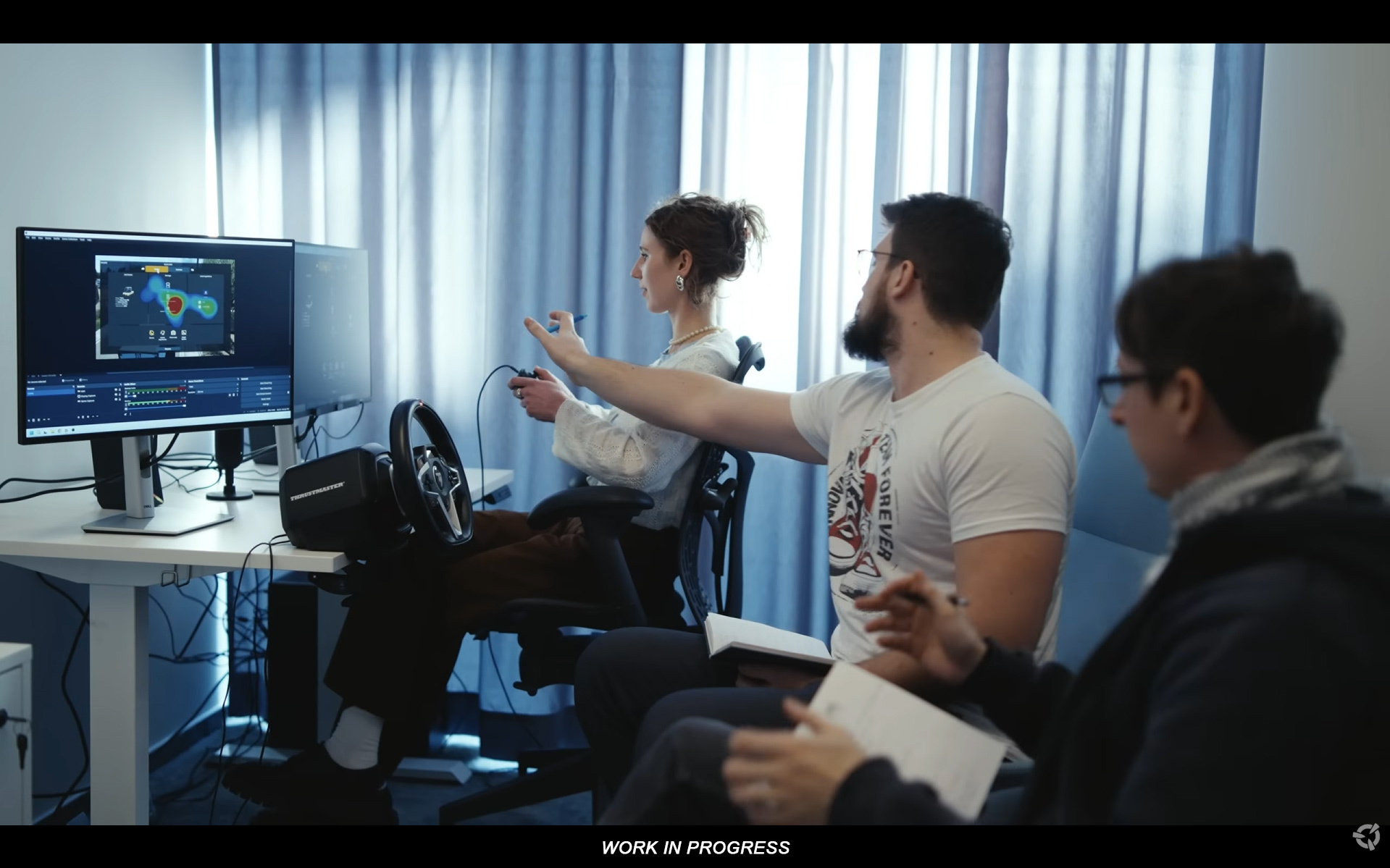
If, on the other hand, we only identify surface-level issues that require some polish, the GD department tackles those, and we can move on to the final testing of the feature.
In the final testing, we mostly focus on FQA - the design is largely set, and we're now making sure it all works as intended. As soon as this is done, the feature can be merged into the main branch, where the Integration QA department takes over, making sure the feature itself survived the merge in its intended state and didn't break anything else along the way, but that's for another chapter."
What do you enjoy most about working on UI/UX?
Petr: "What do I enjoy the most? That's a tough question. In short, pretty much everything! Everyone on our team is passionate about games of all kinds and genres, so having the opportunity to contribute our own ideas and suggestions for Euro Truck Simulator 2 and American Truck Simulator is incredibly rewarding.
At SCS, we often do things our own way, which makes the work especially enjoyable. At the same time, we always keep our players at the heart of every decision. When developing new gameplay features, it's easy for designers to unintentionally fall into "tunnel vision." Our job is to challenge that perspective and bring in a fresh set of eyes. We think about our experienced truckers, but we never forget players who are just starting out. Looking at the game's interface from many different perspectives is both a key part of our work and one of its most creative aspects.
We put our all into making our games as accessible as possible while ensuring they remain just as fun to play."
Jan: "I like how it combines technical and human aspects. User experience is mostly an interaction between a human and a machine, and you have to make them understand each other.
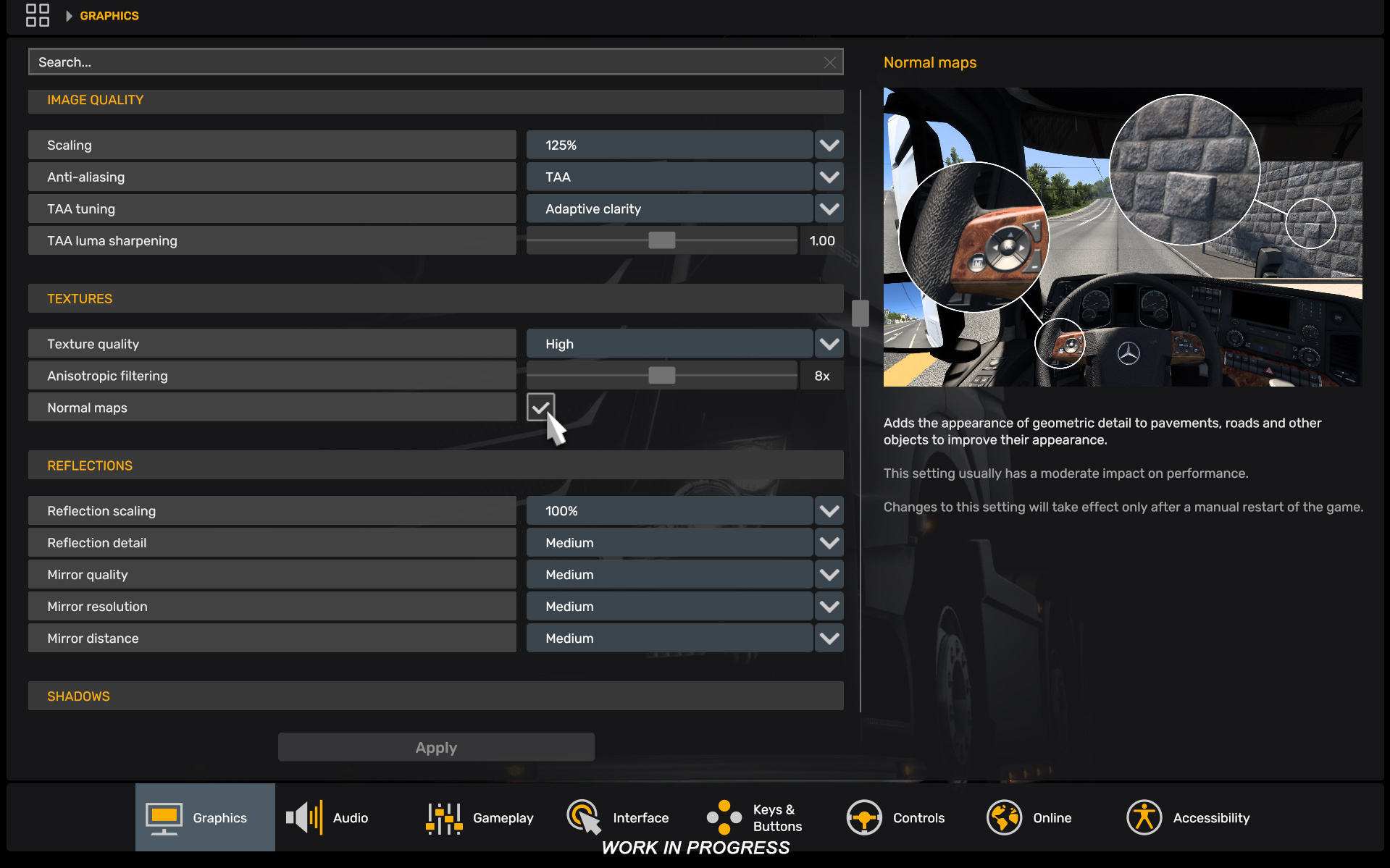
The first project I came up with and delivered was the Graphics Settings screenshot representation to make it easier for players to see the changes they're making when setting up the visuals of their game, and that's the perfect example of what I mean - I'm interested in how things work under the hood, but also how the player perceives and understands them."
What message would you like to share with our community, and how valuable is player feedback in helping improve the user experience?
"Player feedback is incredibly important to us and a constant source of inspiration. We're genuinely happy to see more and more initiatives being built around your feedback here at SCS. I want to assure you that we truly do read your comments, ideas, and suggestions carefully, not just our UI/UX team, but the entire studio.
It's clear how much all of you who engage with us care about our games, and we feel exactly the same way. We love Euro Truck Simulator 2 and American Truck Simulator, and we want to keep making them better and better. We genuinely want to know what you enjoy, what you'd like to see added, and what you think could be improved. We've already received an incredible amount of feedback. I wish you could see the extensive documents where we carefully collect and organise all of your ideas and requests.
Unfortunately, we can't implement every suggestion. There can be many reasons that aren't immediately obvious, such as engine limitations, limited internal resources, technical constraints within our game systems, licensing agreements, and more. But please, keep talking to us! Your feedback never goes unnoticed. It's thanks to you that we're able to continue on this journey and keep making the experience even better together.
Thank you to everyone who's travelling this exciting road with us!"
你覺得這篇文章如何?