![[PRO Tips] Gold’s Bullish Revival: Seasonal Trends and Key Levels to Watch](https://xinker.org/uploads/images/202412/image_430x256_67724cc6ad0cd.webp)
![[PRO Tips] Gold Market Under Short-Term Pressure, Safe-Haven Demand and Central Bank Buying Support Long-Term Upside Potential](https://xinker.org/uploads/images/202412/image_430x256_676ffb4685287.webp)
![[PRO Tips] Analysis of 9 key points of differentiation strategy! Master differentiation to create a brand advantage that is unique in the world!](https://firebasestorage.googleapis.com/v0/b/xinker-tips.appspot.com/o/article_thumbnails%2Fscaled_differentiation%20strategy.png.png?alt=media&token=a1bfc3d2-e85a-4db7-8a6d-01c7274f8940)
![[PRO Tips] Will REITs regain growth momentum in 2024? 3 REITs ETFs you must know if you want to invest in real estate.](https://firebasestorage.googleapis.com/v0/b/xinker-tips.appspot.com/o/article_thumbnails%2Fscaled_REITs1.png.png?alt=media&token=8af4eb93-33ff-466f-8039-b6555fad52b4)
![[PRO Tips] Complete tutorial on how to make money in Adobe Stock!](https://firebasestorage.googleapis.com/v0/b/xinker-tips.appspot.com/o/article_thumbnails%2Fscaled_tut-adobe1.png.png?alt=media&token=0b2c8cf2-22bd-4142-883e-140ed1cbaf02)
![[Passive Income] Unlock the secret of passive income: 3 steps to apply for Google AdSense](https://xinker.org/uploads/images/202410/image_430x256_6717a4fb3052b.webp)
![[Passive Income] Earn over $200 a day with AI-generated articles!](https://firebasestorage.googleapis.com/v0/b/xinker-tips.appspot.com/o/article_thumbnails%2Fscaled_article1.png.png?alt=media&token=f61bf35b-8553-4719-826d-7360024adc70)
![[Passive Income] Earn over 20 USD per download with AI-generated images!](https://firebasestorage.googleapis.com/v0/b/xinker-tips.appspot.com/o/article_thumbnails%2Fscaled_adobe2.png.png?alt=media&token=3e20e76a-a907-45af-80aa-bf9b3600301f)
![[Passive Income] Earn 10 USD per new download by sharing CapCut!](https://firebasestorage.googleapis.com/v0/b/xinker-tips.appspot.com/o/article_thumbnails%2Fscaled_capcut2.png.png?alt=media&token=a04dec40-1fac-4857-86f2-19a8be02d38e)
![[Passive Income] Use your WiFi to create passive income in 5 minutes, and you can earn 4-6 U per day!](https://firebasestorage.googleapis.com/v0/b/xinker-tips.appspot.com/o/article_thumbnails%2Fscaled_Grassio.webp.png?alt=media&token=7659a95e-0e47-4f27-a17d-c942ac3cf7f4)


![[Business Talk] The Unique Theme of XINKER's Song: Beef Wellington and Business Mastery](https://xinker.org/uploads/images/202410/image_430x256_671afc155f47f.webp)
![[Business Talk] Chagee: Opening 3,500 stores in 6 years](https://xinker.org/uploads/images/202410/image_430x256_671afce80c5f9.webp)

Monster Hunter Stories 3: Twisted Reflection review – Best creature collector I’ve played in years
With Monster Hunter Wilds memories still fresh in my mind, Monster Hunter Stories 3: Twisted Reflection has arrived. Last year, I slayed some of the toughest monsters Wilds had to present. In contrast, things are pretty relaxing this year, given the nature of the Stories series. The spinoff titles mix two of my favorite concepts—Monster Hunter and creature collecting—and the third entry in the series might be the best of the lot. Monster Hunter Stories 3: Twisted Reflection - the sauce is in the details As I share my thoughts about Monster Hunter Stories 3: Twisted Reflection, I’ll do my best to keep the spoilers to a minimum. As far as the plot goes, it appears that the Rathalos is not extinct (despite my utmost effort in Wilds), and there’s not one but two of them now. Both bear the Skyscale mark as a reminder of the civil war that happened 200 years ago. Image via Capcom What appeared to be a moment of hope quickly turns into despair as the countries of Azuria and Vermeil are again on the brink of war. It’s up to you and your Rathalos to discover the truth about their origin, as it could hold the key to avoiding the war. As a rider, your task is to raise monsters to fight other monsters in turn-based combat. Just like the two previous titles in the series, battles depend on strategies. You have to pay attention to the respective strengths and weaknesses of the monsters you use and encounter. Battles are incredibly well done, surpassing my expectations. The early-game fights are relatively simple, but the mid-game brings about some challenging battles that you’ll have to prepare for. On the surface, the battles look the same as in the previous titles. However, there are plenty of changes under the hood, including the introduction of the Stamina system. Image via Capcom Your attacks will now be determined by how much Stamina you have and how much you want to spend in a specific turn. The Kinship Gauge, which is kind of like an ultimate attack counter for your monsters, is still there, but it takes a secondary role (doesn’t lose its importance). Weapons have undergone plenty of changes, mostly for the better. One example is that they removed the sword and shield, which I'm not thrilled about. But overall, the new combat system is amazing. It’s a net positive trade-off, but the Sword and Shield will always hold a special place in my heart. In previous games, encountering monsters was significantly more linear. You began with the basic ones and found the advanced monsters when you progressed to the latter areas. In Twisted Reflection, encounters can be completely random. You can, theoretically, encounter a deviant monster in the first zone, and that adds to the overall thrill. This also adds to the tension and variety of exploring the different zones. Exploration is key since the number of things we have to craft this time around seems to be a lot more, and some of them will be essential for clearing quests later in the game. While the exploration did feel slightly linear (especially compared to the previous titles) at times, the relevance has gone up a notch. The randomness in encounters also results in us getting varied parties since we are no longer locked to basic monsters for the starter areas. Performance as smooth as it gets Twisted Reflection runs completely lag-free and stutter-free. While I am basing this on the review branch, I would rate the performance 10/10. Visually, this is also the best-looking entry to the series. Capcom has retained the signature Stories’ artstyle and vibrance, but the visuals are much more modern. Riding on your Rathalos and looking at the landscape below will give you a grasp of how beautiful the game world is. Compared to the previous era of the Stories titles, Twisted Reflection modernizes the visuals without deserting its roots. I ran the game at max settings on 1080P on my system, and I never had a hitch. The Hiccups Monster Hunter Stories 3: Twisted Reflection is almost a perfect game in my books, and it does many things well. There’s a great story, amazing gameplay, and deep exploration. However, there are a few things that I don’t like. Image via Capcom Capcom has given up on co-op and PvP. Yes, the multiplayer elements in Monster Hunter Stories 2 were far from perfect. I was never a fan of the ticket system, and the added restrictions like geographical proximity felt unnecessary. I would have hoped that Capcom could build on it, but alas! Instead, Monster Hunter Stories 3: Twisted Reflection is a completely single-player experience. I am not saying it’s a dealbreaker, but having PvP or the simple chance to co-op would have been amazing. Without PvP, one would hope for complex side quests to help the longevity of the game, but that's sadly not the case. The sidequests are simple, easy, and certainly not worth sticking around for.Monster Hunter Stories 3: Twisted Reflection is a winner Overall, Monster Hunter Stories 3: Twisted Reflection has but a few con
With Monster Hunter Wilds memories still fresh in my mind, Monster Hunter Stories 3: Twisted Reflection has arrived.
Last year, I slayed some of the toughest monsters Wilds had to present. In contrast, things are pretty relaxing this year, given the nature of the Stories series. The spinoff titles mix two of my favorite concepts—Monster Hunter and creature collecting—and the third entry in the series might be the best of the lot.
Monster Hunter Stories 3: Twisted Reflection - the sauce is in the details
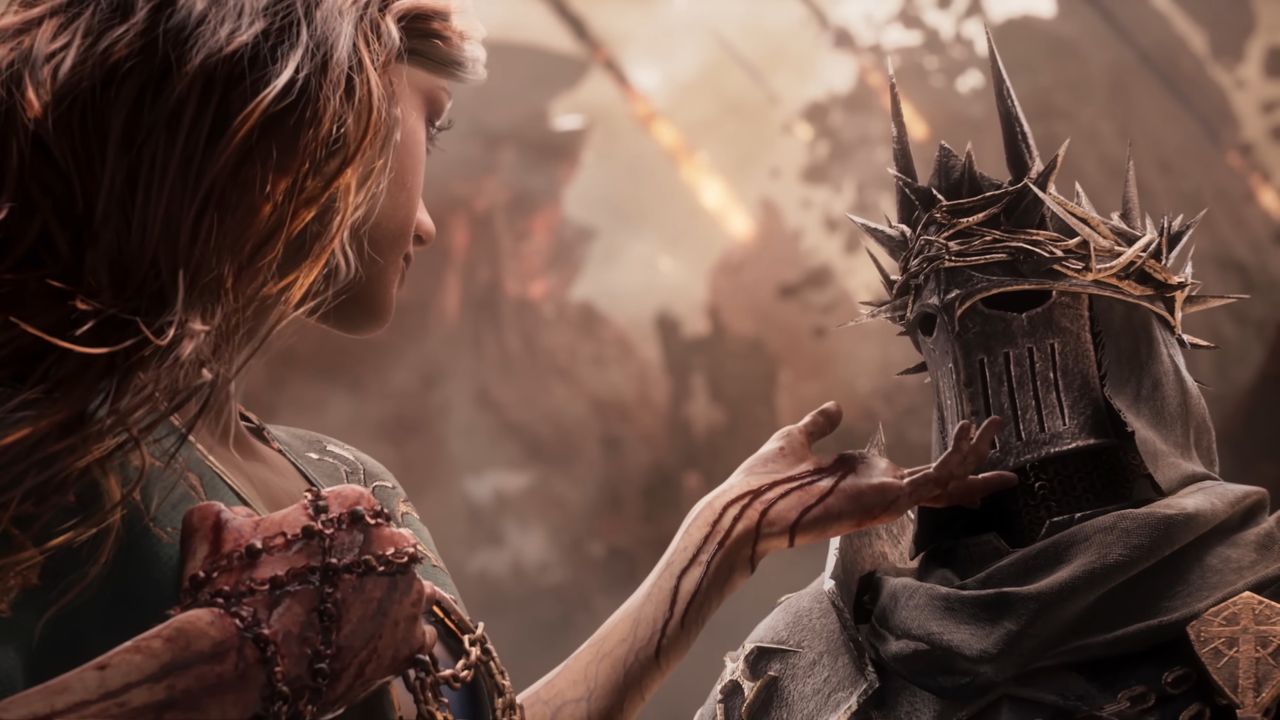
As I share my thoughts about Monster Hunter Stories 3: Twisted Reflection, I’ll do my best to keep the spoilers to a minimum. As far as the plot goes, it appears that the Rathalos is not extinct (despite my utmost effort in Wilds), and there’s not one but two of them now. Both bear the Skyscale mark as a reminder of the civil war that happened 200 years ago.
 Image via Capcom What appeared to be a moment of hope quickly turns into despair as the countries of Azuria and Vermeil are again on the brink of war. It’s up to you and your Rathalos to discover the truth about their origin, as it could hold the key to avoiding the war.
 As a rider, your task is to raise monsters to fight other monsters in turn-based combat. Just like the two previous titles in the series, battles depend on strategies. You have to pay attention to the respective strengths and weaknesses of the monsters you use and encounter.
Battles are incredibly well done, surpassing my expectations. The early-game fights are relatively simple, but the mid-game brings about some challenging battles that you’ll have to prepare for.
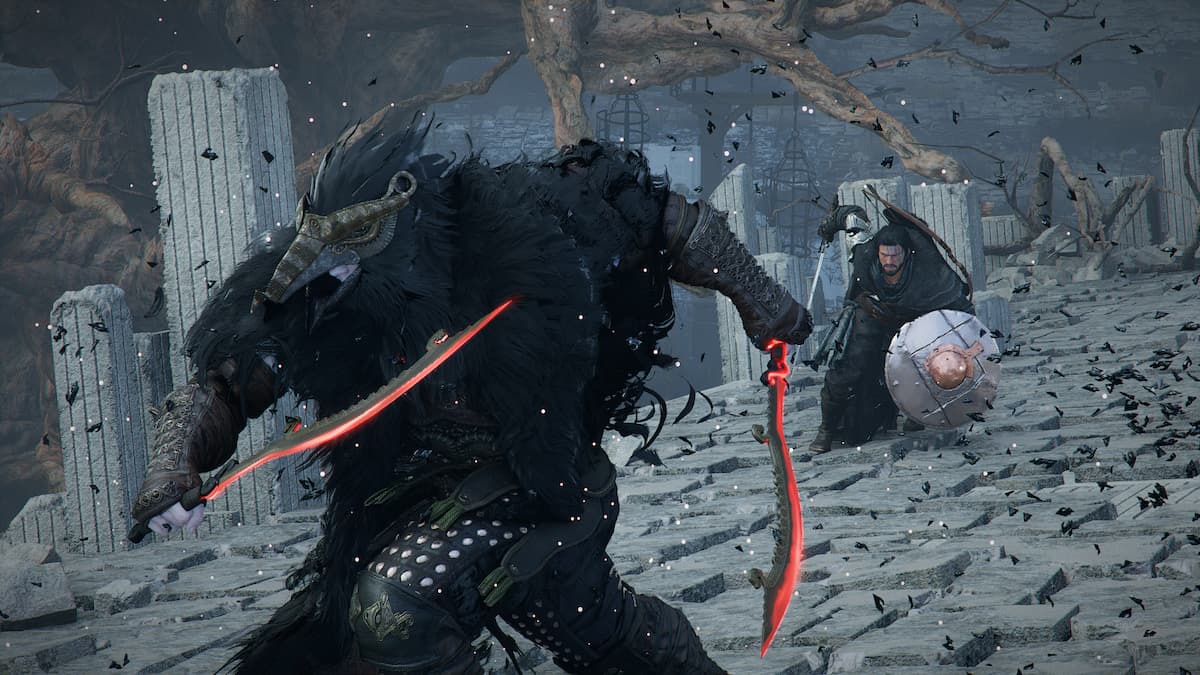
On the surface, the battles look the same as in the previous titles. However, there are plenty of changes under the hood, including the introduction of the Stamina system.
 Image via Capcom Your attacks will now be determined by how much Stamina you have and how much you want to spend in a specific turn. The Kinship Gauge, which is kind of like an ultimate attack counter for your monsters, is still there, but it takes a secondary role (doesn’t lose its importance).
Weapons have undergone plenty of changes, mostly for the better. One example is that they removed the sword and shield, which I'm not thrilled about. But overall, the new combat system is amazing. It’s a net positive trade-off, but the Sword and Shield will always hold a special place in my heart.
In previous games, encountering monsters was significantly more linear. You began with the basic ones and found the advanced monsters when you progressed to the latter areas. In Twisted Reflection, encounters can be completely random. You can, theoretically, encounter a deviant monster in the first zone, and that adds to the overall thrill.
This also adds to the tension and variety of exploring the different zones. Exploration is key since the number of things we have to craft this time around seems to be a lot more, and some of them will be essential for clearing quests later in the game.
While the exploration did feel slightly linear (especially compared to the previous titles) at times, the relevance has gone up a notch. The randomness in encounters also results in us getting varied parties since we are no longer locked to basic monsters for the starter areas.
Performance as smooth as it gets
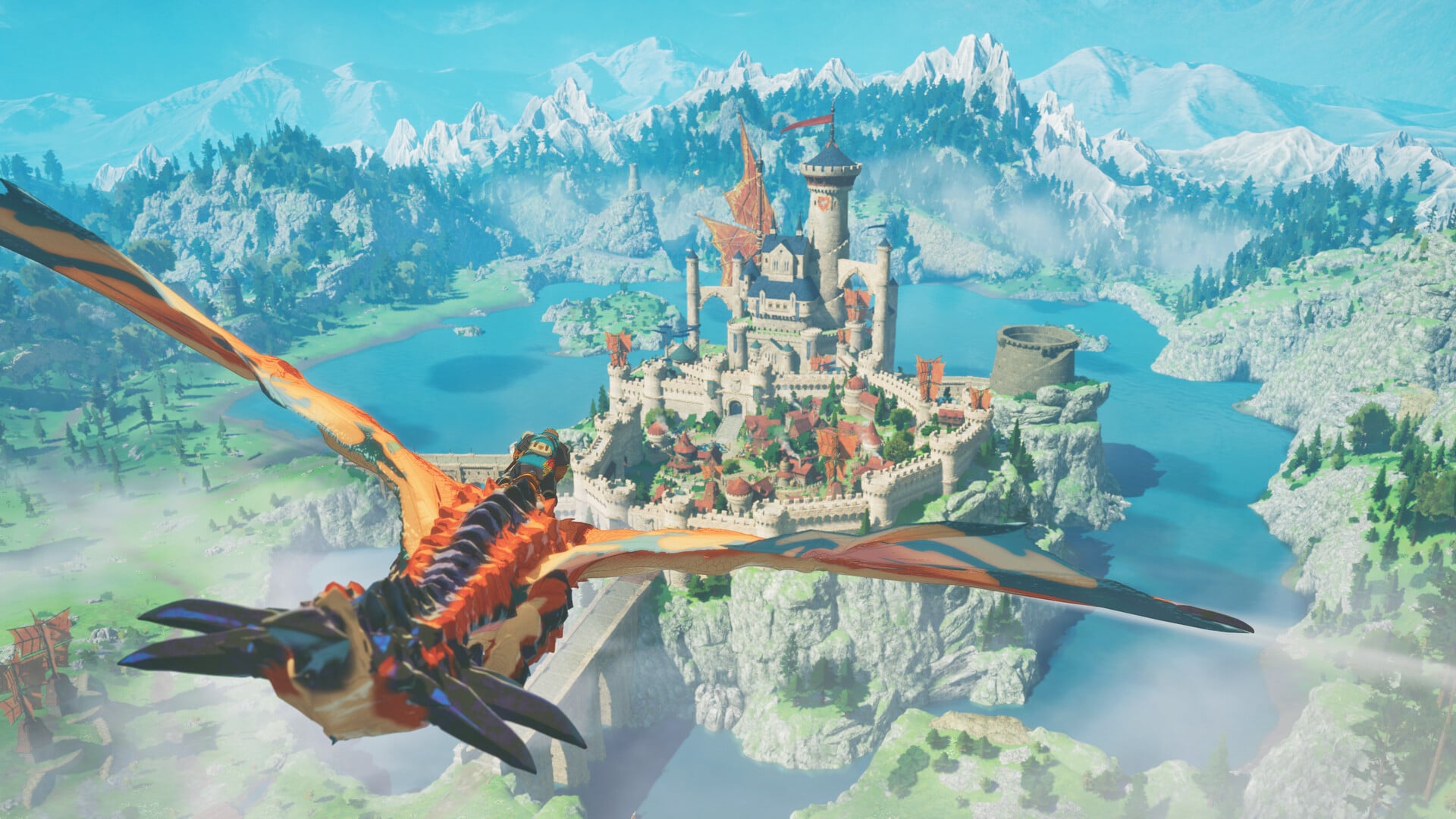
Twisted Reflection runs completely lag-free and stutter-free. While I am basing this on the review branch, I would rate the performance 10/10. Visually, this is also the best-looking entry to the series.Capcom has retained the signature Stories’ artstyle and vibrance, but the visuals are much more modern. Riding on your Rathalos and looking at the landscape below will give you a grasp of how beautiful the game world is. Compared to the previous era of the Stories titles, Twisted Reflection modernizes the visuals without deserting its roots.
I ran the game at max settings on 1080P on my system, and I never had a hitch.
The Hiccups
Monster Hunter Stories 3: Twisted Reflection is almost a perfect game in my books, and it does many things well. There’s a great story, amazing gameplay, and deep exploration. However, there are a few things that I don’t like. Image via Capcom Capcom has given up on co-op and PvP. Yes, the multiplayer elements in Monster Hunter Stories 2 were far from perfect. I was never a fan of the ticket system, and the added restrictions like geographical proximity felt unnecessary. I would have hoped that Capcom could build on it, but alas! Instead, Monster Hunter Stories 3: Twisted Reflection is a completely single-player experience. I am not saying it’s a dealbreaker, but having PvP or the simple chance to co-op would have been amazing.
 Without PvP, one would hope for complex side quests to help the longevity of the game, but that's sadly not the case. The sidequests are simple, easy, and certainly not worth sticking around for.
Monster Hunter Stories 3: Twisted Reflection is a winner
Overall, Monster Hunter Stories 3: Twisted Reflection has but a few cons. It gets most things right as far as the vintage Stories experience is concerned. The general combat and gameplay have improved, and the new encounter system enhances the monster-collection element on top of that. As someone who has always loved the Monster Hunter franchise, Twisted Reflection is a perfect tribute. I really hope Capcom considers adding PvP and co-op in future updates because that will bring this game to near perfection.
The post Monster Hunter Stories 3: Twisted Reflection review – Best creature collector I’ve played in years appeared first on Destructoid.
What's Your Reaction?








XINKER - Business and Income Tips
Explore XINKER, the ultimate platform for mastering business strategies, discovering passive income opportunities, and learning success principles. Join a community of thinkers dedicated to achieving financial freedom and entrepreneurial excellence.