



![[PRO Tips] Gold’s Bullish Revival: Seasonal Trends and Key Levels to Watch](https://xinker.org/uploads/images/202412/image_430x256_67724cc6ad0cd.webp)
![[PRO Tips] Gold Market Under Short-Term Pressure, Safe-Haven Demand and Central Bank Buying Support Long-Term Upside Potential](https://xinker.org/uploads/images/202412/image_430x256_676ffb4685287.webp)
![[PRO Tips] Analysis of 9 key points of differentiation strategy! Master differentiation to create a brand advantage that is unique in the world!](https://firebasestorage.googleapis.com/v0/b/xinker-tips.appspot.com/o/article_thumbnails%2Fscaled_differentiation%20strategy.png.png?alt=media&token=a1bfc3d2-e85a-4db7-8a6d-01c7274f8940)
![[PRO Tips] Will REITs regain growth momentum in 2024? 3 REITs ETFs you must know if you want to invest in real estate.](https://firebasestorage.googleapis.com/v0/b/xinker-tips.appspot.com/o/article_thumbnails%2Fscaled_REITs1.png.png?alt=media&token=8af4eb93-33ff-466f-8039-b6555fad52b4)
![[PRO Tips] Complete tutorial on how to make money in Adobe Stock!](https://firebasestorage.googleapis.com/v0/b/xinker-tips.appspot.com/o/article_thumbnails%2Fscaled_tut-adobe1.png.png?alt=media&token=0b2c8cf2-22bd-4142-883e-140ed1cbaf02)
![[Passive Income] Unlock the secret of passive income: 3 steps to apply for Google AdSense](https://xinker.org/uploads/images/202410/image_430x256_6717a4fb3052b.webp)
![[Passive Income] Earn over $200 a day with AI-generated articles!](https://firebasestorage.googleapis.com/v0/b/xinker-tips.appspot.com/o/article_thumbnails%2Fscaled_article1.png.png?alt=media&token=f61bf35b-8553-4719-826d-7360024adc70)
![[Passive Income] Earn over 20 USD per download with AI-generated images!](https://firebasestorage.googleapis.com/v0/b/xinker-tips.appspot.com/o/article_thumbnails%2Fscaled_adobe2.png.png?alt=media&token=3e20e76a-a907-45af-80aa-bf9b3600301f)
![[Passive Income] Earn 10 USD per new download by sharing CapCut!](https://firebasestorage.googleapis.com/v0/b/xinker-tips.appspot.com/o/article_thumbnails%2Fscaled_capcut2.png.png?alt=media&token=a04dec40-1fac-4857-86f2-19a8be02d38e)
![[Passive Income] Use your WiFi to create passive income in 5 minutes, and you can earn 4-6 U per day!](https://firebasestorage.googleapis.com/v0/b/xinker-tips.appspot.com/o/article_thumbnails%2Fscaled_Grassio.webp.png?alt=media&token=7659a95e-0e47-4f27-a17d-c942ac3cf7f4)


![[Business Talk] The Unique Theme of XINKER's Song: Beef Wellington and Business Mastery](https://xinker.org/uploads/images/202410/image_430x256_671afc155f47f.webp)
![[Business Talk] Chagee: Opening 3,500 stores in 6 years](https://xinker.org/uploads/images/202410/image_430x256_671afce80c5f9.webp)

Grimoire Update: Prototype Wrap Up
Hi folks! It’s been a month since our last in-depth update, so we figured it was time to do another one as we wrap up the prototype process. You won’t have to wait long to see the prototype in action: we gave some Dead by Daylight creators an early preview earlier this month, so keep an eye out today for some footage of their experience with the prototype! The KingAZHYMOVSPaulie EstherSupaAlfSpookyLoopzOtzdarvaMintSkullTwoKneeMishHensWhat is a Prototype? Before we start, a quick 101 on how prototype works around here. The prototype phase is an iterative process we go through to build a Killer Power. From a concept to its playable state, it’s where we identify risks, assess feasibility, and find the element of fun. So, as you can expect, it changes (sometimes a lot!) over time as we refine it through continuous tests and feedback. The Ray of Retribution If you are here from the beginning, you may have seen some early iterations of the Ray of Retribution. If you are new, we ultimately landed on a vertical pillar that the Killer has the ability to control and then launch towards the Survivors. Learn more from our last deep dive! Killer Effect: Sin Sin is the Killer Effect tied to the Killer Power. We originally explored different options related to how Sin builds up.We tried to have Sin building up over time, Sin building up when inside the beam, or when performing specific actions. We decided to move forward with Sin building up when a Survivor is hit by the Killer Power. This introduced more skill to the equation and made it more rewarding for both parties as it is more directly dependent on their ability to hit as Killer, or dodge as Survivor. Shrines Shrines are special objects tied to the Killer Power. In the early stages, Survivors could reduce their time spent in the Exile by collecting Crystals (placeholder name), while other Survivors could help by praying at a Shrine. It turned out that giving players the ability to save themselves discouraged cooperative actions. So, we pivoted to Shrines allowing Survivors to pray to save their teammates from Exile. The Shrines have a set activation time after a Survivor is sent to Exile before other Survivors can interact with them. When Survivors are saved from Exile, they respawn next to a Shrine. Hopeless Exile In earlier versions, the Exile was a plane where hazards erupted from the ground. Only one Survivor could be sent there at a time, and their goal was to dodge the hazards. Failing to do so would extend their Exile timer. The feedback we received was that the Exile lacked interactivity and that survivors felt too safe. The Exile was designed to feel threatening, so we increased its complexity by changing how hazards and Crystals spawned. That’s when it started behaving exactly like being Hooked: once sent there, a Survivor’s Hook Drain Timer would start, and without being saved, they would die. We also explored allowing the Killer to enter the Exile, but it didn’t make sense within the gameplay loop. Time efficiency is critical to Killer gameplay, and leaving the Entity’s Realm significantly reduced the Killer’s ability to maintain pressure during the Trial, chasing Survivors off the generators, etc. Even when the Killer's time in the Exile was limited, playtest feedback consistently showed that the payoff did not justify the time lost and was inefficient for the Killer. - Thank you for following along! That’s all for today! We can’t wait to share more about The Grimoire.

Hi folks!
It’s been a month since our last in-depth update, so we figured it was time to do another one as we wrap up the prototype process.
You won’t have to wait long to see the prototype in action: we gave some Dead by Daylight creators an early preview earlier this month, so keep an eye out today for some footage of their experience with the prototype!
Before we start, a quick 101 on how prototype works around here. The prototype phase is an iterative process we go through to build a Killer Power. From a concept to its playable state, it’s where we identify risks, assess feasibility, and find the element of fun. So, as you can expect, it changes (sometimes a lot!) over time as we refine it through continuous tests and feedback.
If you are here from the beginning, you may have seen some early iterations of the Ray of Retribution. If you are new, we ultimately landed on a vertical pillar that the Killer has the ability to control and then launch towards the Survivors.
Learn more from our last deep dive!
Sin is the Killer Effect tied to the Killer Power. We originally explored different options related to how Sin builds up.
We tried to have Sin building up over time, Sin building up when inside the beam, or when performing specific actions.

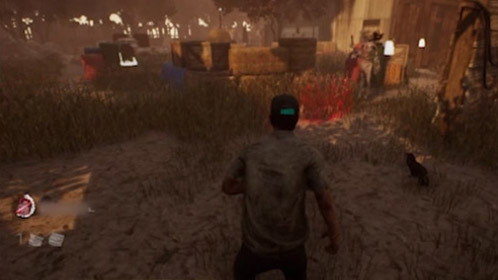
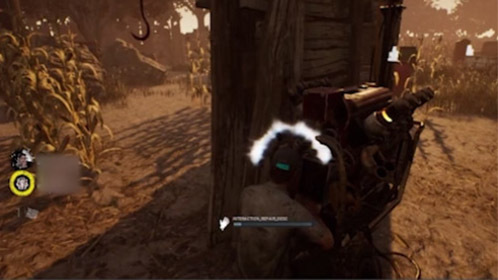
We decided to move forward with Sin building up when a Survivor is hit by the Killer Power. This introduced more skill to the equation and made it more rewarding for both parties as it is more directly dependent on their ability to hit as Killer, or dodge as Survivor.
Shrines are special objects tied to the Killer Power. In the early stages, Survivors could reduce their time spent in the Exile by collecting Crystals (placeholder name), while other Survivors could help by praying at a Shrine.
It turned out that giving players the ability to save themselves discouraged cooperative actions. So, we pivoted to Shrines allowing Survivors to pray to save their teammates from Exile.

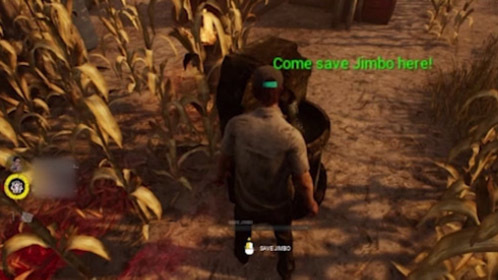
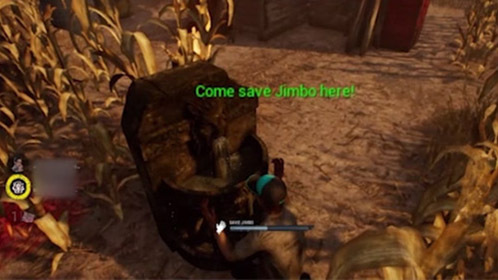
The Shrines have a set activation time after a Survivor is sent to Exile before other Survivors can interact with them. When Survivors are saved from Exile, they respawn next to a Shrine.
In earlier versions, the Exile was a plane where hazards erupted from the ground. Only one Survivor could be sent there at a time, and their goal was to dodge the hazards. Failing to do so would extend their Exile timer. The feedback we received was that the Exile lacked interactivity and that survivors felt too safe.
The Exile was designed to feel threatening, so we increased its complexity by changing how hazards and Crystals spawned. That’s when it started behaving exactly like being Hooked: once sent there, a Survivor’s Hook Drain Timer would start, and without being saved, they would die.
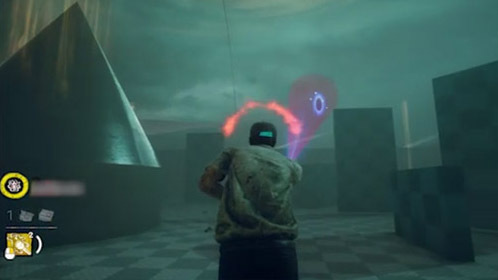
We also explored allowing the Killer to enter the Exile, but it didn’t make sense within the gameplay loop. Time efficiency is critical to Killer gameplay, and leaving the Entity’s Realm significantly reduced the Killer’s ability to maintain pressure during the Trial, chasing Survivors off the generators, etc. Even when the Killer's time in the Exile was limited, playtest feedback consistently showed that the payoff did not justify the time lost and was inefficient for the Killer.
-
Thank you for following along! That’s all for today! We can’t wait to share more about The Grimoire.
What's Your Reaction?