![[PRO Tips] Gold’s Bullish Revival: Seasonal Trends and Key Levels to Watch](https://xinker.org/uploads/images/202412/image_430x256_67724cc6ad0cd.webp)
![[PRO Tips] Gold Market Under Short-Term Pressure, Safe-Haven Demand and Central Bank Buying Support Long-Term Upside Potential](https://xinker.org/uploads/images/202412/image_430x256_676ffb4685287.webp)
![[PRO Tips] Analysis of 9 key points of differentiation strategy! Master differentiation to create a brand advantage that is unique in the world!](https://firebasestorage.googleapis.com/v0/b/xinker-tips.appspot.com/o/article_thumbnails%2Fscaled_differentiation%20strategy.png.png?alt=media&token=a1bfc3d2-e85a-4db7-8a6d-01c7274f8940)
![[PRO Tips] Will REITs regain growth momentum in 2024? 3 REITs ETFs you must know if you want to invest in real estate.](https://firebasestorage.googleapis.com/v0/b/xinker-tips.appspot.com/o/article_thumbnails%2Fscaled_REITs1.png.png?alt=media&token=8af4eb93-33ff-466f-8039-b6555fad52b4)
![[PRO Tips] Complete tutorial on how to make money in Adobe Stock!](https://firebasestorage.googleapis.com/v0/b/xinker-tips.appspot.com/o/article_thumbnails%2Fscaled_tut-adobe1.png.png?alt=media&token=0b2c8cf2-22bd-4142-883e-140ed1cbaf02)
![[Passive Income] Unlock the secret of passive income: 3 steps to apply for Google AdSense](https://xinker.org/uploads/images/202410/image_430x256_6717a4fb3052b.webp)
![[Passive Income] Earn over $200 a day with AI-generated articles!](https://firebasestorage.googleapis.com/v0/b/xinker-tips.appspot.com/o/article_thumbnails%2Fscaled_article1.png.png?alt=media&token=f61bf35b-8553-4719-826d-7360024adc70)
![[Passive Income] Earn over 20 USD per download with AI-generated images!](https://firebasestorage.googleapis.com/v0/b/xinker-tips.appspot.com/o/article_thumbnails%2Fscaled_adobe2.png.png?alt=media&token=3e20e76a-a907-45af-80aa-bf9b3600301f)
![[Passive Income] Earn 10 USD per new download by sharing CapCut!](https://firebasestorage.googleapis.com/v0/b/xinker-tips.appspot.com/o/article_thumbnails%2Fscaled_capcut2.png.png?alt=media&token=a04dec40-1fac-4857-86f2-19a8be02d38e)
![[Passive Income] Use your WiFi to create passive income in 5 minutes, and you can earn 4-6 U per day!](https://firebasestorage.googleapis.com/v0/b/xinker-tips.appspot.com/o/article_thumbnails%2Fscaled_Grassio.webp.png?alt=media&token=7659a95e-0e47-4f27-a17d-c942ac3cf7f4)


![[Business Talk] The Unique Theme of XINKER's Song: Beef Wellington and Business Mastery](https://xinker.org/uploads/images/202410/image_430x256_671afc155f47f.webp)
![[Business Talk] Chagee: Opening 3,500 stores in 6 years](https://xinker.org/uploads/images/202410/image_430x256_671afce80c5f9.webp)


04. [Field] Heart-fluttering Westeros
Walking This World — a Story That Has Redefined "Exploration" a Hundred Times Over What would it feel like to walk through Westeros? To the characters who call it home, this land is a cold and violent one. Fear dwells in the Haunted Woods beyond the Wall, Flea Bottom in King's Landing is dangerous, and the road to Dorne is perilous and exhausting. To them, Westeros is a land to survive, first and foremost–not one to explore. However, this world must show a different face to players. Players should feel their hearts race atop the Wall, where Jon Snow once looked outward in fear. In the alleys of King's Landing, where Arya stalked silently, players should feel the thrill of discovery. It's the same world, yet it must convey a completely different sensation. Bridging that gap is the reason the field exists. A vast expanse of in-game field The field is not merely a place for players to pass through. It is a place where the narrative flows, battles occur, and the world breathes. Everything unfolds here. For the world, stories, and battles introduced over the past three weeks to reach players, they must pass through the field. If that stage is empty, then no matter how great the story or how exquisite the battles are, their impact will fade. Most games present a vast world when you open the map, but in reality, all that's there is a straight line from one quest marker to the next. The fields, forests, and hills in between are just terrain to traverse. The world is wide, but the path the player walks is narrow. What makes you want to walk through Westeros? It wasn't a grand destination that led Hansel and Gretel deep into the forest in their fairy tale, but rather tiny bread crumbs. In Westeros, there are things that serve a similar role. A letter that the mail crow never delivered, light seeping through a hollow tree knot, the body of a nameless wanderer... They don't promise grand rewards. The mere sense that the world is alive is enough to change one's path. Twenty meters off the main quest route, these traces spark unplanned exploration. Comparison of the same area before and after the placement of minor content.If those traces cause you to change your course, there is a principle in how your course is steered. There is no external guide in the world. It is not the system UI that directs the player. In the world of Game of Thrones, the messenger is the White Raven. The raven doesn't say, "There's a treasure chest over there." It simply flies. Whether to follow is entirely up to the player. But filling Westeros turned out to be far more difficult than I had imagined. What kinds of things could we put there? In any other open-world game, it's an easy question. You just create a huge enemy camp, add dungeons, and place some flashy effects. However, the world of Game of Thrones is brutally realistic. House Lannister can't randomly operate a small outpost in a far-flung field for the sake of game convenience. House Stark Soldiers do not wander aimlessly in remote forests. The major factions must remain within their own bases and adhere to their extant political logic. Every time we added a new element, it had to satisfy the following question. Does this feel like something that could plausibly exist in this world? A band of Deserters in a border region makes sense. A village occupied in the aftermath of war makes sense. Ruins left neglected for ages make sense. But a random mid-tier boss camp bearing some house's name, with no context whatsoever, does not make sense. I felt this was a major constraint when designing open-world content. We focused on the features that make the world of Westeros unique as our breakthrough. Our first task was creating a sense of the 'Time of Westeros.' A damaged Weirwood. A tree that hasn't completely died, sheltering memories of the past. When you delve into the memories of when the First Men stood against the Children of the Forest, you can encounter legendary beings without conflicting with any canon elements established in other Game of Thrones media. Your curiosity is the only ticket you need to access this content. Historic Sites. Fragmented murals, worn inscriptions. These are unrelated to any present-day factions. Players personally find and piece together these fragments to restore Westeros's hidden history. The sensation when a completed mural is recorded in the Codex is akin to discovery. The second task was to witness the 'Reality of Westeros.' The chaos of war creates gaps. Vagabonds seize control of the borders where power does not reach. The moment a site is reclaimed, the oppressive state is lifted and the smallfolk who were driven out return, transforming it into a liberated village. The world of Game of Thrones is home to many faiths, including the Old Gods and the Faith of Seven, and many houses of worship. Inside the Sept, which can only be entered after overcoming the fanatic threat, the player takes a moment to meditate. Faith is a part
![04. [Field] Heart-fluttering Westeros](https://clan.akamai.steamstatic.com/images/46005685/4b39c7fa9581bbeebda34b9d39511fa41625d292.png?#)

Walking This World — a Story That Has Redefined "Exploration" a Hundred Times Over
What would it feel like to walk through Westeros?
To the characters who call it home, this land is a cold and violent one.
Fear dwells in the Haunted Woods beyond the Wall, Flea Bottom in King's Landing is dangerous, and the road to Dorne is perilous and exhausting.
To them, Westeros is a land to survive, first and foremost–not one to explore.
However, this world must show a different face to players.
Players should feel their hearts race atop the Wall, where Jon Snow once looked outward in fear.
In the alleys of King's Landing, where Arya stalked silently, players should feel the thrill of discovery.
It's the same world, yet it must convey a completely different sensation. Bridging that gap is the reason the field exists.
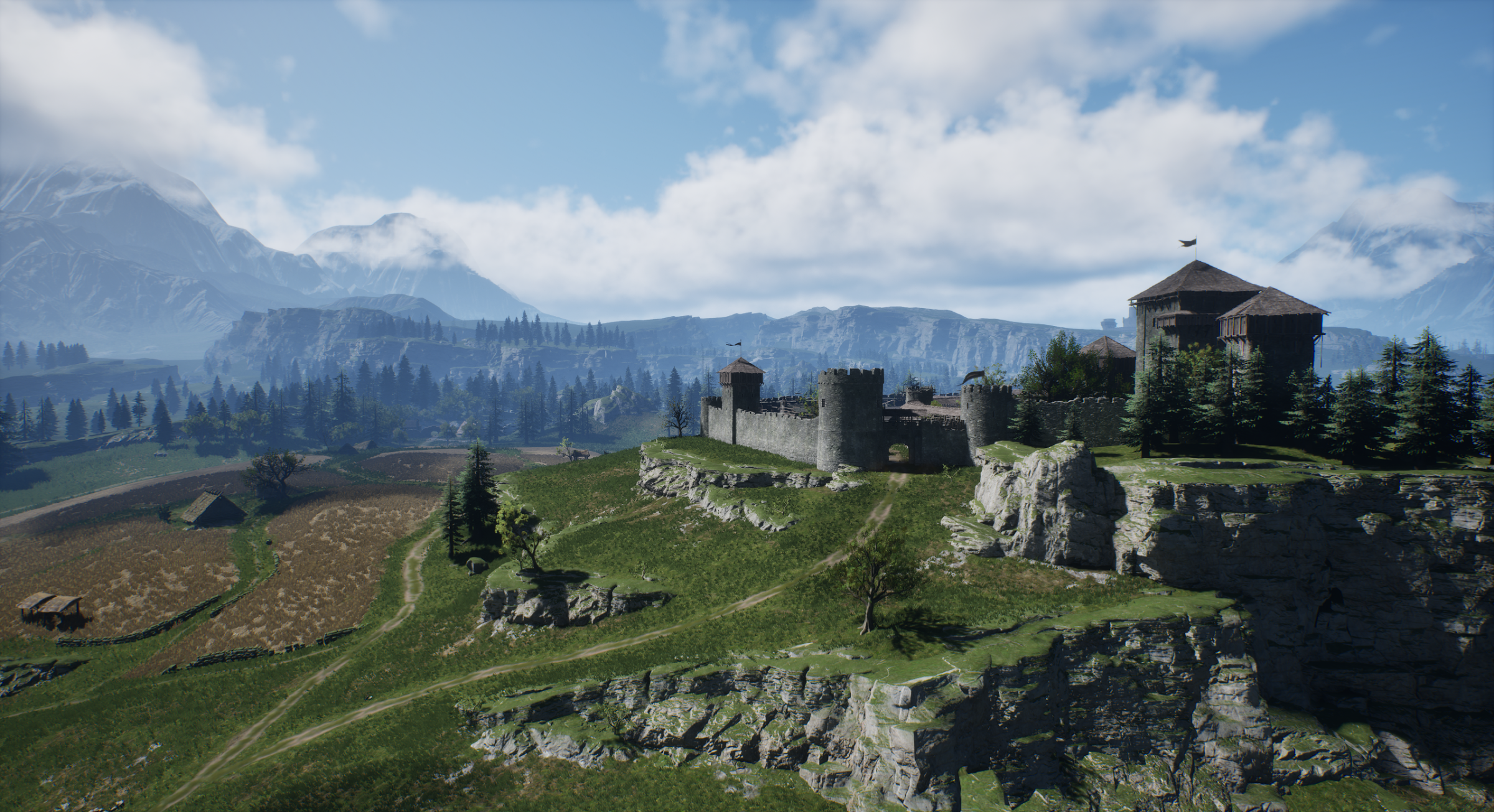
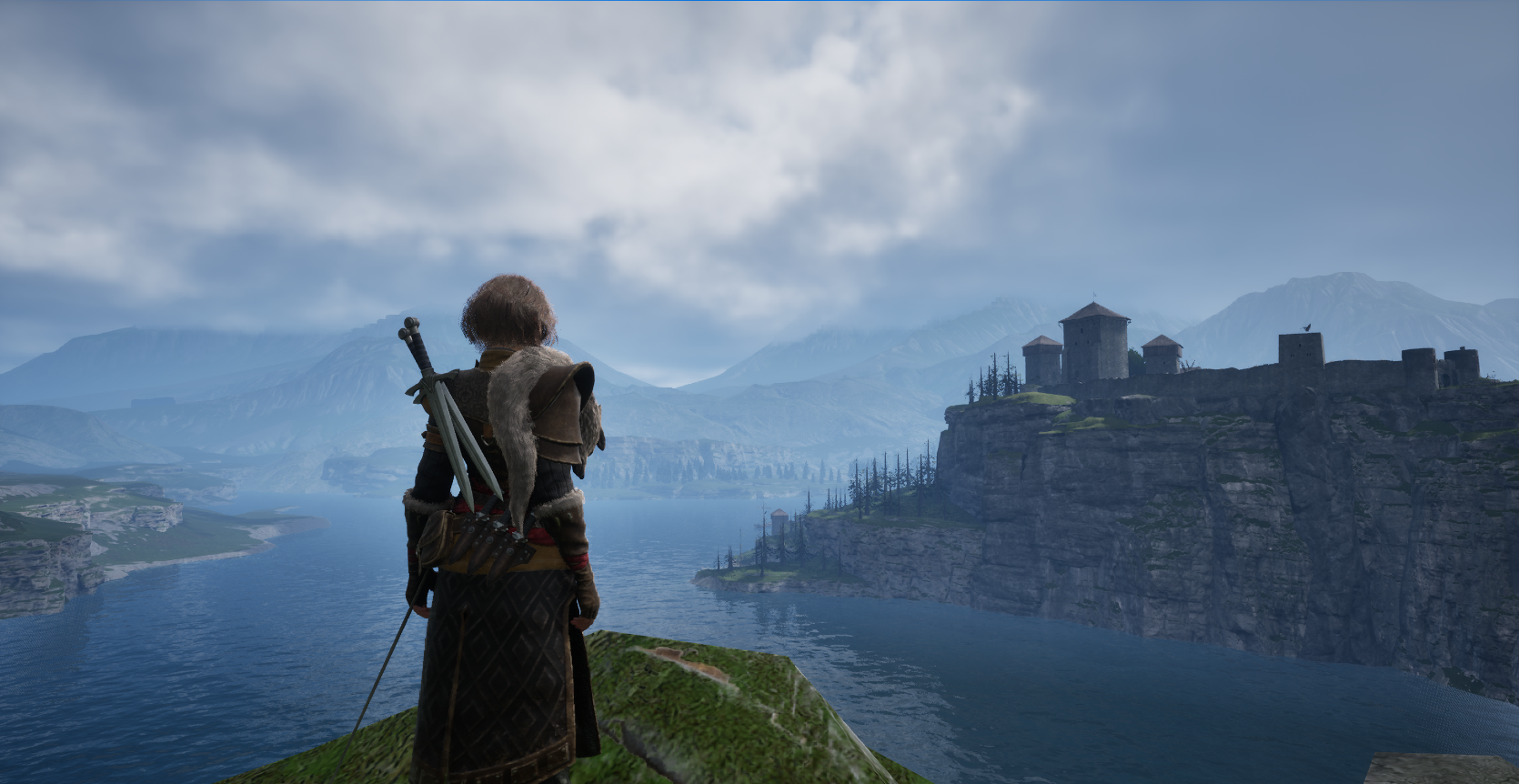
A vast expanse of in-game field
The field is not merely a place for players to pass through.
It is a place where the narrative flows, battles occur, and the world breathes. Everything unfolds here.
For the world, stories, and battles introduced over the past three weeks to reach players, they must pass through the field.
If that stage is empty, then no matter how great the story or how exquisite the battles are, their impact will fade.
Most games present a vast world when you open the map, but in reality, all that's there is a straight line from one quest marker to the next.
The fields, forests, and hills in between are just terrain to traverse. The world is wide, but the path the player walks is narrow.
What makes you want to walk through Westeros?
It wasn't a grand destination that led Hansel and Gretel deep into the forest in their fairy tale, but rather tiny bread crumbs.
In Westeros, there are things that serve a similar role.
A letter that the mail crow never delivered, light seeping through a hollow tree knot, the body of a nameless wanderer... They don't promise grand rewards.
The mere sense that the world is alive is enough to change one's path.
Twenty meters off the main quest route, these traces spark unplanned exploration.
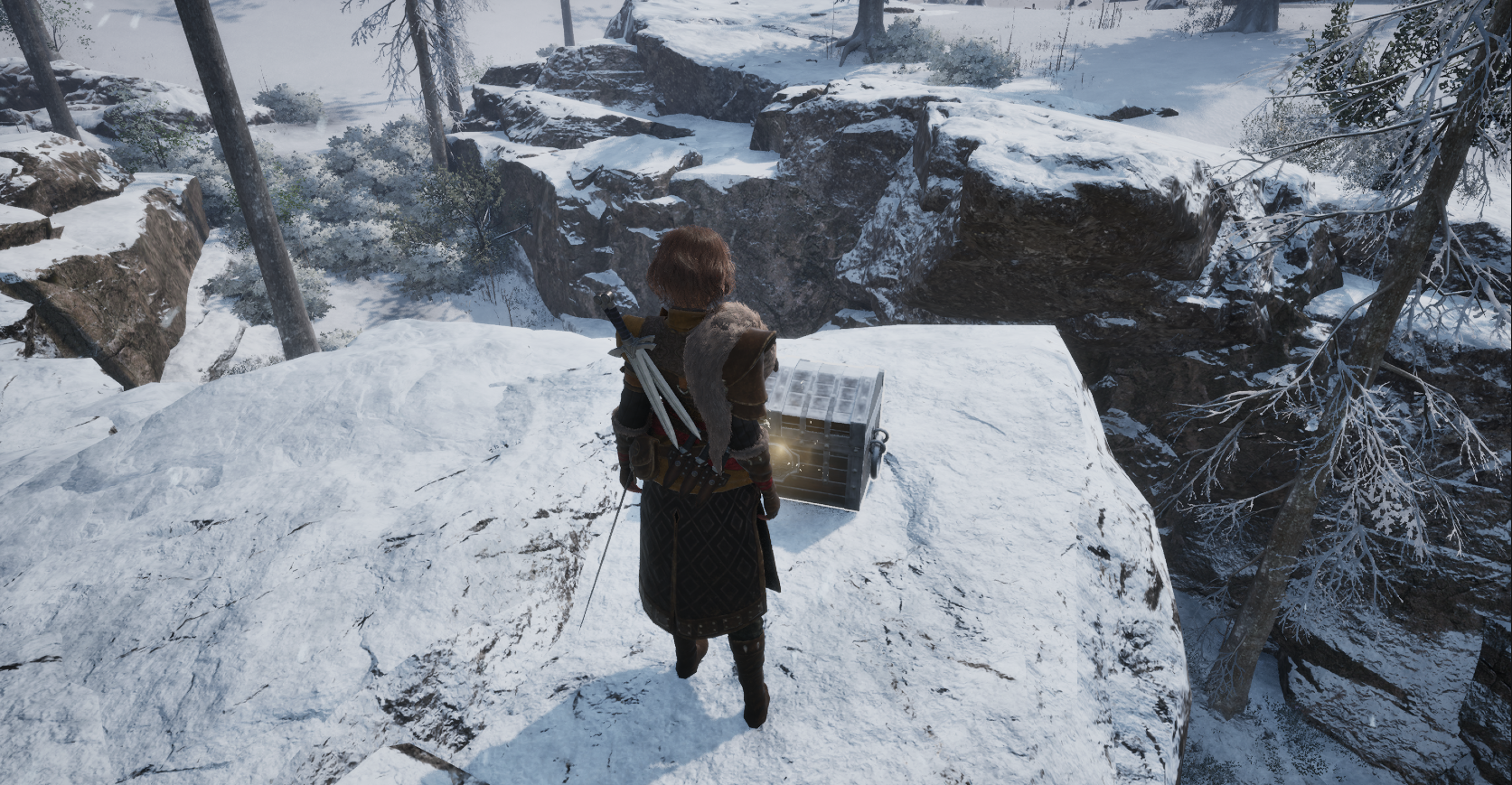
Comparison of the same area before and after the placement of minor content.
If those traces cause you to change your course, there is a principle in how your course is steered.
There is no external guide in the world. It is not the system UI that directs the player.
In the world of Game of Thrones, the messenger is the White Raven.
The raven doesn't say, "There's a treasure chest over there." It simply flies. Whether to follow is entirely up to the player.
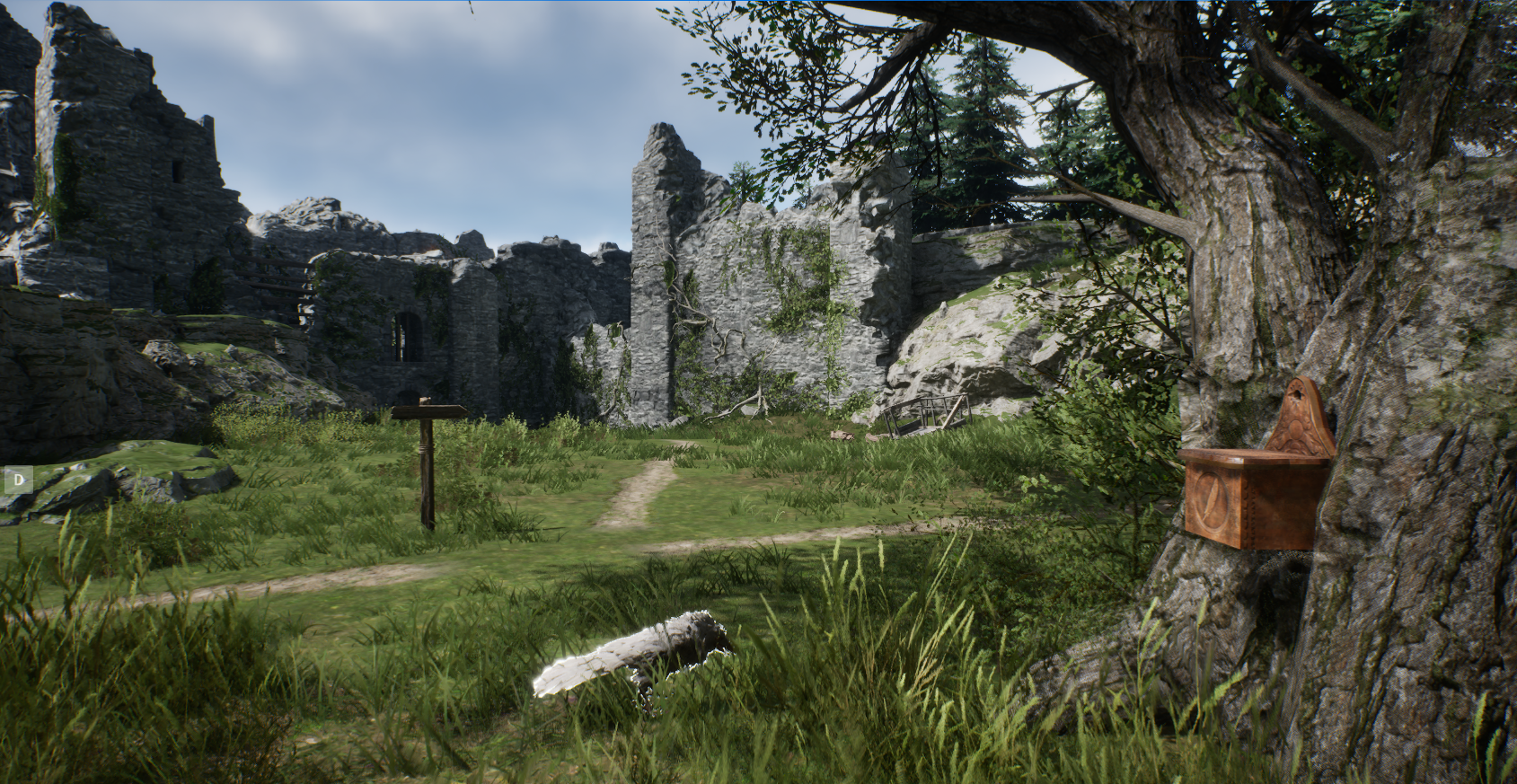
But filling Westeros turned out to be far more difficult than I had imagined.
What kinds of things could we put there?
In any other open-world game, it's an easy question. You just create a huge enemy camp, add dungeons, and place some flashy effects.
However, the world of Game of Thrones is brutally realistic.
House Lannister can't randomly operate a small outpost in a far-flung field for the sake of game convenience.
House Stark Soldiers do not wander aimlessly in remote forests.
The major factions must remain within their own bases and adhere to their extant political logic.
Every time we added a new element, it had to satisfy the following question.
Does this feel like something that could plausibly exist in this world?
A band of Deserters in a border region makes sense. A village occupied in the aftermath of war makes sense. Ruins left neglected for ages make sense.
But a random mid-tier boss camp bearing some house's name, with no context whatsoever, does not make sense.
I felt this was a major constraint when designing open-world content.
We focused on the features that make the world of Westeros unique as our breakthrough.
Our first task was creating a sense of the 'Time of Westeros.'
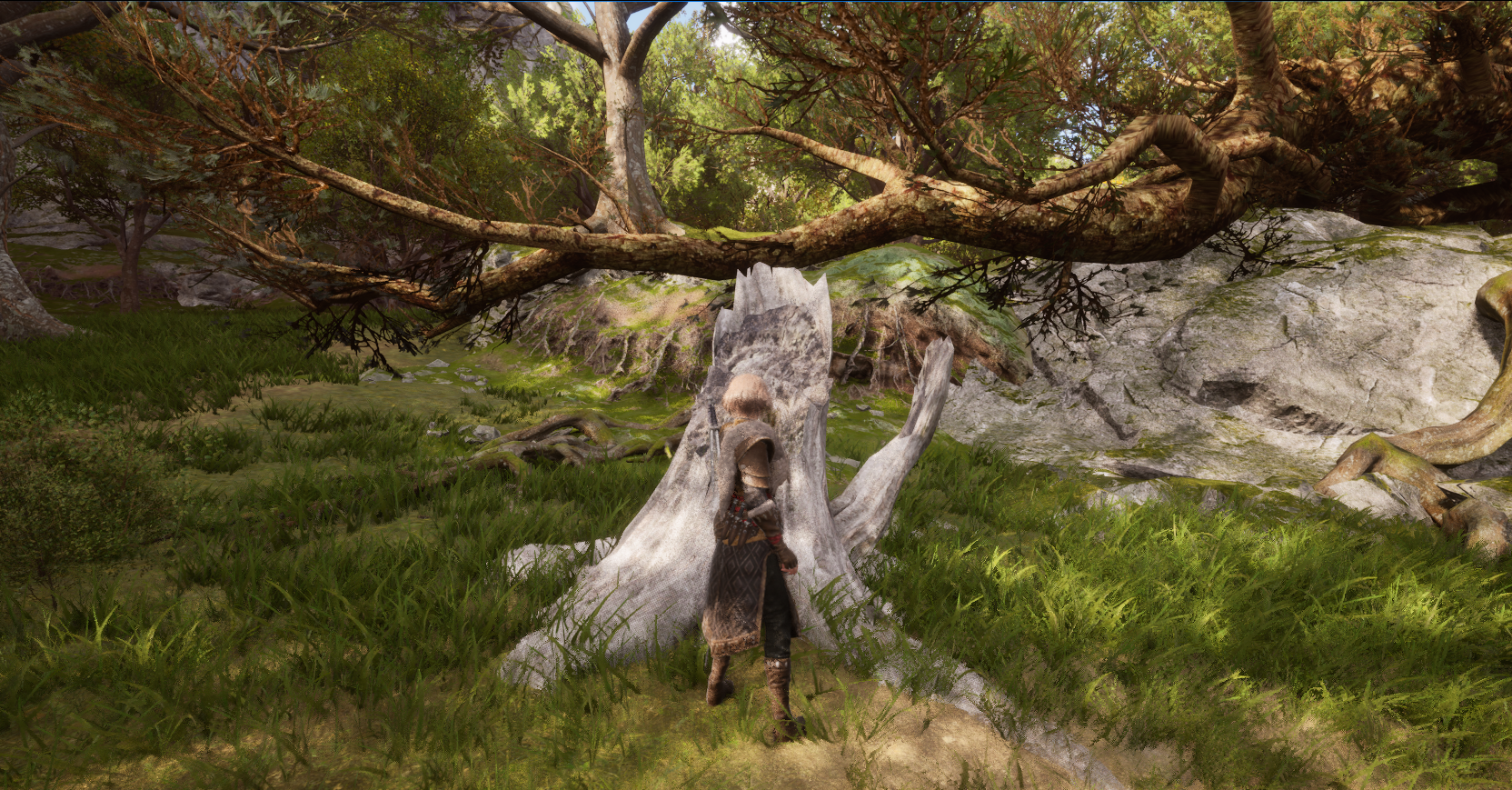
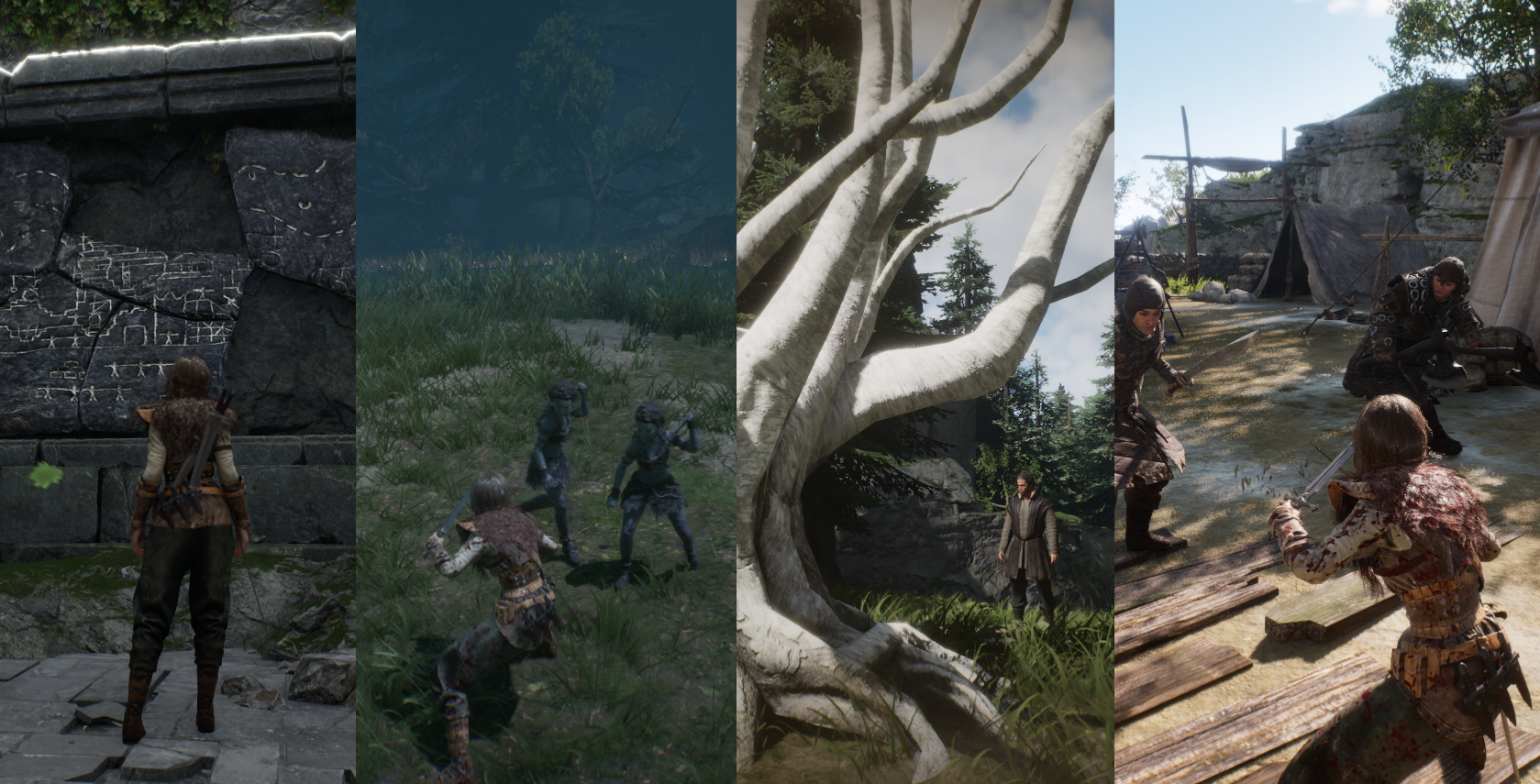
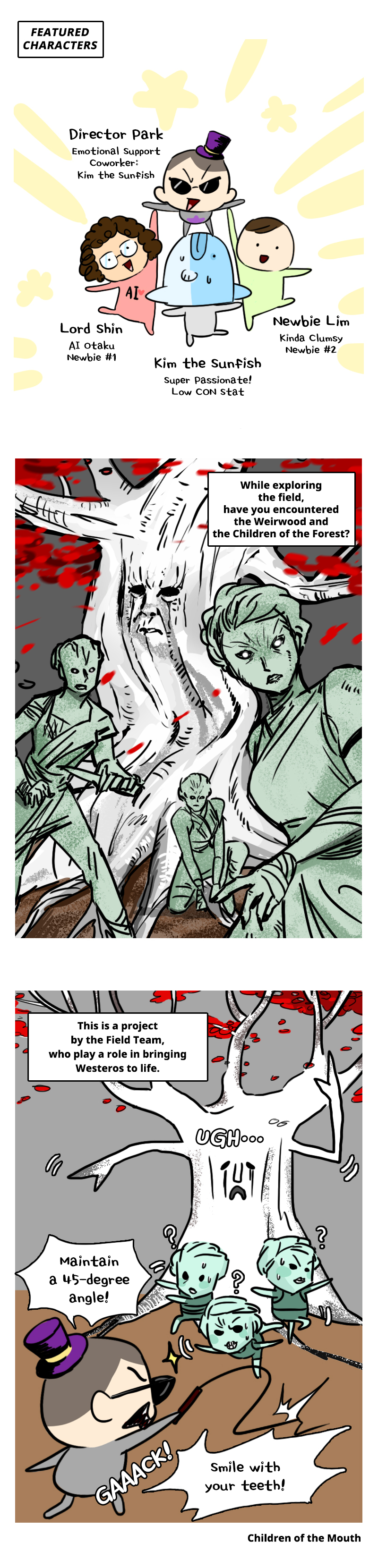
A damaged Weirwood. A tree that hasn't completely died, sheltering memories of the past.
When you delve into the memories of when the First Men stood against the Children of the Forest, you can encounter legendary beings without conflicting with any canon elements established in other Game of Thrones media.
Your curiosity is the only ticket you need to access this content.
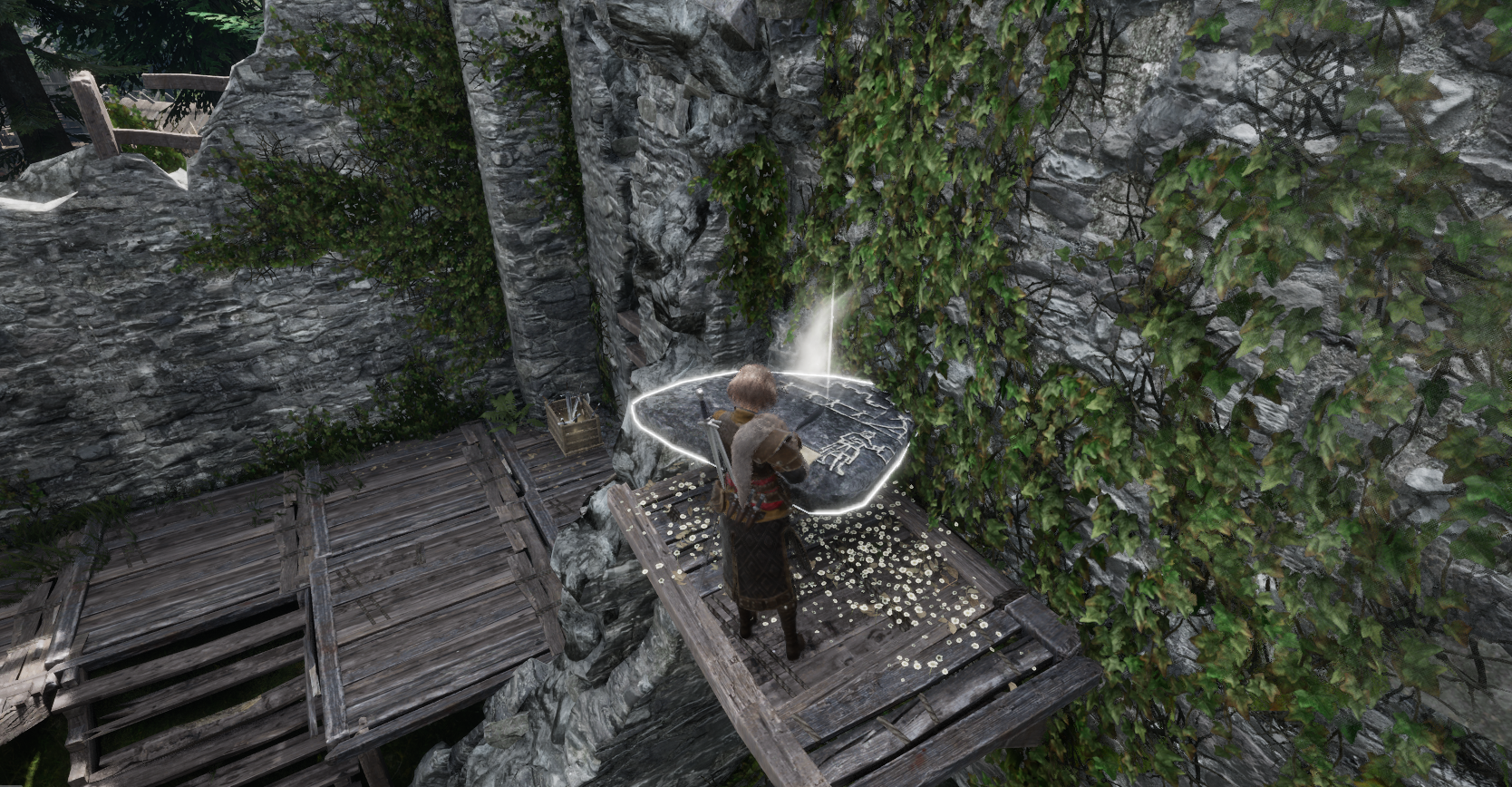
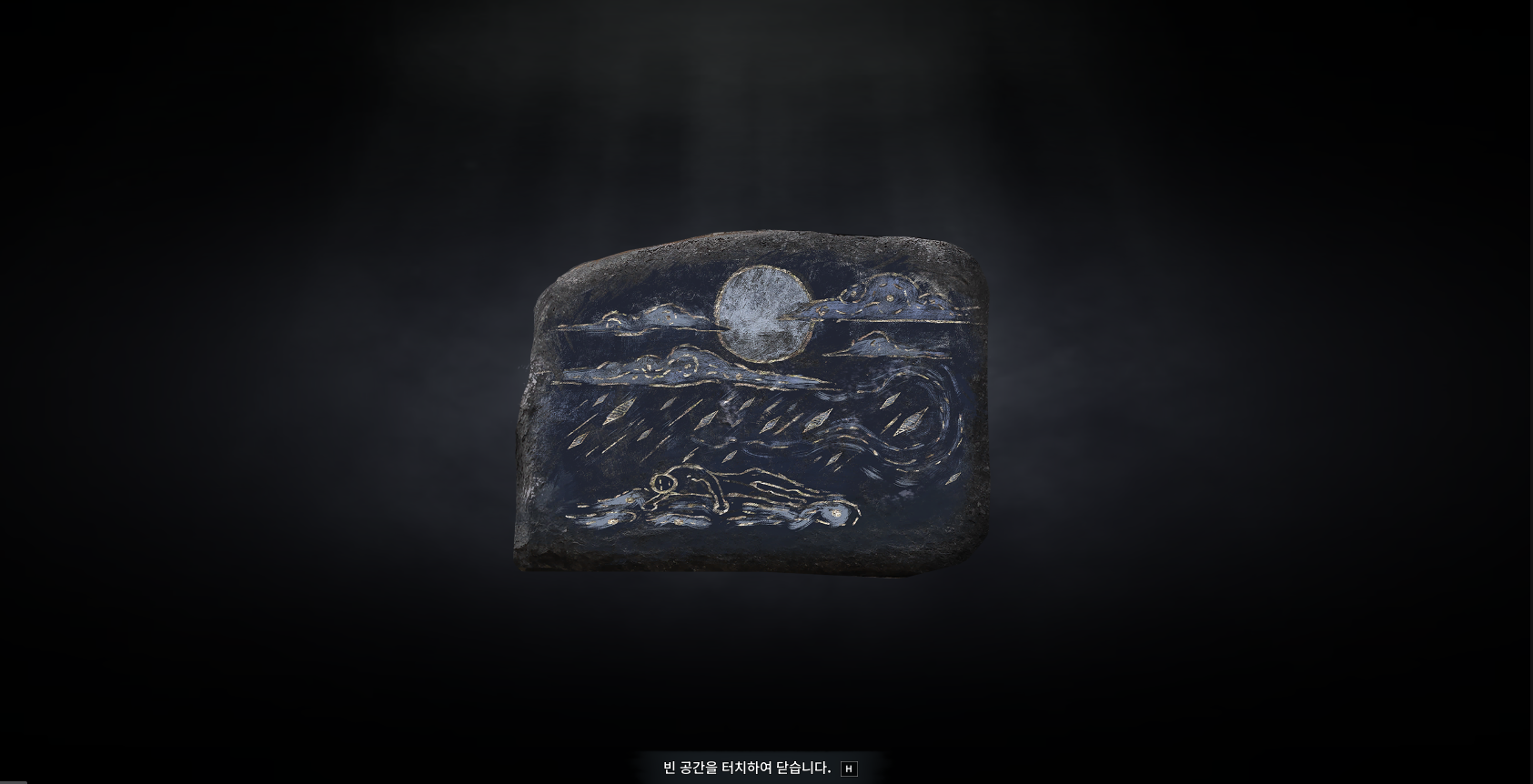
Historic Sites. Fragmented murals, worn inscriptions. These are unrelated to any present-day factions.
Players personally find and piece together these fragments to restore Westeros's hidden history.
The sensation when a completed mural is recorded in the Codex is akin to discovery.
The second task was to witness the 'Reality of Westeros.'
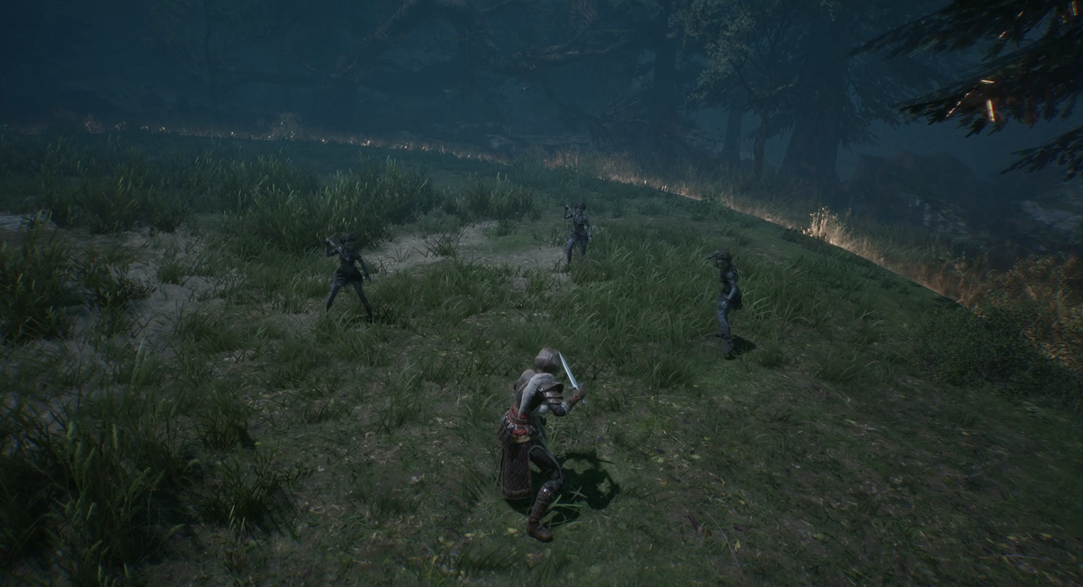
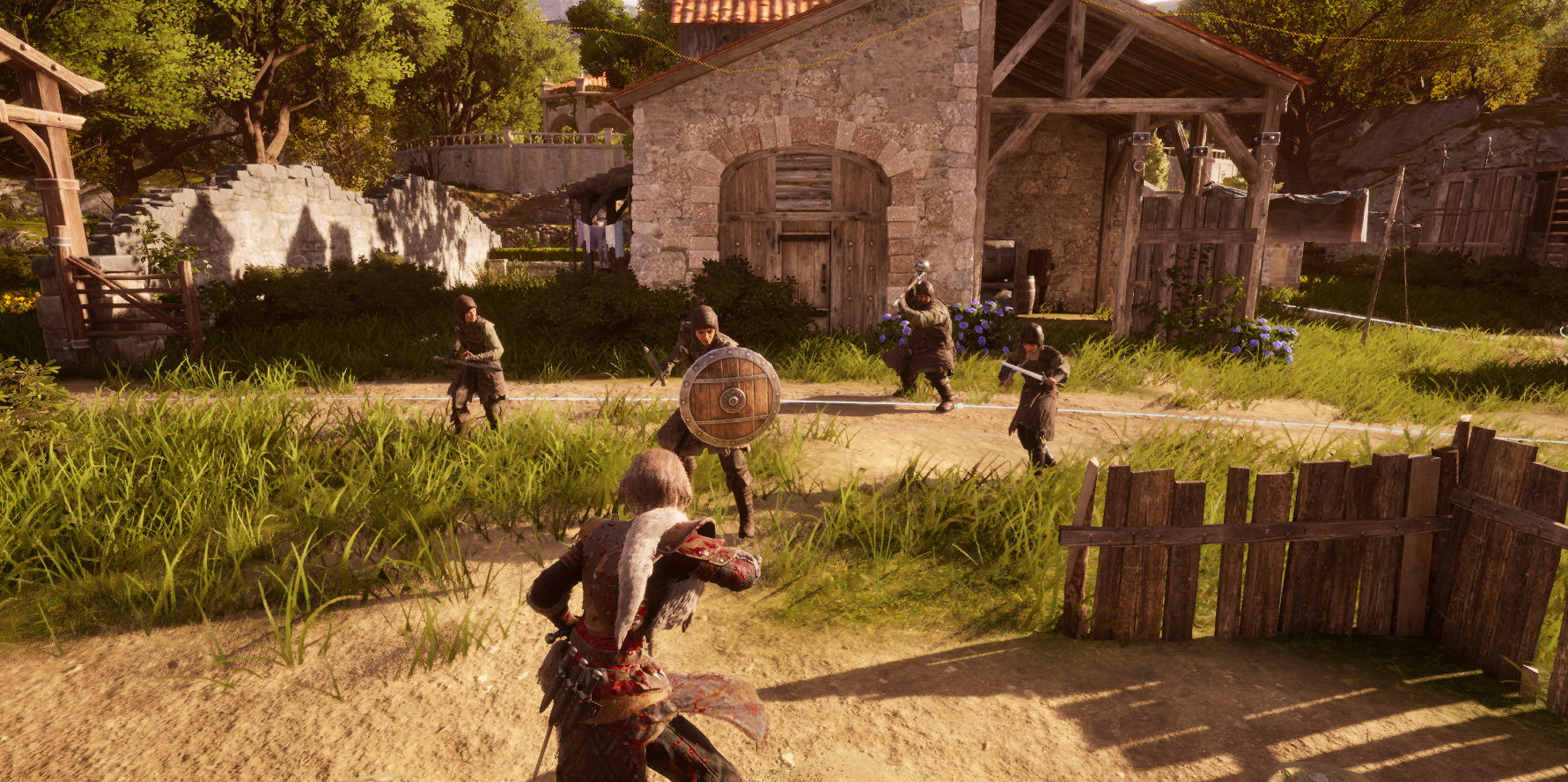
The chaos of war creates gaps. Vagabonds seize control of the borders where power does not reach.
The moment a site is reclaimed, the oppressive state is lifted and the smallfolk who were driven out return, transforming it into a liberated village.
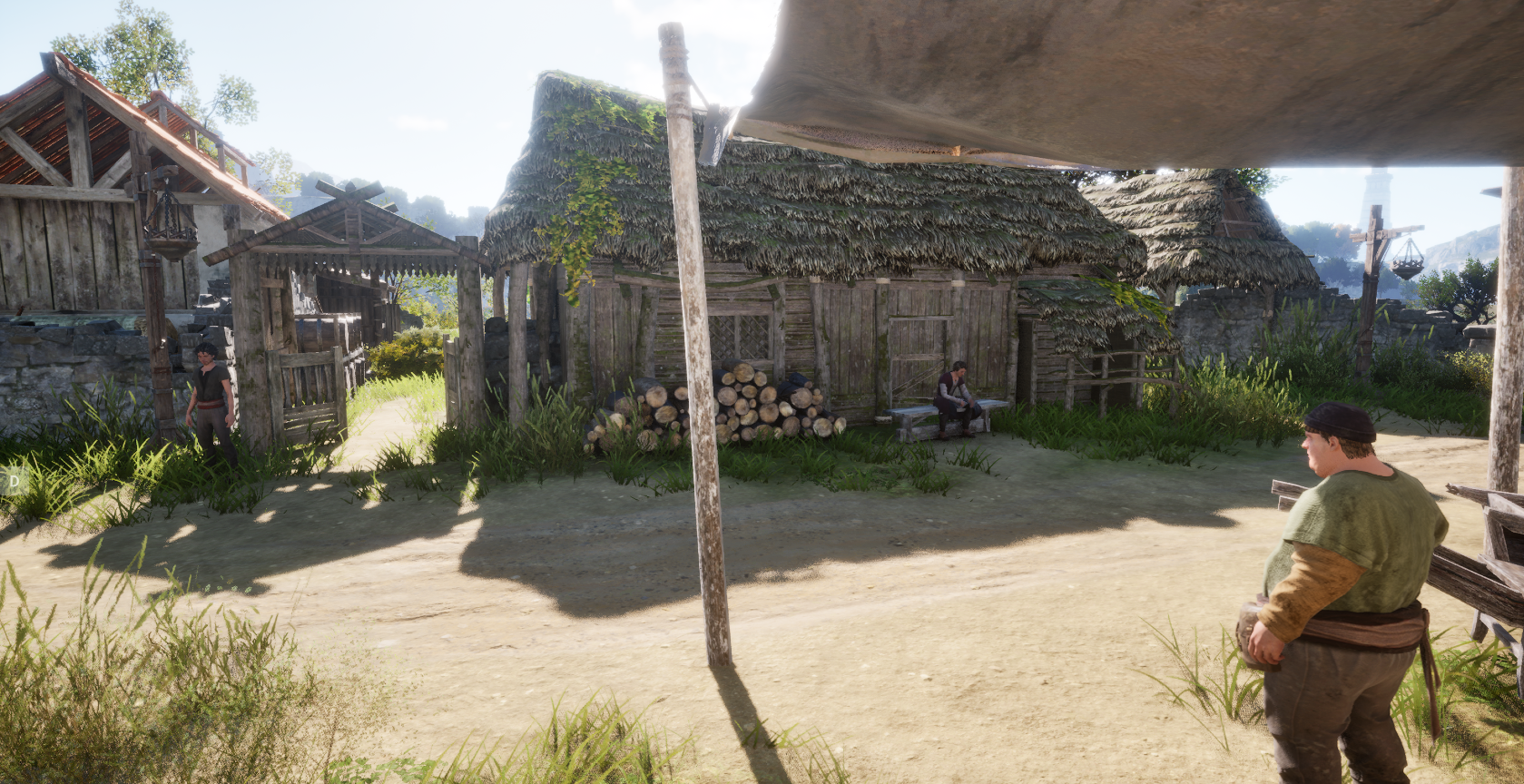
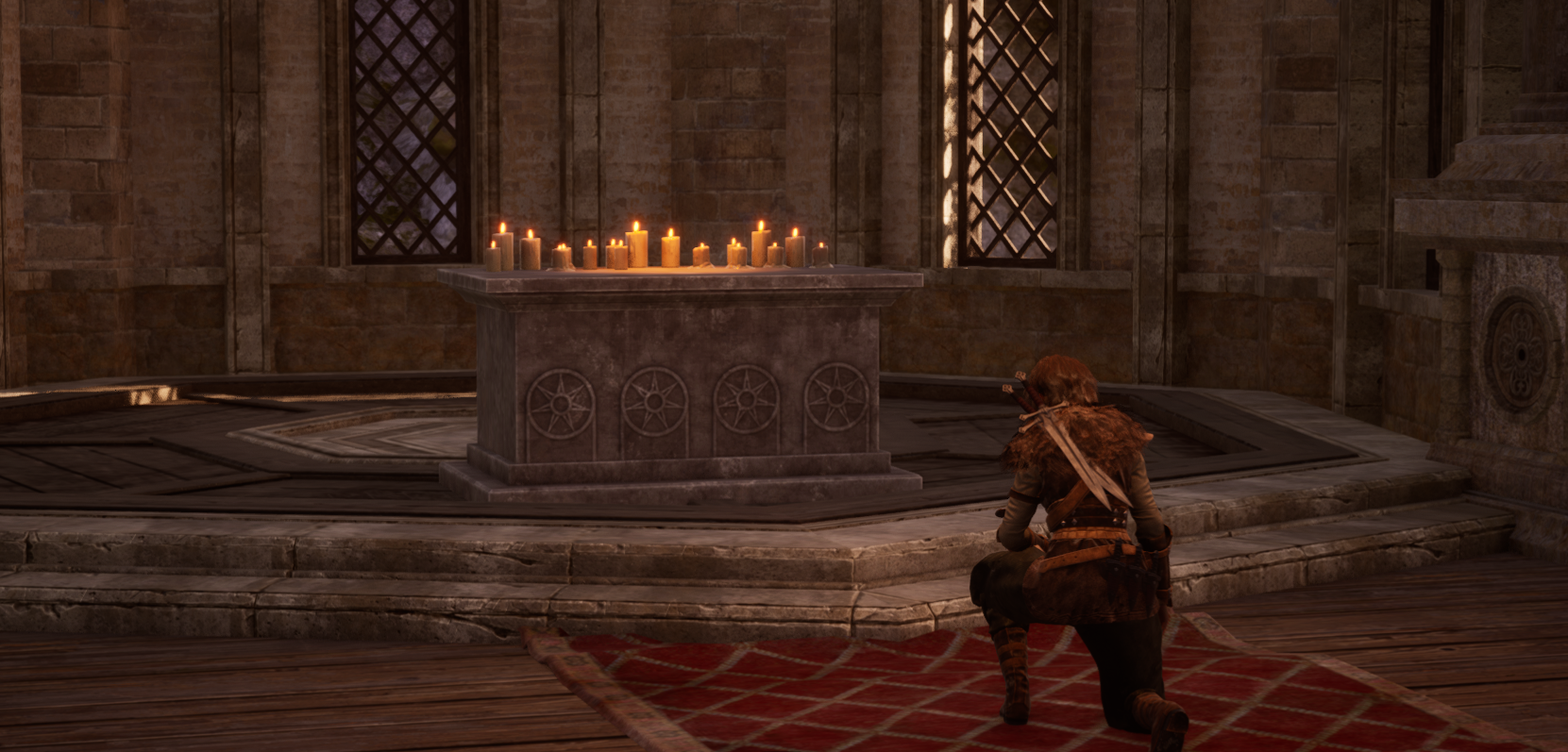
The world of Game of Thrones is home to many faiths, including the Old Gods and the Faith of Seven, and many houses of worship.
Inside the Sept, which can only be entered after overcoming the fanatic threat, the player takes a moment to meditate.
Faith is a part of everyday life for the people living in this world, and reclaiming those places holds a significance beyond mere victory in battle.
All these different elements have one thing in common.
They are all possible because the game is set in Westeros.
Ultimately, the realism of Game of Thrones was not a limitation—but a stepping stone to completing this world.
All the content introduced so far only begins when the player takes the first step.
But Westeros is not a world that only comes alive when the player seeks it out.
There are things that the Game of Thrones TV series could not capture.
Behind the tales of kings and aristocrats lie the stories of countless ordinary people.
There are tenant farmers being evicted for failing to pay taxes, mothers who have lost children to war, and elderly folks repairing half-collapsed barns on their own.
Yet, they too undoubtedly live in this world, crafting their own stories even at this very moment.
As you walk across Westeros, you'll encounter these people.
A merchant being chased by a bandit, a child crying over an injured horse, a woman standing by the roadside waiting for her husband who never returned from the battlefield...
No one tells you to help. If you intervene, the world reacts; if you pass by, they are simply left there.
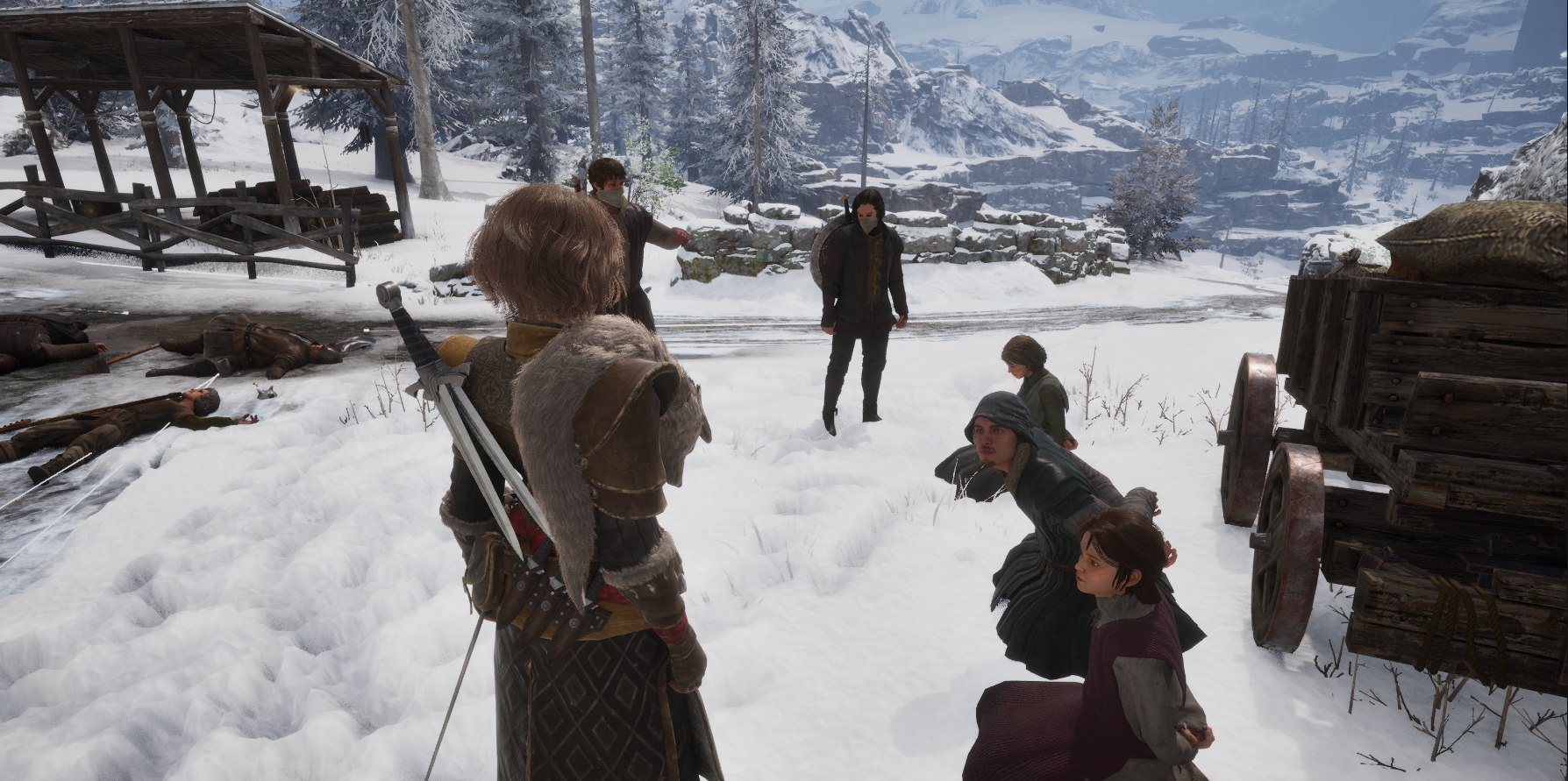
And sometimes, the world speaks to you first.
A wanted poster states that a fugitive, with a bounty placed by a certain lord, is hiding somewhere in this area.
Bounties draw players into events already unfolding within the world.
The target is not just a strong enemy. Each has their own story and is actually hiding somewhere in the world.
The entire process of finding, confronting, and the conclusion is a short story in itself.
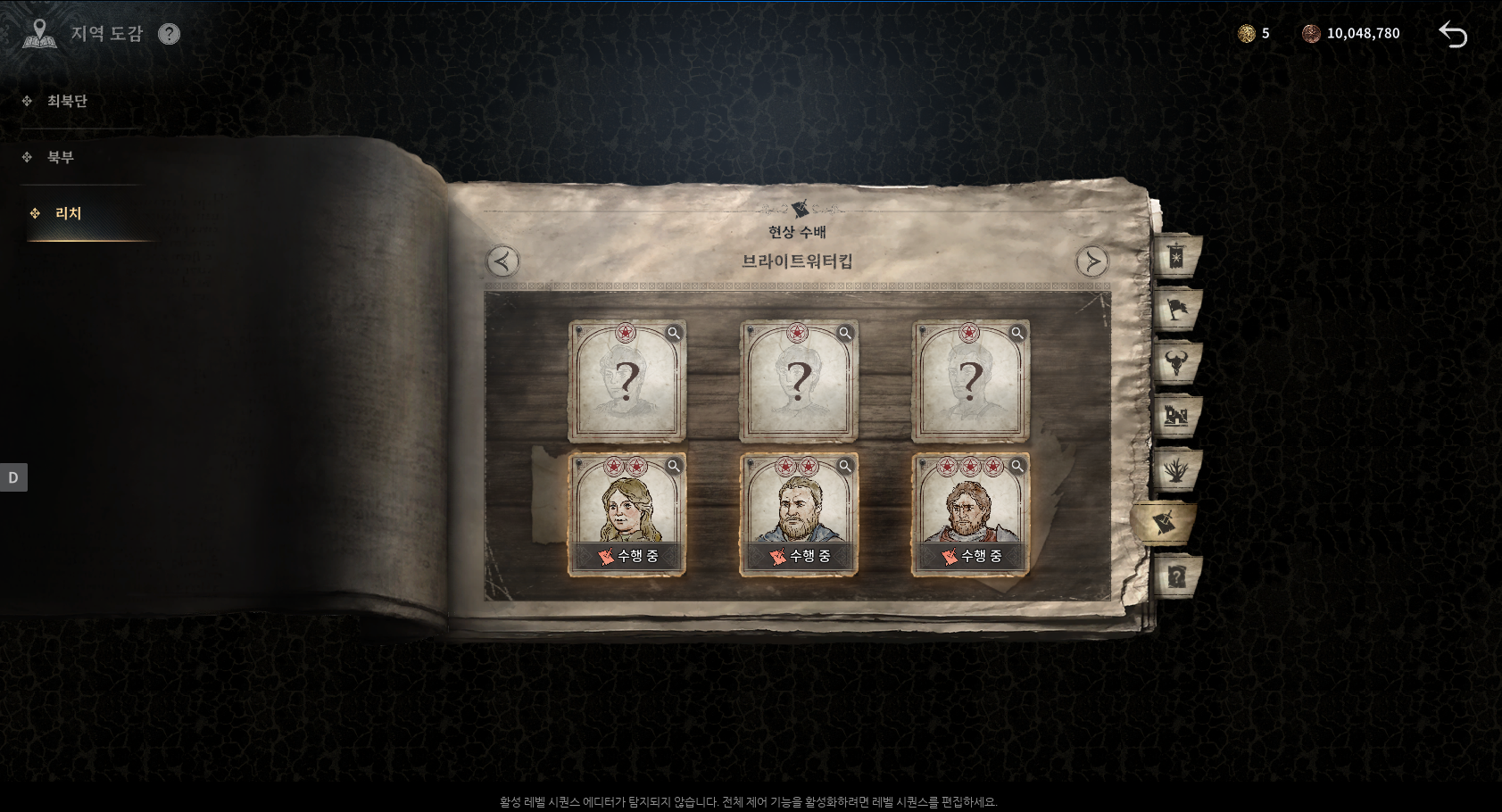
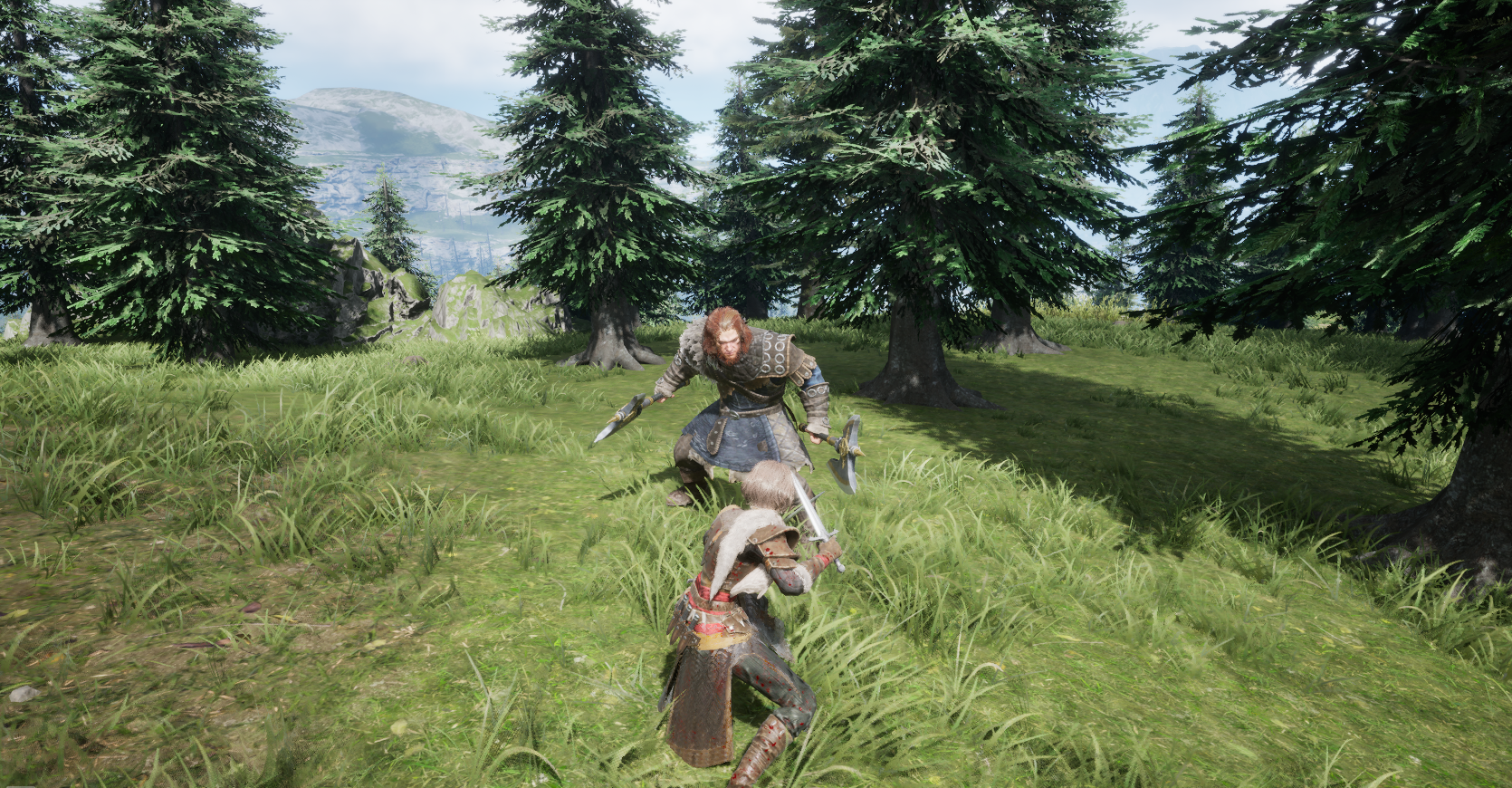
Even in major cities like White Harbor or Oldtown, the world is in constant motion.
Regardless of grand power struggles, large and small incidents occur constantly with no map or destination markers to point you to them.
There are only clues, and it's entirely up to the player to piece them together and uncover the truth.
It gives a sense that the world doesn't wait for the player; events are already unfolding even without them.
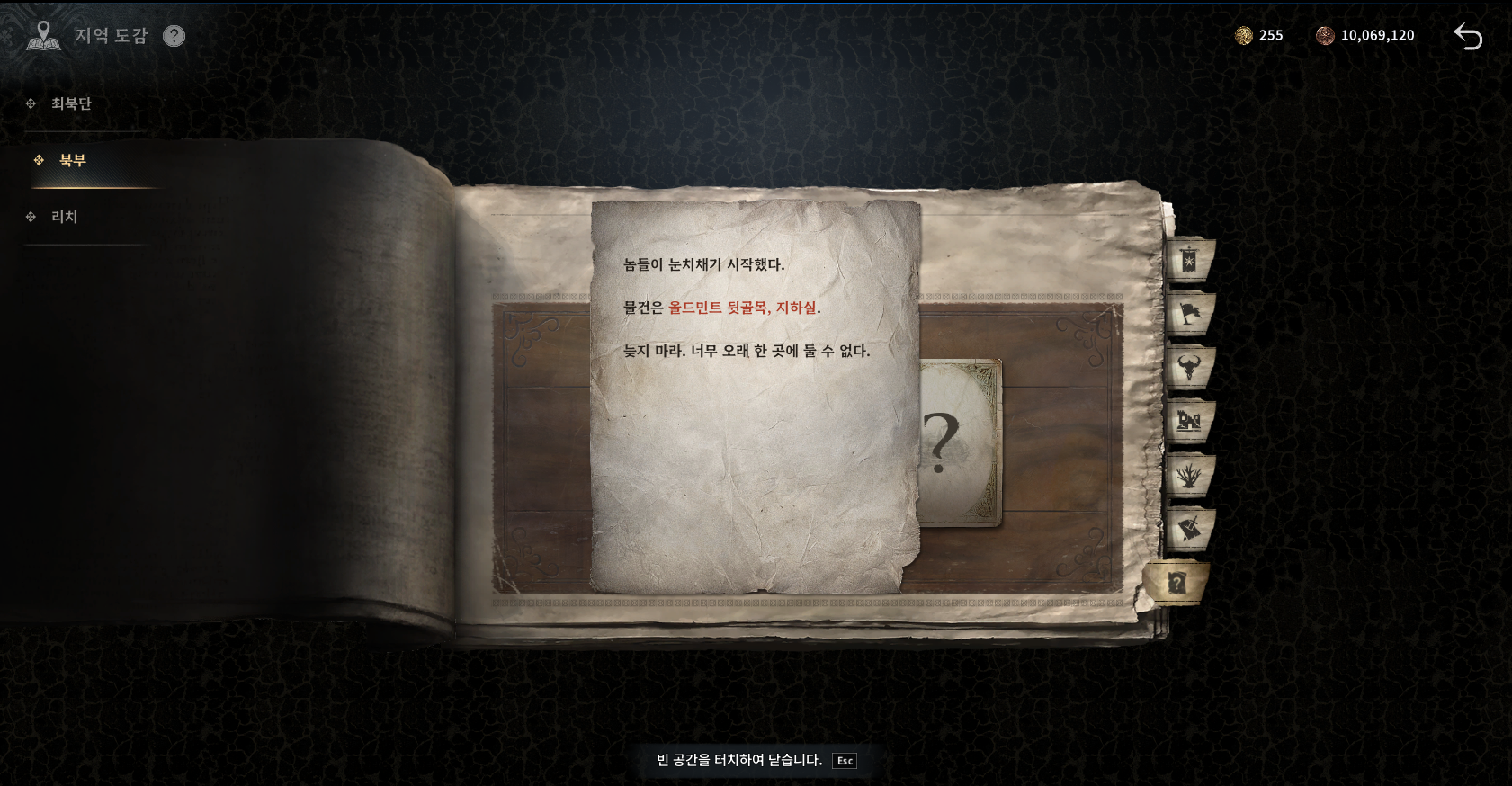
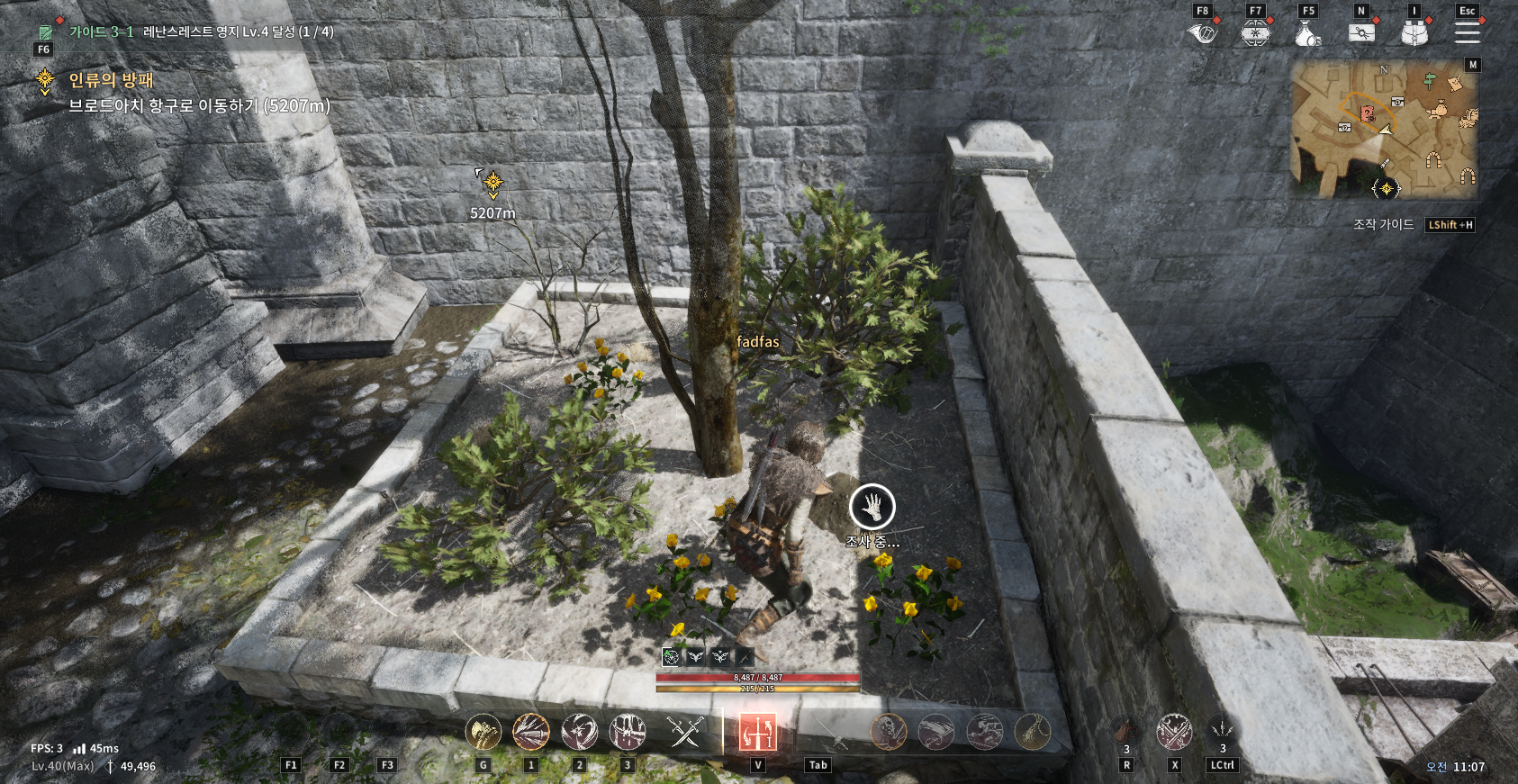
If the designed content makes the world intriguing,
it creates a sensation that things were already in motion even before the player arrived.
That sensation transforms the field from a mere set into a living world.
In the end, what we design is not content, but the experience of discovery.
And anyone who has had that experience even once will embark on their next exploration.
For the characters living in Game of Thrones, Westeros might not be a world of excitement...
However, players should look forward to embarking on their very own adventure in Westeros.
????️ \[4-Panel Webtoon]



What's Your Reaction?









![[Business Talk] Chagee: Opening 3,500 stores in 6 years](https://xinker.org/uploads/images/202410/image_140x98_671afce94bf91.webp)