







Welkin F. Mk. I: From Heaven’s Vault
The super-high-altitude Westland Welkin will be joining Britain’s heavy fighter line in the next major update!Welkin F Mk.I: A Heavy Fighter for Great Britain at Rank IVAt a glance:Good high altitude performanceFour 20 mm cannonsPoor agility at low altitude Vehicle HistoryThe genesis of the Welkin began in mid 1940, when a high-altitude Junkers Ju 86P recon aircraft flew into British airspace. Despite the lack of any immediate threat from this incursion, the reality that Germany had the ability to field aircraft capable of reaching such altitudes was a considerable worry for the British Military. As a result, they sought to commission an aircraft that could potentially intercept such high altitude intrusions. After a design contest in which Westland, Hawker and GA took part, Westland came out on top with their P.14 design. Following some further tweaks, the first prototypes of the Welkin would fly in November 1942.From the first test flight, a portfolio of issues that would soon plague the development of the Welkin became readily apparent. The key problem lay with the most iconic feature of the plane, the wings. To accommodate the massive 70 ft wingspan, the wings had to be thick enough to endure high loads. These thick wings accelerated airflow, which resulted in a very narrow flight envelope. At altitude with flaps up, the aircraft would stall below IAS of 185 km/h, it was also restricted to a maximum dive speed of 370 km/h, beyond this speed it began to risk structural flutter and a complete loss of pitch control. This gave the Welkin a safe operating range of only 185 km/h approximately.Due to this extremely narrow envelope, it became apparent that the Welkin would not be able to engage single-seat fighters, as performing high-altitude maneuvers within this envelope was practically impossible. It was concluded that the Welkin was only suitable to combat large, high-altitude bombers. As this particular threat from Germany was all but non-existent by the time the aircraft was combat ready, the Welkin project slowly came to a halt. The aircraft were technologically ambitious, with their pressurized cabin being a notable success, however the thick wings and high weight burdened the Welkin with too many performance issues, and its lack of versatility ultimately grounded it for good. 77 aircraft were built overall including prototypes and the last Welkins were scrapped by 1949, with no examples surviving to the present day.Introducing the Westland Welkin F Mk.I!The Westland Welkin heavy fighter will be making its way to the British aviation tree in the next major update! Featuring a strong climb, a huge wingspan and four 20 mm cannons, lets see what this thunderbird can do!The Welkin is something of a bridge between the Whirlwind and the Hornet, incorporating gameplay elements of both aircraft while still bringing something new to the table. Thanks to its giant 70 ft (21.3 meter) wingspan, it can operate at higher altitudes than almost any other contemporary aircraft, with a maximum ceiling of around 13,420 m (44,000 ft). Maneuverability at this altitude is expectedly unimpressive, but it will have a lot of control in this environment, able to stay above enemies and pick the perfect moment to dive on them.It’s equipped with the same guns as the Whirlwind, four 20 mm Hispano Mk.II cannons in the nose. A downside of the Whirlwind in this regard was its limited ammo capacity of 240 rounds, thankfully the Welkin improves on this with a total of 566 rounds, allowing it to stay in the fight longer.Did you know? The word Welkin comes from the Old English wolcen, originally meaning “cloud” or “sky”. Later, through a process of semantic shift that occurred by the Middle English period, the word evolved to describe the firmament or the “vault of the sky”. By the 1500s it became quite a popular literary term, used often by William Shakespeare, and in more modern times, it became a very fitting name for a high-altitude aircraft.The max speed of the Welkin is not exceedingly high, somewhere around the region of 635 km/h. The advantage though is that the Welkin can reach this speed comfortably at high altitude, and high altitude really is key here. At lower altitudes, its speed and agility will be no match for contemporary single seat fighters; keeping the Welkin fast and high will be key to its success. Thanks to its strong frontal armament and impressive climb rate, the Welkin is an ideal aircraft for intercepting bombers and putting the pressure on fighters with a weaker climb in the early stages of the battle.The Welkin’s large size inevitably impacted its roll rate. Historically it was reported that at altitude the Welkin would take between 12 - 15 seconds to complete a 360 degree roll! Nevertheless, the Welkin’s maneuverability in a vertical turn can be considered acceptable for its size. Pilots should take care to get the Welkin to high altitude before engaging enemy aircraft; the higher up it is, the stronger it wi
The super-high-altitude Westland Welkin will be joining Britain’s heavy fighter line in the next major update!
Welkin F Mk.I: A Heavy Fighter for Great Britain at Rank IV
At a glance:
Good high altitude performance
Four 20 mm cannons
Poor agility at low altitude
The genesis of the Welkin began in mid 1940, when a high-altitude Junkers Ju 86P recon aircraft flew into British airspace. Despite the lack of any immediate threat from this incursion, the reality that Germany had the ability to field aircraft capable of reaching such altitudes was a considerable worry for the British Military. As a result, they sought to commission an aircraft that could potentially intercept such high altitude intrusions. After a design contest in which Westland, Hawker and GA took part, Westland came out on top with their P.14 design. Following some further tweaks, the first prototypes of the Welkin would fly in November 1942.
From the first test flight, a portfolio of issues that would soon plague the development of the Welkin became readily apparent. The key problem lay with the most iconic feature of the plane, the wings. To accommodate the massive 70 ft wingspan, the wings had to be thick enough to endure high loads. These thick wings accelerated airflow, which resulted in a very narrow flight envelope. At altitude with flaps up, the aircraft would stall below IAS of 185 km/h, it was also restricted to a maximum dive speed of 370 km/h, beyond this speed it began to risk structural flutter and a complete loss of pitch control. This gave the Welkin a safe operating range of only 185 km/h approximately.
Due to this extremely narrow envelope, it became apparent that the Welkin would not be able to engage single-seat fighters, as performing high-altitude maneuvers within this envelope was practically impossible. It was concluded that the Welkin was only suitable to combat large, high-altitude bombers. As this particular threat from Germany was all but non-existent by the time the aircraft was combat ready, the Welkin project slowly came to a halt. The aircraft were technologically ambitious, with their pressurized cabin being a notable success, however the thick wings and high weight burdened the Welkin with too many performance issues, and its lack of versatility ultimately grounded it for good. 77 aircraft were built overall including prototypes and the last Welkins were scrapped by 1949, with no examples surviving to the present day.
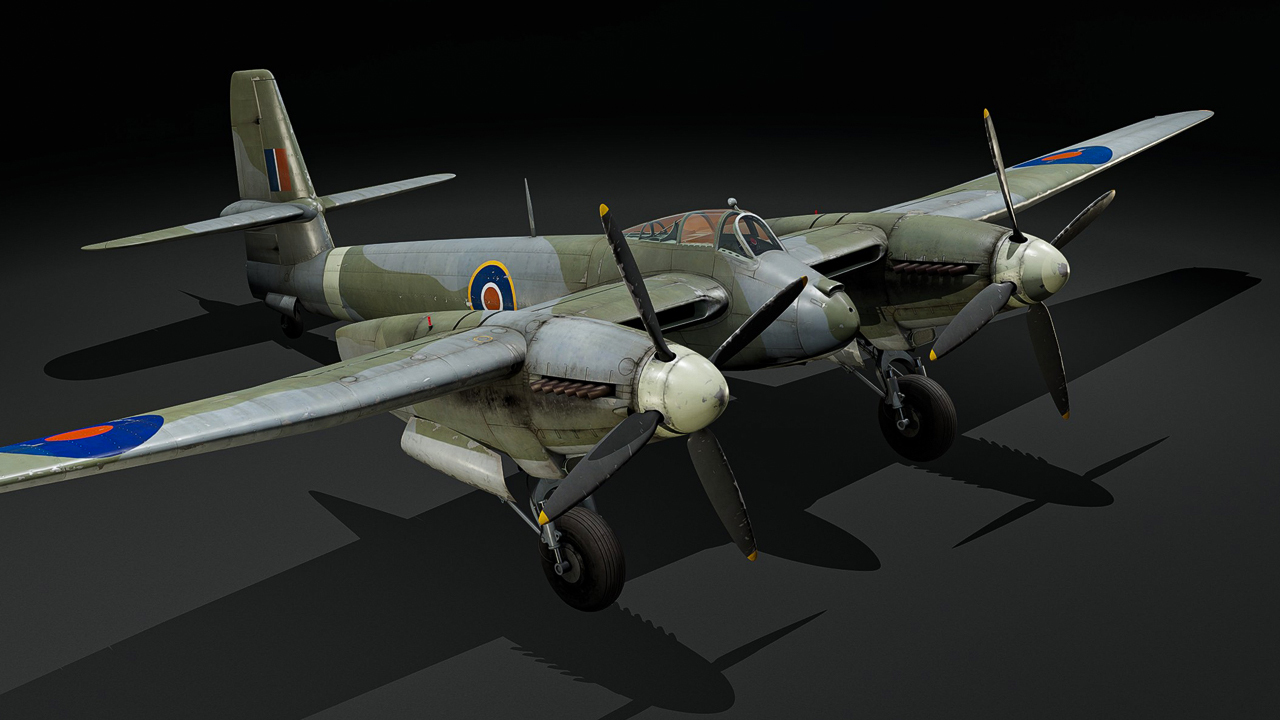
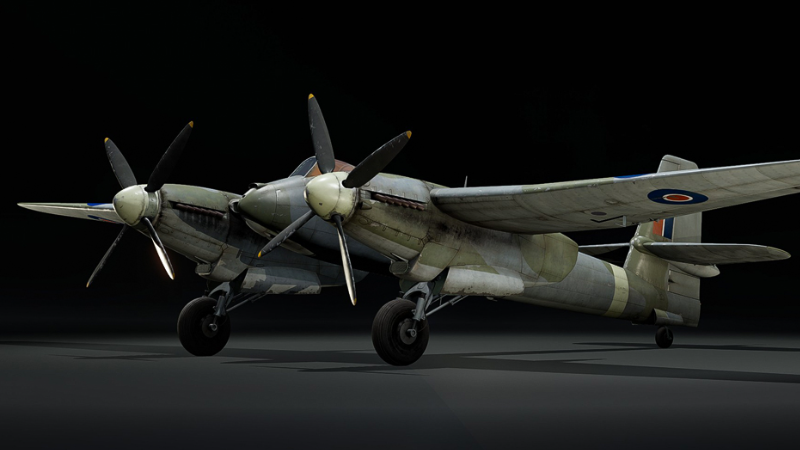
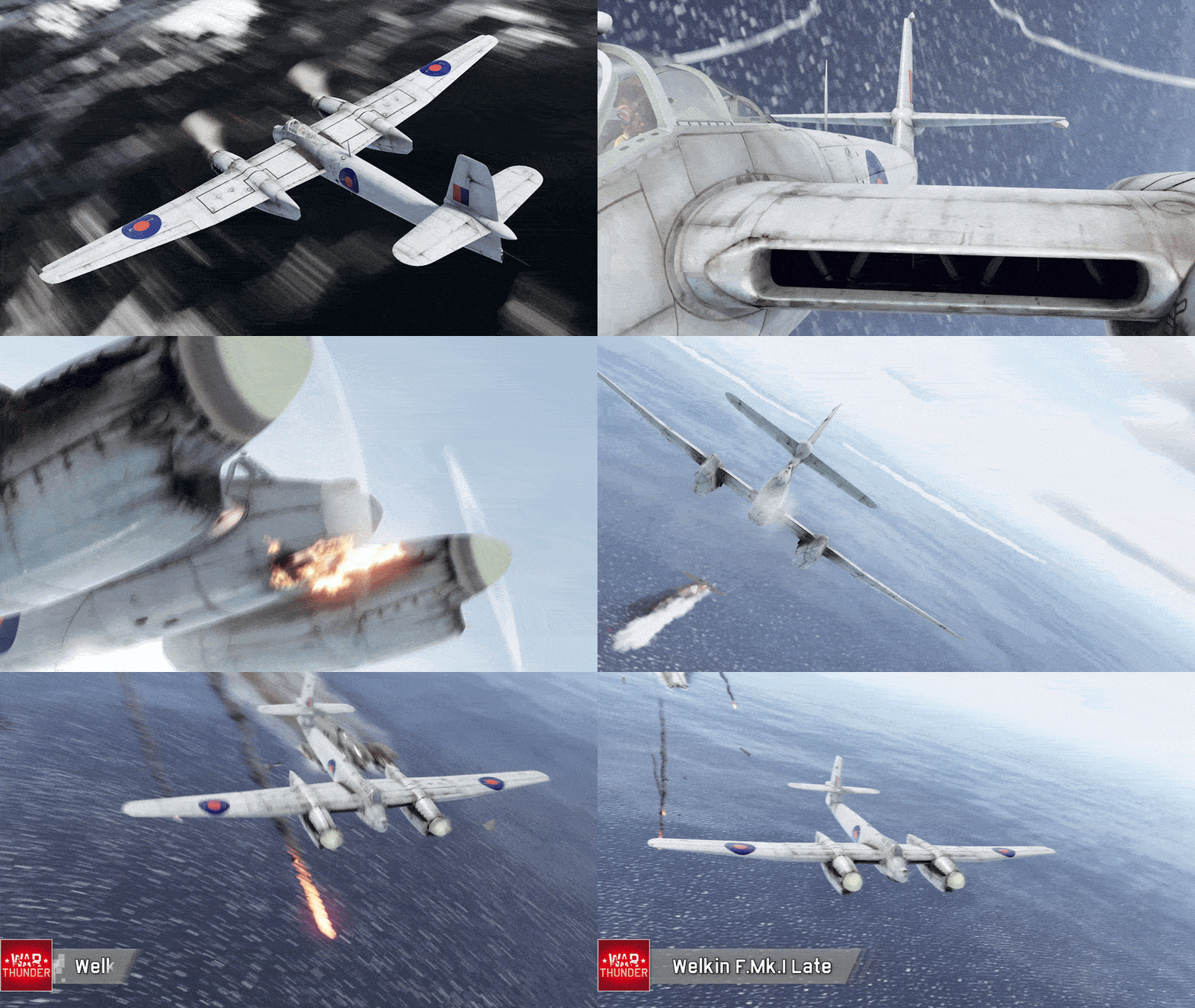
The Westland Welkin heavy fighter will be making its way to the British aviation tree in the next major update! Featuring a strong climb, a huge wingspan and four 20 mm cannons, lets see what this thunderbird can do!
The Welkin is something of a bridge between the Whirlwind and the Hornet, incorporating gameplay elements of both aircraft while still bringing something new to the table. Thanks to its giant 70 ft (21.3 meter) wingspan, it can operate at higher altitudes than almost any other contemporary aircraft, with a maximum ceiling of around 13,420 m (44,000 ft). Maneuverability at this altitude is expectedly unimpressive, but it will have a lot of control in this environment, able to stay above enemies and pick the perfect moment to dive on them.
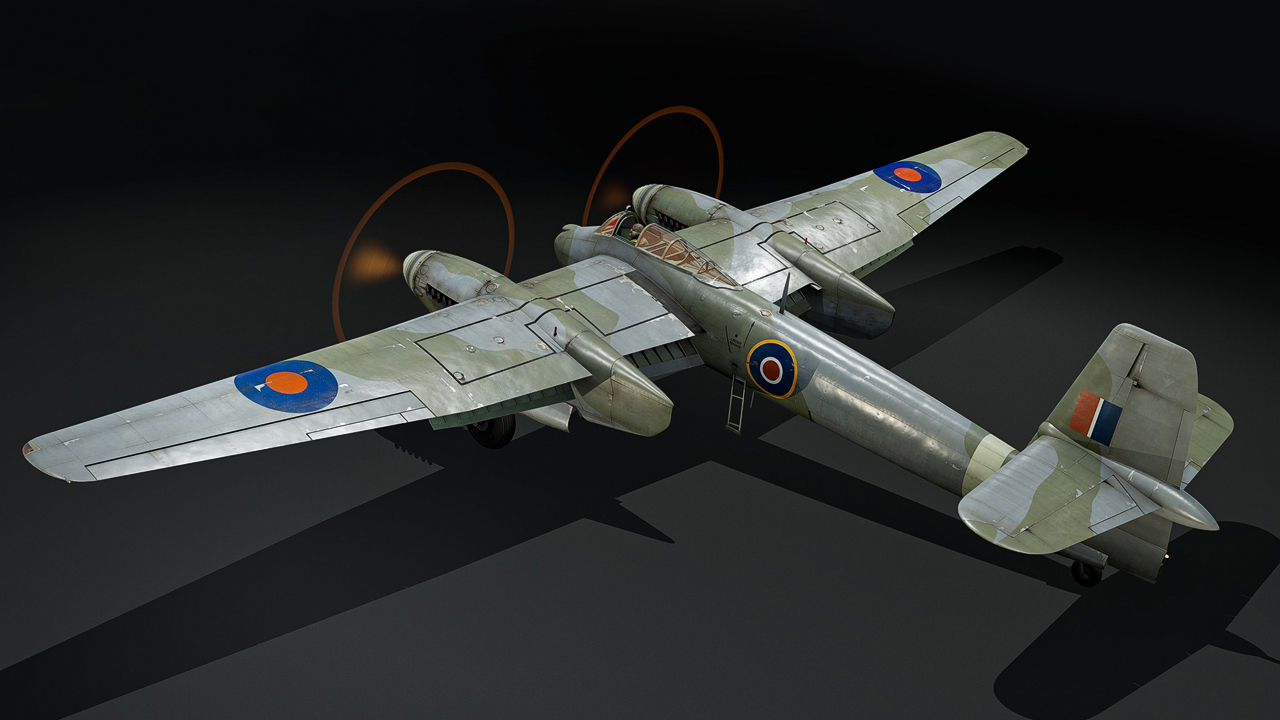
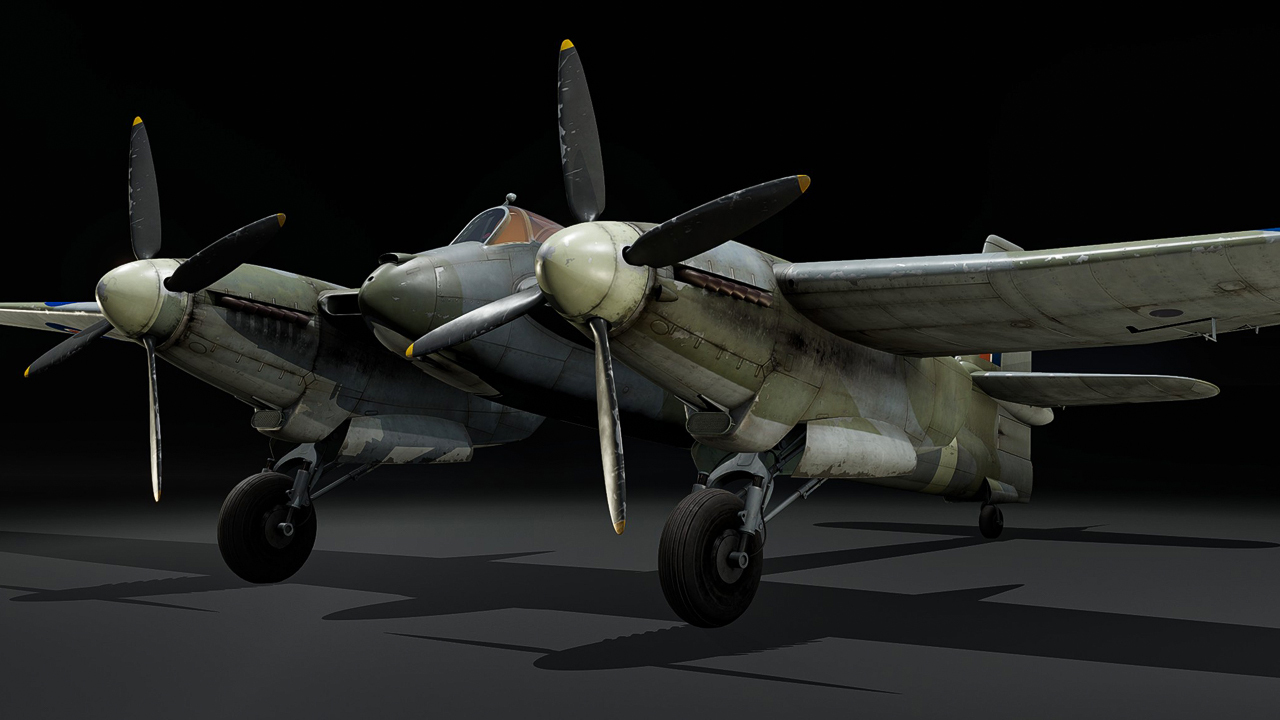
It’s equipped with the same guns as the Whirlwind, four 20 mm Hispano Mk.II cannons in the nose. A downside of the Whirlwind in this regard was its limited ammo capacity of 240 rounds, thankfully the Welkin improves on this with a total of 566 rounds, allowing it to stay in the fight longer.
Did you know? The word Welkin comes from the Old English wolcen, originally meaning “cloud” or “sky”. Later, through a process of semantic shift that occurred by the Middle English period, the word evolved to describe the firmament or the “vault of the sky”. By the 1500s it became quite a popular literary term, used often by William Shakespeare, and in more modern times, it became a very fitting name for a high-altitude aircraft.
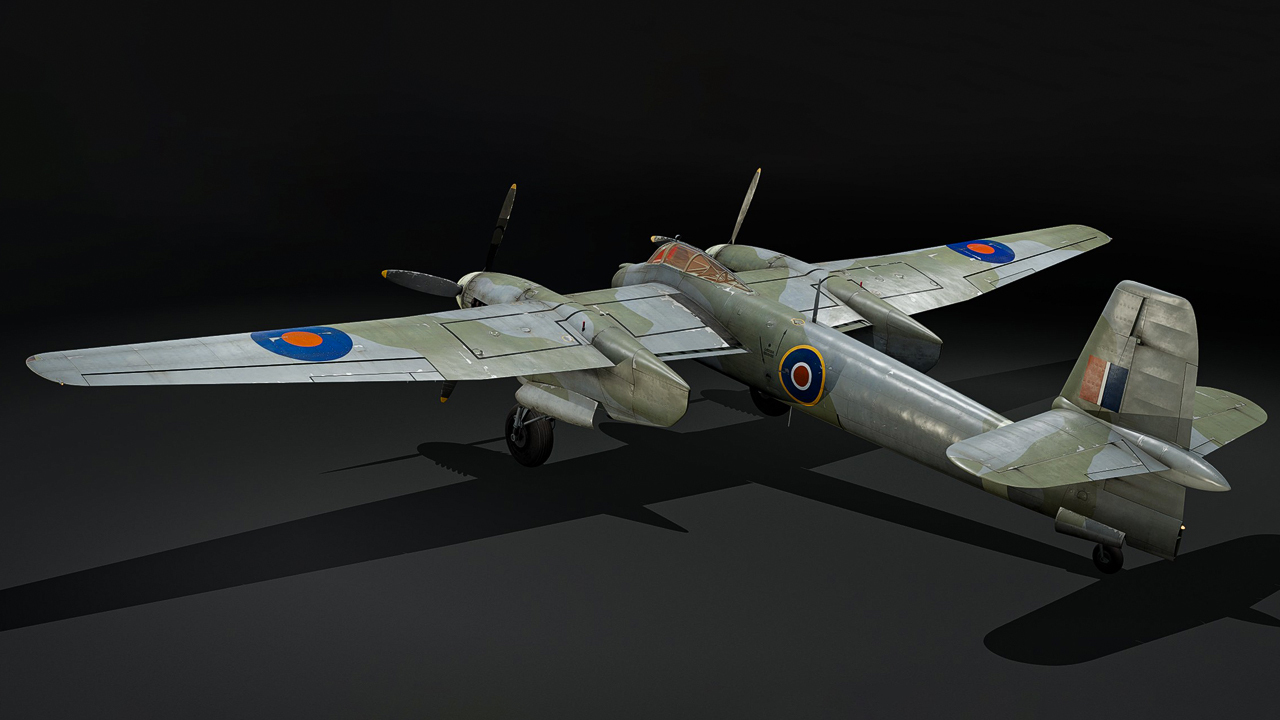
The max speed of the Welkin is not exceedingly high, somewhere around the region of 635 km/h. The advantage though is that the Welkin can reach this speed comfortably at high altitude, and high altitude really is key here. At lower altitudes, its speed and agility will be no match for contemporary single seat fighters; keeping the Welkin fast and high will be key to its success. Thanks to its strong frontal armament and impressive climb rate, the Welkin is an ideal aircraft for intercepting bombers and putting the pressure on fighters with a weaker climb in the early stages of the battle.
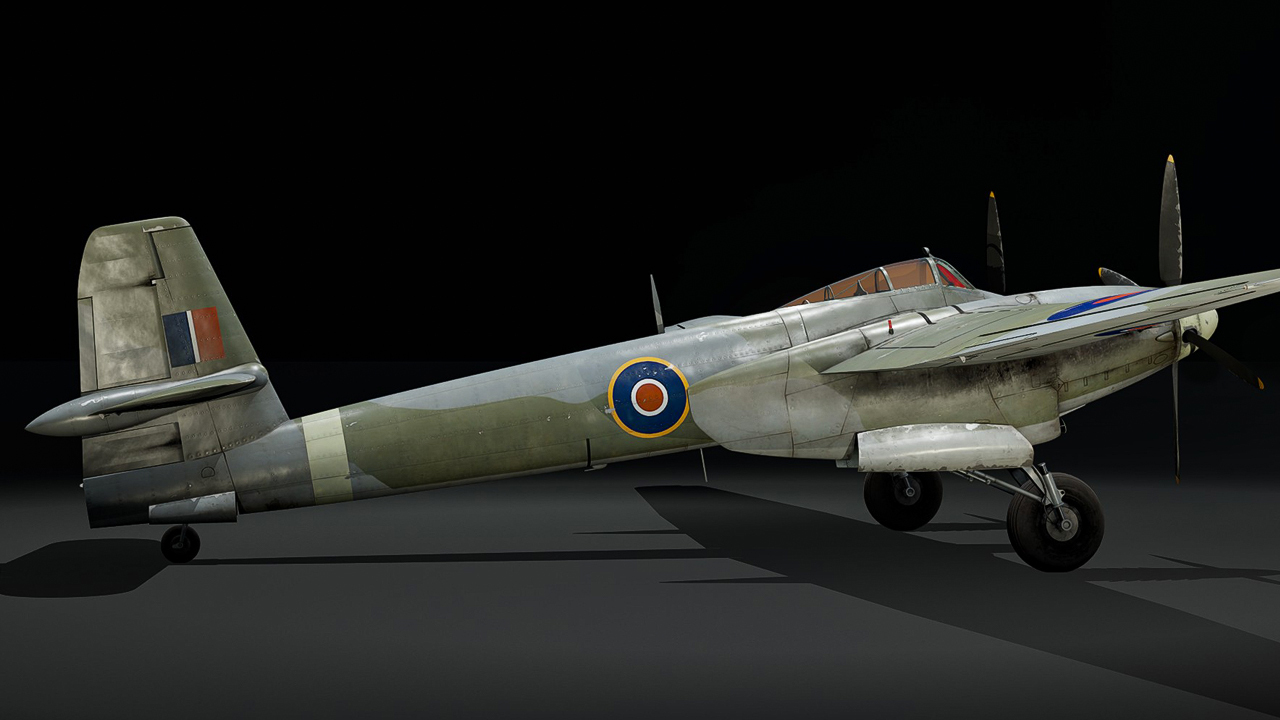
The Welkin’s large size inevitably impacted its roll rate. Historically it was reported that at altitude the Welkin would take between 12 - 15 seconds to complete a 360 degree roll! Nevertheless, the Welkin’s maneuverability in a vertical turn can be considered acceptable for its size. Pilots should take care to get the Welkin to high altitude before engaging enemy aircraft; the higher up it is, the stronger it will be in engagements.
The main advantage the Welkin has is control, its flight performance may not be exceedingly strong, but its ability to hold altitude more effectively than almost anything else puts it in a strong place at its rank. It can comfortably force opponents into fights completely on its terms, as long as you can climb high enough!
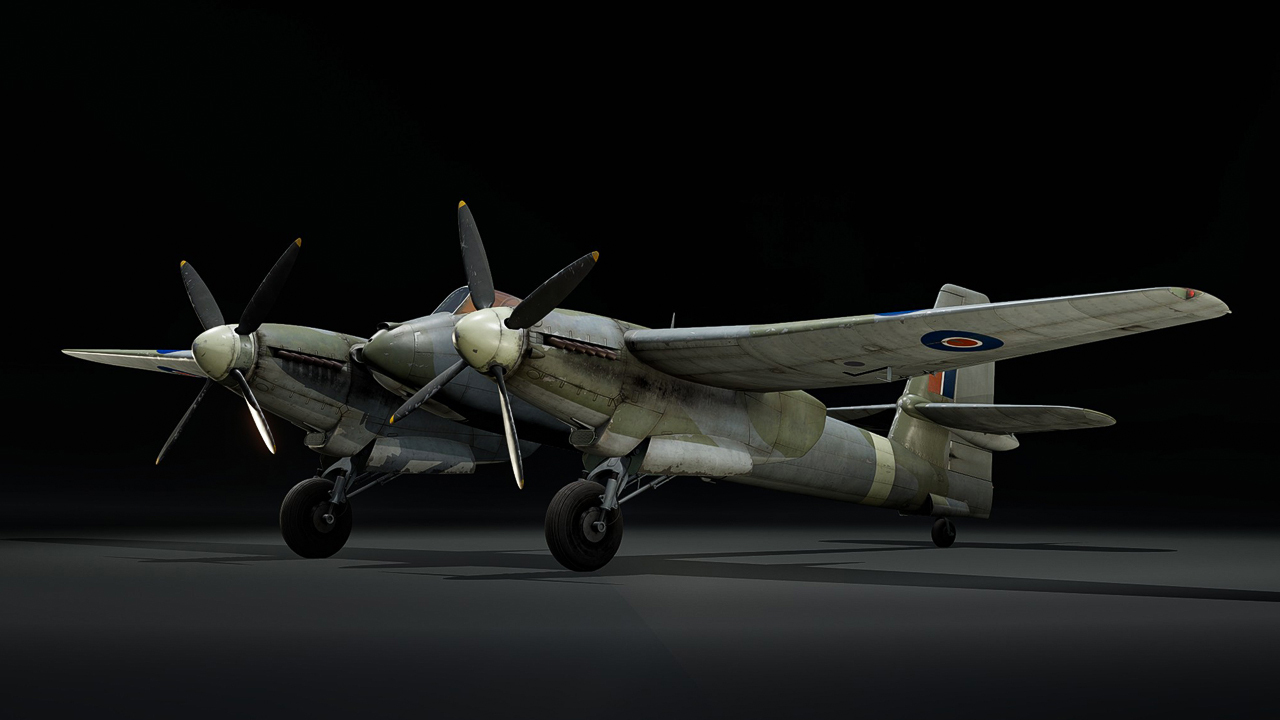
That’s all for the Welkin, we hope you enjoy giving this highly unique heavy fighter a spin on the release of the next major update. Until then we’ve got tons more to show you, so keep checking in for more!
Please note that this vehicle’s characteristics may be changed before it is added to the game.
你覺得這篇文章如何?









![[Announcement] August Community Events](https://clan.akamai.steamstatic.com/images/40811643/ae983bfbecd3c032d8c7693c9cf6f64c7e9ded59.jpg?#)