








Launch Maps | Hell Let Loose: Vietnam
Welcome to VietnamWith Hell Let Loose: Vietnam launching tomorrow, it’s almost time to experience the battlefields of Vietnam for yourself.At launch, players will be able to fight across six maps, each bringing its own unique environments, challenges, and opportunities for tactical gameplay. From dense jungles and remote villages, to waterways and open terrain, each battlefield will require you and your squad to adapt your approach to secure victory.Ahead of launch, we wanted to give you a closer look at all six maps you’ll be deploying into from day one, and what you can expect when the battle begins.Thanh Hóa BridgeOperation Rolling Thunder was a US bombing campaign during the Vietnam War, between 1965 and 1968, aimed at weakening North Vietnam’s infrastructure and military.Thanh Hóa Bridge, also known as the Dragon’s Jaw, was one of the most heavily fortified and defended locations in the world during the Vietnam War. US aerial strikes repeatedly bombarded the bridge, and numerous times failed to hit their target, heavily defended by NVA forces and conveniently shielded by two mountainous peaks.Thanh Hóa Bridge crosses the Nam Ma River, presenting a tactical challenge on the battlefield. Take control of important crossings and be prepared for river and cross-river combat. Rely on the jungle and mountainous terrain to gain the upper hand, and expect fierce close-quarters fighting around the villages and trainyards.Huế OutskirtsTet Offensive, January 1968, was a series of coordinated surprise attacks by the NVA against the US and South Vietnamese forces in South Vietnam.Huế Outskirts focuses on the mountainous terrain, terraced farms, and dense jungles, of the nearby areas surrounding the infamous city, as the US make their approach to recapture Hue proper. These changes in environment offer a mix of vertical combat, and claustrophobic close-quarters engagements in heavily defended US bases and large concrete industrial areas, all connected by accessible waterways.Vạn TườngOperation Starlite, August 1965, also known as the Battle of Vạn Tường, was considered the first US offensive of the Vietnam War. The operation started with a US amphibious beach landing and three simultaneous helicopter landings, all in an attempt to counter a potential assault on a nearby military base, Chu Lai.Vạn Tường offers a blend of semi-urban combat throughout small villages and intense moment-to-moment action within the confines of the jungle. The sprawling river network gives ample opportunity to maneuver boats around the map, and for infantry to ambush through the dense river foliage.Quảng NgãiOperation Piranha, September 1965, was the immediate follow-up to Operation Starlite. Starting with an early hours beach landing, the US used choppers to perform an envelopment assault on the retreating enemy, cutting them off where they had fled to the southern Batangan Peninsula in the Quảng Ngãi Province.Adapt to the harsh environments of Quảng Ngãi, with monsoon flooding, rocky cliffs and caves, tropical bamboo forests, and open lowlands. Fighting will move between tight jungle confines, from cross-river expanses, to the vertical heights of the cliffs.Đắk Tô AirfieldNovember 1967 saw the start of the Battle of Đắk Tô, an attack on a key US airfield base and surrounding hilltop fortifications in the central highlands of South Vietnam. The focal point of the base is its long, stretching airstrip, allowing nearby armor and recon units to take advantage and dominate the area. Impact craters and destroyed vehicles are strewn along the runway, caused by the constant bombardment of artillery strikes.The operating airfield means the surrounding areas are less dense than the typical jungle, demanding effective teamwork and communication to navigate the open space safely.Cam Ranh PortBy 1969, the Cam Ranh Bay Logistics Facility was a well-established Air Force base, Naval base, and large munitions and POL storage site. Based on a secure peninsula in the province of Khánh Hòa, its deep-water bay allowed for large vessels to moor along the substantial DeLong Piers. The facility faced multiple attacks across its lifetime, including a sapper attack in August 1969 that damaged many buildings.Be prepared to fight around dense militarised areas, dry creek beds, and rolling dunes. The large waterway to the south allows for wide open boat skirmishes, while the industrial docks provide intense close-quarters combat.Let us know in the comments what map you're most excited to play, and what maps you'd like to see in the future...
With Hell Let Loose: Vietnam launching tomorrow, it’s almost time to experience the battlefields of Vietnam for yourself.
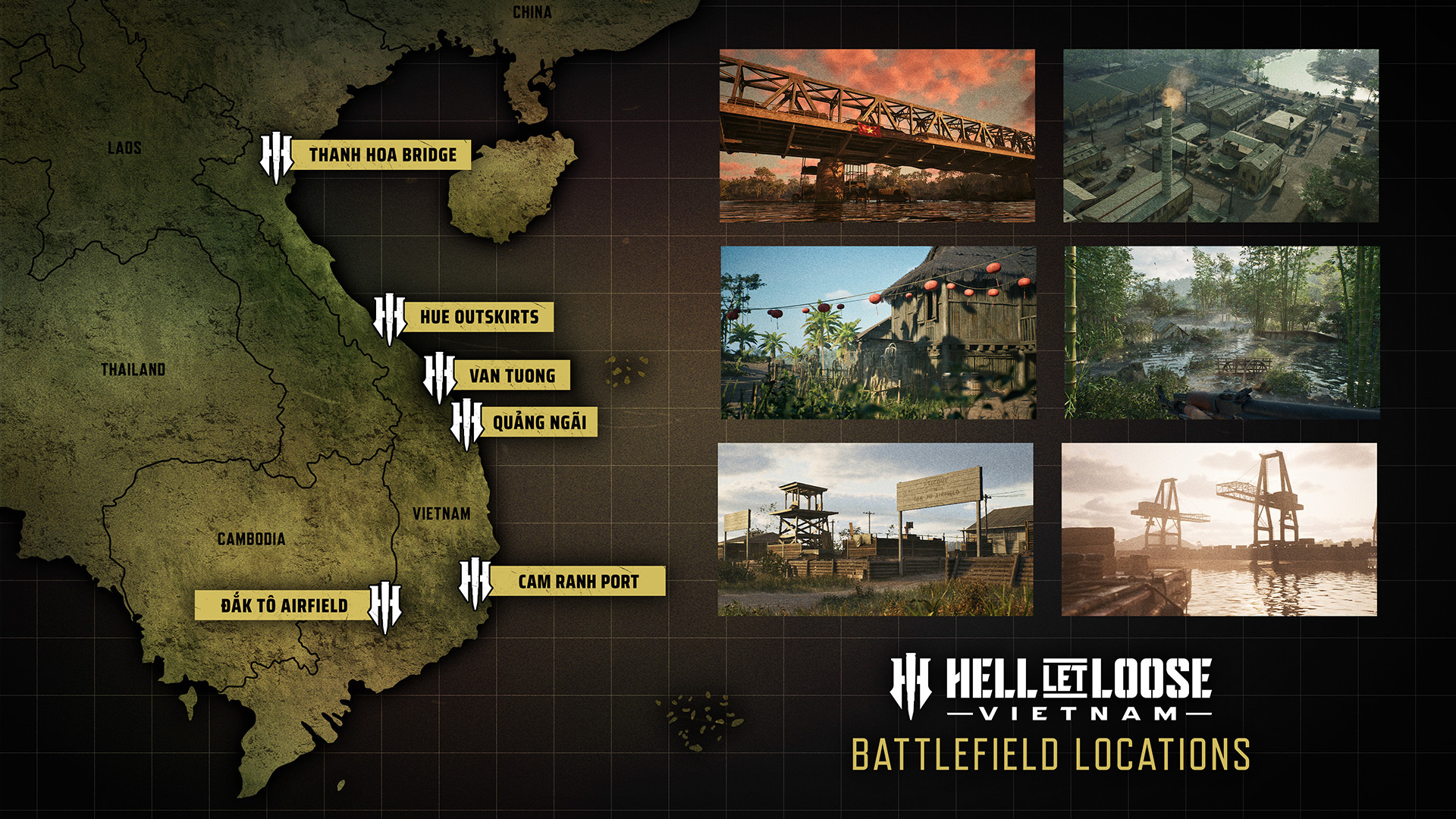
At launch, players will be able to fight across six maps, each bringing its own unique environments, challenges, and opportunities for tactical gameplay. From dense jungles and remote villages, to waterways and open terrain, each battlefield will require you and your squad to adapt your approach to secure victory.
Ahead of launch, we wanted to give you a closer look at all six maps you’ll be deploying into from day one, and what you can expect when the battle begins.
Operation Rolling Thunder was a US bombing campaign during the Vietnam War, between 1965 and 1968, aimed at weakening North Vietnam’s infrastructure and military.
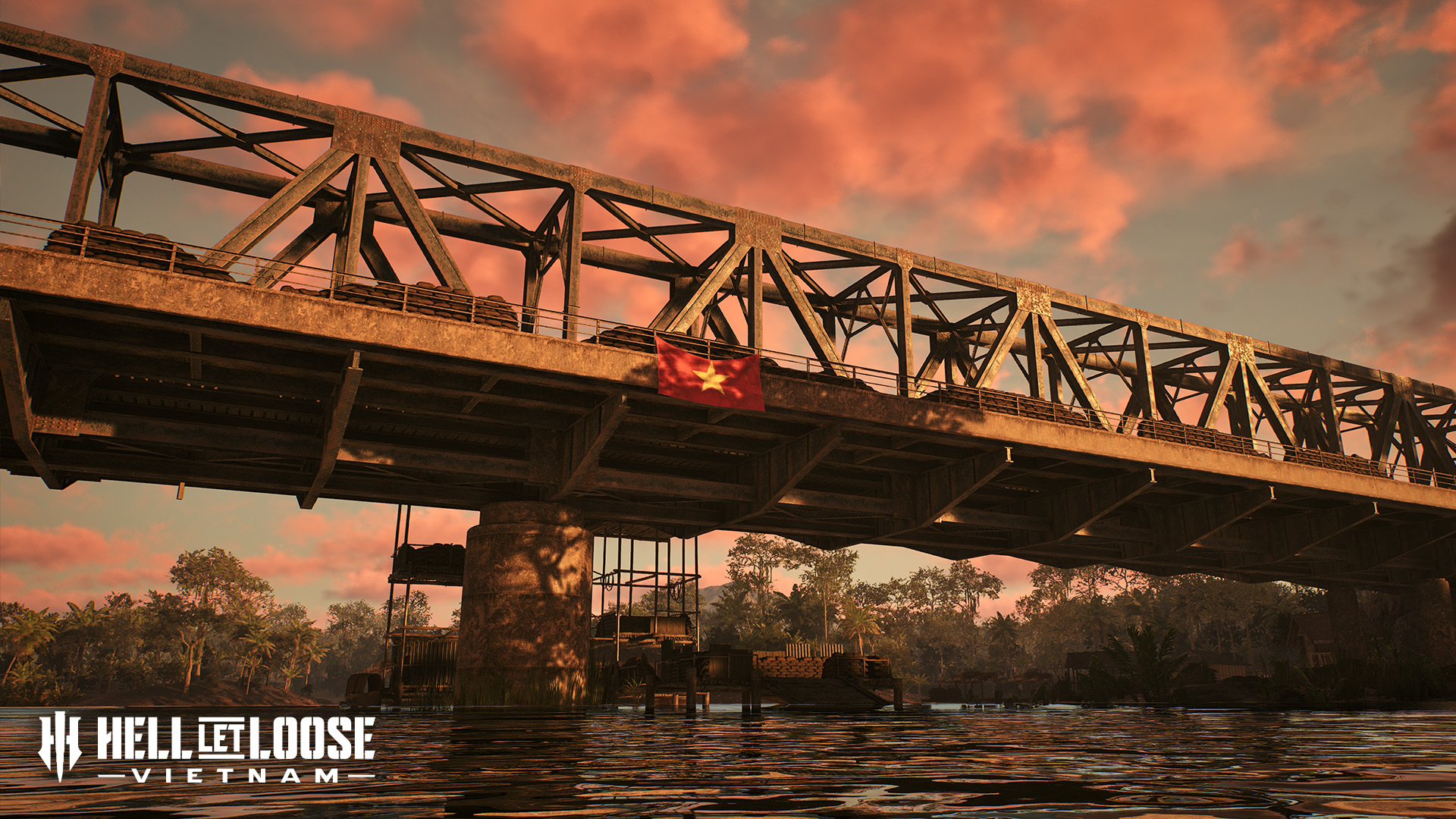
Thanh Hóa Bridge, also known as the Dragon’s Jaw, was one of the most heavily fortified and defended locations in the world during the Vietnam War. US aerial strikes repeatedly bombarded the bridge, and numerous times failed to hit their target, heavily defended by NVA forces and conveniently shielded by two mountainous peaks.
Thanh Hóa Bridge crosses the Nam Ma River, presenting a tactical challenge on the battlefield. Take control of important crossings and be prepared for river and cross-river combat. Rely on the jungle and mountainous terrain to gain the upper hand, and expect fierce close-quarters fighting around the villages and trainyards.
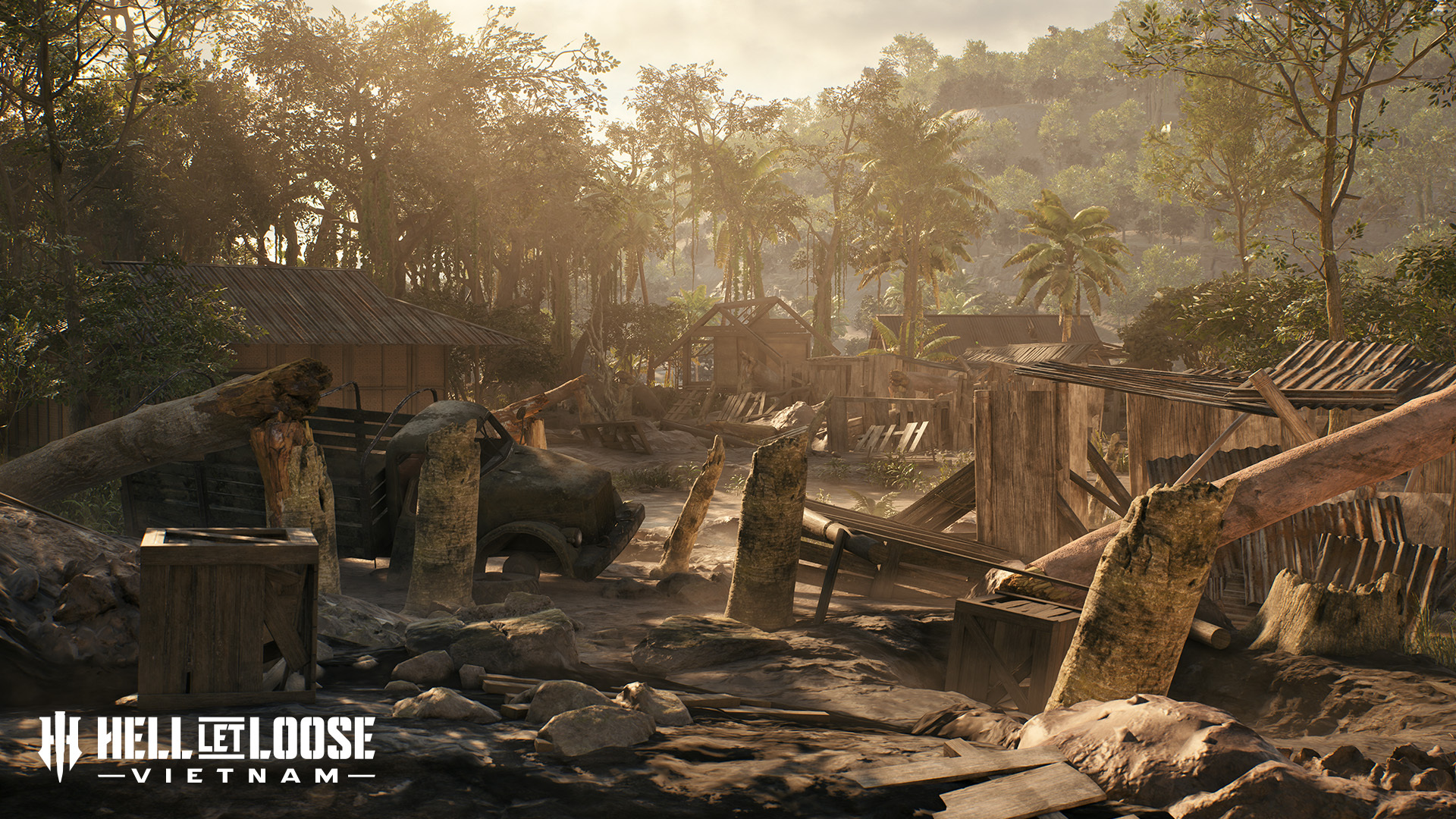
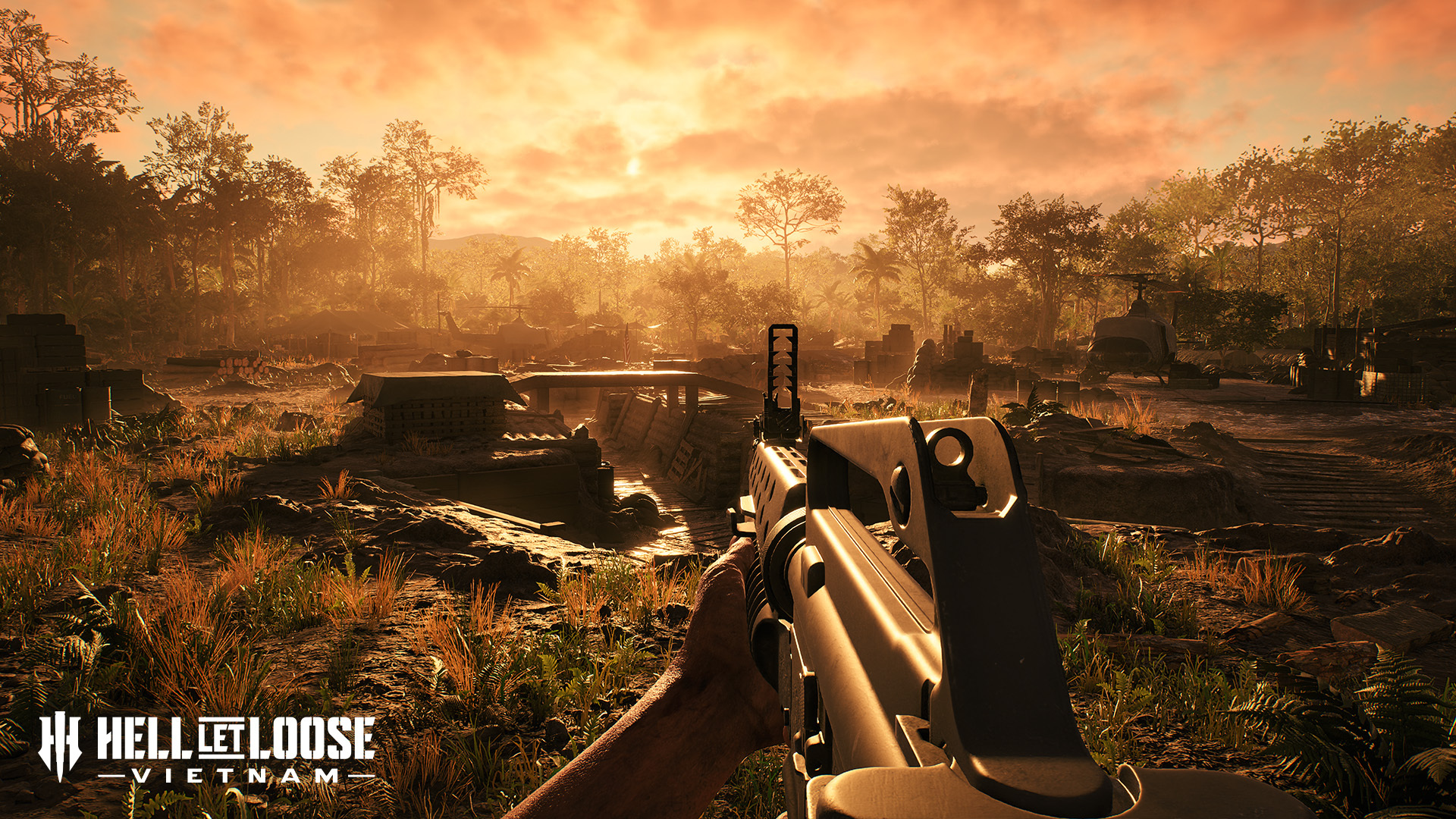
Tet Offensive, January 1968, was a series of coordinated surprise attacks by the NVA against the US and South Vietnamese forces in South Vietnam.
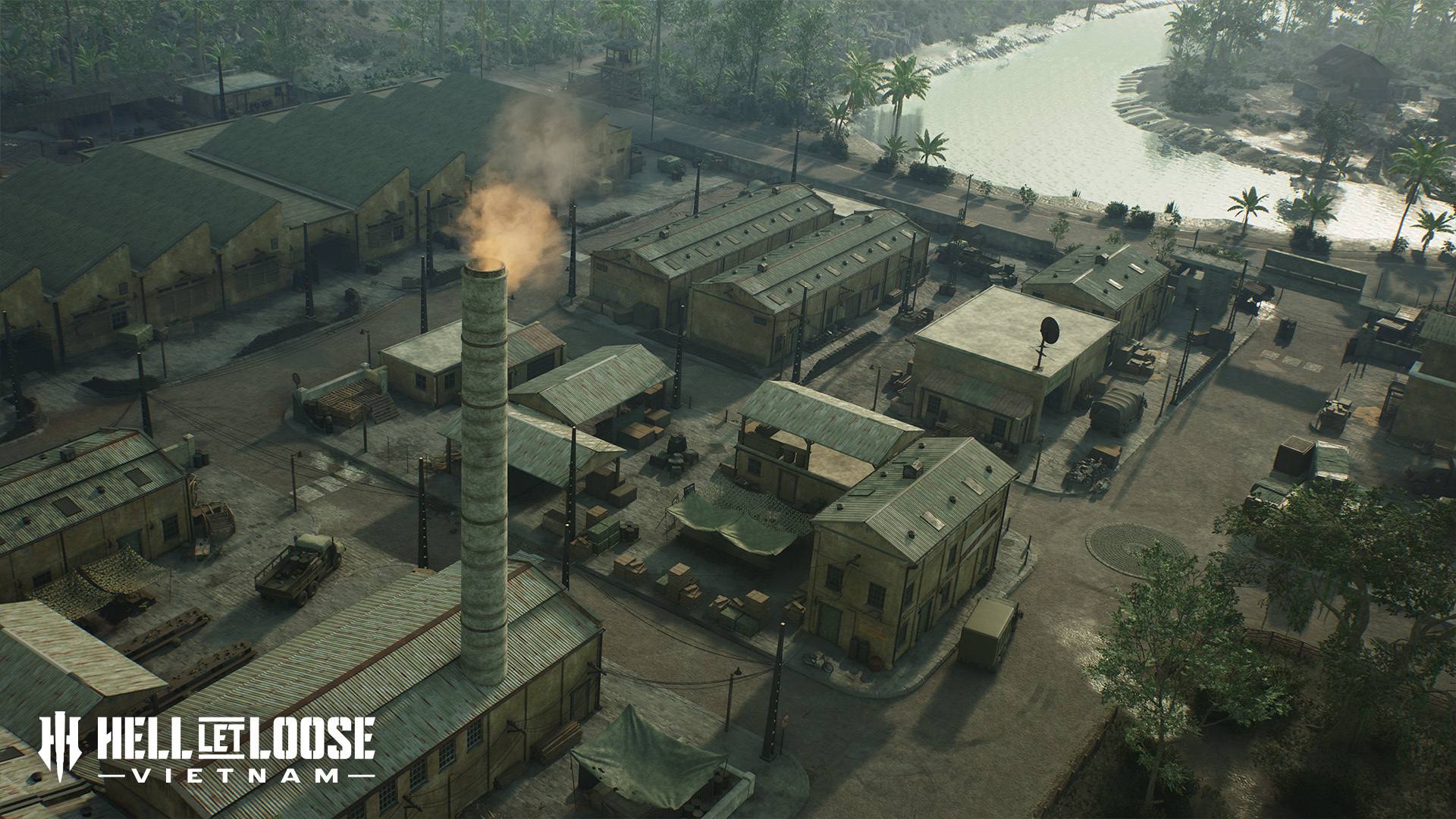
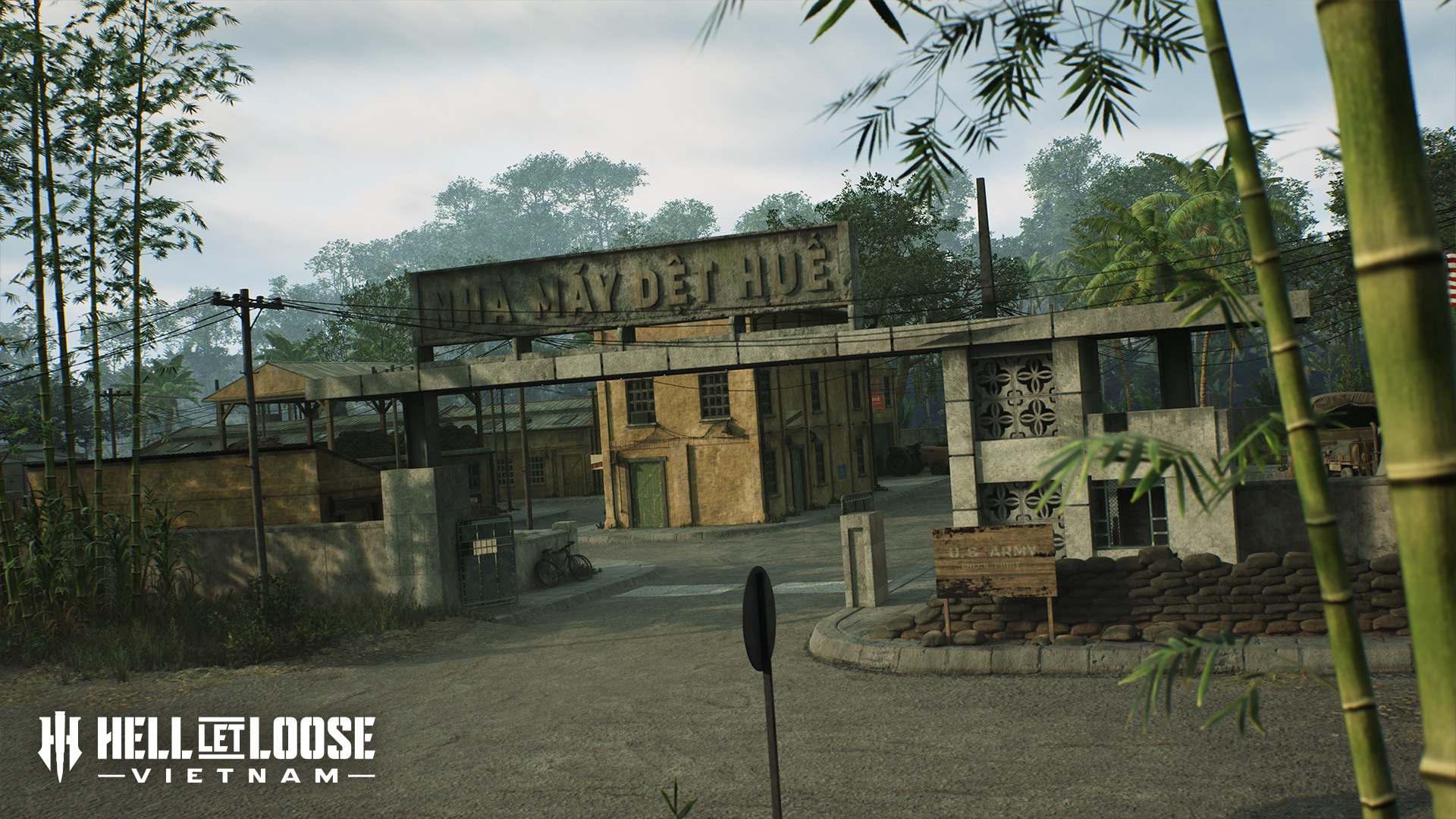
Huế Outskirts focuses on the mountainous terrain, terraced farms, and dense jungles, of the nearby areas surrounding the infamous city, as the US make their approach to recapture Hue proper. These changes in environment offer a mix of vertical combat, and claustrophobic close-quarters engagements in heavily defended US bases and large concrete industrial areas, all connected by accessible waterways.
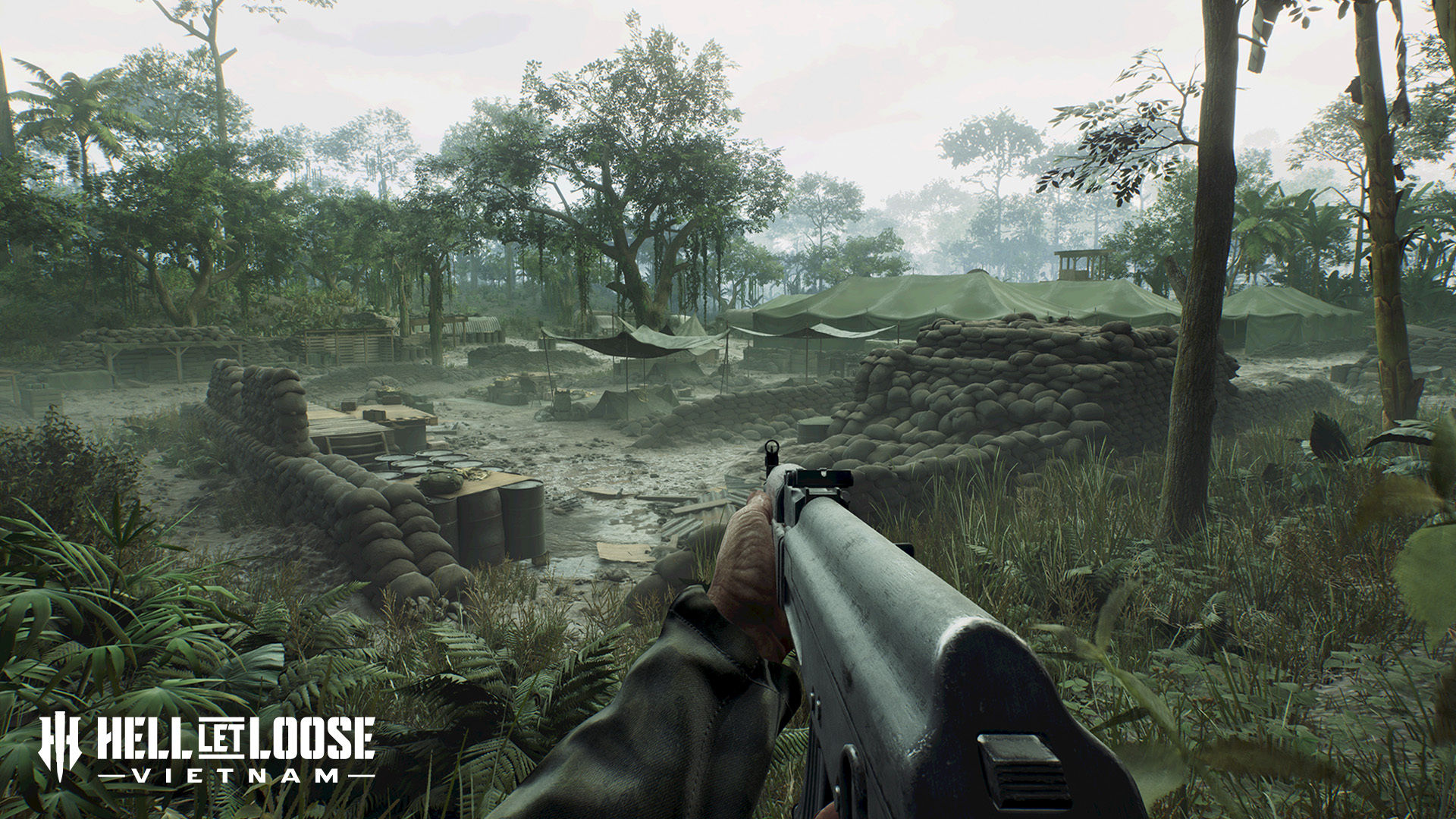
Operation Starlite, August 1965, also known as the Battle of Vạn Tường, was considered the first US offensive of the Vietnam War. The operation started with a US amphibious beach landing and three simultaneous helicopter landings, all in an attempt to counter a potential assault on a nearby military base, Chu Lai.
Vạn Tường offers a blend of semi-urban combat throughout small villages and intense moment-to-moment action within the confines of the jungle. The sprawling river network gives ample opportunity to maneuver boats around the map, and for infantry to ambush through the dense river foliage.
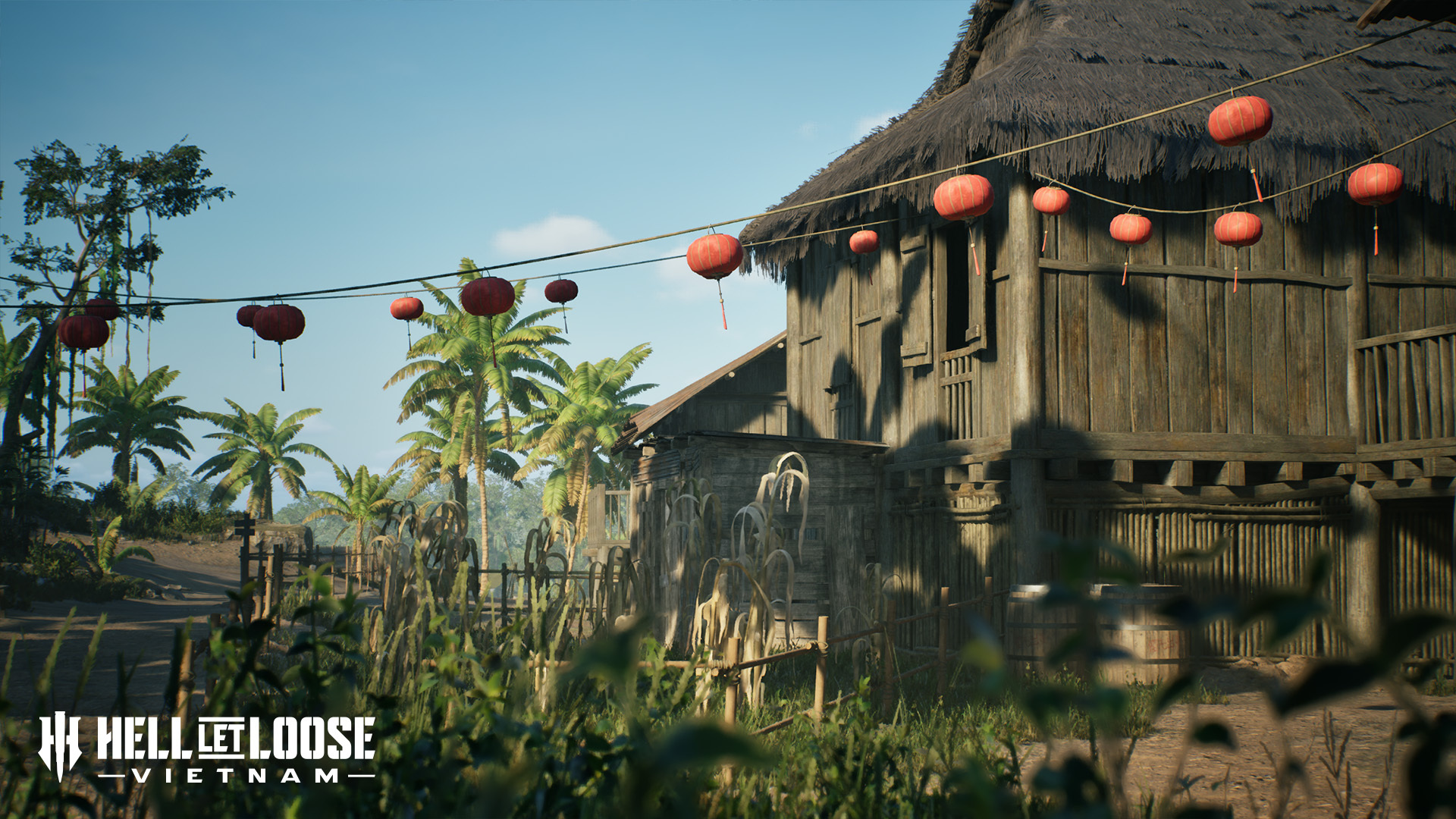
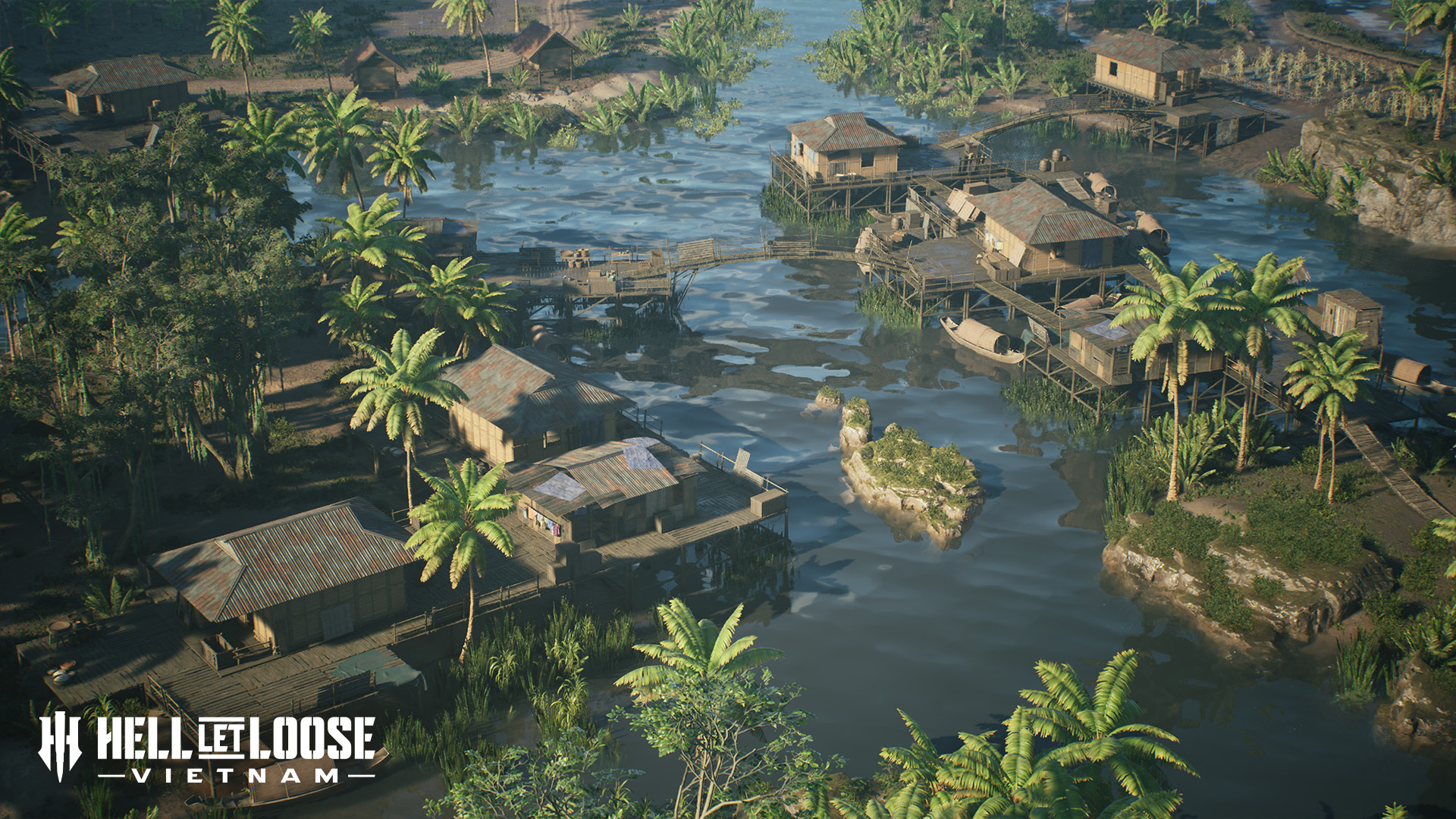
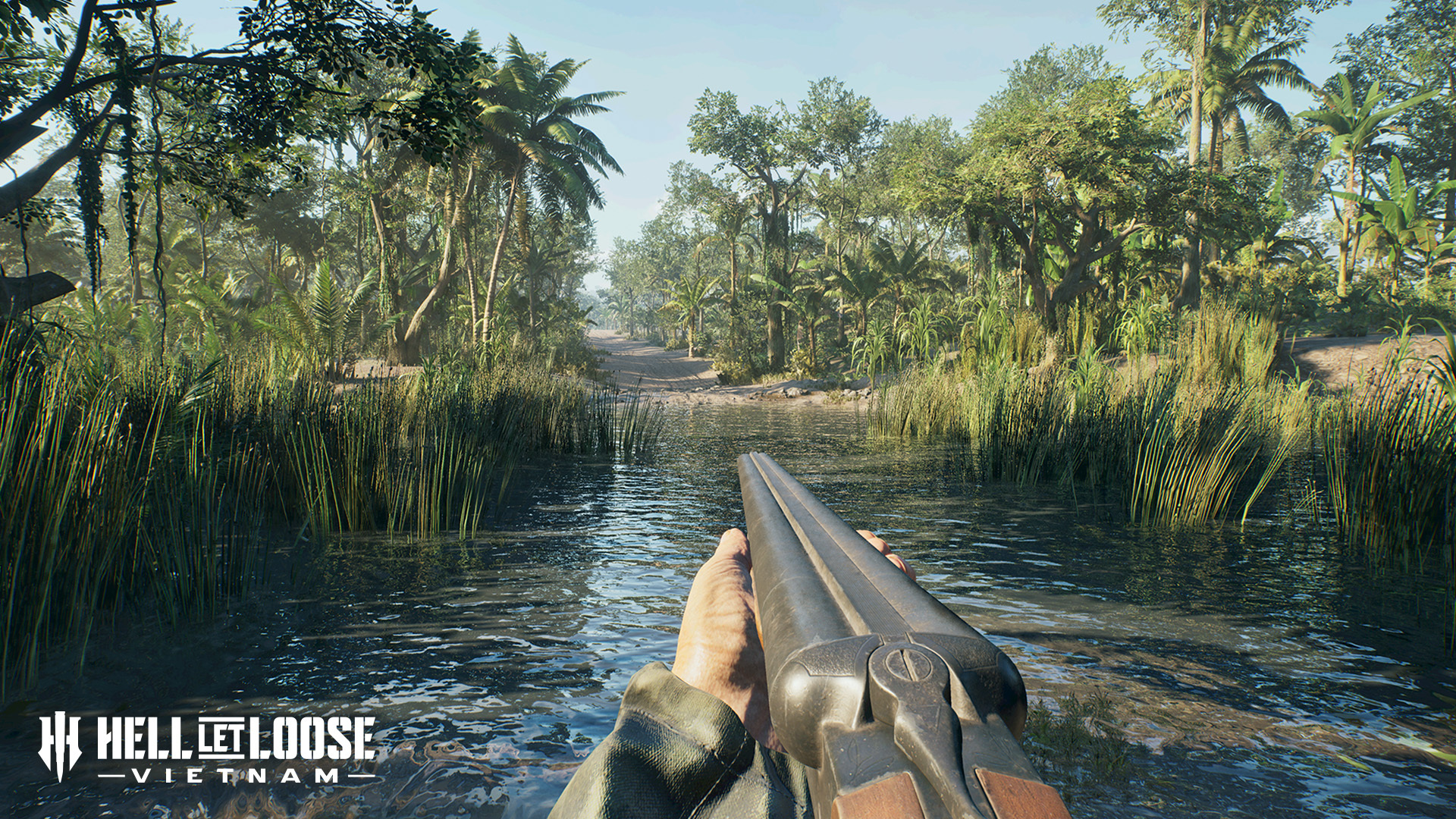
Operation Piranha, September 1965, was the immediate follow-up to Operation Starlite. Starting with an early hours beach landing, the US used choppers to perform an envelopment assault on the retreating enemy, cutting them off where they had fled to the southern Batangan Peninsula in the Quảng Ngãi Province.
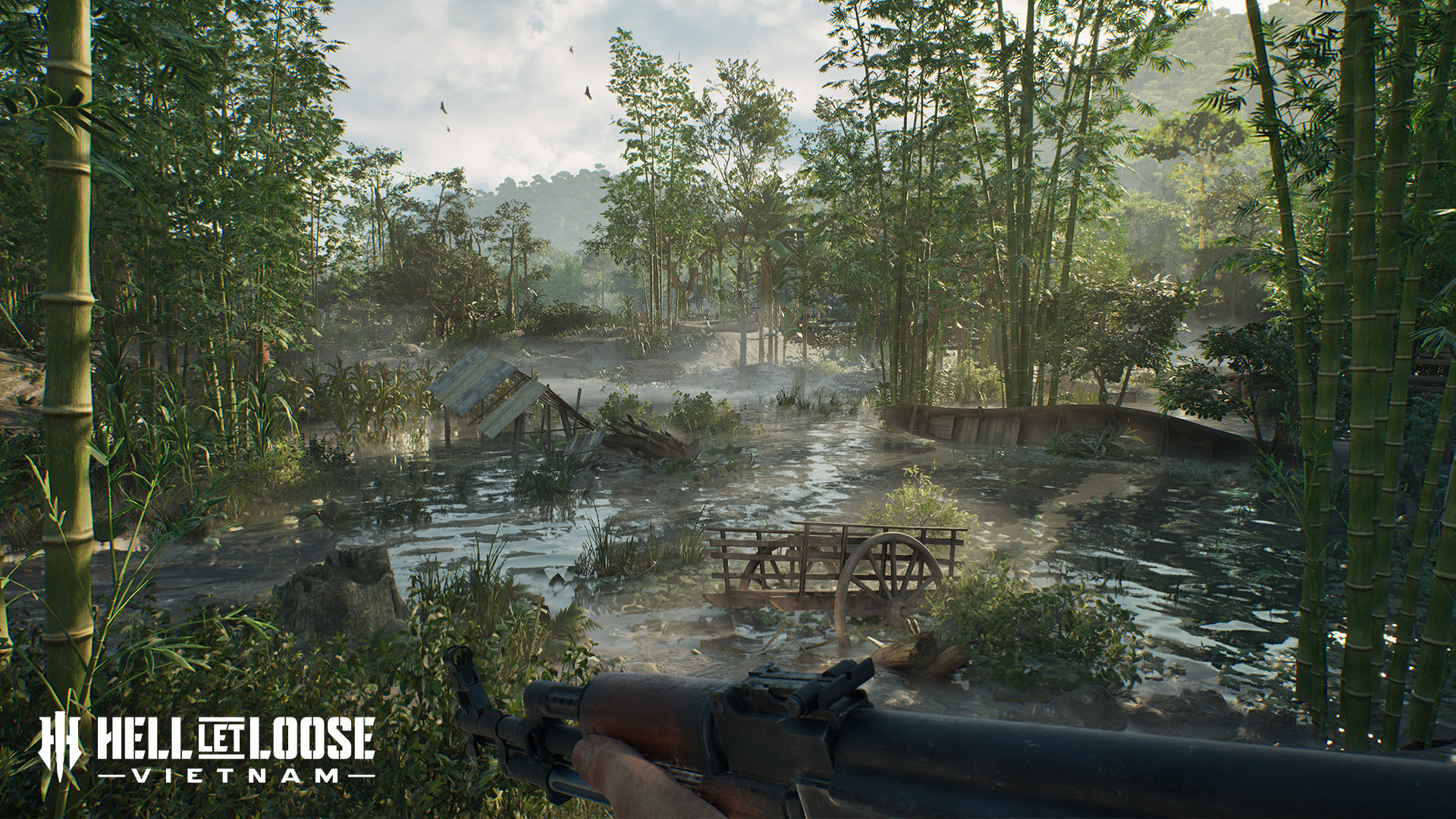
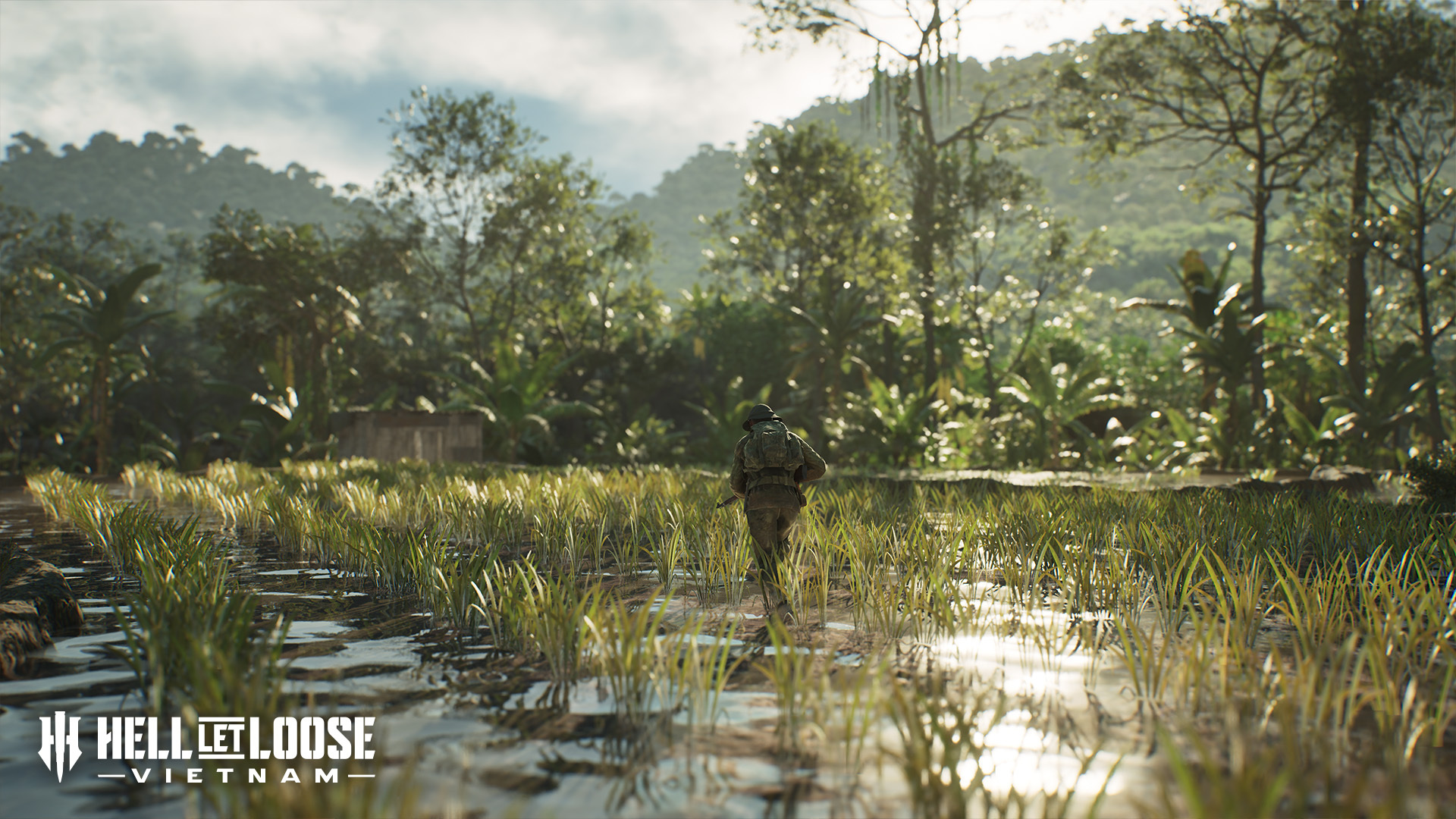
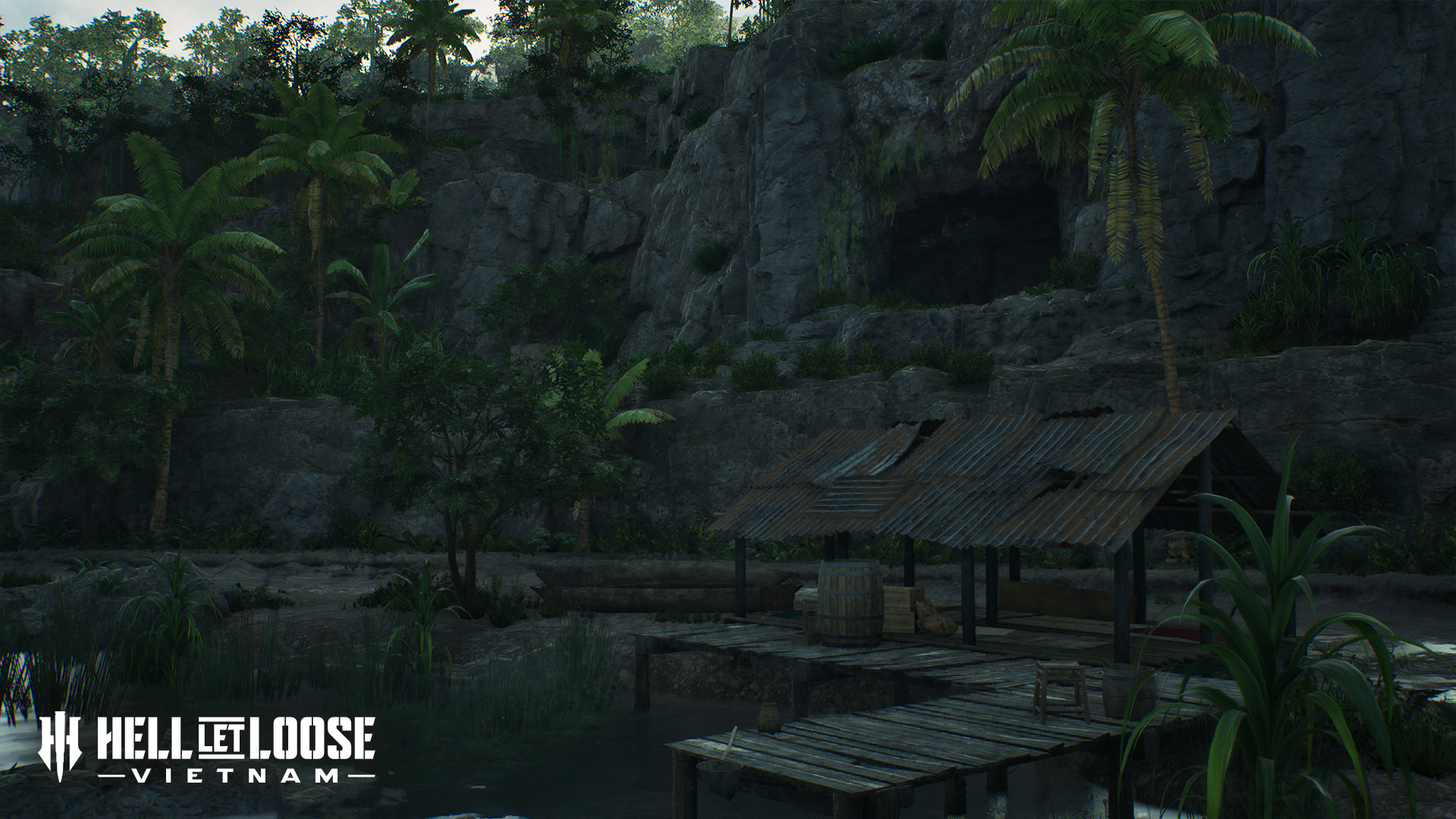
Adapt to the harsh environments of Quảng Ngãi, with monsoon flooding, rocky cliffs and caves, tropical bamboo forests, and open lowlands. Fighting will move between tight jungle confines, from cross-river expanses, to the vertical heights of the cliffs.
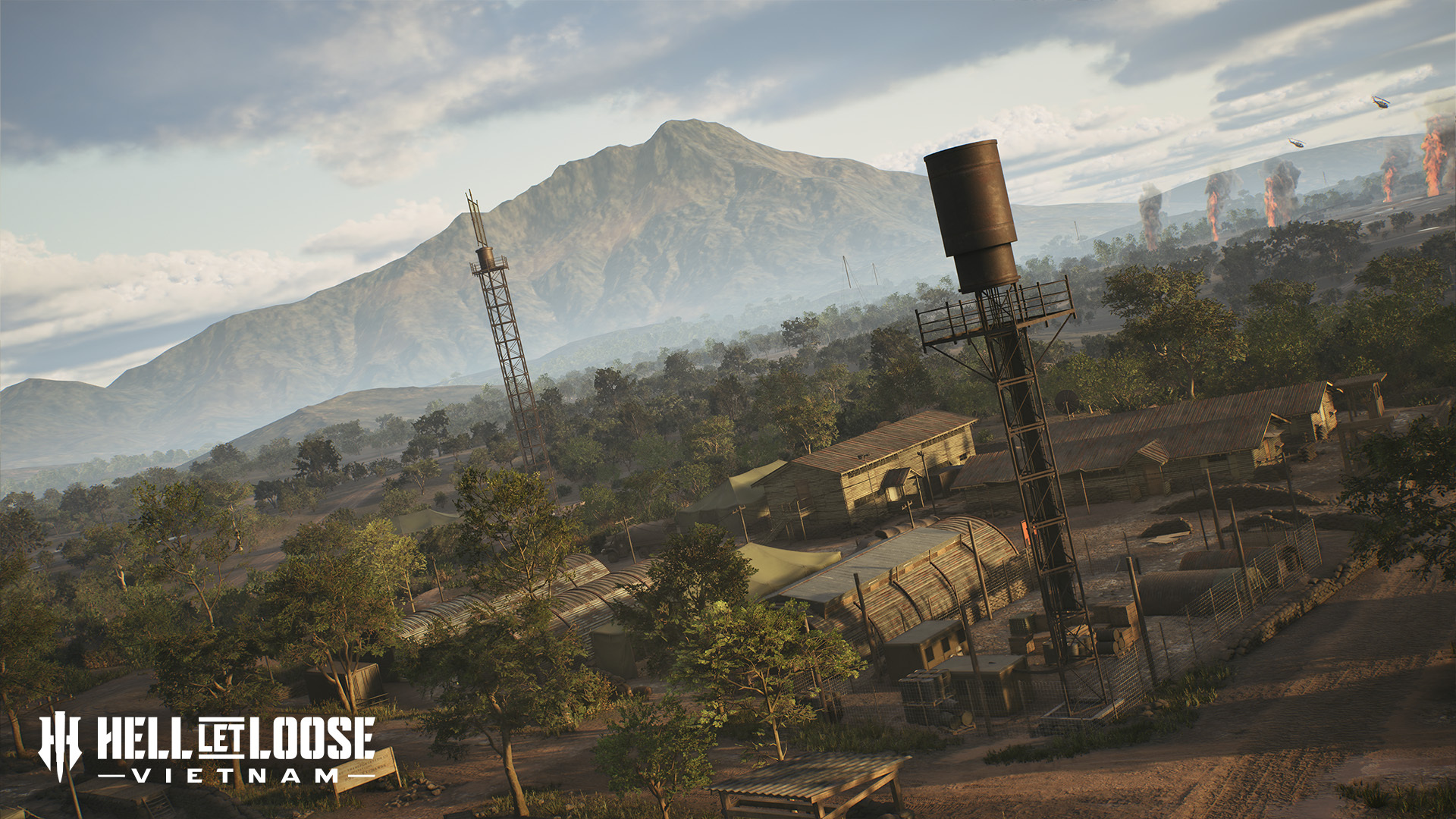
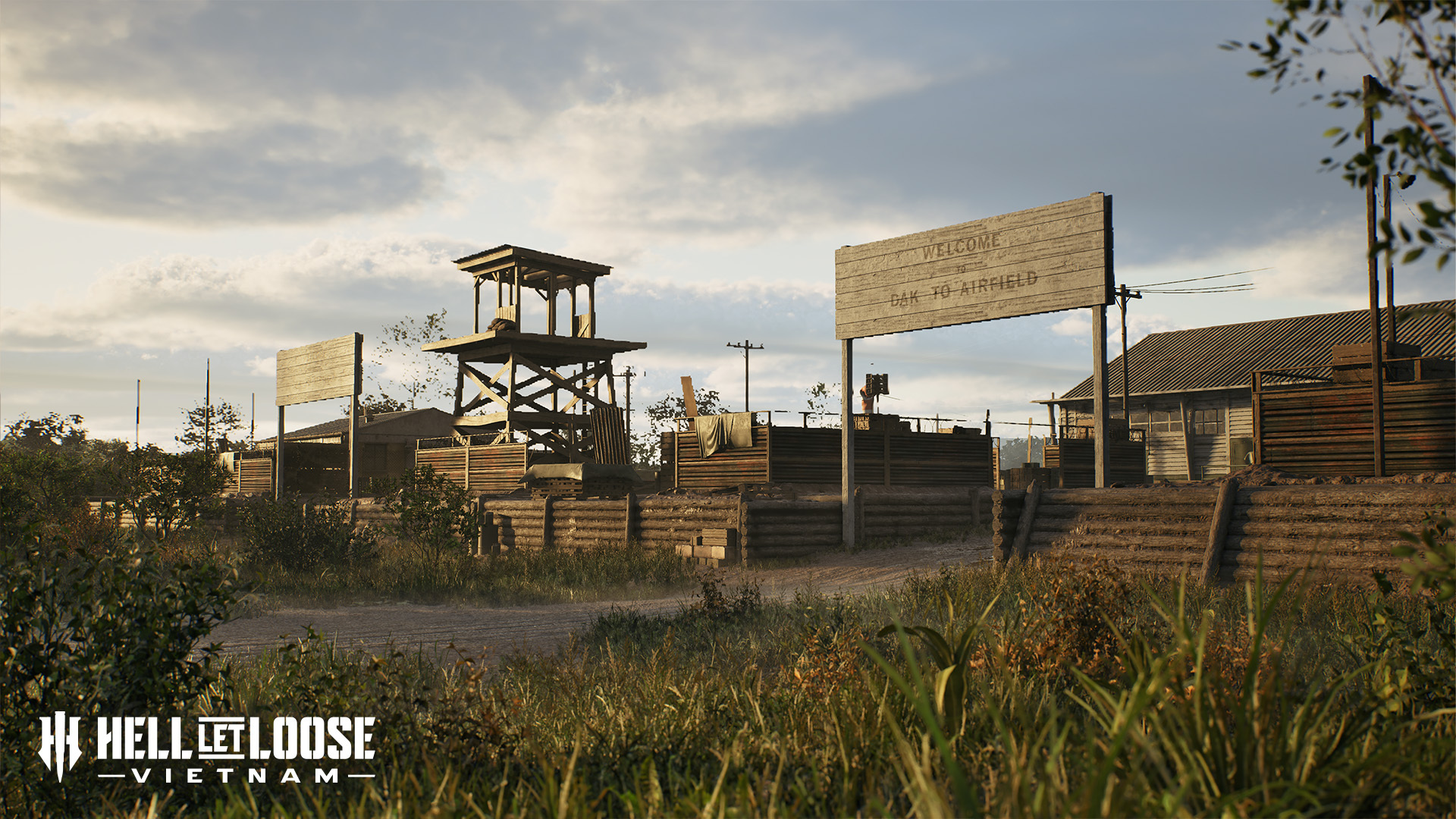
November 1967 saw the start of the Battle of Đắk Tô, an attack on a key US airfield base and surrounding hilltop fortifications in the central highlands of South Vietnam. The focal point of the base is its long, stretching airstrip, allowing nearby armor and recon units to take advantage and dominate the area. Impact craters and destroyed vehicles are strewn along the runway, caused by the constant bombardment of artillery strikes.
The operating airfield means the surrounding areas are less dense than the typical jungle, demanding effective teamwork and communication to navigate the open space safely.
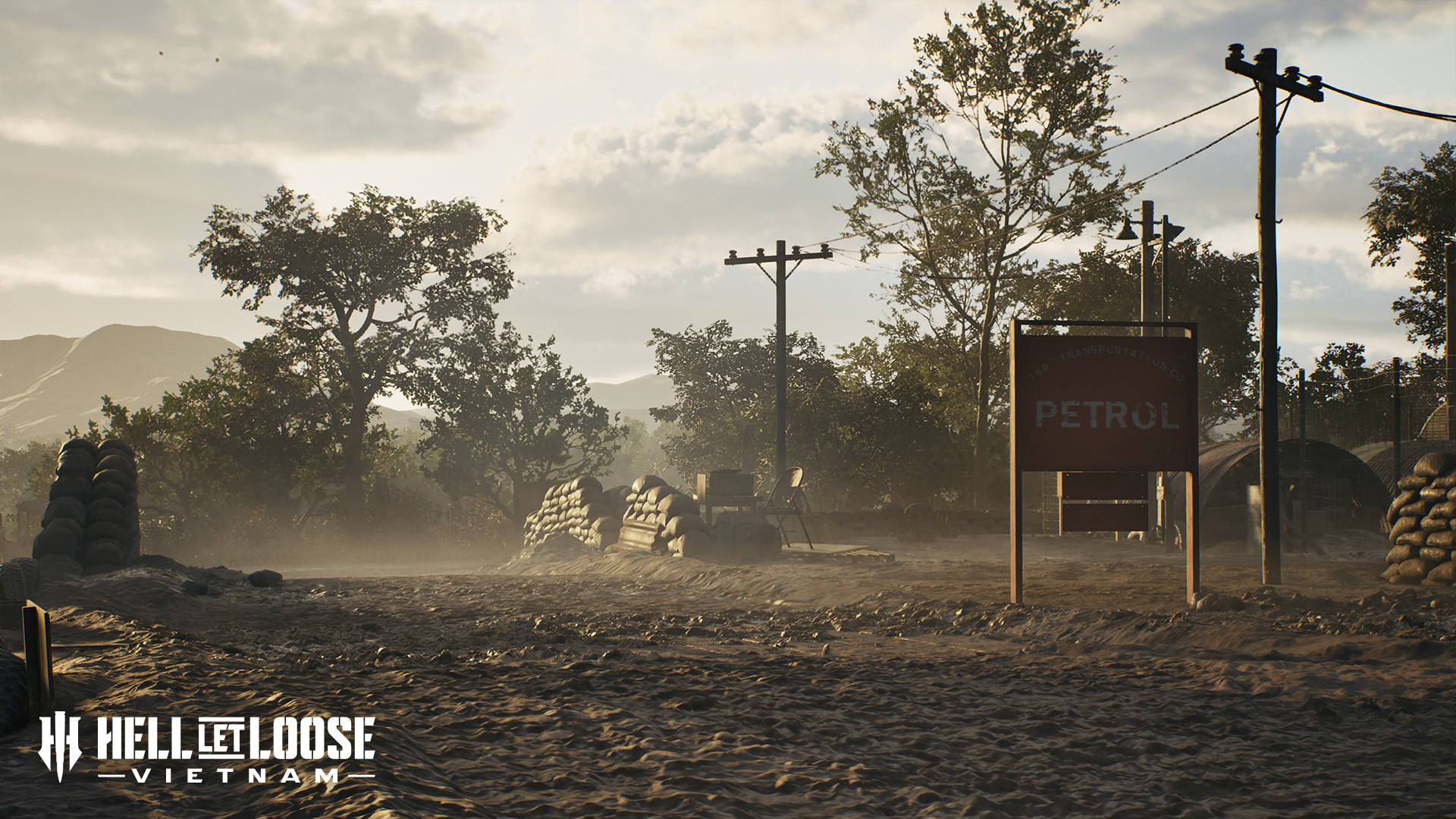
By 1969, the Cam Ranh Bay Logistics Facility was a well-established Air Force base, Naval base, and large munitions and POL storage site. Based on a secure peninsula in the province of Khánh Hòa, its deep-water bay allowed for large vessels to moor along the substantial DeLong Piers. The facility faced multiple attacks across its lifetime, including a sapper attack in August 1969 that damaged many buildings.
Be prepared to fight around dense militarised areas, dry creek beds, and rolling dunes. The large waterway to the south allows for wide open boat skirmishes, while the industrial docks provide intense close-quarters combat.


Let us know in the comments what map you're most excited to play, and what maps you'd like to see in the future...
你覺得這篇文章如何?